
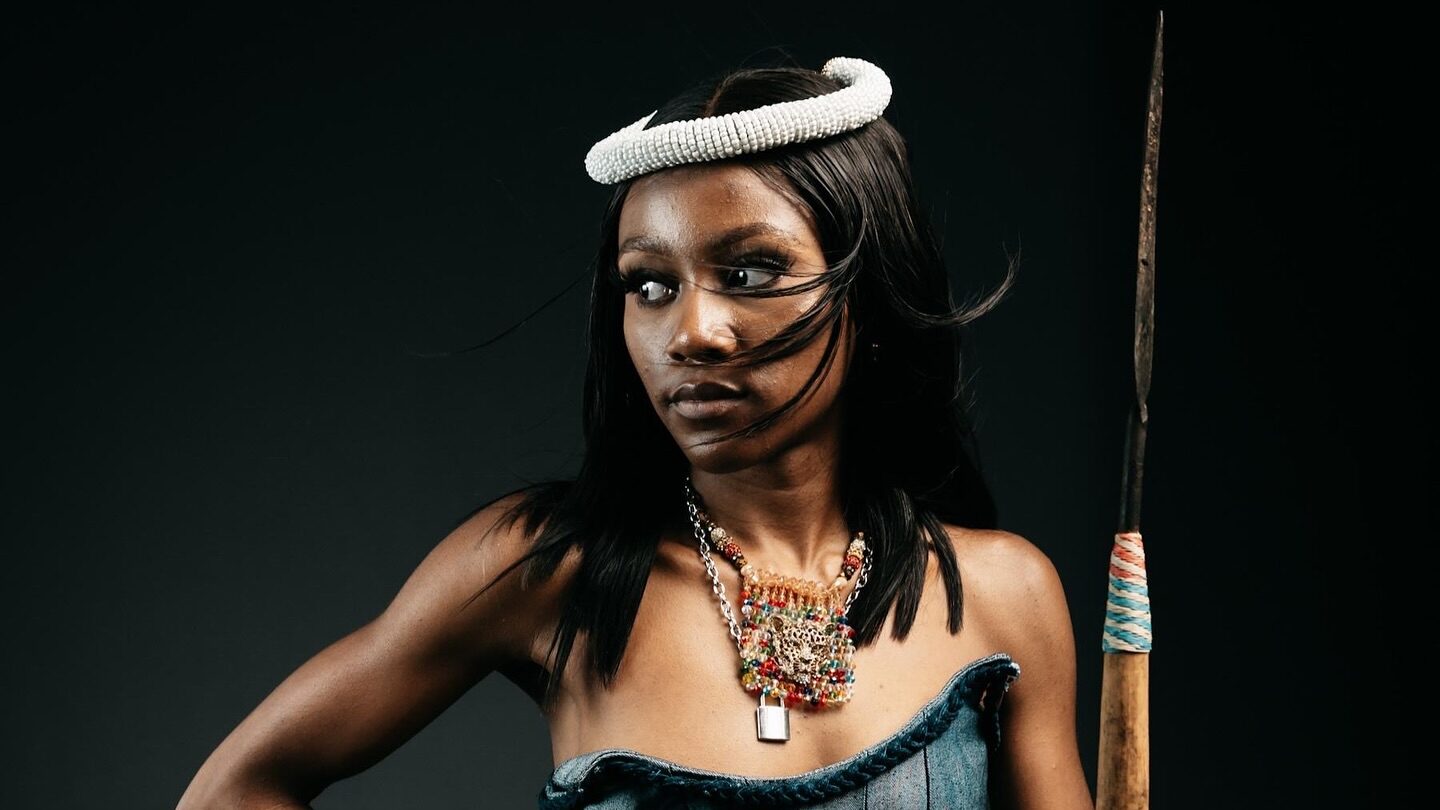

Rooted in her Swati heritage, Masentle brings tradition and identity to life through film, proving that storytelling can be both cultural preservation and creative revolution.
The global film and television industry has long faced criticism for its lack of gender representation, especially behind the camera. But in recent years, a wave of change has begun to rise, challenging the status quo and giving voice to more diverse and inclusive narratives.
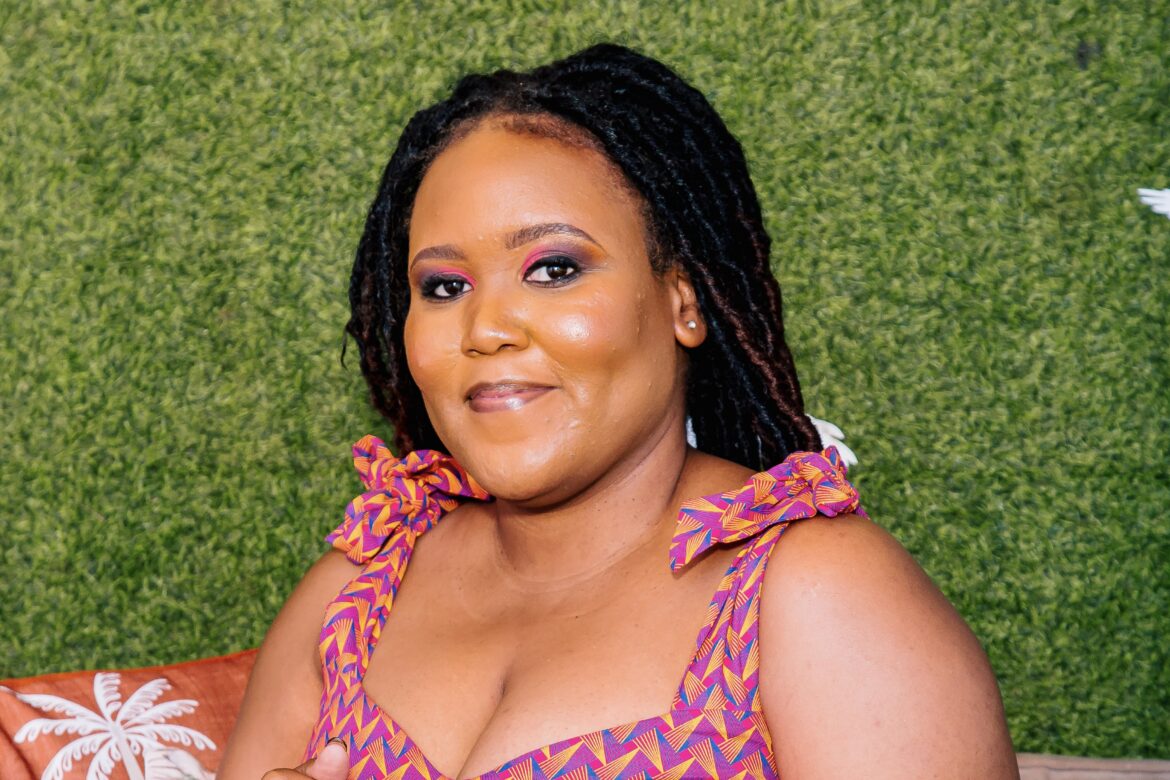
At the forefront of this movement in Eswatini is Masentle Thandiswa Dlamini, widely known as TDee or ‘If I let you touch my camera’, a name that already tells you this is no ordinary filmmaker.
Masentle is a creative powerhouse: a film and TV producer, director, writer, set designer, and media liaison whose work is not just about entertainment, it’s about edutainment through a proudly SiSwati lens.
She is unapologetically grounded in her heritage and culture, using her skills to tell stories celebrating Swati traditions’ richness and beauty.
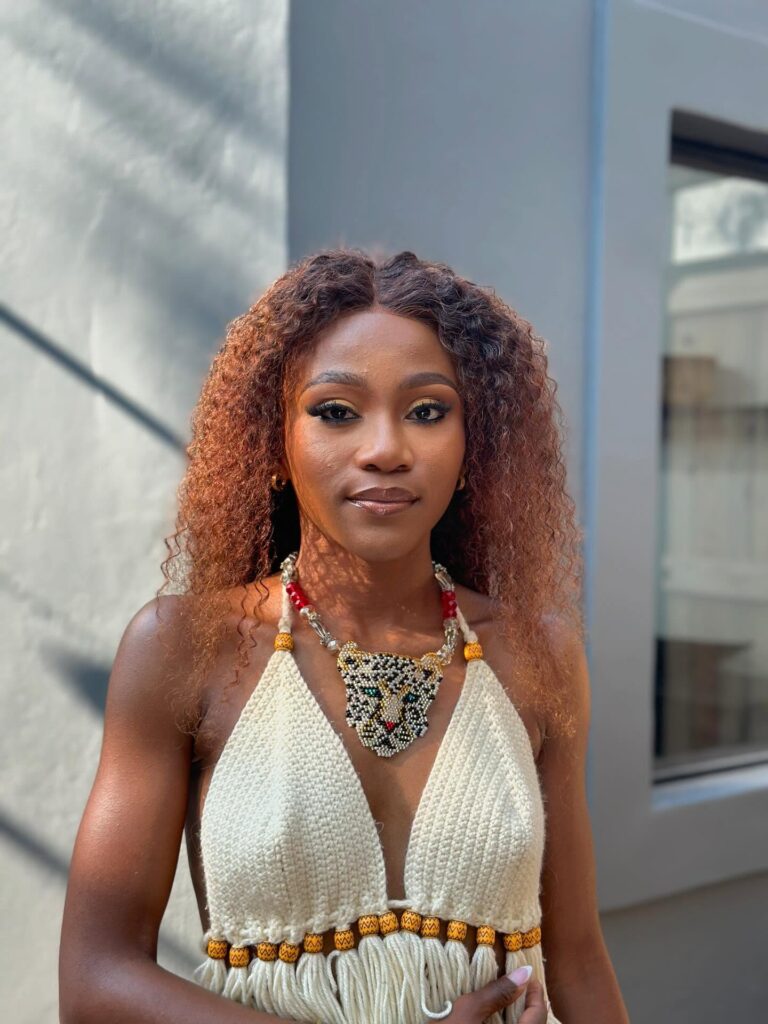
“I’m proud to be a part of the growing creative industry in Eswatini and I am committed to producing stories that resonate with audiences locally and globally,” she says.
Masentle’s love affair with the camera began at an early age. Growing up in a family where preserving memories was a cherished ritual, especially during cultural celebrations like Umhlanga Reed Dance and Incwala, she was naturally drawn to visual storytelling. Her aunt, Umlangeni Menzi, played a pivotal role in nurturing this fascination, often photographing a young Masentle who was rarely seen without her toy camera, even attending her first Reed Dance at just two years old.
What began as childlike curiosity soon deepened into passion. By Grade 10, Masentle had already made her mark as one of the few young photographers at her school, notably, one of the few females in a male-dominated field. Mentorship under renowned photographer Zwide (of Ekhaya Kusekhaya) further broadened her horizons and set her on the path toward film production. Her mother, Kiki Mkwanazi, became a pivotal figure in nurturing her dreams, encouraging her to pursue formal studies at the African Film and Drama Academy (AFDA), a decision that helped shape her professional journey.
Breaking into a male-dominated industry was no simple feat. Masentle encountered bias, stereotypes, and the many hurdles that often confront women in her field, but she met each challenge with unwavering confidence, resilience, and the support of mentors who guided her along the way. “I’ve been fortunate to have various mentors, mostly family who, even if they didn’t pursue the arts professionally, inspired me through their love for culture and creativity,” she reflects. “I’m also passionate about mentoring other women in the industry, helping them navigate their paths through sharing my own experiences.”


Greatest Achievements
When asked about her proudest moments, Masentle says it’s hard to pick just one. To her, every project completed is a triumph, but one stands out:
“A recent documentary I produced, ‘My Journey to Umhlanga,’ was a highlight. It showcased our cultural heritage through the eyes of young Swazi maidens. Sharing our traditions with a broader audience was powerful; it sparked important conversations about identity and history.”
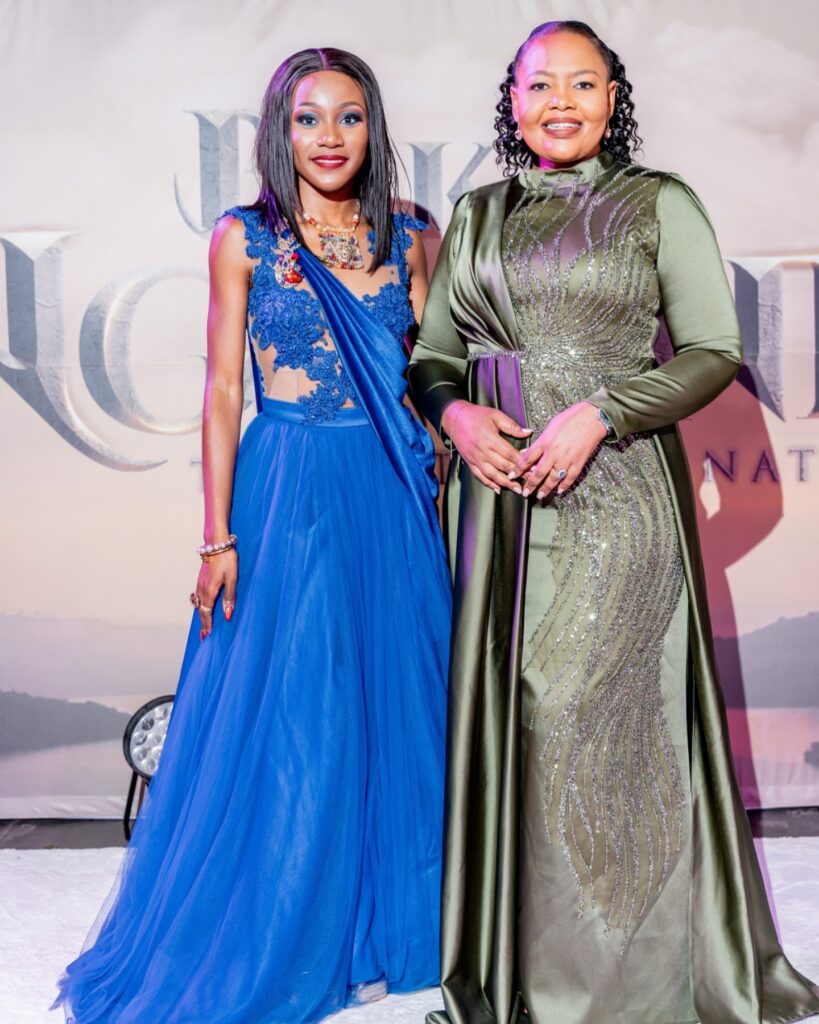
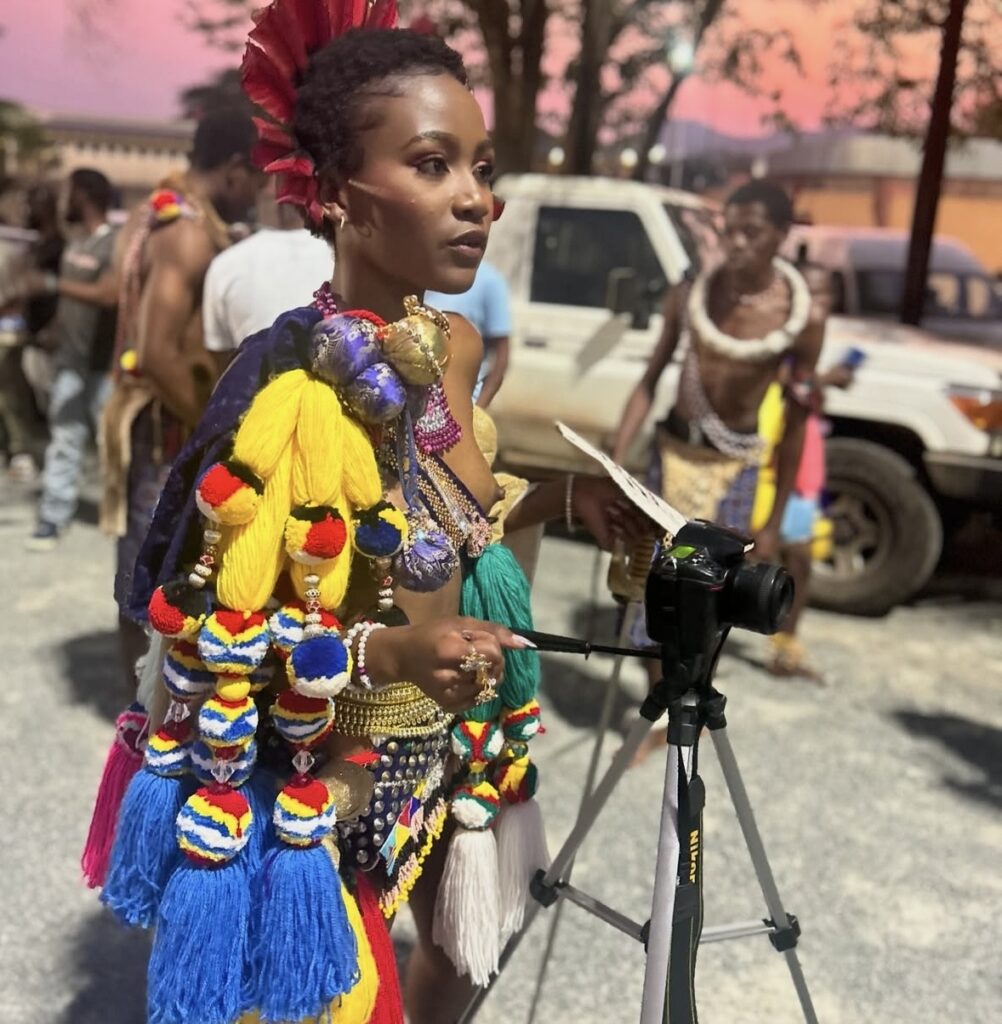
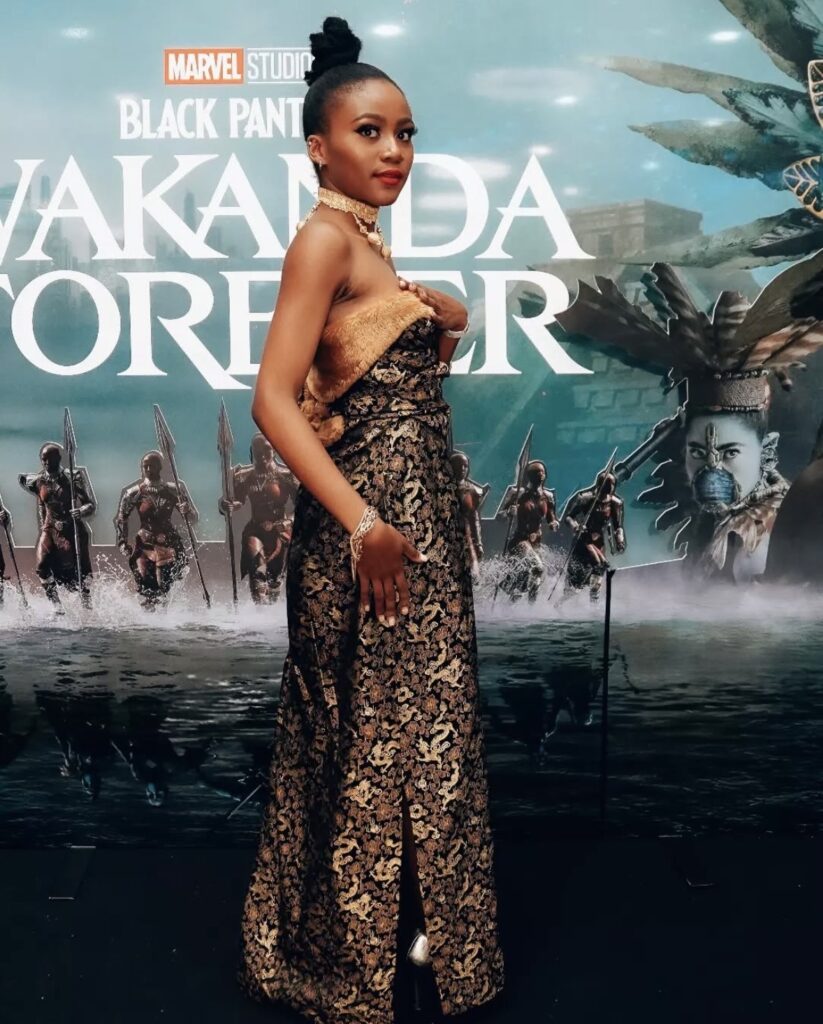
For Masentle, the best part of producing is the creative process: brainstorming, collaborating, and watching an idea come to life on screen.
But like many creatives, she’s honest about the obstacles—especially the logistical and financial challenges.
“Raising funds for productions is never easy, and working with diverse teams means navigating communication and cultural differences. But I’m passionate about overcoming those challenges.”
A Standout Challenge: BakaNgwane
One of Masentle’s most challenging yet rewarding projects to date was her work on BakaNgwane, a landmark local film that chronicles Eswatini’s royal history, tracing its roots back to the reign of the first king.
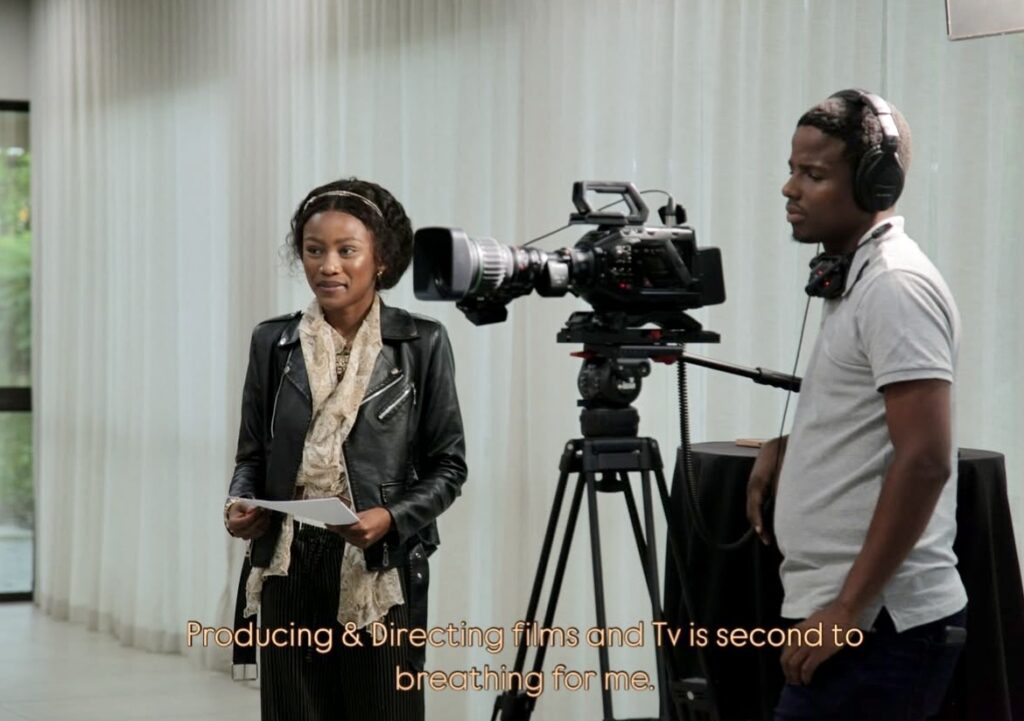
It had never been done before. There was no existing reference, which made it feel like clearing a forest that had never been walked on
“It had never been done before. There was no existing reference, which made it feel like clearing a forest that had never been walked on,” she says. But the lack of a blueprint only fueled her determination to create something impactful and original.
Masentle has big plans. In five to ten years, she sees herself as a leading storyteller not just in Eswatini, but across the African continent and beyond.
“I want to produce work that continues to celebrate our culture while resonating with global audiences. More than anything, I want to create opportunities for the next generation of storytellers who wish to express themselves through film and television.”
Dlamini is more than a filmmaker she’s a cultural ambassador, a mentor, and a visionary.
Her journey is proof that when passion meets purpose, the results can break barriers and inspire nations.
Check out Masentle’s work of art on Instagram- @if.i.let.you.touch.my.camera