
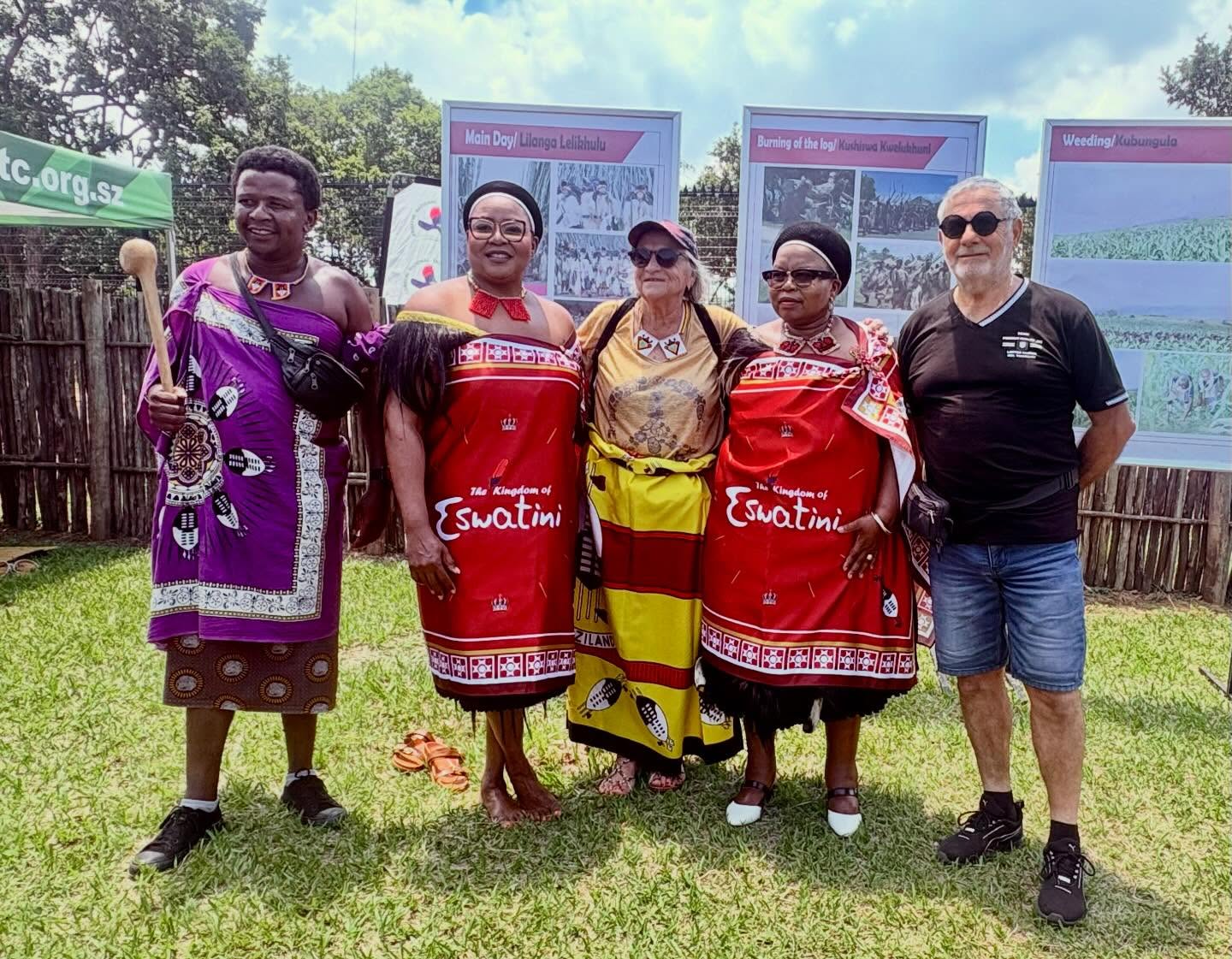

The Incwala Ceremony is fast evolving from a revered national ceremony into one of Southern Africa’s most distinctive cultural tourism attractions, with its rising popularity driving a significant surge in visitor arrivals to Eswatini during the December 2025 festive season.
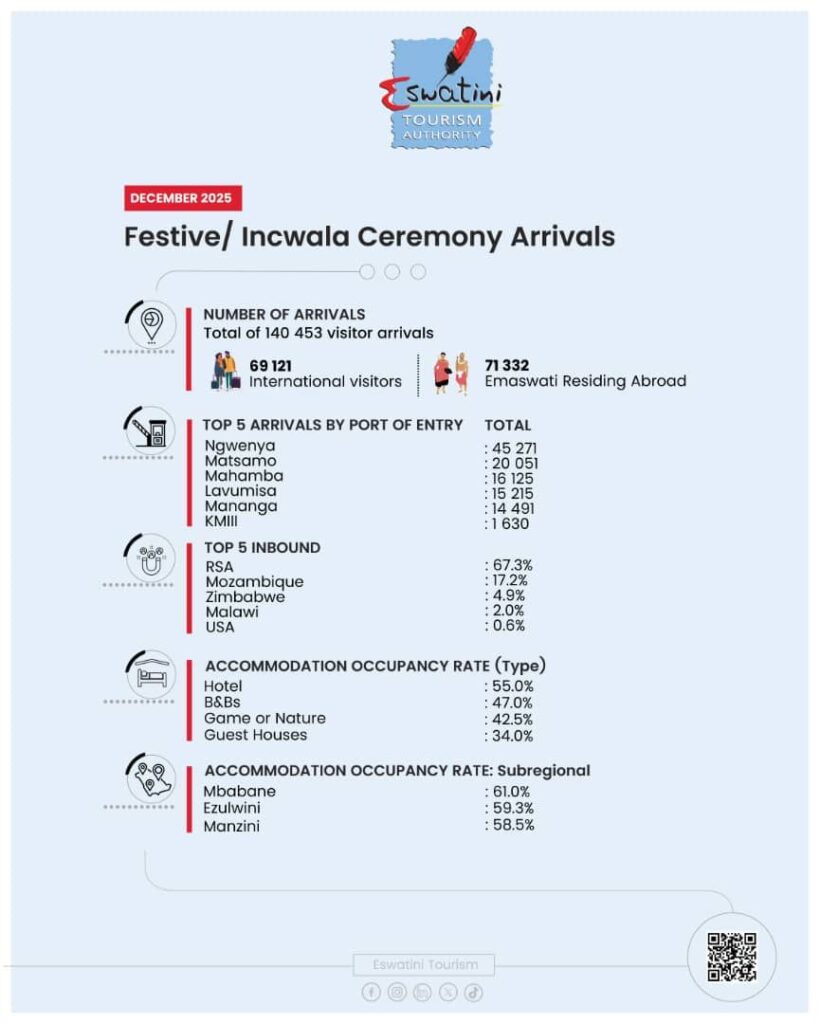
Latest figures from the Eswatini Tourism Authority (ETA) show that 140,453 visitors entered the country during the period, a performance tourism officials attribute largely to increased interest in the Incwala Ceremony, both among Emaswati living abroad and international travellers seeking authentic cultural experiences.
Of the total arrivals, 71,332 were Emaswati residing abroad, highlighting a growing homecoming trend tied to the ceremony, while 69,121 were international visitors, many of whom planned their travel around the Incwala calendar.
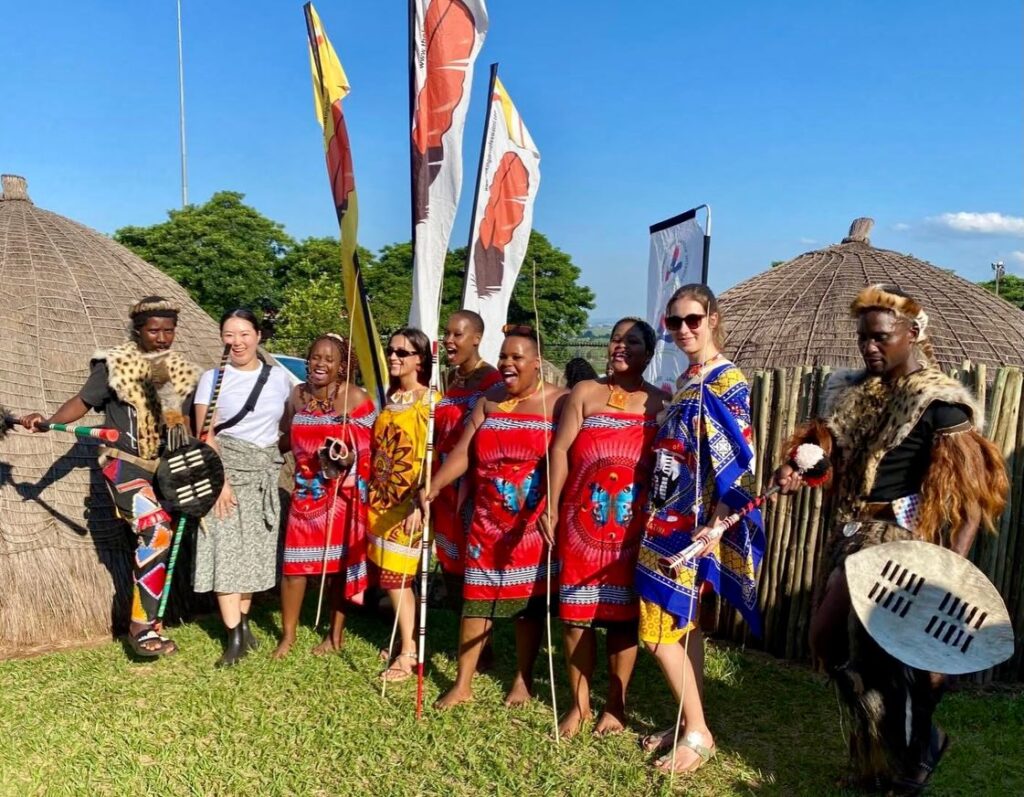
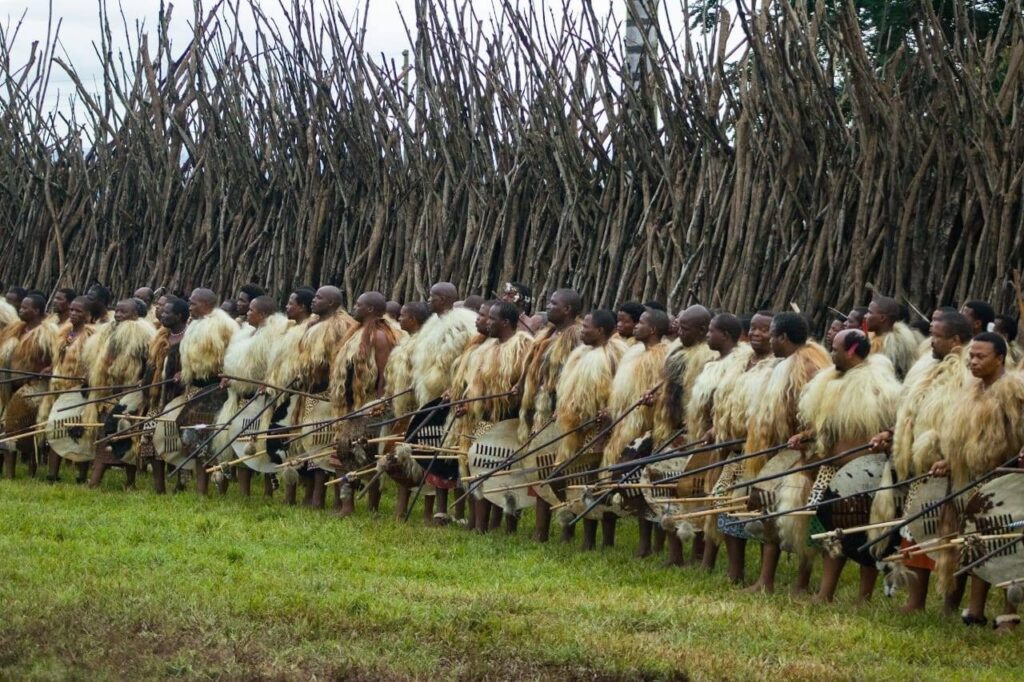
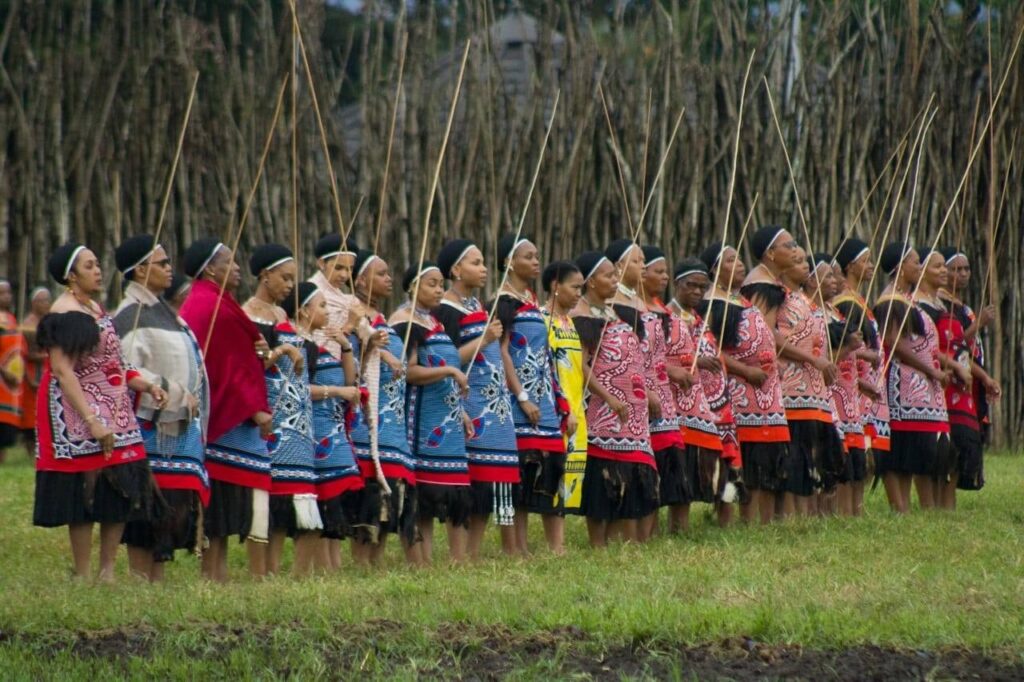
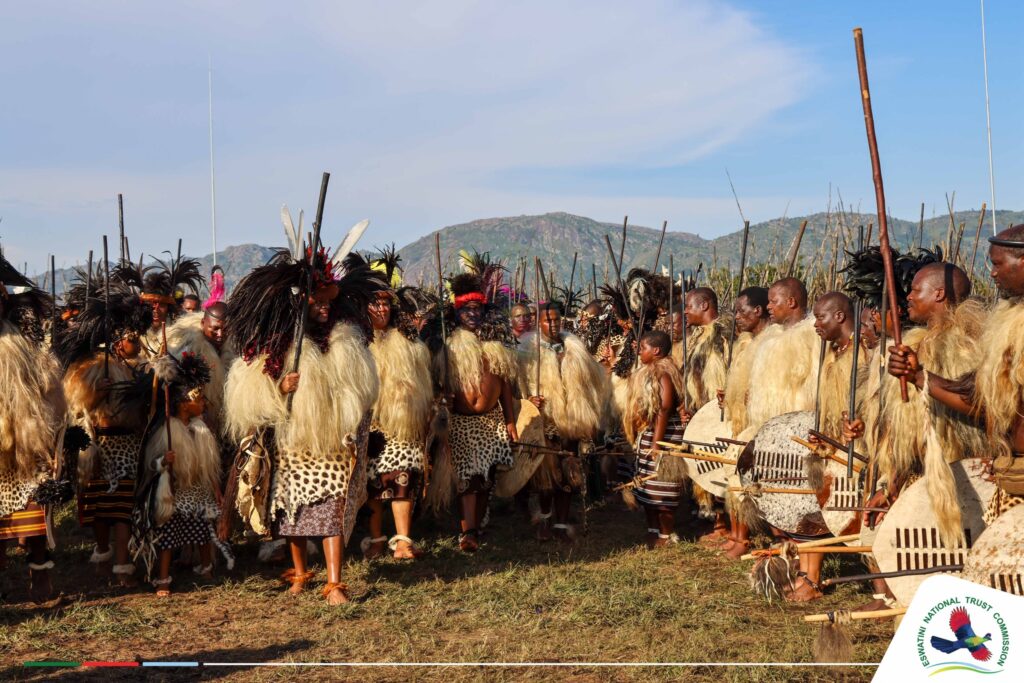
Tourism analysts say the numbers reflect a shift in how Incwala is perceived, from a primarily local spiritual event to a globally recognised cultural phenomenon.
“The Incwala Ceremony is increasingly drawing attention beyond Eswatini’s borders,” an ETA official said. “Visitors are no longer coming by coincidence; they are coming specifically to witness and experience the ceremony.”


Border statistics further underline this trend. Ngwenya recorded 45,271 arrivals, followed by Matsamo (20,051), Mahamba (16,125), Lavumisa (15,215) and Mananga (14,491), indicating strong regional interest, particularly from neighbouring countries. The King Mswati III International Airport handled 1,630 arrivals, signalling a gradual rise in longer-haul travel linked to cultural tourism.
South Africa remained the leading source market, accounting for 67.3 percent of arrivals, followed by Mozambique (17.2 percent) and Zimbabwe (4.9 percent).
Smaller but notable numbers from Malawi (2.0 percent) and the United States (0.6 percent) point to Incwala’s expanding international footprint.
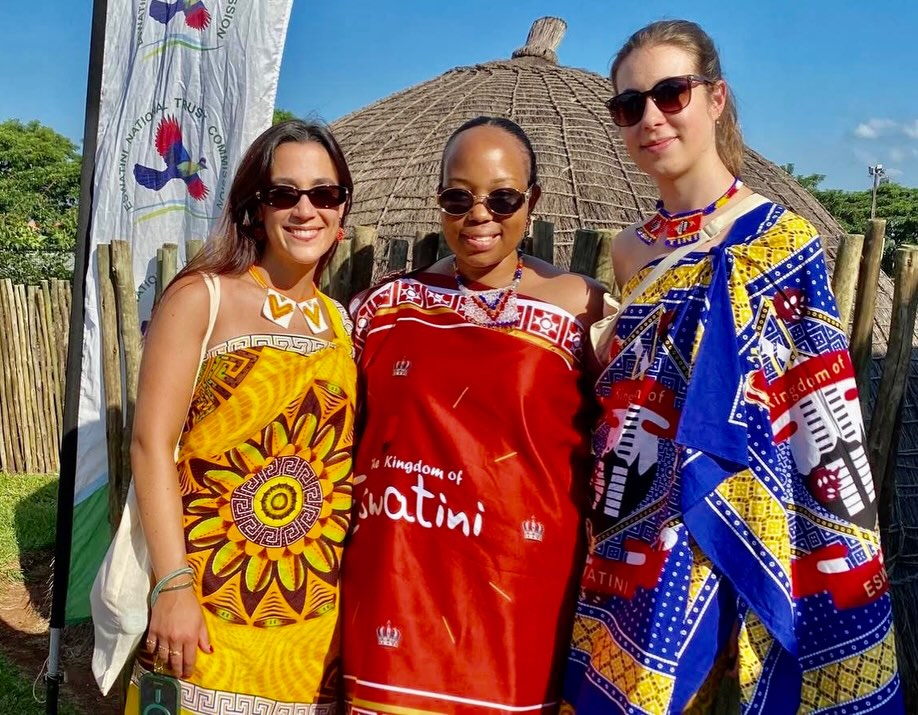
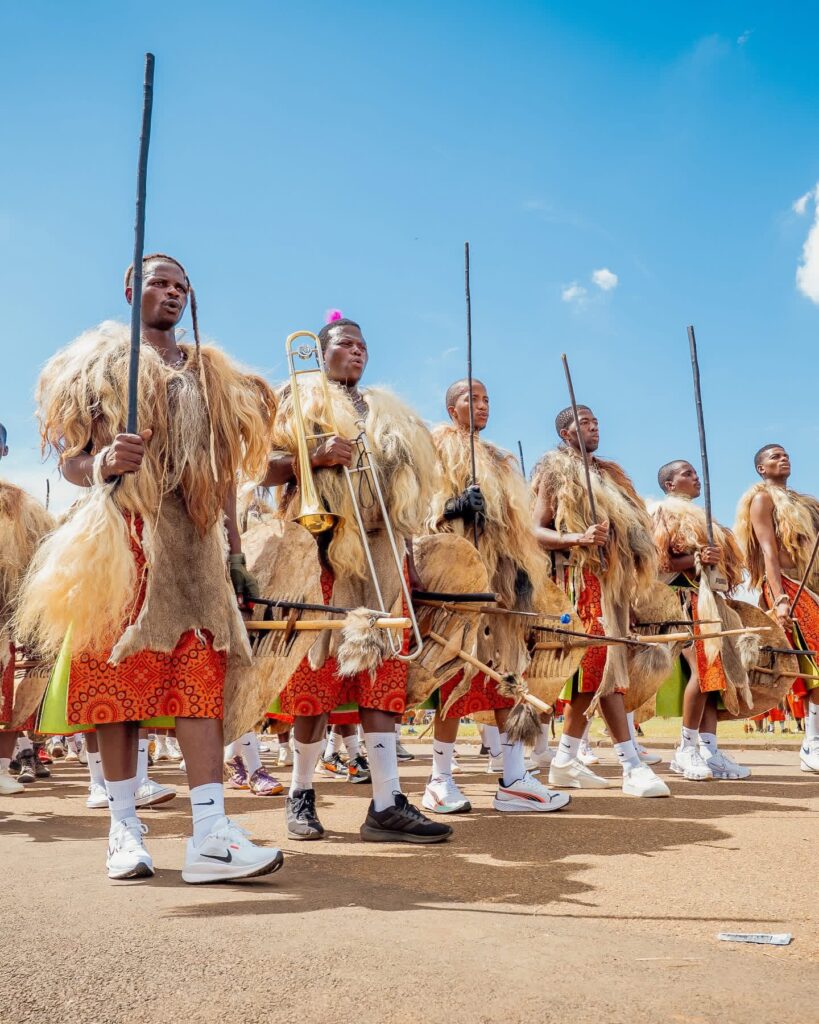
The growing popularity of the ceremony translated into tangible economic gains for the hospitality sector.
Hotels recorded average occupancy of 55 percent, while bed and breakfasts reached 47 percent. Mbabane led regional occupancy at 61 percent, followed closely by the Ezulwini Valley (59.3 percent) and Manzini (58.5 percent).
Tourism stakeholders say increased digital exposure, word-of-mouth marketing and heightened global interest in indigenous cultures have elevated Incwala’s profile in recent years.
As Eswatini continues to position cultural heritage at the centre of its tourism strategy, the Incwala Ceremony is emerging not only as a symbol of national identity, but as a powerful driver of tourism growth with the potential to sustain visitor interest well beyond the festive season.