
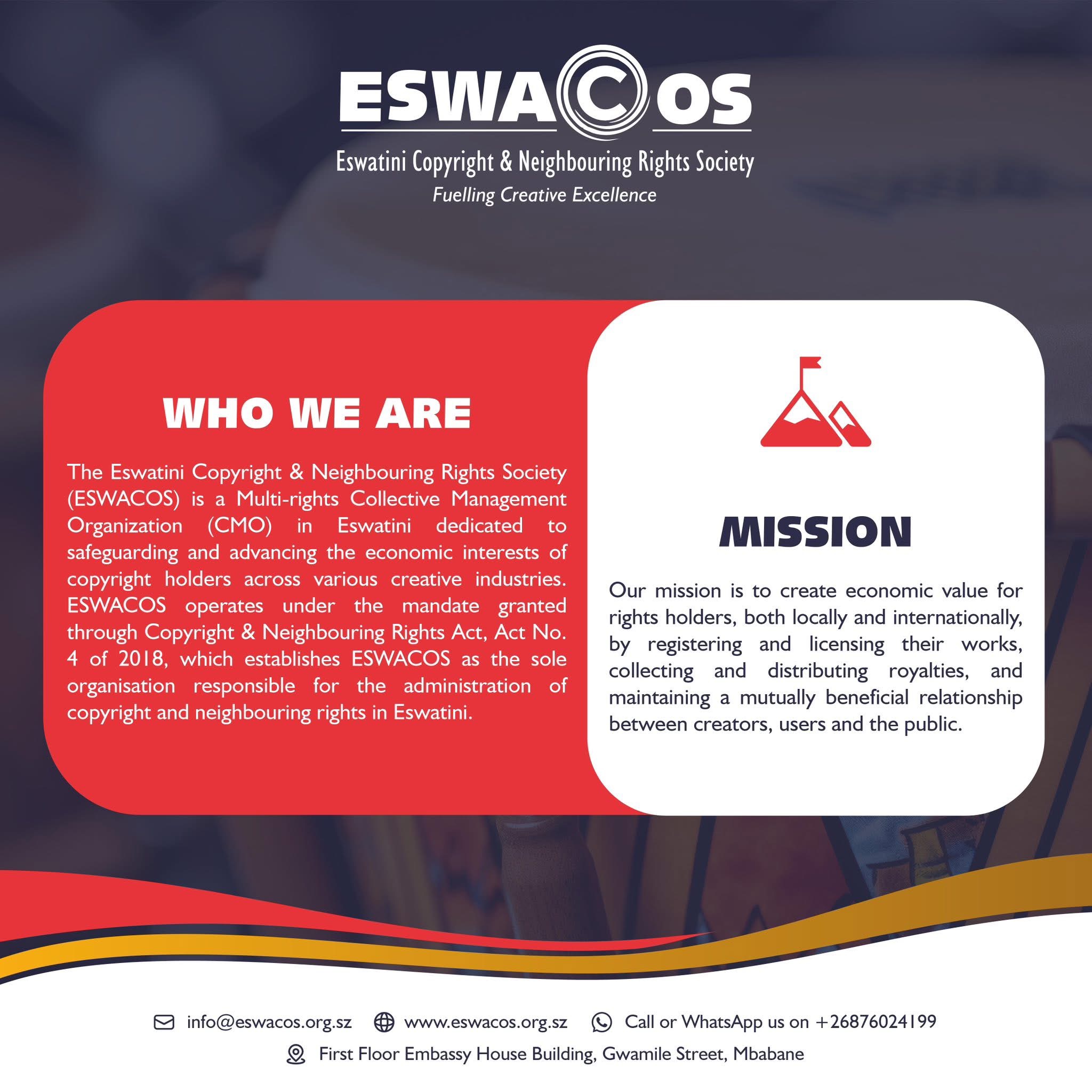

A growing number of Eswatini artists are demonstrating a renewed commitment to protecting their creative works, signalling a positive shift towards a more sustainable and professional music industry.
Recent visits to the Eswatini Copyright and Neighbouring Rights Society (ESWACOS) offices by some of the country’s well-known and emerging artists highlight an increasing awareness of the importance of copyright registration.
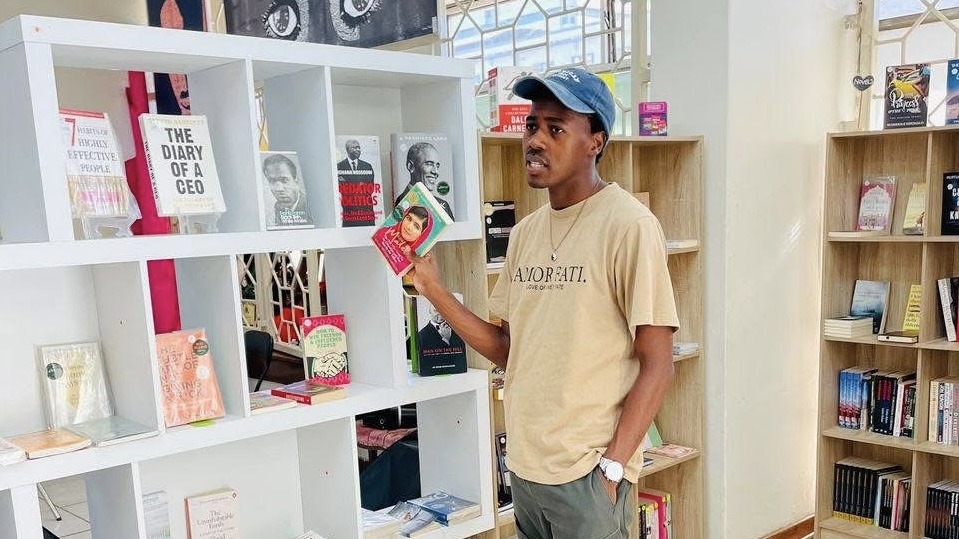
Last week, music producer and artist Sean Cast HQ, accompanied by rising artist MCO Jamrock, visited the ESWACOS offices to officially register their musical works.
Their visit underscored the importance of artists taking ownership of their creativity and safeguarding their intellectual property in an industry where unauthorised use of content remains a challenge.
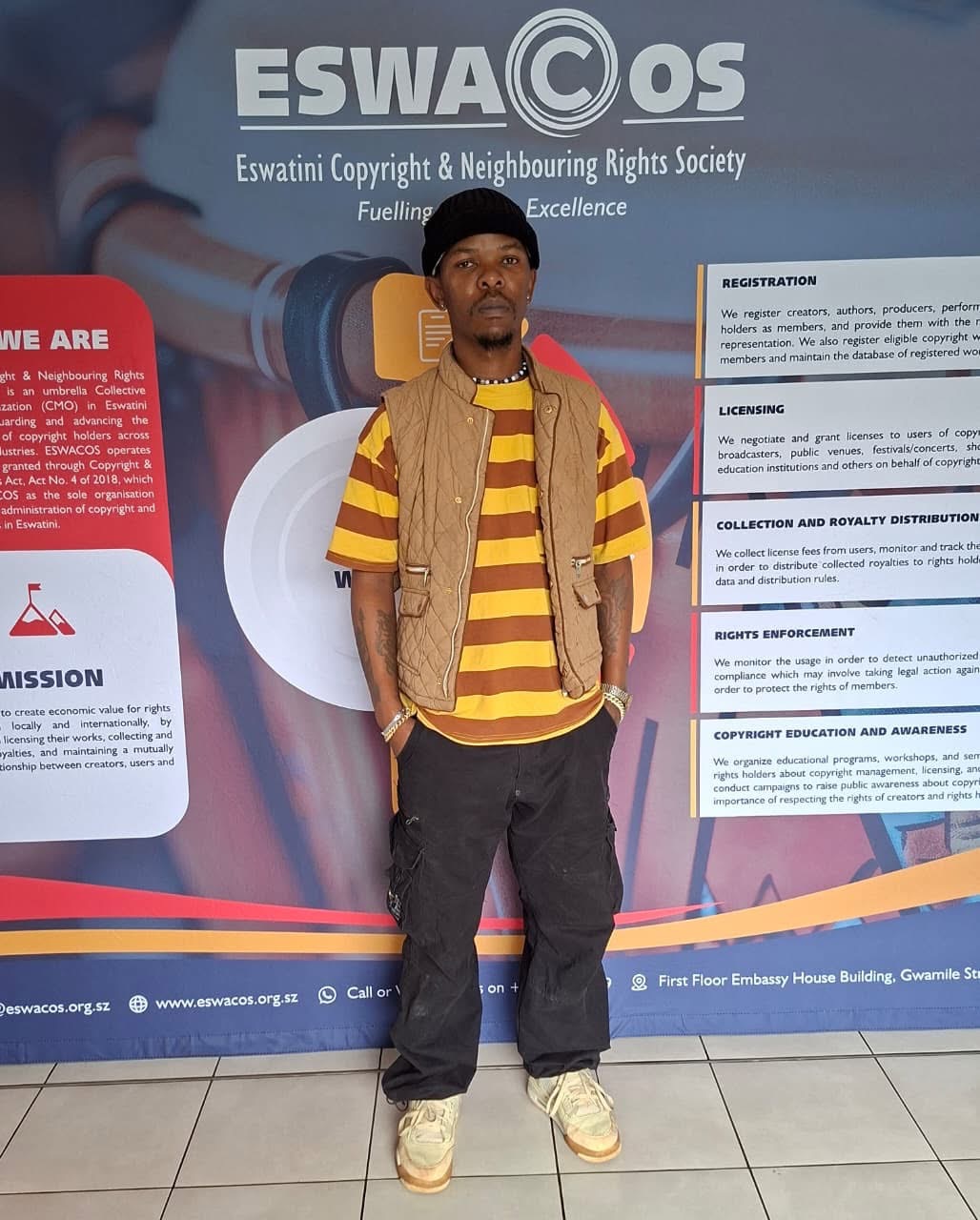
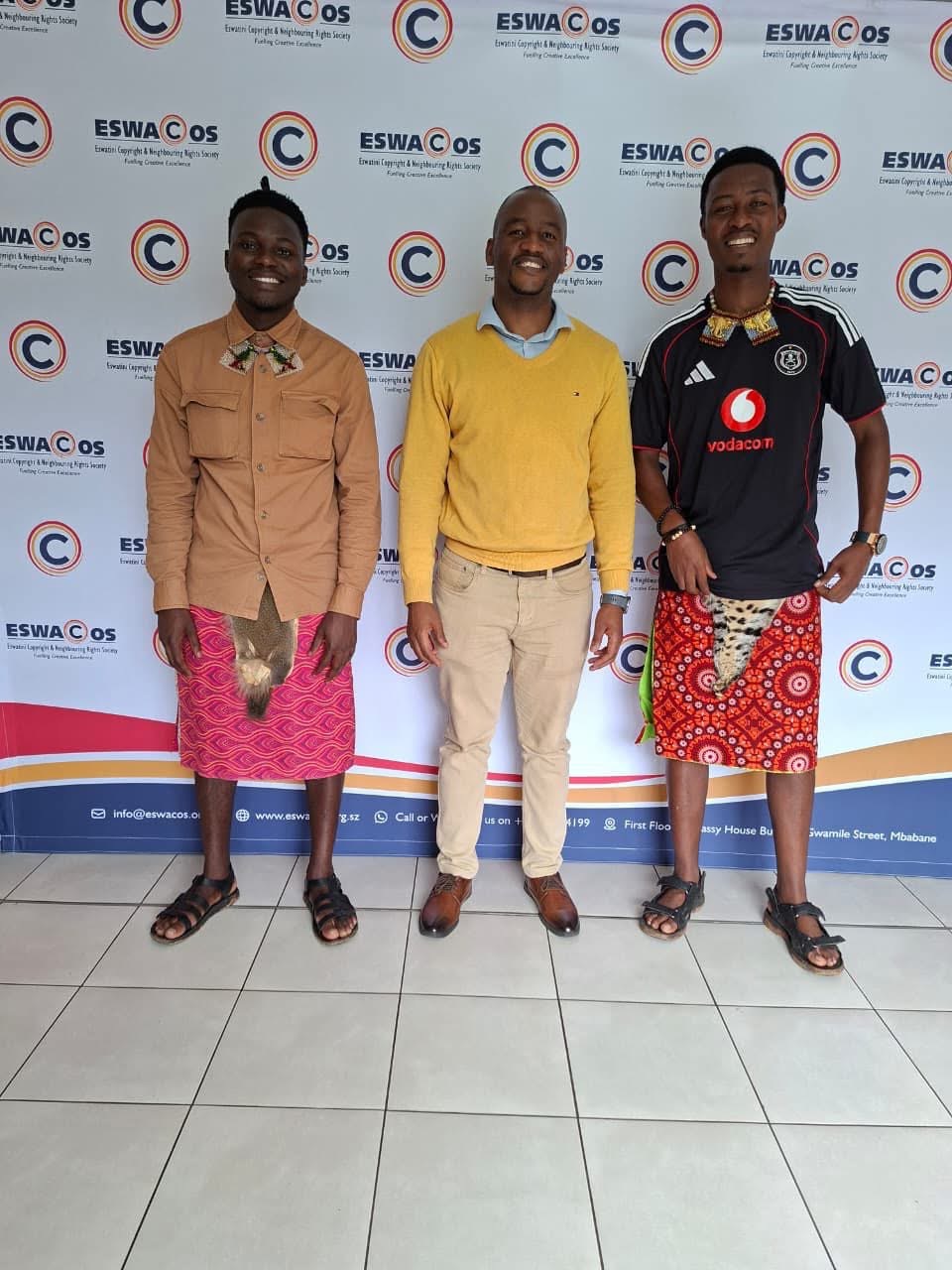
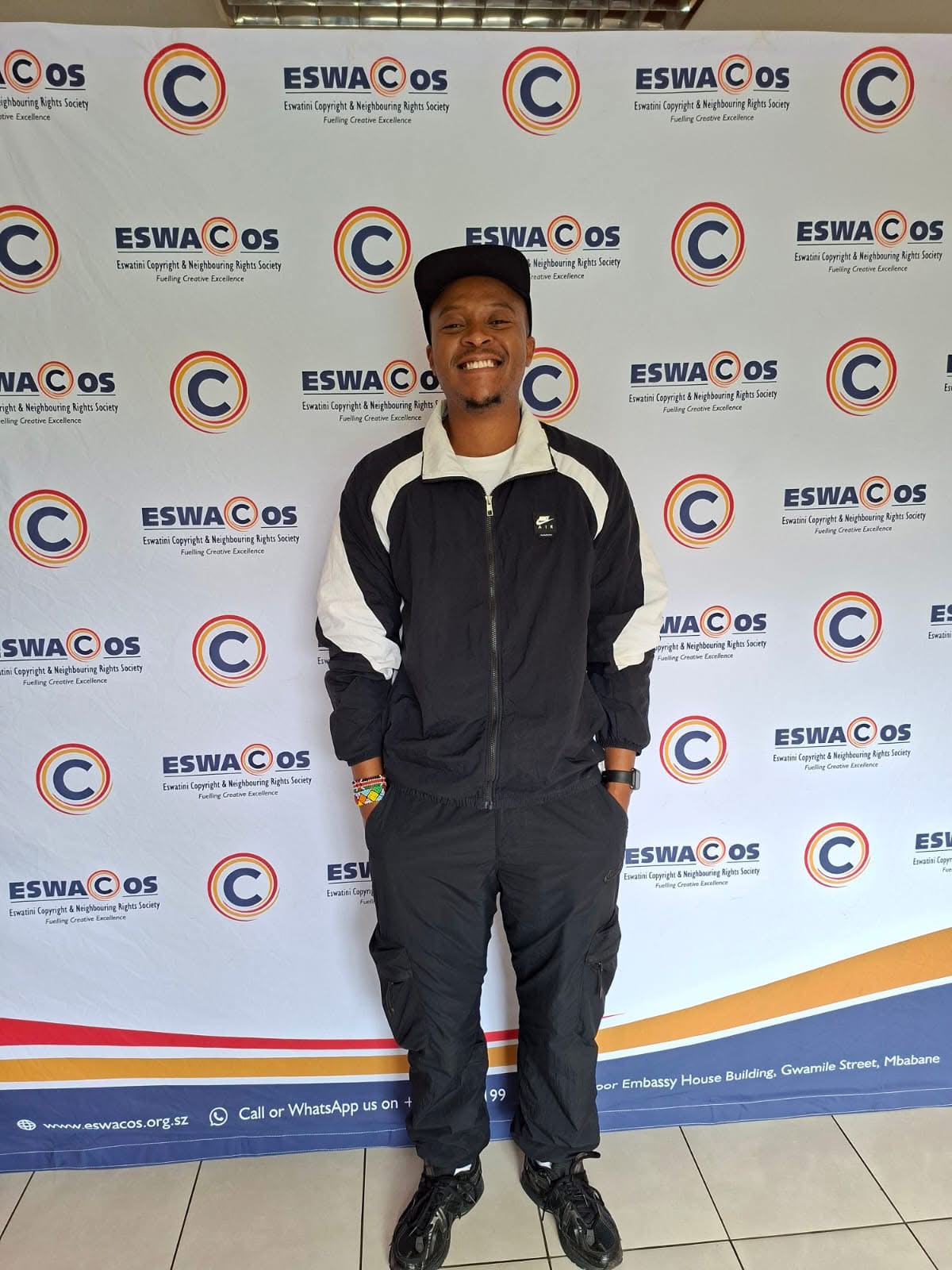
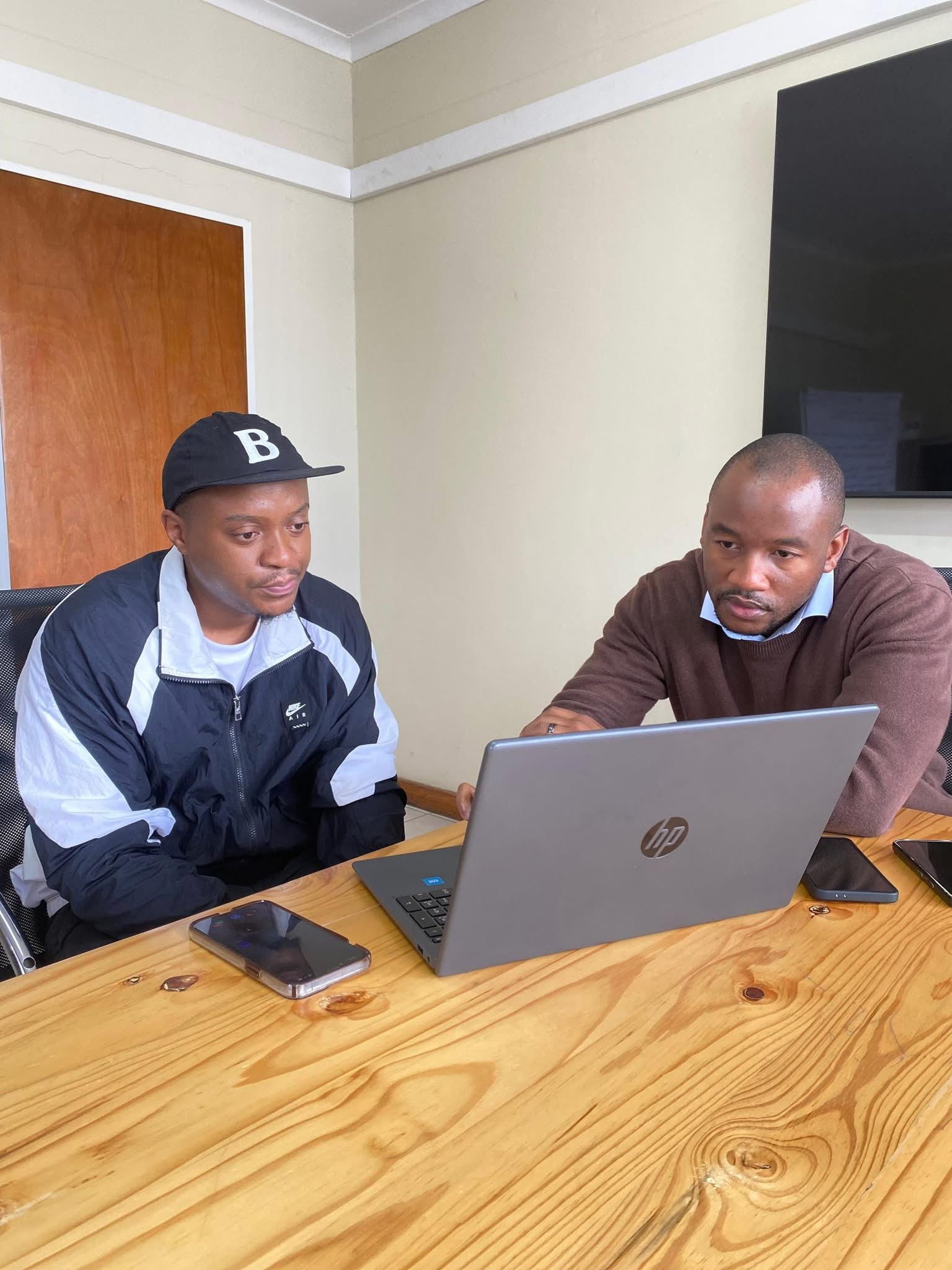
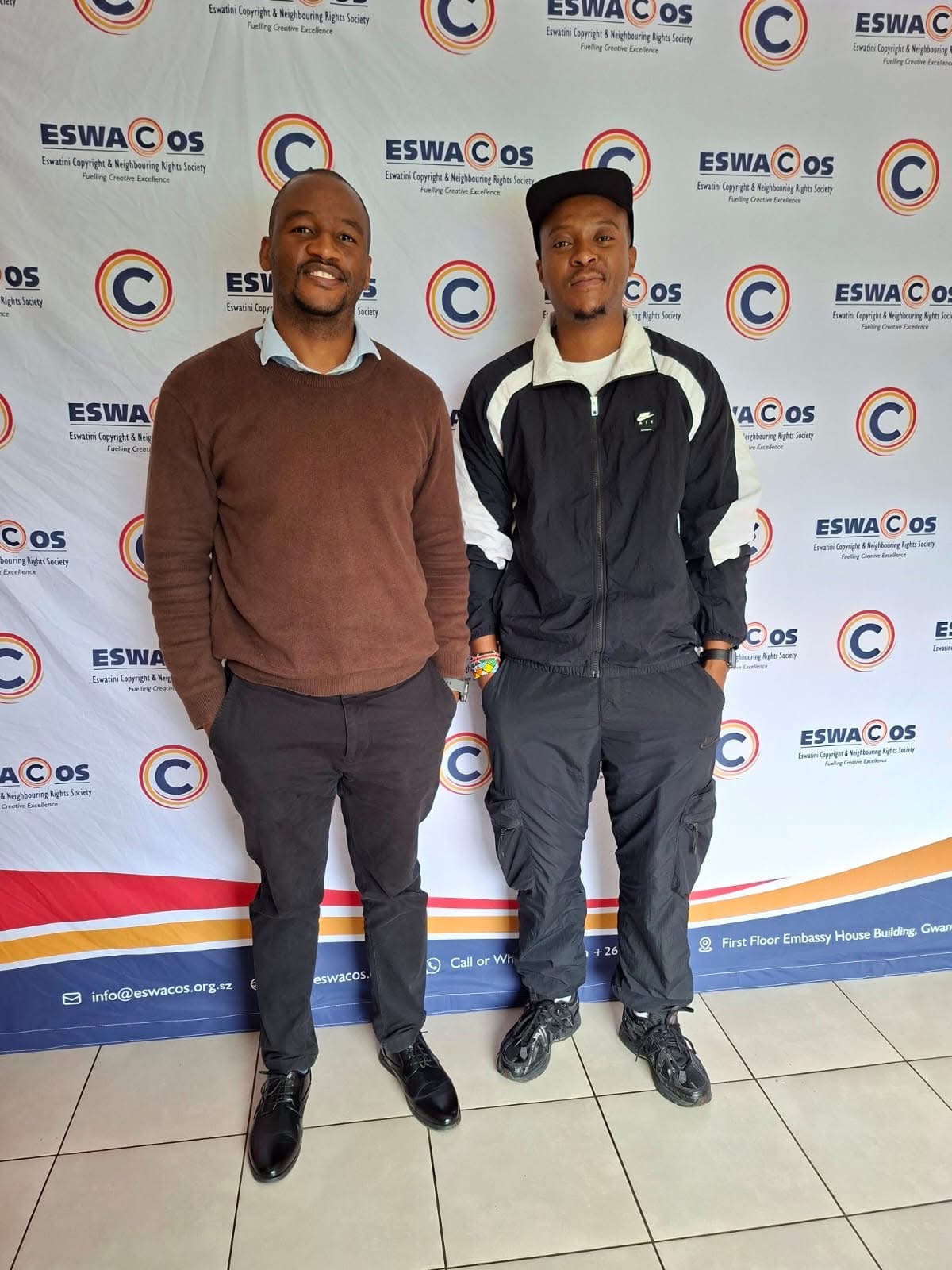
In a similar move, acclaimed !Sooks, best known for his hit song Kintsugi, also paid a visit to ESWACOS to register his works.
As a respected figure in the local music scene, his decision to formalise ownership of his music sent a strong message to fellow DJs and producers about the value of copyright protection.
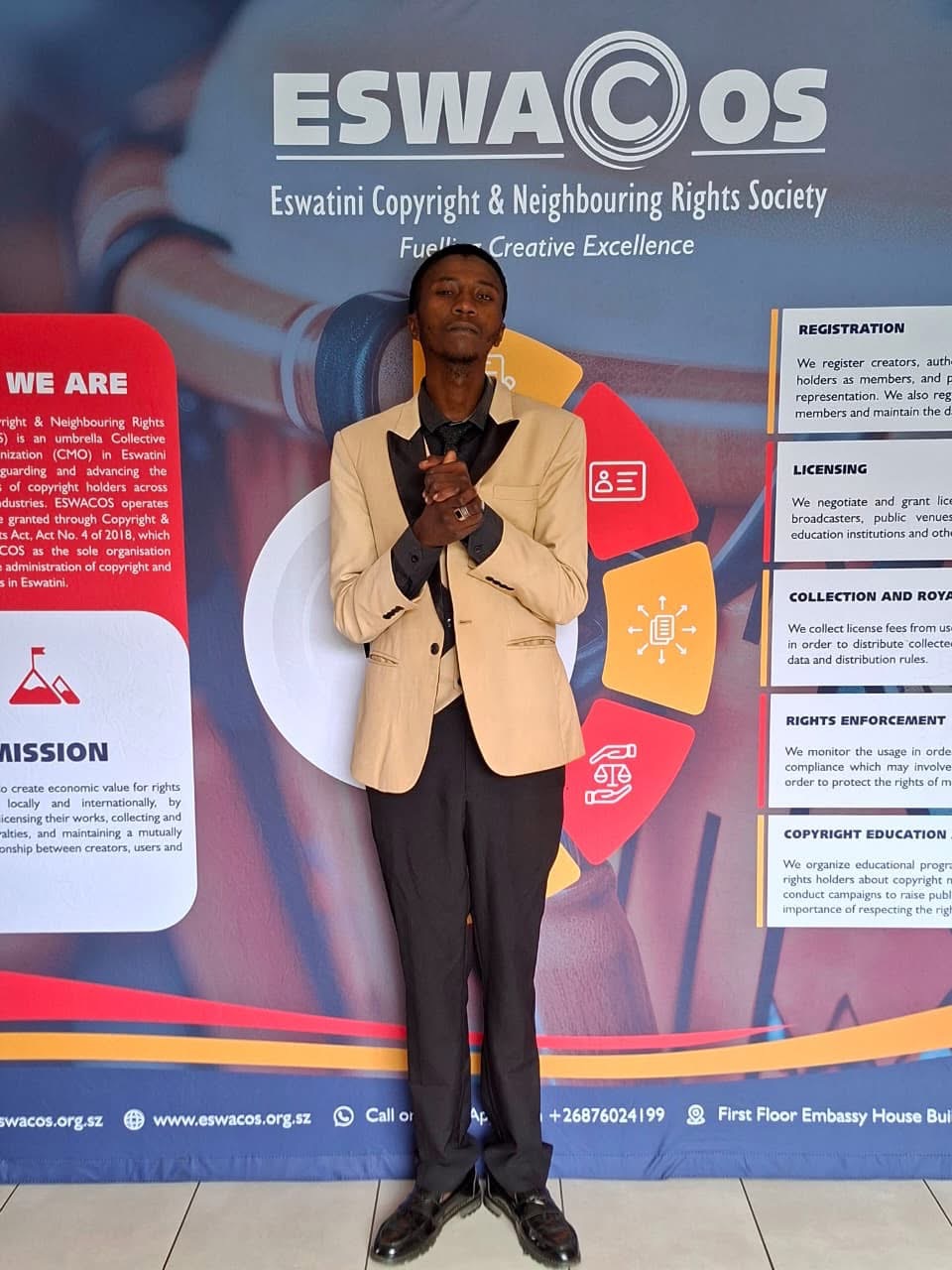
ESWACOS also recently welcomed two of Eswatini’s renowned artists, Sancheziey and Cy Ndukwemnyama, popularly known for their hit songs Siyabonga Gogo and Vuma respectively.
By registering their musical works, the artists took an important step towards ensuring their creations are legally recognised and protected from unauthorised exploitation.



ESWACOS Executive Director, Mmeli Nhlanze, has applauded the artists for leading by example on the entity’s LinkedIn page.
“We are encouraged to see more artists taking copyright registration seriously,” said Nhlanze.
“Registering one’s work is not just a legal formality, but a powerful step towards empowerment. It ensures that creators are recognised as the rightful owners of their work and are able to benefit economically from their creativity.”
Nhlanze added that copyright registration plays a critical role in strengthening the creative industry by providing artists with legal protection, access to royalties, and a clear understanding of their rights.
“When artists register their works, they position themselves to earn from their music both locally and internationally. This is how we build a sustainable creative economy where talent is respected and rewarded,” he said.
ESWACOS continues to urge musicians, producers, DJs, composers, and other creatives to visit its offices to learn more about copyright, neighbouring rights, and the benefits of registration.
The organisation remains committed to educating and empowering creators at all stages of their artistic journey.
As more artists step forward to protect their intellectual property, the message is clear: creative work has value, and safeguarding it is essential.
The growing interest in copyright registration reflects a maturing industry and a collective effort to build a thriving, fair, and sustainable creative sector in Eswatini.