

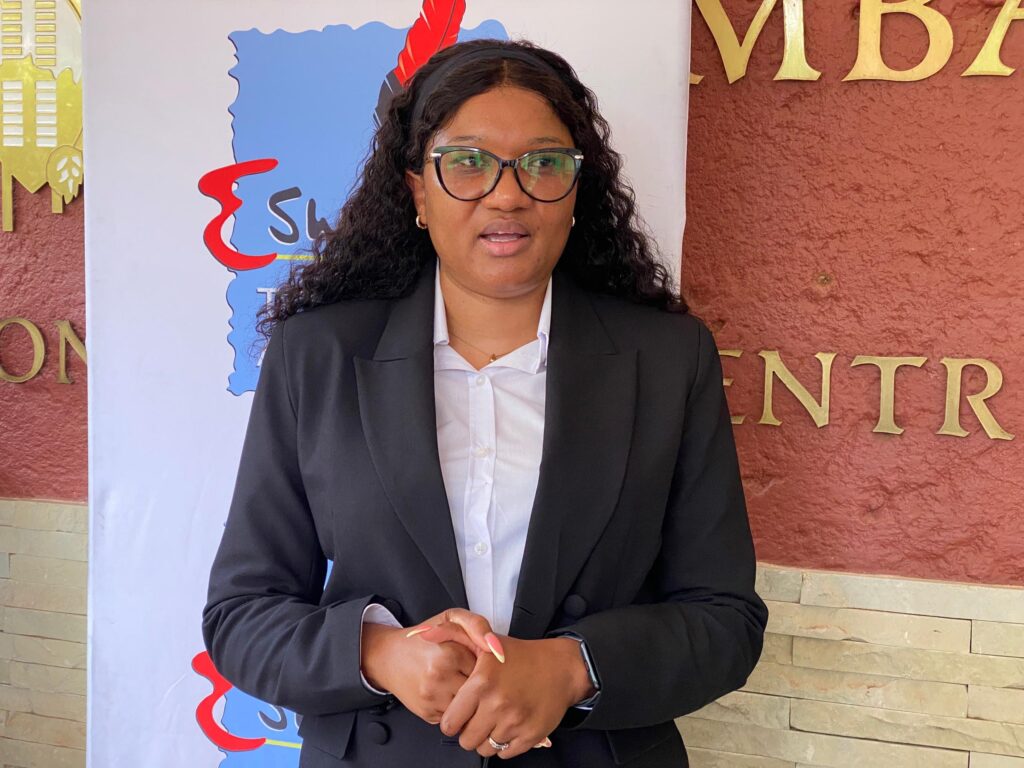

In a strategic move to strengthen the economic foundations of Eswatini’s tourism sector, the Eswatini Tourism Authority (ETA) hosted an intensive workshop for accommodation establishments on January 19, 2026, at The Royal Villas.
The engagement brought together hotel owners, guesthouse operators and industry stakeholders to deepen understanding of the Bed Levy compliance framework and broader legislative requirements governing the sector.
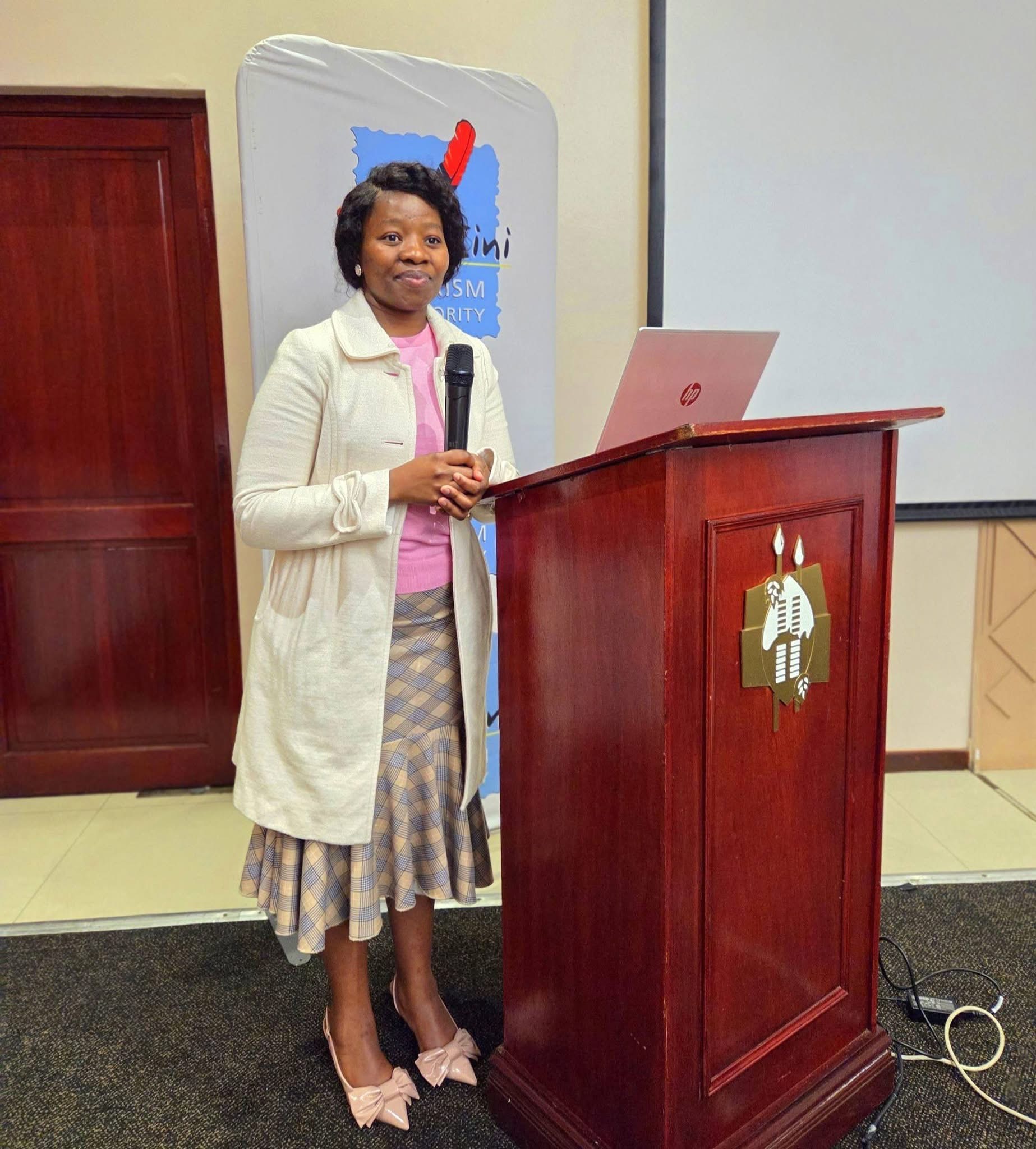
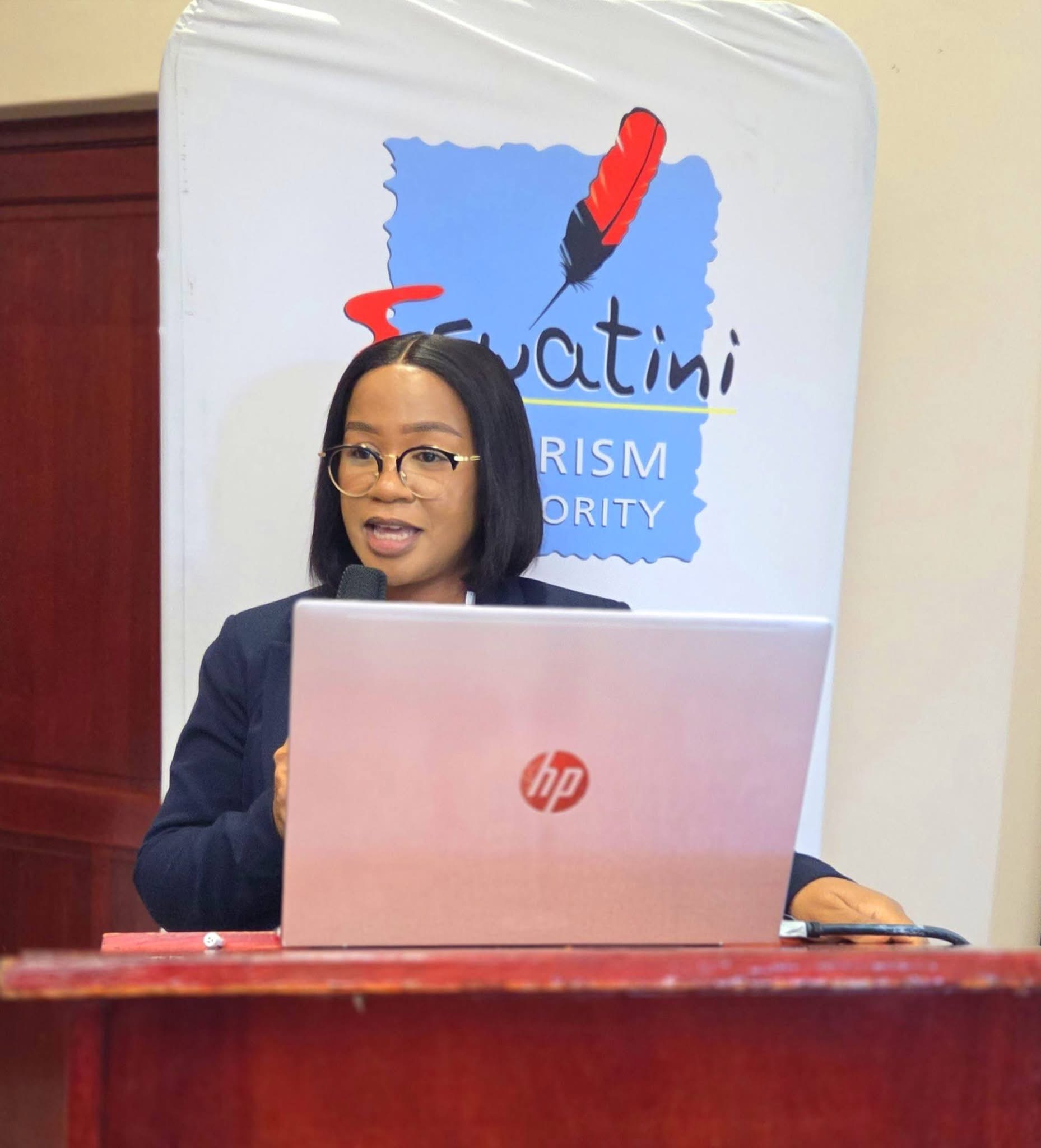
A central pillar of the workshop was a detailed briefing delivered by ETA Chief Financial Officer, Khulile Dlamini, who outlined the legal framework underpinning the industry. She referenced the Tourism Act of 2001, the Bed Levy Regulations of 2012 and the Finance Act of 2019, which sets the levy at 3% of the room rate per bed used. Dlamini stressed that transparency is a non-negotiable principle and indicated that future systems may incorporate electronic reporting solutions to improve efficiency and accountability.

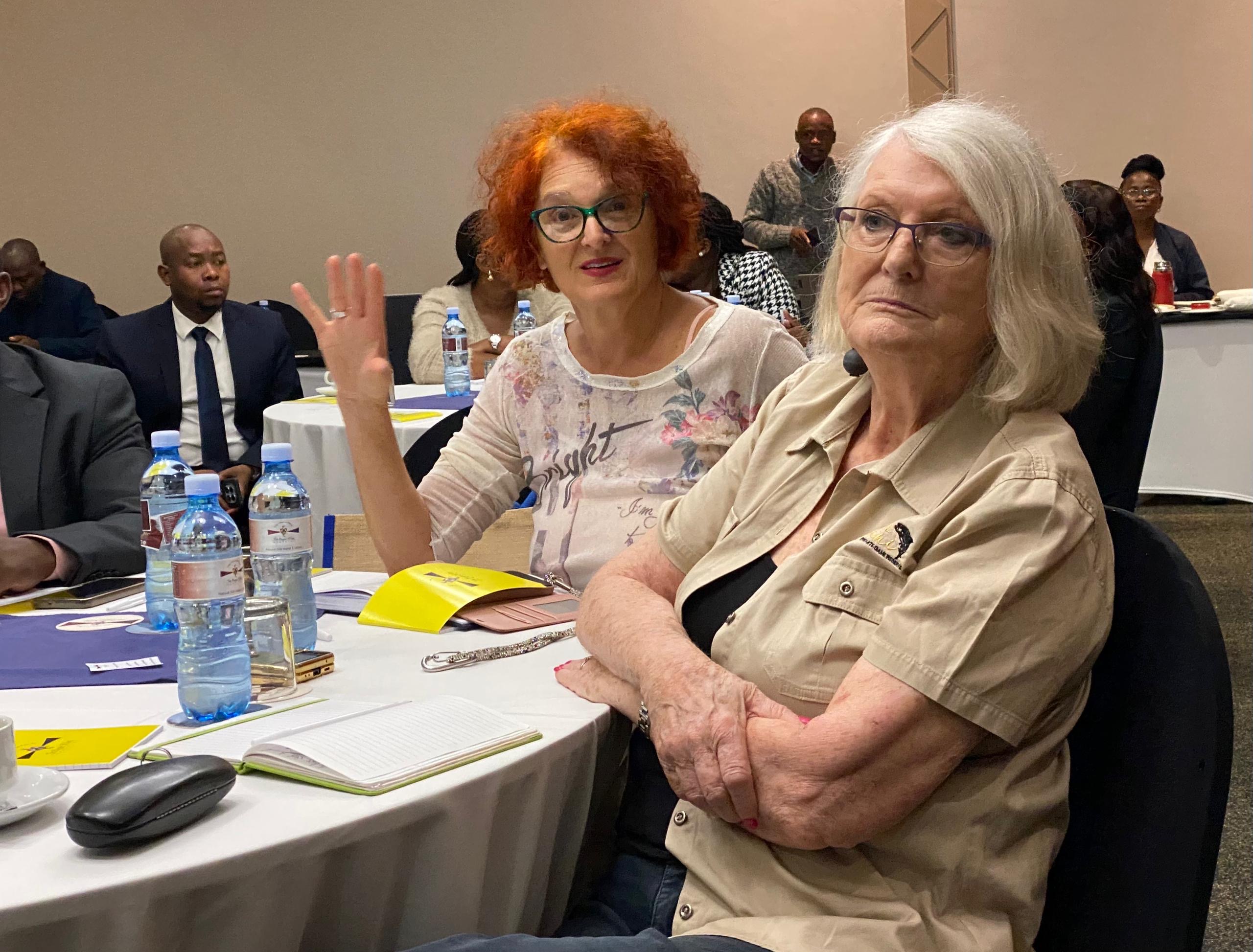

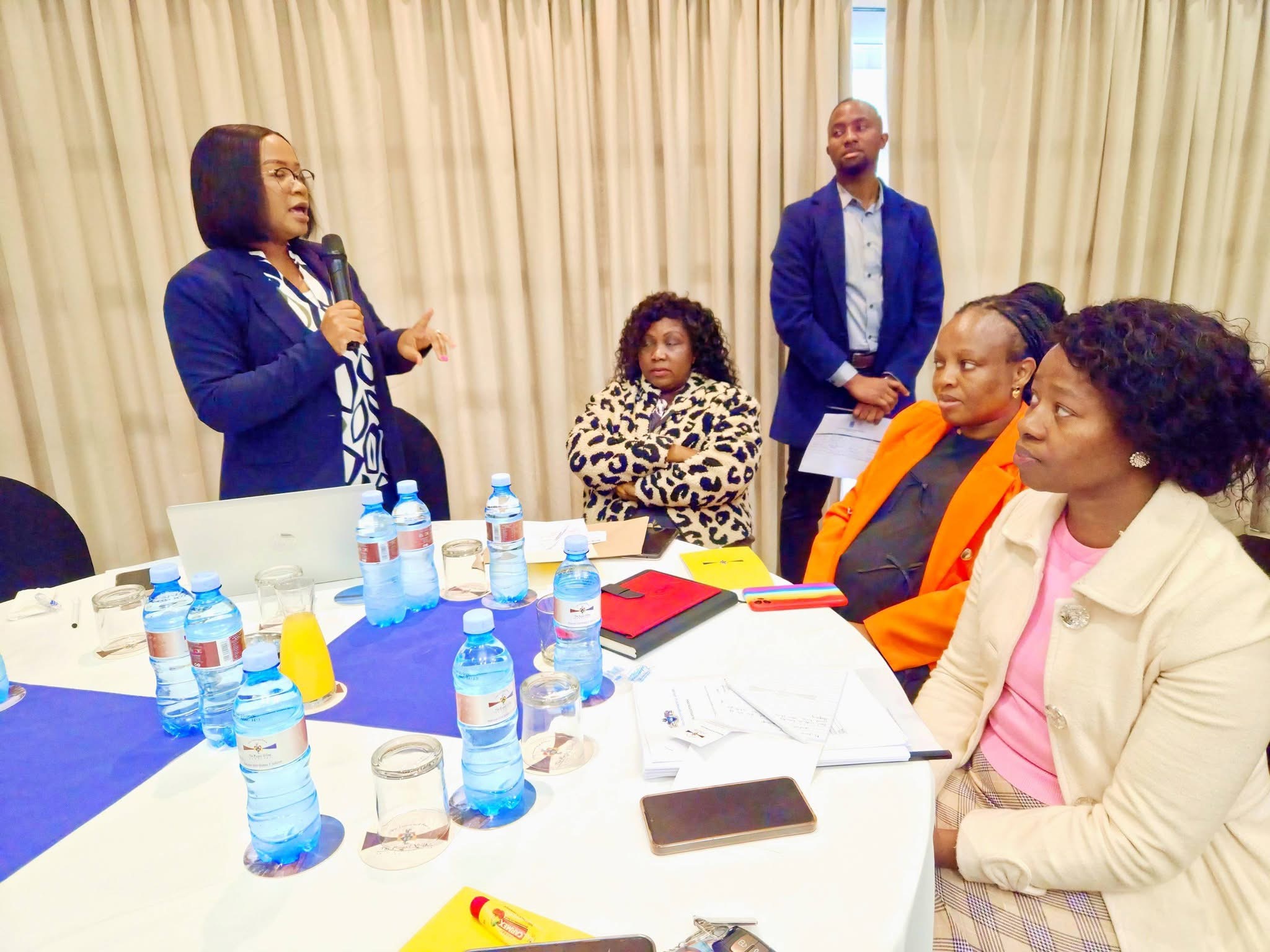
The session also highlighted operational realities facing both the Authority and establishments. ETA officials noted that some accommodation providers remain unaware of the declaration requirements, while others operate without proper registration. Concerns were raised about the mushrooming of guesthouses and the need to review subsidies and regulatory oversight to ensure fair competition and sector sustainability. It was reaffirmed that all accommodation establishments must be registered with the ETA.
Operational Requirements and Penalties
For business owners, the administrative timeline is clear and precise. Declarations must be submitted by the 7th of each month, while payments are due no later than the last day of the calendar month, with a rollover to the next business day should that date fall on a weekend or public holiday.
Dlamini emphasised that non-compliance carries significant fiscal risks. “An additional 5% is charged on the outstanding amount for each month payment is delayed,” she said, adding that the ETA reserves the right to access financial records to verify the accuracy of submitted declarations. She further cautioned that penalties remain under review and could be strengthened to enhance compliance across the sector.
Participants also voiced concerns about rising operational costs, including a 15% tax burden, a 3% levy and increasing electricity tariffs.



Reinvestment into the Economy
The workshop underscored that the Bed Levy is not merely a tax but a reinvestment tool for national tourism growth. Currently, 25% of ETA’s total budget is directed toward marketing initiatives, with a strong focus on international trade shows (52%) and international representation (21%). By remaining compliant, businesses contribute directly to destination branding, regional promotion and market expansion, ultimately driving higher visitor numbers and improved occupancy rates across the Kingdom..