

Cultural organisations in Eswatini have a major opportunity to access European Union funding aimed at reshaping how heritage is told, shared and experienced across Southern Africa.
The Goethe-Institut, with support from the European Union, has launched a Call for Proposals under the programme “Africa–Europe Partnerships for Culture: Southern Africa.”
The initiative invites non-profit, non-governmental organisations in Eswatini and five other Southern African countries to apply for grants to co-create new cultural heritage narratives.
The application deadline is February 13.
In Eswatini, where cultural identity is deeply rooted in both tangible and intangible heritage, the call presents a timely platform for local organisations to reinterpret traditions through contemporary artistic expression.
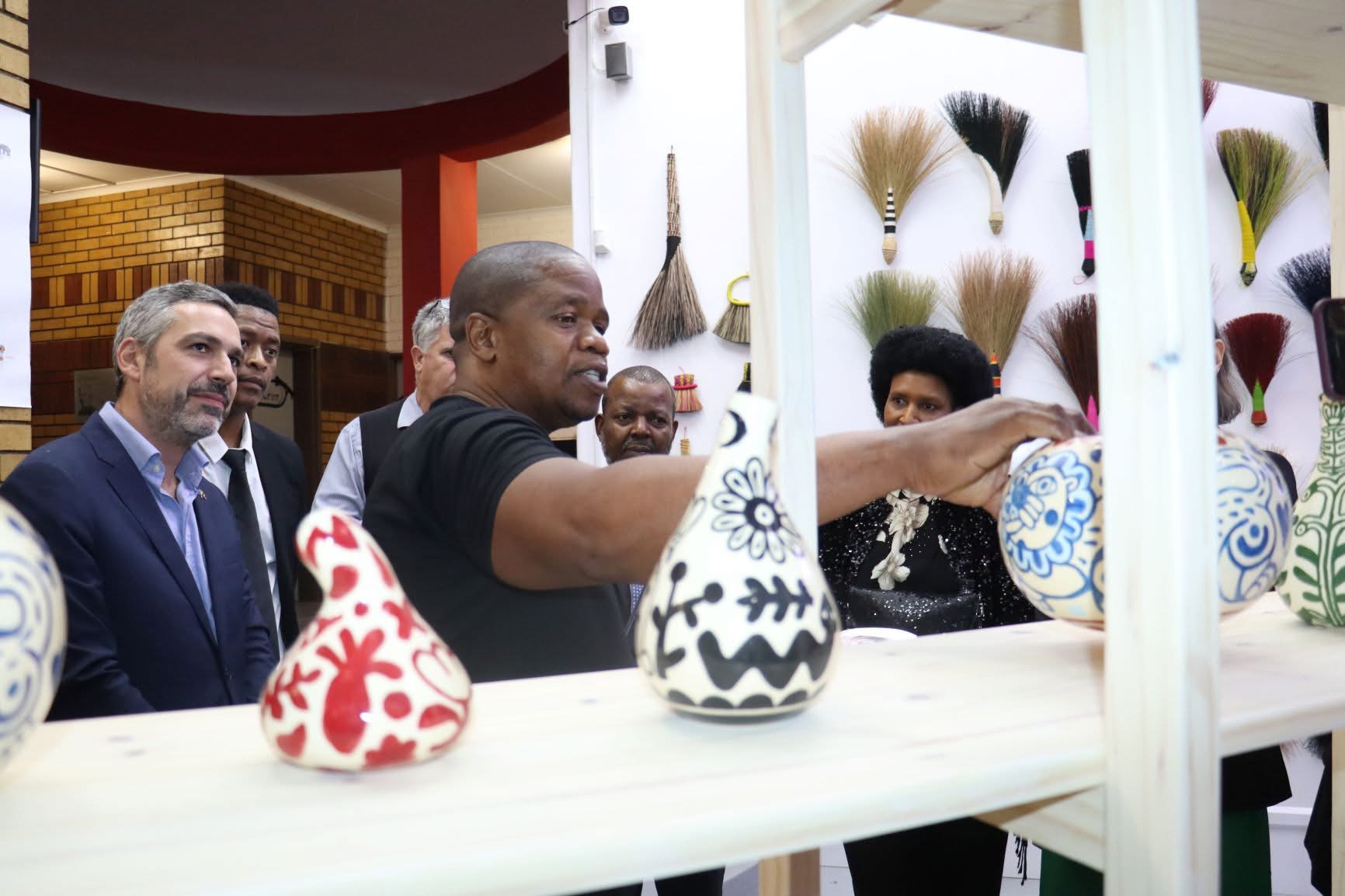
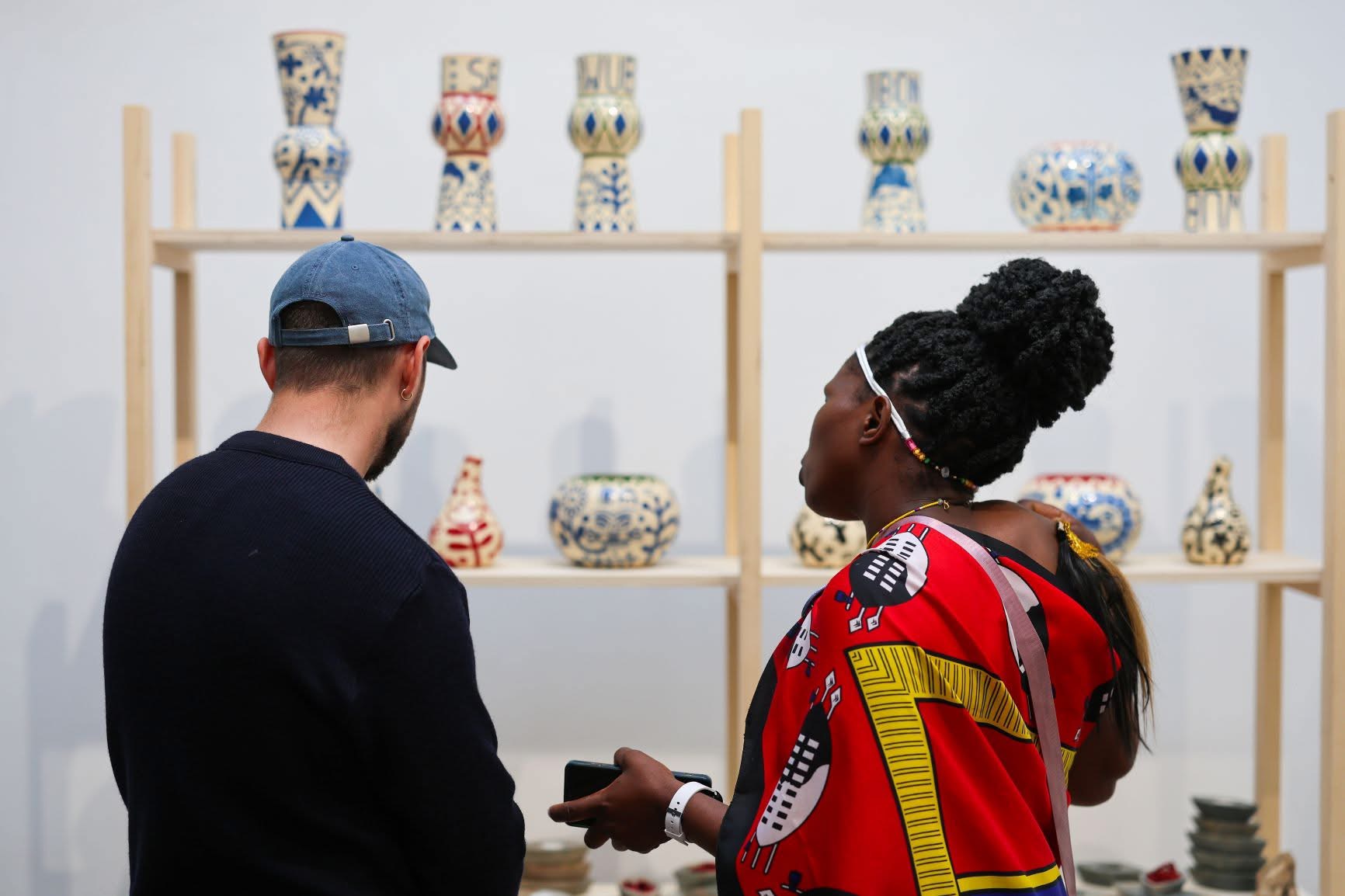



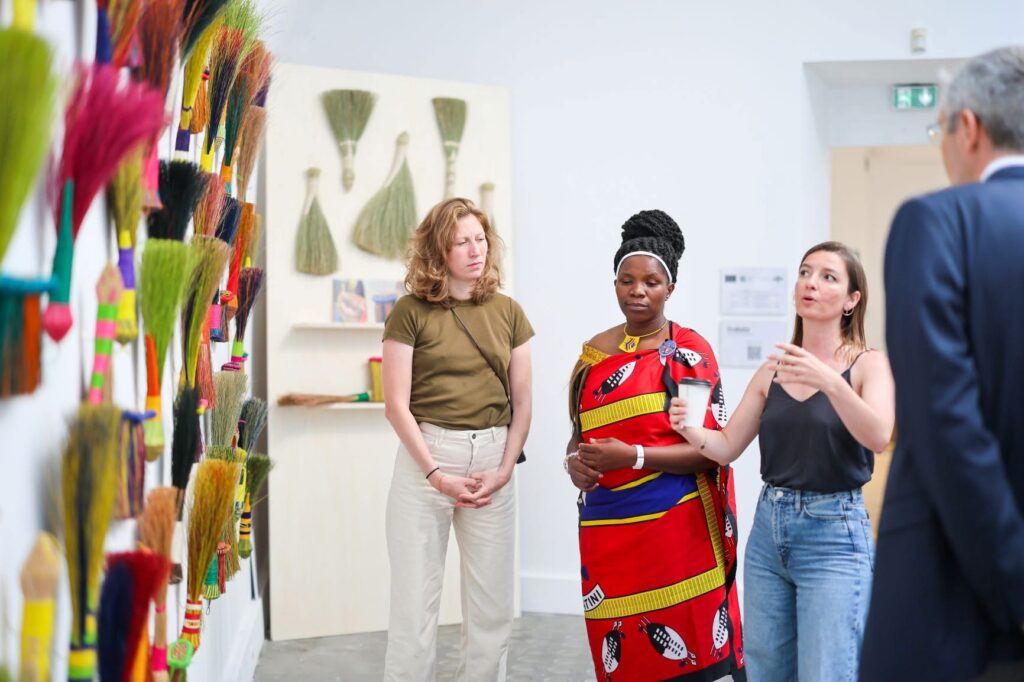
From oral histories and indigenous knowledge systems to ceremonial practices, music, craft and architecture, the programme encourages fresh storytelling approaches that speak to present-day audiences while respecting cultural foundations.
At least eight organisations across the region will be selected to lead so-called “Narrative Clusters.”
These clusters will bring together interdisciplinary groups of artists, researchers and creatives to collaboratively develop innovative heritage narratives. Successful applicants will receive grants of up to €55,000 (E1.1 million) to manage the clusters, support co-productions and present new work to local audiences over a 15-month period.
For Eswatini-based organisations, the funding offers a rare chance to strengthen institutional capacity while amplifying Swazi heritage beyond conventional formats. Projects may explore underrepresented histories, reinterpret cultural symbols, or use digital and performative tools to connect heritage with youth, urban communities and international audiences.
According to the Goethe-Institut, the broader goal of the initiative is to strengthen cultural cooperation within Southern Africa and deepen connections between African and European cultural actors.



By supporting co-creation rather than one-directional storytelling, the programme aims to promote intercultural dialogue and ensure that heritage narratives are shaped by those who live them.
The European Union in Eswatini has consistently supported cultural and creative industries as drivers of social cohesion, economic opportunity and regional integration. This call aligns with those objectives by placing local organisations at the centre of heritage innovation.
Interested organisations are encouraged to review the full Call for Proposals and eligibility criteria on the Goethe-Institut website and begin preparations early.
With substantial funding, regional collaboration and international visibility on offer, the programme could mark a turning point for how Eswatini’s heritage stories are told—by Eswatini voices, for contemporary audiences.