
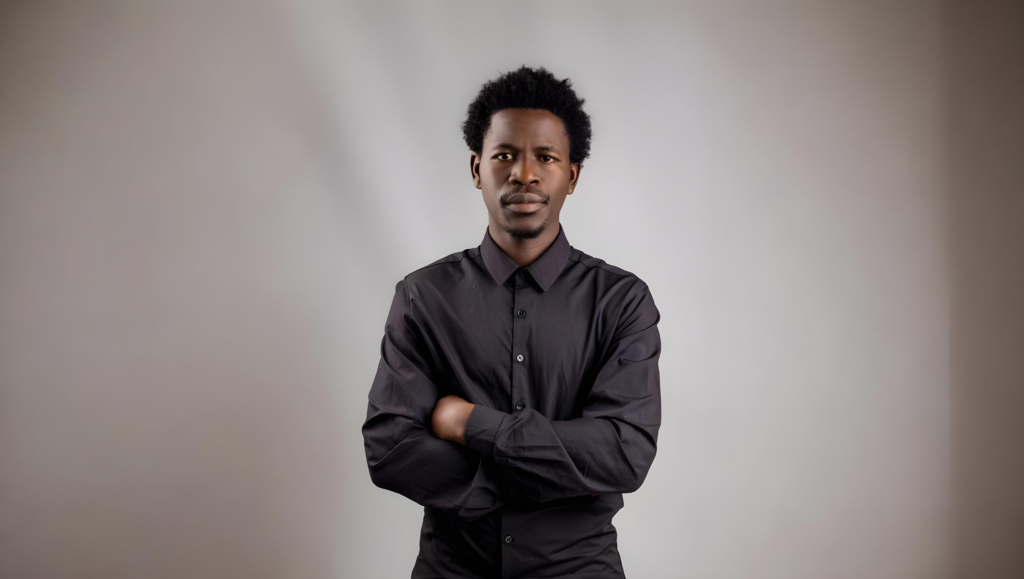

Siphosethu Sibandze is a dynamic filmmaker from Eswatini who has spent five years shaping authentic African narratives through directing, producing, scriptwriting, and acting. With a passion for storytelling rooted in his childhood, he has worked on both local and international productions, including Boeta Kom Huistoe and Fragile Ties. His journey has been marked by international recognition, including cultural exchange programs and industry training, as well as a role as Assistant Director on Isiphetho.
In the landscape of African cinema, Siphosethu Sibandze stands out as a storyteller dedicated to capturing the resilience, identity, and rich cultural heritage of the continent. A filmmaker from Mbabane, Eswatini, Sibandze has spent the past five years shaping compelling narratives as a producer, director, scriptwriter, and actor. His work spans multiple projects, from local short films to international feature productions, earning him recognition at home and abroad.
Guided by a deep passion for authentic storytelling, Sibandze’s journey has been one of creativity, risk-taking, and constant learning. From being selected for prestigious international film programs to interning with industry leaders, his career reflects a commitment to growth and artistic excellence. In this conversation, he shares insights into his inspirations, challenges, and the lessons that have shaped him into the filmmaker he is today.
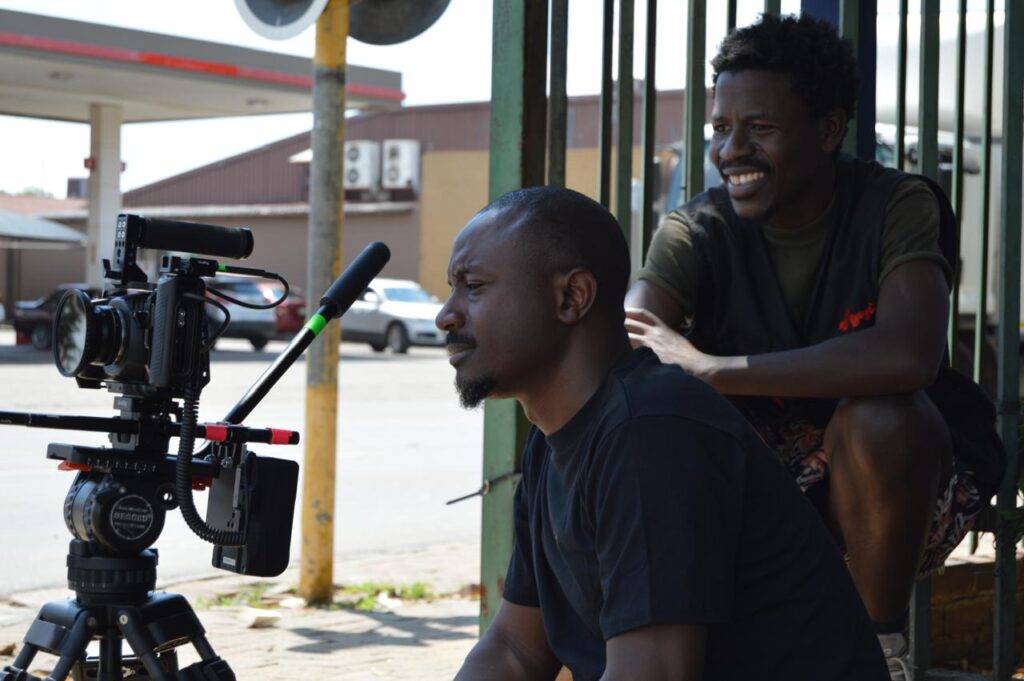
Q. Please kindly introduce yourself and brief us on the different career roles you play.
A. I am Siphosethu Sibandze, a 28-year-old filmmaker from Mbabane, Eswatini. With five years of experience in the industry, I have worked as a Producer, Director, Scriptwriter, and Actor. I have produced and directed seven short films and one local feature film. Additionally, I directed the South African feature film Boeta Kom Huistoe, shot in Northern Cape, Kimberley (2023), and I am currently working on the short film Fragile Ties, filmed in North West, Mafikeng (2024).
In 2023, I was selected by the German Embassy in Pretoria as a consistent young filmmaker in Eswatini to participate in a cultural exchange trip to Germany, exploring the relevance of art and politics. In 2024, I was chosen to attend a month-long Film & Television training program in Johannesburg, where I earned a certificate of participation. That same year, I had the opportunity to intern as an Assistant Director at Black Brains Pictures on the Isiphetho telenovela throughout October. My work has also been recognized with a nomination and a win for Best Actor at the NACA Regional Awards.
Q. What originally sparked your passion for filmmaking?
A. Growing up in Eswatini, I was captivated by the stories I heard on the radio and saw on TV. They transported me to different worlds, sparking my love for storytelling. When I discovered filmmaking, I knew it was the perfect way to bring those stories to life and share them with the world.
Q. Who are your biggest influences on cinema and how have they shaped your style?
A. I’m heavily influenced by African filmmakers like Mandla N and King Shaft, whose commitment to authentic African storytelling has inspired me to do the same. I also admire Quentin Tarantino’s non-linear storytelling, which has shaped my approach to narrative structure, allowing me to experiment with timelines and perspectives.
Q. What’s the most rewarding part of directing a film?
A. For me, the most rewarding part of directing is seeing the cast and crew come together to bring the script to life. Watching the characters and story take shape on set is incredibly fulfilling—a feeling that never gets old.
Q. What’s a film project you are particularly proud of, and why?
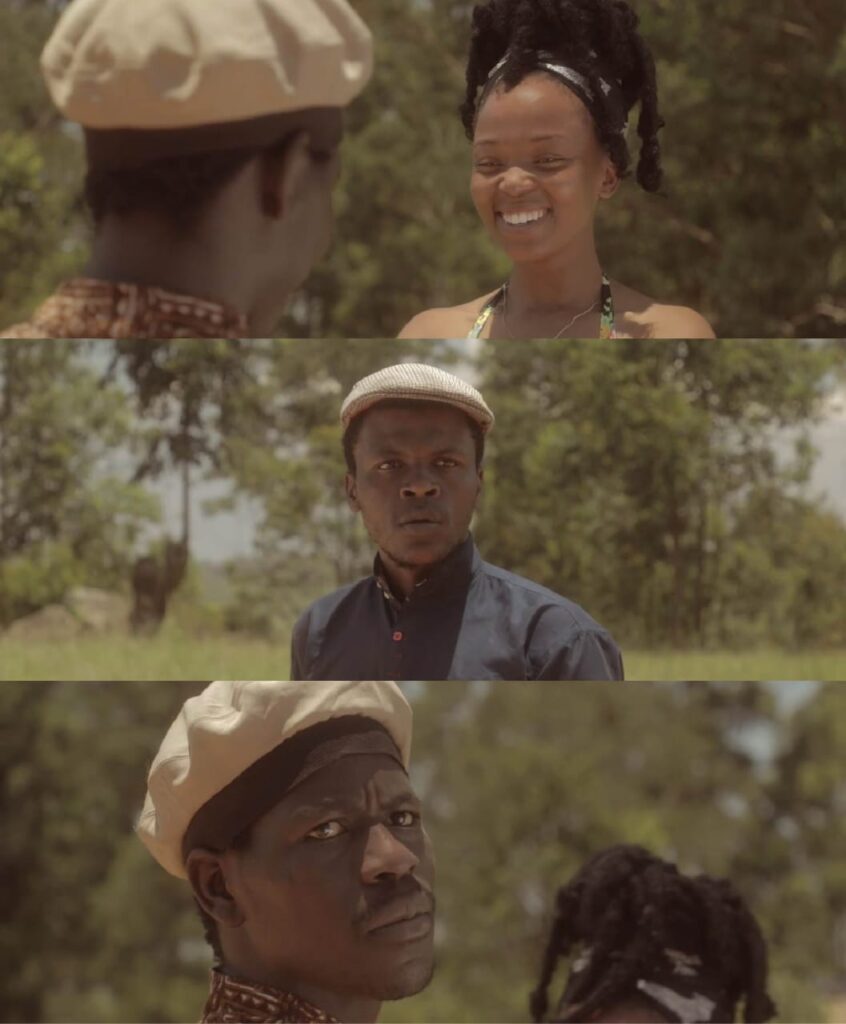
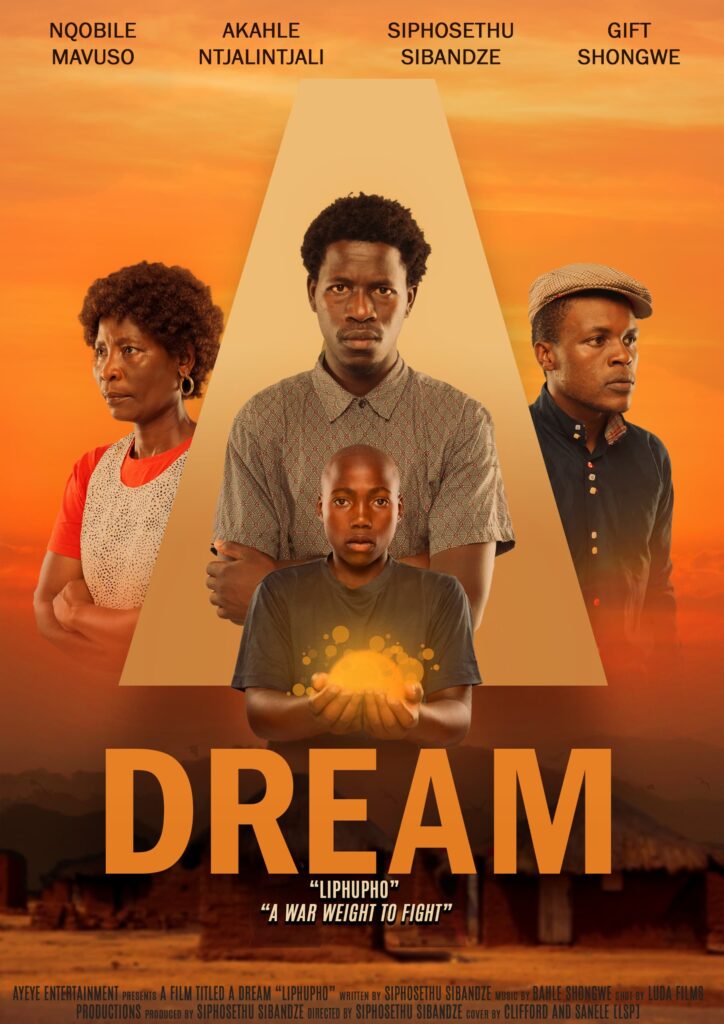
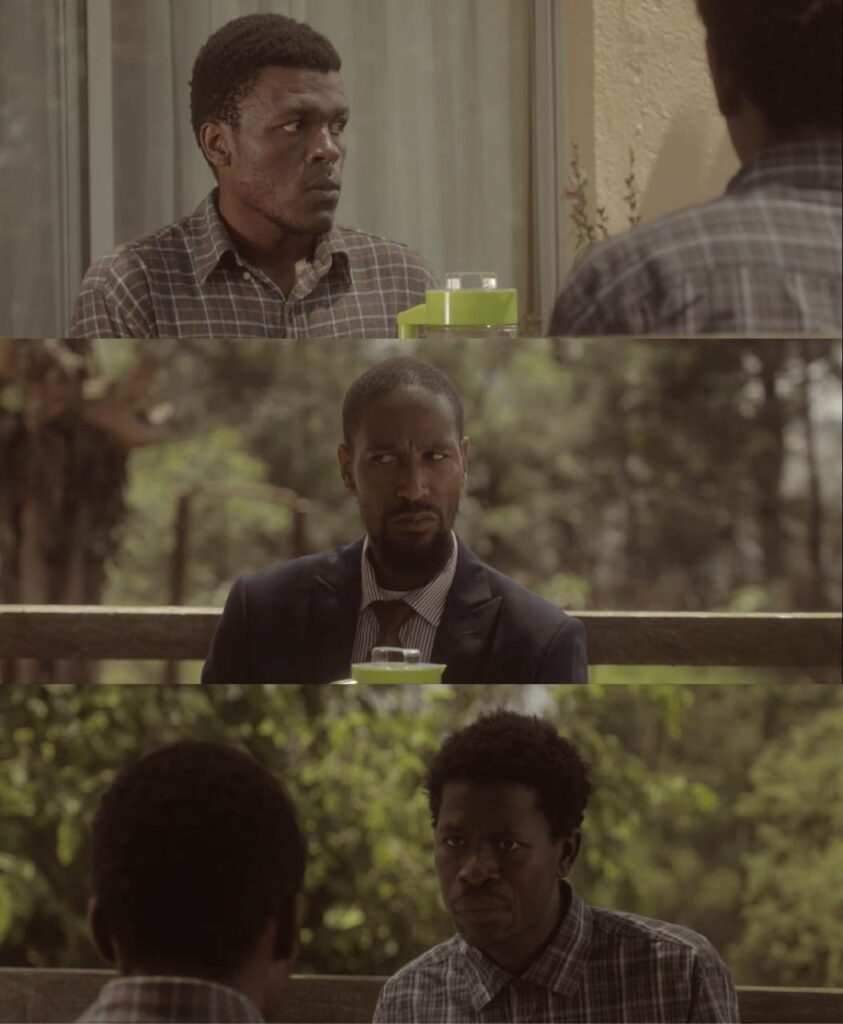
A. I’m especially proud of my film “A Dream (Liphupho)”—my first feature film and a story that was deeply personal to me. Seeing its impact on audiences was incredible, especially as it was the first film people had to pay to watch in cinemas. But I also can’t forget “Lifa Lami”, my first short film, which introduced me to the industry and even made it to the European Film Festival.
Q. What was the first role that made you fall in love with acting?
A. My first role was playing Thando in Lifa Lami. Seeing the audience’s reaction to my performance sparked something in me. I fell in love with being on stage, bringing a character to life, and truly connecting with the audience.
Q. What kind of stories or characters are you drawn to the most?
A. I’m drawn to stories of resilience, hope, and the human experience. What makes African stories so powerful is their ability to showcase strength in the face of adversity, often highlighting the importance of community and perseverance.
Q. What are the key responsibilities of an Assistant Director that people might not realize?
A. Many people think an assistant director’s job is just scheduling and paperwork, but it’s so much more. You’re responsible for maintaining the director’s vision, coordinating with the cast and crew, and solving problems on set. It’s a demanding but incredibly rewarding role.
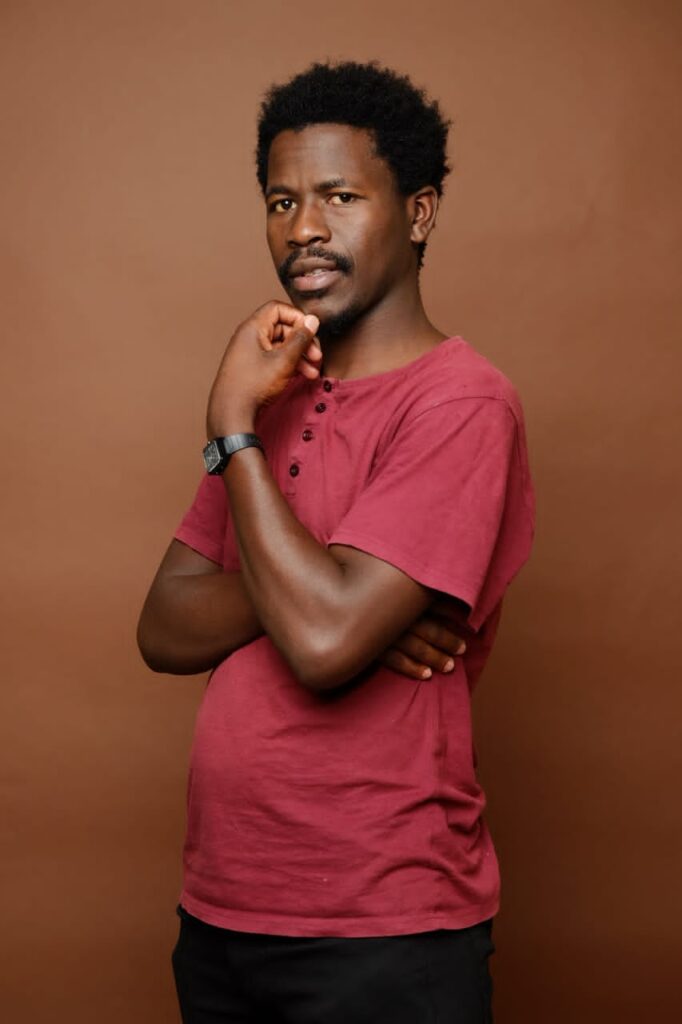
I’m drawn to stories of resilience, hope, and the human experience. What makes African stories so powerful is their ability to showcase strength in the face of adversity, often highlighting the importance of community and perseverance.
Q. What one mistake you made earlier in your career that you learned from?
A. Early in my career, I didn’t trust my instincts as a director. I let others influence my decisions too much, which affected the final product. Over time, I’ve learned that taking risks and trusting my vision is essential to creating authentic and impactful films.
Q. How do you deal with rejections in the film industry?
A. Rejection is part of the industry, and it can be tough. But I focus on the ‘why’—why I’m telling this story and why it matters. When you’re passionate about your work, rejection feels less personal and more like a stepping stone to the next opportunity.
Q. Have you ever worked with a director whose style really challenged you? How did you adapt, and how can you use that knowledge and experience to advise somebody in your field or aspiring to be in your field?
A. In October 2024, I had the opportunity to intern as an Assistant Director on Isiphetho, produced by Black Brains Pictures for eTV. I worked with a director whose storytelling approach was very different from mine. At first, adapting was challenging, but I soon realized it was an opportunity to learn and grow. My advice to aspiring filmmakers is to stay open-minded, communicate clearly, and be willing to take risks. Filmmaking is a collaborative process, and sometimes the best ideas come from the most unexpected places.