

A new township food brand in Ngwane Park is turning heads not only for its business concept, but also for the way it is investing in local creative talent.
Kota Hut, a township eatery positioning itself as Eswatini’s premier, dedicated kota quick-service restaurant, recently launched a public design competition inviting local artists and graphic designers to reimagine the exterior of its six-metre shipping container outlet.
The initiative saw local creatives competing for a chance to have their artwork painted directly onto the structure, with the winning designer walking away with E10 000.
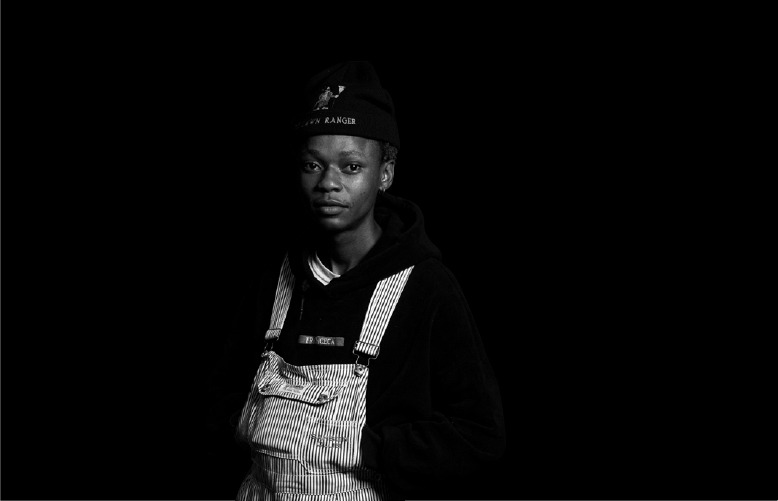


The winning concept came from Lindokuhle Shabangu, a talented graphic designer, illustrator and VJ, also known for his work with Kulture and InsideBiz magazines.
Beyond the cash prize, Shabangu’s artwork will now become part of the actual identity of the business, visible to customers and the public in Ngwane Park.
In its competition call, Kota Hut described the container as “more than a kitchen” but “a landmark” and “a piece of public art,” adding that the aim was to give local creatives an opportunity to leave a lasting mark on a township-born brand.
“We want a local creative to design the outside of Kota Hut. The winning design will be painted directly onto the container, seen by everyone who walks, drives, or lives near Ngwane Park,” read part of the competition brief.
The business also made it clear that the project was not simply about decoration, but about building a brand that celebrates township culture and identity.



“Kasi Meets Flavour”
The initiative has since been praised as an example of how local businesses can directly collaborate with creatives while financially rewarding artistic work that is often overlooked.
For Shabangu, the competition win represents another milestone in a creative journey that started years ago. “I’ve been creating since high school but got serious about it in 2019,” he said.
The designer explained that he is mostly self-taught, having built his skills independently while working across different projects and creative spaces. Among some of the work he highlighted are collaborations and creative contributions connected to Pop Sunday, Friends of Piano and Playdout.
Despite his growing portfolio, Shabangu said much of his work has traditionally been done behind the scenes for other brands and clients. “I don’t have personal work, most of my work was for people,” he explained.
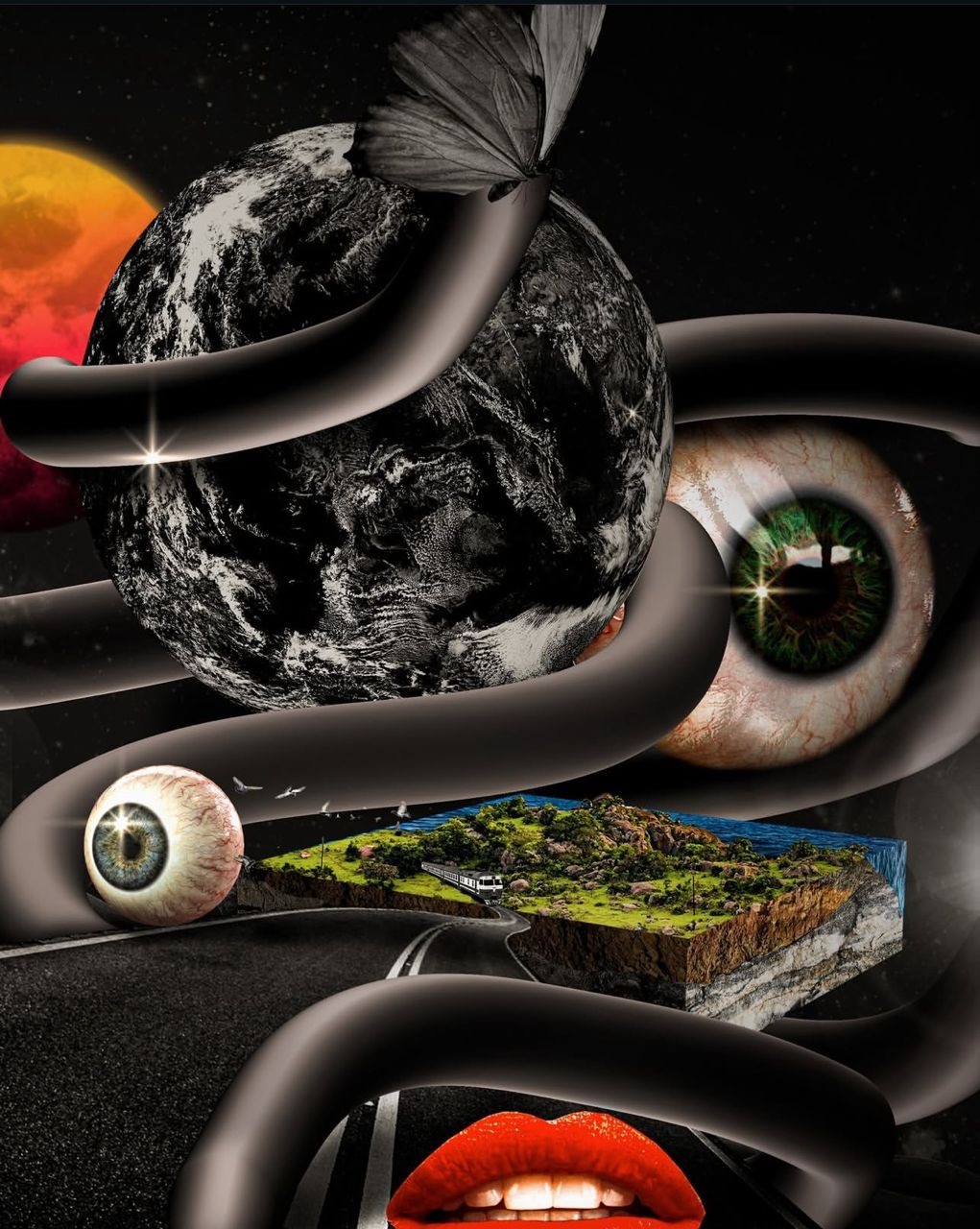
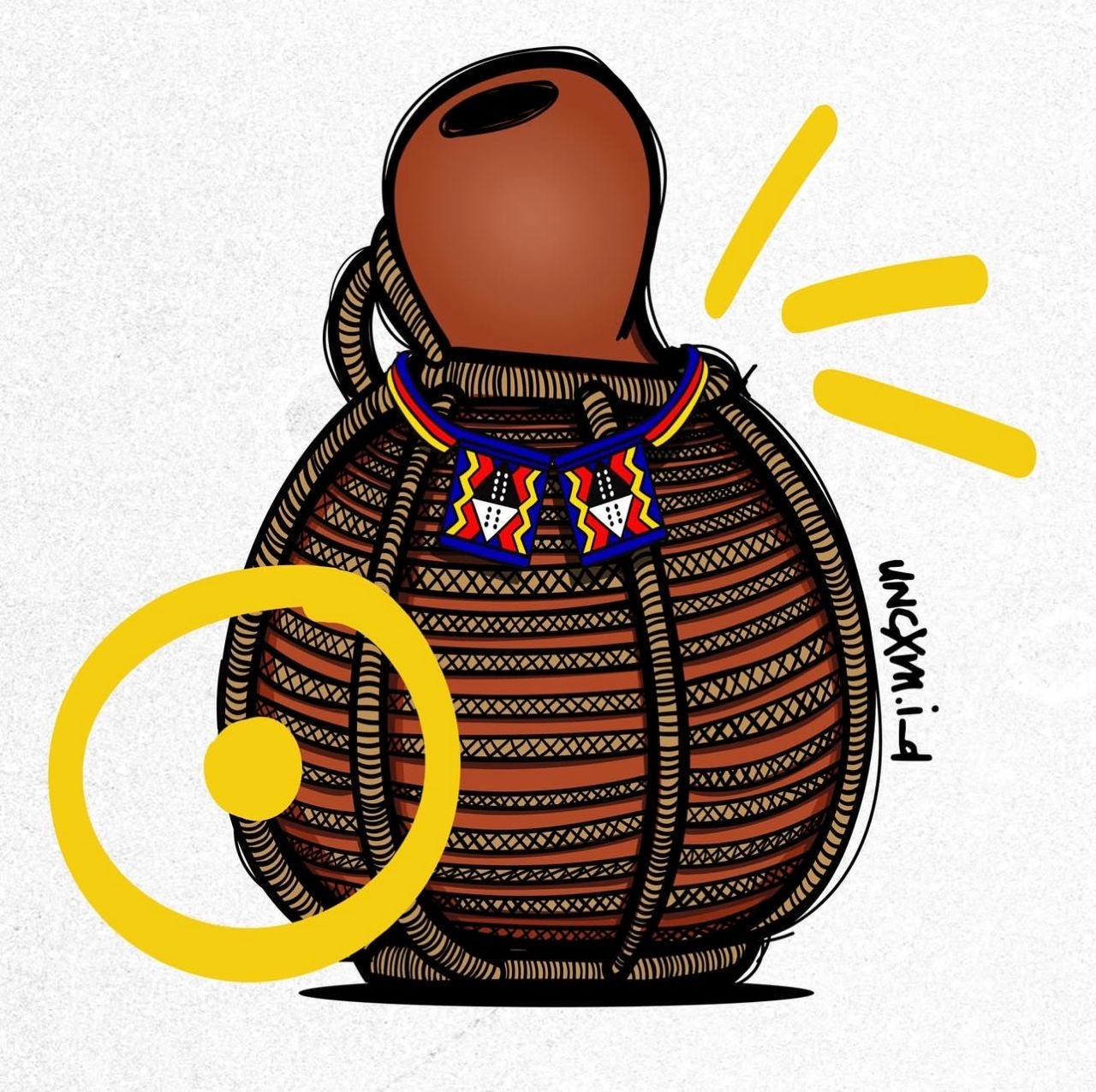


The designer also revealed that some of his artwork has reached international spaces after five of his pieces were commissioned and exhibited at the Eswatini Embassy in Belgium. “They commissioned five artworks that are exhibited at the embassy,” he said.
While many designers often build public-facing brands around themselves, Shabangu said he has intentionally taken a quieter approach to his creative identity. “I adopted the Banksy mentality of keeping my identity mysterious,” he said.
Kota Hut’s competition comes at a time when more local businesses are beginning to recognise the value of involving creatives in branding, visual storytelling and customer experience. Rather than outsourcing internationally or relying on generic branding solutions, the eatery chose to make local design part of its foundation from the beginning.

The competition campaign itself strongly centred local artists, with Kota Hut stating that somewhere in Eswatini there was “an artist who has been waiting for something that feels like a big break.” The business further encouraged designers to see the opportunity as more than just paid work, but as a chance to become part of the brand’s long-term story and identity.
As township businesses continue evolving into modern lifestyle brands, initiatives such as Kota Hut’s design competition are increasingly showing how entrepreneurship and the creative industry can grow side by side.