
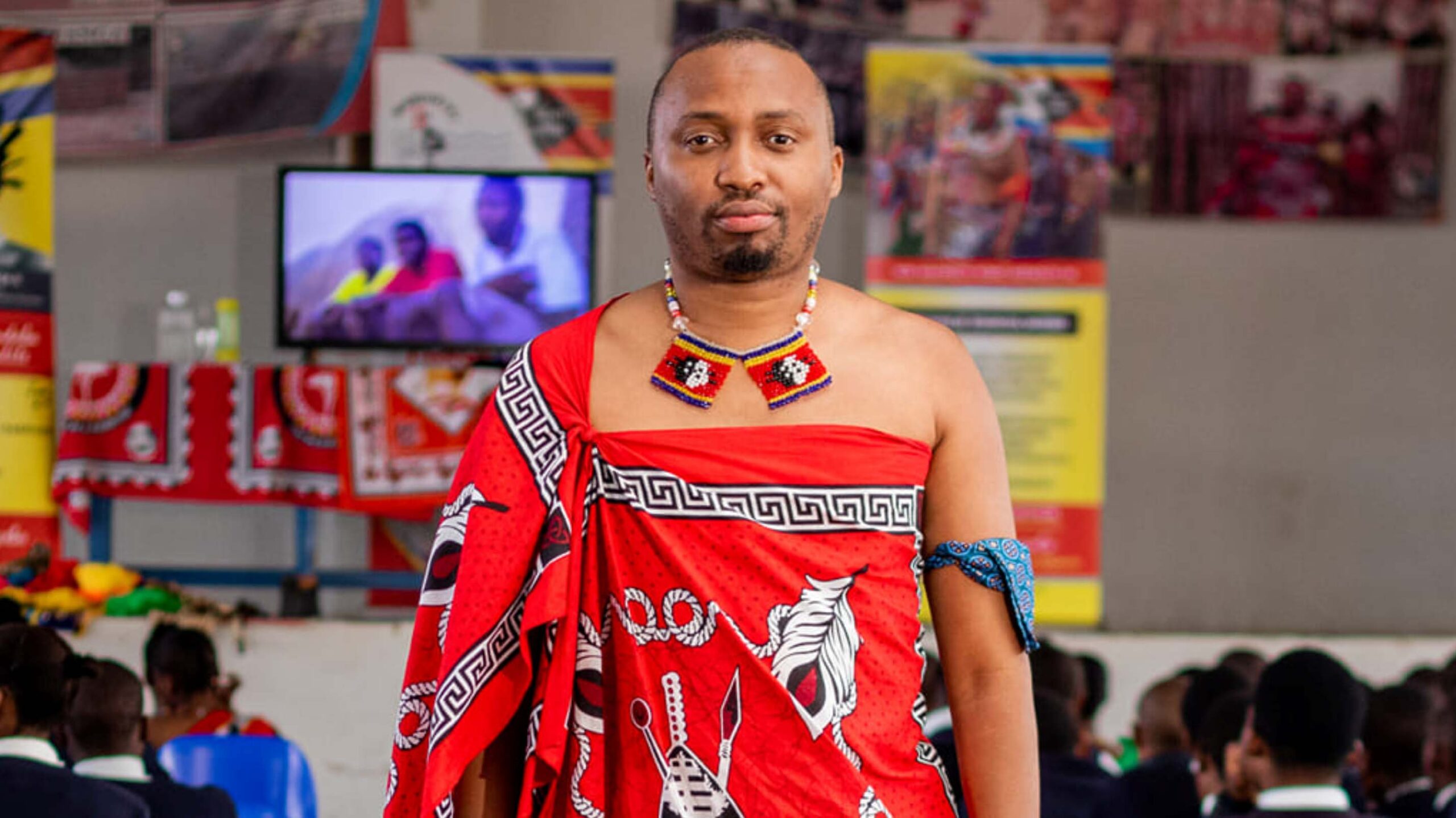

Eswatini’s creative industry is experiencing a powerful upward movement of local talent and cultural pride. We had a chat with multi-award-winning artist Mzwandile “Lution” Nxumalo, who shared insights on this momentum, alongside the challenges creatives face—like limited support, funding gaps, and undervaluation. Lution highlights the urgent need for better infrastructure, fair pay, and collaboration to help the industry reach its full potential.
Q. Please introduce yourself to us and tell us about the roles you play in the creative/entertainment industry.
A. My name is Mzwandile Nxumalo, though many know me by my artistic moniker, Lution. I’m deeply rooted in the creative and entertainment industry, where I wear several hats, each aligned with my mission of cultural expression and community empowerment.
As the Director and Sound Engineer at XLR Media, I lead a dynamic team of 12 professionals across four departments: Audio, Motion Picture, Still Graphics, and Publishing. My role extends beyond overseeing operations — I’m also responsible for strategic planning, resource mobilization, budgeting, and guiding departmental leaders to ensure our content consistently meets high creative and technical standards.
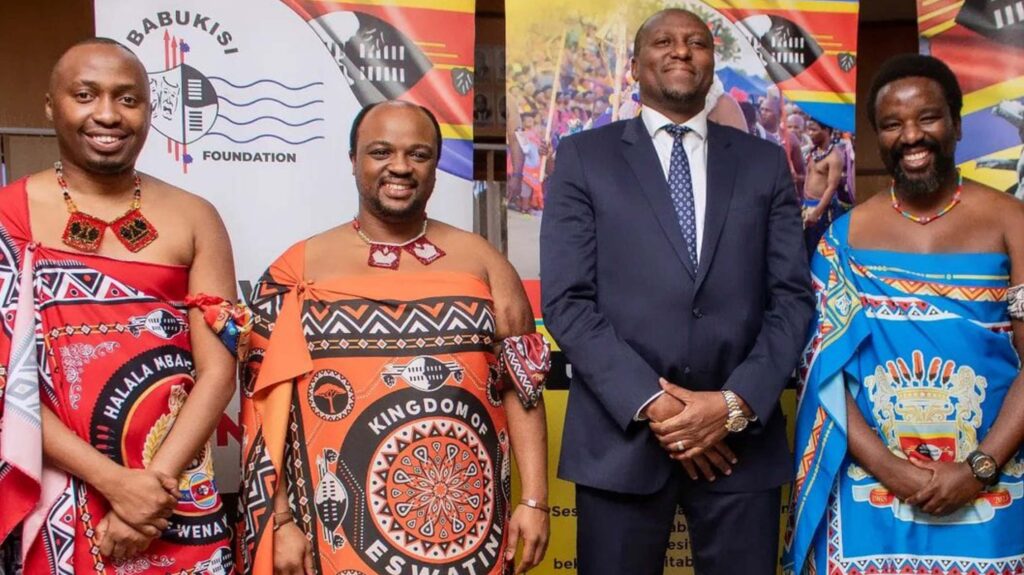
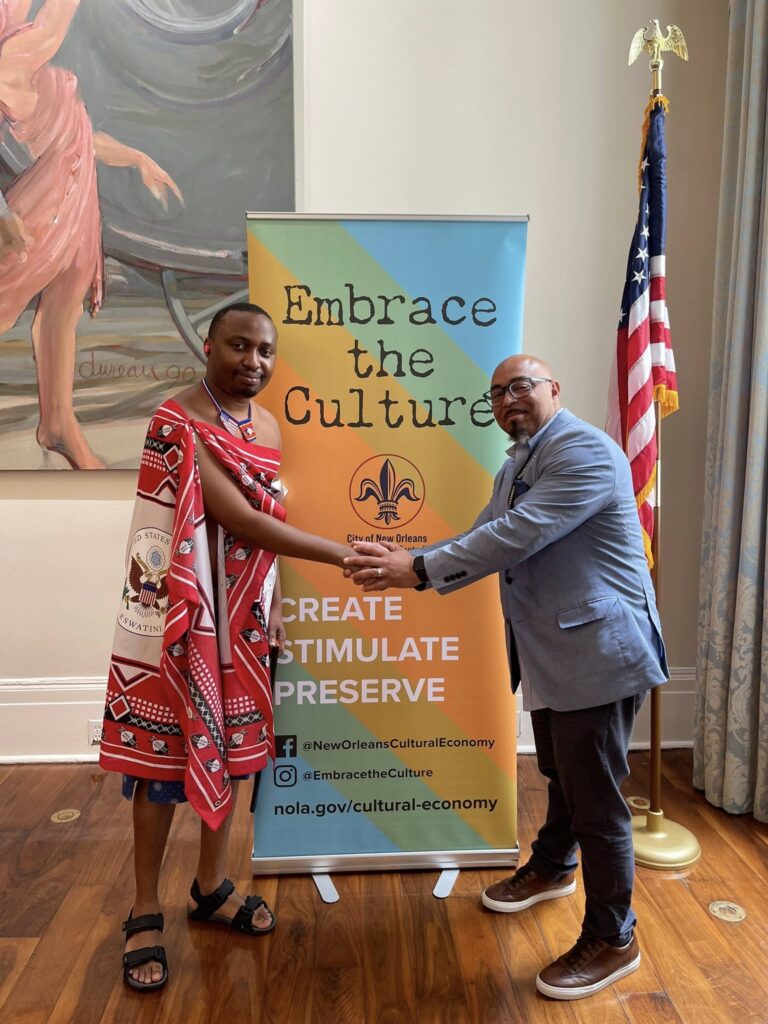
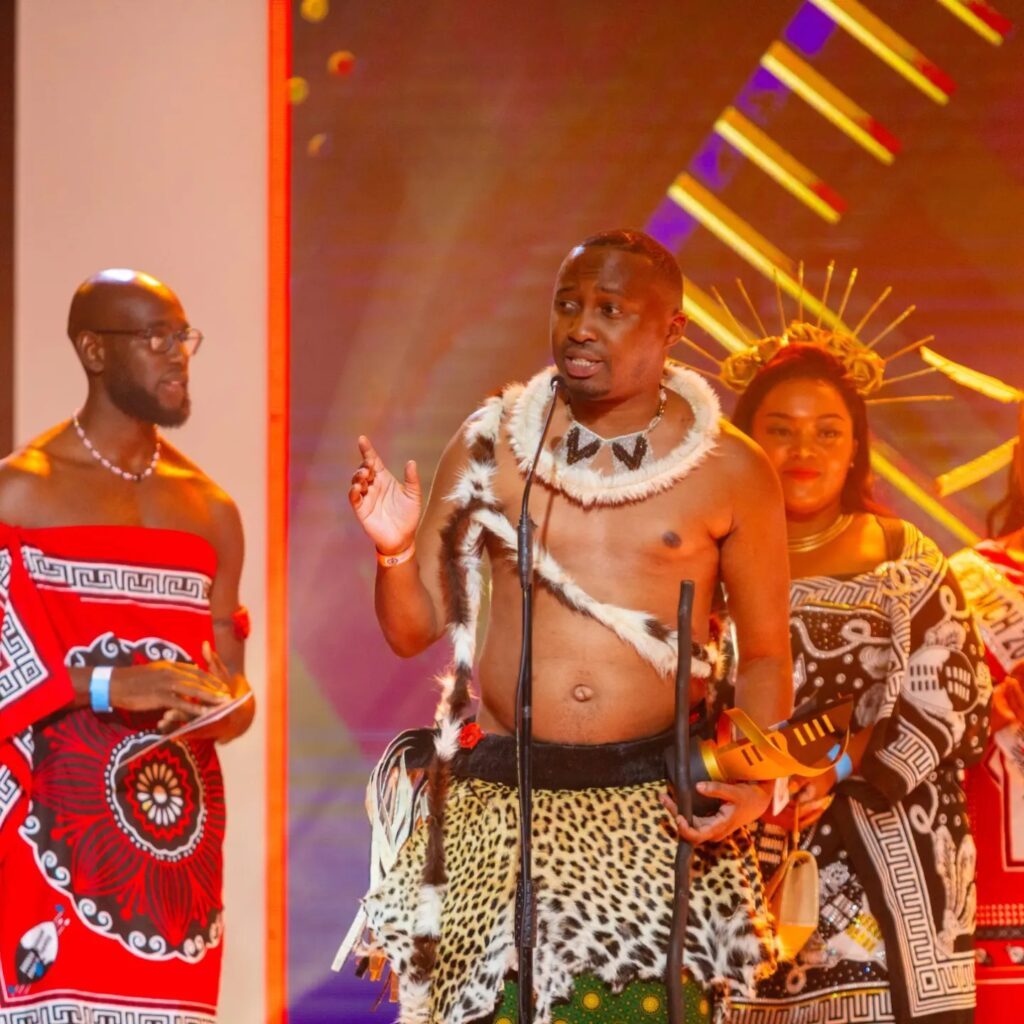
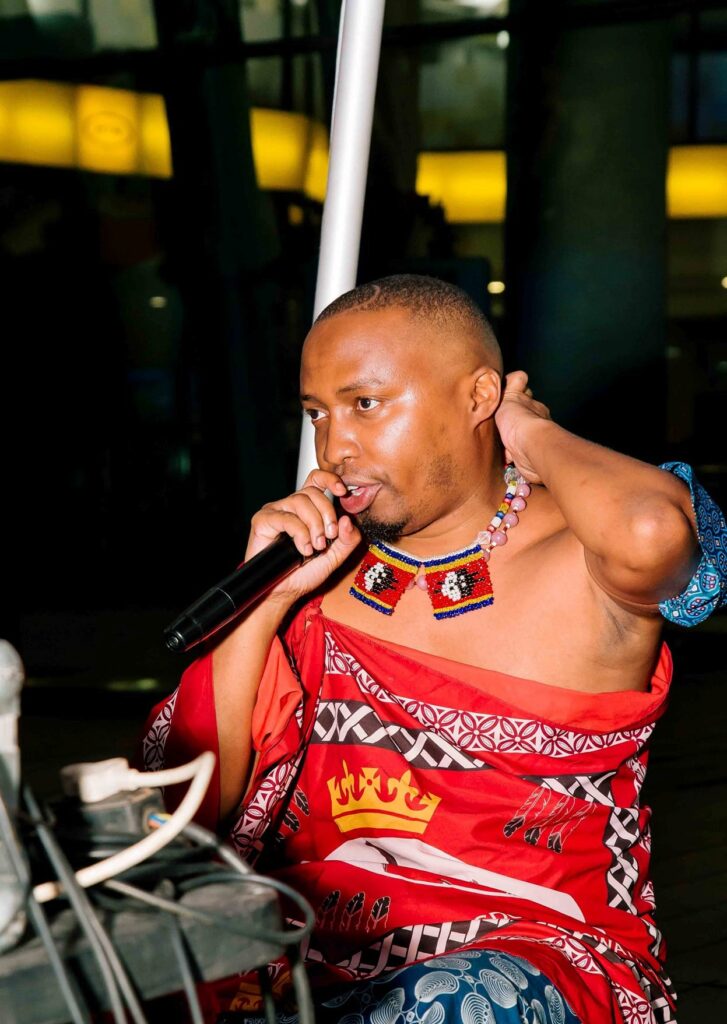
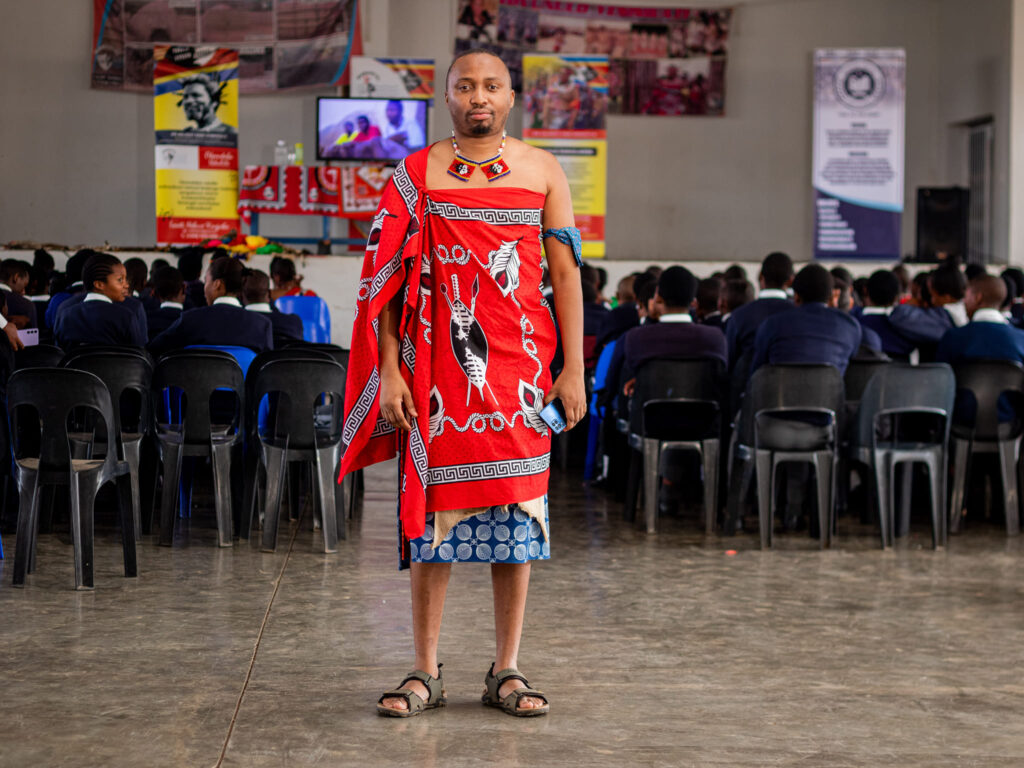
Beyond the studio, I’m a multi-award-winning conscious rap artist. My music is grounded in cultural identity and social commentary, aiming to provoke thought and spark dialogue. I perform with a 7-piece live band, curating immersive concert experiences that connect deeply with audiences. I’m also active in the non-profit space, volunteering with an organization called Babukisi Foundation, dedicated to preserving Eswatini’s cultural heritage. My contributions range from writing funding proposals and shaping media strategies to engaging in educational outreach and performing at schools to inspire youth about their roots.
Q. How would you describe the current state of the creative/entertainment industry in the country right now?
A. The creative and entertainment industry in Eswatini is at a pivotal moment. We’re witnessing a surge in cultural awareness and an increased appreciation for local talent, with more artists stepping into the spotlight through music, film, and visual arts. This cultural awakening is encouraging, but it’s not without hurdles.
A major issue is the lack of robust platforms to support, distribute, and promote our work. While digital consumption is on the rise, many local creatives still struggle with visibility and monetization. The infrastructure to nurture this talent and provide sustainable opportunities is underdeveloped. However, the potential is immense—especially in multimedia and culturally-driven projects—if the public and private sectors work together to create frameworks that support innovation, collaboration, and growth.
Q. Have you noticed any shifts in how creatives are working, collaborating, or distributing their work recently?
A. There’s been a significant evolution in how creatives collaborate and distribute their work, largely influenced by the digital age. Social media and streaming platforms have expanded our reach far beyond traditional outlets, enabling more artists to share their work with broader audiences.
This shift has sparked a spirit of interdisciplinary collaboration. We’re seeing filmmakers working with musicians, graphic designers teaming up with writers, and visual artists partnering with performers. This synergy is enriching our creative output and fostering a stronger sense of community.
At the same time, new challenges have emerged—such as the complexities of digital rights, content ownership, and equitable compensation. As we embrace these opportunities, we must also educate ourselves and one another about protecting our intellectual property and ensuring fair collaboration.
Q. What do you think are the biggest challenges facing creatives today locally?
A. One of the most pressing challenges for creatives in Eswatini is the inconsistency of income, which often results in financial instability. Many artists juggle multiple jobs or rely on side gigs to make ends meet, which can dilute creative focus and hinder long-term growth.
Another challenge is the undervaluation of creative work. Despite the effort and talent poured into artistic projects, many creatives are not paid fairly or treated with the respect they deserve. This sends a discouraging message to emerging artists and limits the overall sustainability of the industry.
There’s also a broader lack of understanding about the role of the arts in economic development and national identity. This results in limited support from key institutions, which are crucial in providing the funding, mentorship, and infrastructure needed for the creative economy to thrive.
Q. Is there enough infrastructure or institutional support for creatives in your field? What’s missing?
A. While there are pockets of support, the overall infrastructure for creatives remains underdeveloped. We need more structured systems that offer mentorship, funding opportunities, and platforms for skill development. Institutional support should be more strategic and holistic. For example, artist grant programs, creative incubators, and educational initiatives focused on the business of art could greatly uplift the sector.
We also need platforms for visibility—spaces where local talent can be discovered, celebrated, and commercialized. Furthermore, fostering networking and collaboration between creatives and industry stakeholders is vital. Events, forums, and workshops that bring these groups together could spark partnerships, build capacity, and bridge existing gaps.
Q. How do financial struggles like inconsistent income, funding gaps, or undervaluation of creative work affect your work and others around you in the creative/entertainment industry?
A. Financial instability is one of the most damaging forces in the creative space. Inconsistent income leads to anxiety and burnout, making it hard for artists to focus fully on their work. Many creatives are forced into survival mode, taking on unrelated jobs that sap their energy and delay their artistic pursuits.
The undervaluation of creative work adds insult to injury. When artists are not paid fairly or recognized appropriately, it stifles innovation and discourages risk-taking. Only a small number of artists manage to break through, while the majority remain unsupported, unseen, and unheard.
This imbalance is detrimental not only to individual creatives but also to the diversity and richness of our cultural narrative. A thriving creative ecosystem depends on equitable access to opportunity, visibility, and compensation.
Q. What changes would you like to see that could make the creative industry more sustainable and inclusive?
A. To build a more inclusive and sustainable creative industry, I would advocate for the following changes:
- Fair Compensation: Establishing clear standards and policies that ensure creatives are paid what they deserve for their contributions.
- Increased Funding Opportunities: Including grants, sponsorships, and investment into projects with cultural or social value.
- Inclusive Platforms and Mentorship: Creating spaces for underrepresented voices and offering mentorship programs to help emerging artists navigate the industry.
- Collaborative Ecosystems: Encouraging creatives to work together, share resources, and build community-driven projects that amplify diverse stories.
- Public and Private Sector Alignment: Developing joint strategies that recognize the arts as a pillar of economic development and national identity.
By implementing these changes, we can transform the creative landscape into one that supports longevity, innovation, and impact.
Q. What advice would you give to someone trying to break into the industry now, knowing all the current challenges?
A. To anyone aspiring to enter the creative industry, I say this: stay resilient, stay hungry, and stay authentic. The journey is not easy, but your voice and vision matter. Build a strong portfolio that reflects who you are and what you stand for. Network with others in your field—collaboration and community are powerful assets. Seek mentorship and be willing to learn at every step.
Leverage digital tools for visibility, but also protect your intellectual property. Understand the value of your work and don’t be afraid to advocate for fair treatment. Lastly, stay rooted in your purpose. The creative journey is filled with challenges, but it’s also deeply rewarding. Your work can change lives, preserve culture, and inspire future generations—never forget that.