



September is observed as Suicide Prevention Month, a time dedicated to raising awareness about suicide, encouraging conversations around mental health and reminding communities that support can play an important role in prevention.
In Eswatini, the month carries particular significance as the country continues to confront a serious suicide burden.
According to the World Health Organization, Eswatini has a suicide rate of 31.8 deaths per 100,000 people. Between 2022 and 2024, the Royal Eswatini Police Service recorded 486 completed suicides, with men accounting for 80 percent of those cases.
Behind every statistic is a person, a family and a story that cannot be captured by a number.
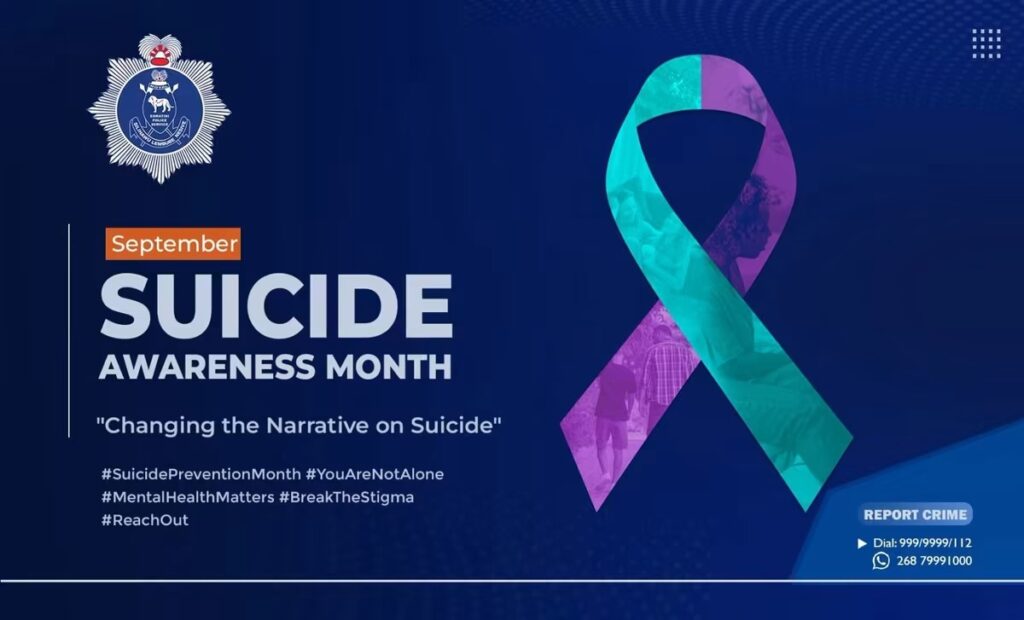
For Psychologist Dr Zanele Magagula, the country’s suicide statistics point to the importance of having more open conversations about emotional wellbeing and recognising when people may be struggling.
Suicide Prevention Month therefore offers more than an opportunity to share statistics. It creates space to ask difficult questions about how people are coping, how families respond when someone is struggling and whether people feel safe enough to ask for help.
There are people we see every day who may be carrying more than we realise. They go to work, answer messages, attend family gatherings, make plans and laugh with friends. They may continue doing everything expected of them while privately dealing with emotional pain that nobody around them knows about.
Sometimes, when someone says, “I’m fine,” they really are. Other times, those two words may simply be the easiest answer when explaining what they are going through feels too difficult.


That is why the conversations around suicide cannot only happen during September. They need to happen at home, in workplaces, among friends, in schools and within communities. The person who has suddenly become quiet may need someone to check in. The colleague who has stopped joining lunch may be going through something difficult.
A young person who no longer enjoys the things they once loved may need support. A parent may be overwhelmed while continuing to show up for everyone else.
There is no single way that emotional distress looks. Someone may be visibly struggling, while another person may appear completely composed and continue with their normal routine. Changes in behaviour can sometimes indicate that someone is having difficulty coping.
They may withdraw from people, lose interest in activities they previously enjoyed, struggle with everyday responsibilities or become noticeably different from their usual selves.
But these signs should not be used to diagnose someone. Not every person going through a difficult period is suicidal, and not every person experiencing suicidal thoughts will show obvious warning signs.



The point is to pay attention.For many people, starting a conversation about mental health is uncomfortable. They may be afraid of saying the wrong thing, making the situation worse or not knowing what to do if someone admits they are struggling.
But checking in does not require a perfect speech. It can begin with a simple question: “I’ve noticed you haven’t seemed yourself lately. How are you really doing?” It can also be, “You don’t have to explain everything, but I’m here if you want to talk.”
Sometimes, listening is more important than trying to solve everything in one conversation. Taking someone seriously matters too.Telling a person to “just be strong” or reminding them that other people have bigger problems may be intended as encouragement, but it can leave someone feeling that their pain is being dismissed.
A more helpful response can be to listen without judgement, ask what they need and encourage them to seek appropriate support.





Mental health should also be treated as part of overall health. If someone has a persistent physical problem, they are generally encouraged to seek medical attention.
Emotional wellbeing deserves the same seriousness. Speaking to a psychologist, counsellor, doctor or another qualified professional does not mean someone has failed. It means they have recognised that they need support.
This is especially important in communities where talking openly about emotional struggles can still be difficult. Men may feel pressure to appear strong even when they are struggling. Parents may feel that they have to keep everything together.
Young people may face pressures around school, relationships, identity, finances and social expectations. Some people may simply not have the words to explain what they are feeling. Suicide prevention therefore cannot be left to one month, one organisation or one sector.
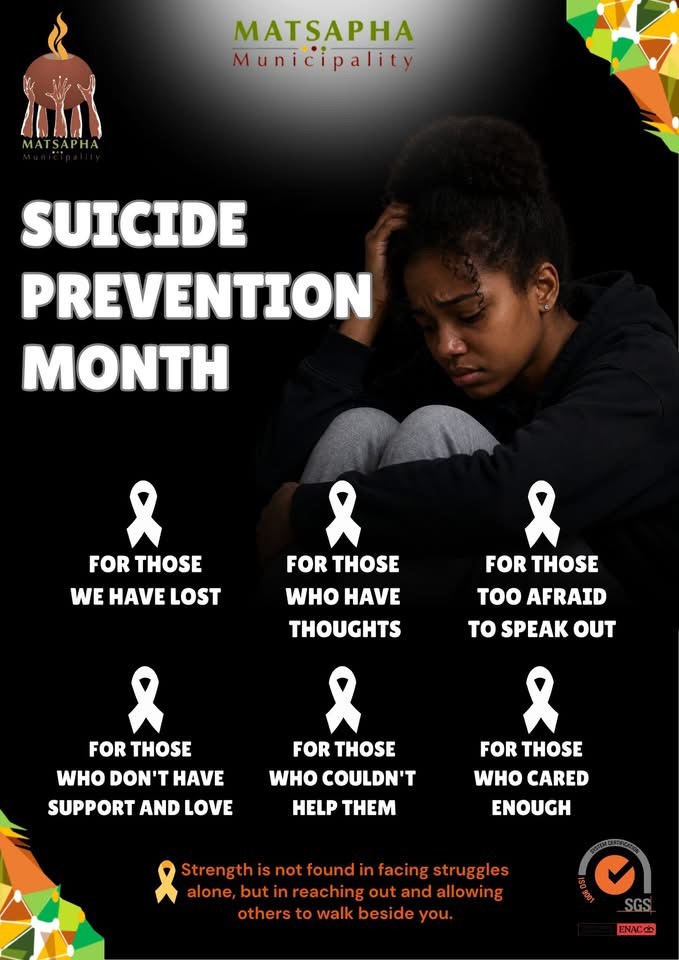
It requires families, friends, workplaces, schools, healthcare professionals and communities to recognise the importance of mental wellbeing and create environments where asking for help is not met with shame.
September gives the conversation a starting point, but the conversation should continue long after the month ends. The friend who has gone quiet still matters in October. The colleague who seems different still matters in November. The young person who is struggling still needs someone to ask how they are coping.
We may not always know what another person is carrying. We may not have the answers, and we cannot solve another person’s pain for them. But we can notice. We can ask. We can listen. We can encourage professional support.
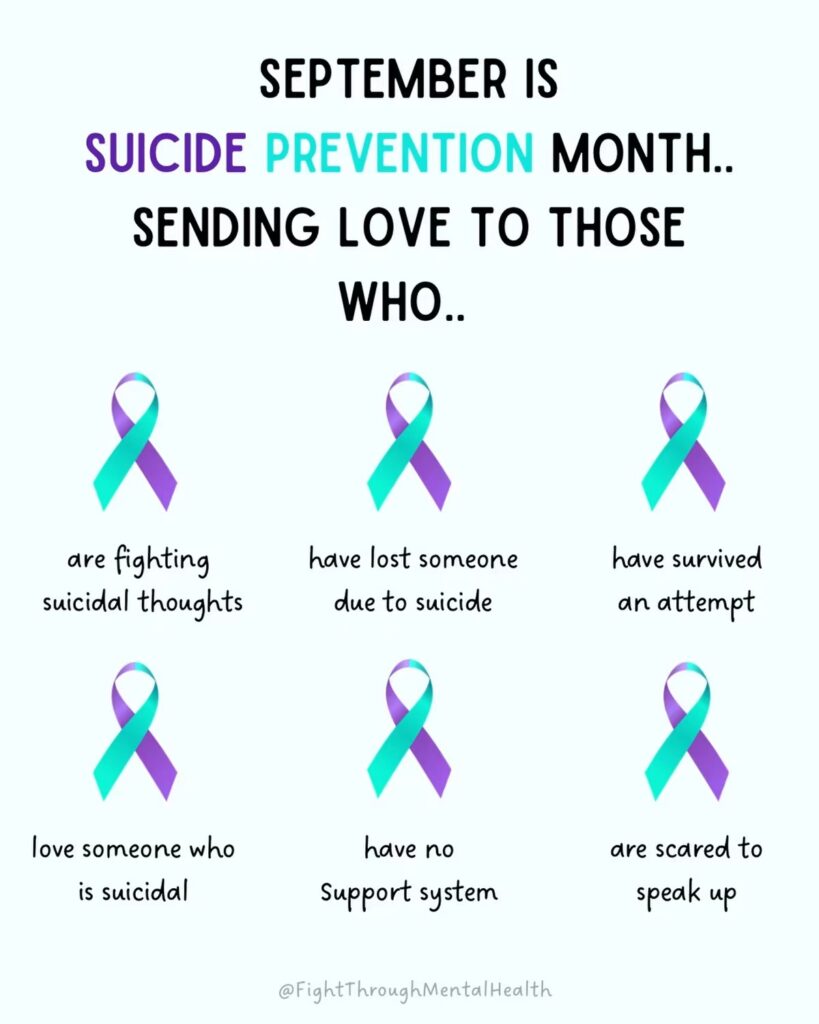
Sometimes, the most important conversation is simply the one that lets someone know they do not have to carry everything alone.
If you are worried about someone, take what they say seriously and encourage them to speak to a mental-health professional or another trusted person who can help. If you believe someone is in immediate danger, do not leave them alone and seek emergency assistance.
September is Suicide Prevention Month, it is a reminder to talk, to listen and, perhaps most importantly, to keep asking: How are you really doing?