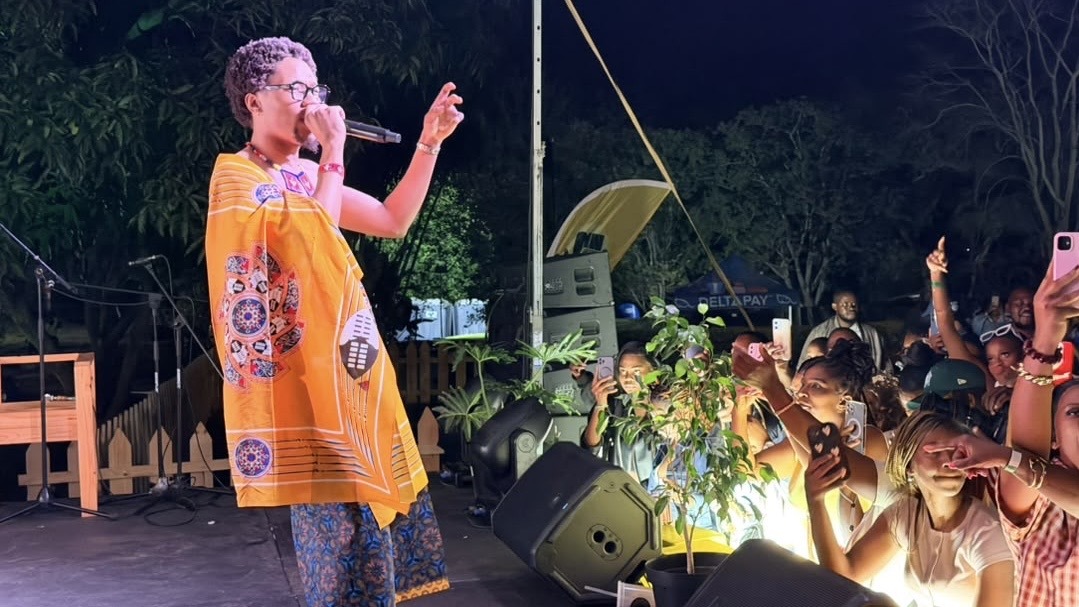



Music, culture and cross-border artistic connection took centre stage at Gin Gardens on Saturday night as South African performers Sino Msolo and Nia Pearl delivered two of the event’s biggest performances, leaving the Ezulwini crowd entertained while expressing strong interest in connecting with Eswatini’s creative scene.
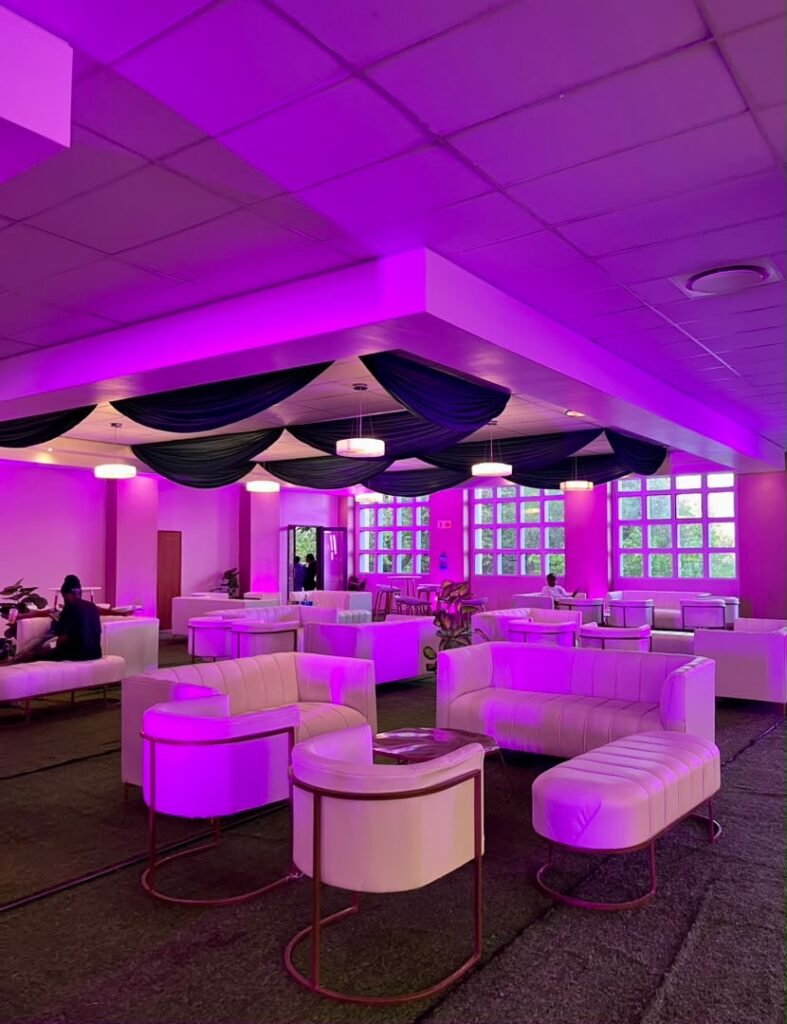
Held at Sharma House on Saturday, Gin Gardens brought together music, lifestyle, fashion and entertainment, with a line-up that featured artists from both Eswatini and South Africa. Sino Msolo and Nia Pearl emerged among the evening’s major attractions, each bringing a distinctly different energy to the stage.


While Sino’s performance was defined by music and a deliberate embrace of Swati culture, Nia Pearl’s appearance was marked by her discovery of Eswatini and her immediate interest in collaborating with local talent.
Their performances highlighted the growing relationship between Eswatini’s entertainment industry and the wider regional music market, where live events increasingly serve as platforms for artists to discover new audiences and build creative relationships across borders.
Sino Msolo Embraces Swati Culture
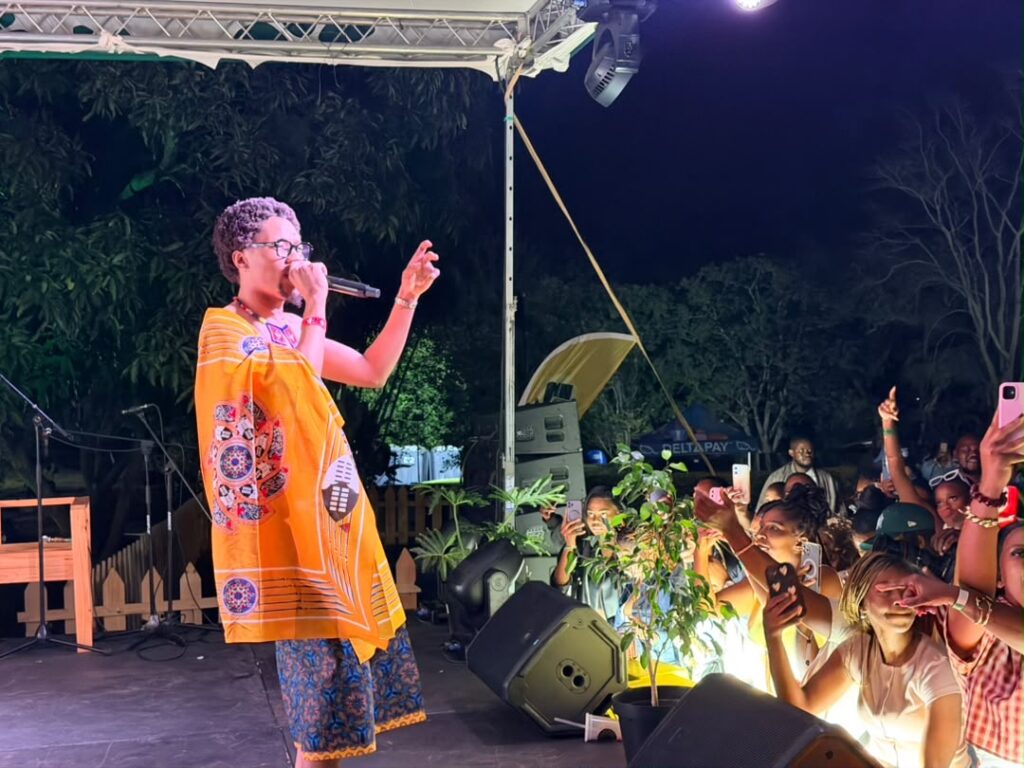
For Sino Msolo, his first visit to Eswatini was an opportunity to make a cultural statement even before he began performing. The South African singer arrived dressed in Swati-inspired traditional attire, a decision he said was deliberate because he wanted to create an immediate connection with the audience.
“It’s my first time coming to Eswatini, so I was like, why not wear something that they will relate to? When they see me, they see a Swati person,” Sino said.
The singer took the cultural reference even further, explaining that he wanted to embody the image of Ingwenyama, meaning King.
“I was like, why not be a Swati man today and also try looking like Ingwenyama?” he said.
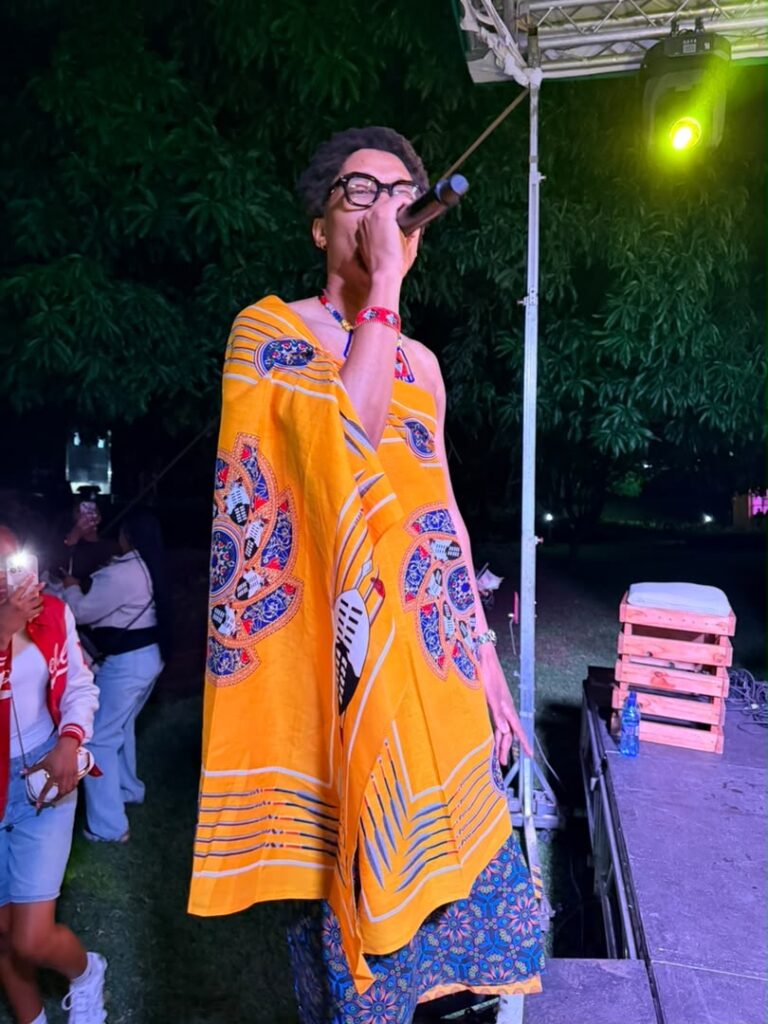

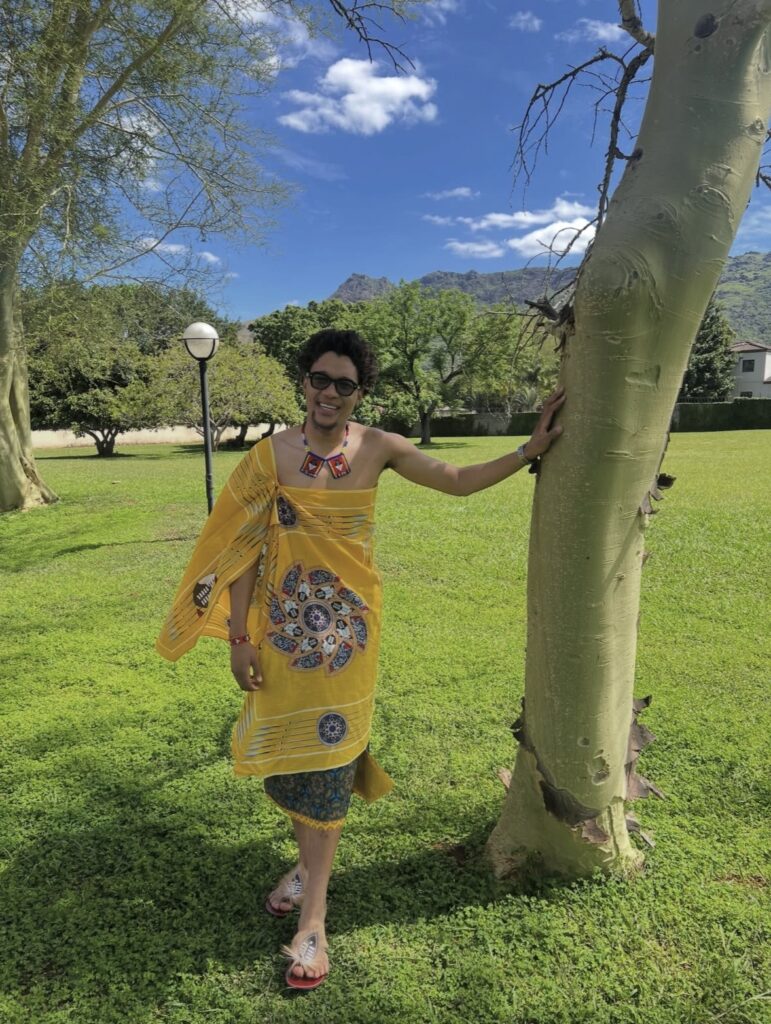
The choice immediately became one of the memorable visual moments of the event, reflecting an artist consciously using fashion to acknowledge the culture of the country he was visiting.
Once he took the stage, however, the attention shifted firmly to his music. Sino moved through a set that included some of his best-known songs, including “Jola” and “Wamuhle”, before delivering “Wo_Lo”, one of the tracks that has gained considerable visibility through TikTok.
“Jola” produced a strong sing-along moment, while “Wamuhle” allowed the singer’s soulful vocals to take centre stage. The reaction became even more pronounced when “Wo_Lo” was performed. The song’s popular dance challenge has travelled widely across social media, and the Ezulwini audience responded almost instinctively, with partygoers joining in on the familiar dance moves.
The performance demonstrated how digital platforms are increasingly influencing live entertainment, allowing songs to develop audiences beyond their countries of origin before artists even physically enter those markets. For Sino, the response was evidence of the connection he had hoped to establish.
“I love the energy here. The people here are always loving. I love the energy. It’s very calm,” he said.





His connection with Eswatini may not end with the Gin Gardens stage. Sino also expressed an interest in collaborating with local musicians, saying he already enjoys music coming out of the country.
“Of course, of course, of course. I do see myself collaborating with Swazi artists. I would love to. There’s music that I love from Swaziland,” he said.
Nia Pearl Discovers A New Audience
For Nia Pearl, Gin Gardens represented something equally significant: her first visit to Eswatini. The singer admitted that she had never previously travelled to the country and said she was pleasantly surprised by the welcome she received.
“I am in Eswatini finally, and you guys will never believe that I have never actually been here. I know it’s crazy, but it’s my first time and I’m loving everything about it,” she said.
Her performance reflected the excitement of the occasion. Nia Pearl performed songs including “Nia Lo” and “Shela”, while also incorporating an iPiano-inspired sound into her set. The crowd responded enthusiastically, singing along, dancing and engaging with her throughout the performance.
But her experience of Eswatini extended beyond the stage.The singer praised the country’s people and the reception she received, describing the audience as welcoming and the overall experience as positive.
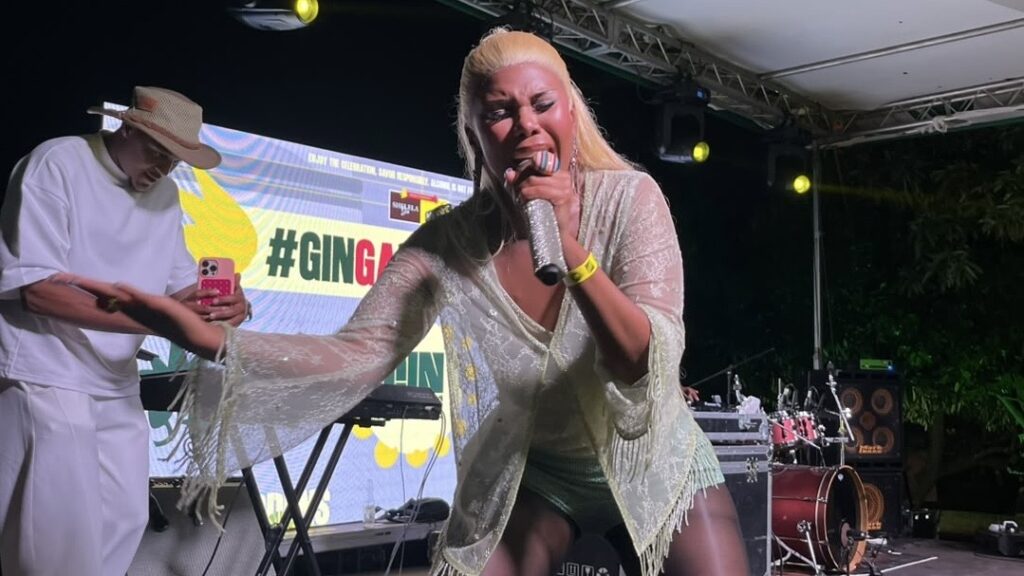
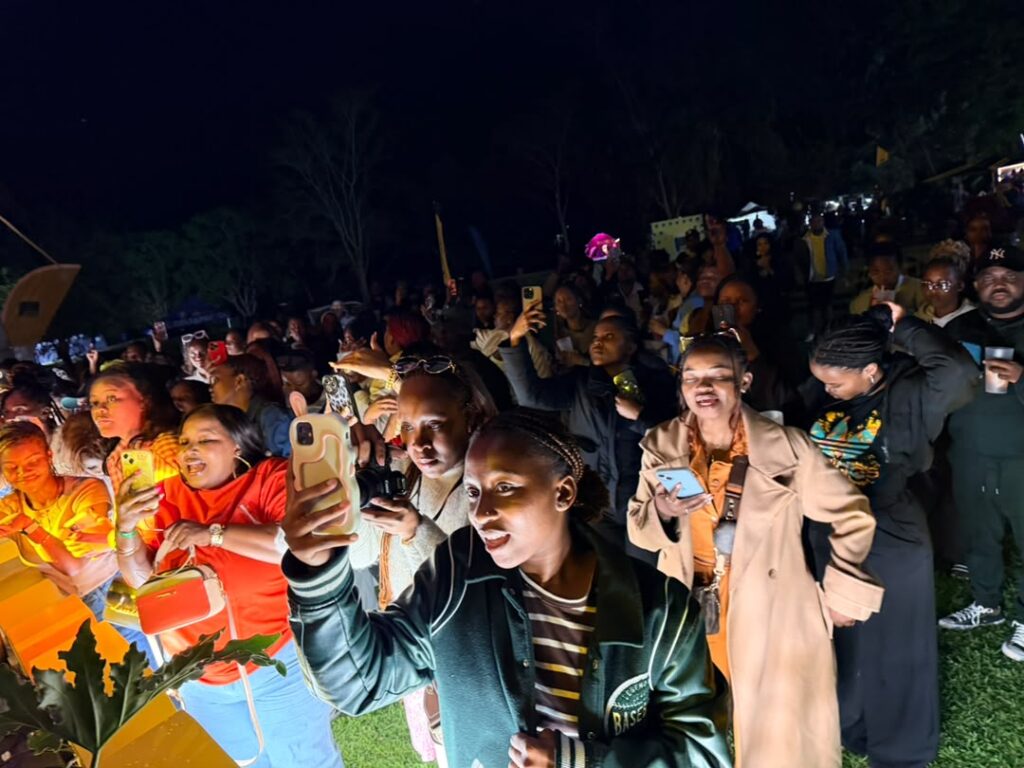

“The people are so friendly, the weather is being great and I performed. The crowd has been great to me,” she said.
Perhaps more importantly for the local music industry, Nia Pearl left Eswatini with a specific artist in mind. The singer singled out Velemseni as a musician she admires, openly declaring: “I’m obsessed with Velemseni.” She then indicated that she intended to take the initiative and contact the Eswatini artist herself.
“I’m going to shoot my shot and reach out to her,” she said.
The possibility of a collaboration between the two artists adds another layer to what was already a significant cross-border entertainment event. Such collaborations have the potential to expose Eswatini artists to audiences beyond the Kingdom while allowing visiting artists to tap into local sounds, audiences and creativenetworks
A Night of Cross-Border Connection
The significance of Sino Msolo and Nia Pearl’s appearances at Gin Gardens extended beyond their individual performances. Both artists arrived from South Africa with established audiences, but left with new connections to Eswatini, Sino through his embrace of Swati culture and interest in local music, and Nia Pearl through her admiration for Velemseni and her enthusiasm for the country.
Their experiences also reflected the evolving role of lifestyle events such as Gin Gardens in the regional entertainment ecosystem. The event was not positioned solely as a concert. It combined music with lifestyle, fashion, food, drinks and social interaction, creating an environment where artists and audiences could connect beyond a conventional stage performance. Gin Gardens was billed as a premium lifestyle garden experience bringing together live music, curated gin culture and fashion-forward experiences.
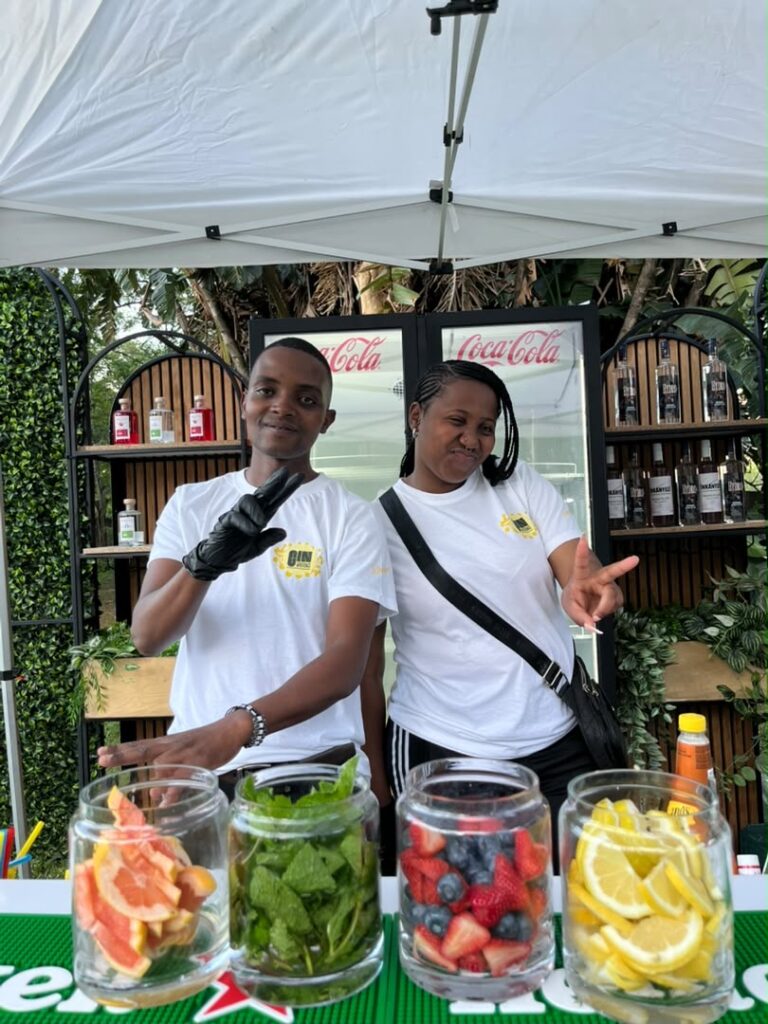
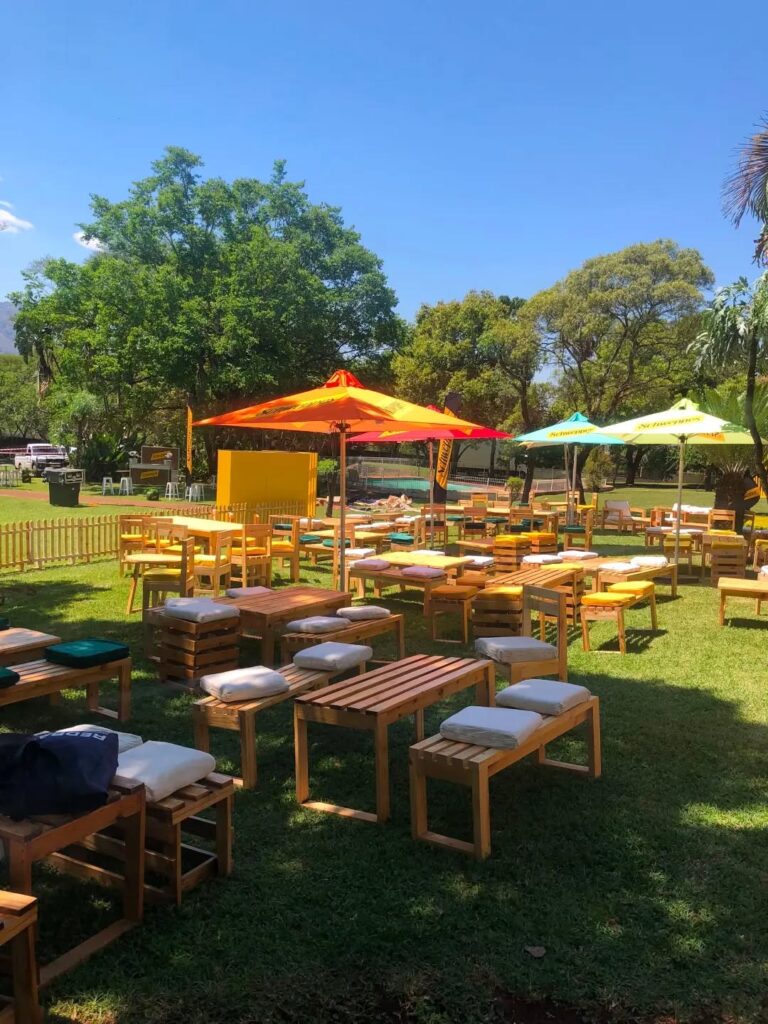
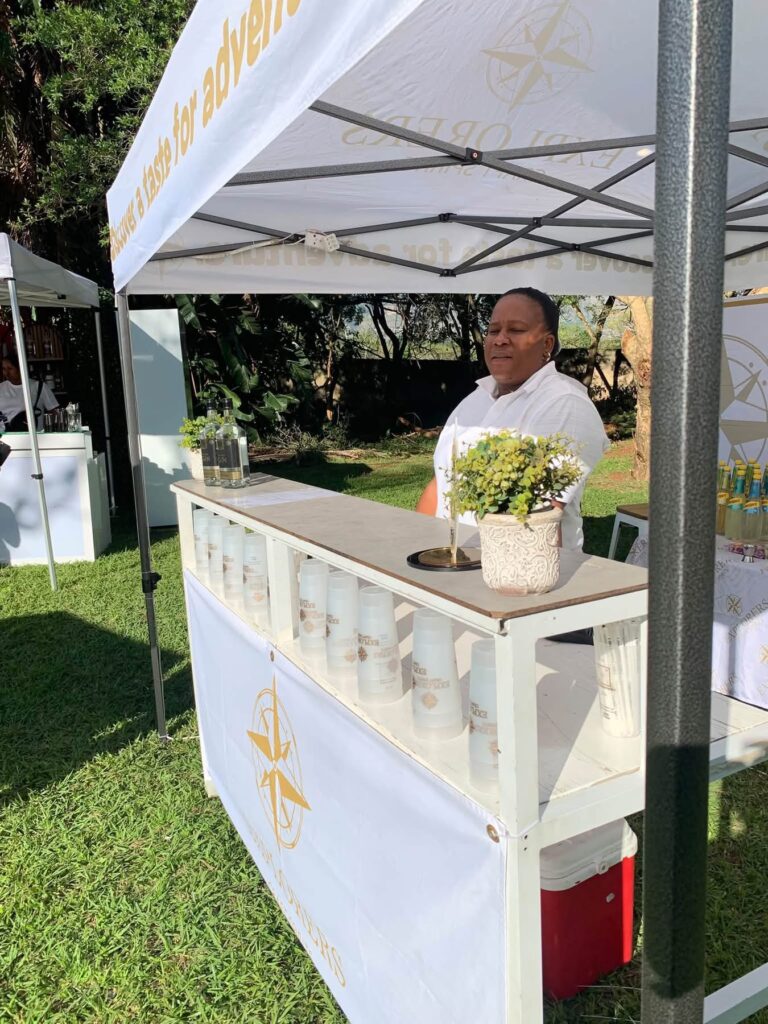

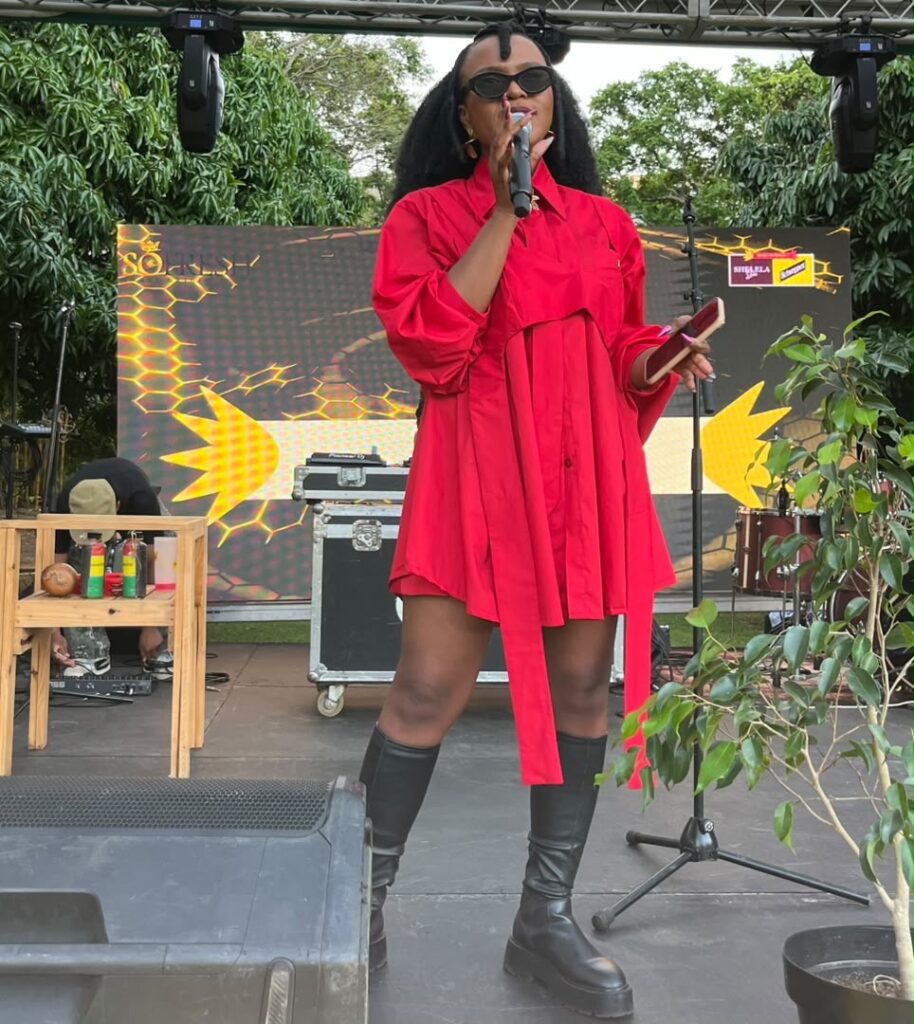
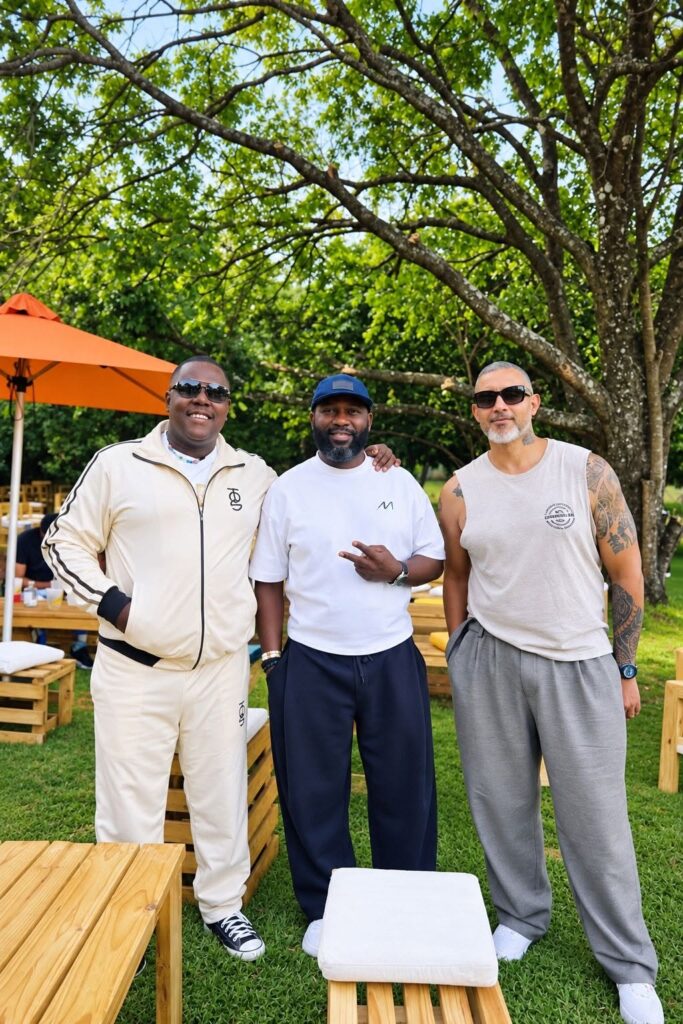
The event featured a broader line-up of South African and Eswatini performers, including Dusse Wavy, Touchline, Velemseni and several local DJs and artists, further reinforcing its regional character. For Eswatini’s entertainment sector, the presence of established South African acts also provides an opportunity to position local artists alongside performers with larger regional audiences.
Sino and Nia Pearl’s comments suggest that the exchange is not necessarily one-directional. Both performers left the event having expressed an interest in Eswatini’s culture, people and music. For Sino, the connection began with clothing and culture before moving to music. For Nia Pearl, it began with a first visit and developed into admiration for a local artist.
Together, their appearances gave Gin Gardens a broader significance, not simply as a lifestyle event, but as a meeting point for artists, audiences and creative cultures. And as the final notes faded at Sharma House, the biggest takeaway may have been that the night created possibilities that extend well beyond the event itself.