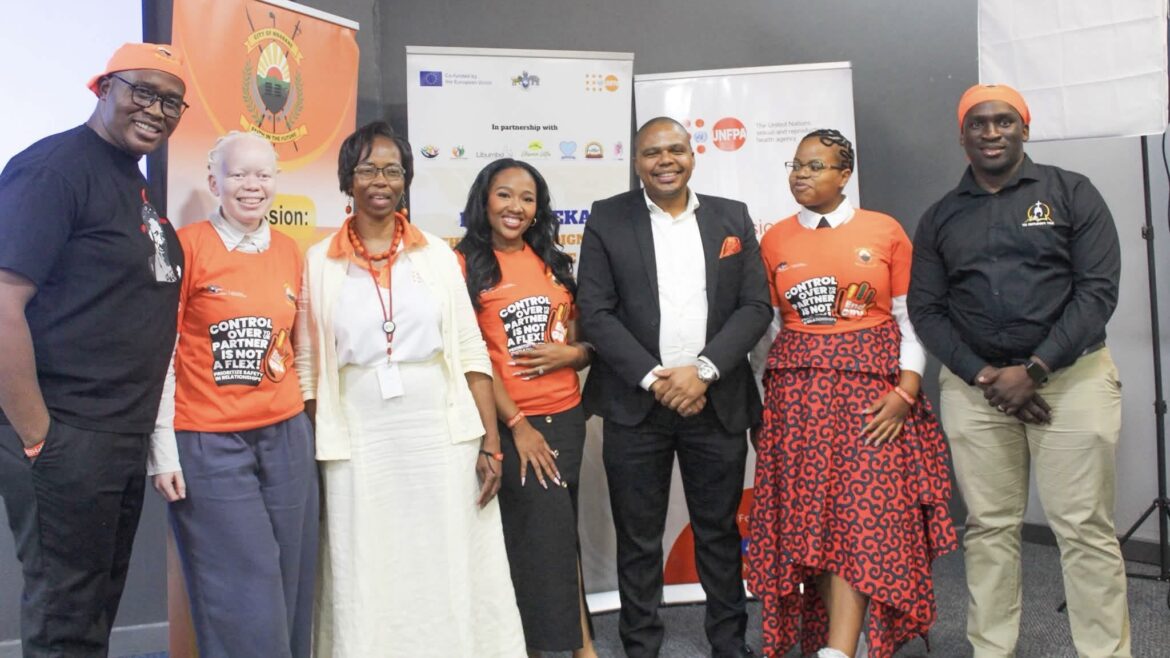




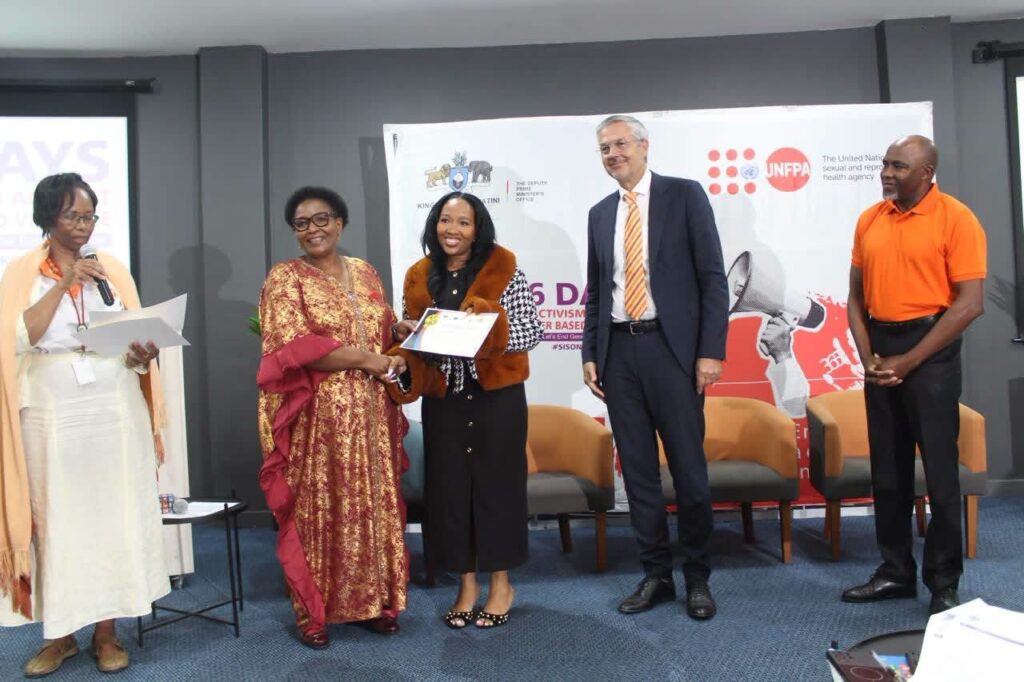

Sixteen familiar faces are stepping beyond their digital platforms to help amplify the fight against gender-based violence during the 16 Days of Activism.
As Eswatini joins the global movement to end Gender-Based Violence (GBV), 16 familiar faces from the country’s entertainment, media and digital content creation spaces have been unveiled as ambassadors of the 16 Days of Activism Against Gender-Based Violence campaign, bringing their influence and public platforms into a fight that demands collective responsibility.
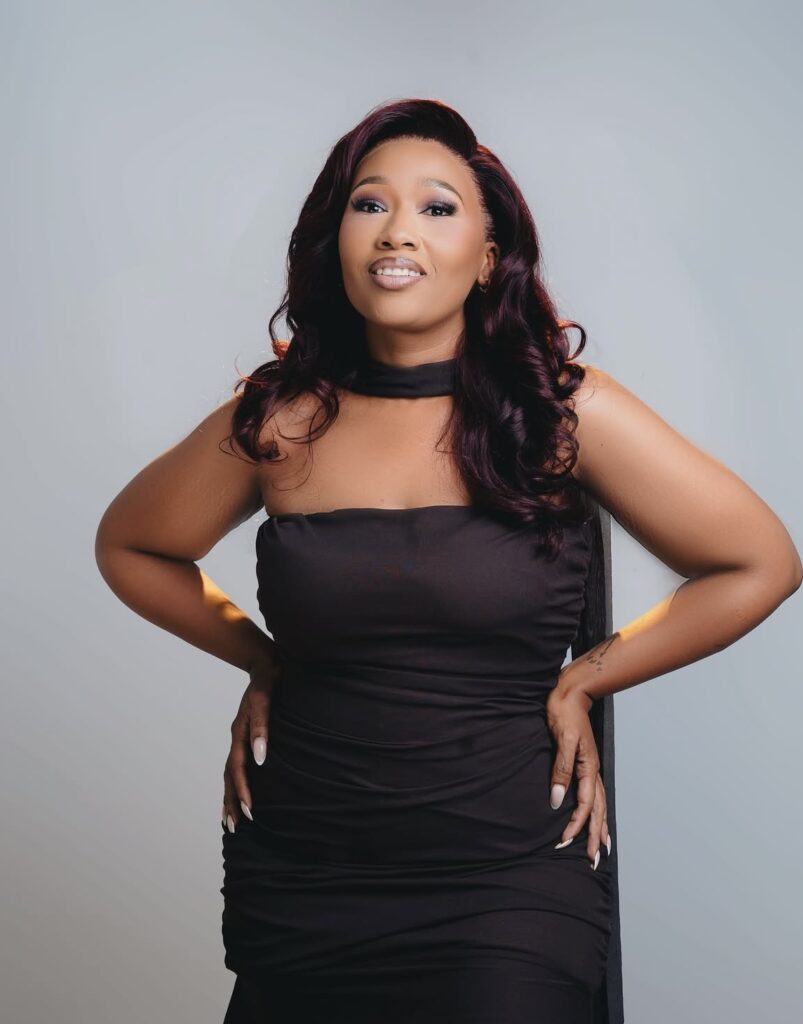
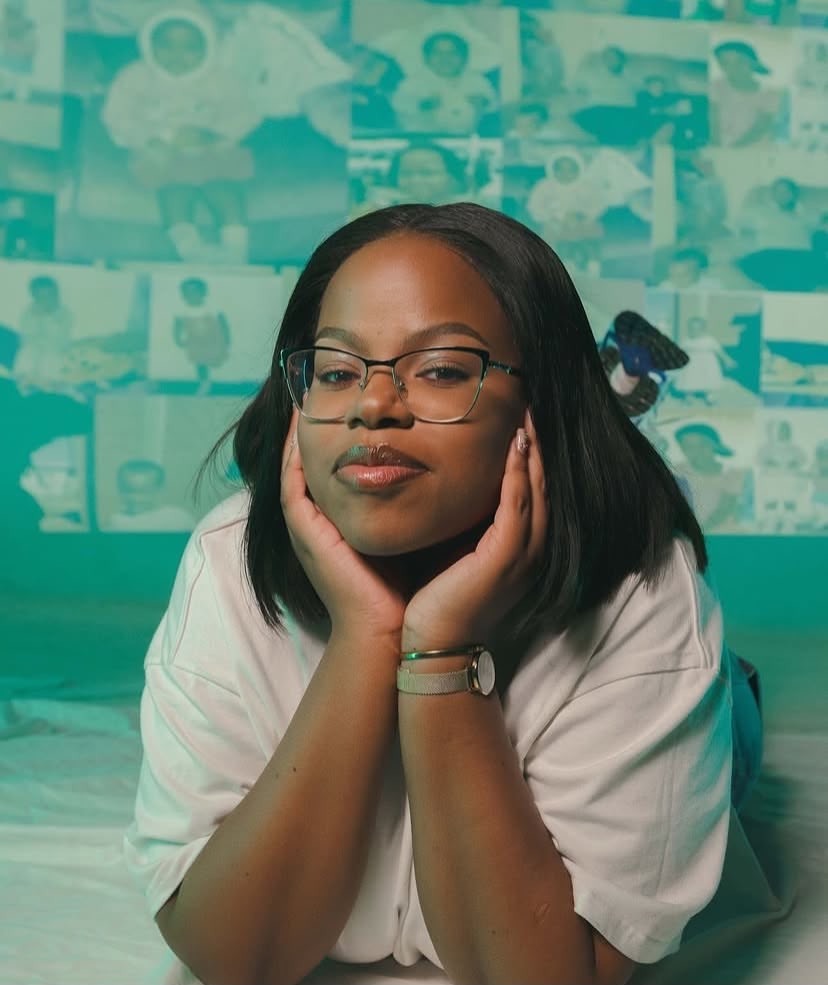
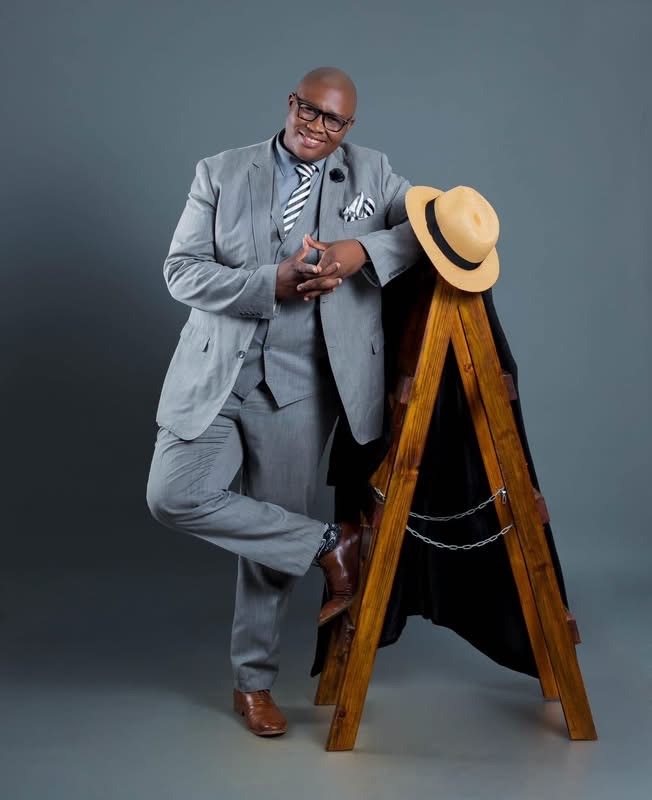
Among those selected is lifestyle influencer and content creator Call Me Mrs Dlamini, who joins popular personalities MC Tjovitjo, Luleka and other recognised voices in the campaign.
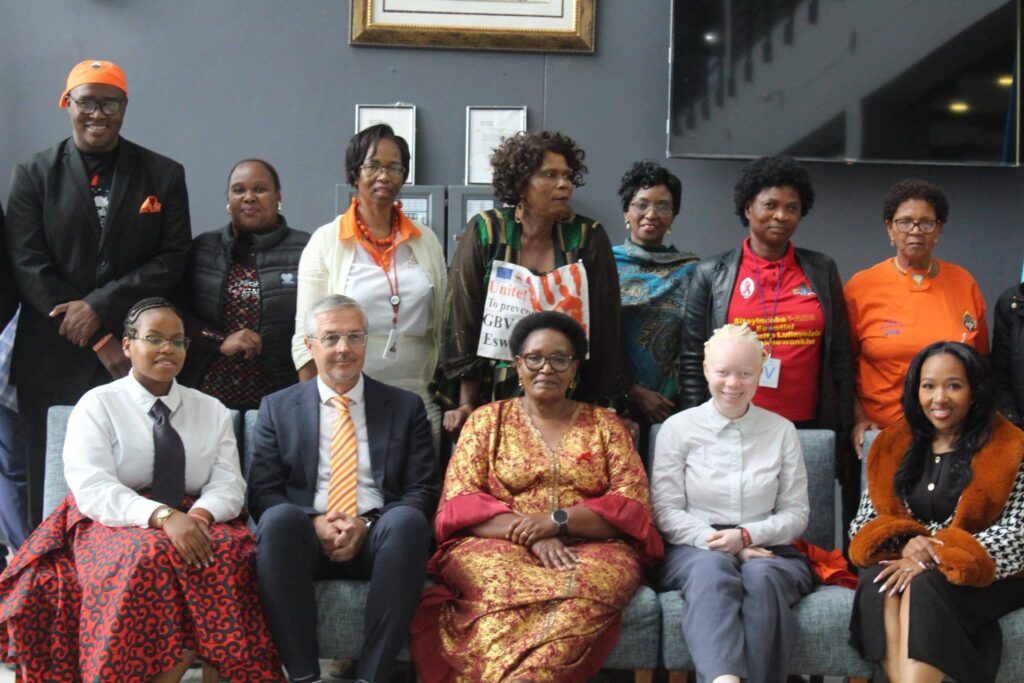
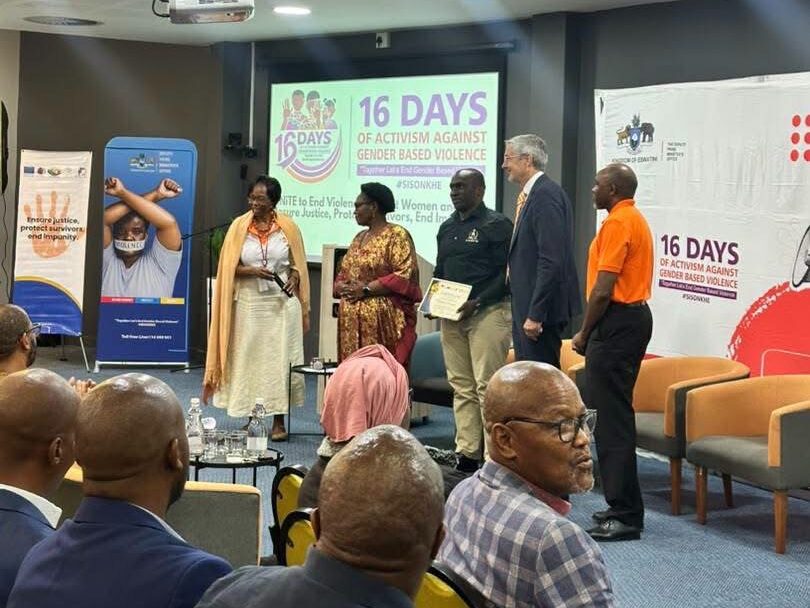
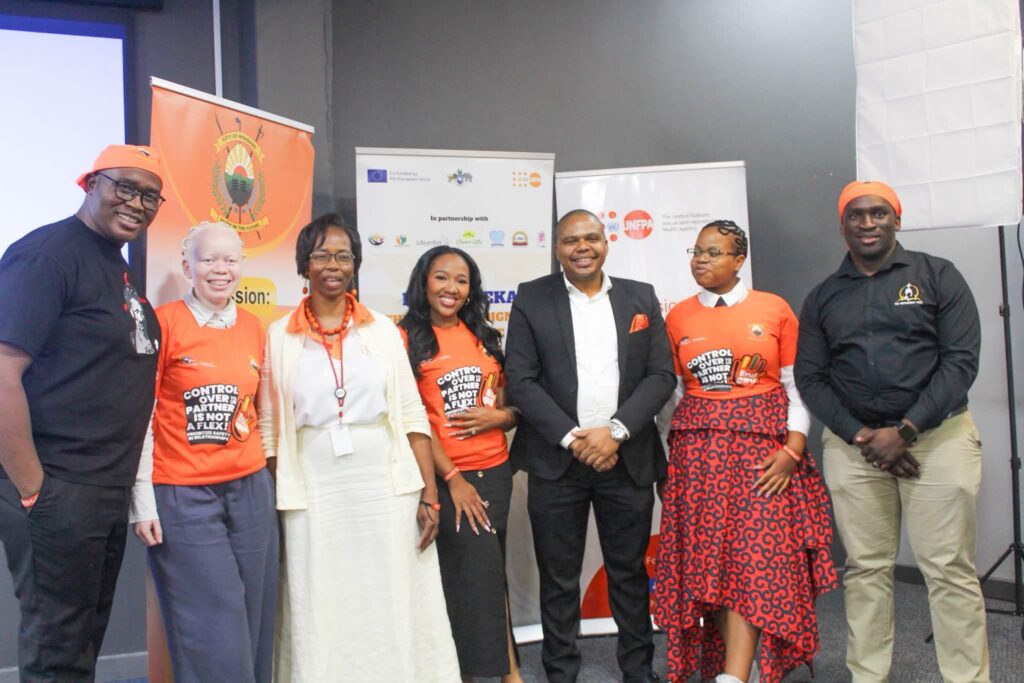
Their involvement places individuals who already command public attention at the centre of an important national conversation, using their visibility to encourage awareness, challenge harmful attitudes and promote a society where women and girls can live free from violence.
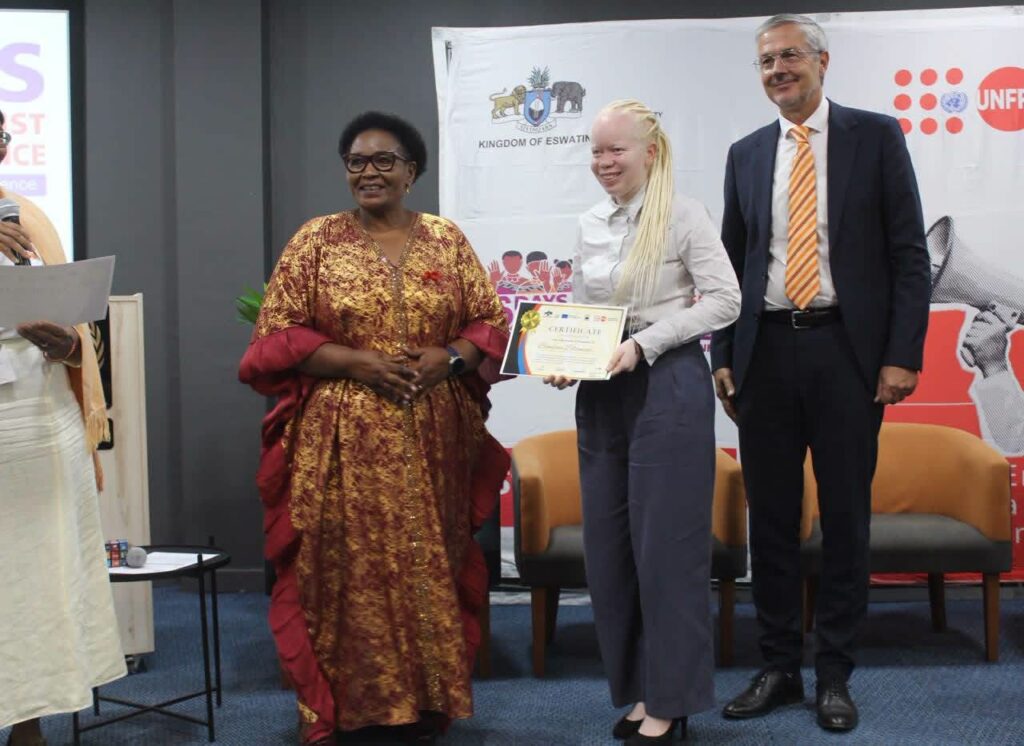
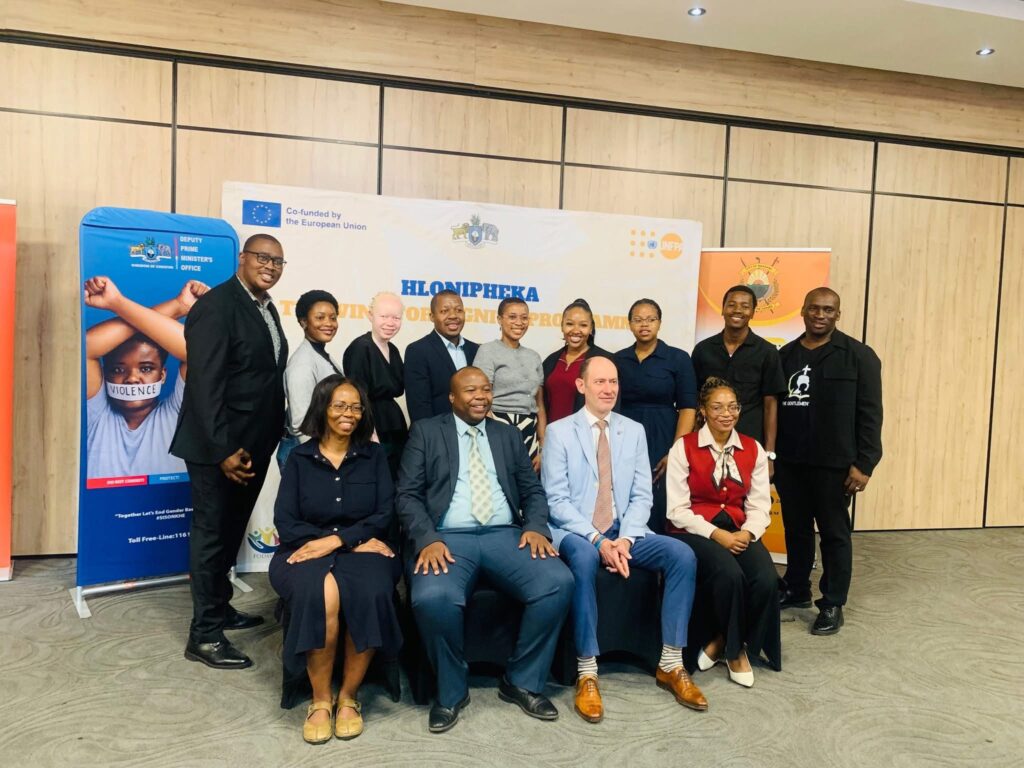
The unveiling comes after a two-day orientation workshop held on 10 and 11 November at Happy Valley Hotel, where social media influencers gathered for training on GBV prevention and responsible social media communication.
The workshop was supported by the European Union under the Hlonipheka – Thriving for Dignity Programme, implemented by the United Nations Population Fund (UNFPA) Eswatini.
The engagement was designed to equip the selected influencers with practical knowledge and communication skills to address GBV in ways that inform, educate and encourage meaningful behavioural change.
Particular attention was placed on survivor-centred messaging, challenging harmful narratives and ensuring that conversations about violence do not unintentionally reinforce stigma or compromise the dignity and privacy of survivors.
For influencers such as Call Me Mrs Dlamini, whose digital presence connects with audiences through lifestyle, motherhood and everyday experiences, the opportunity extends beyond creating engaging content.
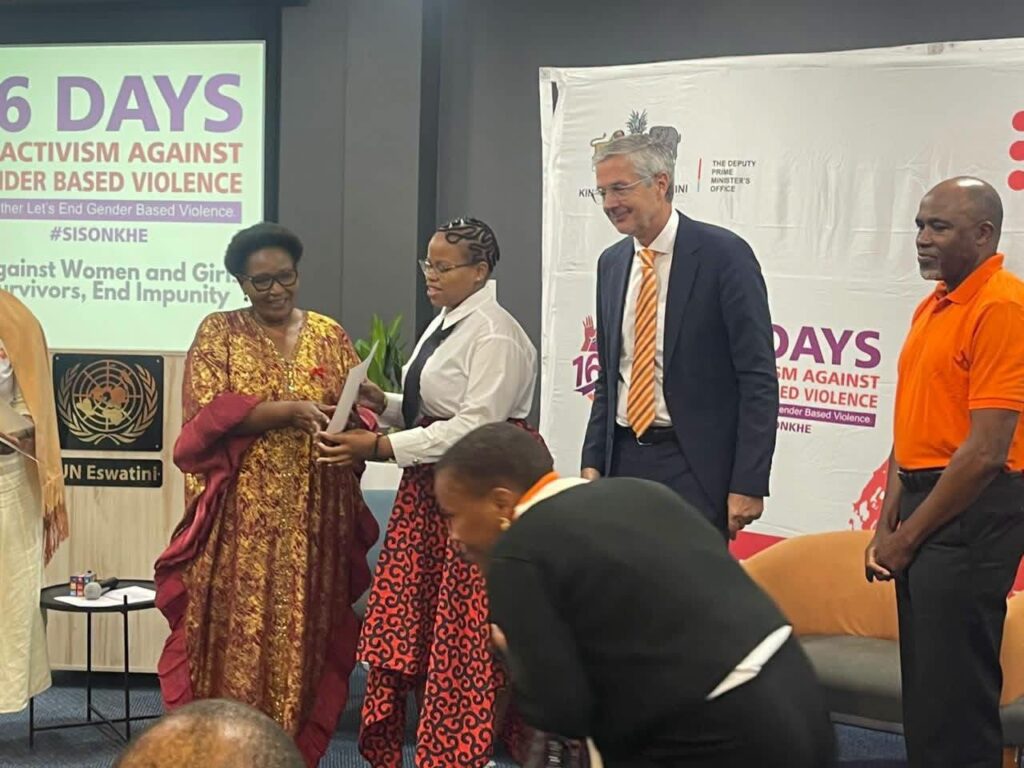
It presents an opportunity to use familiar and relatable platforms to introduce difficult conversations into spaces where people already spend considerable time.
The same applies to MC Tjovitjo, Luleka and the other campaign faces, whose different audiences and public identities offer an opportunity to reach people across various communities and age groups.
Whether through a social media post, a video, a conversation or an awareness message, their participation can help make GBV prevention a subject that is discussed beyond formal events and awareness gatherings.
With social media increasingly influencing public opinion, shaping attitudes and determining how information is received, the role of content creators in advocacy has become particularly significant.
Their platforms offer a direct channel through which important messages can reach audiences quickly, potentially encouraging people to question behaviours they have normalised, recognise warning signs of abuse and understand the importance of supporting survivors.
However, the responsibility also comes with the need for sensitivity. Conversations about GBV involve real experiences and people whose lives have been affected by violence.
The training therefore emphasised the importance of communicating accurately, avoiding sensationalism, respecting confidentiality and ensuring that survivors are not blamed or judged for their experiences.
The Hlonipheka –Thriving for Dignity Programme, through which the initiative is supported, reflects the importance of partnerships in addressing the broader challenges surrounding violence and the protection of vulnerable groups.
With the European Union supporting the programme and UNFPA implementing it, the initiative brings together development partners and community voices in advancing dignity, equality and safer environments.
The European Union maintains that preventing GBV requires collective action and meaningful partnerships between government, civil society, development partners and communities.
The involvement of influencers adds another dimension to these efforts by extending advocacy into the digital spaces where conversations, opinions and social attitudes are continuously shaped.
As the 16 Days of Activism campaign gets underway, the unveiling of these 16 personalities is a reminder that the responsibility to end GBV does not rest with institutions and organisations alone. Public figures, content creators and ordinary social media users all have a role to play in challenging violence and refusing to normalise abuse.
For Call Me Mrs Dlamini, MC Tjovitjo, Luleka and their fellow campaign faces, the spotlight now carries a responsibility that goes beyond visibility.


It is an opportunity to turn influence into impact, ensuring that the message of dignity, respect and protection reaches beyond the campaign period.
Ultimately, the fight against GBV needs more than voices that speak about the problem. It needs voices that challenge it, communities that refuse to excuse it and individuals willing to stand with those affected by it.
And with 16 familiar faces lending their platforms to the cause, Eswatini has another opportunity to make that conversation louder.