

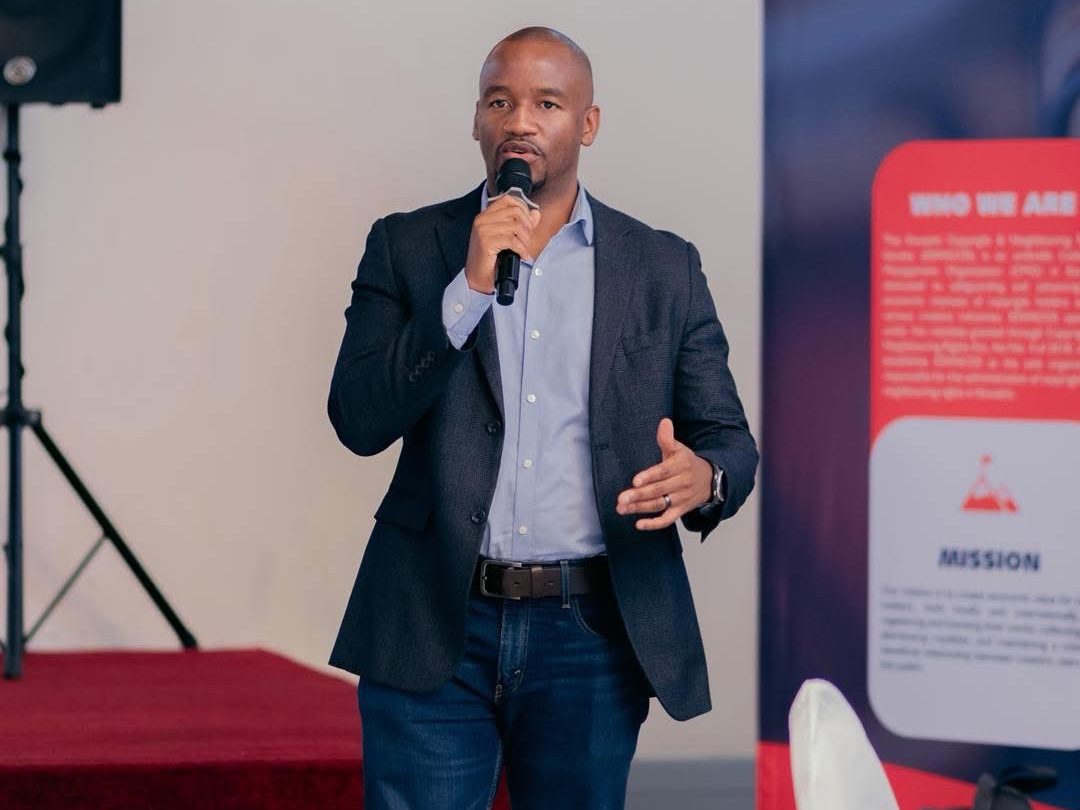

March has marked a pivotal chapter for the Eswatini Copyright and Neighbouring Rights Society as it intensified efforts to shape its 5-Year Strategic Plan (2026–2031) through a series of nationwide stakeholder consultative workshops.
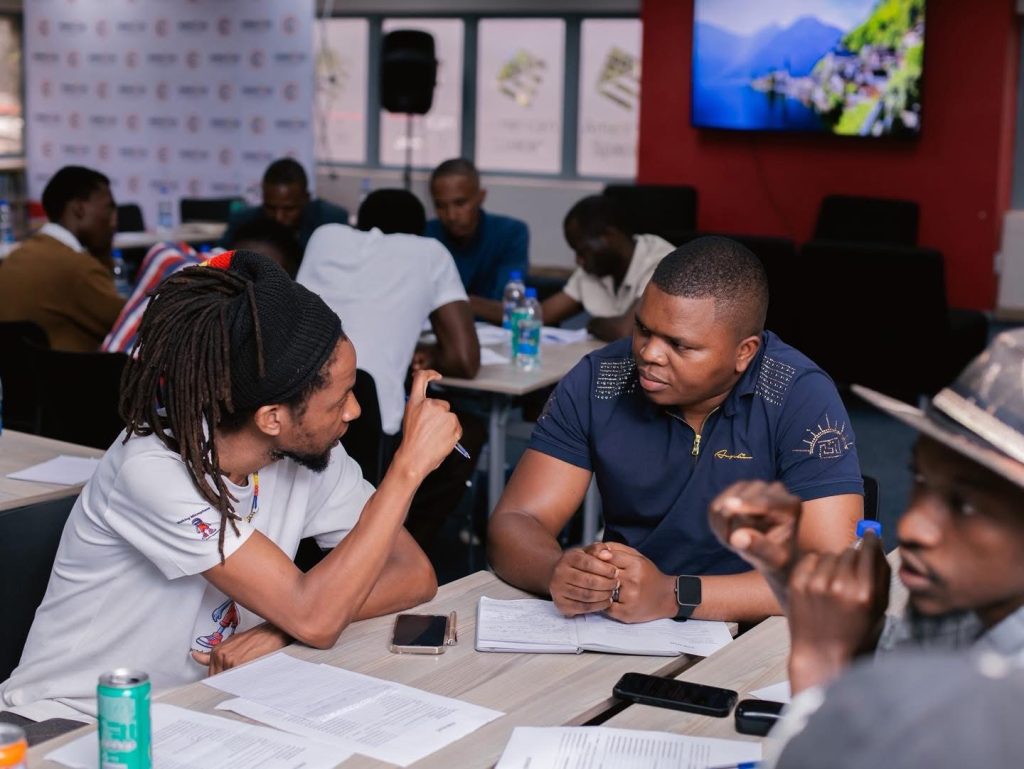
The engagements brought together a broad spectrum of participants, including creators and rights holders, copyright users, government institutions, civil society organisations, and development partners. Far from being routine exercises, the workshops were deliberately designed as inclusive platforms to foster meaningful dialogue, gather insights, and collaboratively define the future of copyright management in Eswatini.


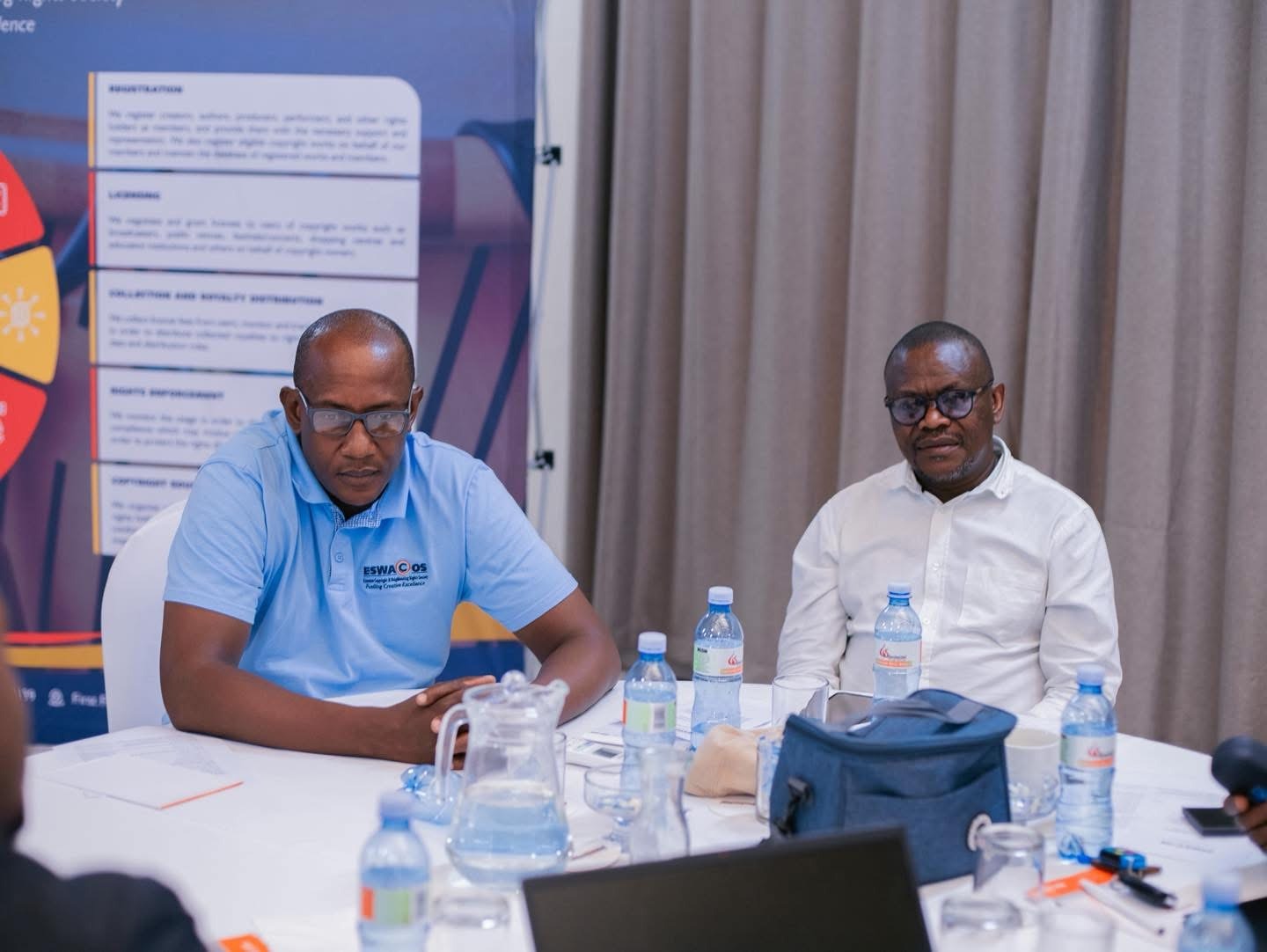
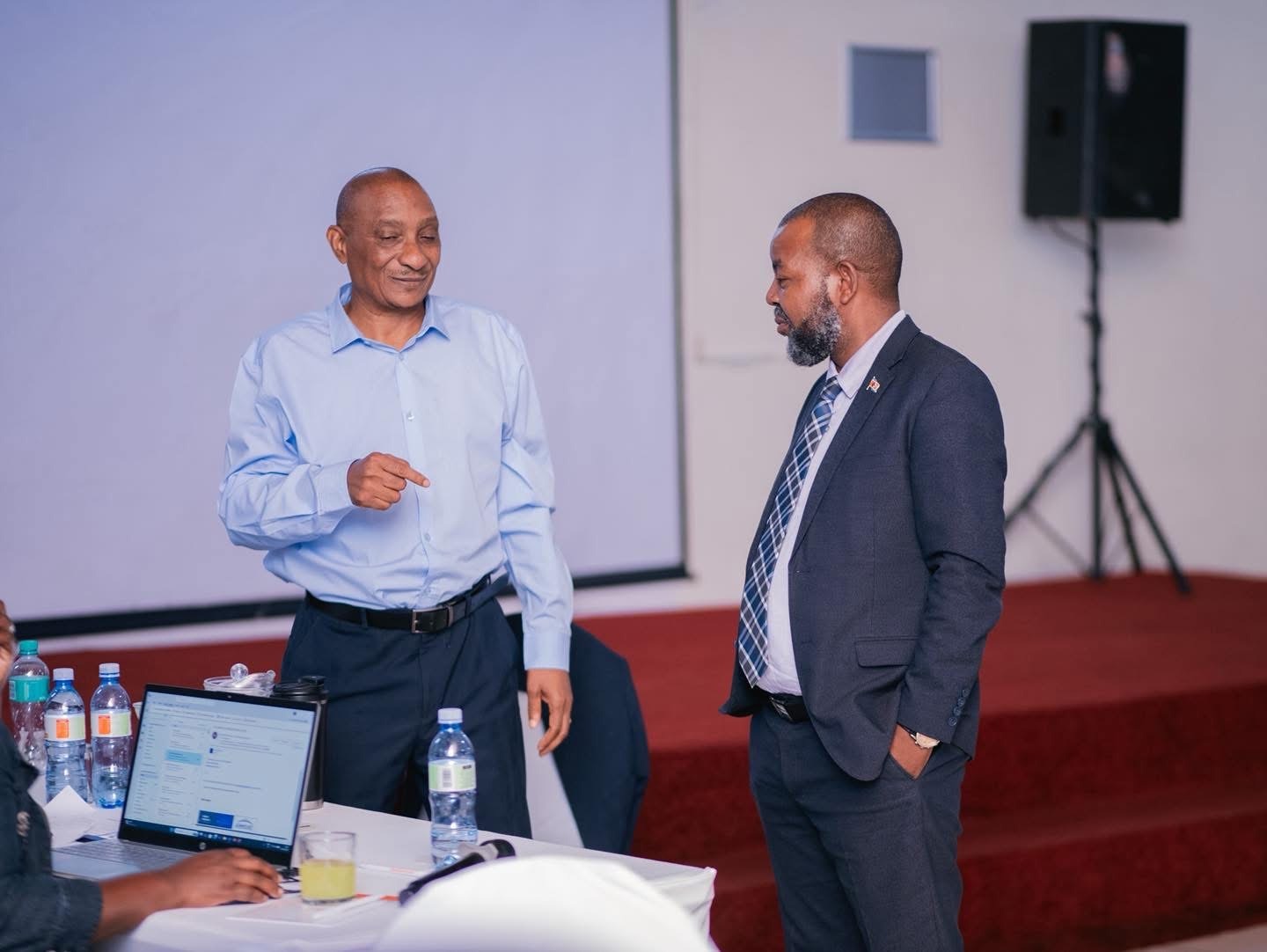
Participants reflected a rich diversity of perspectives across the creative and commercial landscape. Filmmakers, musicians, broadcasters, hospitality operators, and policymakers openly shared their experiences, highlighting both the opportunities and persistent challenges within the country’s evolving creative ecosystem. Notably, participation was relatively balanced, with rights holders accounting for 41per cent and users 38 per cent, underscoring the importance of inclusive engagement across the entire copyright value chain.
Speaking on the significance of the consultations, Mmeli Hlanze emphasised the organisation’s commitment to participatory governance.
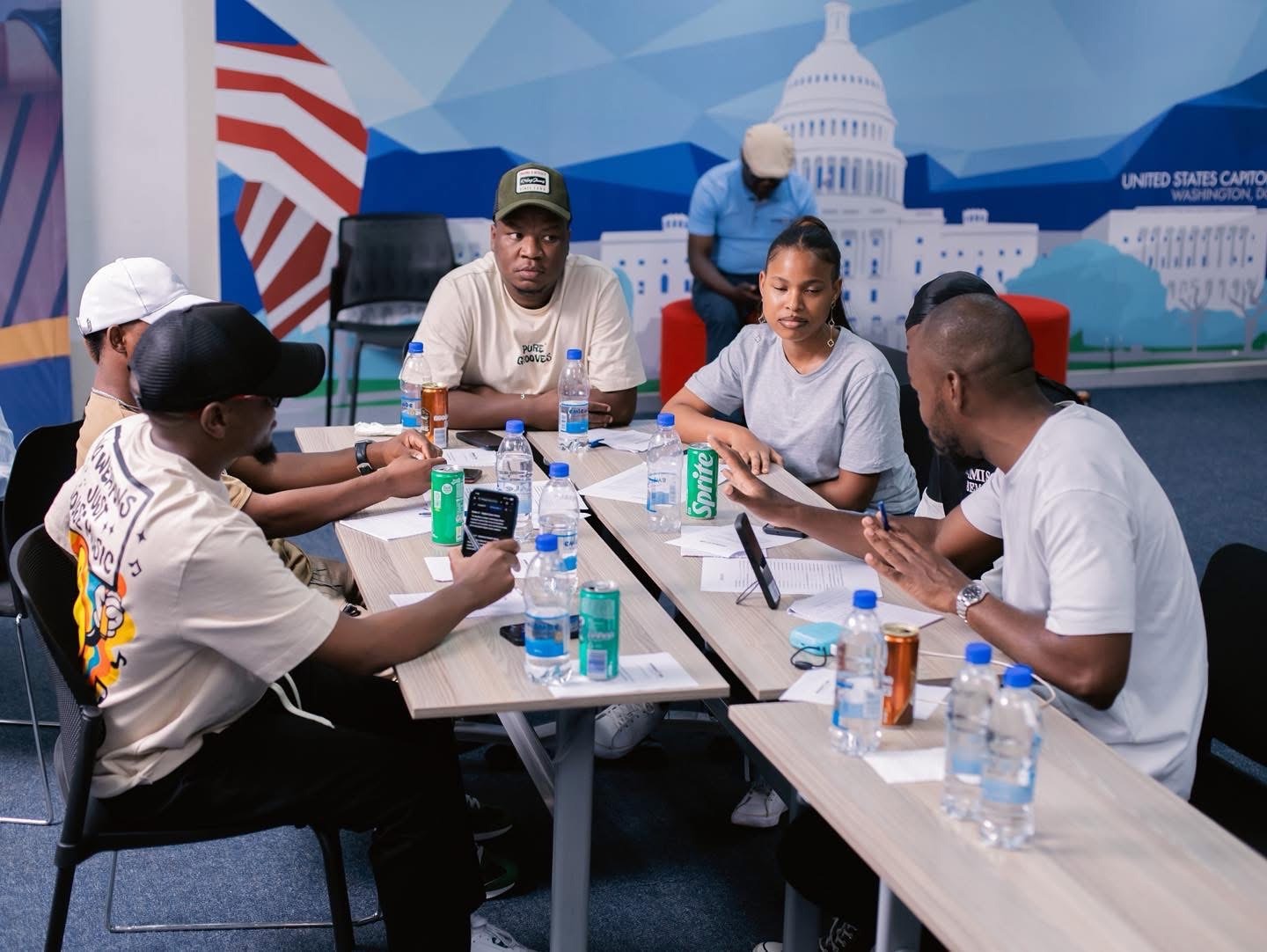
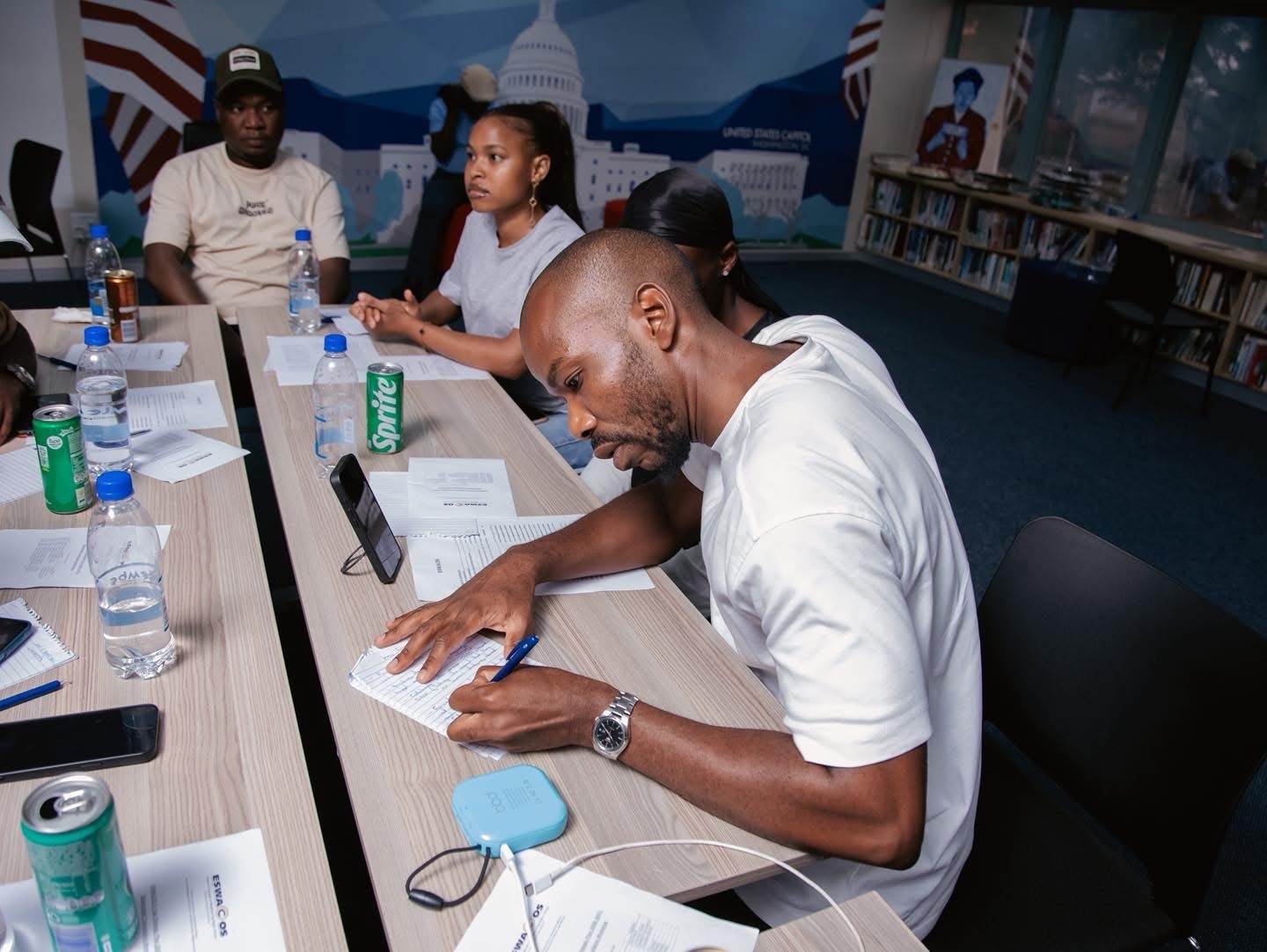
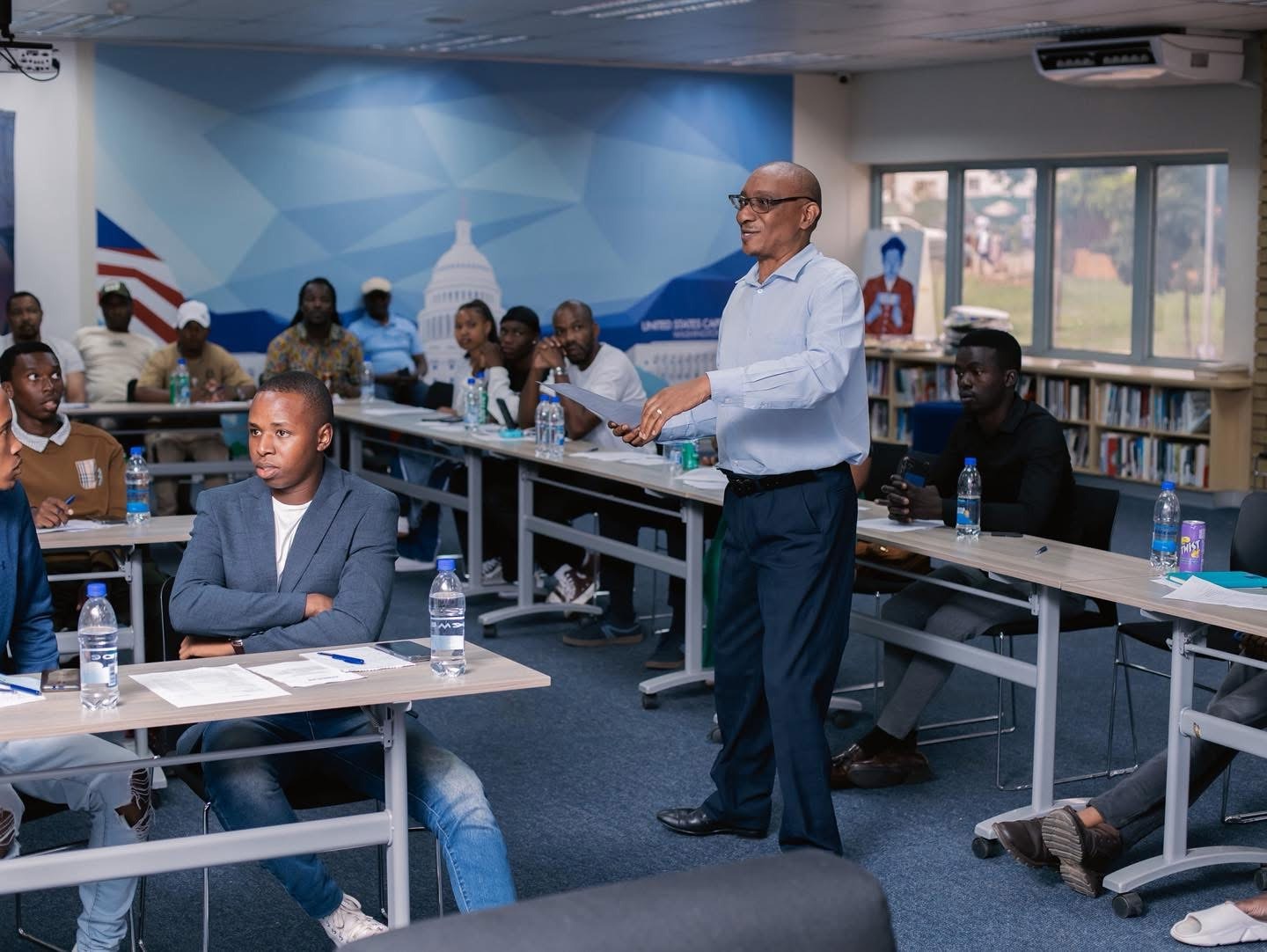
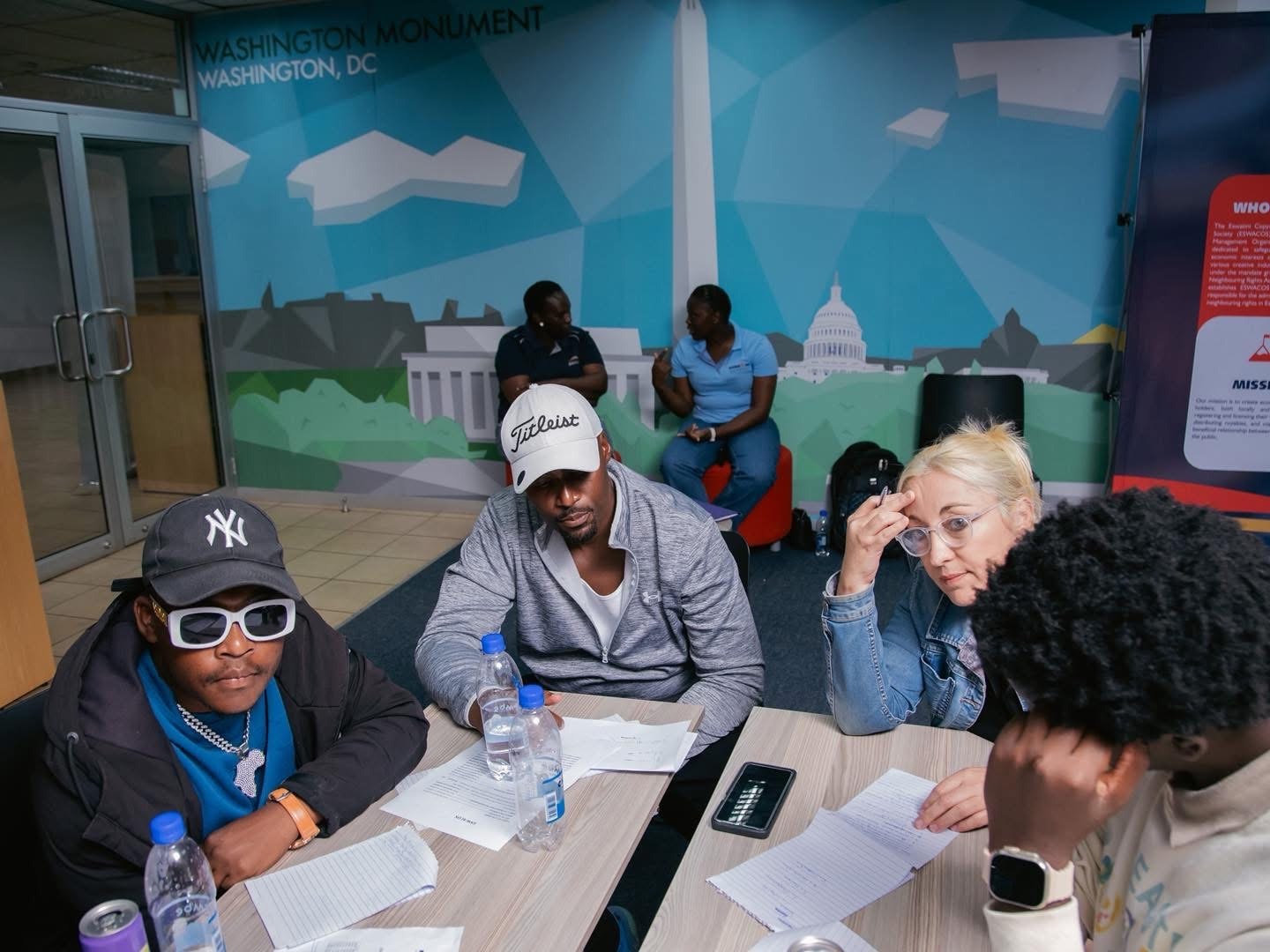
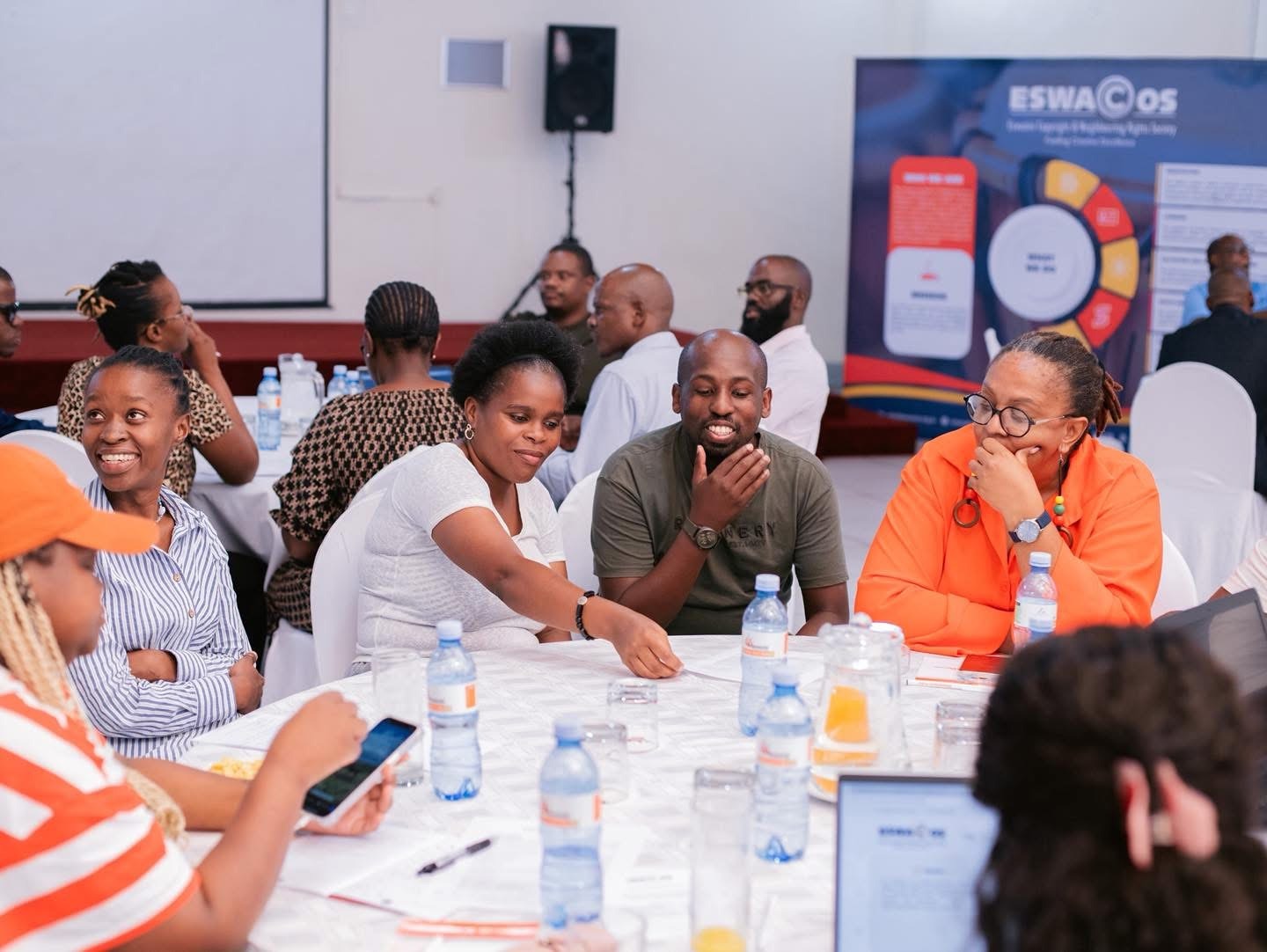
“These consultations are a cornerstone of our strategic planning process. They ensure that our direction is informed by the real experiences and expectations of those we serve. We are building a system that is transparent, inclusive, and responsive to the needs of both creators and users,” said Hlanze.
For a country still strengthening its collective management framework, the process represents a critical step forward. It signals a shift towards a more transparent and data-driven approach, where policies are not developed in isolation but are co-created with stakeholders.
Multi-stakeholder engagement, Hlanze noted, is essential in building trust and accountability within the sector. It also ensures that the resulting strategy is both relevant and sustainable in supporting the growth of Eswatini’s creative economy.


The consultations are expected to inform a strategic roadmap that prioritises fair compensation for creators, improved compliance among users, and stronger institutional collaboration. Ultimately, the goal is to establish a copyright ecosystem that benefits all stakeholders while unlocking the full potential of the creative industries.
As ESWACOS moves into the next phase of strategy development, the organisation carries forward the collective insights, voices, and aspirations shared during the workshops, laying the foundation for a more inclusive and resilient future for Eswatini’s creative sector.