




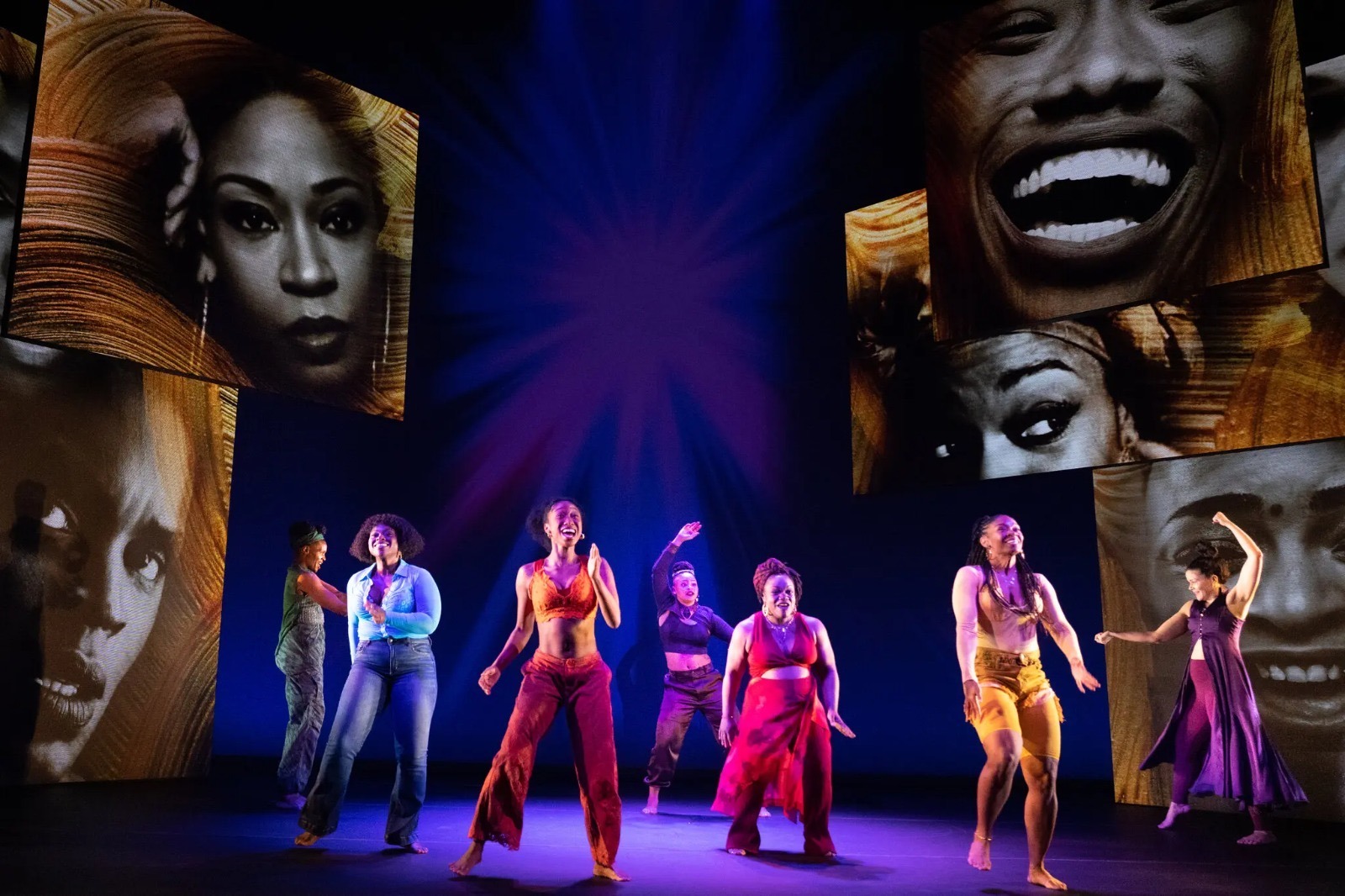

COYI Theatre is set to bring Ntozake Shange’s celebrated choreopoem to Eswatini audiences later this month, alongside original performances by local artists.
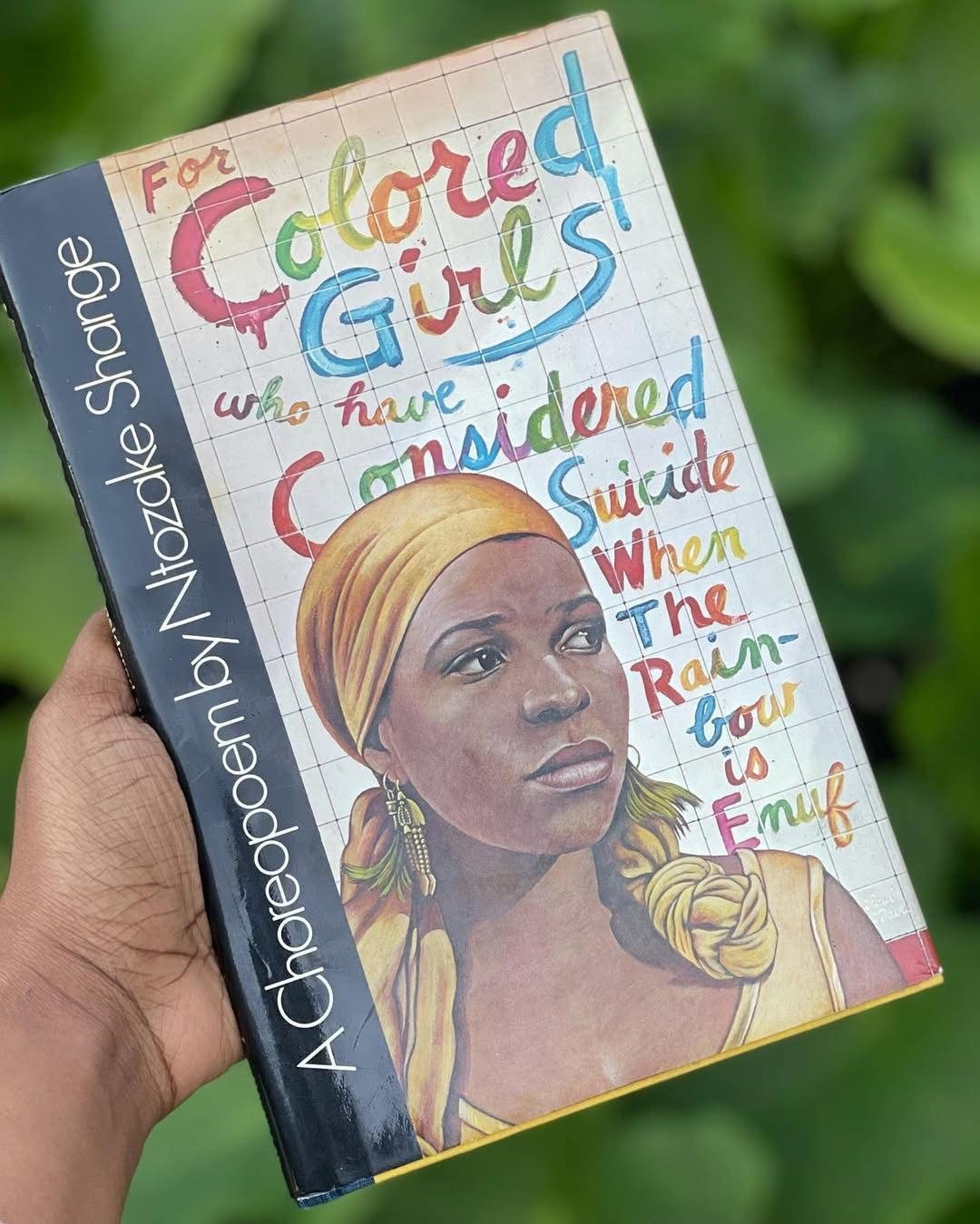
Widely regarded as one of the most influential works in contemporary Black theatre, For Colored Girls Who Have Considered Suicide / When the Rainbow Is Enuf will make its way to the Eswatini stage in a landmark production by COYI Theatre. First staged in 1976, the critically acclaimed choreopoem was written by celebrated American playwright and poet Ntozake Shange.
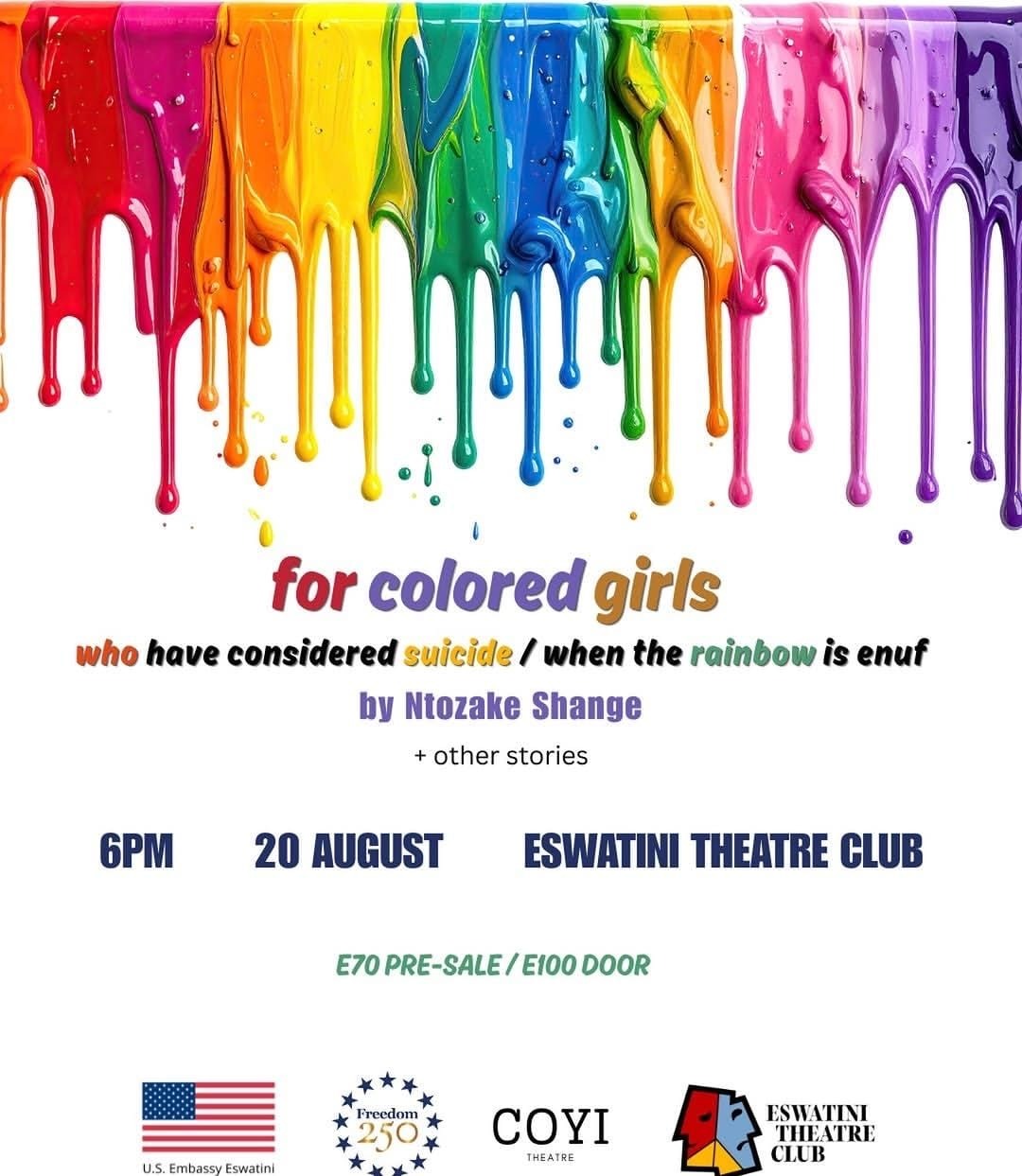
The production, scheduled for August 20, at the Eswatini Theatre Club (Mbabane), is presented in collaboration with the United States Embassy in Eswatini and the Eswatini Theatre Club as part of the America 250 celebrations.
Alongside Shange’s celebrated work, audiences will also experience original choreopoems written and performed by Swazi actors, creating a dialogue between one of American theatre’s most enduring texts and contemporary voices from Eswatini.

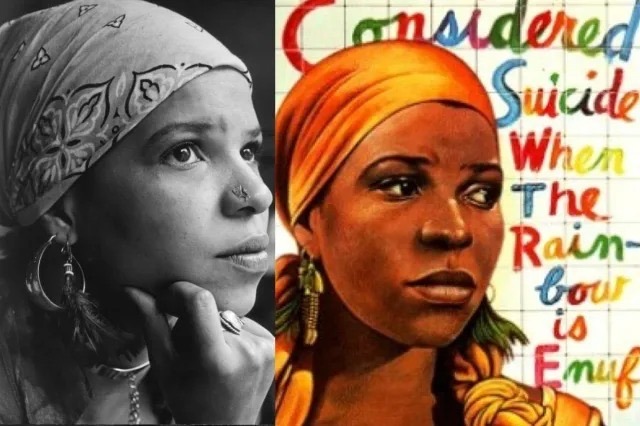
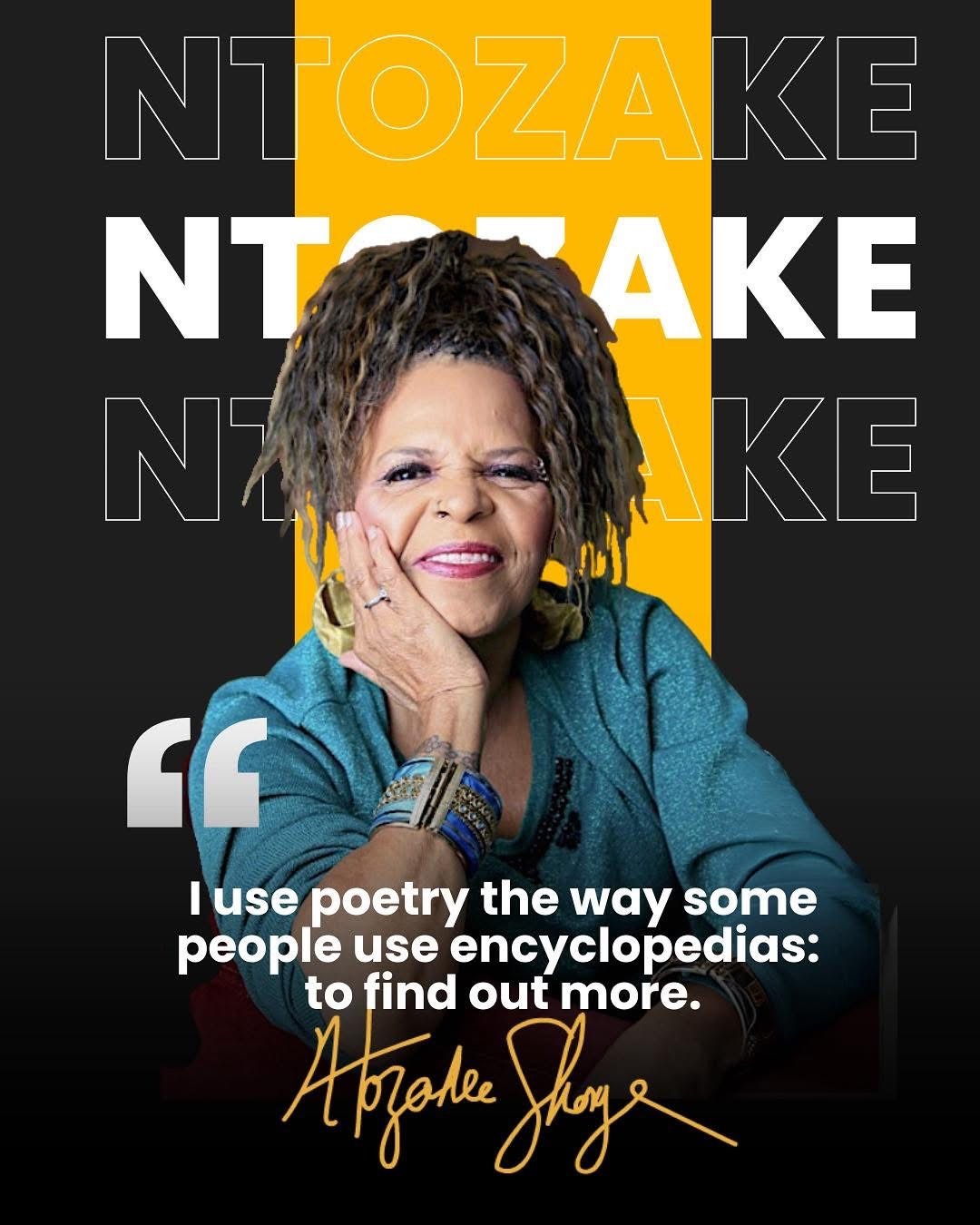
Written in 1975, For Colored Girls Who Have Considered Suicide / When The Rainbow Is Enuf transformed the landscape of American theatre.
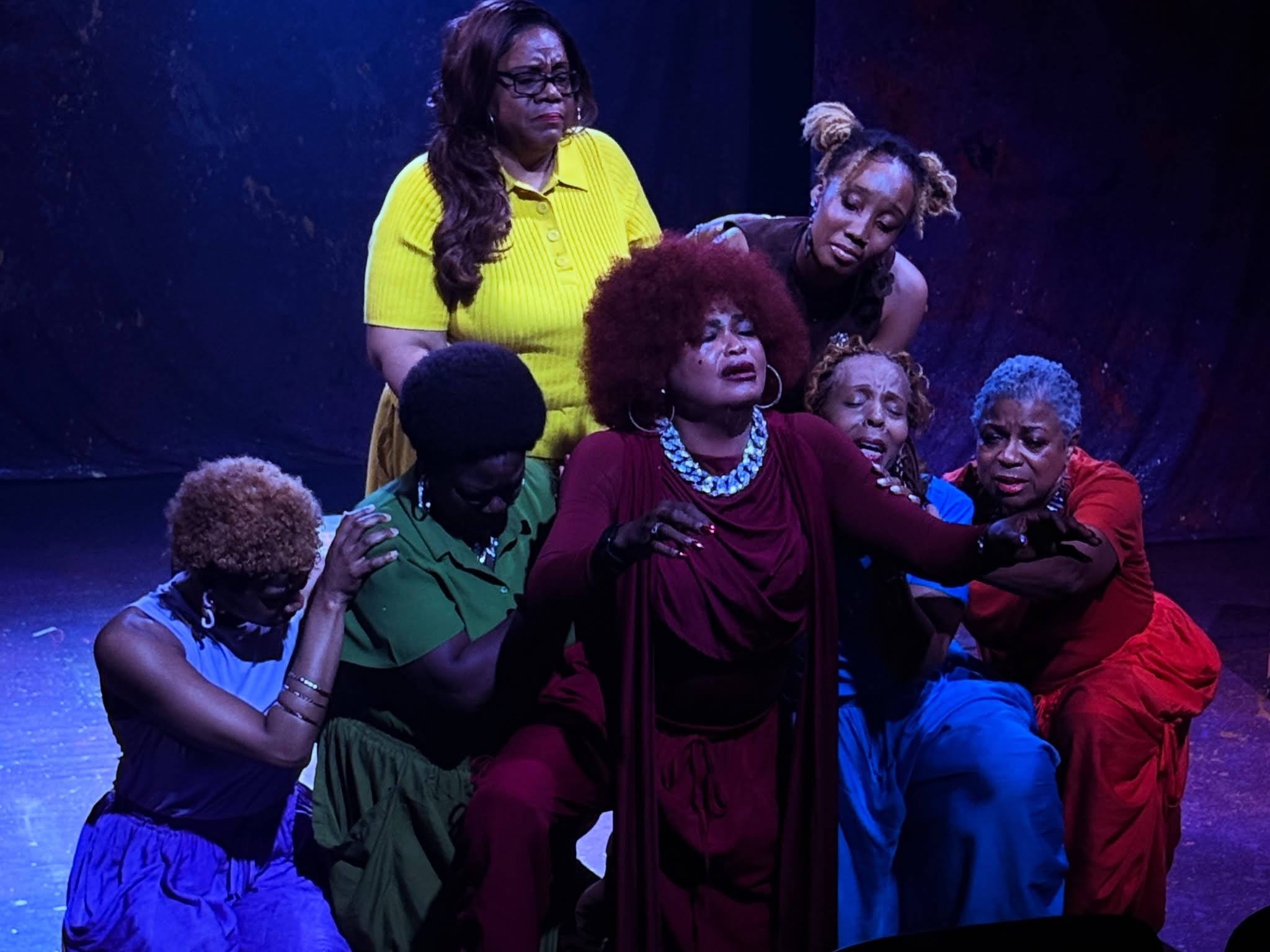
Instead of following the structure of a conventional play, Shange introduced what she called a choreopoem, blending poetry, music, movement and dramatic performance into a single theatrical experience.
The work follows seven women, each identified by a colour rather than a name, as they share deeply personal stories about love, loss, friendship, motherhood, violence, resilience and healing.
Together, their experiences form a collective portrait of Black womanhood while exploring themes that continue to resonate with audiences around the world.
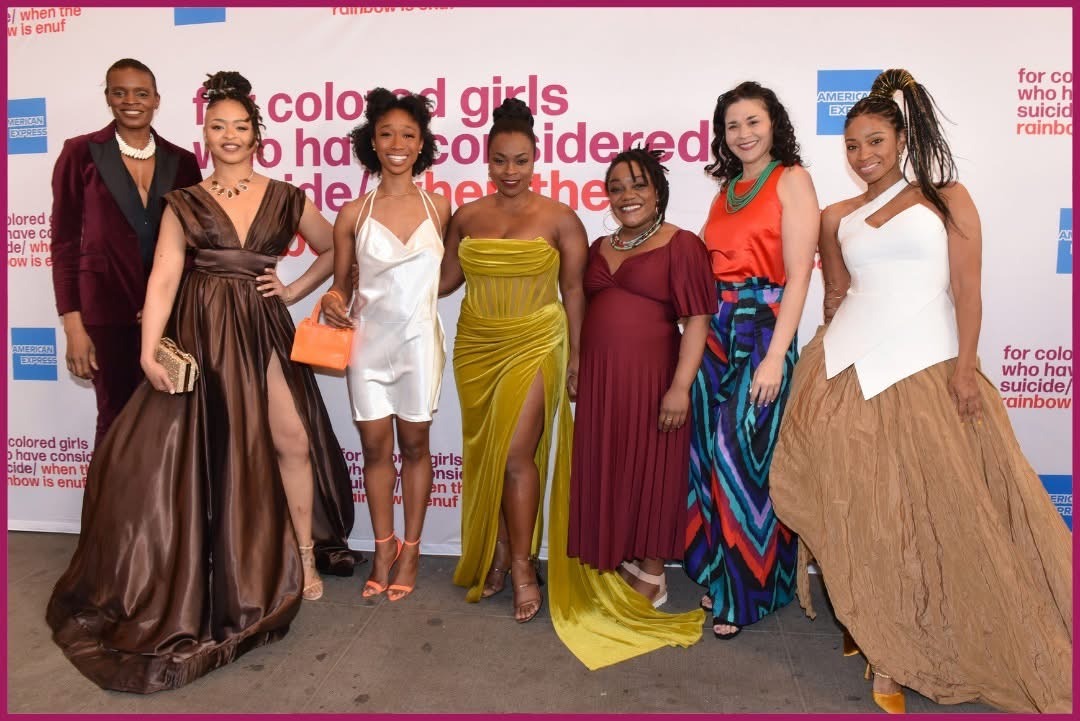
After its Broadway debut in 1976, the production earned widespread critical acclaim and became recognised as one of the defining works of Black feminist theatre. It has since been revived numerous times internationally, while Tyler Perry’s 2010 film adaptation introduced Shange’s writing to an even broader audience.
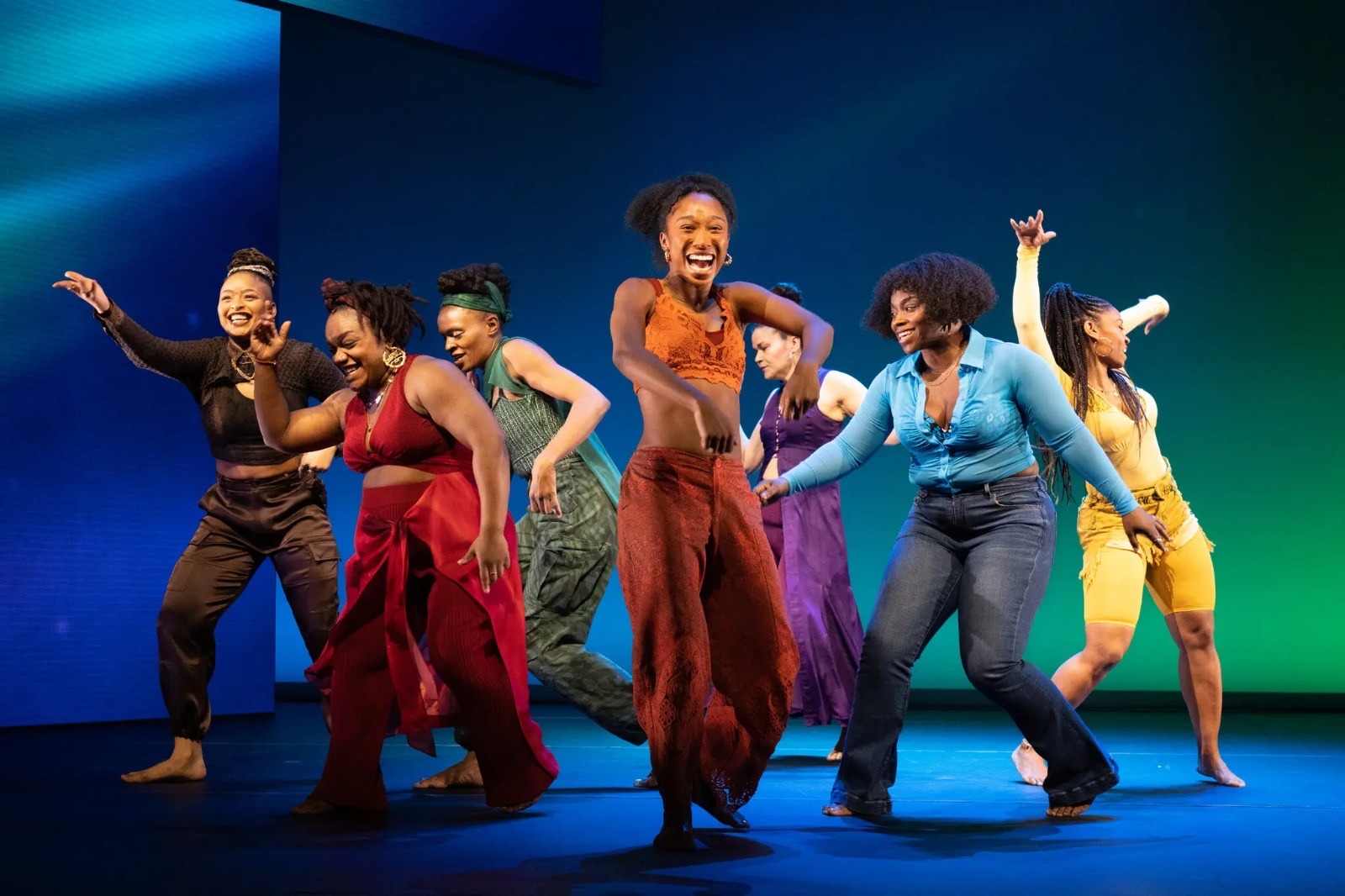
Although rooted in the experiences of Black women in the United States, the play has continued to find relevance across cultures because of its exploration of universal human experiences.
Questions of identity, belonging, emotional survival and community remain central to the work, allowing new generations of audiences to connect with it in different ways.
For Eswatini, the production represents more than the arrival of an internationally recognised play. It also reflects the continued growth of the country’s theatre sector, where local companies are increasingly engaging with globally significant works while creating space for original Swati storytelling.
COYI Theatre has emerged as one of the country’s most active independent theatre companies, balancing the development of new local productions with performances that expose audiences to influential works from the international stage.




Earlier this year, the company staged The Termination, an original production written and directed by Siyethemba ‘Siye’ Dlamini through the Theatre as Testimony 2026 Programme.
That production examined governance, leadership and social responsibility through a fictional kingdom, demonstrating the company’s interest in theatre that encourages dialogue beyond the performance itself.
Its latest production continues that approach while shifting the conversation towards womanhood, identity and lived experience.
Importantly, COYI Theatre’s presentation will not be limited to Shange’s original text. By including original choreopoems created by Swazi performers, the production creates space for local perspectives to exist alongside one of theatre’s most influential works.
The approach recognises the global influence of American theatre while also highlighting the importance of developing original African voices within contemporary performance.
The collaboration also reflects broader conversations taking place across the performing arts, where international works are increasingly being interpreted through local experiences rather than simply reproduced for new audiences.
For theatre practitioners, the production offers an opportunity to engage with a work that has influenced generations of playwrights, performers and directors. For audiences, it presents an introduction to a distinctive theatrical form that continues to shape contemporary performance almost five decades after it was first written.
While Eswatini’s performing arts sector continues to expand, productions of this nature contribute to a growing culture of artistic exchange, exposing audiences to internationally recognised works while strengthening the country’s own creative landscape.
When for colored girls who have considered suicide / when the rainbow is enuf takes to the stage on August 20, it will mark the local presentation of a work that has travelled across continents, inspired generations of artists and remained an important part of global theatre history.
For Eswatini audiences, it will also become part of an ongoing conversation about the role theatre can play in bringing communities together through shared stories.