



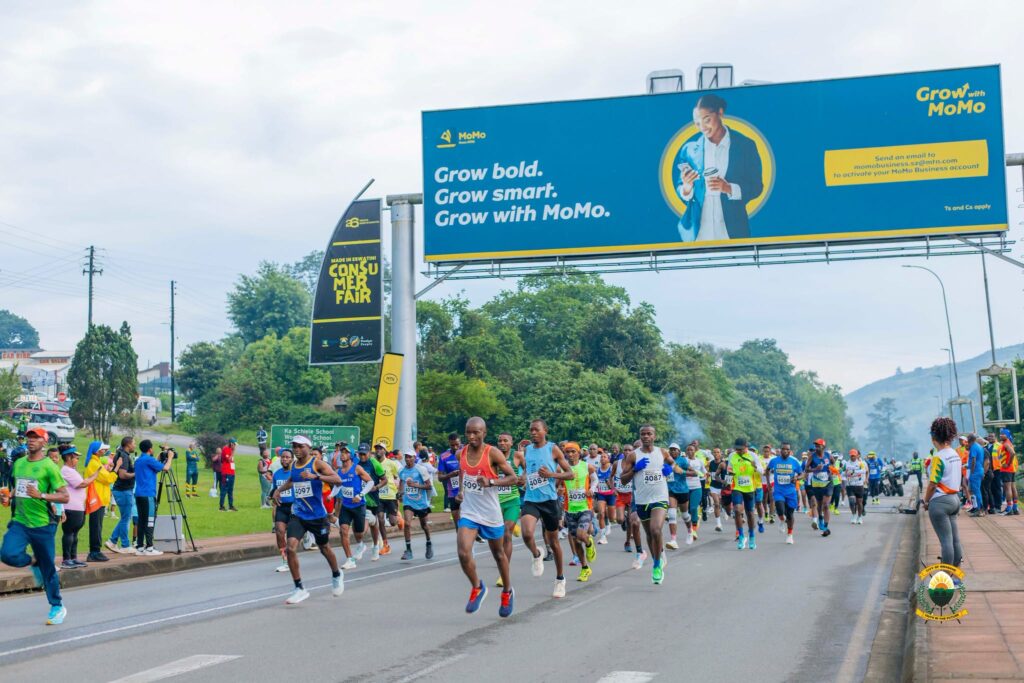

The eighth edition of the Mbabane Marathon brought thousands of runners, international visitors and fitness enthusiasts to the capital on Saturday, highlighting the event’s growing appeal beyond athletics.
With participation increasing year after year, Mbabane Municipal Council CEO Gciniwe Fakudze reflects on the marathon’s evolution into a lifestyle and welcoming event that promotes healthy living, community participation and tourism.
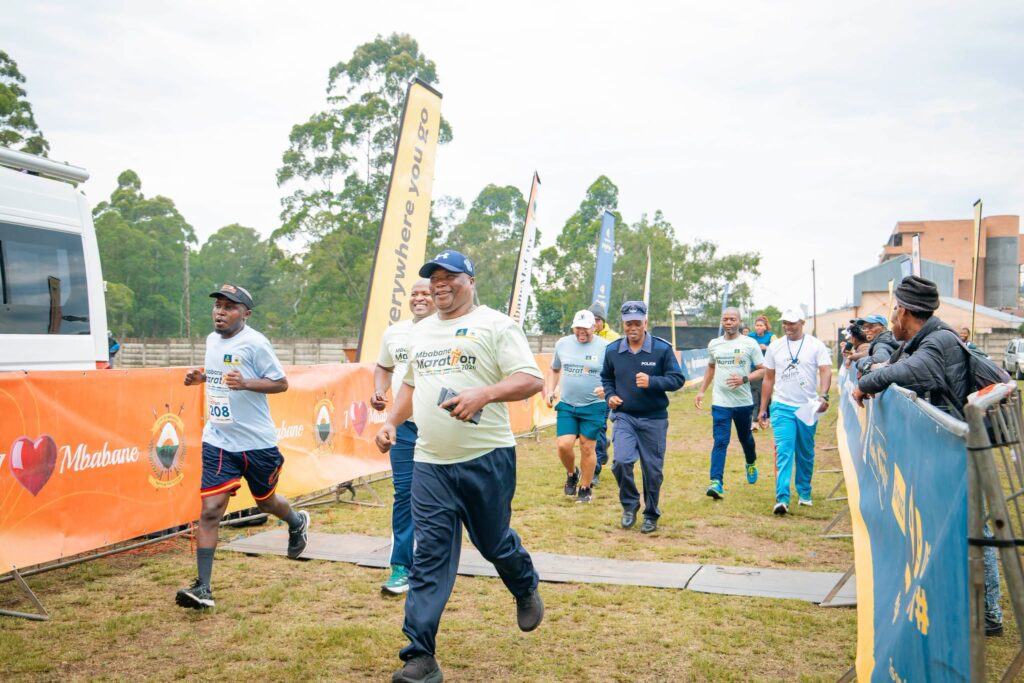
The streets of Mbabane were transformed into a gathering point for fitness enthusiasts, professional athletes, families and international visitors on Saturday, as the eighth edition of the Mbabane Marathon brought thousands of participants together for a sporting event that is increasingly becoming part of the capital city’s lifestyle and tourism offering.
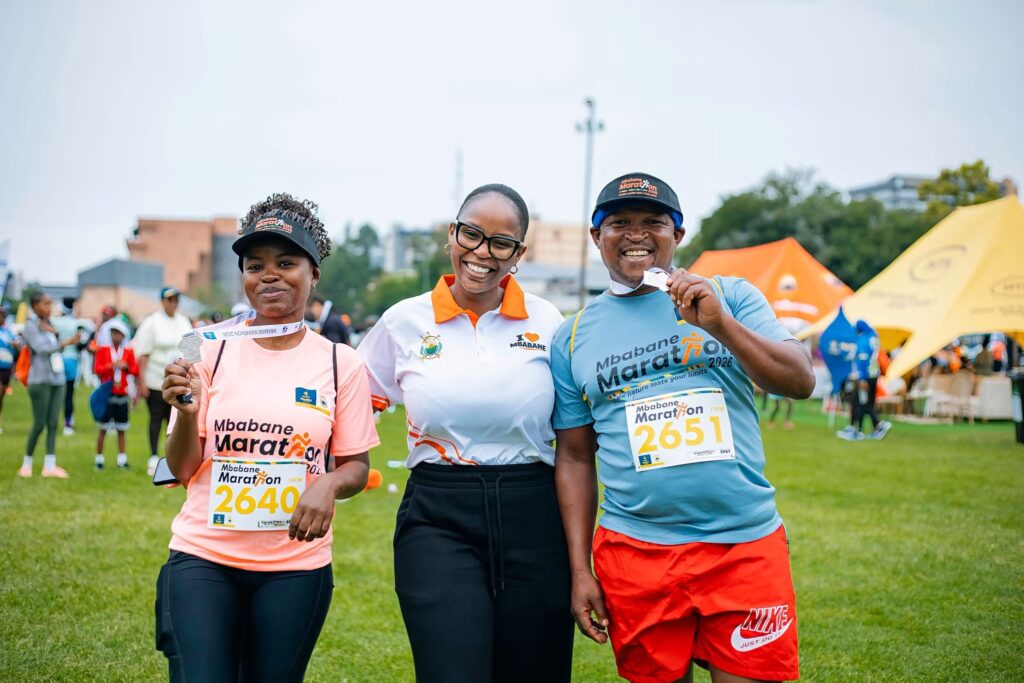
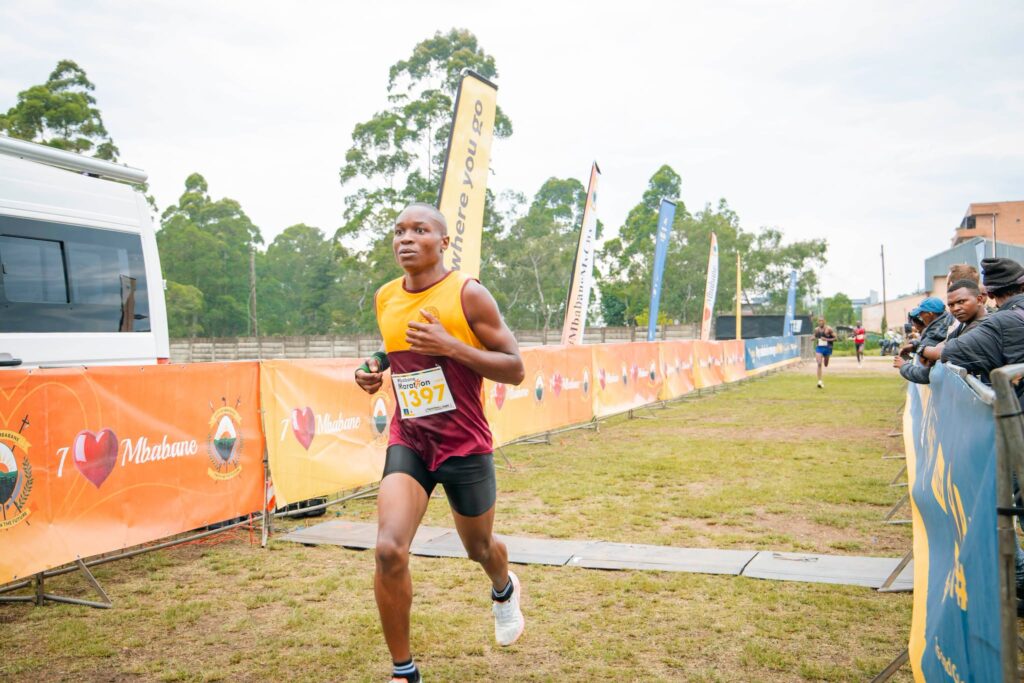
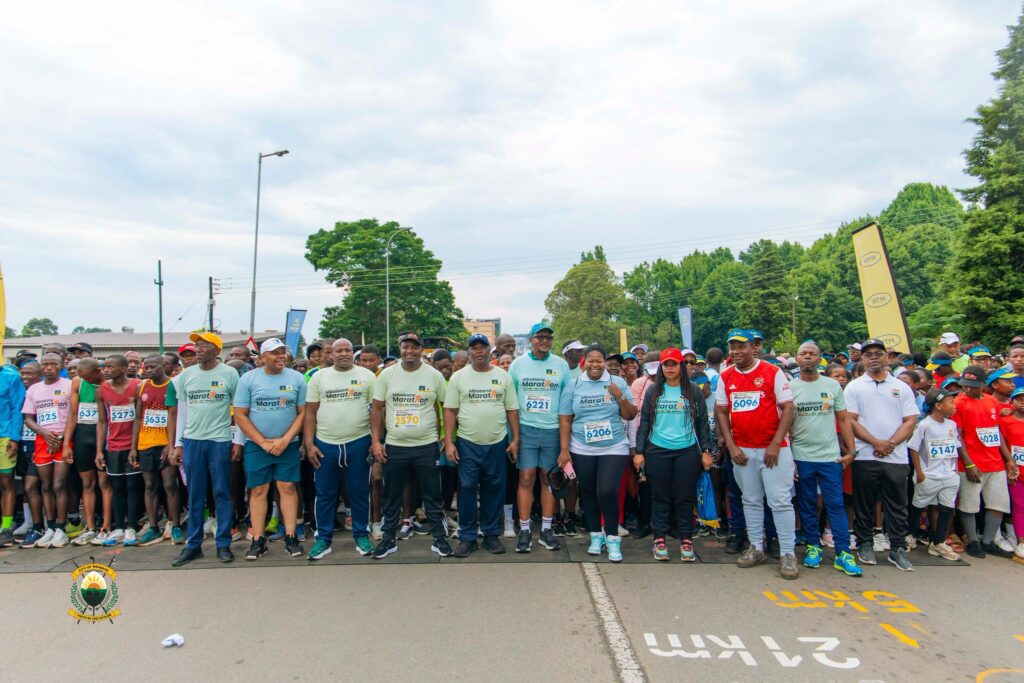
With more than 3,700 registered athletes, the annual marathon demonstrated its growing appeal, attracting participants from different backgrounds, nationalities and fitness levels. What has developed from a road-running competition is increasingly becoming an opportunity for people to experience Mbabane through sport, recreation, community interaction and healthy living.
For Mbabane Municipal Council Chief Executive Officer Gciniwe Fakudze, the event forms part of a broader vision of presenting the capital as a vibrant destination where people can gather, participate and enjoy different experiences.
Fakudze has previously emphasised the importance of allowing people to experience the character of the city, saying: “We want people to understand that the capital city of Eswatini is alive. We want people to experience the vibe of Mbabane. This is a smart city.”
The marathon provides an opportunity to put that vision into practice, welcoming residents, visitors and athletes who travel to the capital to participate in an event that combines competition with an appreciation of the city.
Saturday’s edition offered four race categories, namely the 42km full marathon, 21km half-marathon, 10km and 5km races. The different distances allowed professional athletes, recreational runners and beginners to participate according to their fitness levels and individual goals.
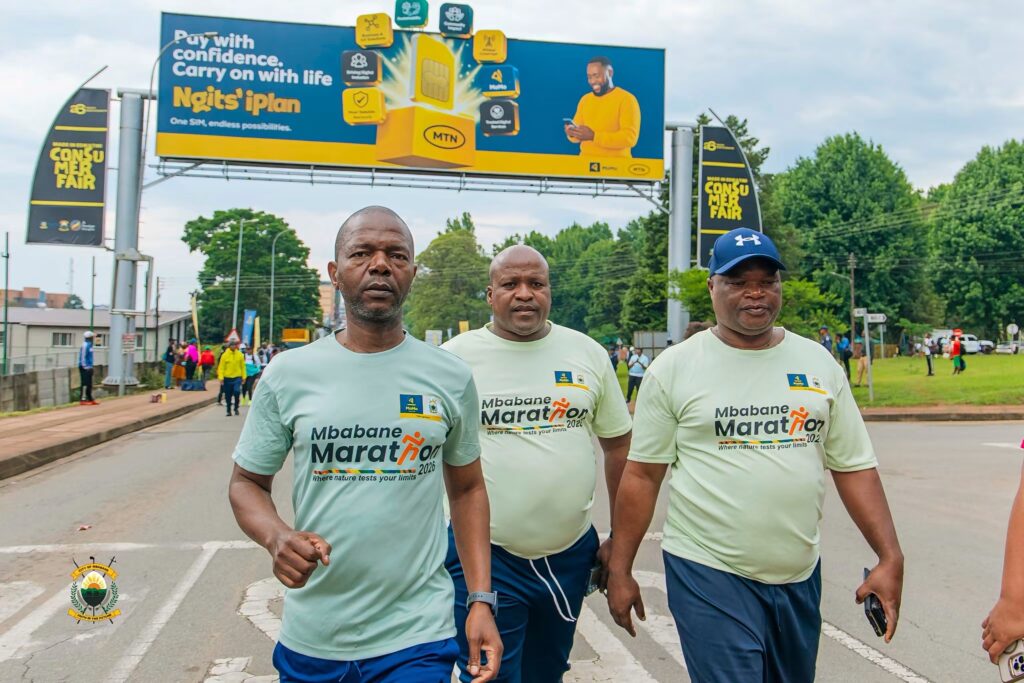
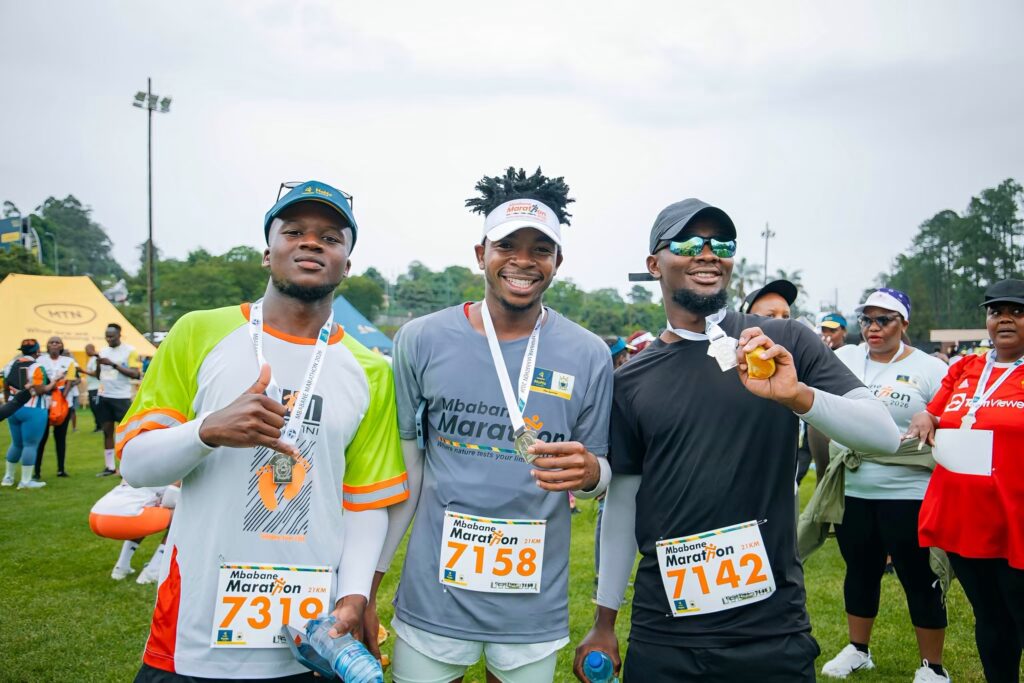
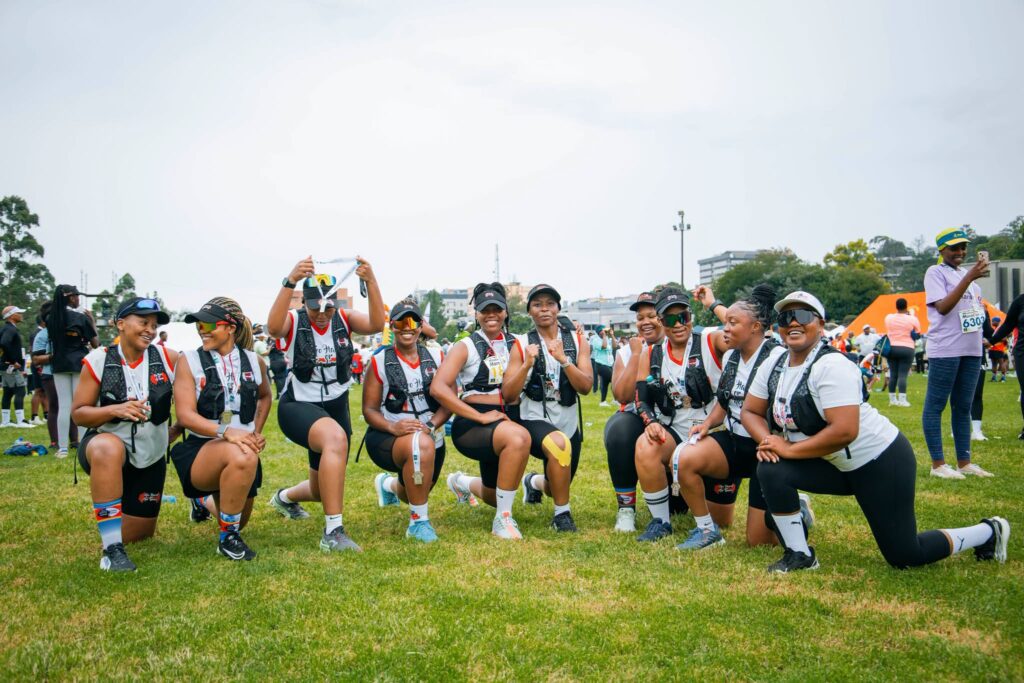
The event also recorded participation from approximately 40 athletes with disabilities, alongside a notable presence of female runners. The inclusion of different categories and participants reflected the marathon’s growing accessibility and its appeal beyond competitive athletics.
The international presence added another dimension to the occasion, with visitors from outside Eswatini joining local participants.
Among them were visitors from Taiwan, whose participation offered an example of how sporting events can create opportunities for cultural exchange and allow international guests to experience the Kingdom beyond its traditional tourism attractions.
The growth in participation has been particularly notable over the past two years. The marathon attracted approximately 1,500 runners in 2024, increasing to 2,400 in 2025 before exceeding 3,700 registered participants this year.
Beyond the numbers, the event also produced several competitive performances across the different distances. Eswatini’s Ntokozo Nkonyane, representing the Umbutfo Eswatini Defence Force, claimed the men’s 42km title in 2:39:57, taking home E20,000. South Africa’s Nomvula Sithole won the women’s category in 3:24:09, also receiving E20,000.
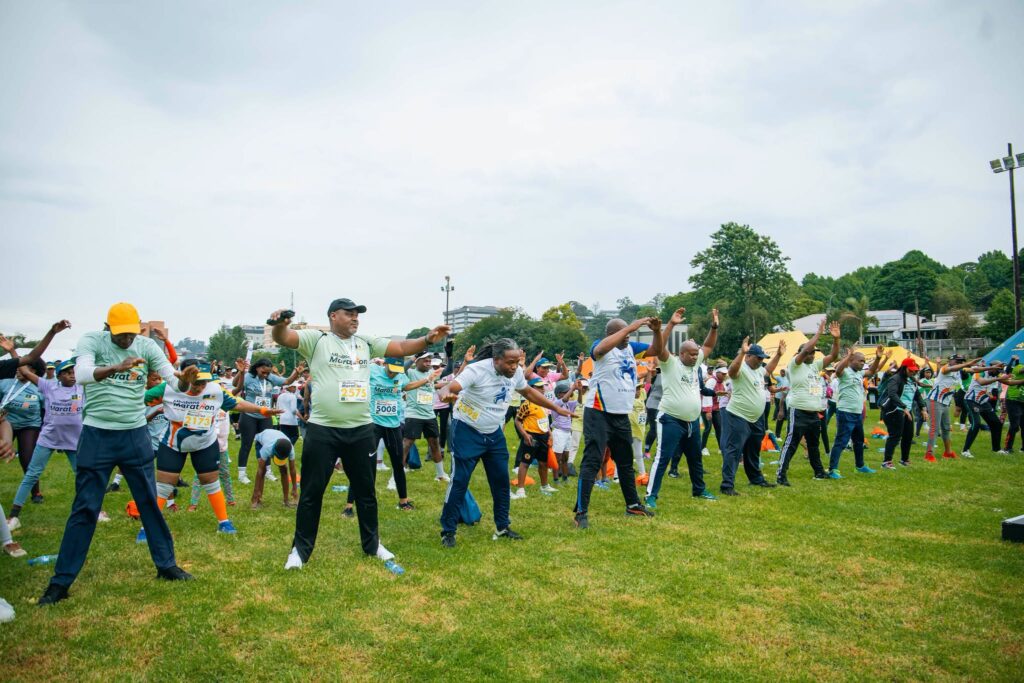
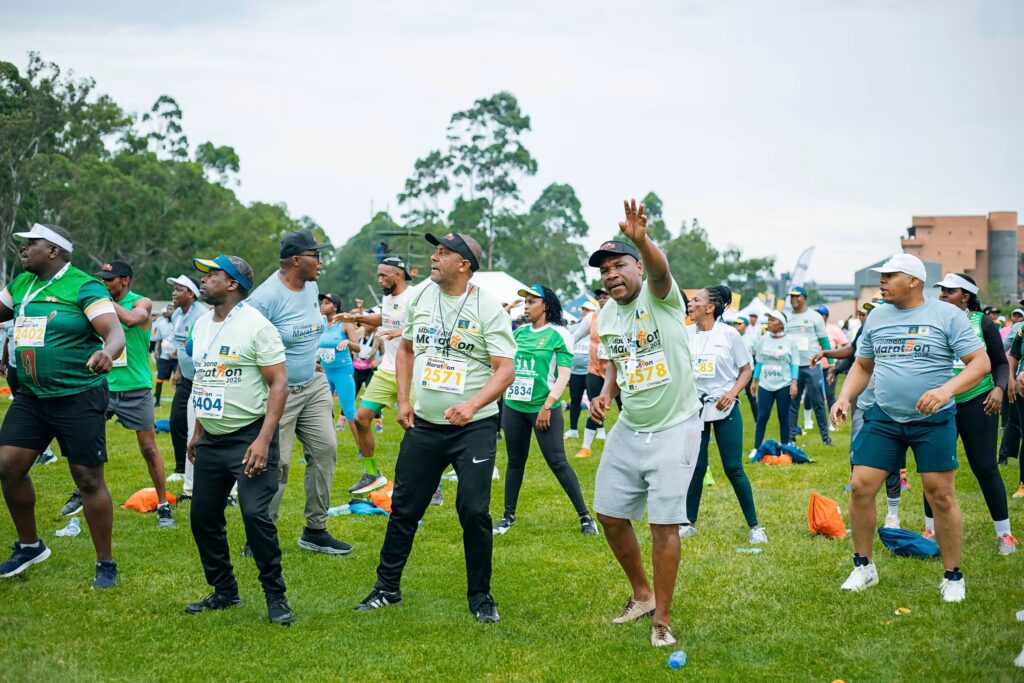
The 21km men’s race was won by Sphamandla Nkosi in 1:12:08, while 19-year-old Sanelisiwe Mphaphu claimed the women’s title in 1:36:38. In the 10km category, Ncamiso Ndlovu secured the men’s victory in 34:58, while 15-year-old Siphesihle Ngwenya won the women’s race in 45:04.
The 5km category also provided an opportunity for shorter-distance runners to compete, with Mayibongwe Vilakati winning the men’s race in 16:02 and Owethu Noqolo taking the women’s title in 19:52.
The event received support from MTN MoMo, which contributed E276,000 towards the 2026 edition, marking the third year of its partnership with the municipality. The sponsorship has supported the continued development of the marathon, including its digital registration and payment platforms.
For the hospitality and tourism sector, the growing number of participants also presents opportunities for accommodation establishments, restaurants, transport operators and other local businesses to benefit from visitors travelling to Mbabane.




However, the occasion was also marked by tragedy following the death of a runner who collapsed shortly after the race began. The incident cast a shadow over the event, reminding participants and organisers of the importance of safety during large sporting gatherings.
Despite the difficult moment, the eighth edition highlighted the marathon’s growing position on Eswatini’s sporting calendar. Its development reflects an event that is no longer limited to determining race winners, but is increasingly creating opportunities for healthy lifestyles, tourism, community participation and the promotion of Mbabane as a destination.
As the city looks towards the next edition, the growing participation provides a foundation for further developing the marathon into a welcoming annual experience for both Emaswati and international visitors.