



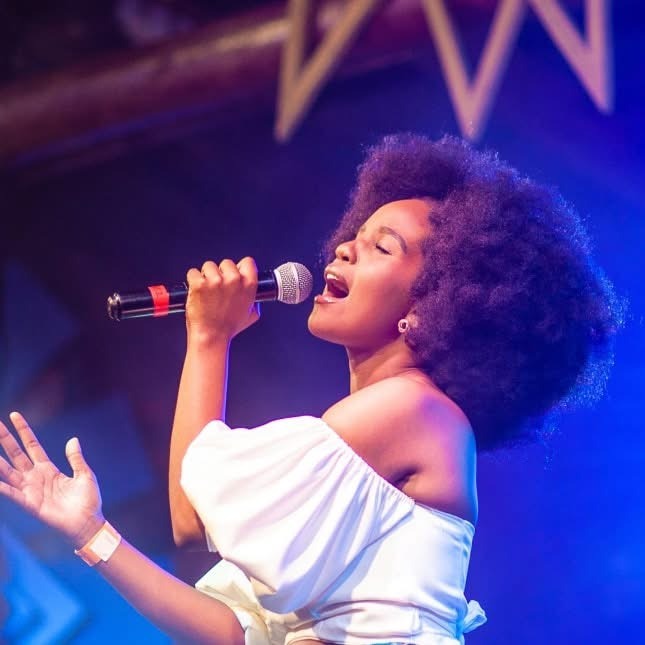

For Nelly Noll, music has always been about more than standing behind a microphone. It has become a way of understanding herself, her upbringing and the woman she is becoming.
Born Nolwethu Nelisiwe Mkhatshwa, the Siteki-born artist has spent the past few years steadily finding her place in Eswatini’s music industry.
Her journey has not happened overnight, and it has not followed a straight line. It has involved learning, experimenting, putting herself out there and, perhaps most importantly, becoming comfortable with who she is as an artist.
As the world observes Women’s Month, Nelly’s story is one worth looking at not simply because she is a young woman making music, but because of the choices she is making for herself while building a career in an industry where women still have to work hard to be taken seriously.
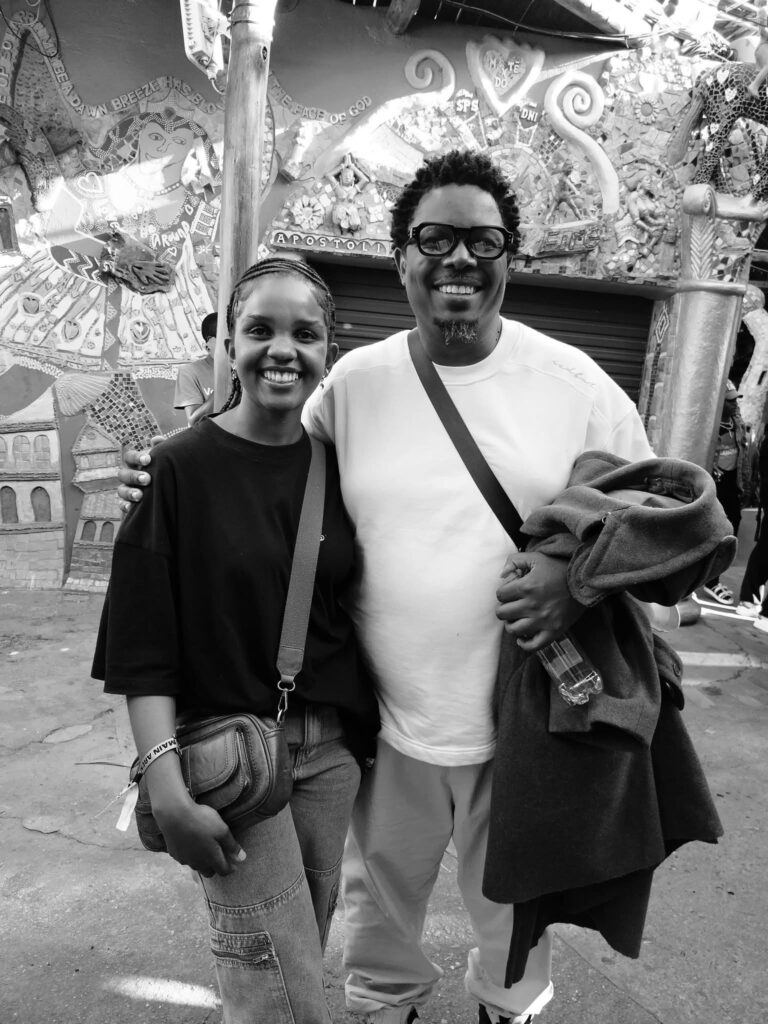
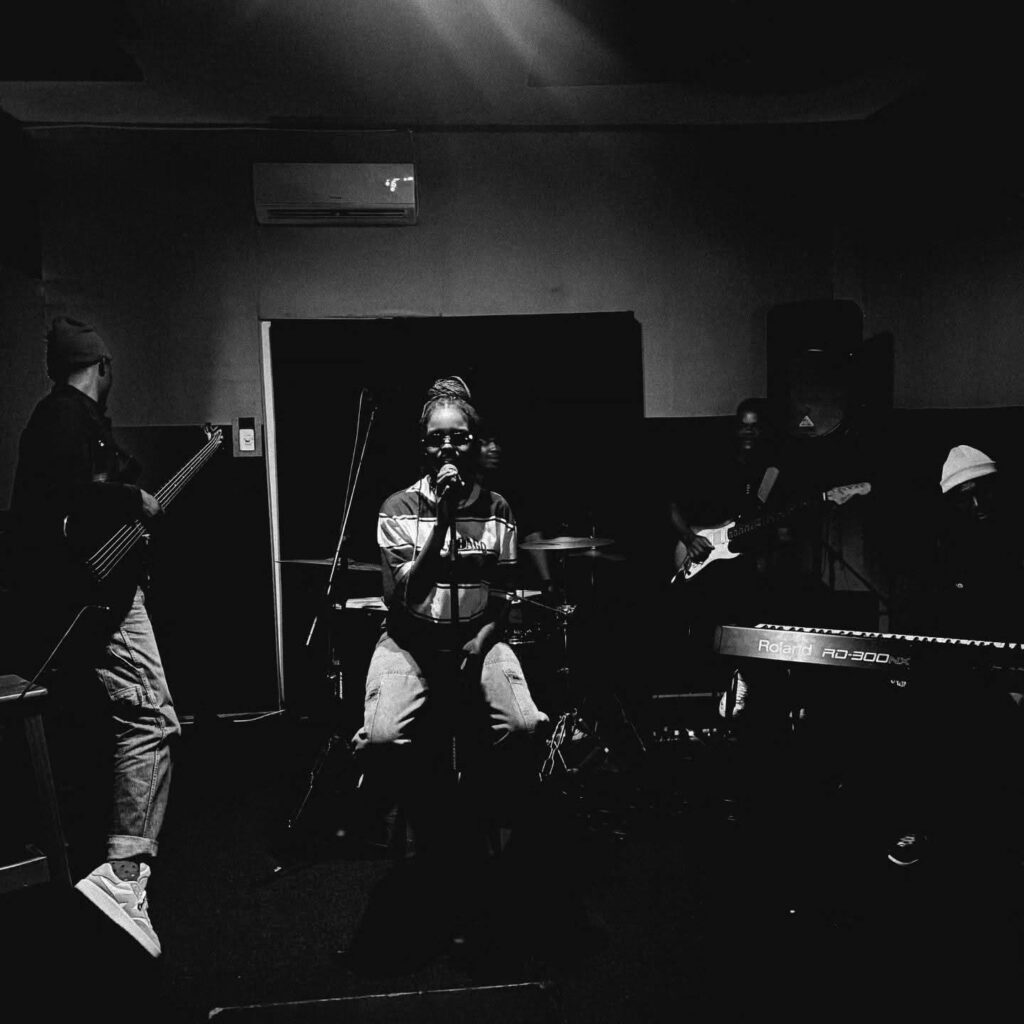
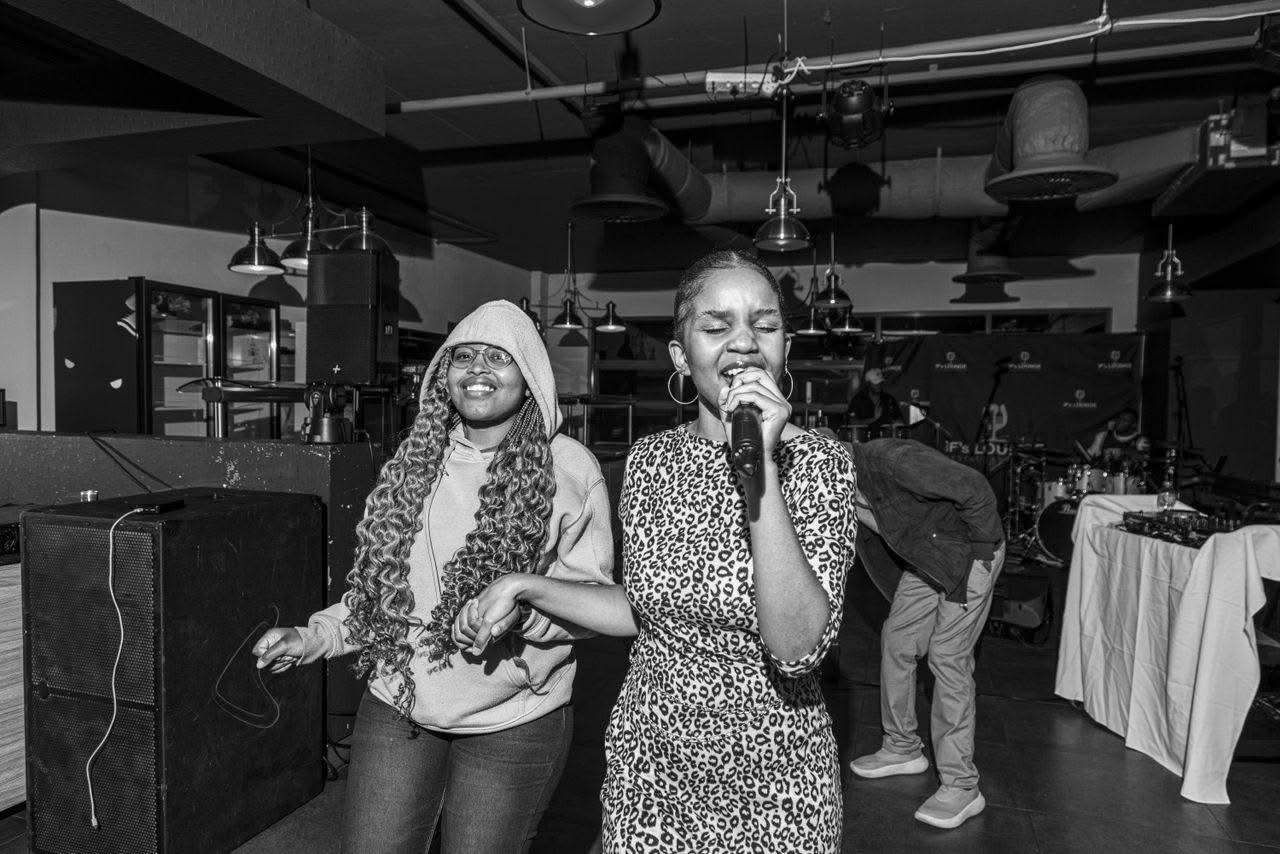
Her relationship with music started early. She joined her primary school choir in Grade 3, but it was in Grade 5 that she began thinking about performance differently.
Watching Camp Rock helped her realise that singing could be more than something she enjoyed doing. It could be something she wanted to pursue.
That early interest eventually developed into a serious commitment to music. Growing up between Siteki and eNtamakuphila has also remained an important part of her identity.
Those surroundings continue to influence the way she thinks about music and storytelling. Rather than trying to separate herself from where she comes from, Nelly has gradually made those experiences part of her work.
Even her stage name carries a piece of that story. Nelly Noll comes from Nolwethu and Nelisiwe, bringing together parts of her name and identity.
It is a small detail, but it says something about the artist she has become: someone interested in bringing different parts of herself into one space.
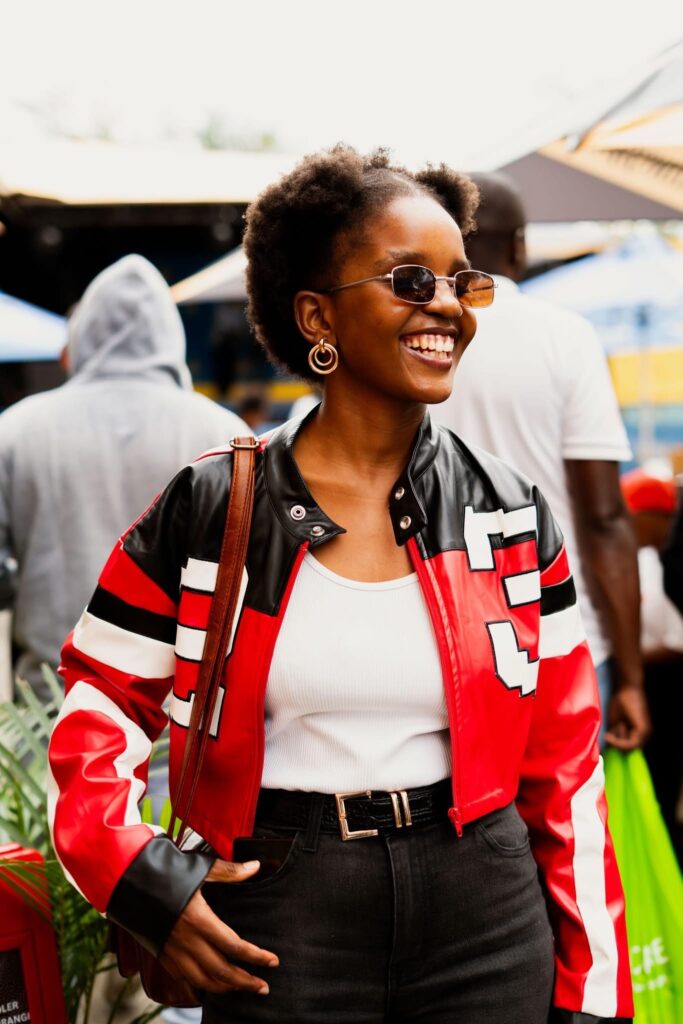
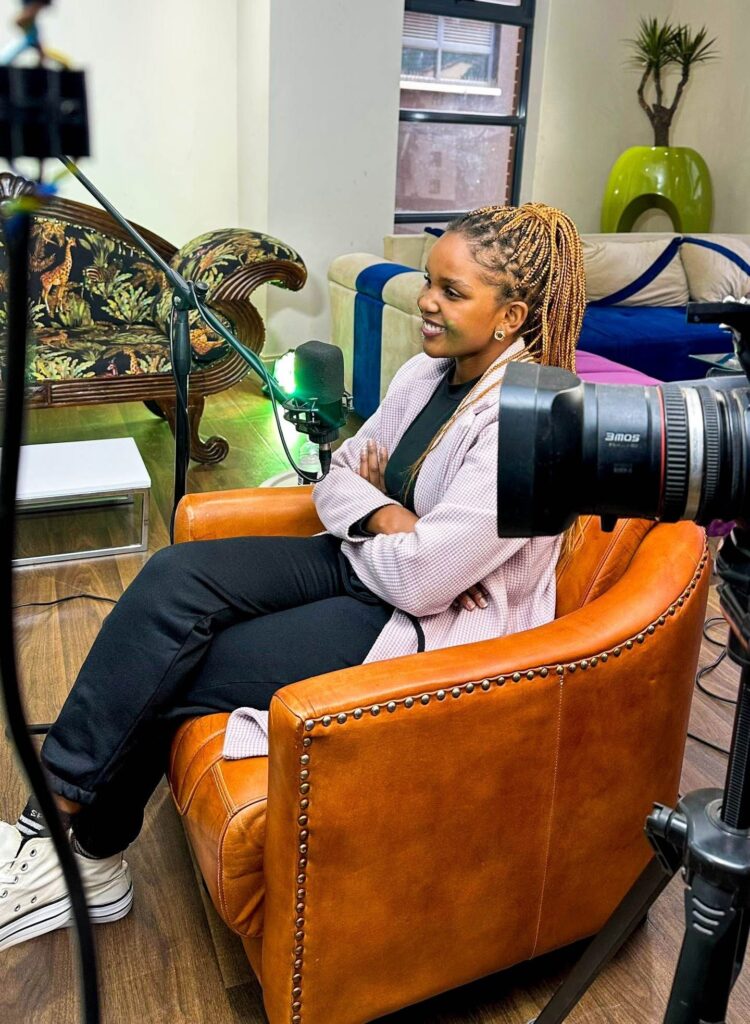
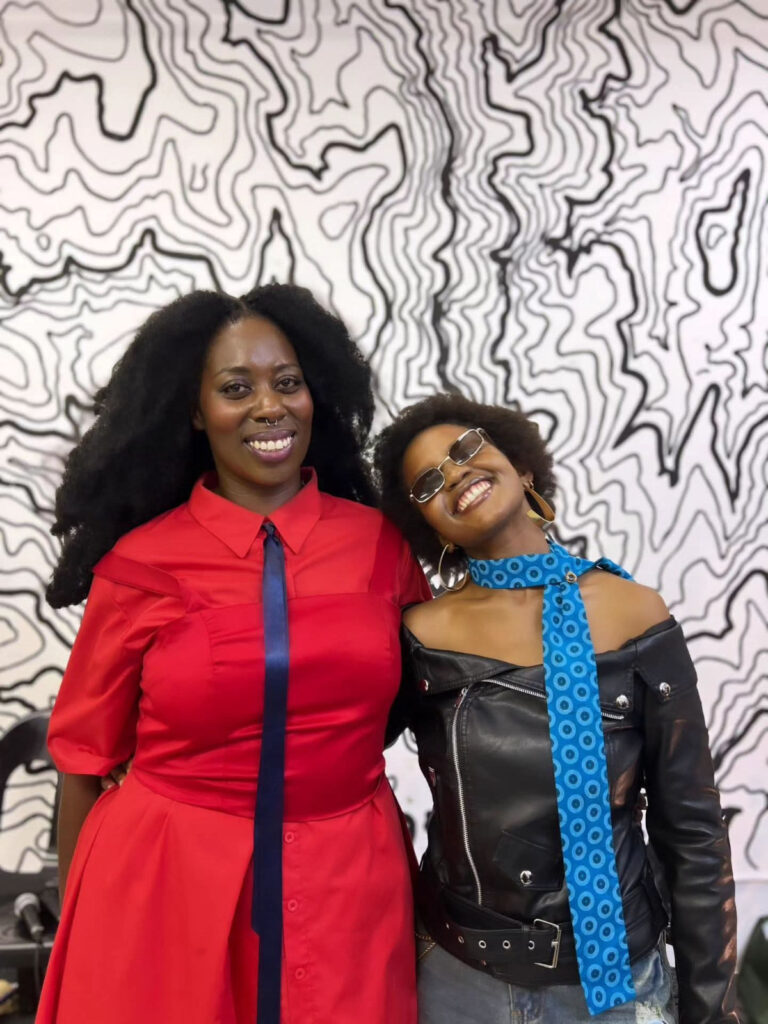
Her professional journey began taking shape around 2023, when she worked with AYACITY. From there, she began developing her solo career, releasing music that introduced audiences to her own sound.
Her first solo single, Deeper, arrived in 2024, followed by Timbali. The latter gave listeners a clearer idea of what she wanted her music to represent. The song celebrated young women, beauty, tradition and strength, while allowing Nelly to explore these ideas through a contemporary sound.
For an artist still establishing herself, these releases were important steps. They allowed her to experiment while also beginning to answer a question that many young artists face: what do you want people to recognise when they hear your music?
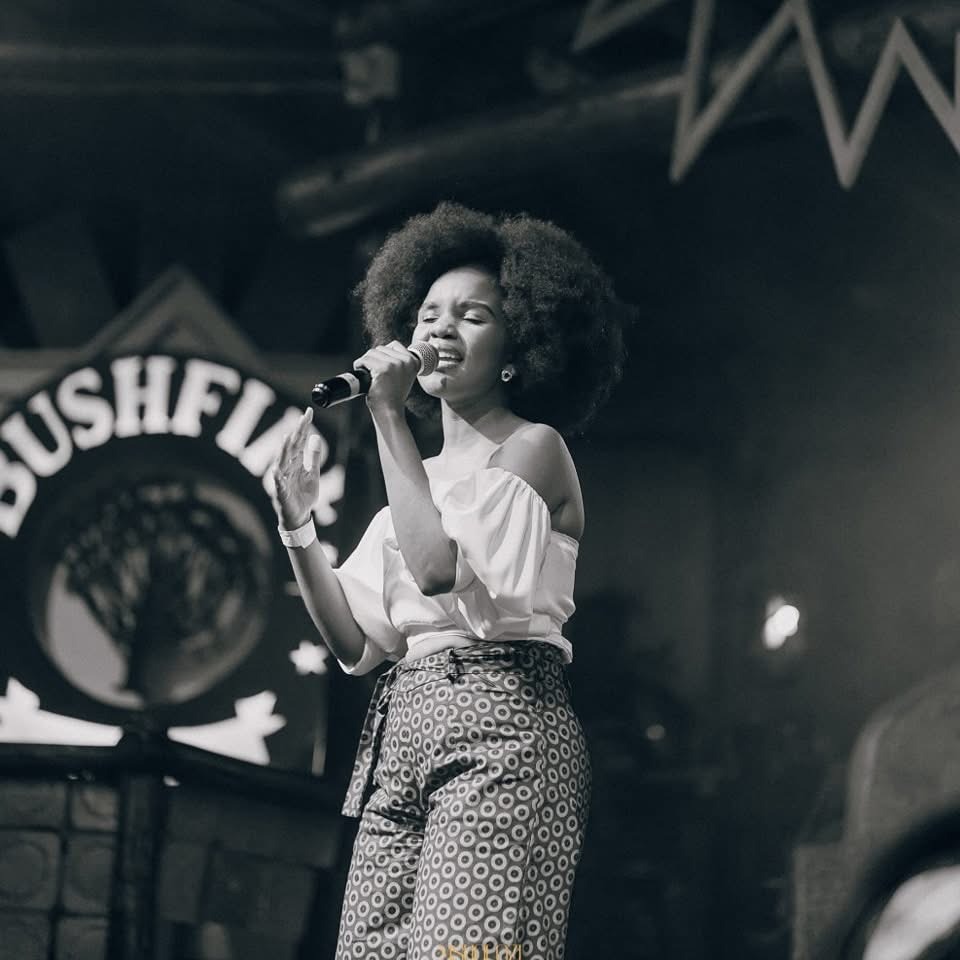
For Nelly, the answer seems to be honesty. In 2025, she was selected among the Top 10 artists for the MTN Bushfire Firefly platform.
Performing on a bigger stage brought another level of visibility to her work and gave her the chance to perform for audiences beyond those who already knew her.
That same period also saw the release of her debut EP, Mkhatshwa. The project was personal, drawing from her identity and experiences while showing different sides of her as a musician.
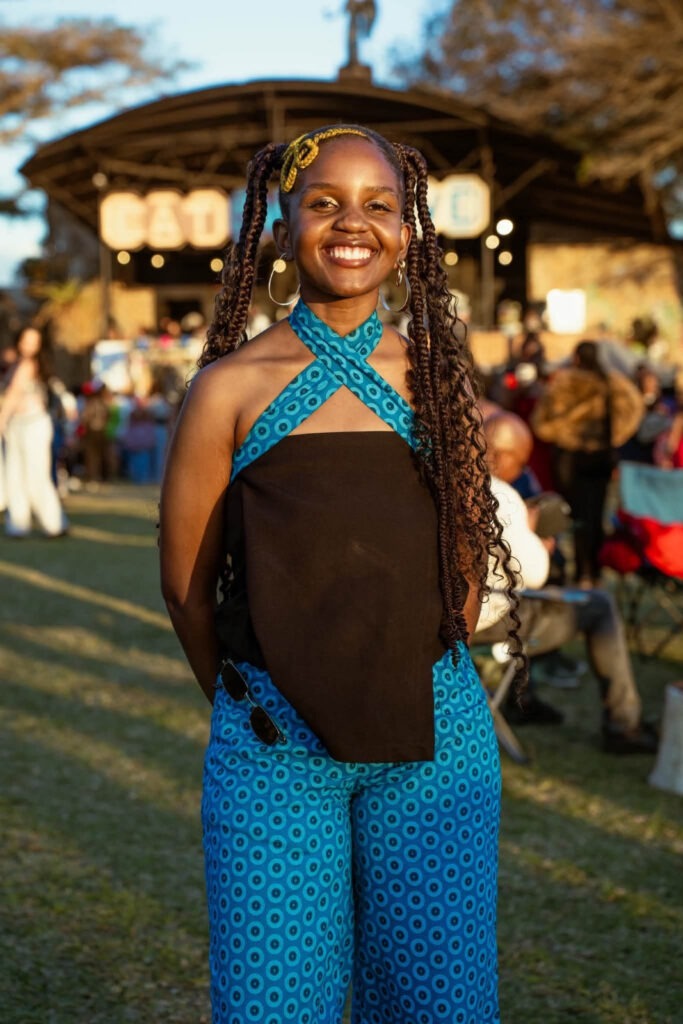
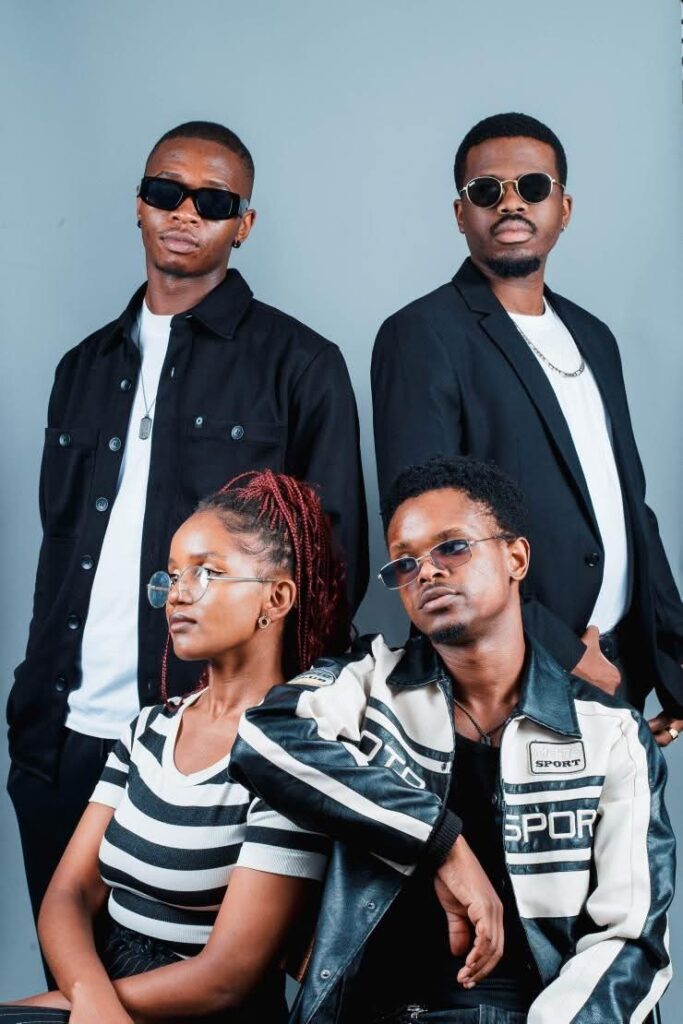
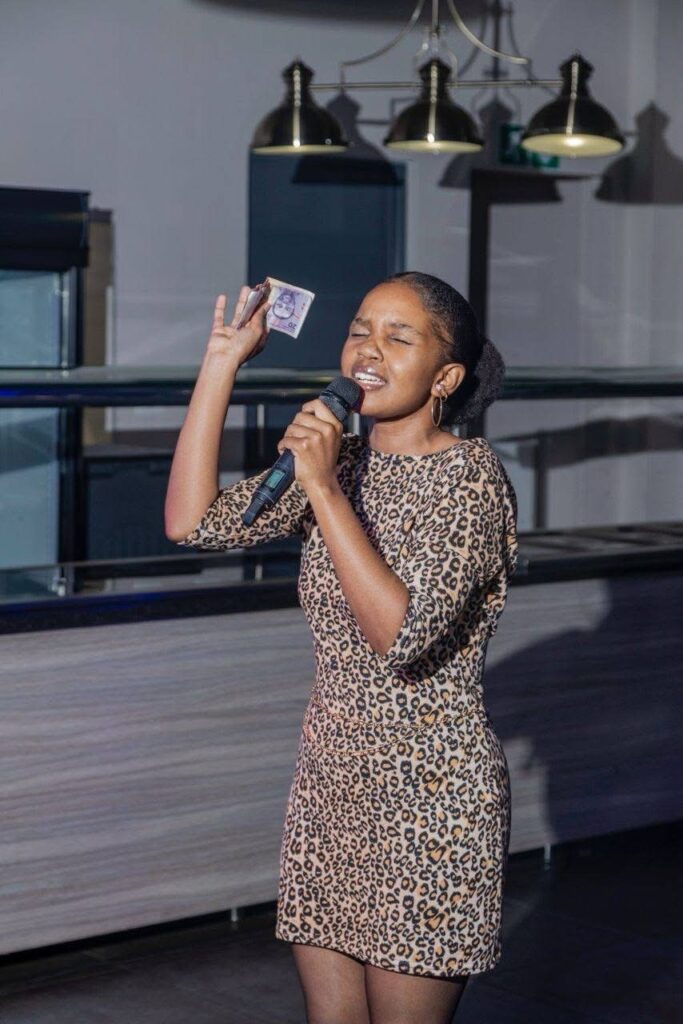
The title itself was significant. Mkhatshwa connected the project to her surname and her roots, while the music explored themes of love, relationships, self-discovery and personal growth.
It is easy to look at a young artist’s growing list of performances and releases and assume that success is simply a matter of getting more opportunities. In reality, there is a lot of work that happens away from the stage. Nelly appears to understand that.
In addition to pursuing music, she is studying towards a Bachelor of Business Administration at Regent Business School. It is a decision that reflects an understanding that being an artist also means understanding the business around the art.
That has become increasingly important as her career has developed. Earlier this year, Nelly entered into a two-year partnership with South African company Kopton Music, focusing on music publishing and sync licensing.
The partnership allows her music to reach film, television, advertising and other forms of visual media. For an Eswatini artist trying to build a sustainable career, opportunities like this matter. They create possibilities beyond releasing a song and hoping it performs well on streaming platforms.
The partnership also reflects a wider shift in the way Nelly is approaching her career. She is not only thinking about the next song or the next performance. She is also thinking about what happens around the music and how she can create a career that lasts.
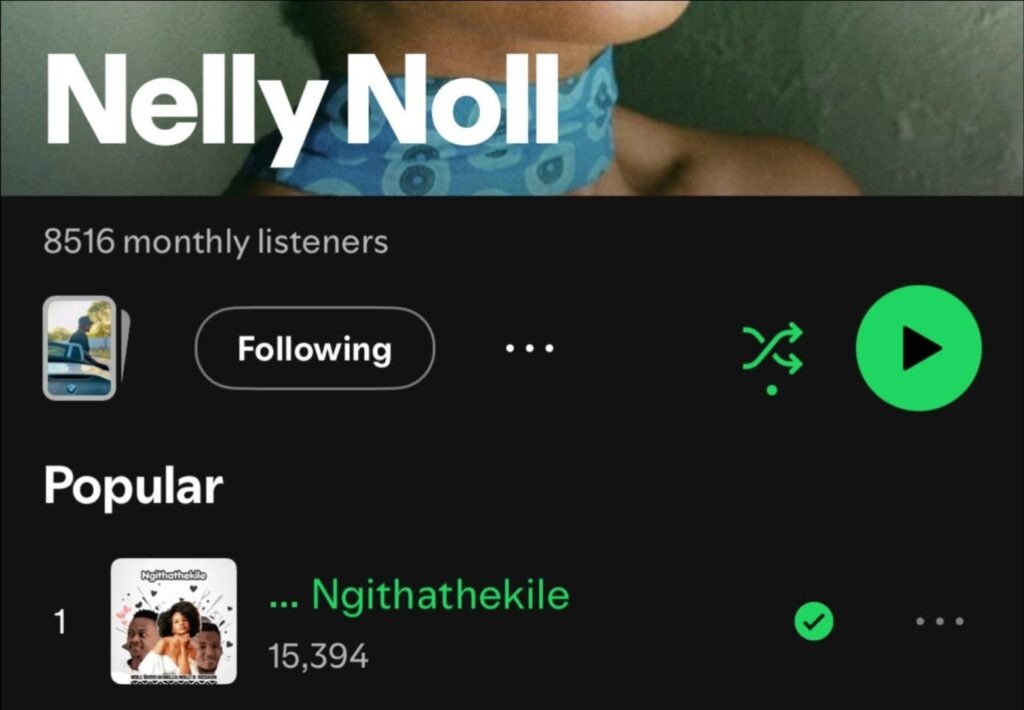
Her music has continued to develop alongside these opportunities. This year she has released songs including Sthandwa Senhlitiyo, as well as collaborations with South African producer Noll’zuss, Ngatisola and Ngithathekile.
The two songs explore different experiences of love. Ngatisola deals with regret and heartbreak, while Ngithathekile looks at the vulnerability that comes with falling in love again.
It is another example of Nelly’s willingness to move between sounds without forcing herself into one category. While she is often associated with Afro-soul and R&B, her work has also moved into Afro-house and 3-step. For her, genre does not appear to be the most important thing. The story comes first.
One of the biggest moments of her year came at the 2026 Luju Festival, where she made her Main Stage debut alongside Tribal Natives and opened for South African rapper Nasty C.
The significance of the moment was not only that she was performing on a major stage. It was also what happened afterwards.
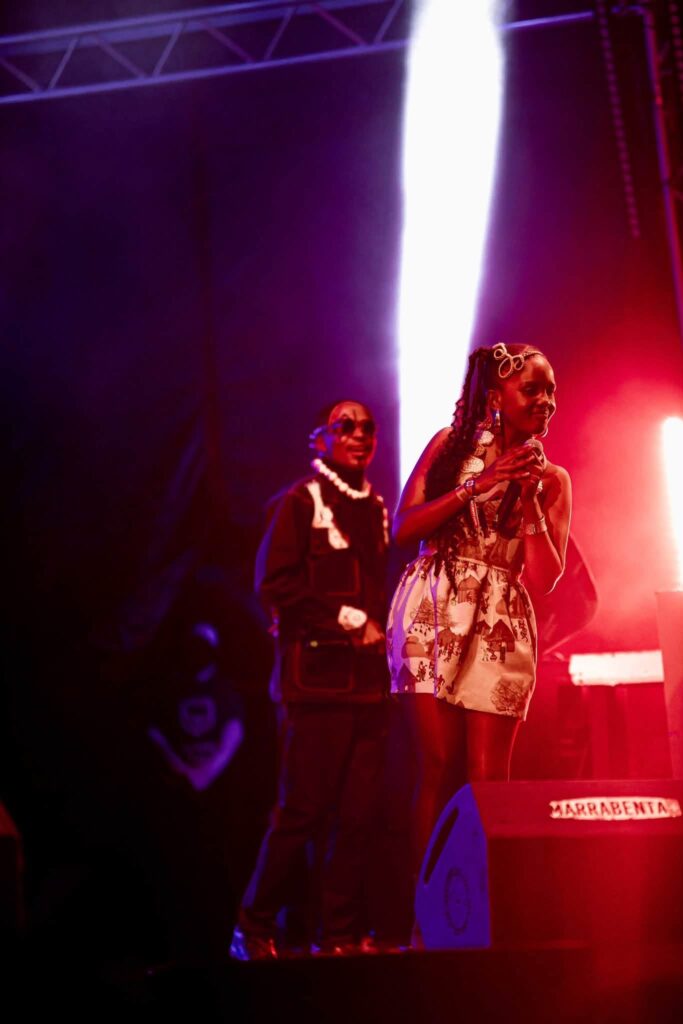
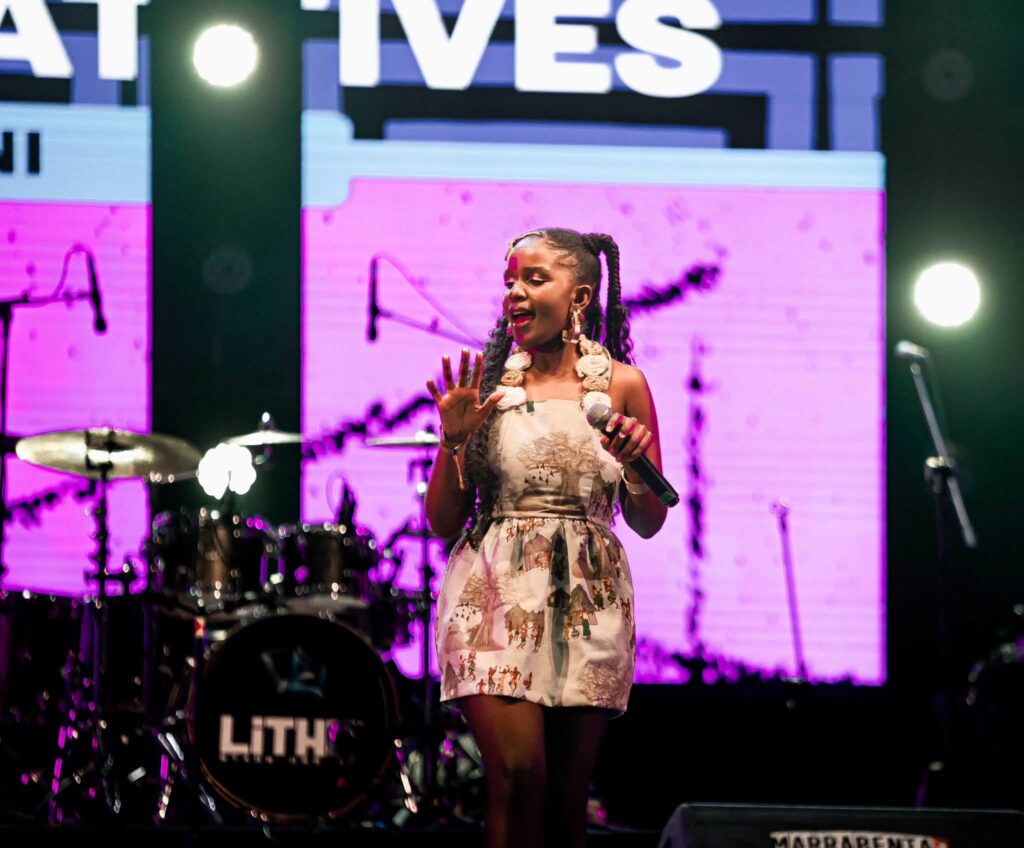
Nelly met Nasty C backstage, where they spoke about her music and her ambitions. He encouraged her to send him her music.
While there is no confirmed collaboration between the two at this point, the exchange is an example of the kind of doors that can begin to open when an artist puts herself in rooms where those opportunities can happen.
For someone who once discovered the possibility of being an artist while watching a children’s musical film, standing on the Luju Main Stage is a considerable distance travelled.
But Nelly does not appear to be treating any single opportunity as the destination. Her plans for the coming year include strengthening her management structure, pursuing more international bookings and releasing more music.
She also wants to represent Eswatini on bigger platforms. There is something particularly relevant about that ambition during Women’s Month.


Women’s Month is often filled with conversations about celebrating women, but celebration means more when it also recognises the work women are doing to build lives and careers on their own terms.
Nelly’s story is not about having everything figured out. She is still learning. She is still studying. She is still developing her sound. She is still finding the right people to work with and figuring out what the next stage of her career should look like.
That is perhaps what makes her journey relatable. There is no perfect blueprint for becoming an artist, just as there is no single way of becoming a successful young woman. Sometimes it means taking the opportunity in front of you.
Sometimes it means learning something new. Sometimes it means changing direction when what you thought would work no longer does.
For Nelly, it has meant holding onto where she comes from while allowing herself to grow beyond it.
Her story also offers a reminder of why representation matters. When a young woman from Siteki sees another young woman from Eswatini performing on a major stage, working across borders and building a career around her own creative voice, the possibility becomes easier to imagine for herself.
Nelly Noll is still at the beginning of her story. There are more songs to write, more stages to play and more decisions to make. But perhaps that is exactly where the value of her story lies.
She is not presenting herself as someone who has already arrived. She is showing what it looks like to keep going.