

Baka Ngwane Director Shaft Moropane Sheds A Tear Over Heartfelt Film Production

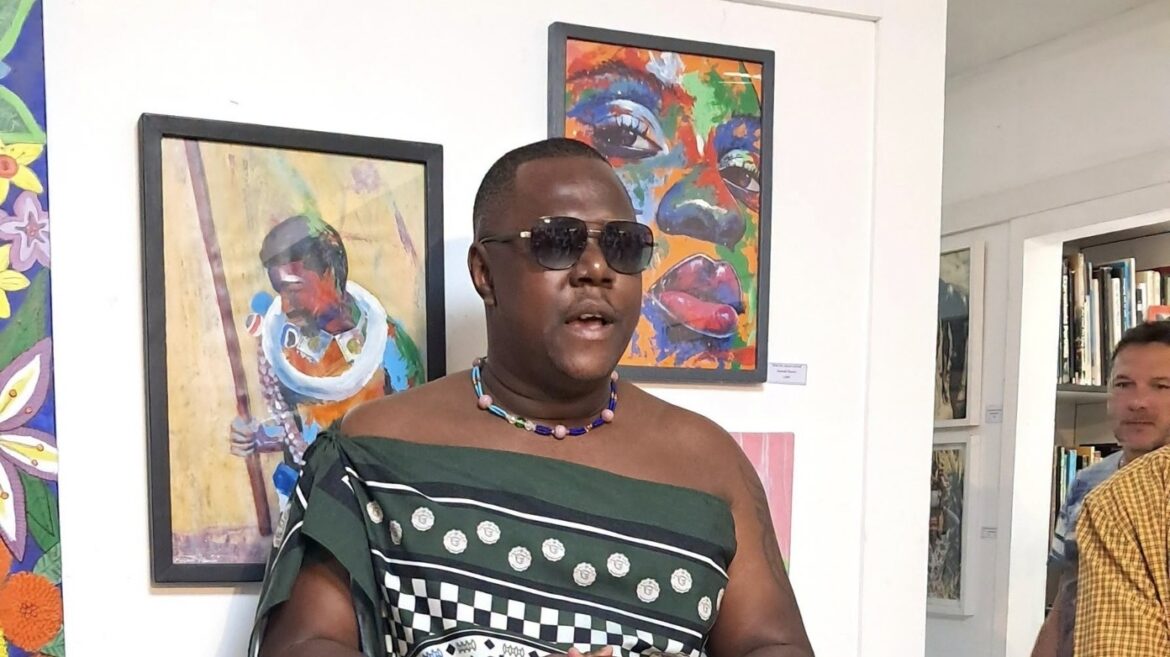
“It is important to tell our story. A people without knowledge of their history is like a tree without its roots.” These words were shared by South African award-winning Director Shaft Moropane, the director of the highly anticipated and recently released Eswatini film BakaNgwane. He further shared that after 24 years working in the film industry, BakaNgwane is one production that made him emotional to the point that he shed a tear.
Moropane is well known for producing and directing much-loved South African TV drama series such as Uzalo, Skeem Saam, and uZulu no Mhlaba to name a few. Kulture got in touch with the director to find out what made working on BakaNgwane emotional for him and how it all came together behind the scenes.
Q: Please share with emaSwati who you are and what your role was in BakaNgwane.
A: My name is Shaft Moropane and I am a South African film director. I was the director for the film, BakaNgwane. I have been directing for 24 years and my most popular productions are Isibaya, Uzalo, Skeem Saam, eHostela 2, uZulu no Mhlaba which I executive produced, created, and directed.
Q: How did the concept of BakaNgwane come about and why was it important to tell this story?
A: When I was approached to come on board, the idea and story were already in existence. My producer Sibusiso Dlamini and my Executive Producer Pholile Shakantu had already started working on the story about six months prior to me joining them. I joined the team together with Head Writer Dzelisile Mduli-Lekgowe and writers Welile Masuku-Nxumalo and Tenele Dludlu. We started in the story room to develop and build the world of the story with the guidance of our producers. I then brought in my experience as a storyteller since we were telling a historical timeline of events, we had to find an emotional story that would resonate with our audience. That is what laid the foundation of BakaNgwane..
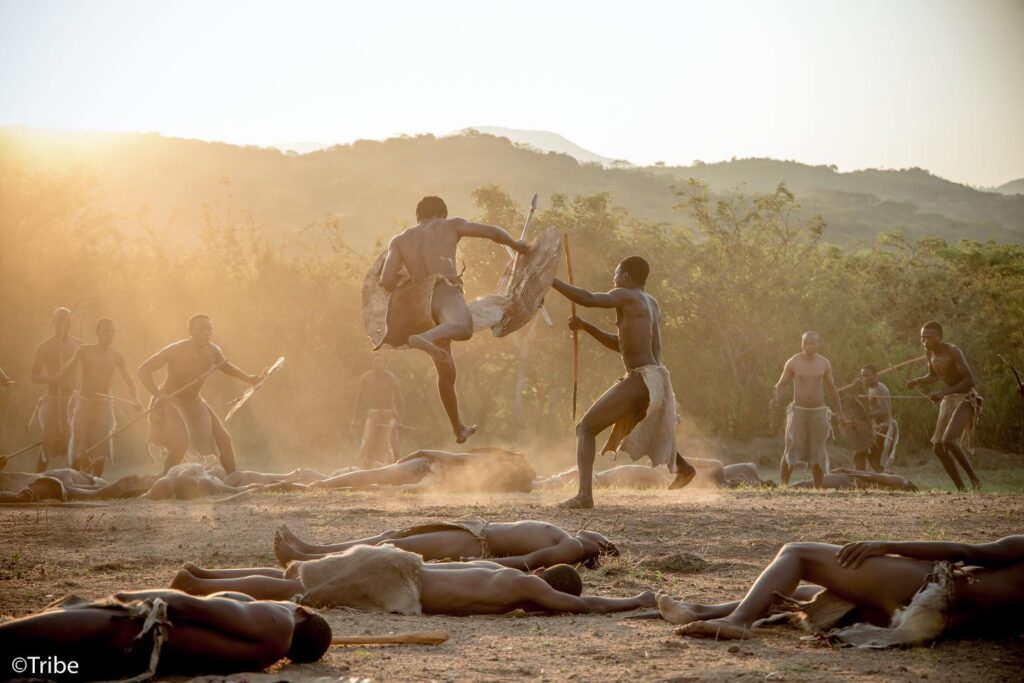
Q: Can you explain what goes into the process of creating a film of this magnitude?
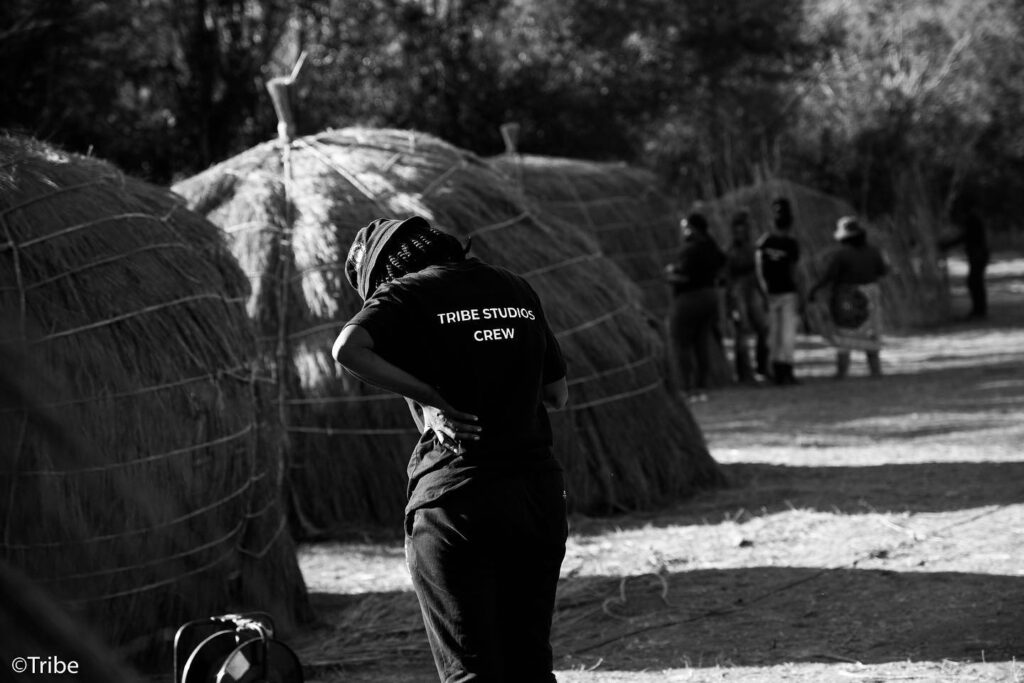
A: It takes a lot of money, time, research, personnel, and planning. When we got to the production phase, so much preparation had to be done and we went through all the motions. We had to work really hard, there was a lot of pain and frustration and the film demanded a lot physically, emotionally, and spiritually. It was a real test of character because we sometimes had to face different harsh weather conditions, challenges, and logistics to make sure the production was successful.
Q: How long did the overall production take?
A: Research took us almost a year and pre-production/ planning took three months. The shoot itself took almost two months and post-production/editing took almost a year.
Q: What was your favourite scene and why?
A: I have a lot but the one that stood out the most for me was where King Matalatala had to offer his own daughter, Nkhosatana as a sacrifice to the river so as to lead the way for the nation to cross the Zambezi River. Before the scene was shot, the young woman who played Nkhosatana actually cried before we placed her on the raft to be sent away into the river and when we finally shot the scene it was very emotional to watch and see a man, broken and crying as he gave away the apple of his eye. That scene was very moving and as tough as I am, even I shed a tear.
“BakaNgwane is a four part series which we are in the process of completing, and then find a home for it in one of the streaming platforms which will then give everyone all over Africa and beyond a chance to watch it.“




Q. As the director of the film, are you happy about the overall result of how the film came out?
A. There is always more one always hopes to achieve but I am very happy about it. We have created a project and a story that has heart, and in as much as we were trying to capture a historical timeline of the origin of the migration of BakaNgwane, we also wanted to tell a story of the sacrifices that were made for the birth of a nation. It is a story of love, relations, and the loss that was endured.
Q. What was your biggest highlight in working in Eswatini and helping emaSwati share their history through production?
A. It was to see their commitment, their love for their culture and their willingness to learn and above all their hospitality. The chiefs and their communities welcomed us and supported us in their villages. It was like a revival, everyone was lending a hand in building and manifesting the production into a reality.
Q. Are there any plans to extend the film’s screening and audience reach beyond Eswatini?
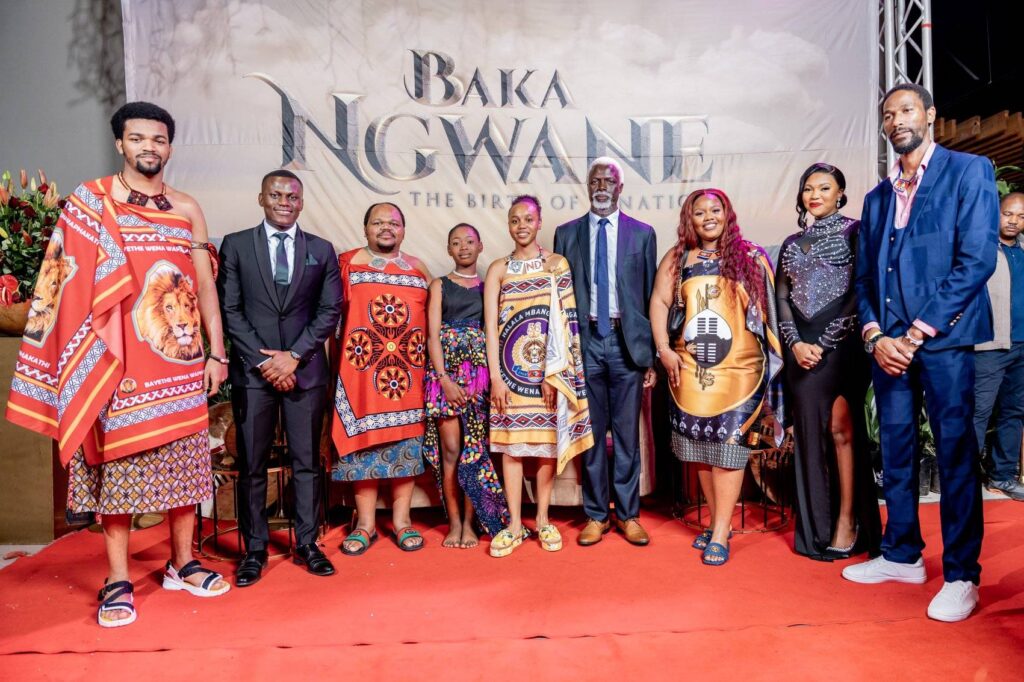
A. The film is actually a page taken from a series. BakaNgwane is a four part series which we are in the process of completing, and then find a home for it in one of the streaming platforms which will then give everyone all over Africa and beyond a chance to watch it.
Q: Is there a possibility for you to create more films or series in Eswatini in the future?
A: Yes I am still going to shoot more films and drama series in the Kingdom. It is a beautiful country and so is the culture, landscape and the people. It is the new canvas the world should learn about.
Q: Any advice on how we can grow the Eswatini film and visual storytelling industry?
A: The only advice I can share is that we should keep making more films of high quality and substance and then get everyone in all sectors to watch it just like we did with the BakaNgwane premier. This is how everyone gets to see your product is real, it’s potential for growth in culture, job creation and social development. This move would then foster endorsement, growing the sector from a hobby to a sustainable industry.
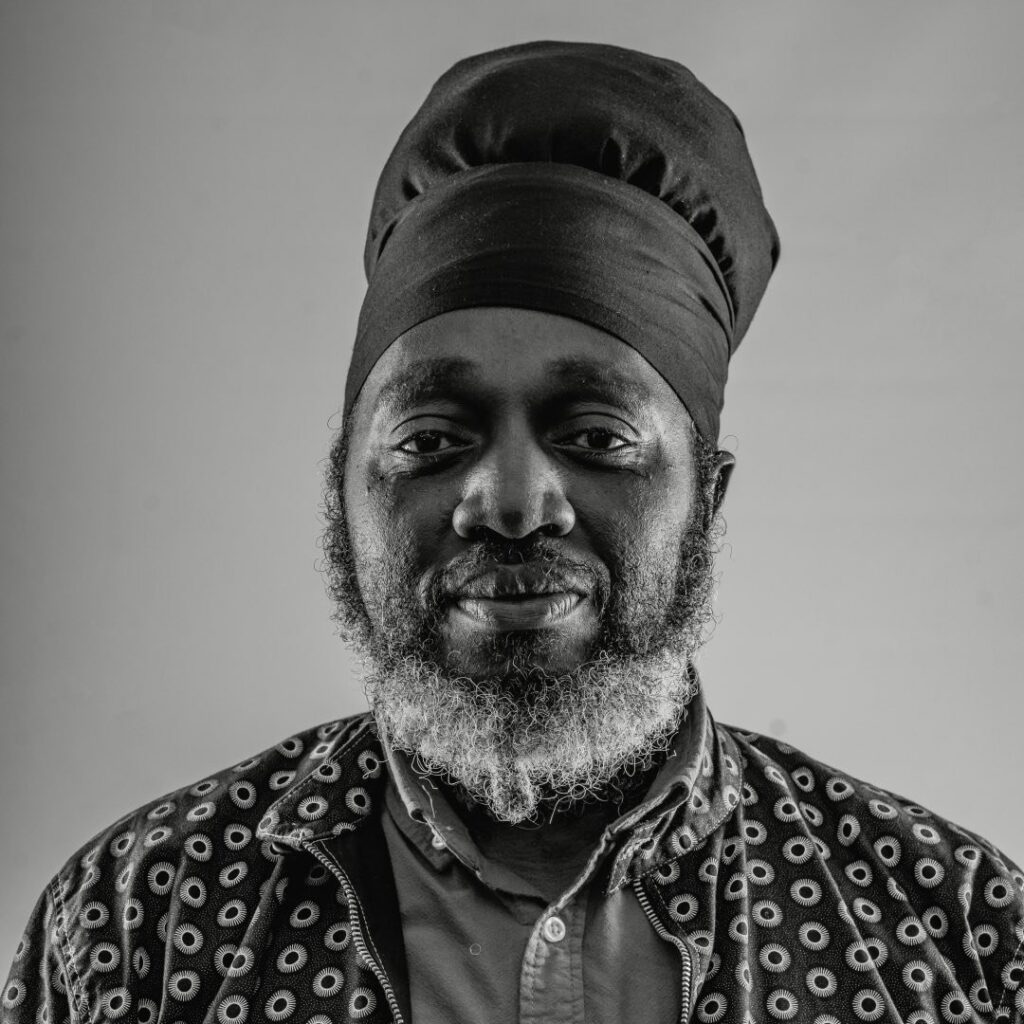
About Shaft Moropane
Lehlengonolo ‘King Shaft’ Moropane is an award-winning filmmaker who graduated with a BA in AFDA film school in 2003. He has 24 years of experience working as a director, producer, and writer. He has produced and directed music videos, TV drama series, films and TV commercials. He is currently on numerous pre-production feature films and Mzansi Magic television drama series uZulu no Mhlaba. He will serve as Executive Producer and Director. King Shaft’s work is unique in aesthetics and cinematic language which makes his work fresh and futuristic.