

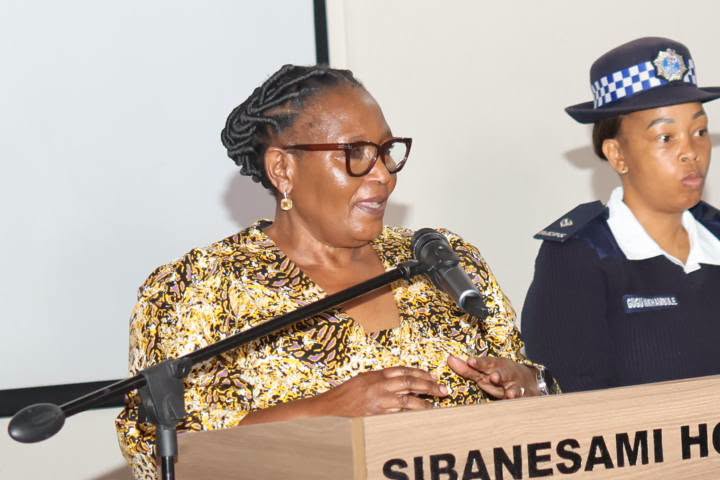

The launch of Eswatini Praise Season 1 was not only about finding the next gospel star – The Deputy Prime Minister Thuli Dladla used the occasion to challenge the programme to make inclusion part of the talent search from the very beginning.
Speaking at the launch, Dladla congratulated Sipho ‘BigFish’ Makhabane, Rolling Time Investments, Big Fish Entertainment, the production team, judges, artists and partners behind the programme, while highlighting what she believes Eswatini Praise could mean beyond television.
“For government, we firmly believe that development must leave no one behind,” she said.
Her message was particularly focused on young people who are often left out of mainstream opportunities, including persons with disabilities, vulnerable youth, orphans and vulnerable children and young people from disadvantaged households.
Dladla called on the organisers to make inclusion a deliberate and visible feature of the programme, saying persons with disabilities should have opportunities to participate as contestants, performers, musicians, creators, presenters and technical contributors, rather than simply being part of the audience.
That means looking beyond the stage itself. The DPM also pointed to accessible information and publicity, inclusive auditions and reasonable accommodation where needed.
“Inclusion is not charity. It is about rights, equality, dignity and meaningful participation,” she said.
It is a particularly relevant conversation for a talent show built around voices. If Eswatini Praise is about discovering who can sing, perform and connect with an audience, then the question of who gets the chance to enter that room matters just as much.
The programme is being spearheaded by gospel musician Sipho BigFish Makhabane, with Eswatini TV as the official broadcaster and the Eswatini Arts and Culture Council as a partner. The talent search aims to identify emerging gospel artists and give them exposure and opportunities to develop their careers.
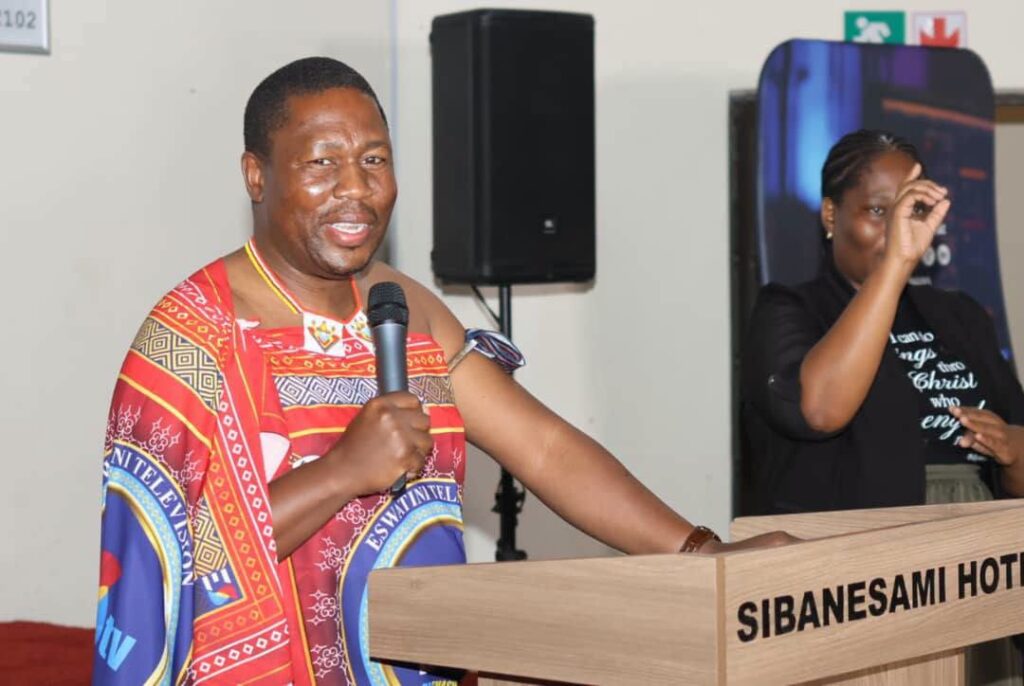
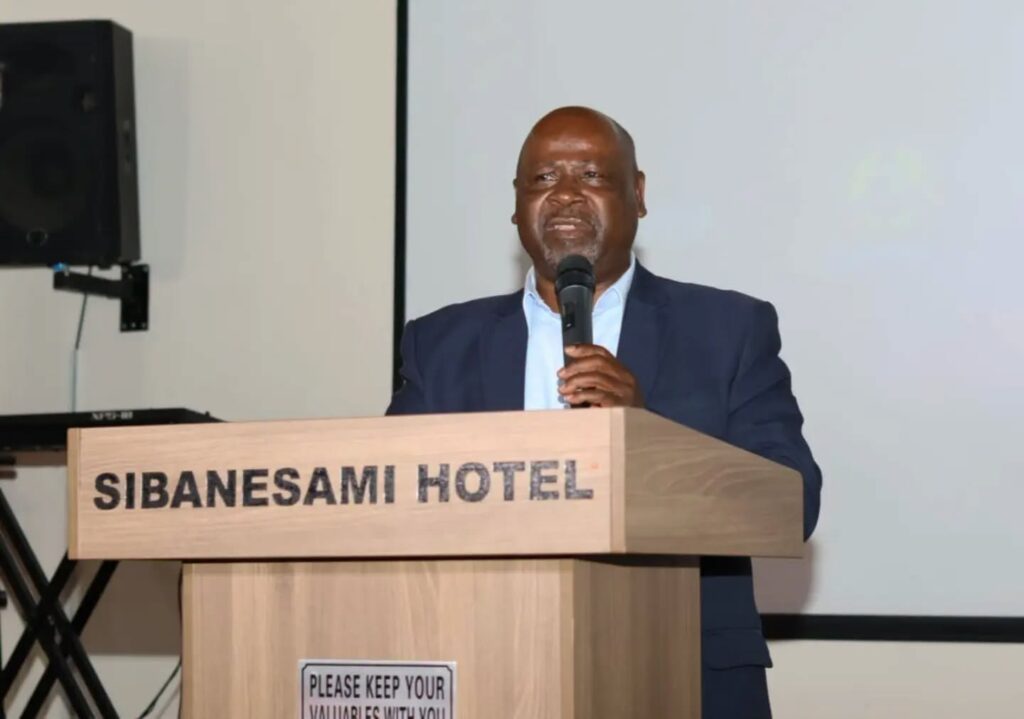
Dladla, however said the opportunity should not end when the cameras stop rolling. She encouraged the organisers and partners to create pathways from talent identification to skills development, mentorship, entrepreneurship, employment and sustainable livelihoods.
“This is how entertainment becomes empowerment. This is how talent becomes economic opportunity,” she said.
It is a bigger ambition for a television talent search not simply to find the next voice, but to help build a creative industry where more young people can actually make a living from what they can do. “Let it include the voice of the child in the rural community. Let it include the voice of the young person with a disability. Let it include the voice of vulnerable youth,” she said.






Eswatini Praise puts Artists’ rights in focus
A new gospel talent show might seem like the perfect place to talk about voices, performances and discovering the next big artist.
At the launch of Eswatini Praise Talent Search, however, the conversation went a little deeper.
Several industry leaders used the occasion to remind aspiring artists that talent is only one part of building a career in music.
Executive Director of the Eswatini Copyright and Neighbouring Rights Society (ESWACOS) Mmeli Hlanze, brought attention to the less glamorous, but equally important, side of the creative industry: copyrights, artist contracts and the protection of creative work.
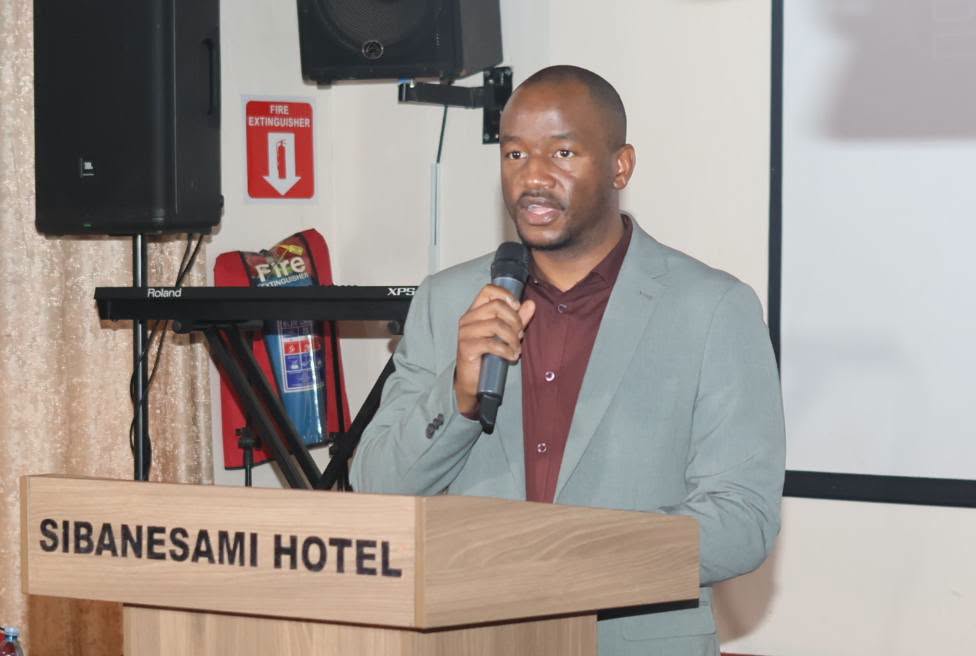
For young musicians entering an industry for the first time, understanding these areas can make a major difference.
A great song can open a door, but knowing who owns that song, how it can be used and what an artist has agreed to in a contract can determine what happens after the opportunity arrives.
The message fits neatly into the wider purpose of Eswatini Praise, which is being spearheaded by gospel musician Sipho BigFish Makhabane.
The talent search is designed to scout promising gospel artists, give them exposure and create opportunities for them to develop their skills and careers.
But exposure alone does not build an industry.
Exposure Alone Does Not Build an Industry.
ESTVA CEO Mlamuli Dlamini
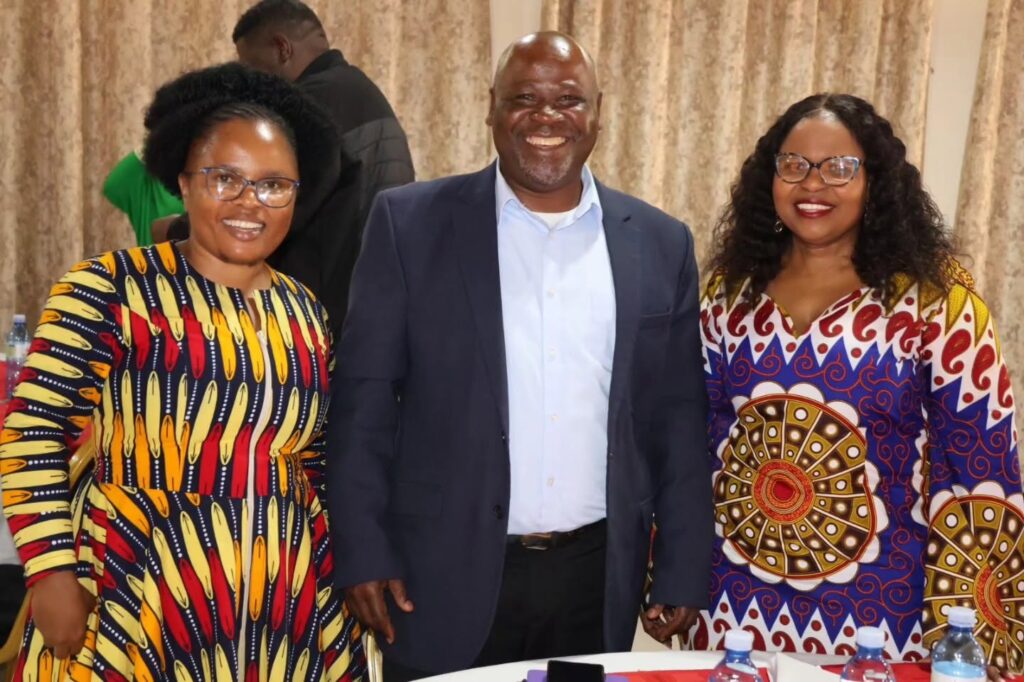
That point was echoed across the launch, with ESTVA CEO Mlamuli Dlamini highlighting the importance of nurturing and promoting local talent within Eswatini’s creative industry.
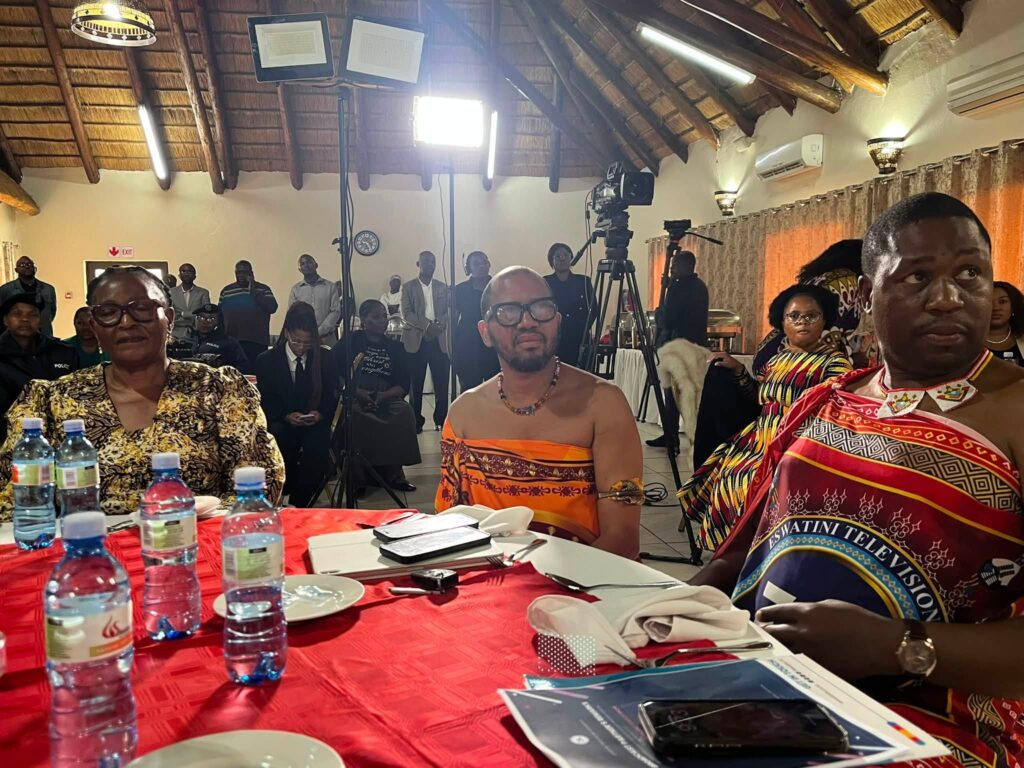
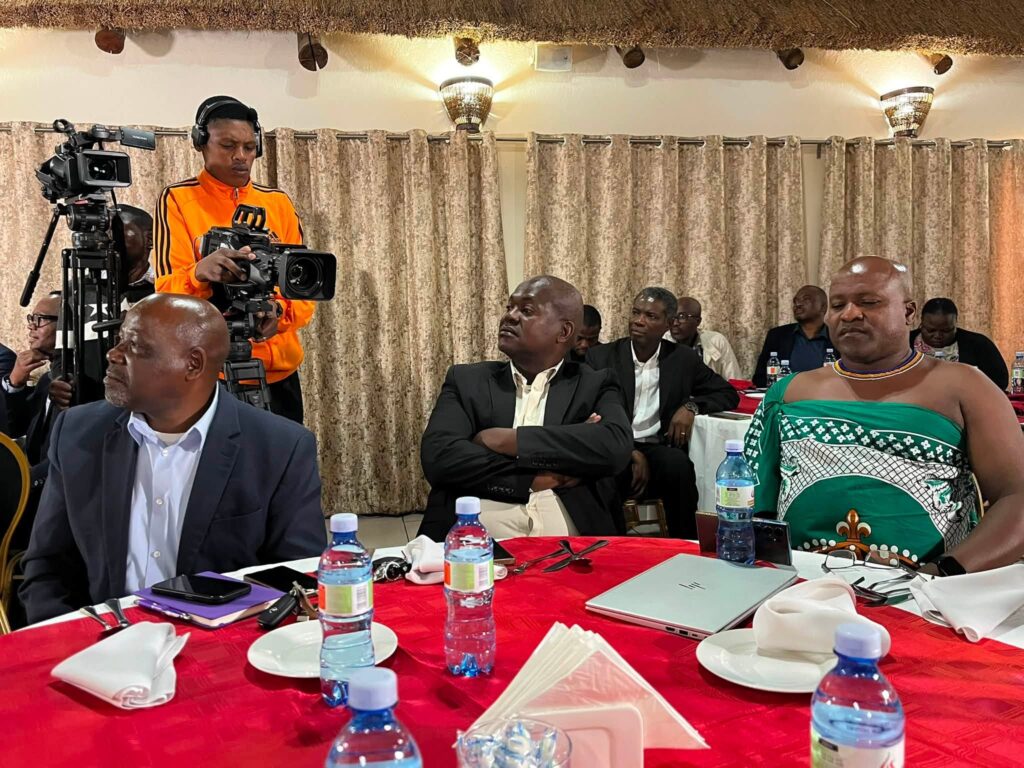
Arts and Culture Council CEO Stanley Dlamini also spoke to the need to support, develop and promote talent within the country’s arts and creative sector.
Their contributions place Eswatini Praise within a bigger conversation about the future of local entertainment.
The country does not only need talented performers; it needs an environment where those performers can understand the business around their talent and build sustainable careers.
That also means creating stronger links between artists, broadcasters, cultural institutions and the wider creative economy.
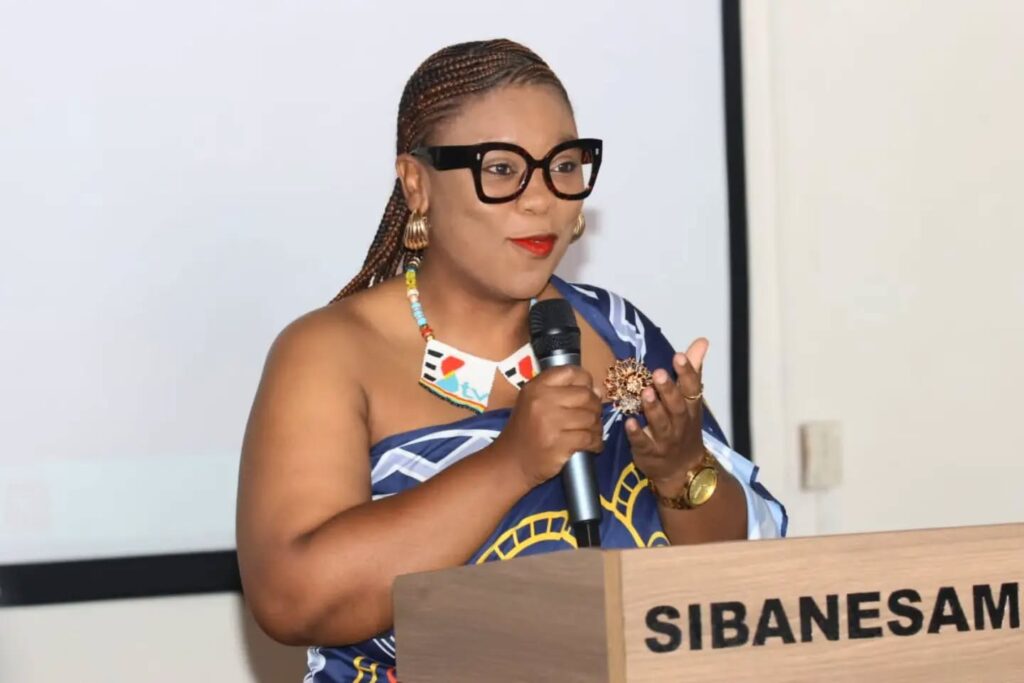
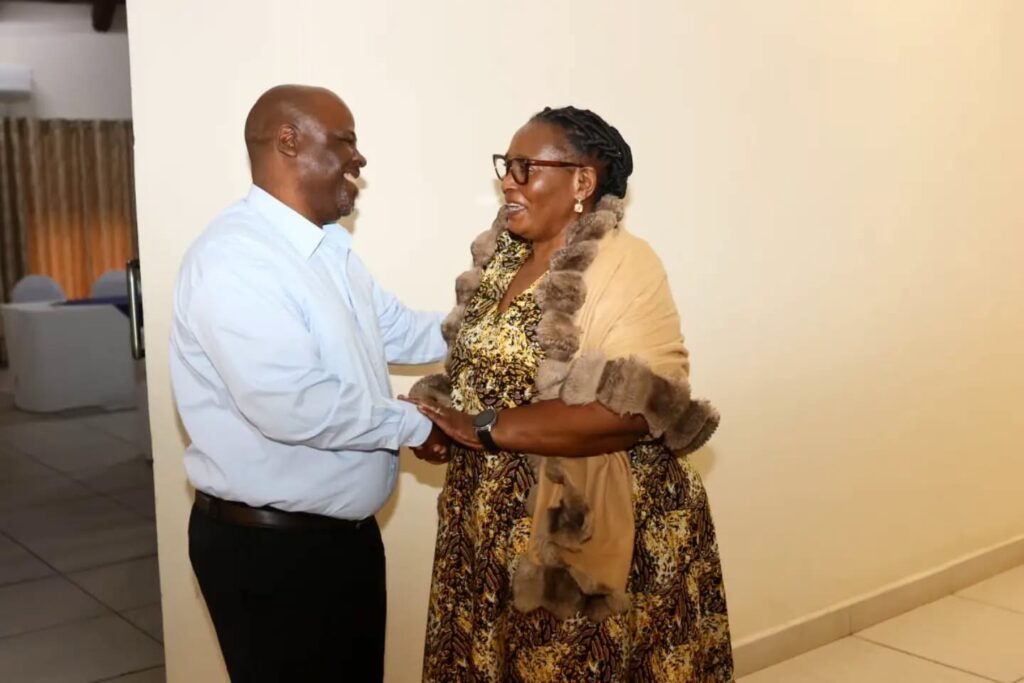
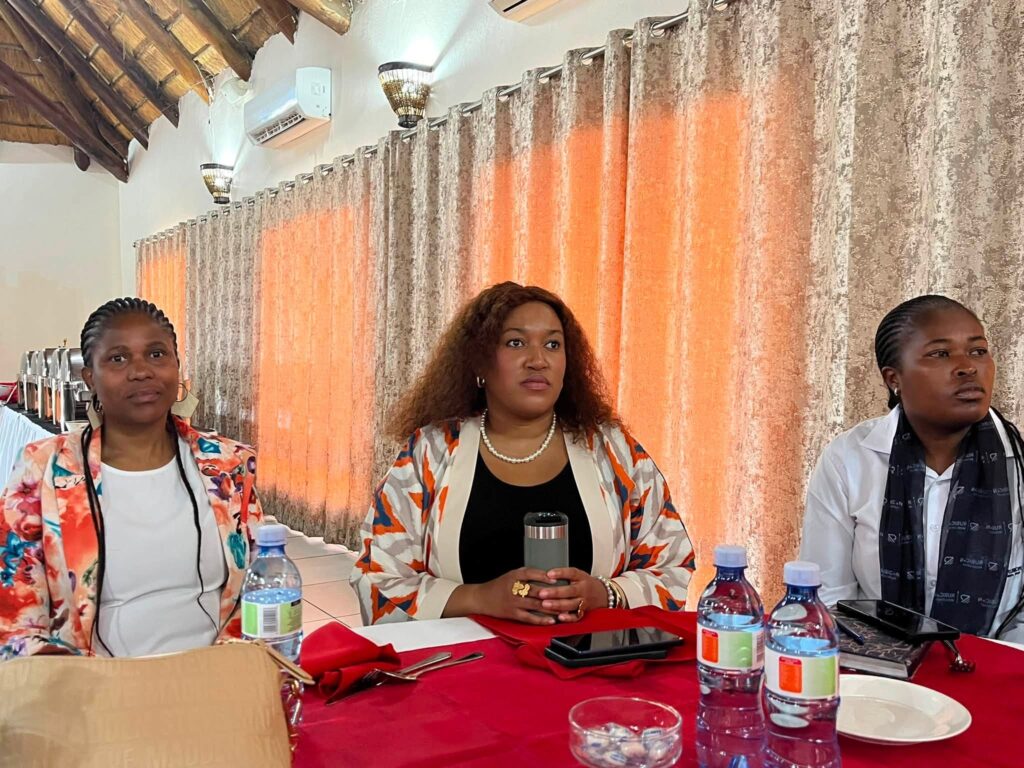
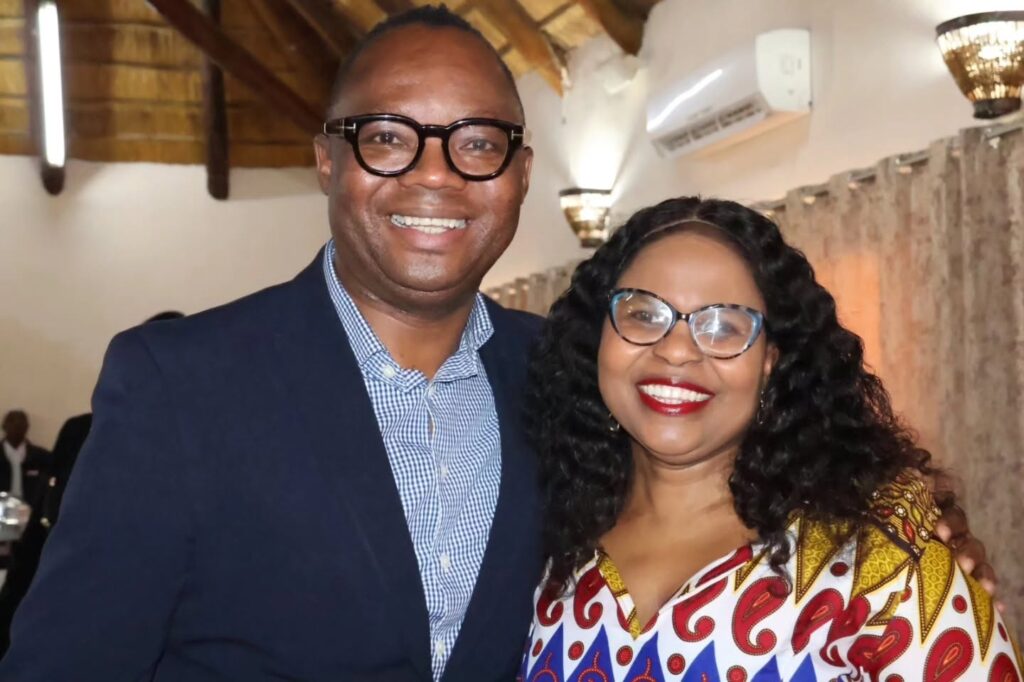
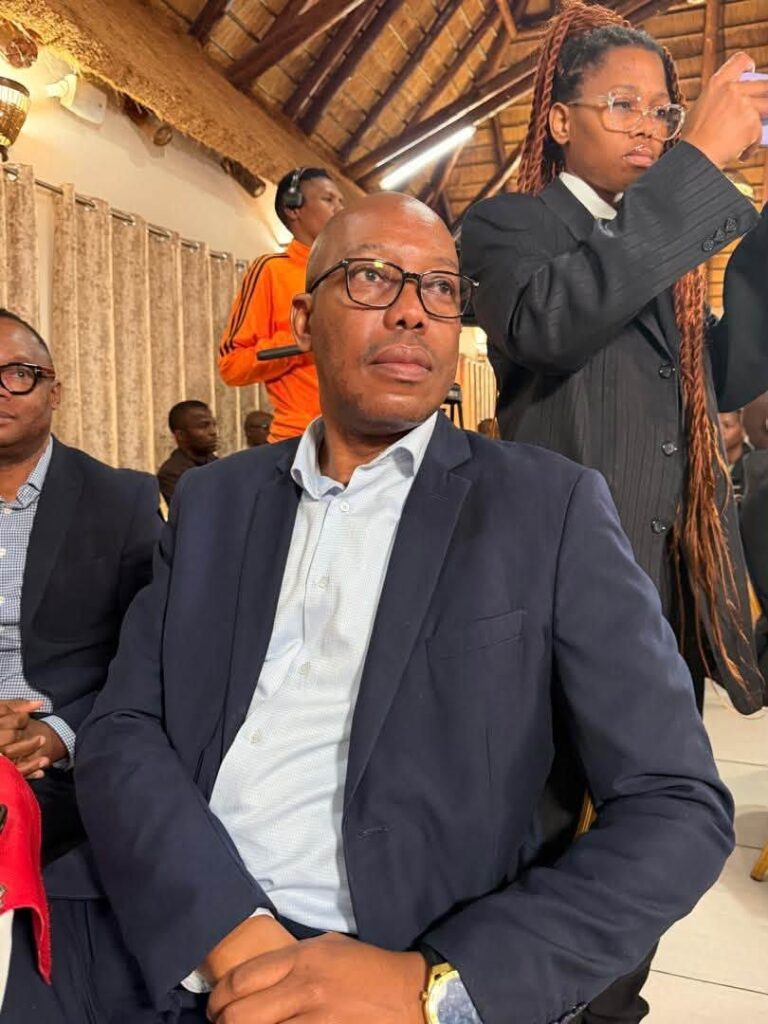
The Deputy Prime Minister Thuli Dladla made a similar point during the launch, describing music, television, film, fashion, arts, culture and digital content as industries with the potential to create employment and sustainable livelihoods for young people.
“Our youth do not only need jobs. They also need opportunities to create jobs and build sustainable livelihoods from their talents and skills,” she said.
It is an important distinction. A talent search can introduce an artist to an audience.
The real work is helping that artist understand what comes next.
For Eswatini Praise, the hope is that the show can become more than a competition. With Eswatini TV serving as official broadcaster and the Eswatini Arts and Culture Council partnering on the initiative, there is already a network around the programme that can help connect talent with the wider creative sector. And if the young artists entering the competition leave with both a bigger audience and a better understanding of their rights, contracts and creative work, the impact could extend well beyond the final episode.
Photo Cred: The Deputy Prime Minister’s Office Eswatini, Eswatini National Council of Arts and Culture, Eswatini TV