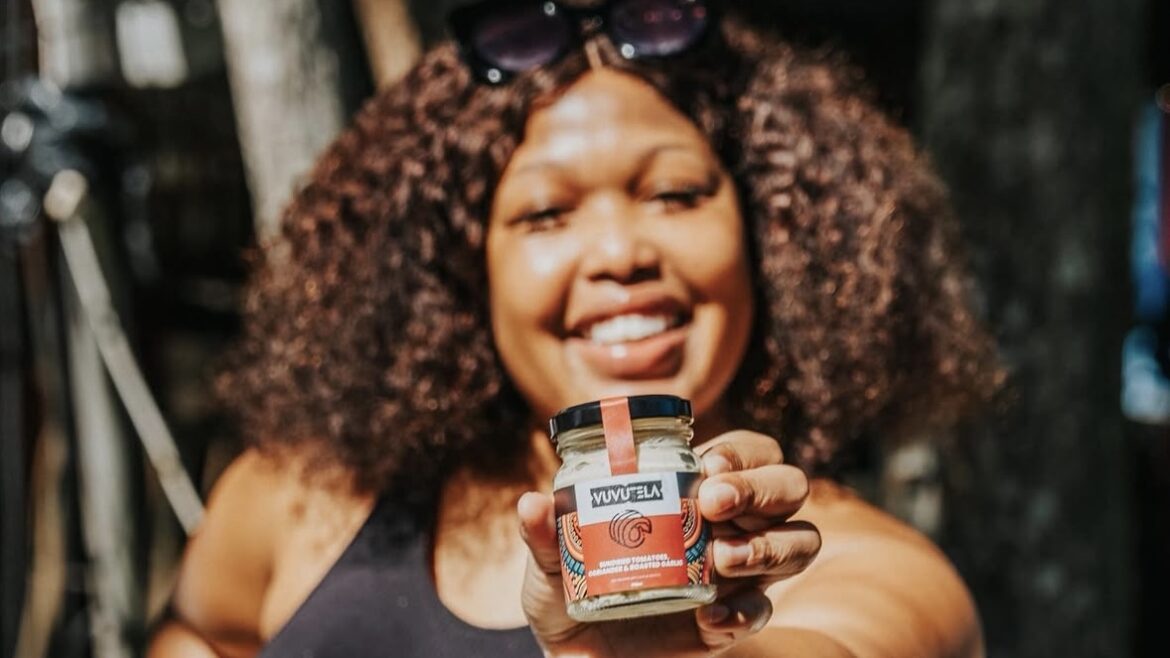


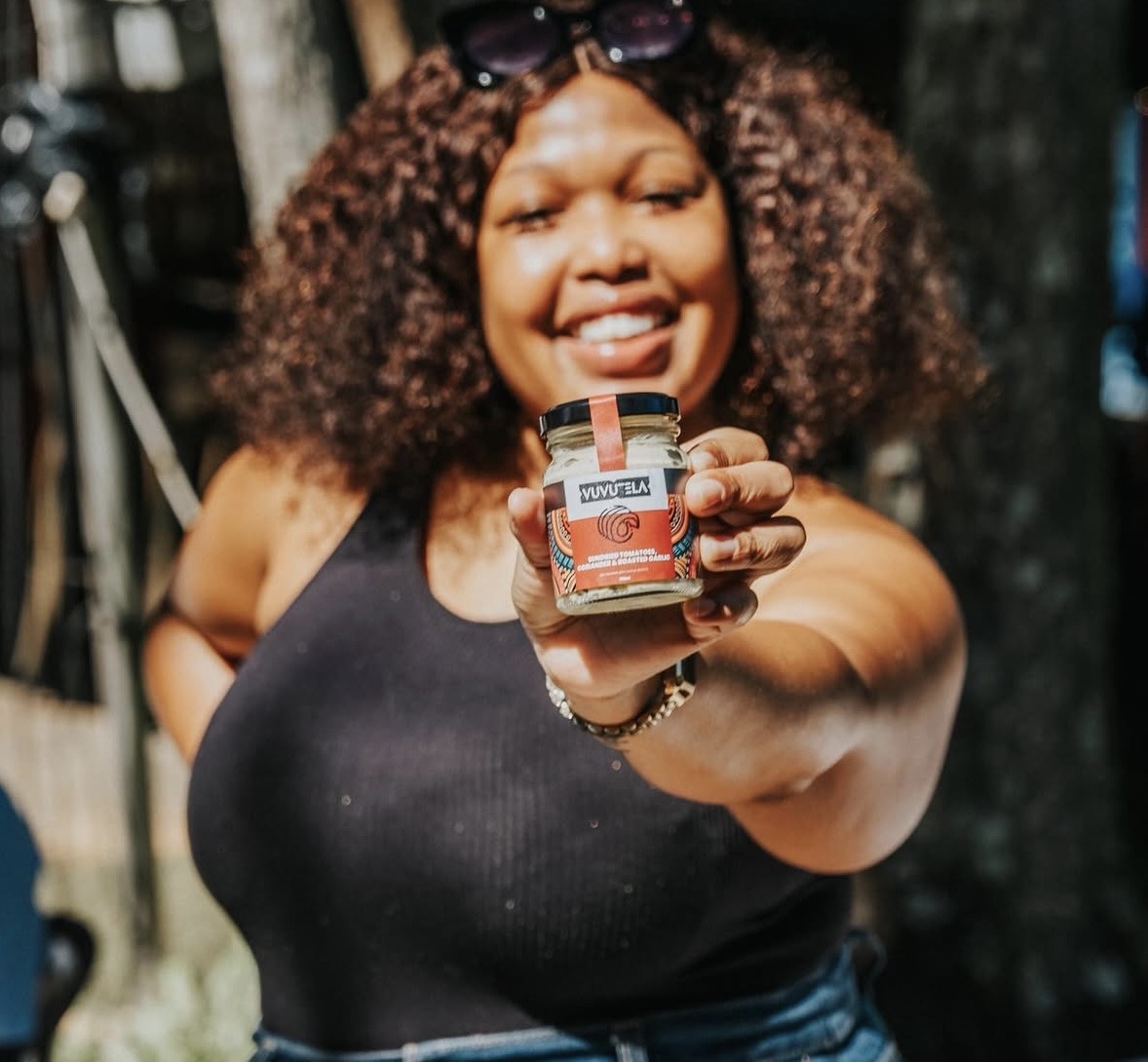

From an experiment in the kitchen to a flavoured butter brand with ambitions beyond Eswatini, Vuvutela is giving a familiar ingredient a fresh twist.
Butter is a kitchen staple, but Vuvutela is showing that it can be much more than something to spread on bread. The Eswatini-based brand creates flavoured butter blends designed to bring more character to everyday meals, offering customers a simple way to experiment with food.
Founded by Ziyanda Sikiti, Vuvutela emerged from Mzito’s Kitchen, her food business established in 2020. What began as an experiment eventually developed into a standalone brand after customers responded positively to its flavoured butter blends.
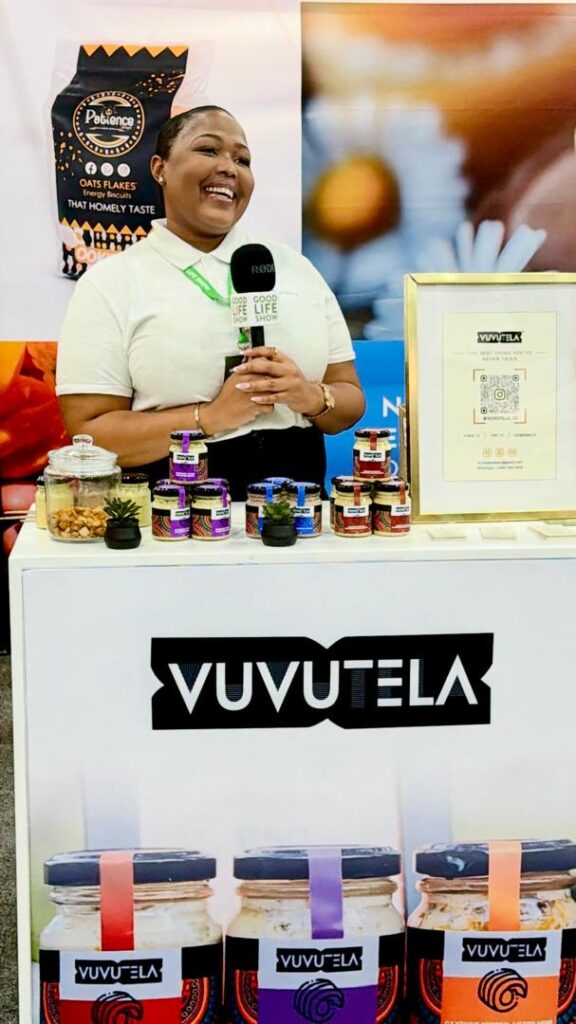

“I never particularly enjoyed the smell of plain butter on its own, but I loved its richness and the way it performed in cooking. So, we started experimenting with different ingredients to enhance its flavour,” Sikiti explains.
Initially known as Shelela, the product was developed while the team was preparing sandwiches for corporate clients. They decided to bottle their butter blends and introduce them to the market, launching at Simunye Market, where the response exceeded expectations.
“What started as an experiment within another business eventually became a brand of its own. That journey taught me that sometimes, your next business opportunity is hiding inside the business you already have,” she says.
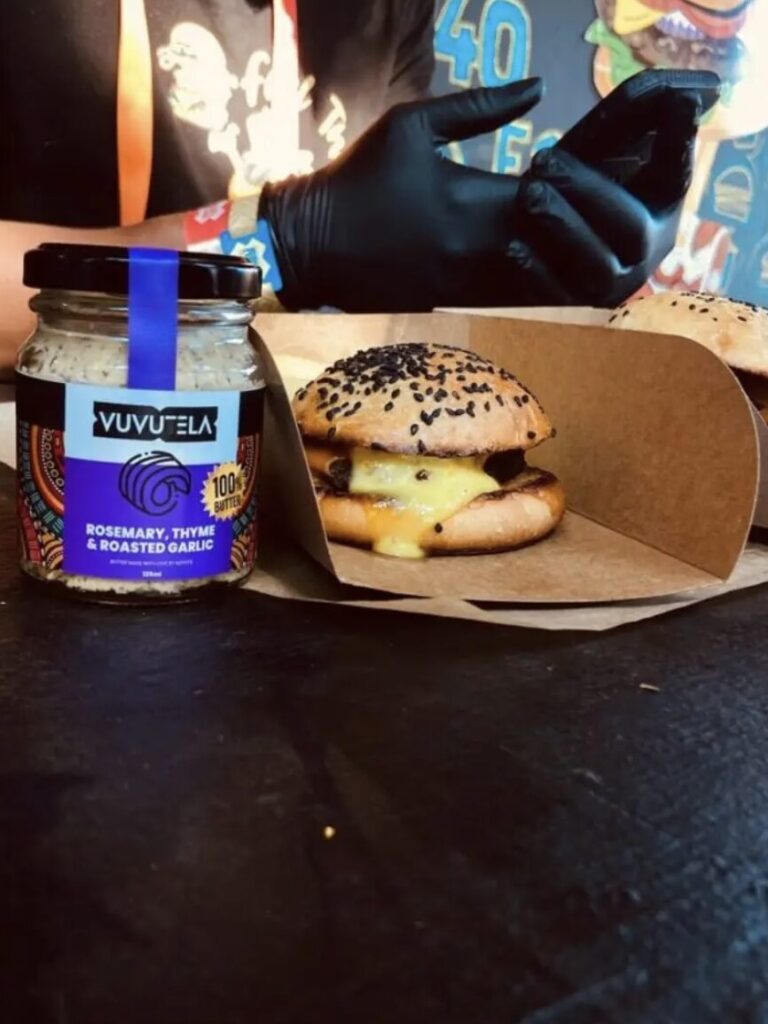
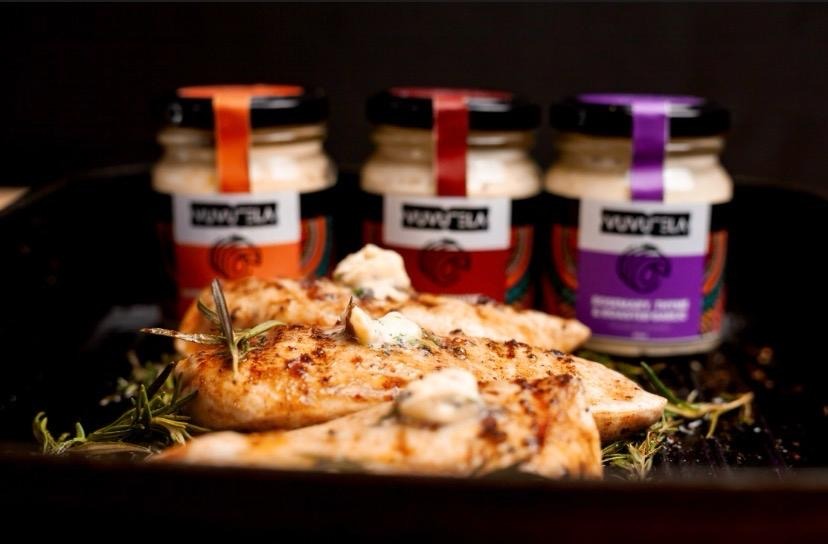
Vuvutela currently offers four flavoured butter blends, each catering to different tastes and cooking preferences. The range includes Rosemary & Thyme with Roasted Garlic, Sundried Tomato & Coriander with Roasted Garlic, Blueberry, Vanilla & Honey, and Cayenne Pepper & Mixed Herbs with Roasted Garlic.
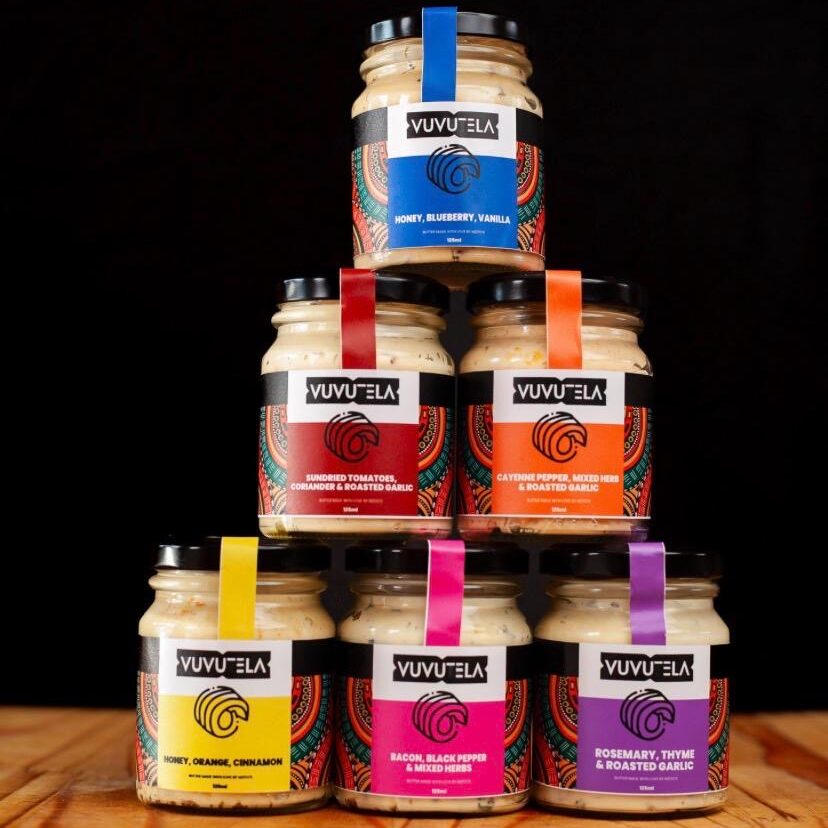
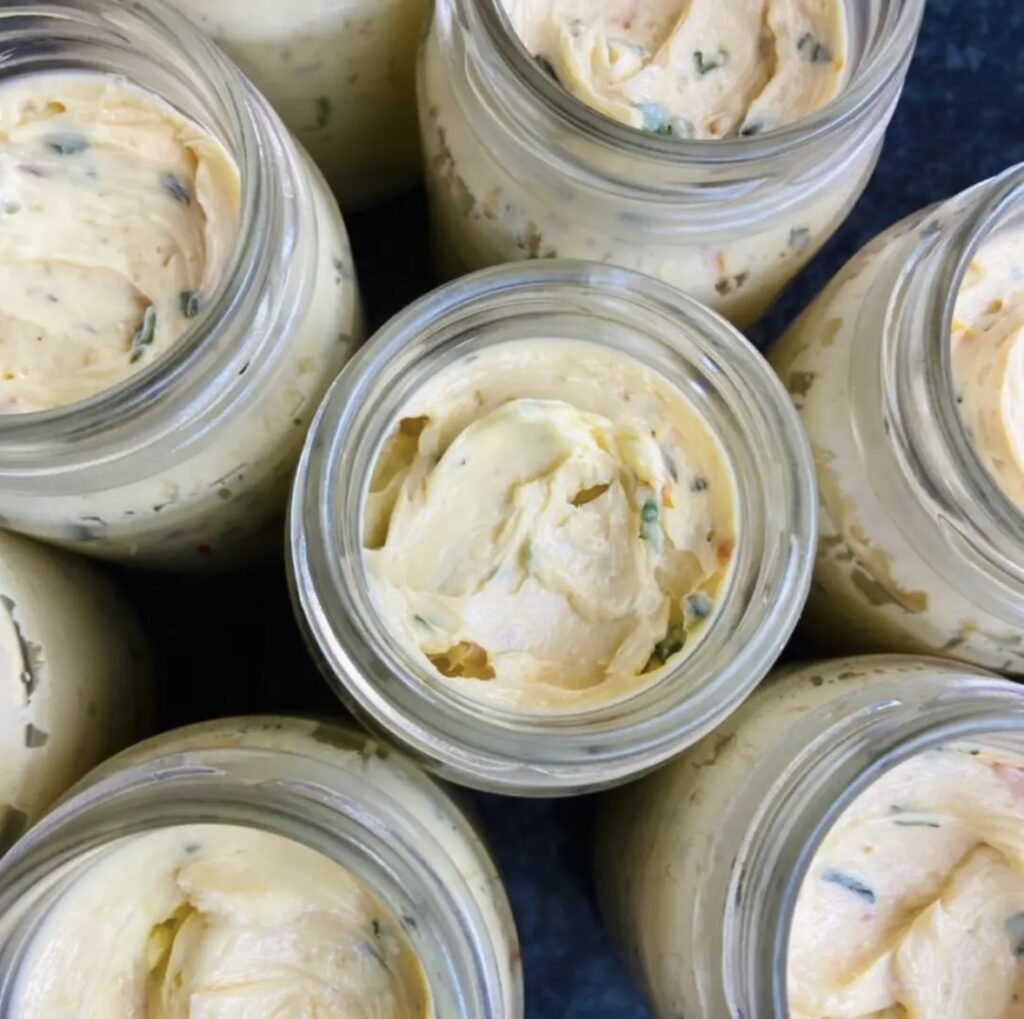
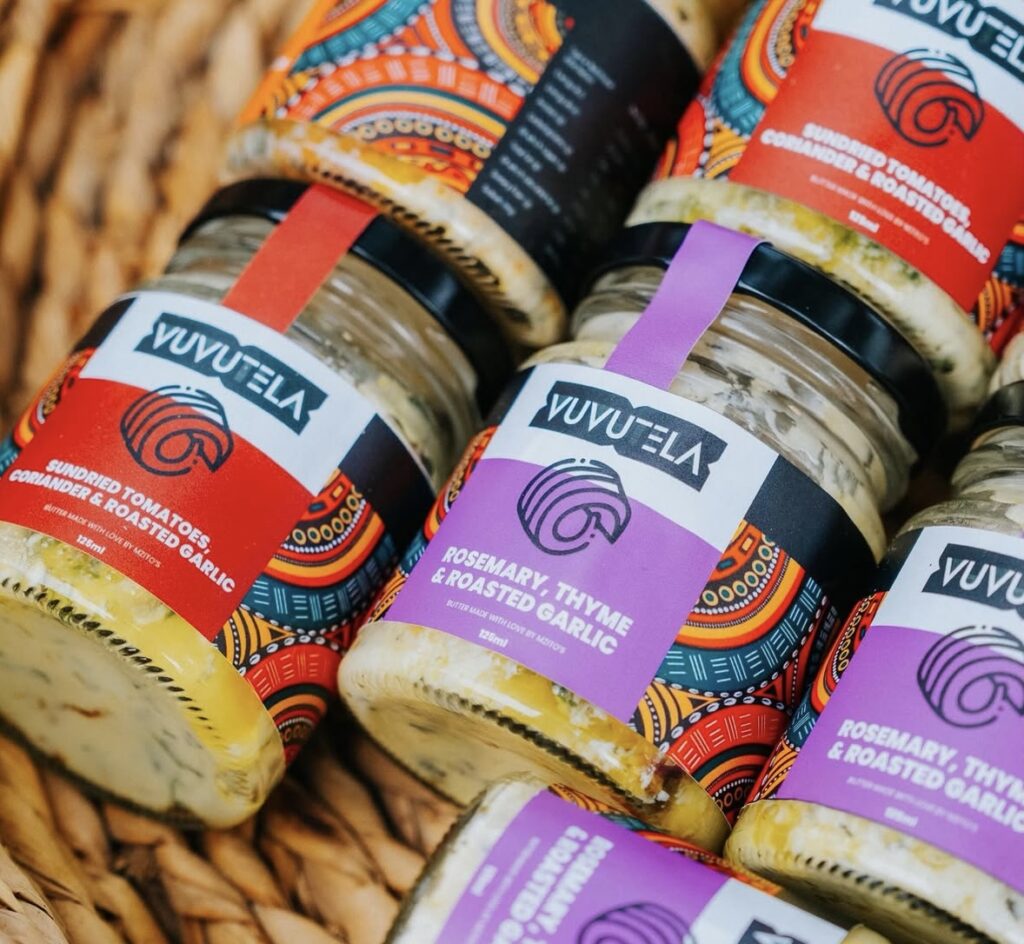
The Rosemary & Thyme with Roasted Garlic blend is the brand’s bestseller, thanks to its versatility and rich, savoury flavour. It can be used when preparing meat, vegetables, eggs and pasta, or simply spread on toast.
The other blends offer customers different ways to explore flavour, from the bold combination of sundried tomato and coriander to the sweeter notes of blueberry, vanilla and honey. The cayenne pepper blend, meanwhile, brings a little heat to the table. Beyond the range itself, Vuvutela encourages customers to think creatively about how they use butter in their cooking.
Initially, the brand recommended its products for cooking meat, baking and spreading on toast. However, customers have found their own uses for the blends, incorporating them into egg dishes, sauces and freshly baked bread.
“That is one of the most exciting things about Vuvutela: we create the flavours, but our customers continue to discover new ways to enjoy them,” Sikiti says.



For Vuvutela, product development is an ongoing process. The business continues to refine its recipes, using each batch as an opportunity to improve flavour and the overall customer experience. The aim is to deliver butter that is rich, smooth and bold in flavour while remaining versatile enough for everyday use.
Customer feedback has also played an important role in shaping the brand. Listening to how people use the products has helped Vuvutela better understand customer preferences and identify opportunities to improve its offerings.
“We have learnt that creating a product is only one part of building a successful brand. You also have to listen, observe and understand how people actually use it,” Sikiti explains.
She believes innovation does not always require introducing something entirely new. Sometimes, it involves rethinking a familiar product and finding ways to make it more useful to consumers. This approach is reflected in Vuvutela’s identity, which centres on flavour, versatility and encouraging people to enjoy experimenting in the kitchen.
“For us, butter is not just something you put on bread. It is an ingredient that can transform an ordinary meal into something memorable,” she says.
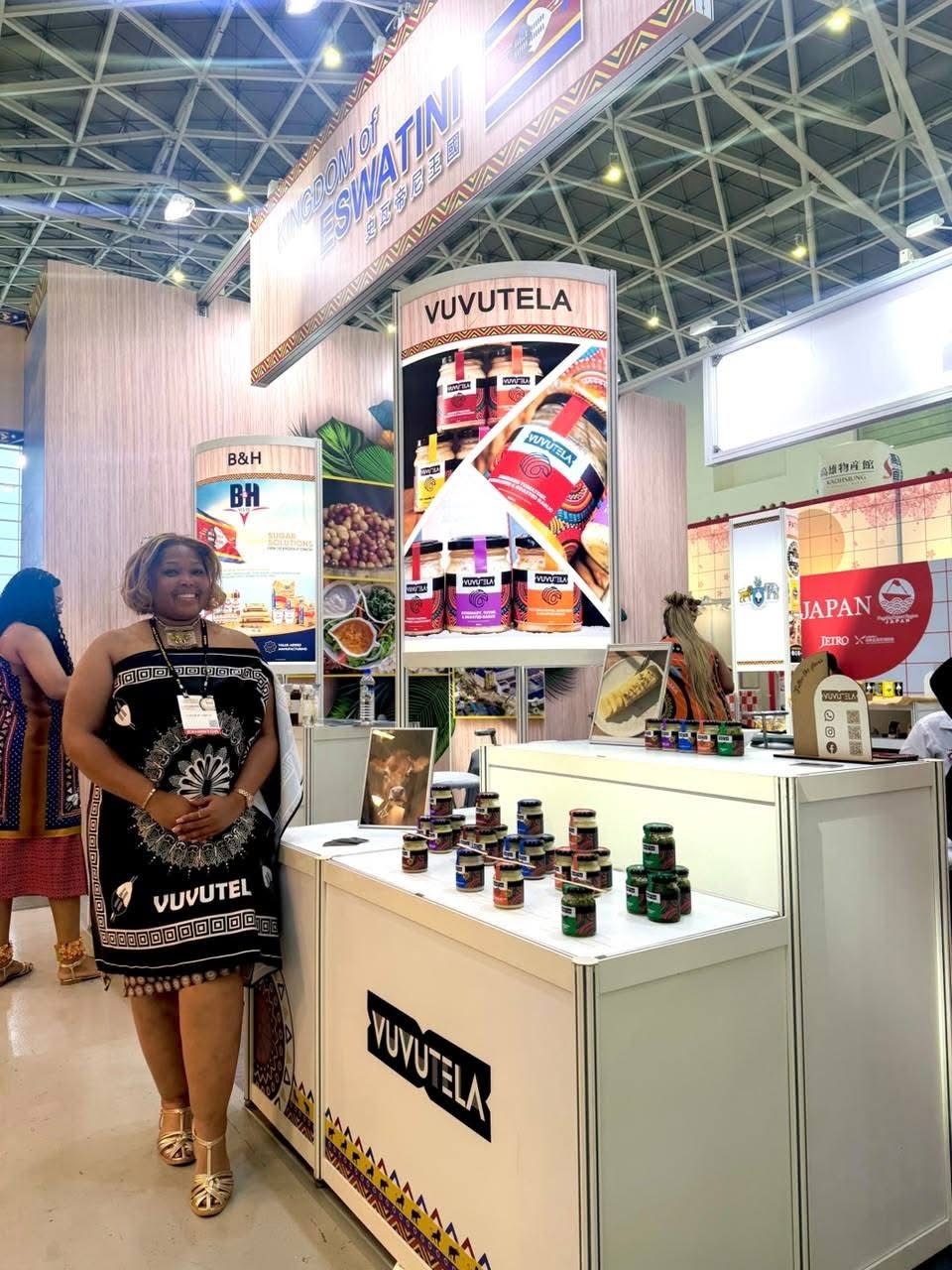
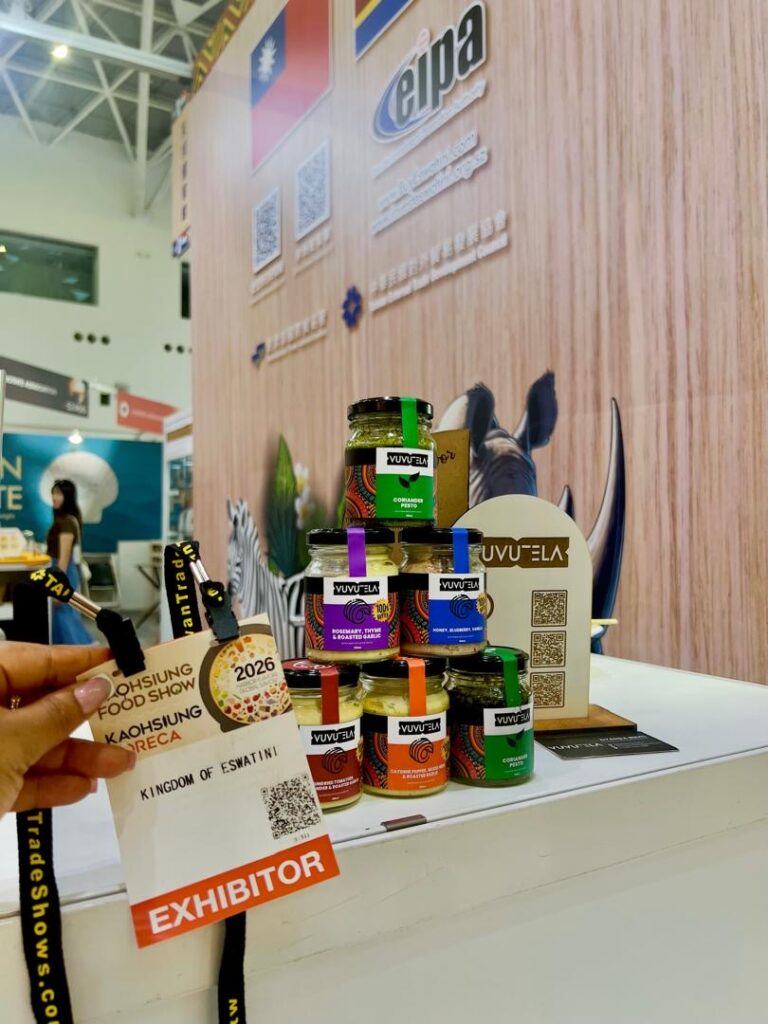
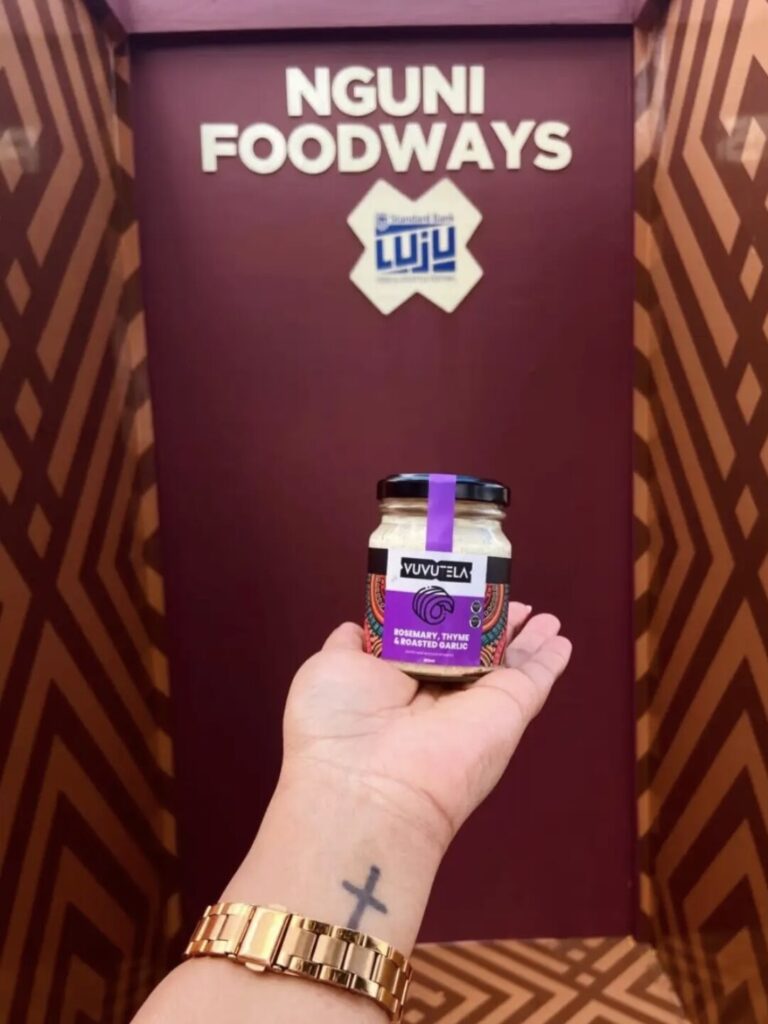
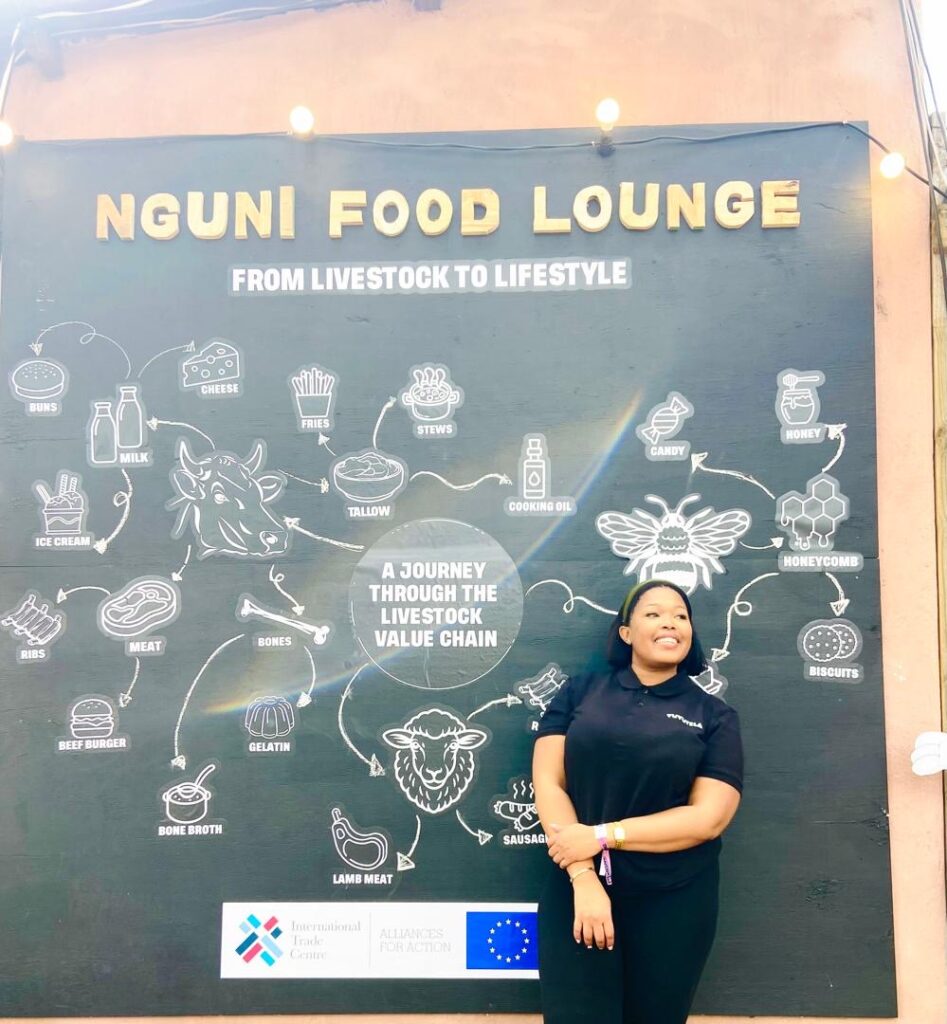
Vuvutela’s ambitions extend beyond its existing customer base. Through participation in food-industry showcases, the business has gained exposure to wider markets and a better understanding of what consumers in other countries expect from food products.
These experiences have encouraged the brand to think more strategically about product development, packaging, market positioning and export readiness. Sikiti says the exposure has also helped the business recognise its potential beyond Eswatini, while highlighting the preparation required to enter international markets.
“We know that expanding internationally requires more than having a good product. It requires the right partnerships, market research, regulatory compliance and a reliable supply chain,” she says.
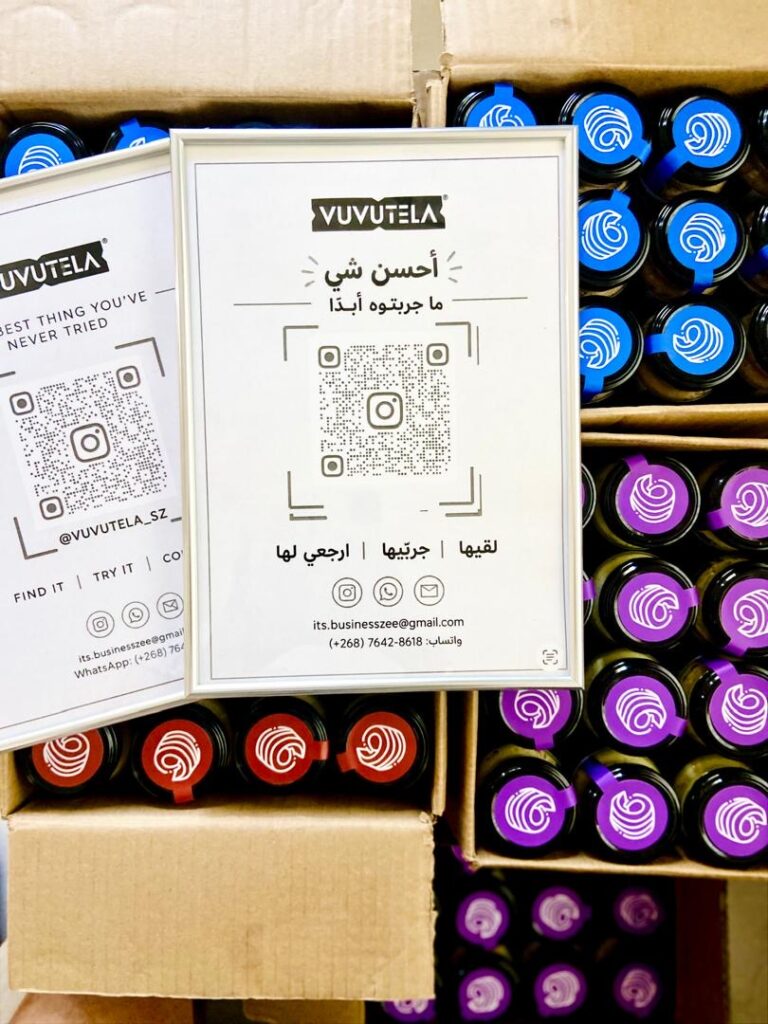
Vuvutela is currently exploring export opportunities and engaging with two African distributors as it considers its next phase of growth. The process is ongoing, with the business taking steps towards identifying suitable markets and building the partnerships needed to support expansion.
Like many businesses, Vuvutela’s journey has involved learning through experience. For Sikiti, one of the biggest lessons has been the importance of taking action rather than waiting for everything to be perfect.
“You don’t have to be perfect to start. The doer always outdoes the perfectionist!” she says.
It is a lesson reflected in Vuvutela’s beginnings as an experiment within another business and its gradual development into a brand with its own product range and growth ambitions.






Currently, customers can purchase Vuvutela products through its social commerce channels, where the business shares product availability and ordering information. The brand is also working towards reopening a physical retail space, which would provide another way for customers to access its products.
As it continues to refine its offerings and explore opportunities beyond the local market, Vuvutela is building on a simple idea: taking a familiar kitchen ingredient and giving it more flavour, versatility and room for creativity.