

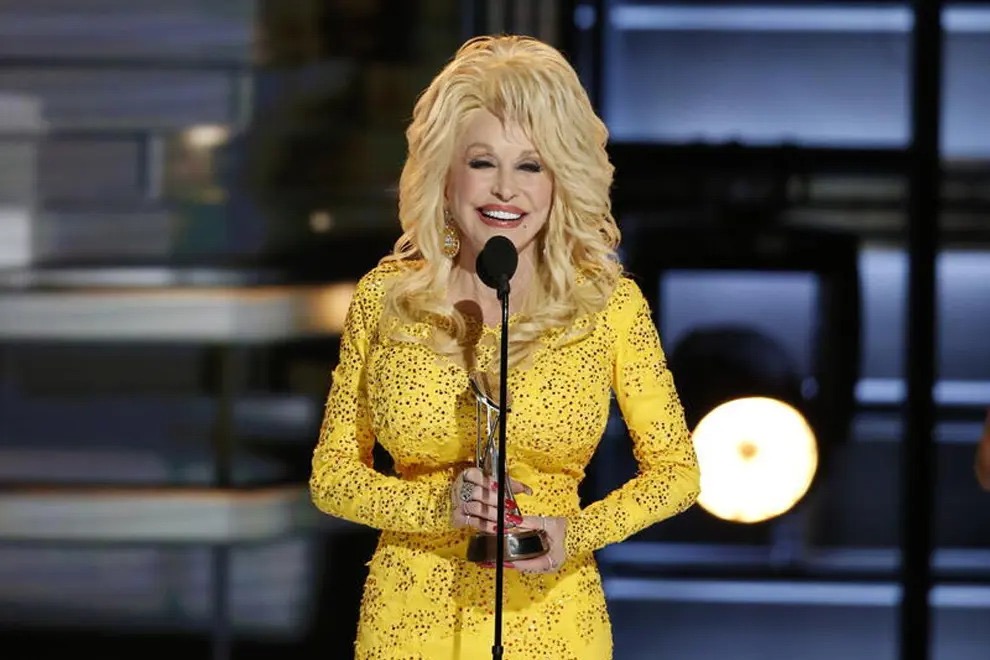

The world is mourning the loss of Dolly Parton, the legendary American singer, songwriter, actress, businesswoman, and philanthropist whose career stretched across more than six decades.
Parton died on August 25, 2026, at the age of 80, leaving behind a body of work that reached far beyond the country music world and earned her a place in popular culture across generations.
Her music travelled well beyond the United States, reaching audiences who may never have considered themselves country music fans.
In Eswatini, as in many other parts of the world, Parton became a familiar name through her music, films and the influence of the songs she wrote and performed.
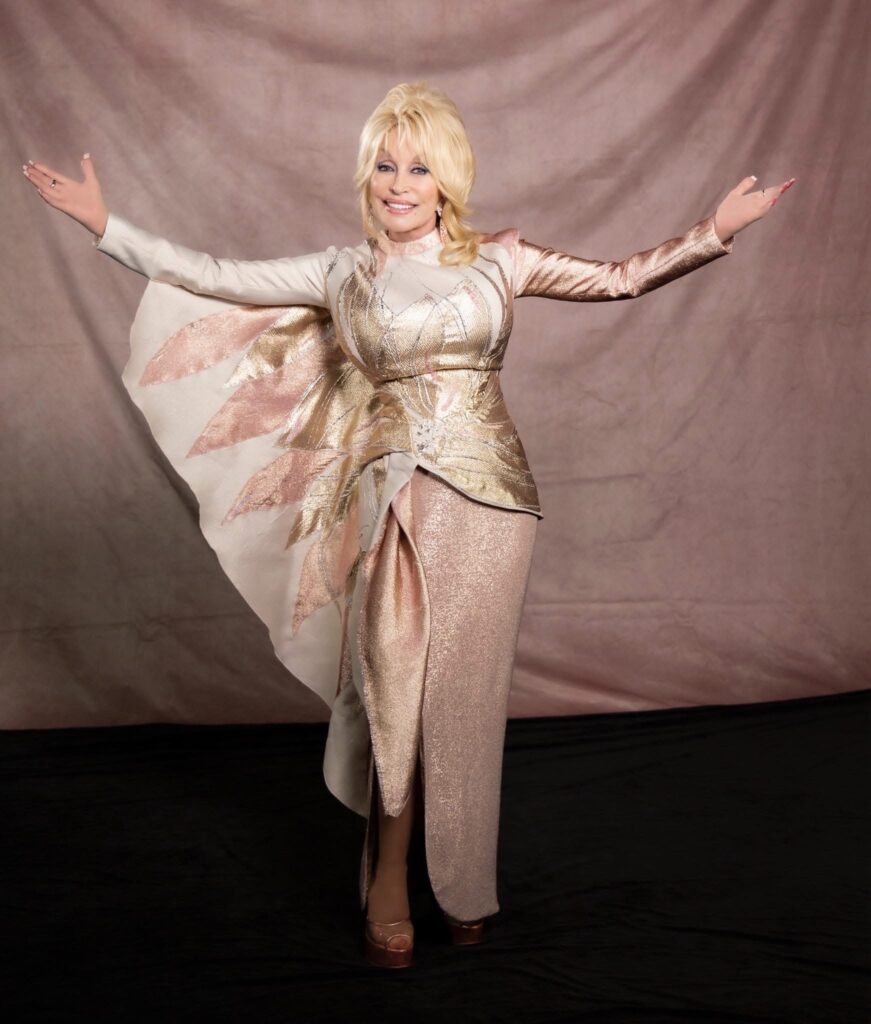
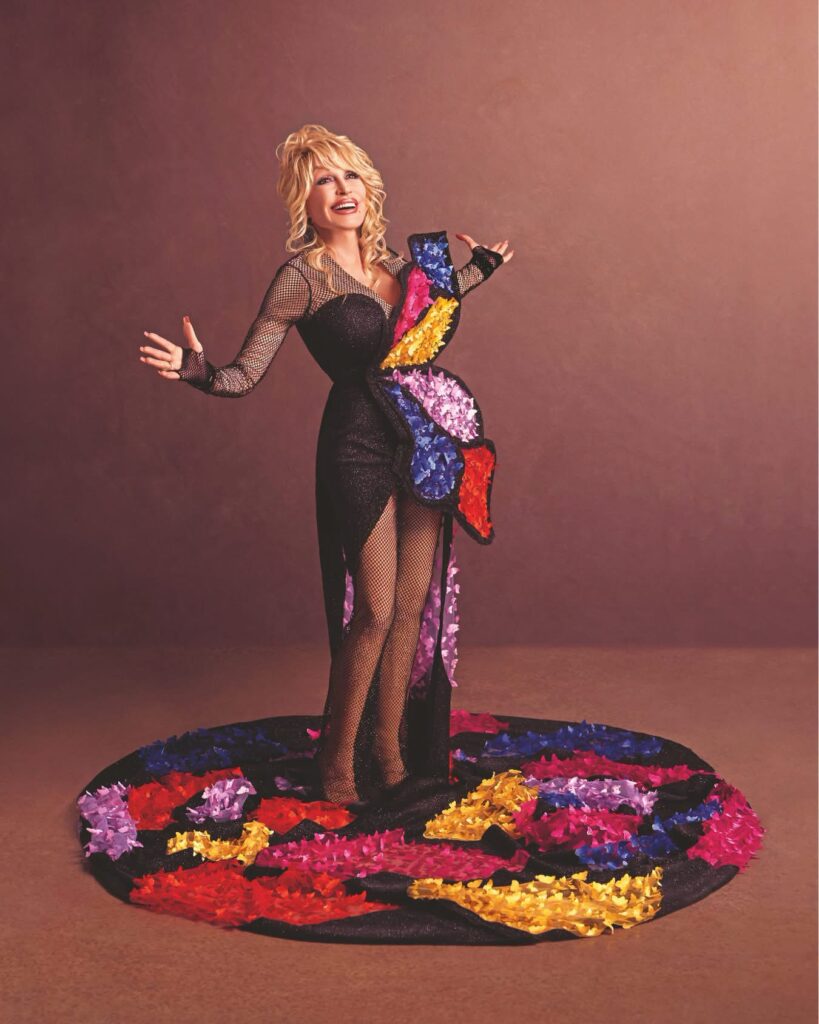

Born in 1946 in rural Tennessee, Parton grew up in a large family with limited financial means. Her upbringing would later become an important influence on her songwriting, with many of her songs drawing from family, relationships, hardship and everyday life.
She began writing songs as a child and eventually moved to Nashville, where she pursued a career in music. Her talent as a songwriter quickly became one of the defining features of her career.
Parton wrote some of the most recognisable songs in popular music, including ‘Jolene’, ‘9 to 5’ and I Will Always Love You. While her own recordings made her a star, her songwriting reached an even wider audience when other artists recorded her work.
One of the most significant examples was Whitney Houston’s version of I Will Always Love You, which became a global hit after appearing on the soundtrack of the 1992 film The Bodyguard.
The song introduced Parton’s songwriting to millions of listeners who may not have been familiar with her country music career.
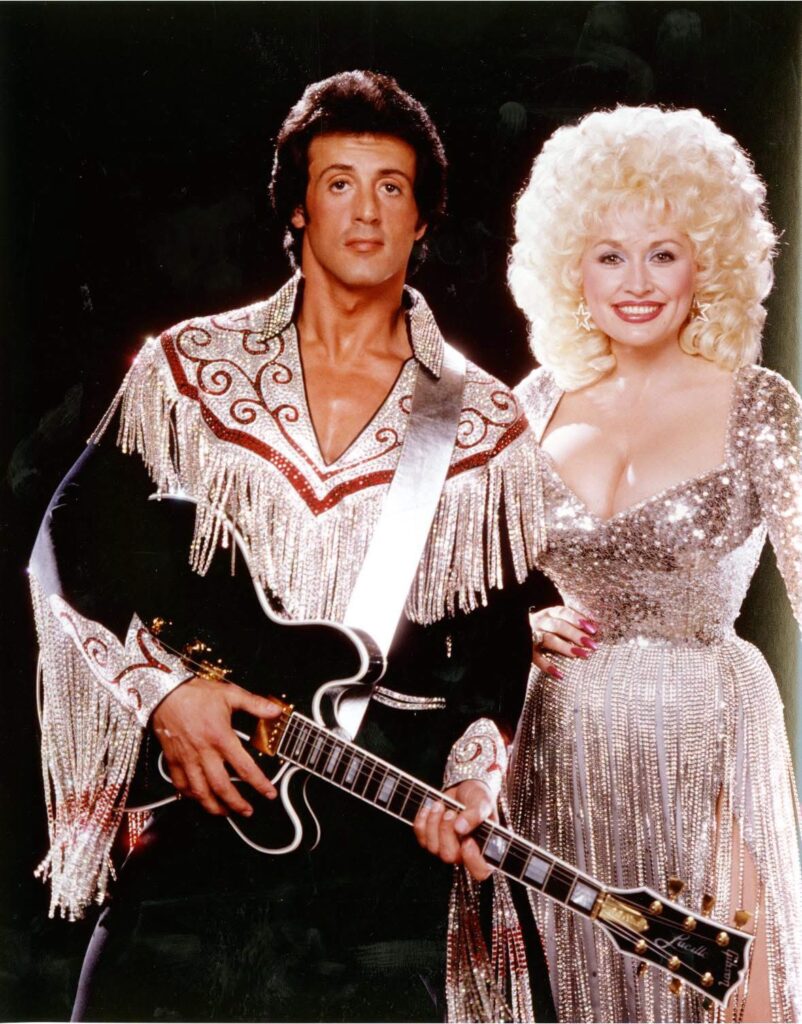
But music was only one part of Parton’s story. She successfully moved into acting, appearing in films including 9 to 5 and Steel Magnolias.
She also became a businesswoman, building Dollywood, a theme park in Tennessee that grew into one of the state’s major tourist attractions.
Away from entertainment, Parton became equally recognised for her philanthropic work.
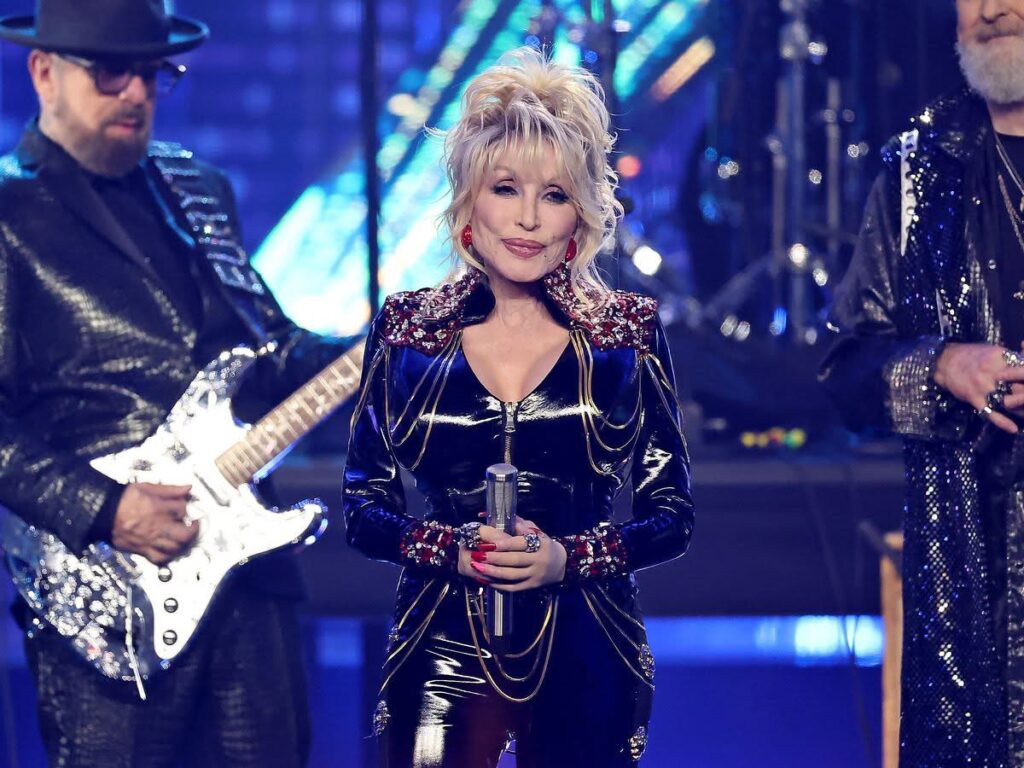





In 1995, she launched the Imagination Library, a programme created to encourage children to read by providing them with books.
What began as an initiative in her home community eventually expanded internationally, distributing hundreds of millions of books to children.
The programme was particularly personal to Parton because of her own family’s experience with education. Her father could not read or write, and Parton often spoke about wanting to help children develop a love for reading.
Her philanthropy became an important part of the legacy she built alongside her music and entertainment career.
That combination of talent, business and giving back helped make Parton an unusual figure in the entertainment industry.
She was able to remain commercially successful while also developing projects that continued to affect people’s lives away from the stage.
News of her death has prompted tributes from musicians, actors and other public figures, with many remembering not only her contribution to music but also her personality, humour, generosity and ability to connect with audiences.
Parton’s appeal also came from her ability to remain unmistakably herself.

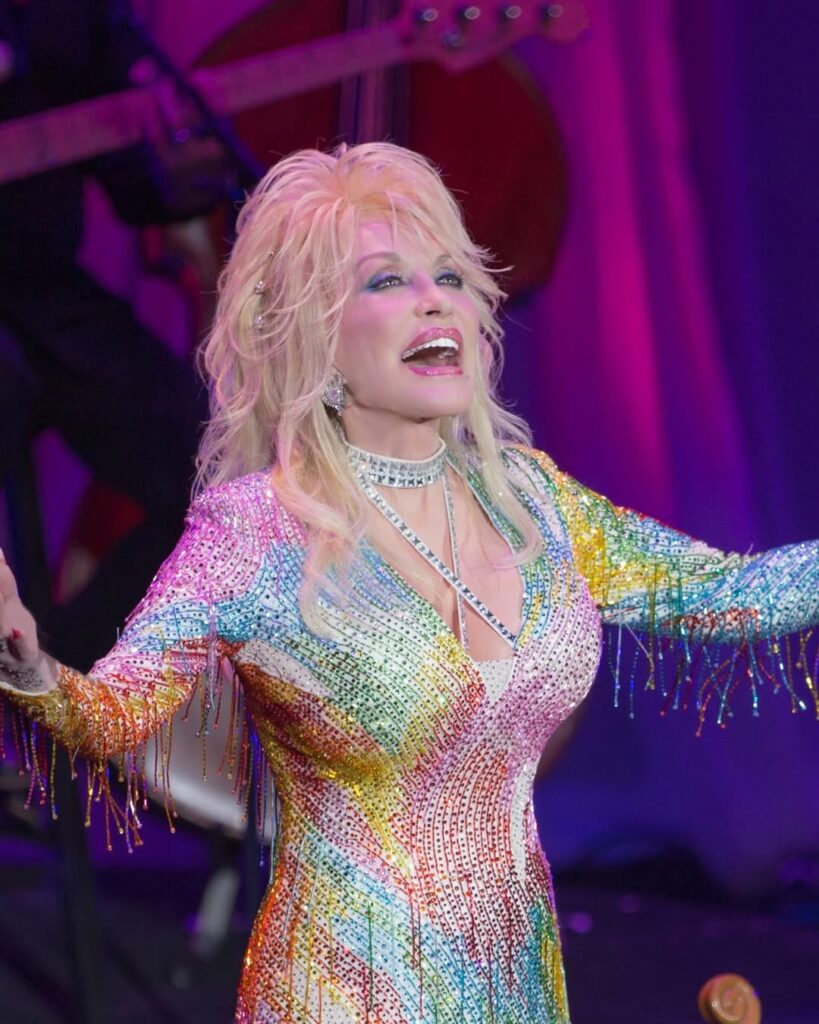

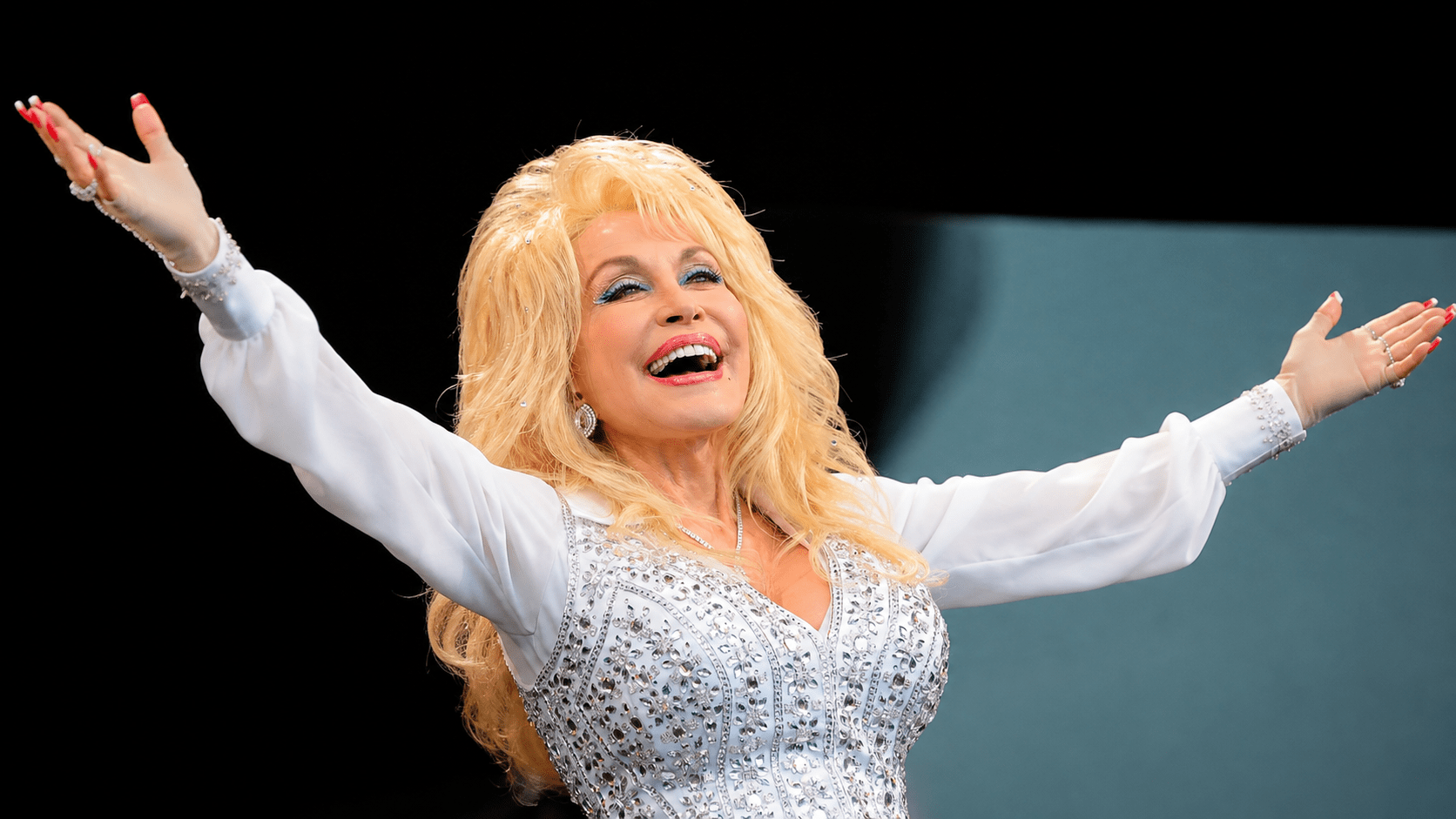
Her distinctive voice, appearance, sense of humour and songwriting style made her instantly recognisable. Over the years, she became one of those rare entertainers whose name could be recognised even by people who had never listened closely to her music.
For audiences in Eswatini, her passing is another reminder of the reach of popular culture. Music has a way of travelling far beyond the places where it is created.
A song written in Tennessee can eventually become familiar to someone thousands of kilometres away, crossing borders, generations and cultures along the way.
Parton’s music carried stories of love, heartbreak, work, family and perseverance. These were stories rooted in her own experiences but understood by audiences around the world.
Her career also demonstrated the longevity possible when an artist continues to evolve. From country music and songwriting to film, television, business and philanthropy, Parton built a career that was not dependent on a single chapter.





She was inducted into the Country Music Hall of Fame and later the Rock and Roll Hall of Fame, reflecting the breadth of her influence beyond one musical genre.
Now, as tributes continue to come in from around the world, her legacy can be measured in more than records sold or awards received.
It lives in the songs that continue to be played, the films that continue to be watched, the artists who continue to perform her music and the children who have received books through the programme she created.
Dolly Parton leaves behind a career that crossed generations and borders. From rural Tennessee to stages and screens around the world, her work became part of the global entertainment landscape.
While Eswatini joins audiences across the world in remembering her, the loss is not simply that of a country music legend.
It is the passing of an entertainer whose influence reached music, film, business, philanthropy and popular culture.
Her voice may be gone, but the work she left behind will continue to speak for her.