



For much of his career, Muzi Ngwenya has worked in the space between an artist’s idea and the finished record.
He has produced songs, developed artists, engineered music, performed, written, managed a label, and helped create opportunities for people who wanted to build careers in Eswatini’s music industry.
That work has often happened away from the attention that comes with being the person holding the microphone.
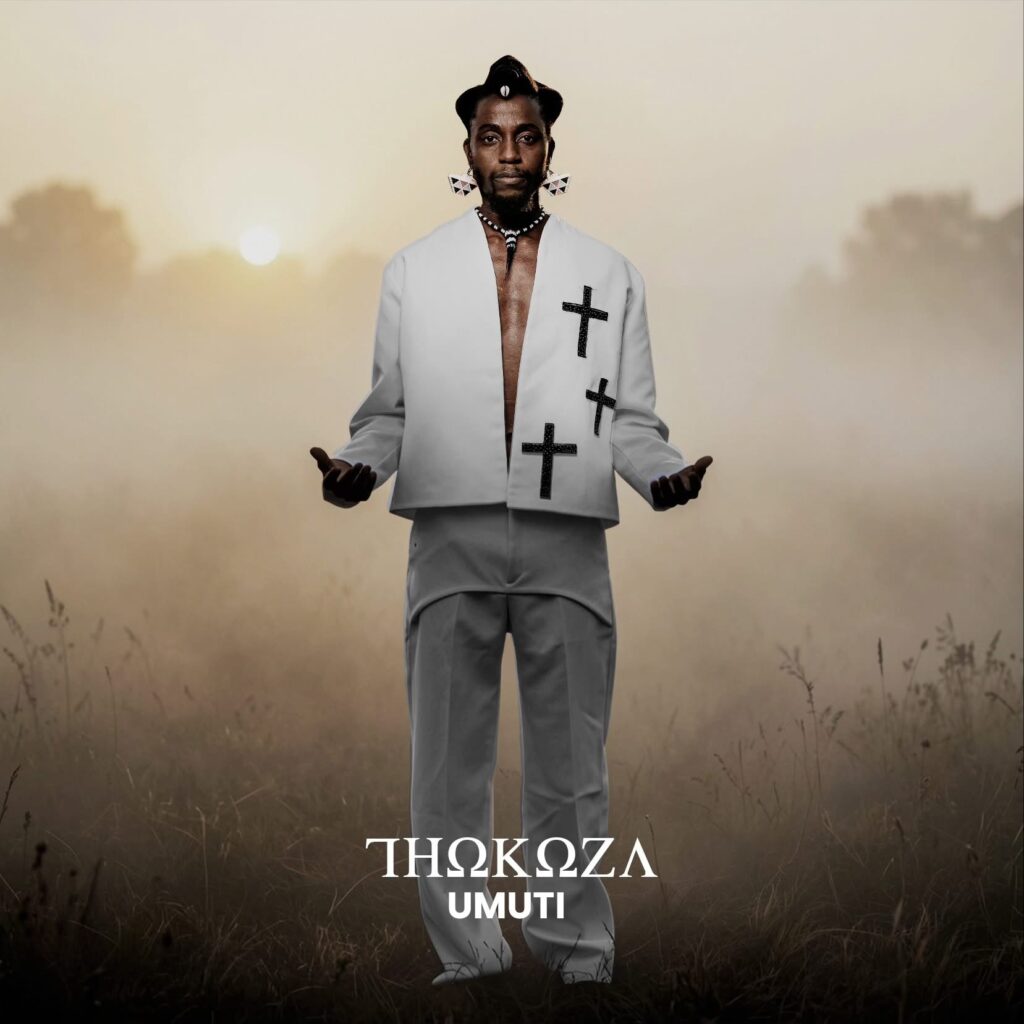
Today, known as Umuti Ngwenya, he is also putting more of his own experiences into the music. His latest album, Thokoza, released on August 28, 2026, provides an opportunity to look beyond the current project and at the career that brought him here.

Ngwenya’s relationship with music began long before he understood it as a profession. His father was a collector of music and exposed him to classical music, jazz, and soul while he was growing up. His mother took him to choir practices and music competitions from around the age of six or seven.
The environment gave him an early education in music. It also meant that music was not something he discovered later in life. It was already part of his childhood. That foundation eventually led him into formal training. Ngwenya spent two years in Scotland studying Sound Engineering and the Music Industry before returning to develop his career in Eswatini.
He went on to establish Claiming Ground Records, a label that sought to produce local music to professional and international standards. His work quickly extended beyond his own music.
Over the years, Ngwenya has been associated with artists including Nomalungelo, Tiyas, Msimisi, KrTC, Psycho Lution and Crax. His production work has also included collaborations outside Eswatini, while his credits have extended into film scores, radio voiceovers and jingles.
The breadth of the work is important because it explains why Ngwenya’s career cannot be measured only by the songs released under his own name. In the earlier part of his career, he became known as MozaikThe Producer, a name attached to production, performance,and the development of Claiming Ground.
\The period also brought recognition. His work on Siyinqaba, released in 2010, was part of an album that won Album of the Year and Hip-Hop Album of the Year. He also produced and co-wrote Imiyalo for Nomalungelo, a song that received airplay beyond Eswatini.
There were other milestones along the way, including work with South African artists and producers and involvement in projects that placed Eswatini music in wider regional conversations. But the more revealing part of Ngwenya’s story is what happened away from the awards and credits.
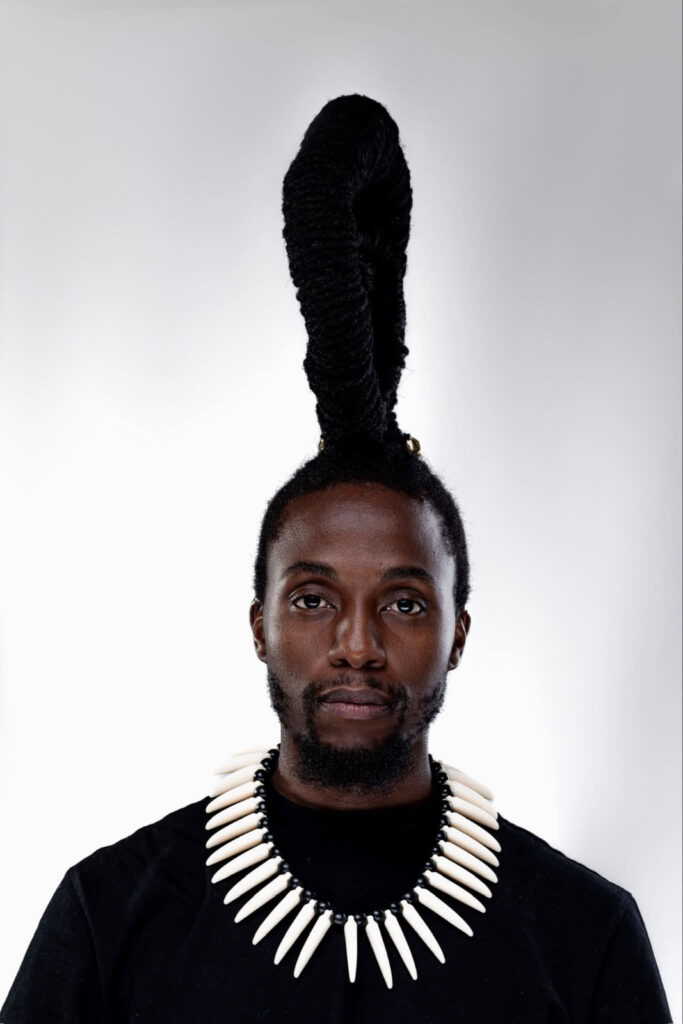
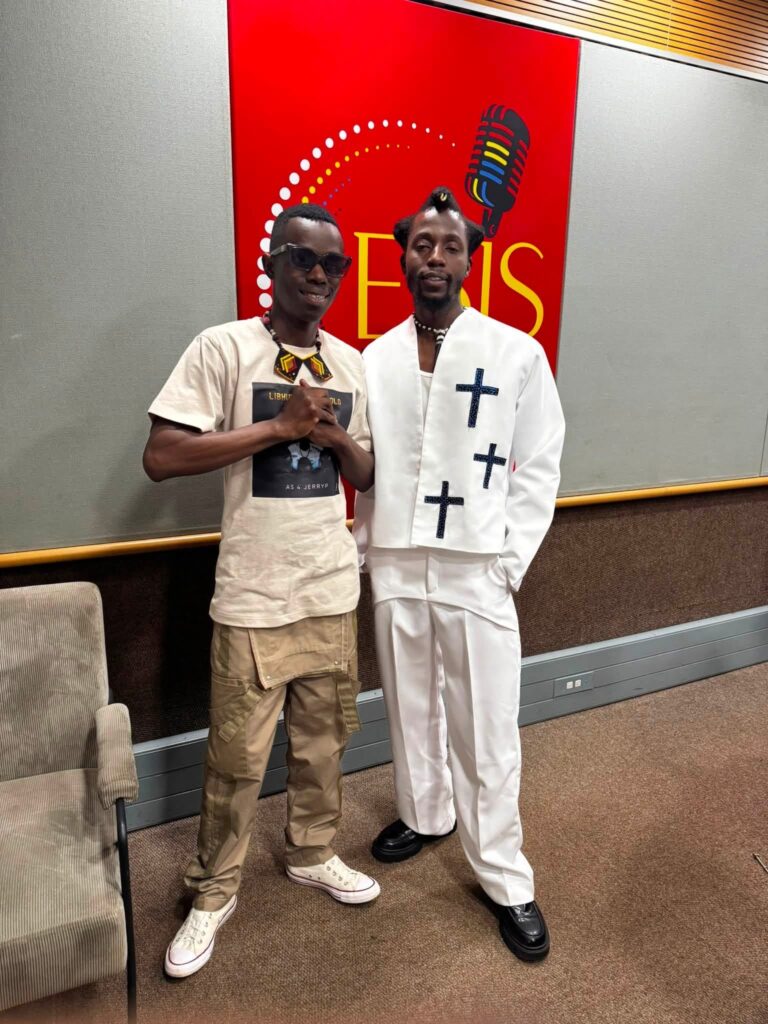
In his recent interviews, he identified being a label owner as the role that had shaped him most. It was not the answer expected from someone who had spent years making music himself.
Running a label meant that decisions no longer affected only his own career. They could affect the careers, livelihoods and ambitions of other people.
That responsibility changed his understanding of the industry. It required him to separate personal feelings from business decisions and to understand music as more than a creative pursuit.
That lesson is significant when looking at the number of artists who passed through his working environment. His contribution was not only in producing a beat or recording a song. It was also in creating a place where other musicians could develop.
Ngwenya has said that he is particularly proud of artists he helped who later went on to establish careers and businesses of their own. Some, he said, have told him that they might never have entered the industry without his influence. That part of his career also reveals something less certain about the man behind the producer.
In the interview, Ngwenya acknowledged that while he could recognise potential in other artists, there was a period when he struggled with confidence in himself. It is a frank admission from someone who had already built a reputation around helping other people find their sound.
His own development did not happen at the same pace as his professional achievements. The career was moving forward while he was still working out what he wanted from it.
That process eventually became connected to his spiritual journey. Ngwenya has spoken publicly about questioning the source of his musical gifts and what he was expected to do with them.
He describes his initiation as an experience that changed how he understood his purpose. Importantly, music did not disappear from that process. He continued to hear melodies, words, drums and beats. Music remained part of his life while he was dealing with questions that went beyond his career.





Those experiences now inform Thokoza, a 14-track album dealing with spirituality, identity, healing, personal growth and happiness.
In an August interview, Ngwenya said the album reflects his attempt to find a balance between honouring his calling and allowing himself to experience happiness as a person. The album therefore arrives after years of work rather than as an isolated new beginning.
At 41, Ngwenya is still working through what his career means and what he wants his contribution to be. He has not presented Thokoza as the final word on that question. The work continues, as does the responsibility that has followed him from the studio into the lives of the artists he has helped.
For a man who has spent years helping other people find their sound, the next part of his career may be measured by how much of that experience he can turn into something of lasting value for himself, his artists and the music industry around him.