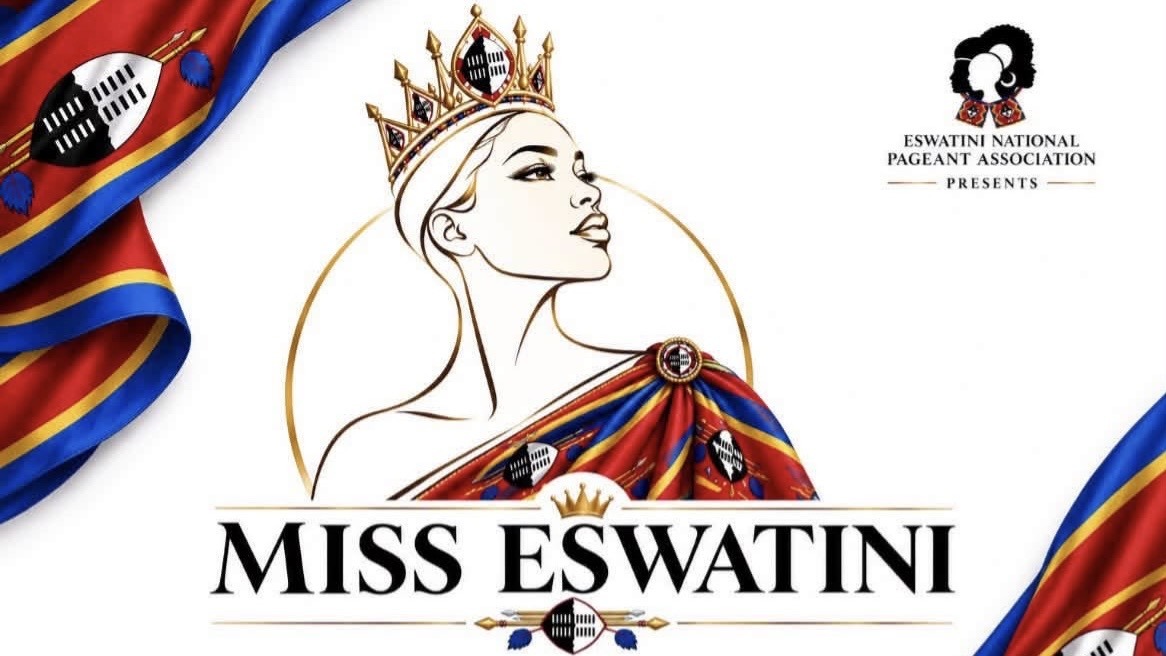




Newly appointed Miss Eswatini National Director and Licence Holder Khethiwe Alexandra believes the Miss Eswatini platform can evolve into far more than a national beauty competition, positioning the institution as a vehicle for tourism promotion, youth empowerment, entrepreneurship, investment attraction and greater international visibility for Eswatini.
Speaking following her appointment, Alexandra said the newly established Eswatini Pageant Association intends to reposition the national pageant as a modern platform capable of contributing to the country’s broader economic and development agenda.
“My vision is for Miss Eswatini to become much more than a national beauty pageant. I see it as a national platform for economic growth, tourism promotion, youth empowerment and international visibility for Eswatini,” Alexandra said.


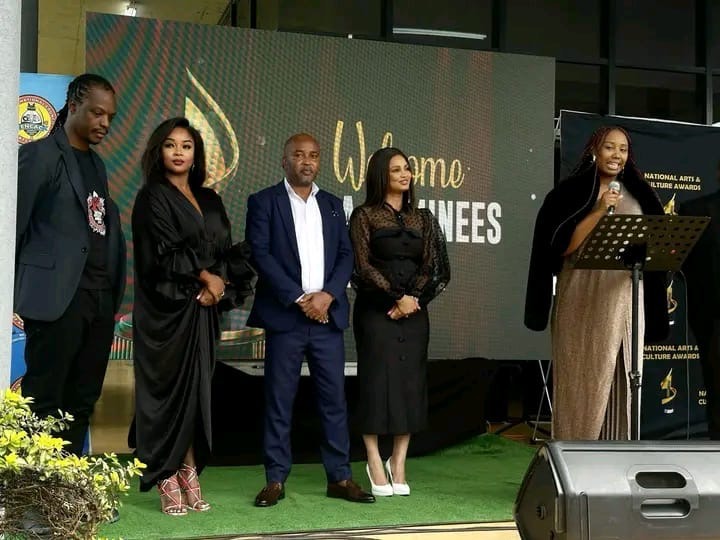
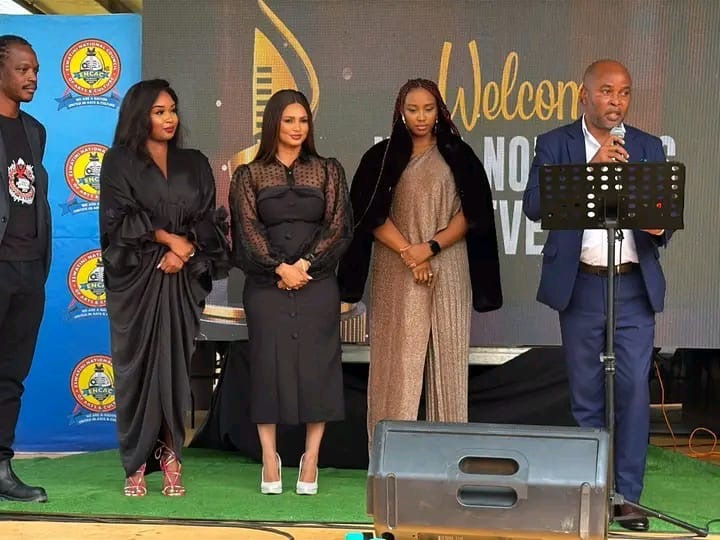
Her vision comes as the Eswatini National Council of Arts and Culture (ENCAC) unveiled the Eswatini Pageant Association on Tuesday at the MTN Golf Park in Ezulwini, establishing a new institutional framework for the country’s pageantry industry.
The association is chaired by former Miss Eswatini Nompilo Mncina, who represented Eswatini at the Miss World pageant in 2009. Its committee brings together expertise spanning pageantry, corporate governance, beauty, fashion, sport, media, communications and entrepreneurship.
Among its members are Alexandra, former international footballer and sports administrator Mfanafuthi “Taribo” Bhembe, lawyer and fashion entrepreneur Pinky Glover, and journalist and broadcaster John Pires, Managing Editor of the Eswatini National News Network (ENNN).
The association has been entrusted with restoring dignity, credibility and professionalism to Eswatini’s pageantry industry, while overseeing the hosting and development of Miss Eswatini.
For Alexandra, the opportunity presents a chance to build a national brand that can operate at the intersection of culture and commerce.
“We have a beautiful country with a rich culture, unique traditions, incredible landscapes and enormous potential. I believe Miss Eswatini can become one of the platforms through which we tell that story to the world,” she said.
She sees the titleholder not simply as a representative of beauty, but as an ambassador capable of communicating Eswatini’s tourism offering, cultural identity, investment opportunities and entrepreneurial potential to audiences beyond the country’s borders.
“When our representatives travel internationally, attend events or engage with international organisations, they should be able to speak confidently about what Eswatini has to offer,” Alexandra said.


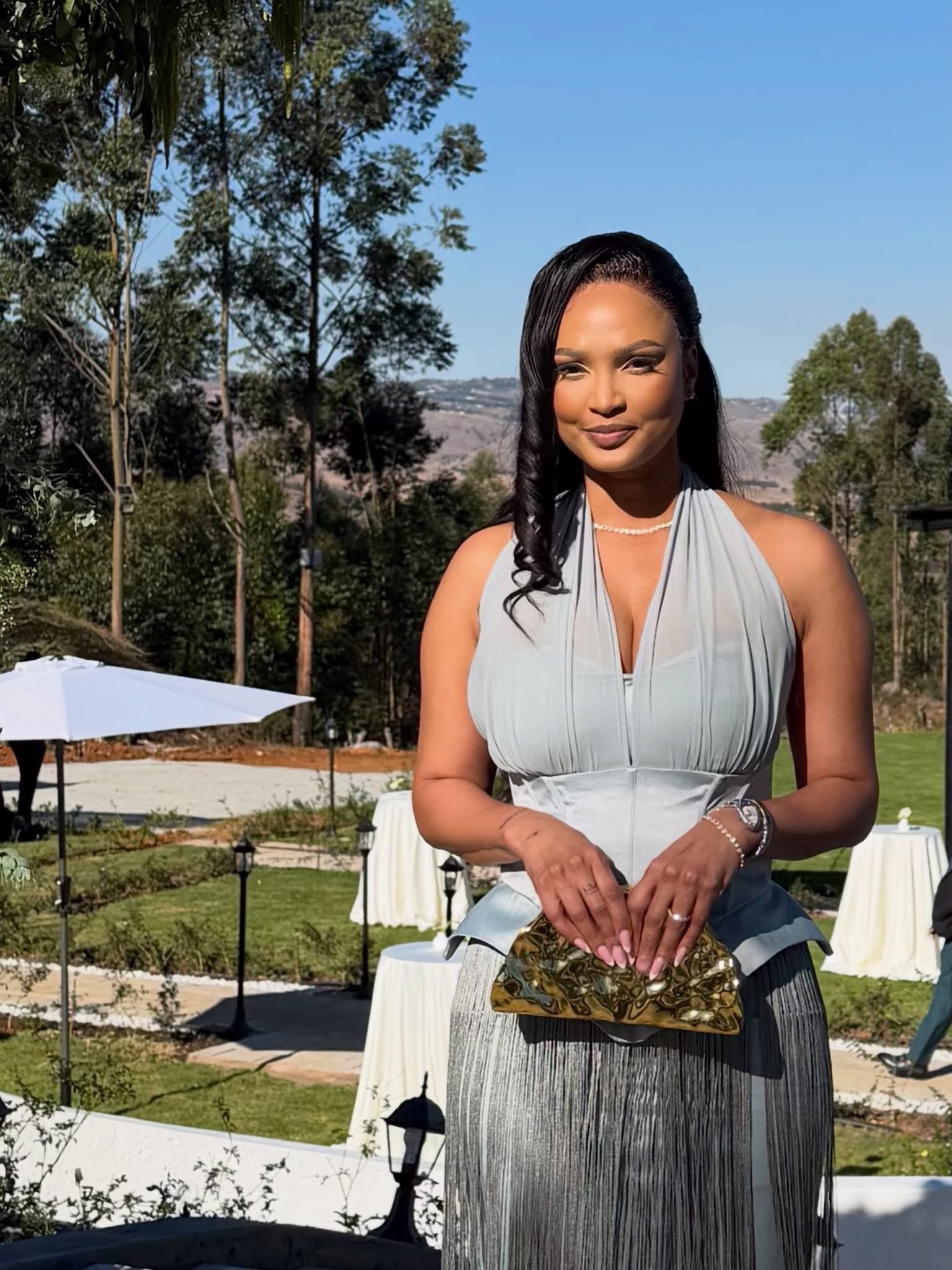
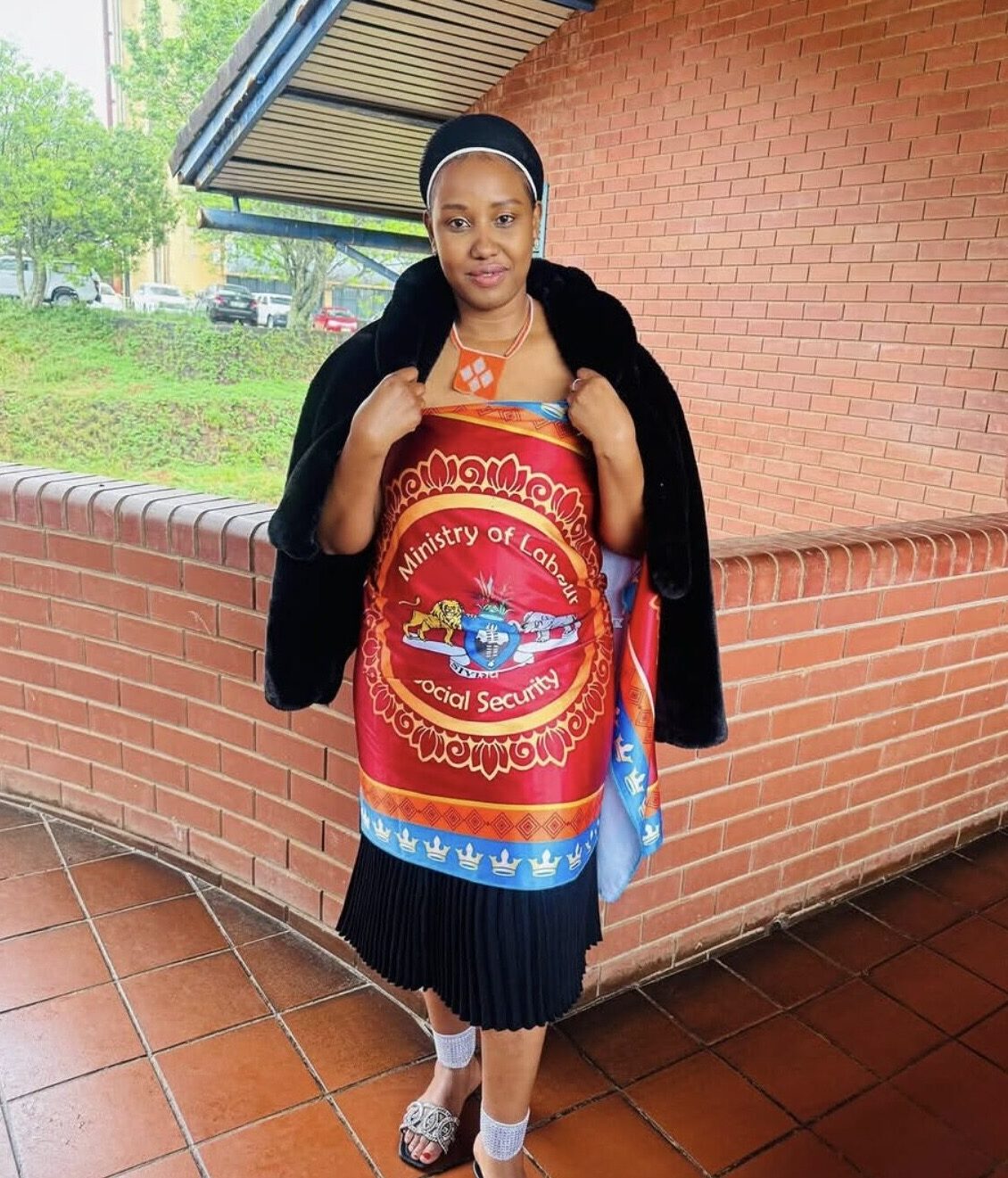
That repositioning will also extend to the opportunities available to contestants. Alexandra said the association wants young women to view the pageant as a potential gateway to leadership, entrepreneurship, employment, international exposure and participation in economic development.
The approach reflects a broader attempt to shift the conversation around national pageantry from the competition itself towards the value that can be generated around the platform.
“We want to move from simply asking, ‘Who will wear the crown?’ to asking, ‘What can this crown help us build?’” she said.
According to Alexandra, the association is exploring opportunities to connect young women with the private sector, tourism operators, investors, entrepreneurs, corporates and development organisations through initiatives such as mentorship, leadership development, entrepreneurship, business networking and skills development.
Tourism will be a particularly important component of that strategy. Alexandra believes Miss Eswatini can help package and communicate the country’s cultural and tourism assets to international audiences, using the visibility of the titleholder to promote Eswatini’s heritage, festivals, wildlife, landscapes, hospitality and tourism experiences.
She also sees an opportunity for the platform to contribute to investment promotion by creating conversations around Eswatini as a destination for business and strategic partnerships.
“We also want to use the platform to promote Eswatini as a place where businesses can explore opportunities and partnerships,” she said.
The association’s ambitions therefore extend beyond staging an annual competition. It intends to strengthen the governance and professional structures surrounding Miss Eswatini, while improving contestant preparation, corporate partnerships, communications and the overall positioning of the national title.


Alexandra, who will also contribute a marketing, communications, public relations and strategic partnership perspective, said building strong relationships with the private sector and tourism stakeholders will be central to developing the brand.
“I see enormous potential for Miss Eswatini to become a platform that connects the beauty industry with the broader economy, particularly tourism, business, investment, youth development and international relations,” she said.
She also believes that communication will be critical to the success of the repositioning.
“We need to tell the world a compelling story about Eswatini, who we are, what makes us unique and, importantly, what investment opportunities exist here,” Alexandra said.
The upcoming edition of Miss Eswatini will consequently be expected to reflect the association’s new direction, with Alexandra promising a competition that celebrates Eswatini’s culture and women while presenting a more contemporary vision of national pageantry.
The next titleholder will represent Eswatini at the Miss World 2027 Festival in Tanzania, placing additional importance on preparation and the responsibilities attached to the crown.
Alexandra said contestants should understand that the role carries responsibilities beyond public appearances and competition, particularly when representing the country internationally.
“They are potentially stepping into a role as young ambassadors for Eswatini,” she said, emphasising that the ambassador should uphold the association’s commitment to the dignity, reputation, laws, customs, traditions and national interests of the Kingdom of Eswatini.





For Alexandra, the ultimate measure of the new Miss Eswatini platform will be its ability to create tangible value.
“If the platform can help one young person find an opportunity, encourage one entrepreneur, attract one visitor, create one strategic partnership or introduce one potential investor to Eswatini, then the pageant is already creating value beyond the stage,” she said.
The association’s establishment thus marks an attempt to place Miss Eswatini within a broader national narrative, one in which pageantry becomes a platform for cultural diplomacy, youth development, tourism marketing and commercial opportunity.
Alexandra’s message for the next chapter is straightforward: the crown should carry the country’s story beyond the competition. “We want our contestants to understand that they are not simply competing for a crown. They are potentially stepping into a role as young ambassadors for Eswatini.”
And, she says, the message those ambassadors carry should be equally clear: “Come and experience Eswatini. Come and discover our culture. Come and invest in our people. Come and explore our opportunities.”