


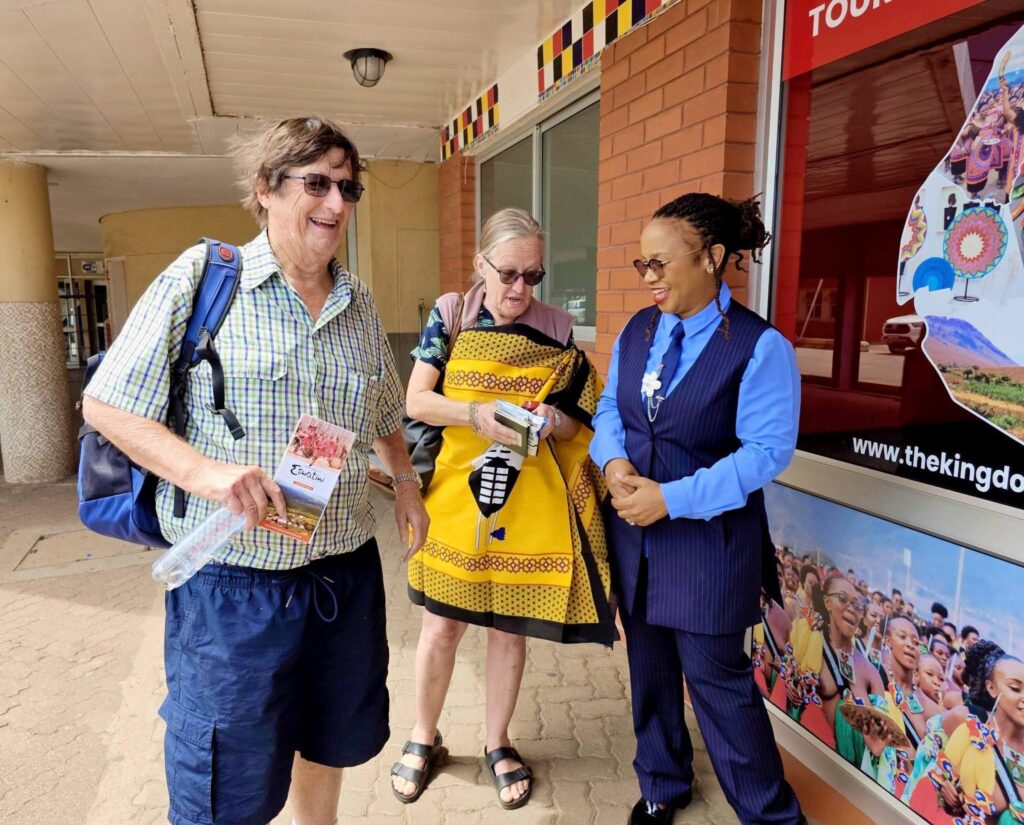

Brazil, a country known for its vibrant cultural traditions, expansive landscapes and globally recognised travel destinations, has appeared on Eswatini’s tourism radar as an emerging market.
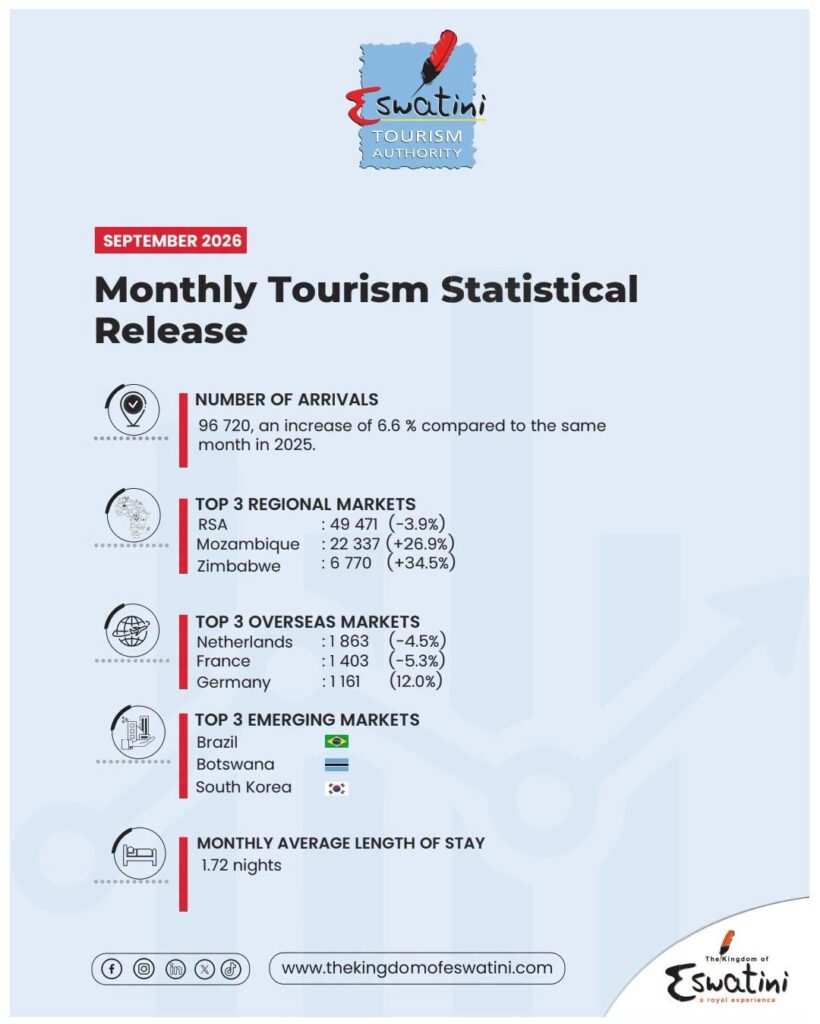
Its inclusion alongside Botswana and South Korea in the Eswatini Tourism Authority’s September 2026 tourism statistics offers an interesting starting point for considering where the Kingdom’s tourism story could go next.
The September Monthly Tourism Statistical Release does not provide arrival figures for Brazil or indicate how many Brazilian travellers visited Eswatini during the month.

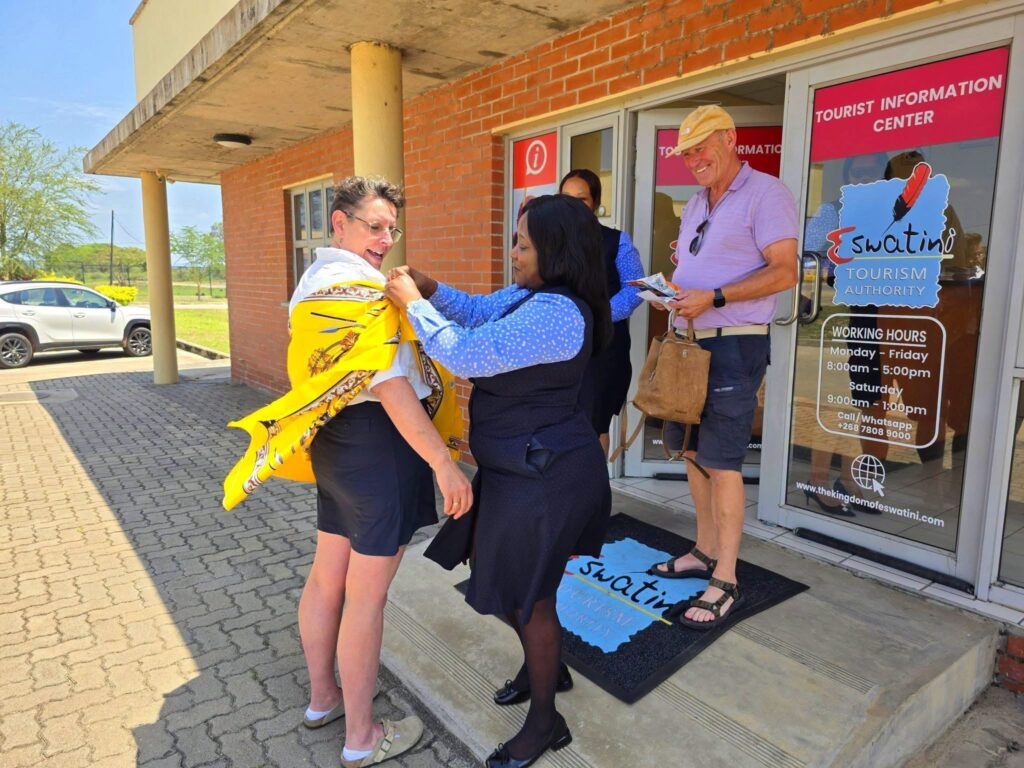
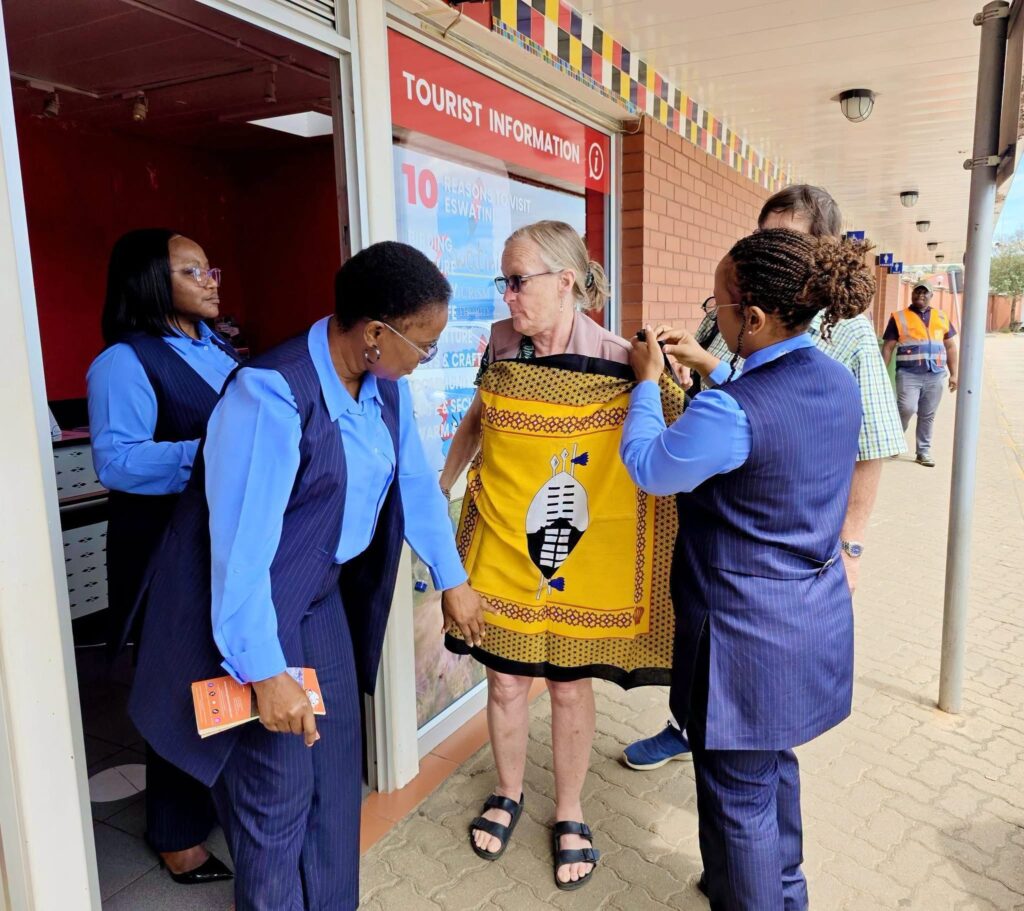


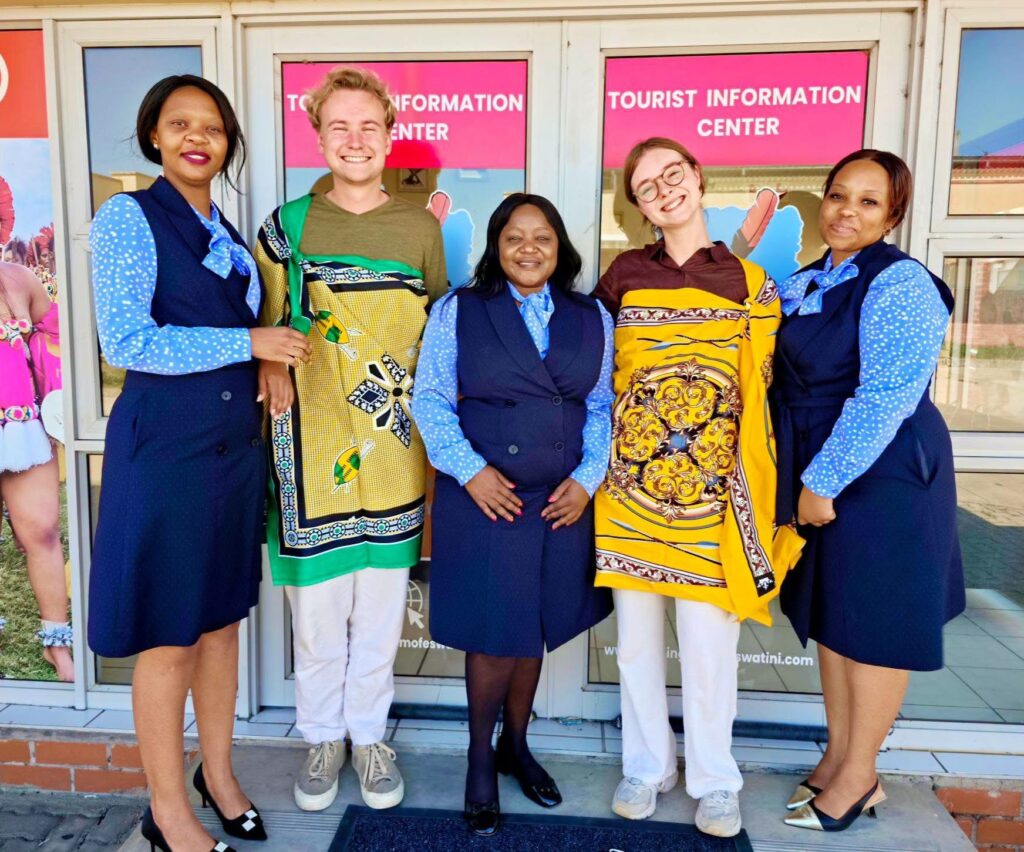
However, its identification as an emerging market places the country among the markets the Authority is watching, bringing a new dimension to the conversation about Eswatini’s international tourism prospects.
For a destination with mountains, wildlife, cultural heritage and distinctive local experiences, the question is not simply where visitors currently come from, but how the Kingdom can introduce itself to travellers who may know little about what it offers.
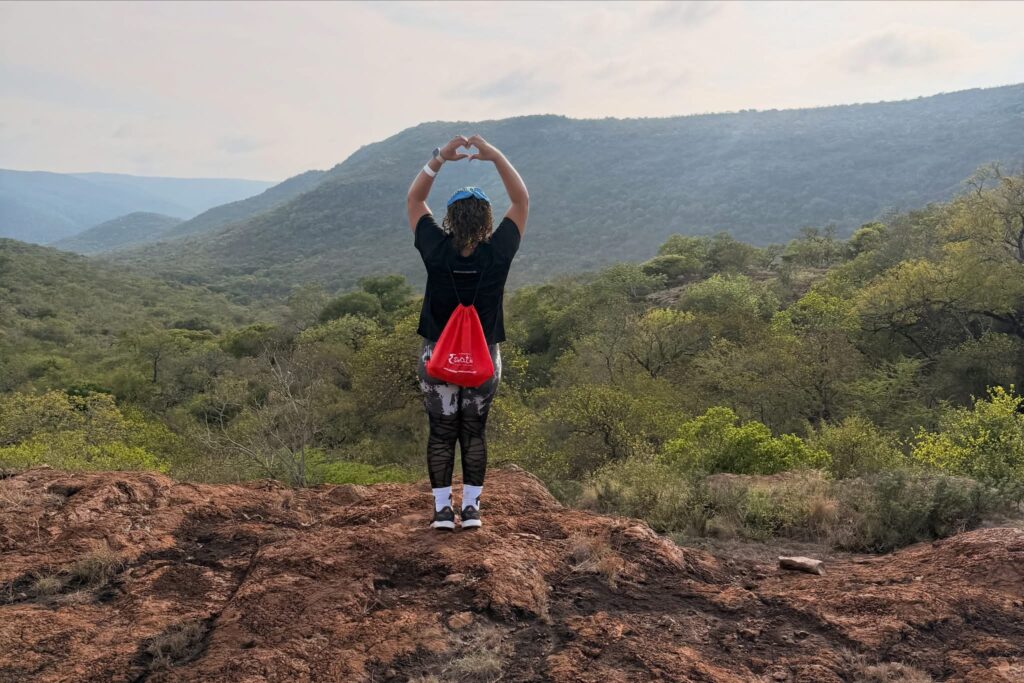
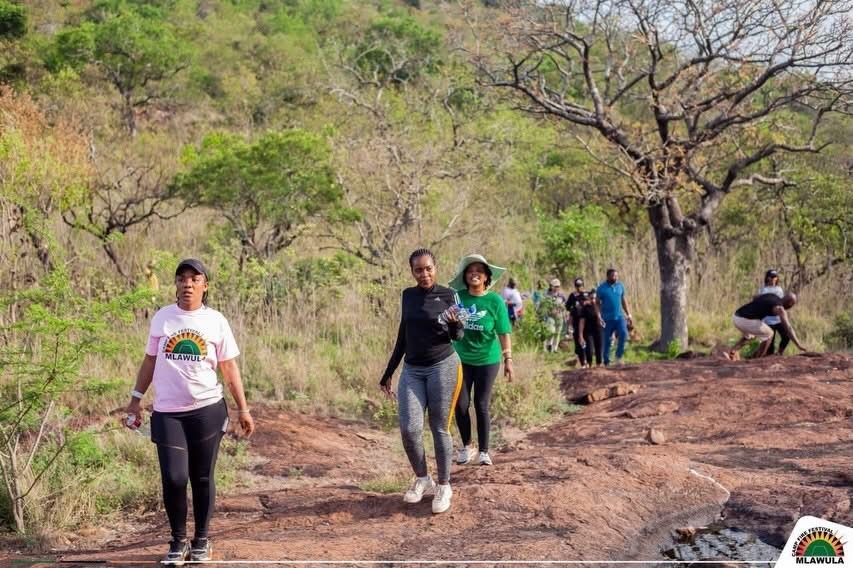
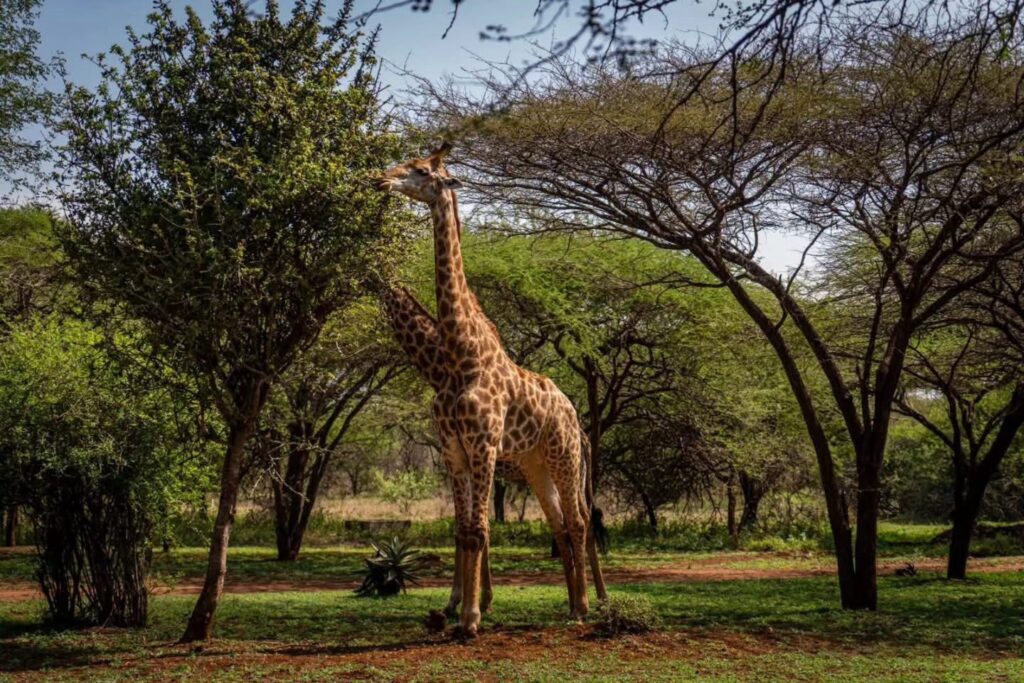
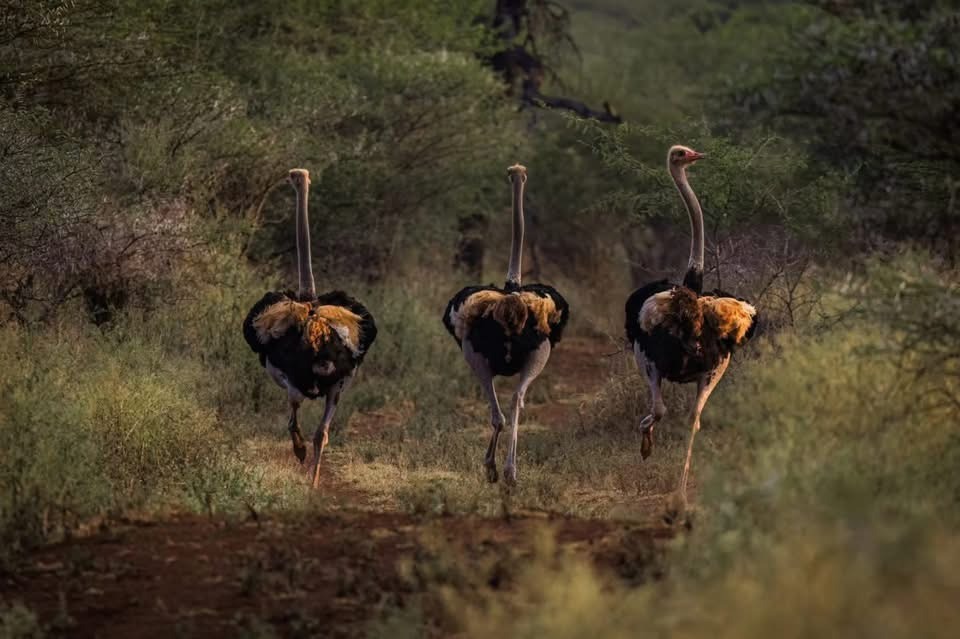
Eswatini has a tourism experience that can be explored at different paces. A visitor might spend a morning surrounded by mountain scenery, an afternoon browsing locally made crafts and an evening enjoying traditional food or a cultural performance. Others may prefer wildlife encounters, guided walks, outdoor adventures or a quiet stay at a lodge away from the demands of everyday life.
These experiences provide a foundation for presenting Eswatini to international audiences, including potential visitors from markets beyond its immediate neighbourhood.
Brazil’s appearance in the September report is particularly interesting because it sits alongside a tourism market that remains strongly regional.
The Kingdom recorded 96,720 arrivals in September 2026, representing a 6.6% increase compared with the same month in 2025. South Africa remained the leading regional source market, contributing 49,471 arrivals, although this was a 3.9% decline year on year.




Mozambique accounted for 22,337 arrivals, an increase of 26.9%, while Zimbabwe contributed 6,770 arrivals, up 34.5%. Together, these figures illustrate the importance of neighbouring countries to Eswatini’s tourism activity and the different movements taking place within the regional market.
The overseas figures offer another perspective. The Netherlands recorded 1,863 arrivals, down 4.5%, while France contributed 1,403, a decline of 5.3%. Germany recorded 1,161 arrivals, reflecting a 12.0% increase.
Brazil, Botswana and South Korea were identified as the top three emerging markets in the release. Unlike the established regional and overseas markets, however, the infographic does not provide arrival totals or percentage changes for these three countries.
Their inclusion should therefore be understood as an indication of emerging-market interest rather than evidence of a confirmed increase in visitors from Brazil.
For Eswatini’s tourism sector, this distinction matters. Identifying a market is one step; understanding its travellers, reaching them with relevant information and making the destination accessible are separate parts of building a stronger international presence.
Brazil has a large domestic tourism sector and a broad range of international travel experiences. Its travellers are not a single audience with identical interests, which makes it important to avoid assuming that one type of holiday would appeal to everyone.


For Eswatini, the opportunity would lie in presenting experiences that can be understood and planned by visitors unfamiliar with the country.
Nature-based activities, wildlife viewing, cultural encounters, hiking and opportunities to discover local food and crafts could all feature in that conversation.
The Kingdom’s geographical scale can also be an advantage for travellers building a wider Southern African itinerary. Rather than requiring a separate, lengthy holiday, Eswatini can be considered as a destination within a broader journey through the region.
One figure in the September report deserves attention alongside the emerging-market list: the average length of stay was 1.72 nights.
Although the release does not explain why visitors stayed for that length of time, the figure raises a practical consideration for the industry.
Attracting people to Eswatini is only one part of the tourism experience. Encouraging them to spend more time exploring the country can create additional opportunities for accommodation providers, restaurants, guides, activity operators and other businesses.
For a traveller with several destinations on an itinerary, the decision to stay longer may depend on how easily experiences can be combined. A mountain excursion, a cultural visit, a wildlife activity and a meal featuring local flavours can offer different reasons to extend a trip, provided visitors have the information and arrangements needed to enjoy them.
The same approach can serve travellers from established markets and those who may be discovering Eswatini for the first time. Residents can also benefit from a more visible tourism offering, with local attractions and accommodation options presenting opportunities for short breaks and weekend escapes.
A broader visitor market could create new possibilities, but those opportunities depend on the experiences available on the ground and the ability to connect them with the right audiences.
The overall arrival figure of 96,720, the increases recorded in Mozambique and Zimbabwe, and Germany’s 12.0% year-on-year growth provide a snapshot of activity across established markets.
Brazil’s appearance among the emerging markets adds another element to that picture, although further data would be needed to measure its actual contribution.





For a lifestyle traveller, the appeal of Eswatini ultimately comes down to what a visit makes possible: time outdoors, encounters with local culture, distinctive food, wildlife and the chance to experience a destination at a different pace.
If Brazil becomes a more significant source market in the future, the opportunity will be to introduce those experiences to travellers who may not yet have considered the Kingdom.
For now, its inclusion on the Tourism Authority’s emerging-market list offers a starting point for that conversation, with the September statistics showing both the strength of regional travel and the wider horizons Eswatini is exploring.