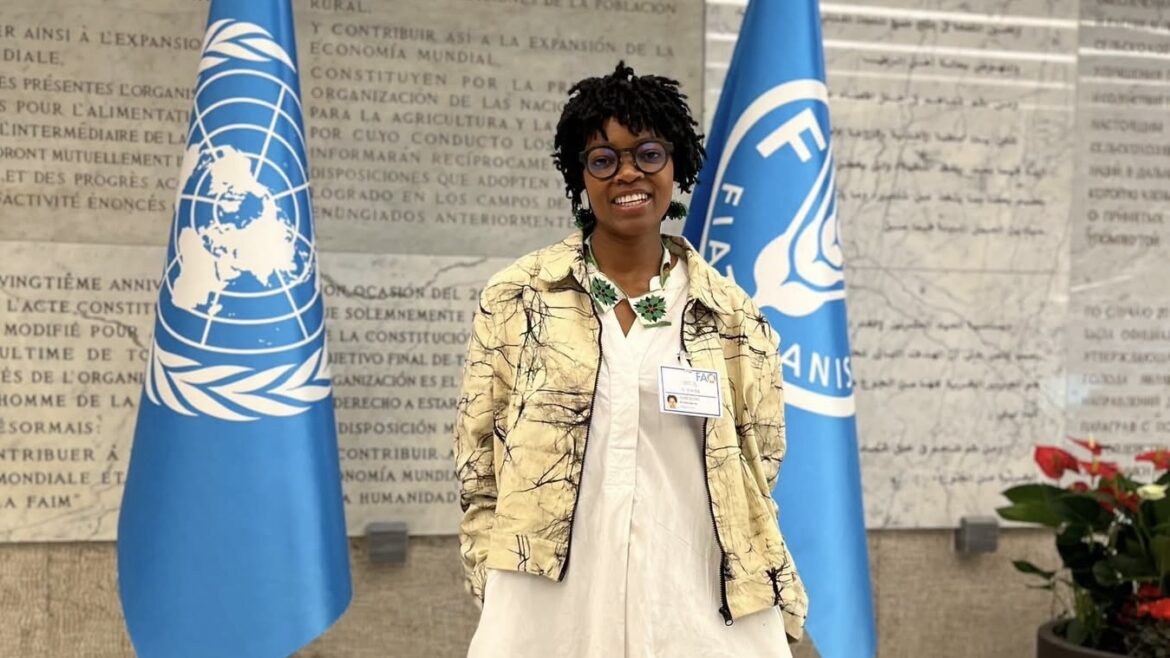


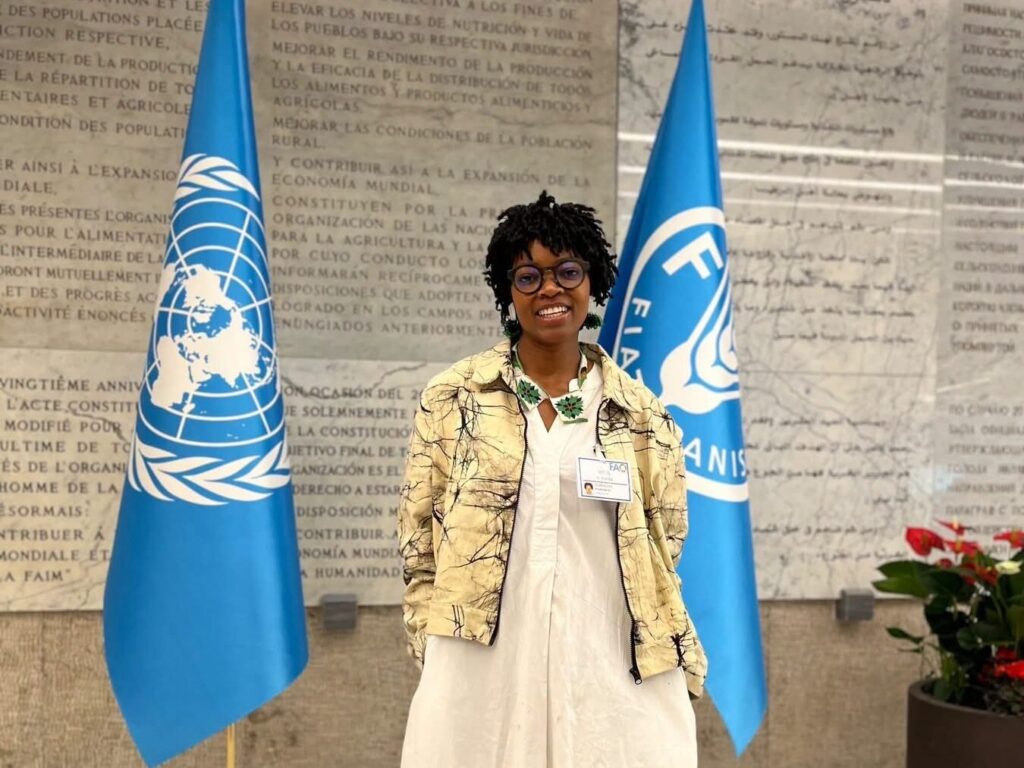

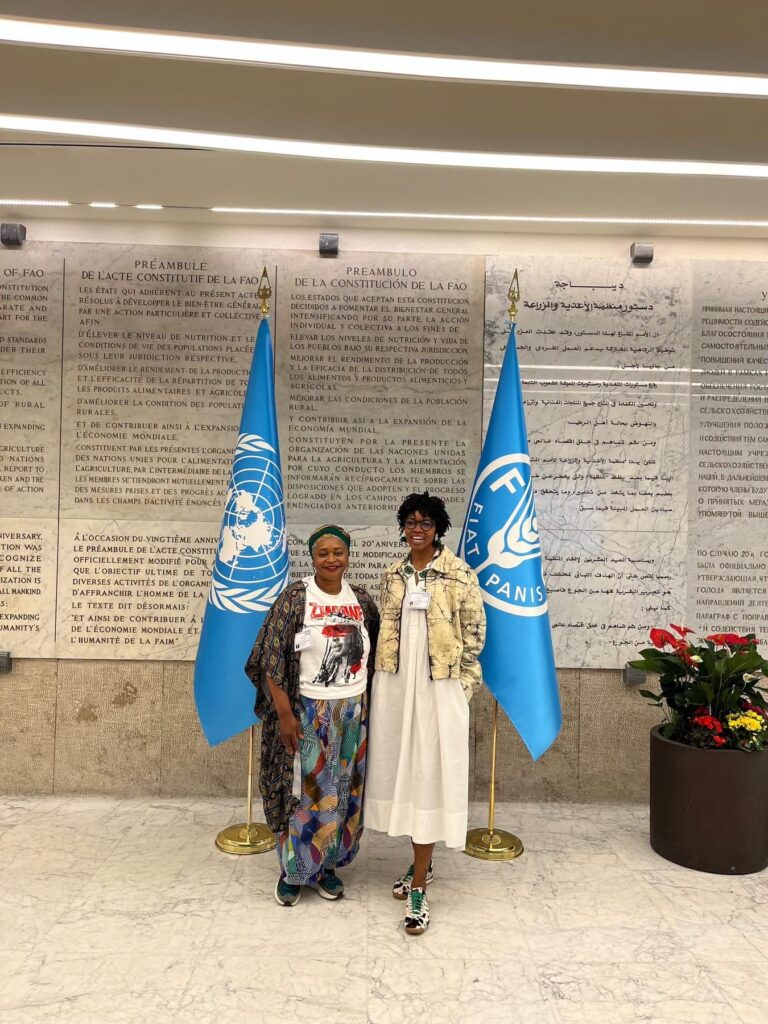
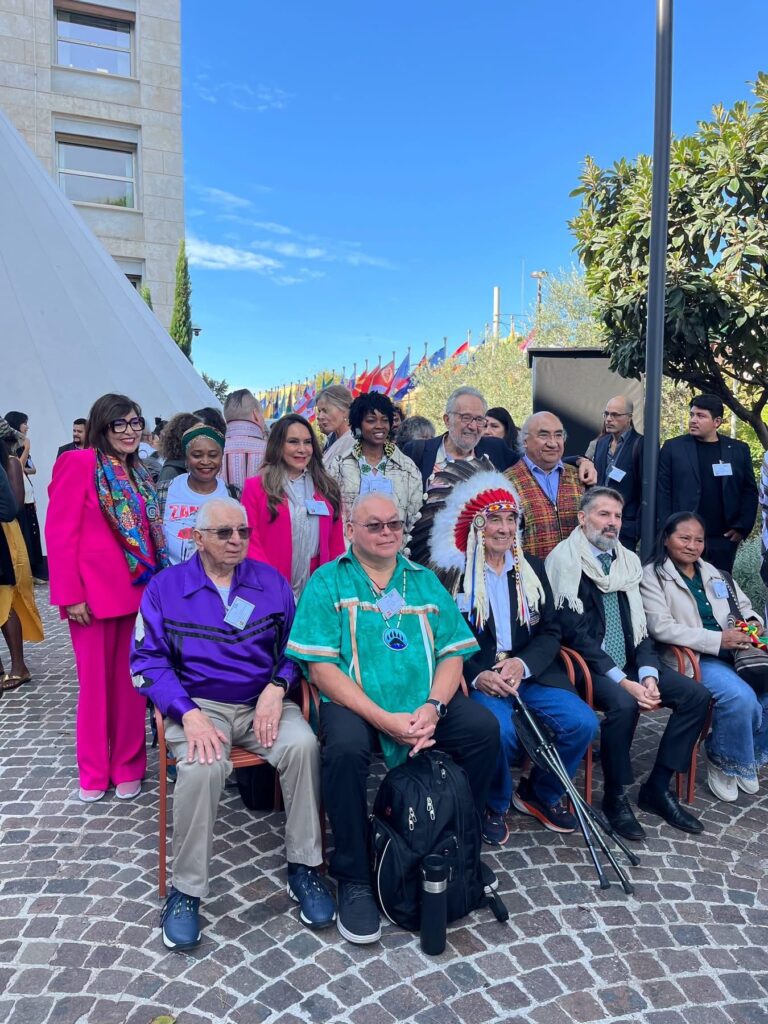
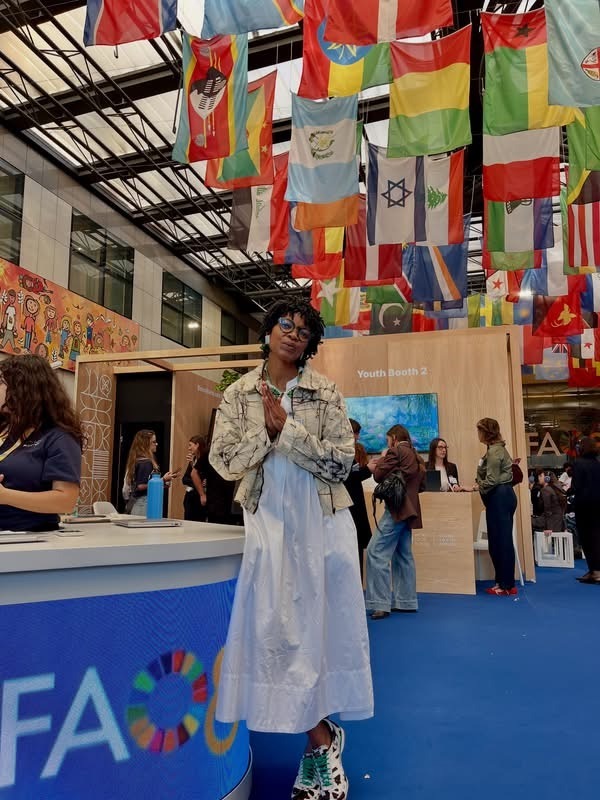
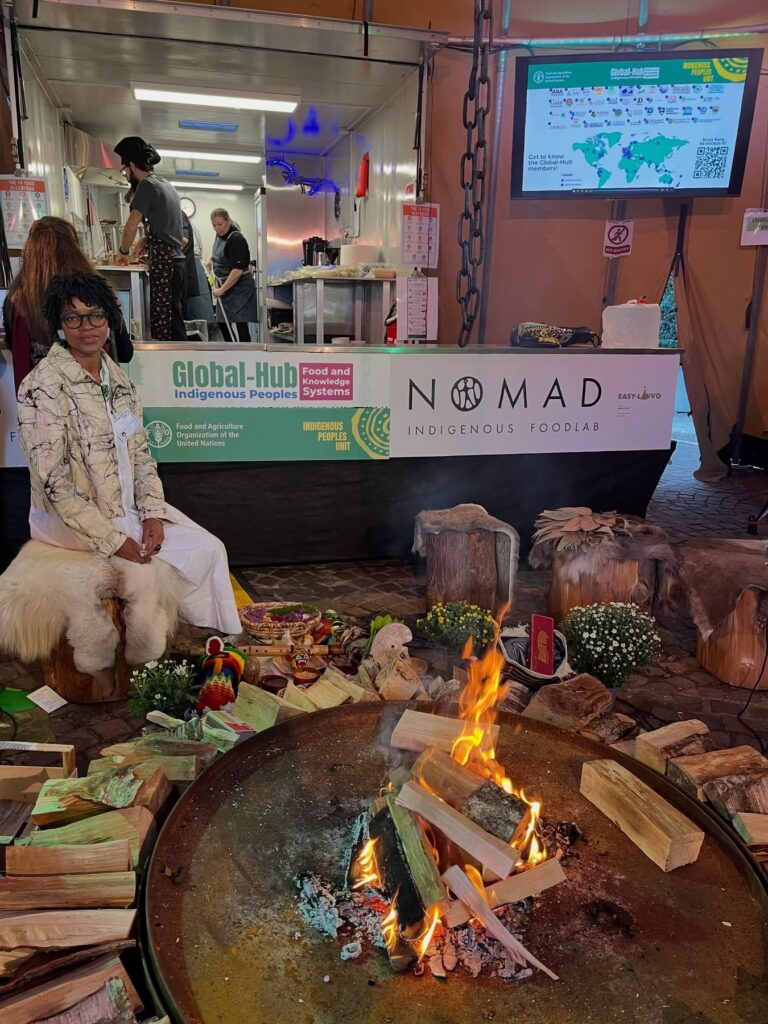
Eswatini’s indigenous food heritage is being presented on an international platform this week as culinary curator Nozipho Sasha Thorne represents the country at the fourth annual meeting of the Global-Hub on Indigenous Peoples’ Food and Knowledge Systems in Rome, Italy.
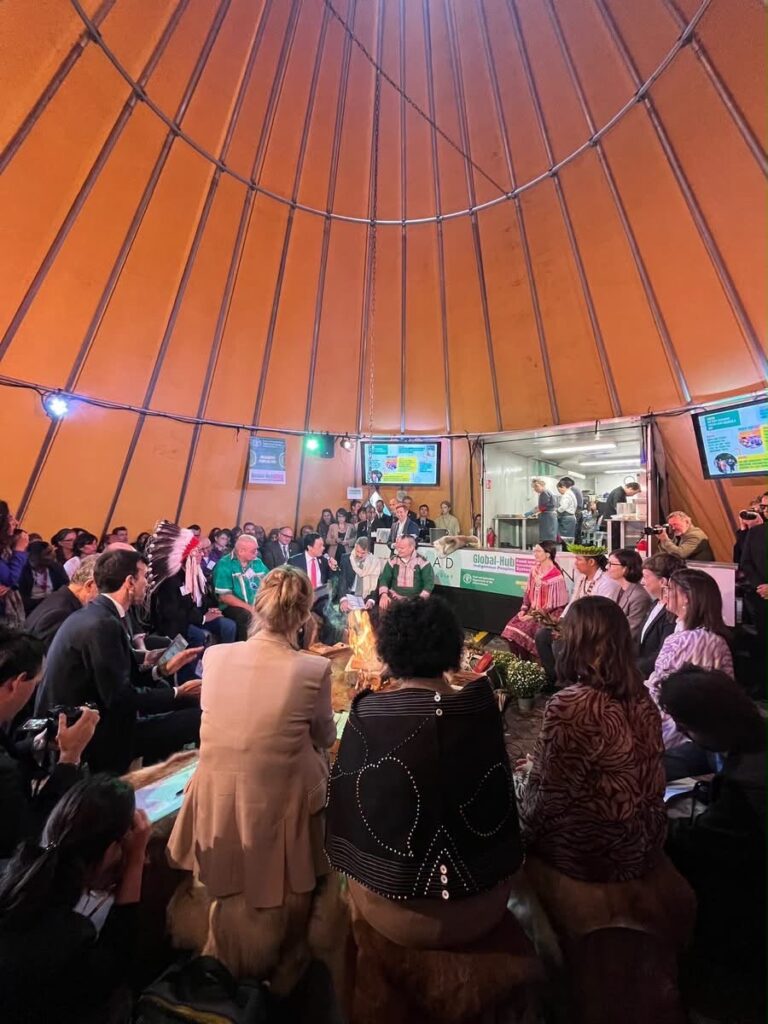
The meeting, taking place from October 12-16 at the headquarters of the Food and Agriculture Organization of the United Nations (FAO), brings together Indigenous knowledge holders, researchers and experts to exchange knowledge and explore the role of traditional food systems in addressing global challenges.
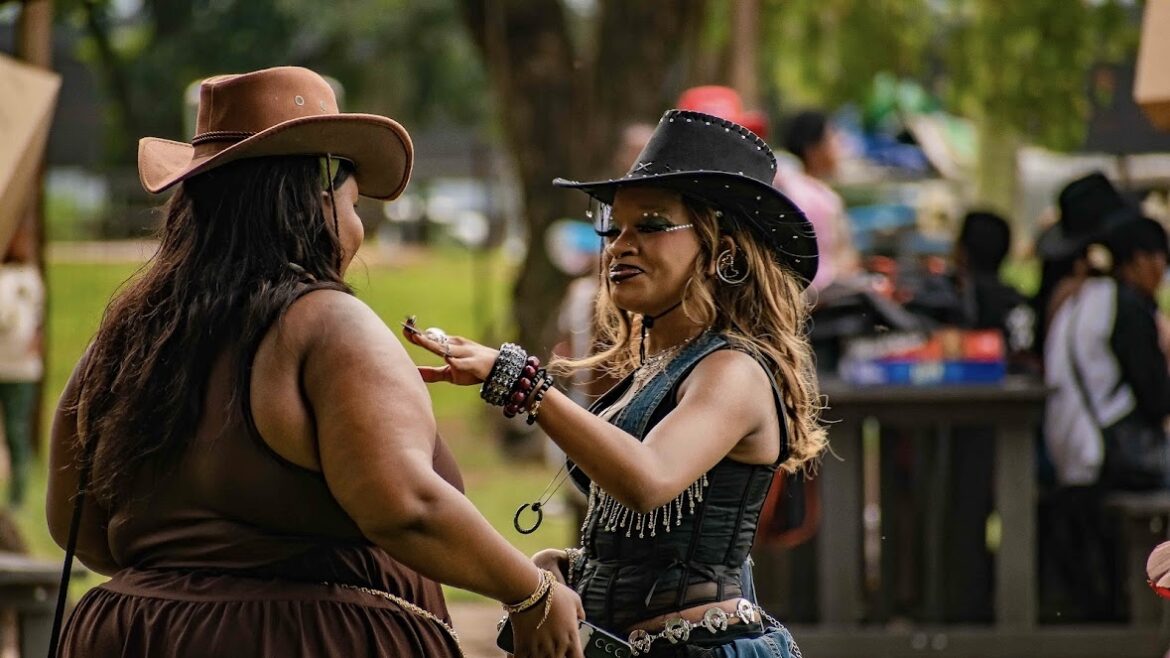
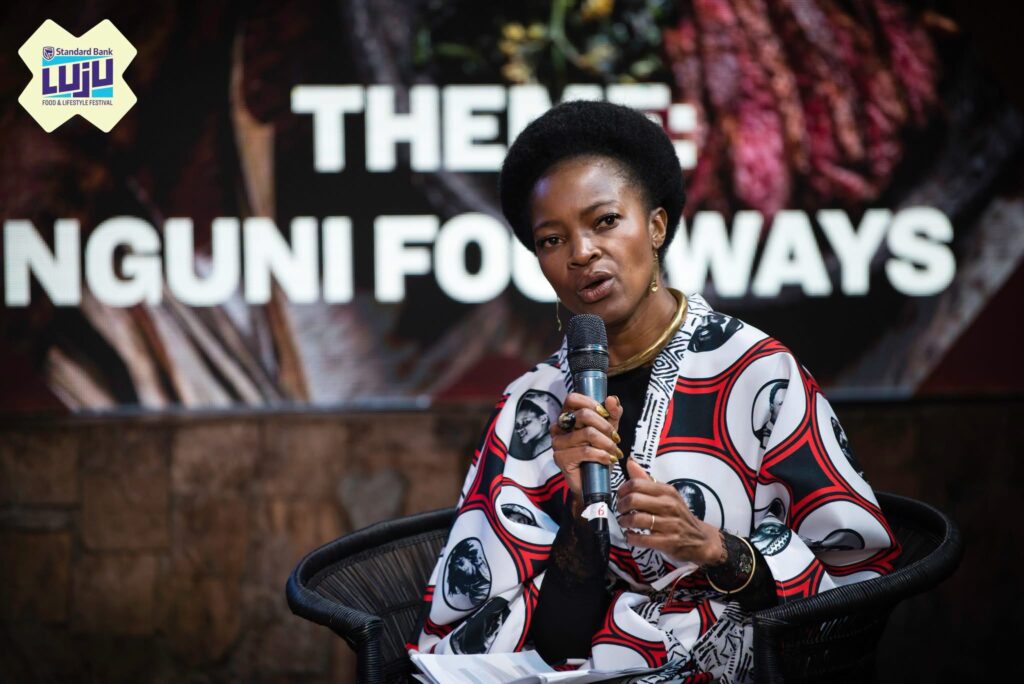
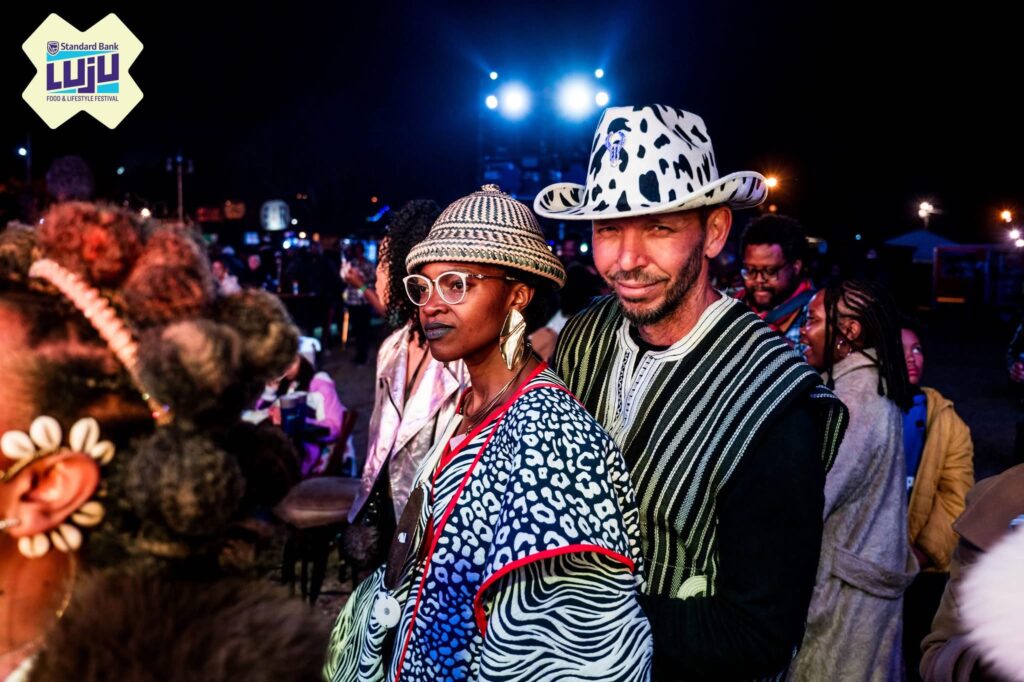
Thorne is also an important part of the culinary offering at the Standard Bank Luju Food & Lifestyle Festival, where food is presented as an expression of culture, heritage and identity.
Through her culinary curation, she contributes to the festival’s exploration of African ingredients and food traditions, helping bring indigenous knowledge into conversations about contemporary cuisine.
Her work at Luju complements her work through Mongi Botanicals, where she focuses on indigenous plants, foraging and the knowledge associated with their uses.
Together, these platforms allow her to introduce audiences to local ingredients while drawing attention to the communities and traditions that have kept this knowledge alive.
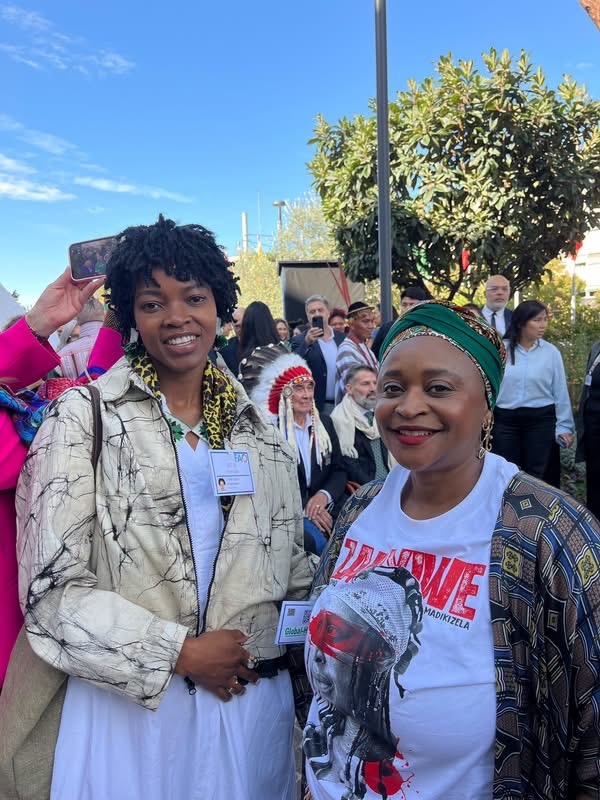
Thorne is attending following an invitation from the FAO, alongside South African culinary consultant and indigenous food chef Mokgadi Itsweng. Their participation includes a presentation on Africa Day, focusing on indigenous botanical teas, grains and legumes.
The gathering forms part of the wider World Food Forum programme, which this year is being held under the theme ‘Innovate Today. Nourish Tomorrow’


The forum brings together participants working across food production, research, sustainability and agricultural development.
For Eswatini, Thorne’s participation places the country’s traditional ingredients and food knowledge within an international discussion about the value of indigenous food systems and the communities that have preserved them.
Thorne is the founder of Mongi Botanicals, a venture focused on indigenous botanicals, foraging and the formulation of products using local plant knowledge.
She also works as a culinary curator for food and lifestyle festivals, including MTN Bushfire and the Standard Bank Luju Festival.
Her work centres on reconnecting people with indigenous ingredients and knowledge that have been passed down through generations.
Through Mongi Botanicals, she works with communities and indigenous knowledge holders, exploring the uses of local plants and bringing that knowledge into contemporary food and wellness conversations.
In previous interviews, Thorne has spoken about the importance of recognising the value within rural communities, particularly their knowledge of plants, traditional foods and natural resources.
She has also highlighted how food can provide a way to discuss broader issues, including community development, culture and environmental sustainability.
The Africa Day presentation with Itsweng will focus on botanical teas, grains and legumes. These ingredients form part of wider African food traditions and offer opportunities to examine how indigenous crops and plants can be used, understood and valued today.
Itsweng has also worked extensively to promote indigenous African ingredients, particularly traditional grains such as sorghum and millet. Her work has explored their culinary uses, nutritional value and place in African food heritage.
The Global-Hub meeting is designed to give Indigenous knowledge and scientific research equal standing, creating space for knowledge holders and researchers to exchange experiences and contribute to discussions about food security, biodiversity and sustainable food systems.





Following the Rome programme, Thorne’s journey will continue to Milan, where she is scheduled to visit and deliver a presentation at the University of Gastronomic Sciences.
The institution, founded in 2004 by Slow Food in collaboration with the regions of Piedmont and Emilia-Romagna, focuses on the cultural, scientific, ecological and social dimensions of food.
The visit will provide another opportunity to present Eswatini’s food heritage in an international setting and engage with an institution whose work examines food through culture, sustainability and biodiversity.
Thorne’s participation comes as interest grows in the preservation and recognition of indigenous food knowledge across the continent.
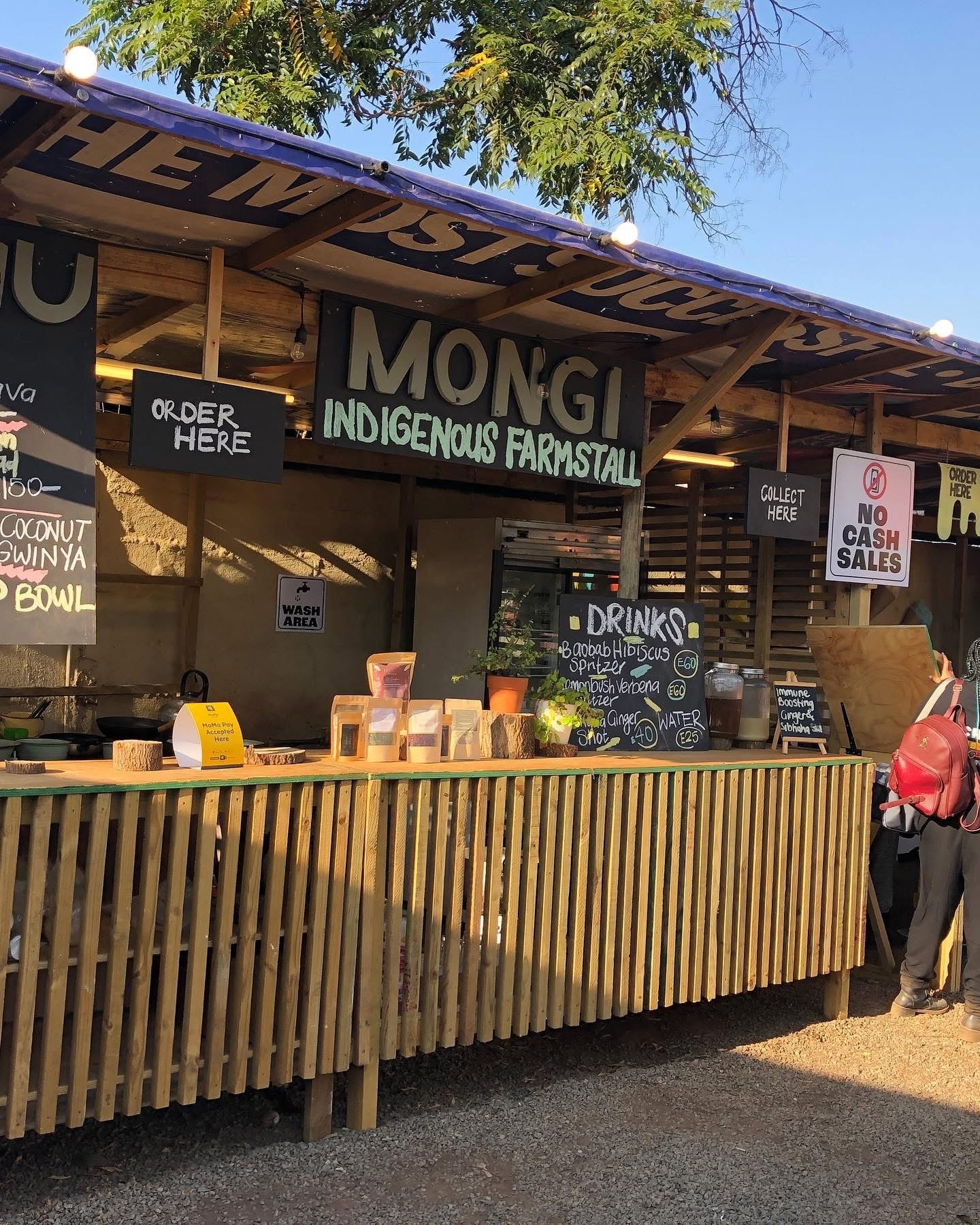
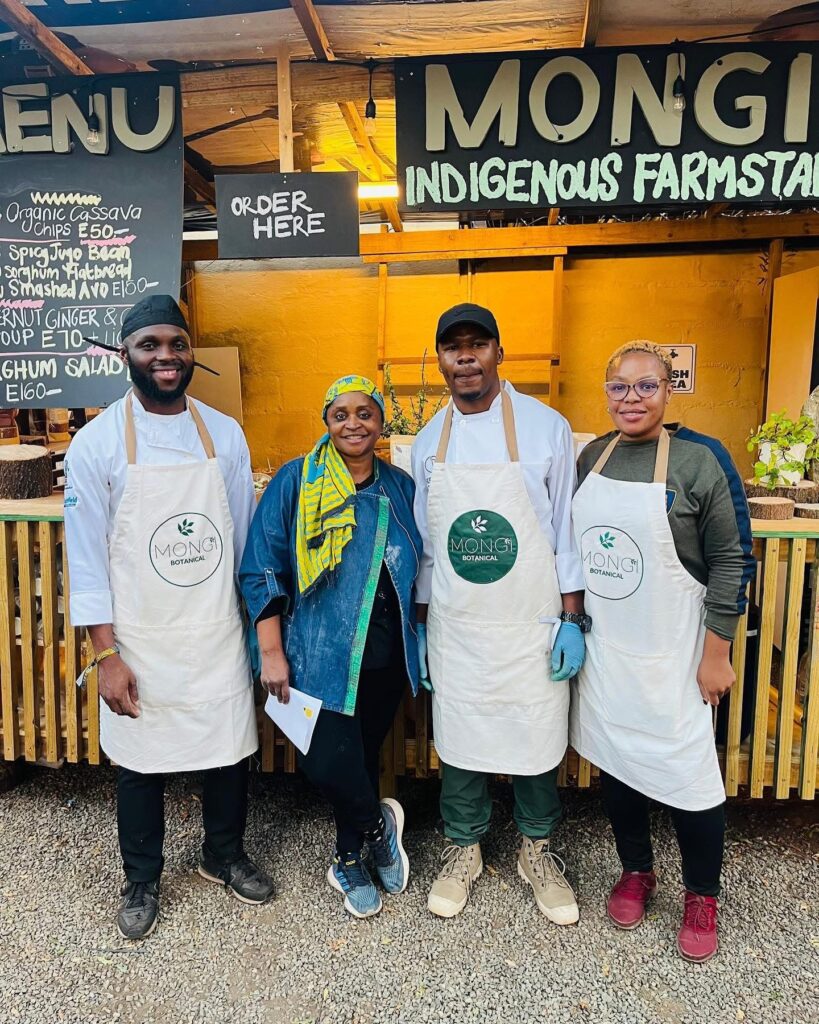
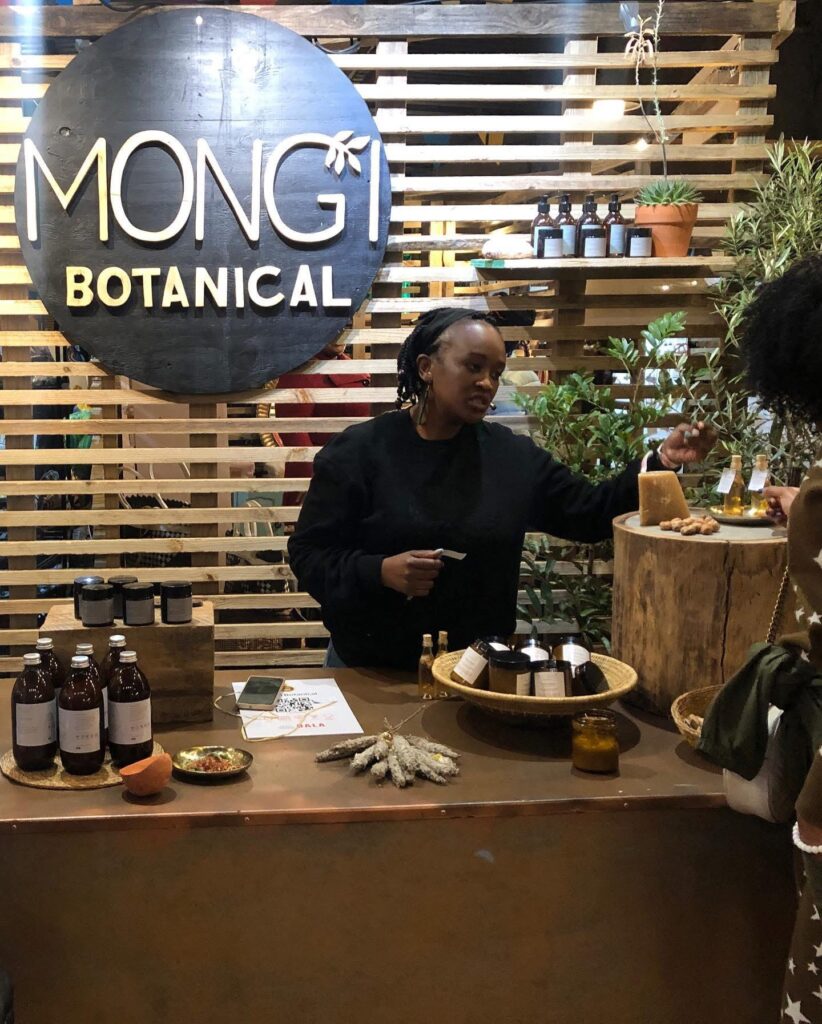
Her work through Mongi Botanicals and food festival curation has focused on making traditional ingredients more visible and encouraging people to recognise their place in contemporary food culture.
Through the presentations in Rome and Milan, Eswatini’s indigenous botanicals, grains and legumes will form part of a wider conversation about the relationship between food, heritage, communities and the environment.