


The creative sector has called for greater access to markets and opportunities to supply the government, as local designers, manufacturers, artists and entrepreneurs seek to grow their businesses.
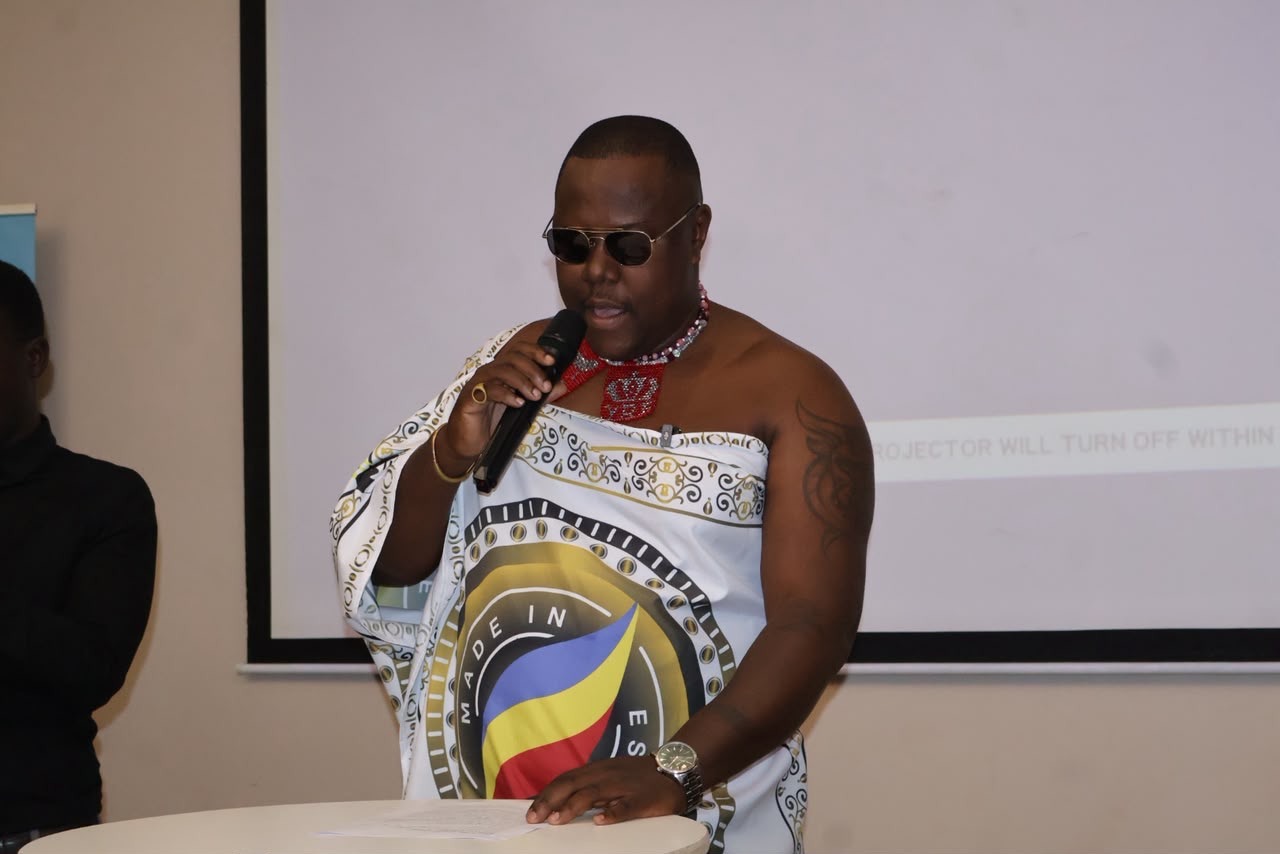
The call was made by Chairman of A Peculiar People, Melusi Zox Dlamini, during the IP Runway: The Business of Fashion Workshop at Royal Villas on Thursday.
Speaking on the theme ‘Why Made in Eswatini®’ , Dlamini said Eswatini has a growing number of entrepreneurs, innovators, designers and creators producing quality products, but many continue to face challenges with visibility, market access, opportunity and trust.
He said the sector could contribute to the country’s job creation efforts if local creatives were given the necessary support.
Dlamini proposed that Government consider public procurement as one way of developing the creative and manufacturing sectors.
Where local capacity exists, he said Government could explore localising the design and production of apparel for security forces, healthcare personnel and other public institutions.
According to Dlamini, Government becoming a major customer of local businesses could create predictable demand, allowing entrepreneurs to invest in their businesses, expand production and employ more people.
He said this could also keep more money circulating within the local economy and contribute to strengthening the country’s manufacturing base.
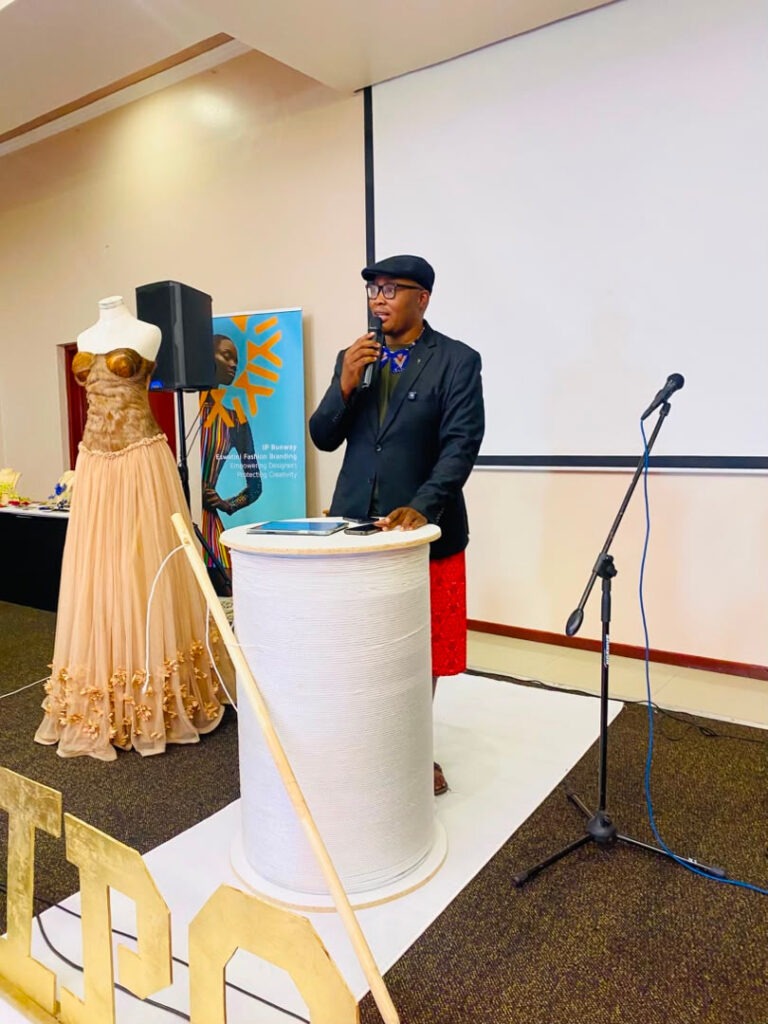
“We are not asking for favours. We are asking for opportunities to compete, to produce, to learn and to grow,” he said.
Dlamini also placed responsibility on creatives themselves, calling for greater collaboration and more opportunities to demonstrate what the local industry can produce.
He said designers and artists should not wait for Government or policymakers to approach them, but should actively present their work to decision-makers.
“We have to put our designs on our policymakers. We need our furniture and our art dominating government offices,” he said.
He encouraged creatives to understand the preferences of policymakers and leaders and position local products accordingly, including having local designers represented when leaders attend public events or represent Eswatini abroad.
“Let us allow our government, our leaders to experience what we can do before anyone else does,” Dlamini said.
The call comes as Government and stakeholders in the creative sector continue discussions around the commercialisation and protection of local creative work.
In her keynote address, HRH Princess Sakhizwe said the country’s creative industries had potential beyond the domestic market, expressing a desire to see international buyers commission and purchase local fashion, furniture and art.
She also said the Made in Eswatini® trademark had created an important resource for local businesses and encouraged creators to understand and protect their intellectual property.
The IP Runway therefore brought together two sides of the same conversation: the need for creatives to protect and develop what they produce, and the need for markets and institutions to create opportunities for that work to be bought, used and experienced.
Experience Eswatini Theme Puts Local Design in Spotlight
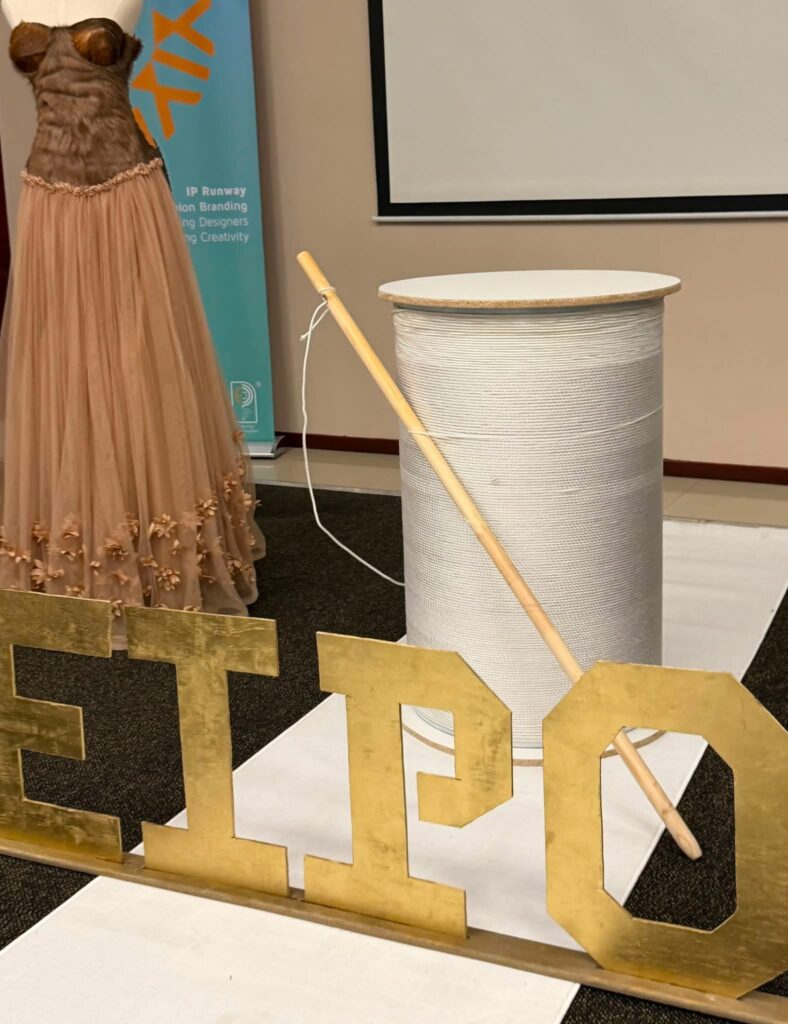
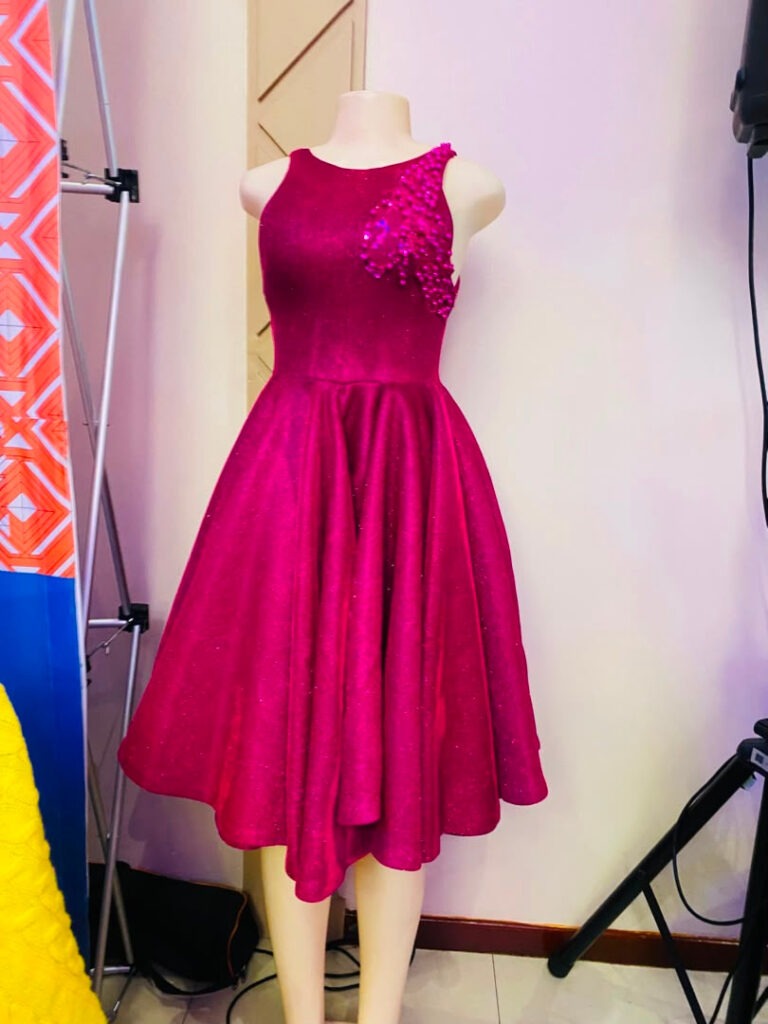
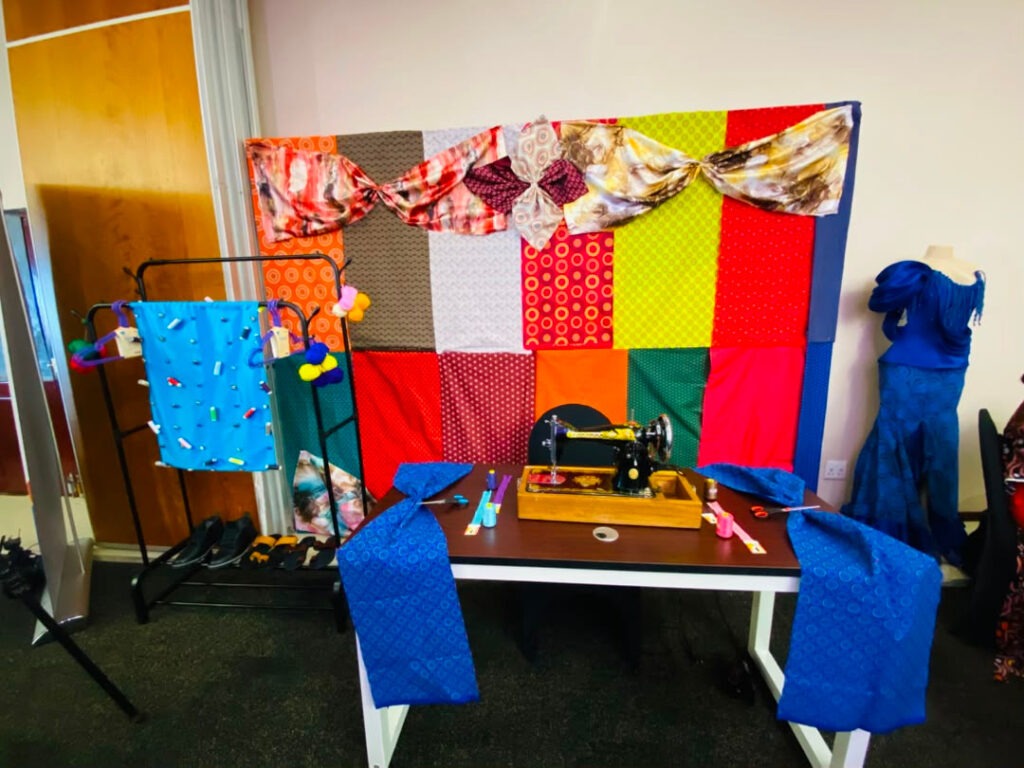
Fashion, furniture and art were placed at the centre of discussions around Eswatini’screative identity during the IP Runway: The Business of Fashion Workshop held at Royal Villas on Thursday.
Held under the theme ‘Experience Eswatini ’,the workshop brought together stakeholders from Government and the creative industries to discuss the commercial opportunities available within fashion, furniture, art and other creative sectors.
HRH Princess Sakhizwe, who delivered the keynote address, said her decision to attend the workshop was informed by her belief in the potential of Eswatini’s creative industries.
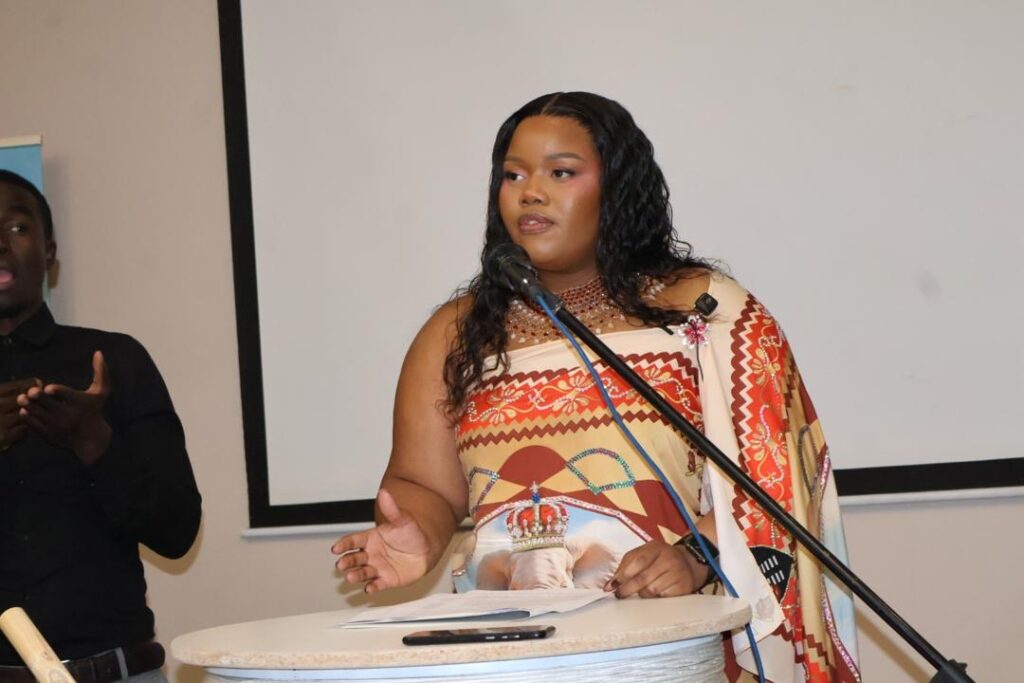
“I believe in our creative compass as Emaswati. I believe in the potential of our fashion industry, and I believe that Eswatini has an extraordinary story to tell through our designs,” she said.
She also reflected on her recent attendance at the Standard Bank Luju Food and Lifestyle Festival, saying she was impressed by the quality, creativity and confidence displayed by local fashion designers.
Princess Sakhizwe said Eswatini’s designers have something that cannot be copied, identifying the country’s story, heritage, culture and imagination as elements that give local designers a distinct character and competitive advantage.
She said the IP Runway demonstrated the Ministry’s intention to create platforms, systems and support that can help transform this identity into commercially viable brands.
Speaking on the theme of the workshop, Princess Sakhizwe said the concept of Experience Eswatini reflected the country’s culture and creative output.
She described Eswatini as an experience to be felt and remembered, with fashion, food, art, music, craftsmanship and creativity forming part of that experience.
She said the opportunity was to ensure that these experiences are protected and developed into sustainable economic value for Emaswati.
The Princess also highlighted the Made in Eswatini® trademark and the work undertaken to define what it means for a product or service to be Made in Eswatini®.
She said consultations with designers, the creative and fashion industries, textile factories and local production environments helped inform the definition.
According to the definition discussed at the workshop, something Made in Eswatini® can include what has genuinely been designed, produced, transformed or delivered from Eswatini, with locally created designs recognised as intellectual property and economic value.
The creative sector will also feature prominently at the upcoming Made in Eswatini® Consumer Choice Awards, with 35 local brands nominated by consumers across the Fashion, Décor, Artisan and Leather categories.
The awards ceremony is scheduled for September 17, 2026 at Hilton Garden Inn in Mbabane.
Princess Sakhizwe said the awards would encourage guests to wear local designs, arguing that Eswatini must first embrace its own products if it wants the rest of the world to do the same.
“Let us make local fashion visible. Let us make it desirable,” she said.
Creatives Urged to Protect Ideas and Build Sustainable Brands
Creatives in Eswatini have been urged to treat their work as intellectual property and build businesses around the value they create.
The call was made during the IP Runway: The Business of Fashion Workshop held at Royal Villas on Thursday, , under the theme ‘Experience Eswatini’ The workshop brought together government officials, creative industry stakeholders, designers, entrepreneurs and other players in the sector to discuss the business side of fashion, furniture and art.
Delivering the keynote address, HRH Princess Sakhizwespoke about the importance of protecting creative work, drawing from her own experience with the registration of the Made in Eswatini® trademark.
She said her interaction with the IP Office had given her and the team at A Peculiar People a deeper understanding of the importance of protecting an idea, design or brand.
“The IP Office is providing a service that the Kingdom has needed for many, many years,” she said, encouraging innovators, designers, entrepreneurs and creators to visit the office, enquire about their rights and take the necessary steps to protect the value they are creating.
Princess Sakhizwe said the process of defining what qualifies as Made in Eswatini® had also involved consultations with designers, the creative and fashion industries, textile factories and other local production environments.
The resulting definition recognises products and services that have genuinely been designed, produced, transformed or delivered from Eswatini, including designs created in the country.





She said locally designed products should be recognised because design represents intellectual property, creativity, ownership and economic value.
The business of protecting creative work was also reflected in discussions around the use of non-disclosure agreements and protecting trade secrets, particularly where designers and businesses are working with suppliers and developing new products.
Speaking on behalf of A Peculiar People, Chairman MelusiZox Dlamini said there was a growing pool of entrepreneurs, innovators, designers and creators producing quality products, but many continued to face challenges around visibility, opportunity, market access and trust.
He said the creative sector could contribute to job creation if it received the appropriate support.
Dlamini also called for greater use of public procurement to support local businesses, suggesting that where local capacity exists, Government should explore localising the design and production of apparel for security forces, healthcare personnel and other public institutions.
He said Government becoming a major customer of the sector could create predictable demand, allowing businesses to invest, increase production, employ more people and strengthen the local manufacturing base.
“We are not asking for favours. We are asking for opportunities to compete, to produce, to learn and to grow,” Dlamini said.
He further challenged creatives to become more proactive in presenting their work to policymakers and other decision-makers.
Dlamini said designers should collaborate, host more events and ensure their work is visible in government spaces. He encouraged creatives to allow leaders to experience local products and designs directly.
“Let us give our government, our leaders, the opportunity to experience what we can do before anyone else does,” he said.
The workshop therefore placed emphasis not only on creativity, but on the structures needed to turn creative work into sustainable businesses.