



Building on an inaugural programme that reached more than 120 high school learners, ESCCOM is expanding its High Schools’ Film Competition for 2027, with stronger mentorship, practical production experience and new challenges designed to unlock young storytellers’ potential.
From classrooms to film sets, the Eswatini Communications Commission (ESCCOM) is positioning young people at the centre of a growing creative landscape, using film as a tool for storytelling, skills development and the preservation of local narratives.
In a country rich in cultural expression, oral traditions and stories that have travelled across generations, the question of who gets to tell Eswatini’s stories, and how those stories reach audiences, is becoming increasingly important. Film offers one answer.


It provides a space where language, identity, memory and imagination can meet, allowing young people to interpret the world around them while creating work that speaks to both local and wider audiences.
Through its High Schools’ Film Competition, the Eswatini Communications Commission (ESCCOM) is working to make that space more accessible, positioning itself not only as a regulator of the broadcasting sector, but also as an enabler of the country’s creative and film industries.
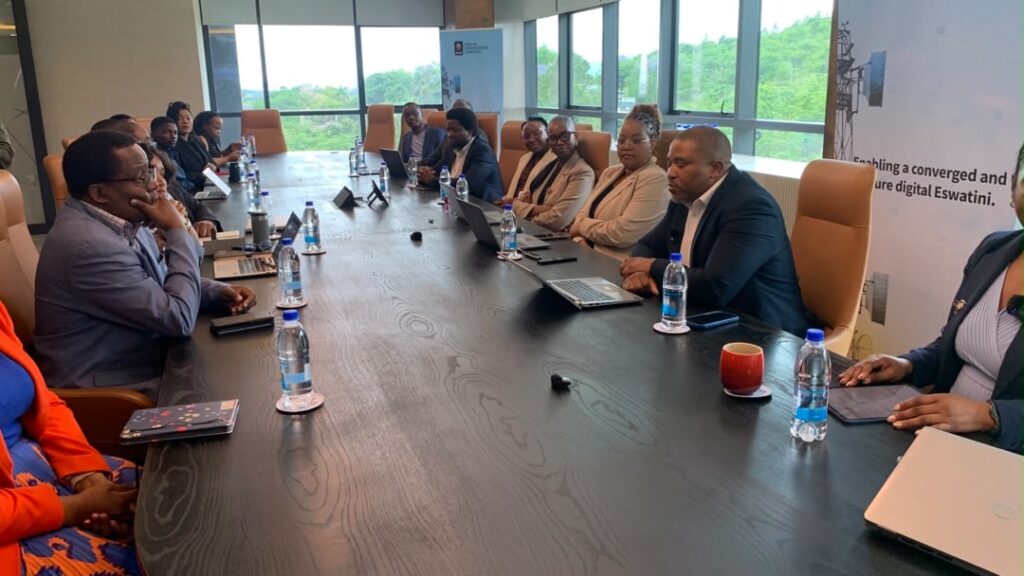
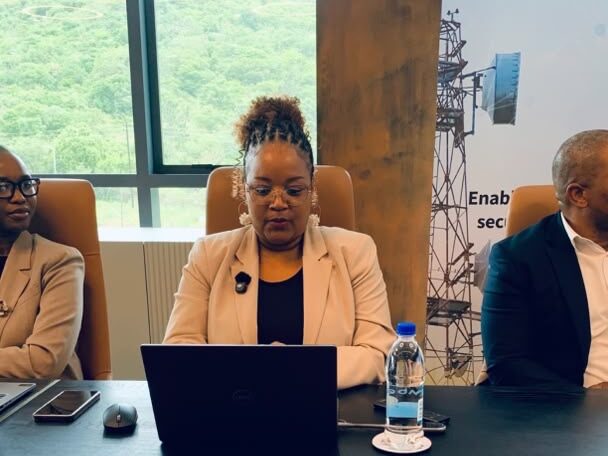
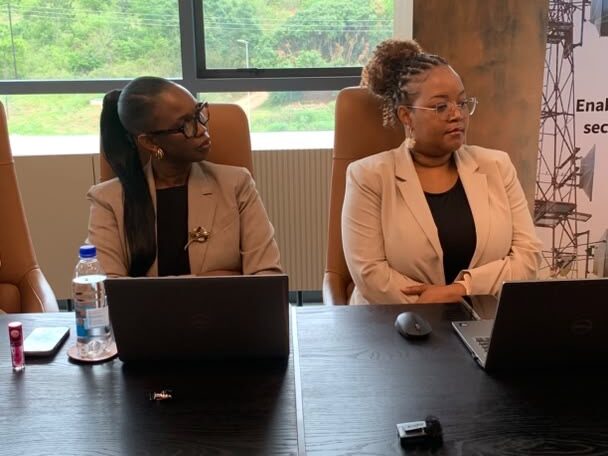
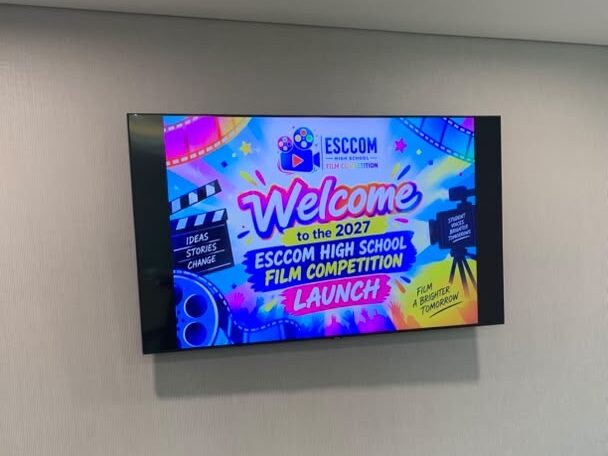
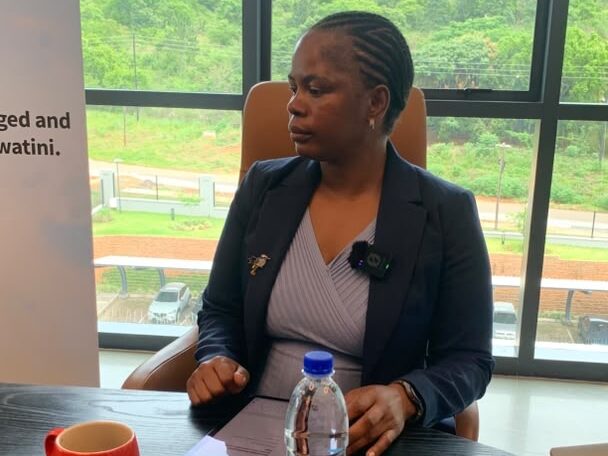
At the official launch of the 2027 ESCCOM High Schools’ Film Competition on Wednesday morning, ESCCOM Acting Chief Executive Officer Ozzi Thakathi, represented by Sicelo Simelane, placed young creative talent at the heart of the initiative.
The launch was more than a precursor to another edition of a school competition. It was an opportunity to reaffirm the role that structured support, mentorship and practical experience can play in helping emerging storytellers discover their abilities and begin to understand the possibilities within the creative industries.
For ESCCOM, the reasoning is closely connected to its responsibility within broadcasting. A vibrant broadcasting sector requires a steady supply of high-quality local content that reflects the culture, languages and lived experiences of Emaswati.
Such content does not emerge in isolation. It depends on people who can develop compelling ideas, translate them into visual narratives and carry them through the many stages of production.
By encouraging learners to write, direct, perform in and produce their own films, ESCCOM is helping nurture the creative skills that contribute to this wider ecosystem.
The inaugural competition offered an early indication of what that investment could achieve. More than 120 high school learners received hands-on exposure to filmmaking disciplines, including acting, directing, scriptwriting, cinematography, sound recording, production design and production management.
Four original 10-minute short films were produced, demonstrating how young people can move from ideas to finished creative work when given guidance and an opportunity to participate.
The significance of this approach lies in its recognition that filmmaking is a collaborative art. A film may begin with a writer’s idea or a director’s vision, but bringing it to life requires a network of skills, perspectives and decisions.


Camera work shapes how a story is seen; sound influences how it is experienced; editing determines its rhythm and continuity; and production management creates the structure within which the creative process can happen.
Introducing learners to these interconnected roles expands their understanding of film beyond what appears on screen, revealing an industry built on both imagination and technical craft.
ESCCOM’s collaboration with the University of Eswatini and Limkokwing University of Creative Technology has added another dimension to the initiative. Sixteen university students participated in the inaugural programme, gaining industry exposure while providing mentorship and support to high school learners. The model creates an exchange between emerging practitioners at different stages of their creative journeys, allowing knowledge to be shared through practice rather than confined to the classroom.
This emphasis on practical learning also connects the competition to education more broadly. According to ESCCOM’s account of the inaugural edition, feedback from participating schools highlighted positive educational outcomes, including one school introducing drama into its curriculum as a direct result of the programme.
The development suggests that engagement with film can extend beyond the production of a final project, encouraging schools to recognise performance, storytelling and creative expression as meaningful areas of learning.
There are also signs that the experience can open doors beyond the school environment. Two participants from the inaugural competition have since secured roles in professional local film productions and obtained representation through South African talent agency Star Quality Management.
While two success stories cannot, on their own, establish a complete career pathway, they demonstrate the value of connecting young talent with opportunities to develop and demonstrate their abilities. For learners who may not previously have considered film a realistic professional pursuit, such experiences can make the industry feel more tangible.






The 2027 edition seeks to build on this foundation by reaching more schools, strengthening mentorship and exposing more learners to creative careers. Its planned activities include a mentorship programme led by local industry professionals, followed by practical production work involving university film crews.
The competition is also aligned with Eswatini’s Competency-Based Education curriculum, reinforcing skills such as communication, collaboration, critical thinking, creativity and digital literacy.
A particularly interesting feature of the new edition is the Mystery Frame Challenge. Learners will receive a single image without context and must develop an original short film of no more than 90 seconds inspired by it.
The image must remain part of the film, while the story explores what might have happened before or after the captured moment. The challenge places interpretation at the centre of the exercise, asking participants to transform a still image into a narrative through imagination, visual choices and storytelling.