

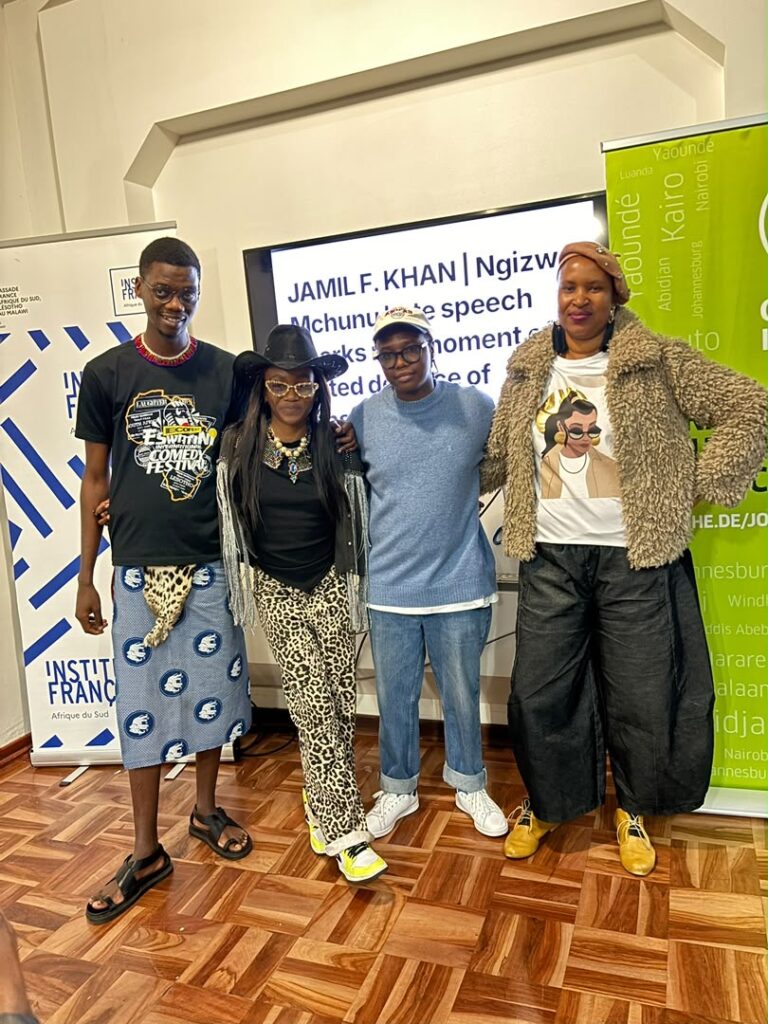

Four Emaswati have taken what they learnt about misinformation and digital verification and translated it into comedy, theatre, journalism and multimedia storytelling, showcasing their work in Johannesburg on Friday.
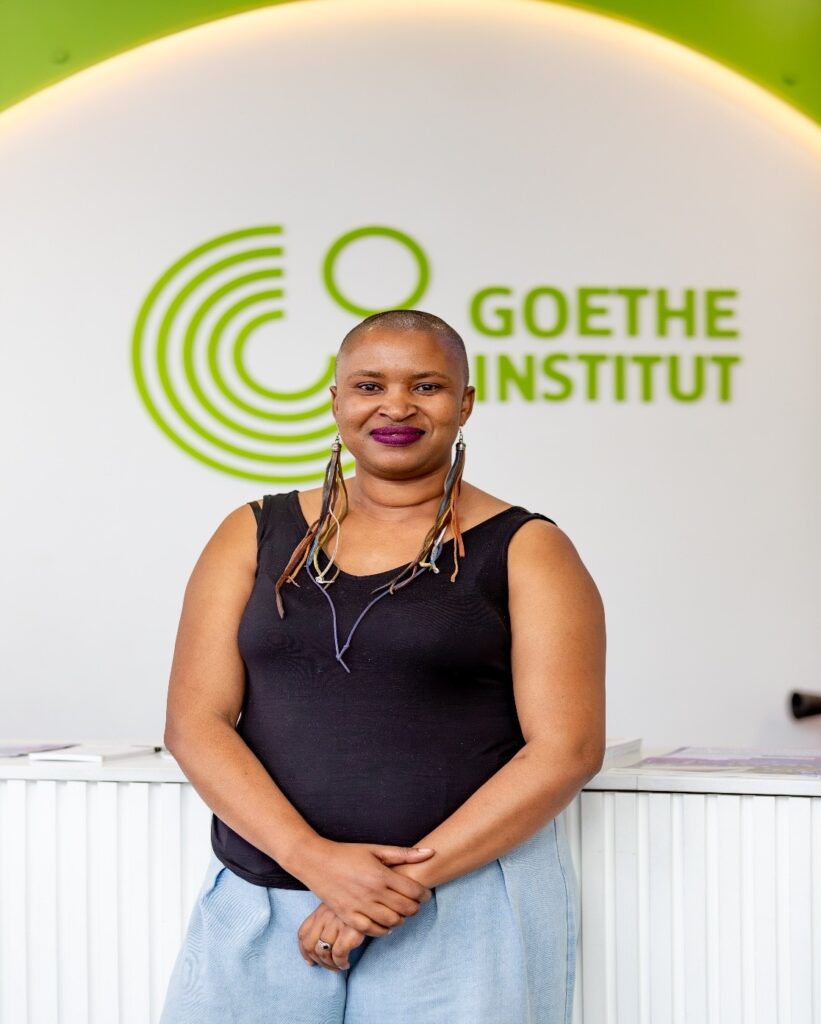
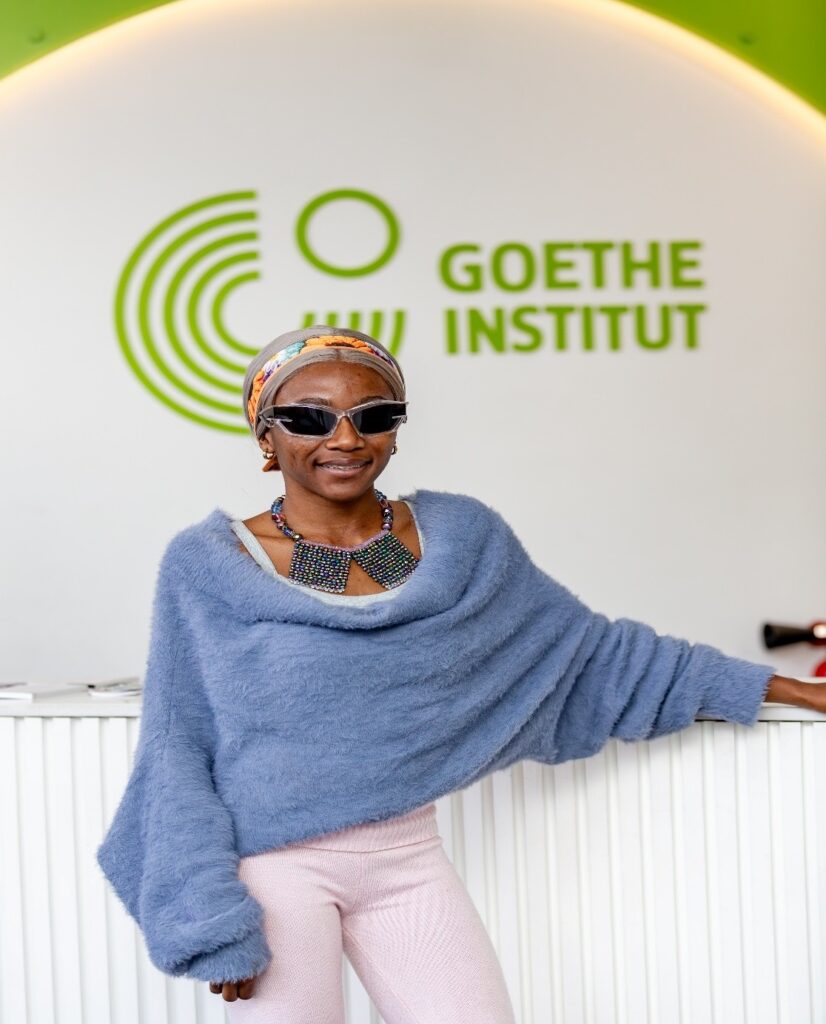
Filmmaker and producer Masentle Dlamini, writer and theatre practitioner Dzelisile Mdluli, investigative journalist Sibusiso Dlamini and comedian Bonginkosi “Dr Shakes” Dlamini were among 19 Southern African creatives who presented their work at the ‘From Evidence to Expression’ exhibition at the Goethe-Institut South Africa.
The exhibition brought together work developed during Truth Lab 2026, a multidisciplinary programme that introduced journalists, artists, fact-checkers, Wikimedians and digital creators to different approaches to misinformation, verification and digital storytelling.
Rather than keeping the lessons within traditional discussions around fact-checking, participants were tasked with finding creative ways to communicate the issues to wider audiences.
For the four Emaswati, that process resulted in four distinctly different projects.
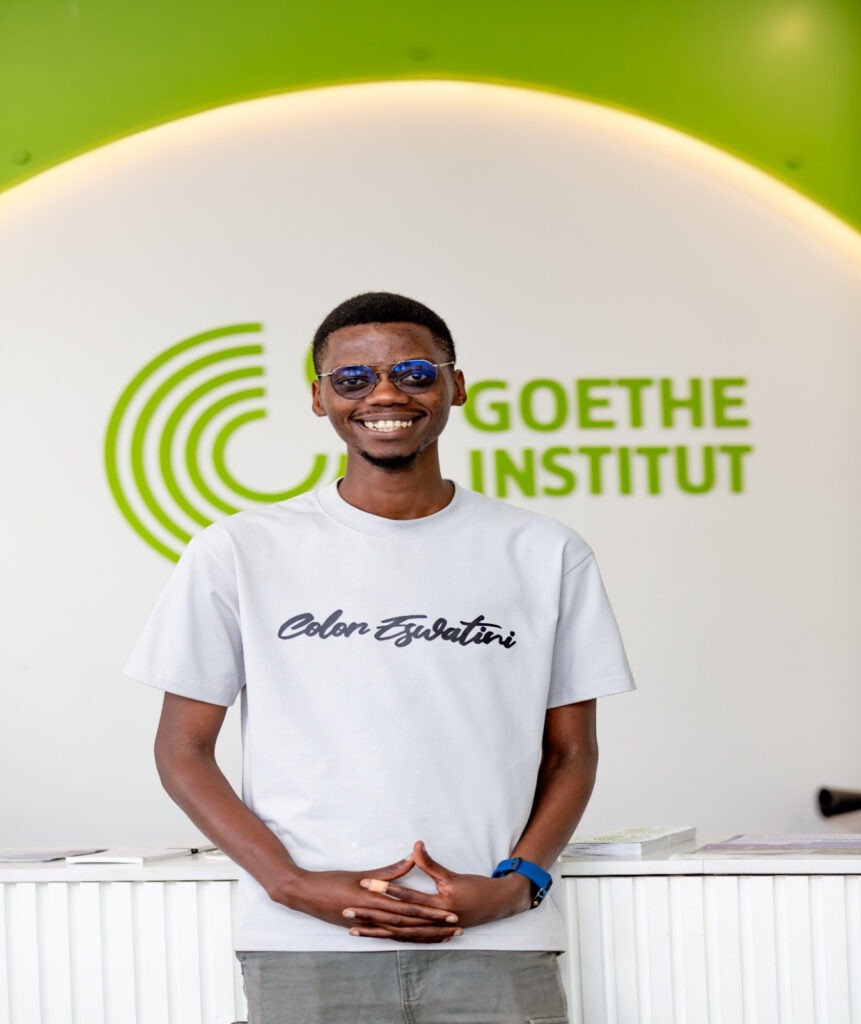
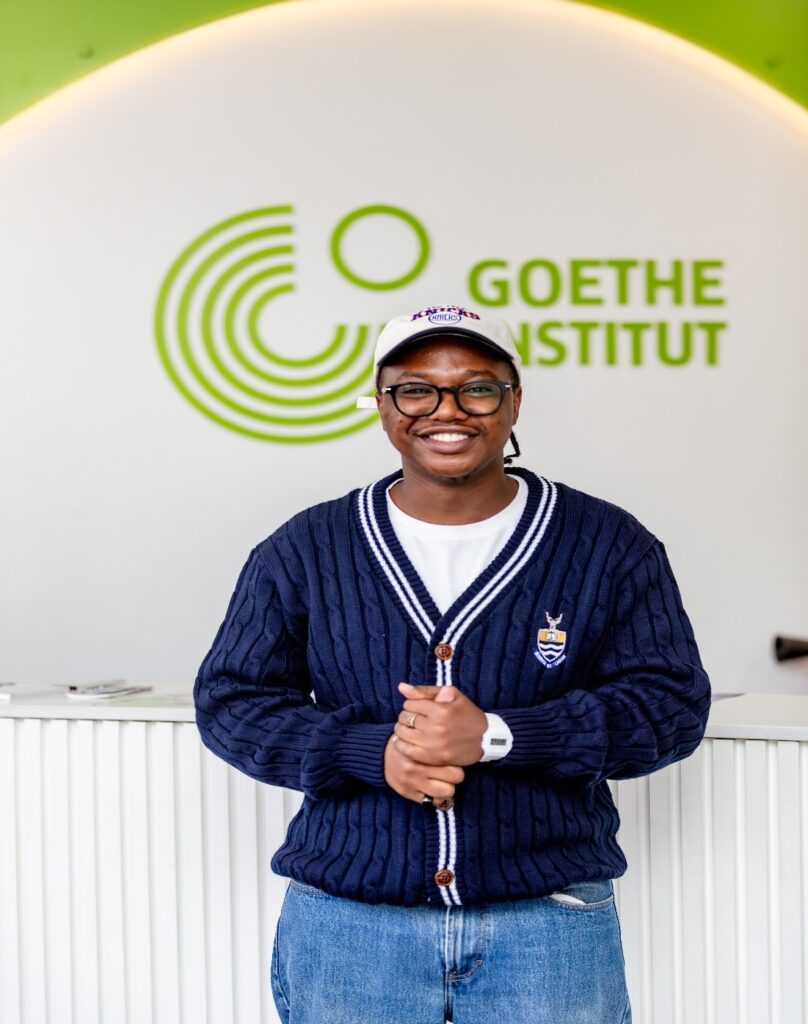
Dr Shakes used comedy and illustration to examine how jokes can lose their original context and eventually be treated as factual information.
His project, ‘DON’T QUOTE ME ON THAT’, began with the question of what happens when audiences believe something simply because it was said by a comedian or public figure.
The idea developed into a 10-page comic book before being expanded into an e-book, animation and audiobook.
The project follows the journey of a joke after it is told. A member of the audience remembers it, repeats it to someone else and, as the story moves from one person to another, the original context can disappear.
“As comedians, we have audiences who listen to us and trust us. That means what we say can travel further than we realise,” he said.
His work encourages audiences to consider whether information is a joke, an opinion or a fact before accepting or sharing it.
Dr Shakes said he would like to develop the project further for use in schools, universities, comedy workshops and community discussions.
Mdluli approached the subject through theatre with ‘The Things We Share’, a production examining the consequences of circulating information before establishing whether it is accurate.
Her project brings misinformation into the lives of ordinary people, looking at how unverified stories can affect relationships, reputations and communities.
“Being part of the Truth Lab has taught me a lot in terms of what happens when a story is shared before fact-checking and digital verification,” she said.
Mdluli said she hoped to take the lessons from the programmeback to Eswatini, particularly as more information is shared through digital platforms where stories can spread quickly.
For Sibusiso Dlamini, the focus was closer to his own profession.
His project examined misinformation and disinformation within journalism, looking at the consequences when media organisations publish serious claims that do not withstand scrutiny.
Drawing on journalistic ethics and principles contained in the South African Press Code, the project considered examples of Eswatini-focused online reporting and the role of verification in maintaining public trust.
The work also explored the relationship between press freedom and responsibility, particularly in an environment where journalists face challenges including restrictive laws, political interference and difficulties accessing information.
Masentle Dlamini brought another perspective to the exhibition, examining the relationship between evidence, cultural and indigenous knowledge, artificial intelligence and creative storytelling.
For her, the programme also provided an opportunity to work alongside participants from different parts of the region and compare how misinformation is experienced across communities.
“The experience that has come with being part of the Truth Lab cohort 2026 is nothing short of life-changing in the way I perceive information,” she said.
She said the programme had also challenged participants to think more critically about how they consume and engage with information.
“We are at a fast pace losing our ability to critically think, fact-check, think deeply and reason,” she said.
The projects presented on Friday followed several weeks of training and development.
The programme began with the online Make & Fake Lab, where participants explored media literacy, fact-checking, digital verification, open knowledge systems, indigenous and community knowledge and digitally manipulated information.




Training included contributions from Wikimedia South Africa, MOXII Africa, Africa Check, German specialist Dr Christopher Nehring and the National Press Club.
The selected participants then moved into the five-day Building Narratives Studio in Johannesburg, where they worked on transforming the knowledge they had gained into creative pieces.
The studio was guided by South African creative collective House of INVADE and Burkinabè-French street artist, illustrator and cartoonist El Marto.
The 19 participants selected for the studio came from a larger pool of applicants and were given five days to develop the works presented at the exhibition.
Speaking during Friday’s event, Goethe-Institut South Africa Head of Culture and Development Carolin Christgaucommended the participants for the work produced within the limited timeframe.
“These participants here are the best of the best and we truly appreciate and are proud of the work that has gone into what they’ve been able to produce in these just five days,” she said.
Christgau said the works would remain at the institution, giving more people an opportunity to experience them and engage with the issues explored through the projects.