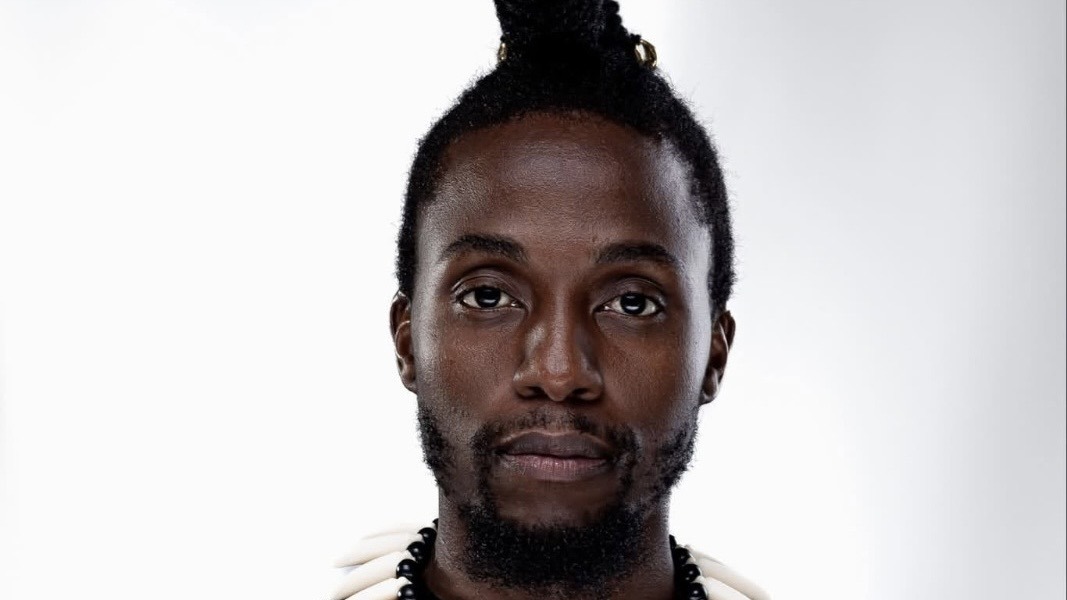


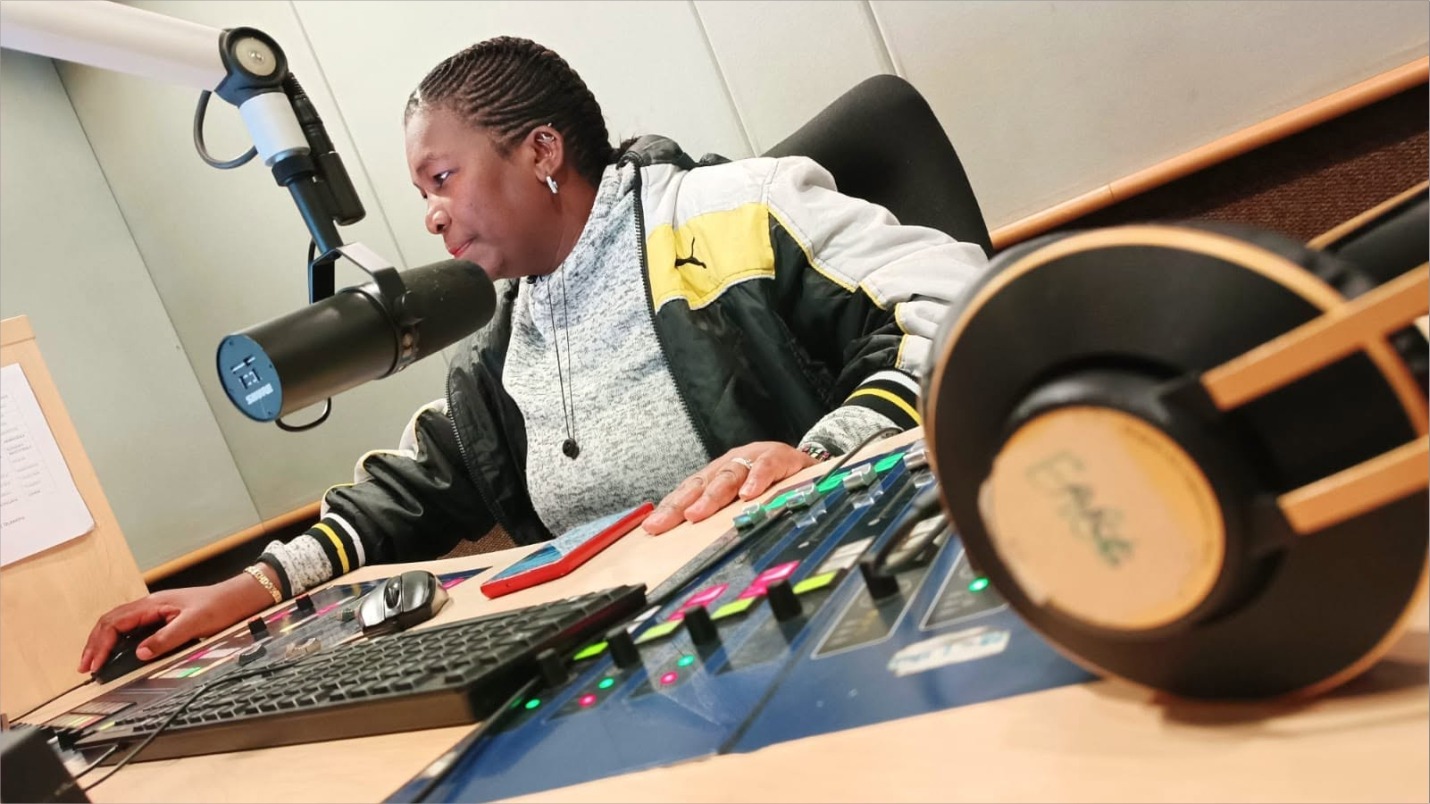

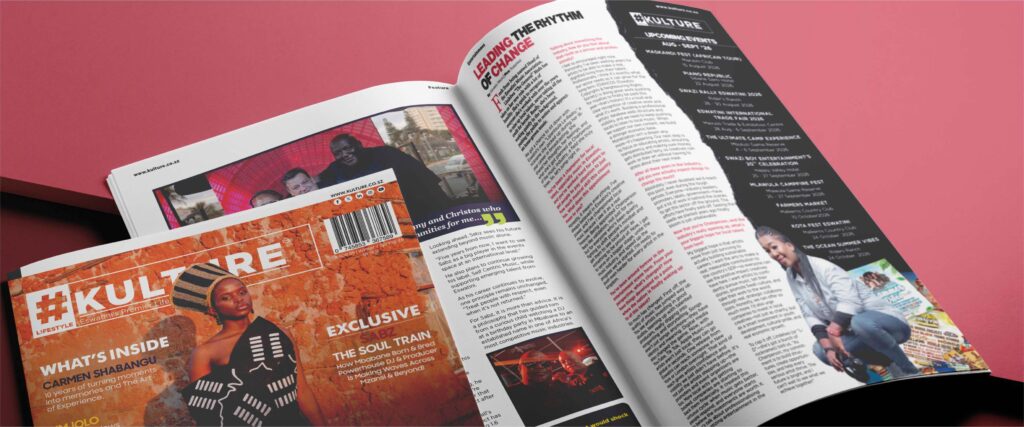
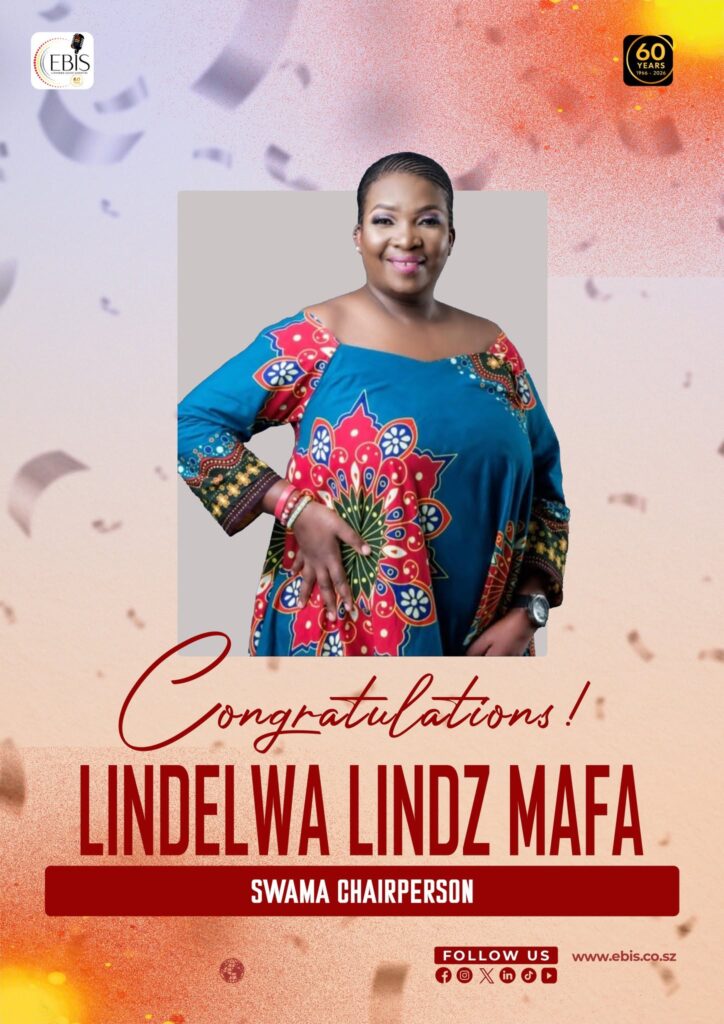
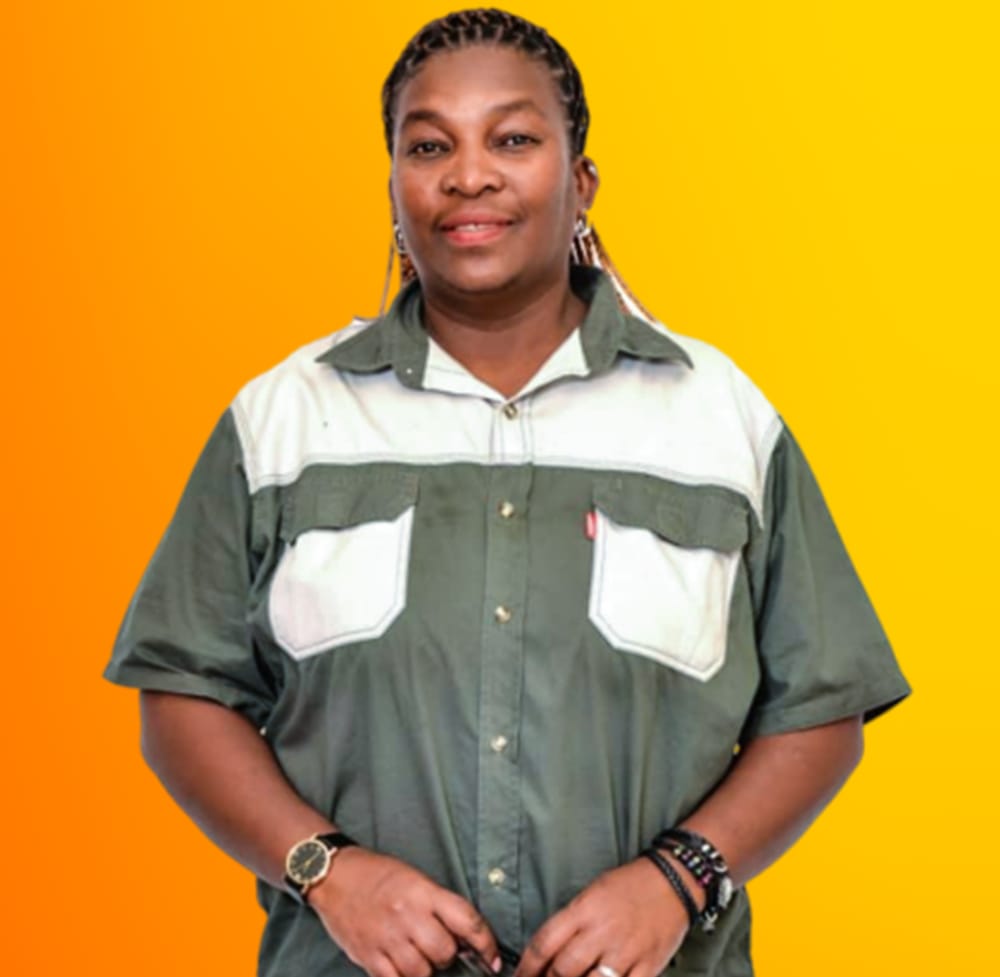
Fresh from being named Head of the Eswatini Music Association, Lindelwa “The General” Mafa has taken on her new role with a lot of humility. She’s quick to recognise everyone she’s worked with over the years to raise up local talent, never taking all the credit for herself. Really, she’s been working quietly in the background, pushing the public to notice and appreciate home-grown music.
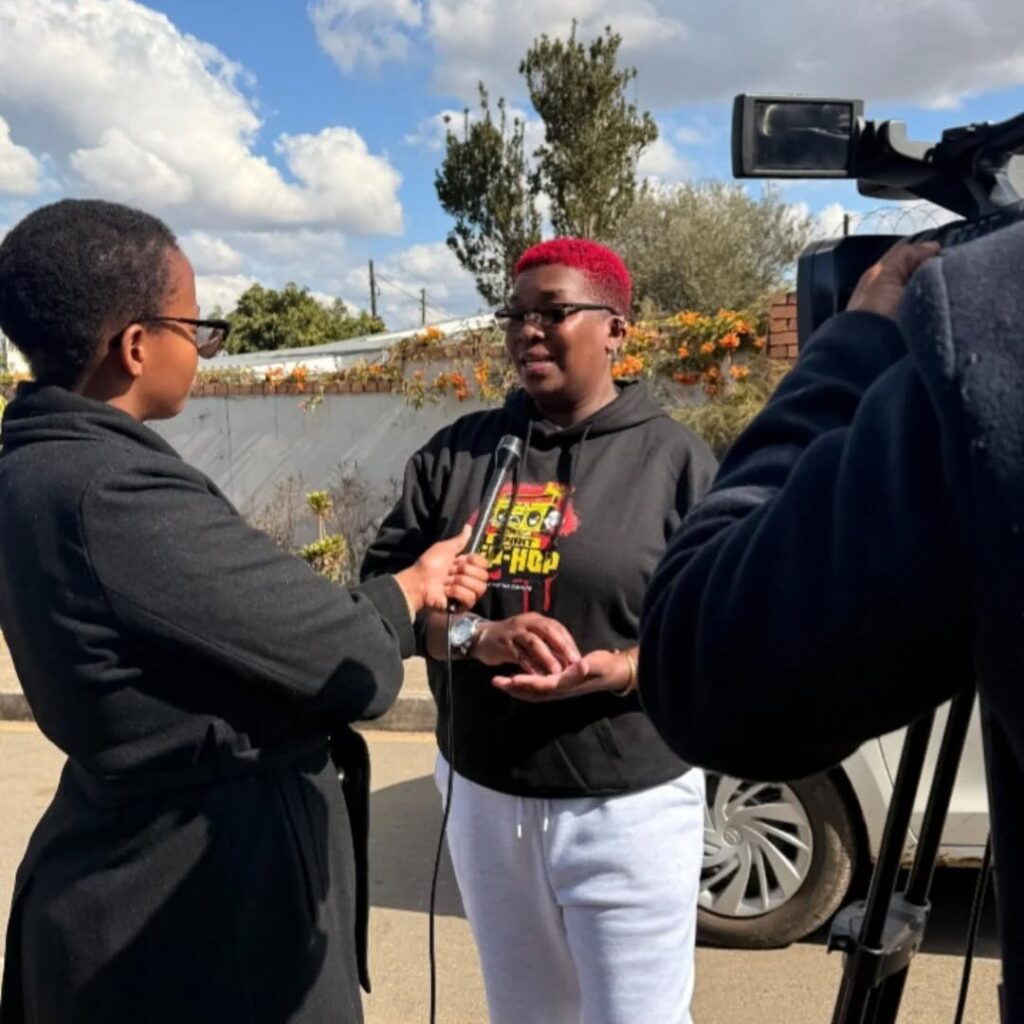
We got a chance to sit down with Eswatini’s own “Lipantsula Le-Radio,” a nickname she picked up during her 18-year career in broadcasting. She shared her thoughts, her feelings, and what she’s got planned as Chairperson of the music industry, a field she truly loves. So, let’s jump right in.
You’ve been a champion for local talent, especially music in Eswatini, and you’ve worked hard for years to get people to pay attention to just how much musical skill this country has. What does this appointment mean to you?
Honestly, it means everything. I’ve always believed in Eswatini’s creative power, and I’ve championed local music because I see it as a real treasure. Being appointed Chairperson feels like validation, not just for me, but for everyone who’s been quietly fighting to shift people’s mindset and get them to see local music as something to be proud of. Now, I get to serve on a bigger stage, unite the music industry, and speed up the progress we’ve started. I’m ready to push even harder for every artist in the kingdom.
You’ve been around forever in the entertainment scene here. From your perspective, what’s changed? How have things developed to a point where the nation is finally waking up to all this talent?
So much has changed. First off, the quality of music has jumped way up. You see artists investing in good studios, teaming up with talented producers, really digging into songwriting and storytelling. Songs aren’t just songs anymore—they have identity and meaning.
Digital media also changed the game. Now, with YouTube, Tik Tok, Apple Music—our artists aren’t just local, they can go global in seconds. One release from Eswatini can reach someone in New York or London overnight. That kind of reach gives artists confidence and visibility we just didn’t have before. It’s not just the artists stepping up—the promoters and event organisers are too. More local acts are getting booked, companies are starting to back them financially. It created this virtuous cycle: when music gets better, people respond, and everyone starts to believe the investments are worth it. There’s talk about professionalising and monetizing entertainment in the Kingdom.


Talking about monetizing the industry, how do you feel about that—both as a person and professionally?
I feel so encouraged right now. Personally, I’ve been waiting years for artists to be able to make a real, dignified living from their talent. Professionally, I think it’s exactly what our sector needs so it can grow for the long-term. ESWACOS (Eswatini Copyrights & Neighbouring Rights Society) is doing great work pushing for royalties to finally be paid this year—that’s historic! It’s a loud and clear recognition of creative work and what it’s worth. Building a professional artists’ database adds structure and visibility, and we need to keep pushing locals to listen to local music. When we support our own content, we build a stronger economic base. Monetization isn’t a dream anymore—it’s happening. Our next step is to focus on educating artists, ensuring transparency, and making sure money gets distributed fairly, so creatives can work on their art without having to stress about their next meal.
After all these years in the industry, did you ever actually expect things to change this much?
Absolutely. I never doubted we’d reach this point, even during the tough periods. Everyone—industry leaders, promoters, labels, government—have put a lot of work in behind the scenes to get this sector off the ground. The efforts have finally paid off. Seeing the seeds we planted years ago finally bloom is just unbelievable.

Now that you’re Chairperson, and the industry’s really opening up, what’s your biggest hope for local talent from here?
My biggest hope is that artists move from just surviving to actually building sustainable careers. I want the arts to make a real, measurable contribution to the country’s GDP—so everyone can see the positive impact creatives have here. I want artists to confidently pursue music, tell their stories, promote Swati culture, and take their work to the world through real, strategic collaborations. Honestly, we can offer so much more. I’d also urge companies to invest in local creatives—not just as charity, but as a smart investment in youth development, cultural pride, and real economic growth.
To cap it off, Lindelwa (or “L-D”—she’s got a bunch of nicknames) told us, “As Chairperson, my commitment is to build structures, create opportunities, and help every serious artist thrive. The future is bright, and I can’t wait to see what we achieve together!”