


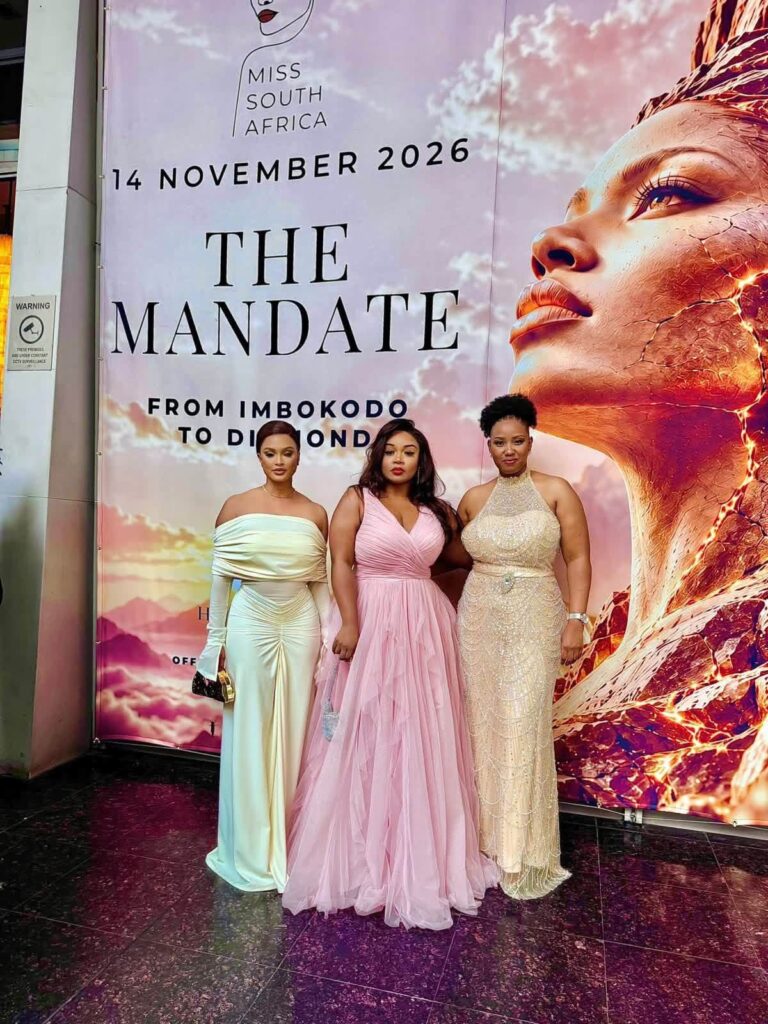

The experience of witnessing the Miss South Africa 2026 Grand Finale has given the Eswatini National Pageants Association (ENPA) valuable insights into what it takes to build a credible, professionally managed and commercially sustainable national pageant, as the Association intensifies efforts to revive and reposition the Miss Eswatini brand.
ENPA Chairperson Nompilo Mncina says attending the prestigious event reinforced the realisation that modern pageantry extends far beyond the crowning of a beauty queen, requiring strong institutional structures, professional standards, strategic partnerships and a clearly defined purpose.
“The experience reinforced that a successful pageant is much bigger than its finale. I noted that there is a global shift in what pageantry now requires from its beauty ambassador. As the Association, our mandate is to rebuild, strengthen and professionalise the pageant industry in Eswatini, while ensuring that Miss Eswatini becomes a credible, respected and impactful national platform that our country can be proud of,” Mncina said.



The delegation, comprising Mncina, Business Development Manager Pinky Glover and National Director Khethiwe Alexander, attended the Miss South Africa 2026 Grand Finale as part of ENPA’s ongoing benchmarking and institutional development efforts.
Their participation provided an opportunity to observe the operational, commercial and creative elements that underpin one of the continent’s established national pageant brands, while identifying lessons that could inform the future direction of Miss Eswatini.
For Mncina, the visit also reinforced the importance of public confidence and institutional accountability, particularly at a time when the Association is working to restore the pageant’s position within the country’s cultural and youth development landscape.
She said ENPA was encouraged by the interest and support demonstrated by members of the public and the Eswatini National Council of Arts and Culture towards the revival of the Miss Eswatini programme.
“We are equally encouraged and humbled by the overwhelming interest, enthusiasm and support that members of the public and the Eswatini National Council of Arts and Culture have continued to demonstrate towards the revival of the Miss Eswatini programme. We recognise that this support comes with expectations, and we do not take the public’s confidence in the Association for granted,” she said.
Mncina added that the support had strengthened the Association’s resolve to remain transparent, accountable and committed to delivering a programme that reflects the aspirations, values and potential of the nation.
According to her, the intention is not simply to reintroduce a beauty competition, but to restore its value and establish a sustainable youth development platform capable of creating meaningful opportunities for young women.

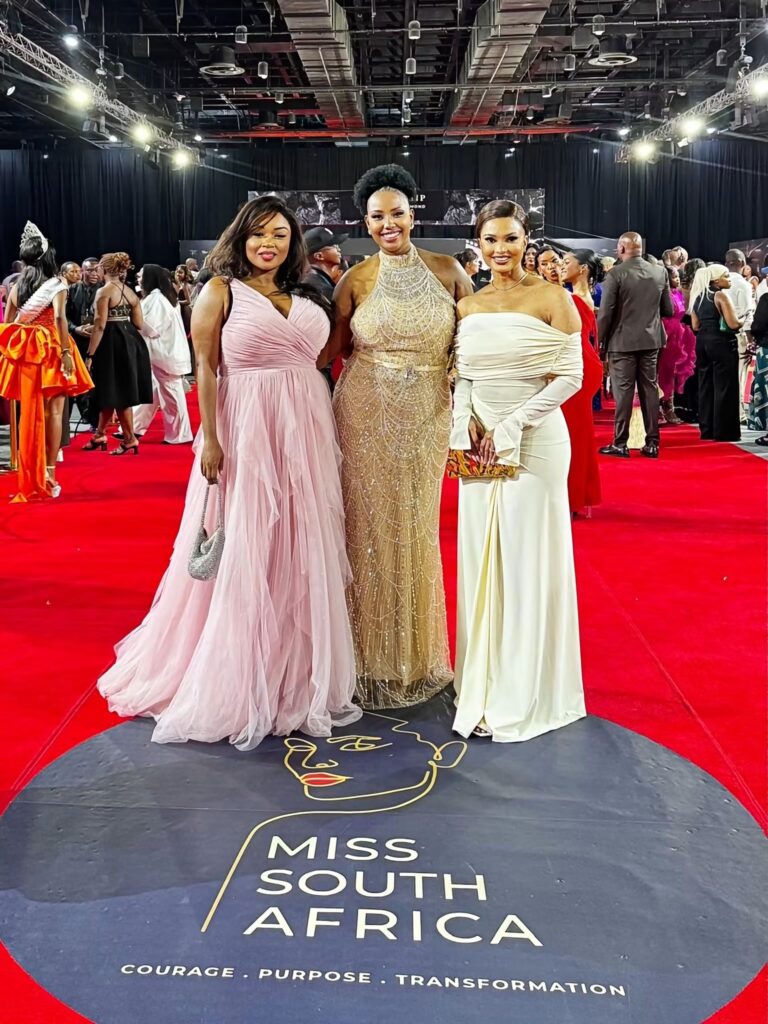

From a commercial standpoint, Glover said the experience highlighted the considerable business and cultural value that a well-positioned national pageant can generate, particularly through its ability to bring together corporate partners, media, fashion and the entertainment industry.
She noted that pageantry presents opportunities for businesses to associate their brands with a platform that celebrates talent, national identity and the development of young women, while also creating visibility and commercial value for participating partners.
“One of my biggest takeaways was recognising the commercial and cultural value of a national pageant and its ability to bring together corporate partners, media, fashion and entertainment,” Glover said.
She further emphasised that commercial sustainability must be supported by sound planning and clear institutional processes, particularly when dealing with sponsorship agreements, prizes and crown arrangements.
“The experience also reinforced the importance of credibility, transparency and ensuring that sponsorship commitments, prizes and crown arrangements are finalised well ahead of the event,” she said.
As ENPA works towards rebuilding Miss Eswatini, Glover said the ambition was to establish a sustainable national brand founded on strong partnerships, clearly defined policies and accountability.
She believes that this approach would enable the platform to create meaningful opportunities for young women while delivering lasting value to corporate partners and the country.
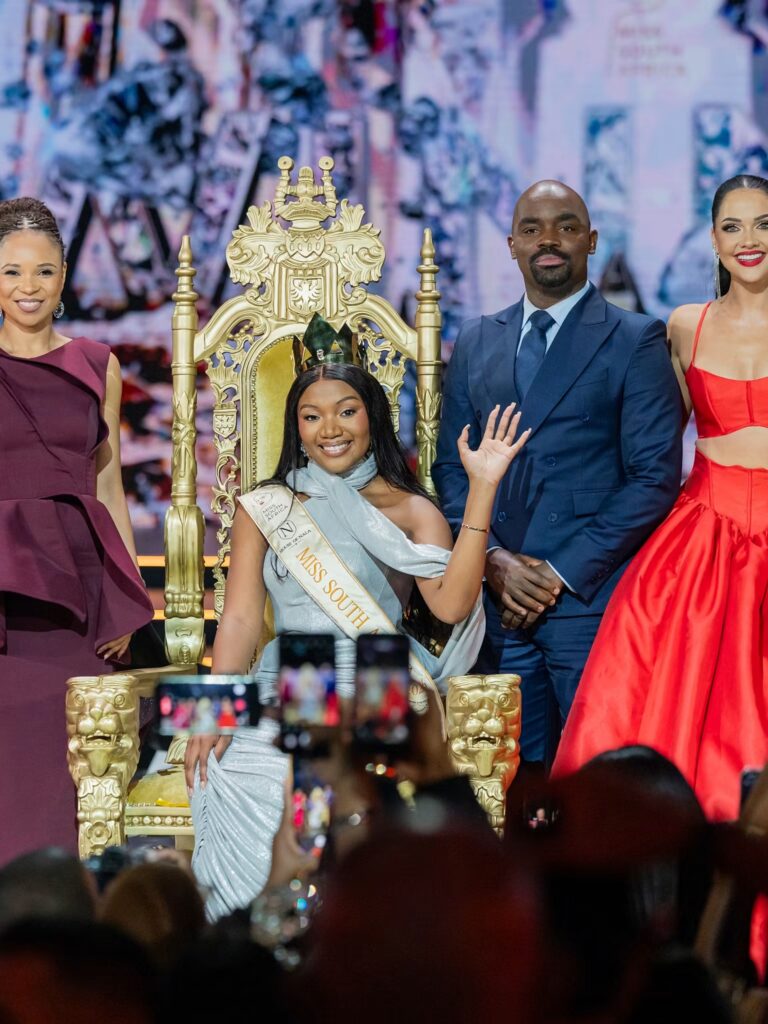
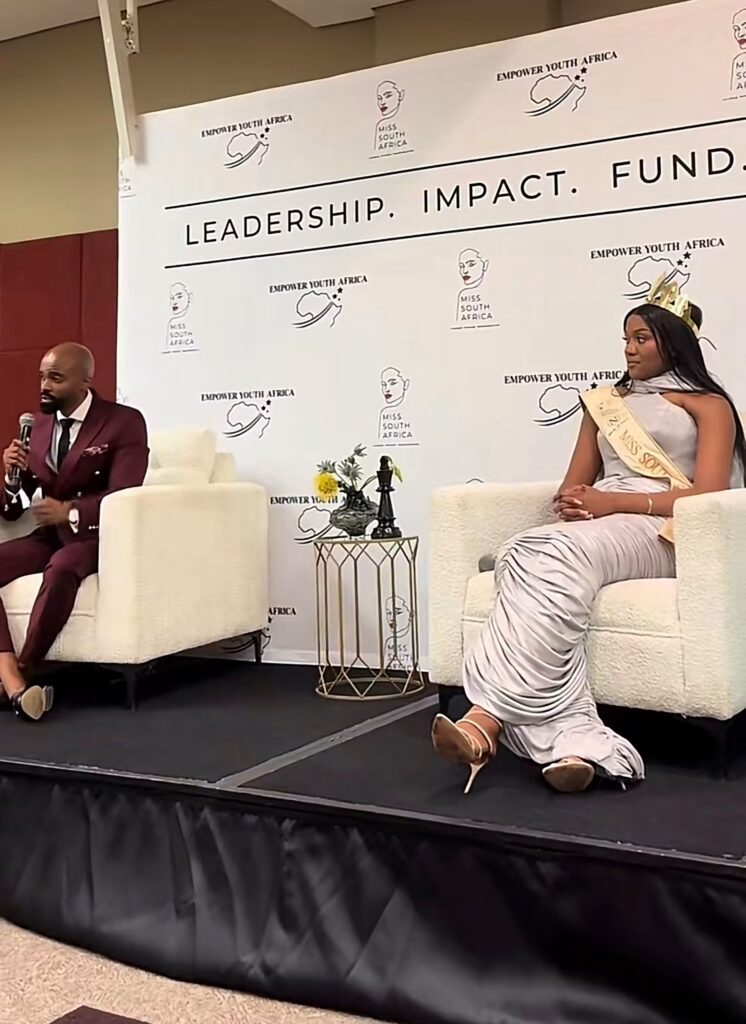

Beyond the commercial and administrative considerations, Alexander said attending the finale in person offered a different appreciation of the production demands involved in staging a national pageant.
She observed that television audiences are often exposed only to the polished final production, with much of the coordination, technical preparation and operational planning taking place away from the cameras.
“Watching a pageant on television is very different from experiencing it in person. Beyond the stage, there is an entire operational structure, coordination and attention to detail that goes into delivering such an event,” Alexander said.
She added that observing the production first-hand allowed the delegation to appreciate its strengths while identifying areas that could inform ENPA’s own planning.
Alexander also noted that public conversations surrounding major pageant events demonstrated the expectations attached to national brands, particularly regarding the fulfilment of commitments and the preservation of institutional credibility.
For her, however, the future of Miss Eswatini must not be defined exclusively by governance, operational efficiency and administrative structures. The creative experience and entertainment value of the event must remain equally important.
She said Eswatini possessed a rich cultural heritage, artistic expression and a distinctive national identity that deserved to be showcased through a professionally produced pageant.
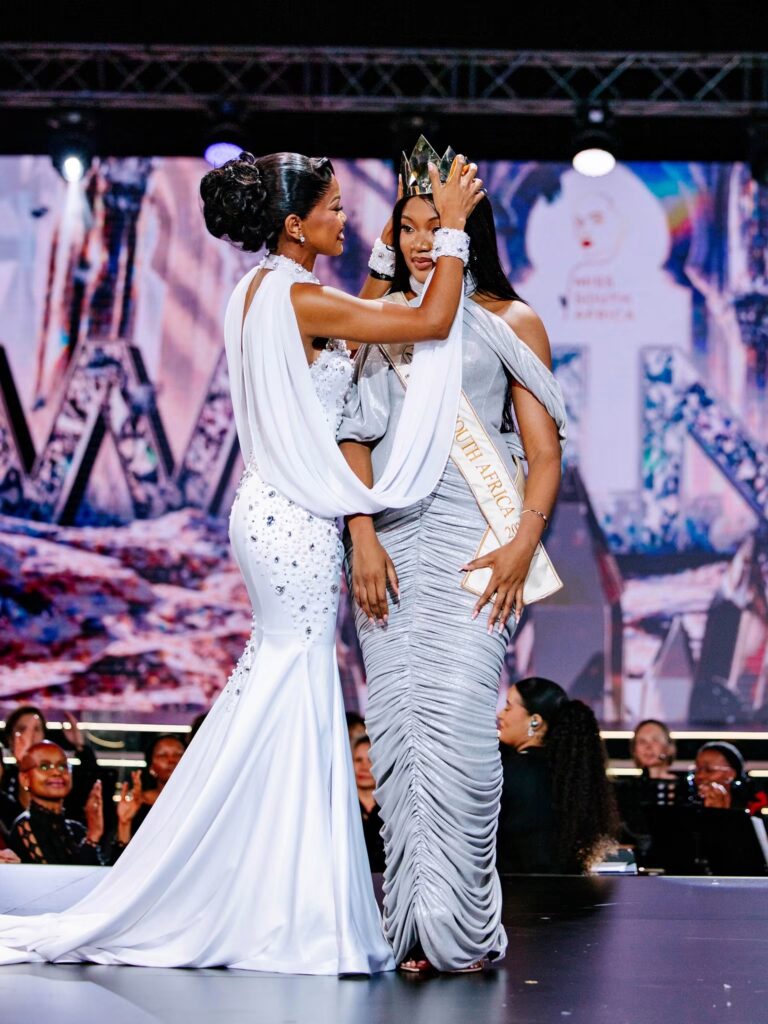
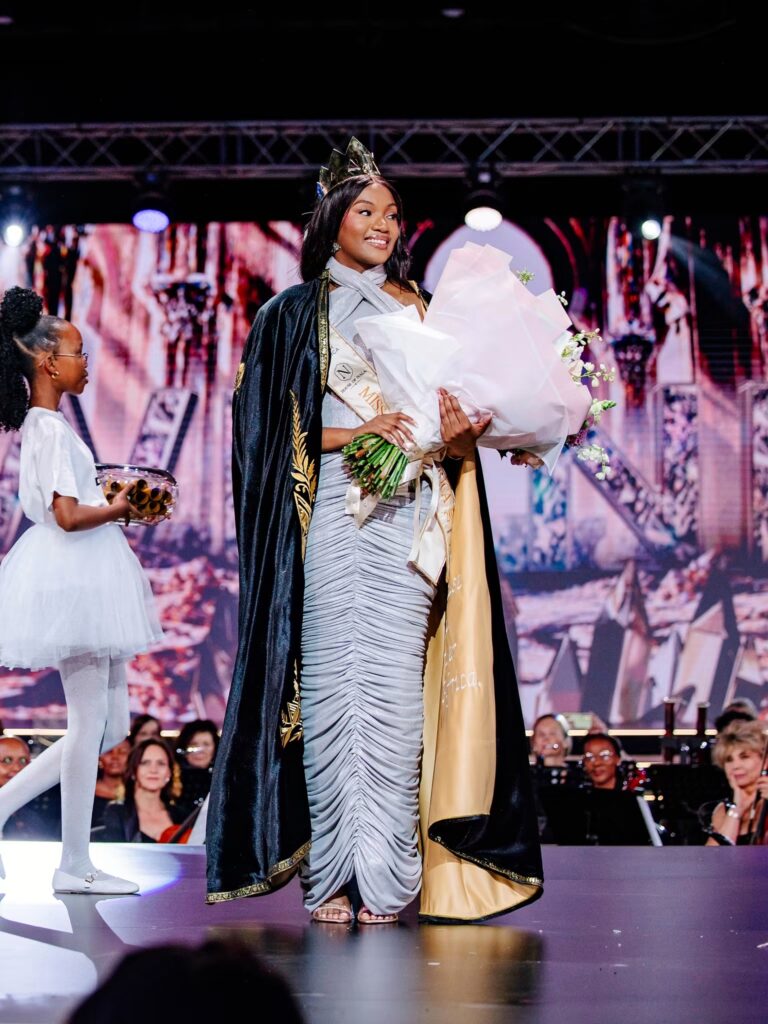
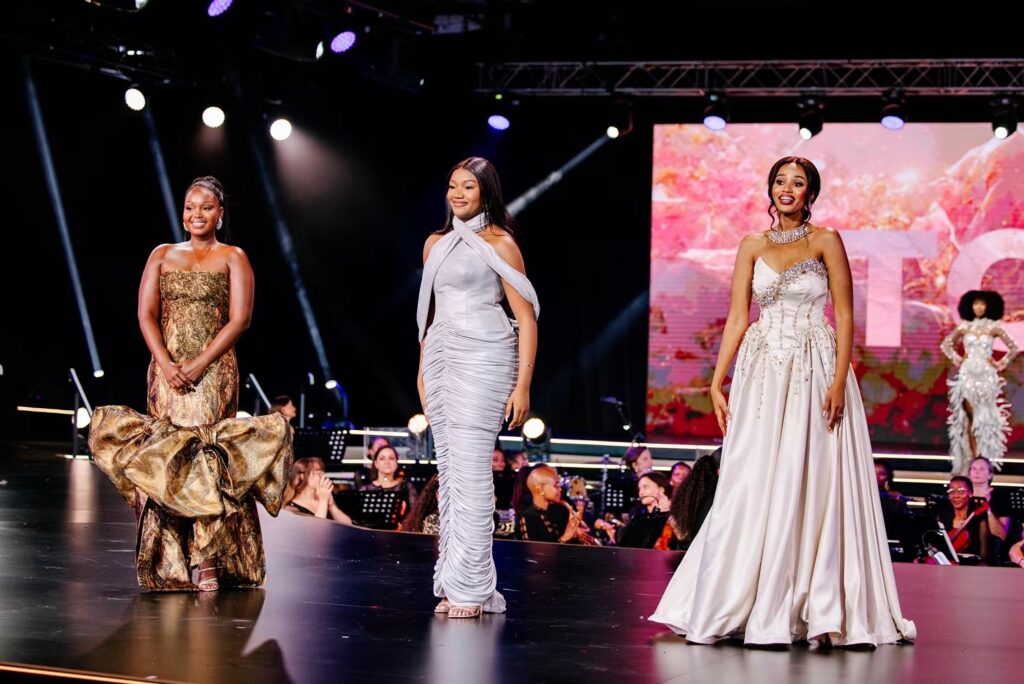
“At the end of the day, it is a beauty pageant, and we must never lose sight of the beauty and spectacle that audiences come to experience. From the contestants’ journey to the grand finale, people should feel that they have witnessed an extraordinary celebration of beautiful women, our cultural heritage, fashion, creativity and the talent within our arts and entertainment industry,” she said.
Alexander explained that the Association’s vision was to create a wholesome experience that celebrates beauty in its different expressions while entertaining and inspiring audiences and carrying a deeper national purpose.
She envisages a Miss Eswatini platform that provides a stage for local designers, creatives, performers and other players in the arts and entertainment industry, while positioning contestants as ambassadors of the country’s culture, values and potential.
“Our ambition is to deliver an event that people will not only remember for the crown, but for the incredible experience of witnessing the beauty of Eswatini. A spectacular celebration of beauty with a powerful purpose,” Alexander said.
The lessons drawn from the South African experience come at an important stage in ENPA’s efforts to reposition Miss Eswatini as a credible national institution with the capacity to meet contemporary pageantry standards and compete confidently on the international stage.
The Association maintains that the programme’s future will depend on a combination of strong governance, professional standards, strategic corporate partnerships and meaningful contestant development.






This will require a carefully structured approach that extends beyond the grand finale, encompassing the contestants’ preparation, personal development, public engagement and responsibilities beyond their reign.
Ultimately, ENPA’s ambition is to build a pageant that commands public confidence, attracts meaningful private-sector investment and creates opportunities for young women to contribute to national development.
For the Association, the Miss South Africa experience was therefore more than an opportunity to attend a high-profile continental event. It was an opportunity to observe, learn and reflect on the institutional foundations required to build a national brand with lasting relevance.
As the revival of Miss Eswatini gathers momentum, the challenge will be translating these lessons into a platform that reflects the country’s identity, celebrates its women and gives the nation something meaningful to rally behind.