


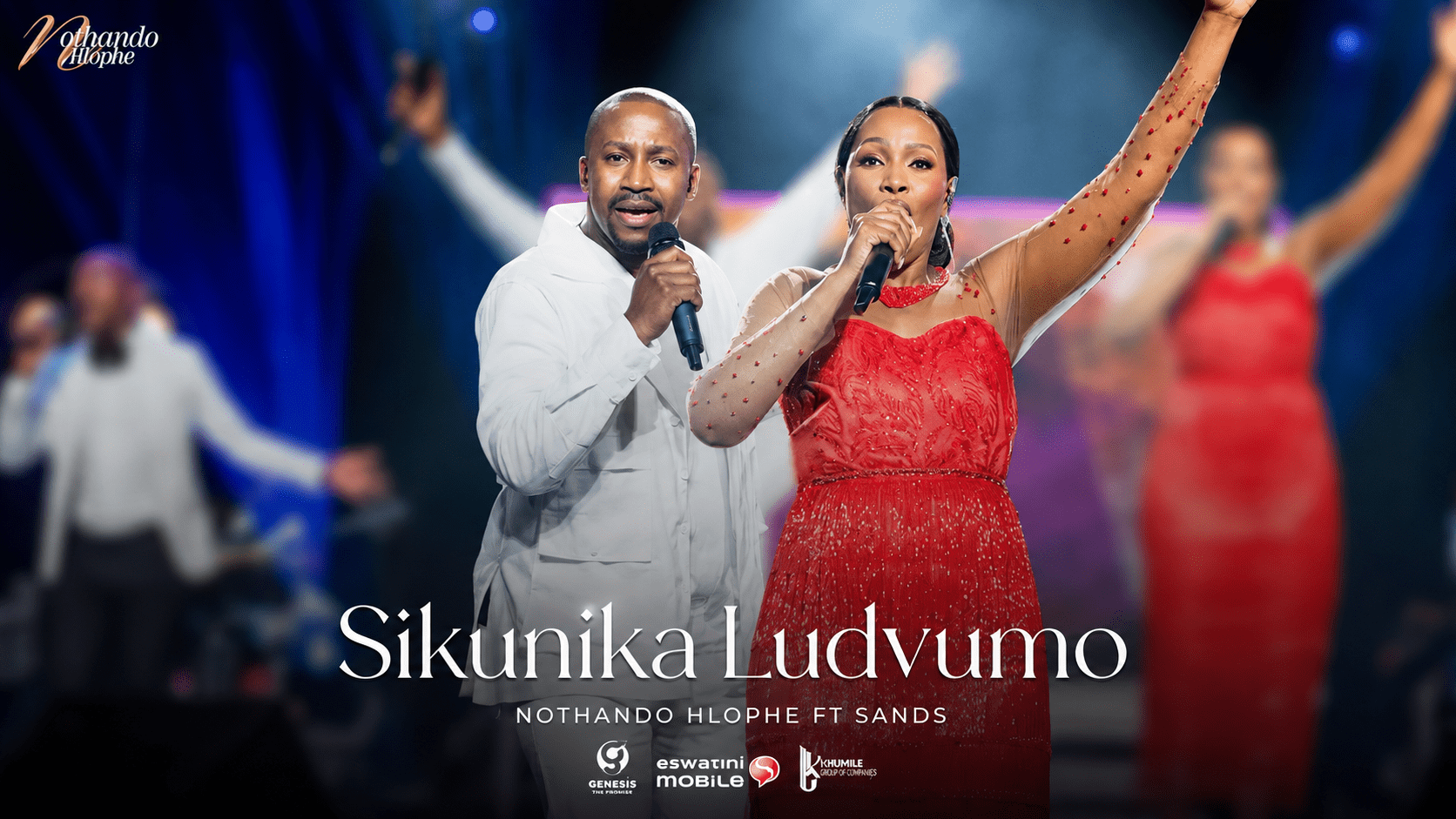

Nothando Hlophe’s A New Dawn brings together a collection of songs rooted in faith, worship and personal reflection, with ‘Sikunika Ludvumo’ standing out for the meeting of two distinct musical voices.
The song features Sands, bringing the Afro-soul artist into Hlophe’s gospel space on a collaboration that moves between SiSwati and isiZulu. Sikunika Ludvumo, which translates to ‘We Give You Glory’ or ‘We Give You Praise’ centres on the act of giving praise to God while reflecting on His consistency, protection and presence.
Released as part of A New Dawn, the song has also begun attracting an audience online, surpassing 20,000 views on YouTube within its first two weeks of release.
The collaboration brings together artists whose musical identities have largely developed in different spaces. Hlophe is known for her gospel work and strong vocal delivery, while Sands has built his catalogue around Afro-soul and contemporary African sounds.


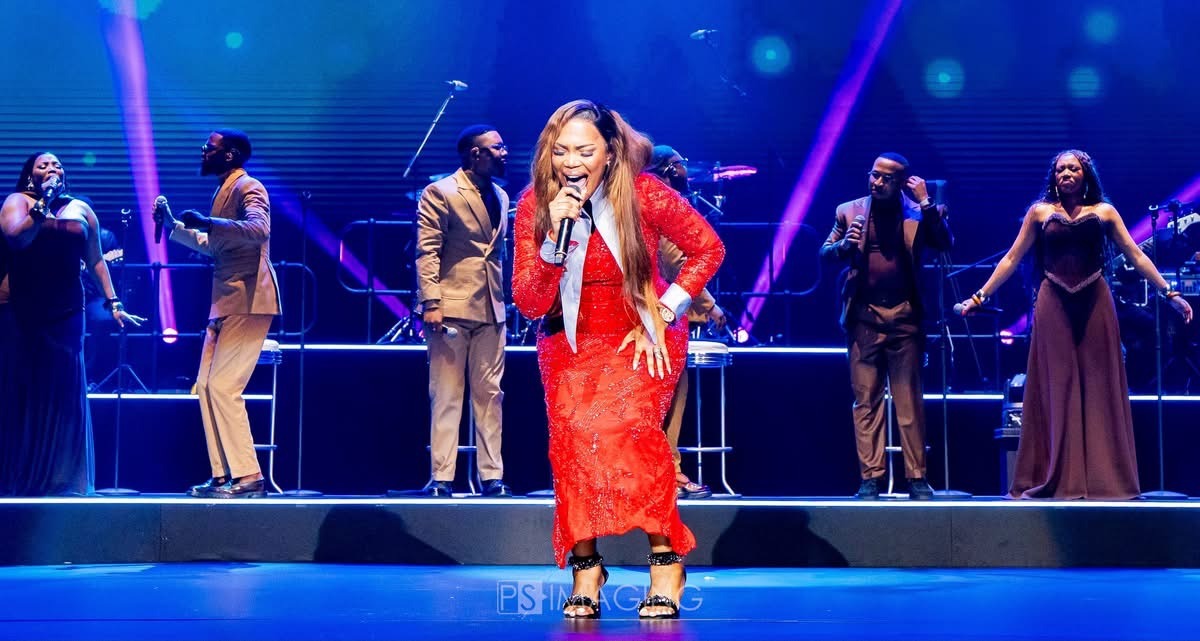
On Sikunika Ludvumo,those approaches meet without either being completely removed from its usual character.
The production of Sikunika Ludvumo takes a measured approach, allowing the vocals and lyrics to remain at the centre of the song.
The opening is built around warm keyboard sounds and atmospheric textures before the arrangement gradually introduces acoustic guitar and the vocals.
Instead of relying on a dense instrumental arrangement, the production creates space around Hlophe and Sands, allowing their voices to carry much of the song’s movement.
The acoustic elements also give the recording a distinctly Southern African character, while the restrained production keeps it connected to contemporary gospel and Afro-soul.
The song develops gradually rather than moving immediately into an energetic praise arrangement. Its opening establishes a quieter mood, with the repeated vocal lines becoming more prominent as the song progresses.
That approach mirrors the central message of the track. Sikunika Ludvumo is not structured around a complicated narrative. Instead, it repeatedly returns to the act of acknowledging God’s greatness and faithfulness.
The lyrics move between SiSwati and isiZulu, reflecting the artists’ Southern African musical and linguistic backgrounds.
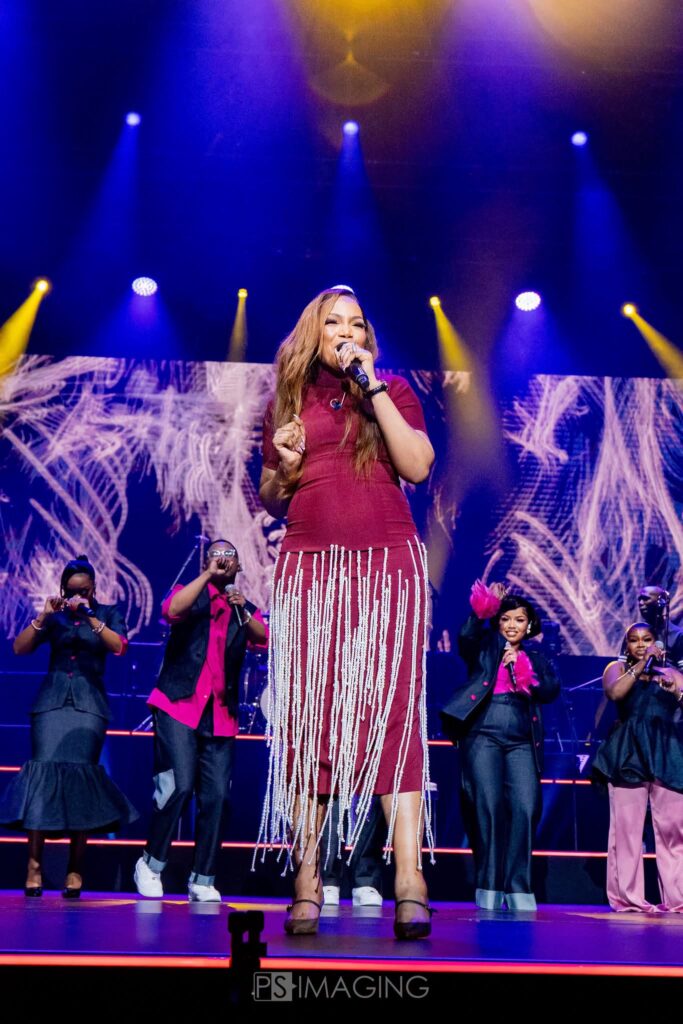

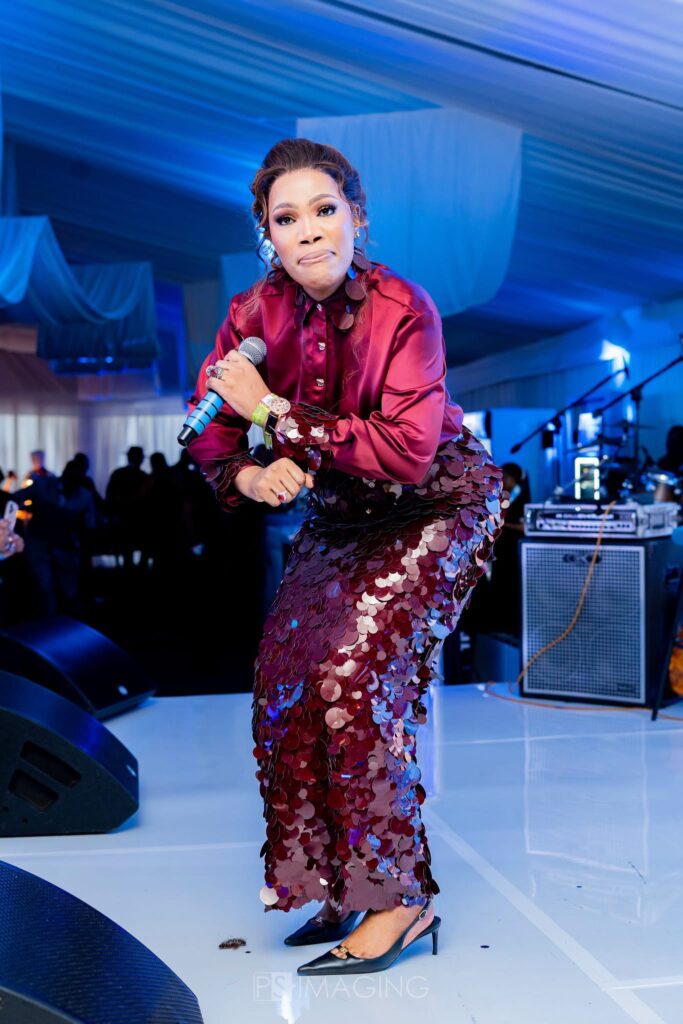
The opening refrain establishes the central message:
“Sikunika ludvumo, Babe
Sikunika ludvumo, Somandla
Ludvumo awulinganiswa.”
The words are a direct declaration of praise, addressing God as both Babe and Somandla while emphasising that His glory cannot be compared.
From there, the song moves towards the theme of God’s unchanging nature.
“Kusukela phakadze
Kube phakadze
Awugucuki, awushiyani, wena Babe.”
The lyrics describe God as constant, extending from everlasting to everlasting, while emphasising the belief that He does not change or abandon those who trust in Him.
That theme continues throughout the song, with the lyrics moving from declarations about God’s character to a more personal expression of faith.





One of the most direct passages references walking with God even through the shadow of death, before returning to the reassurance that there is no reason to fear because God remains present.
The passage places the song within a familiar tradition of gospel music in which personal vulnerability and confidence in God exist alongside one another.
The reference to the possibility of being abandoned, even by one’s own mother, further intensifies that message before the song returns to the assurance of God’s presence.
Rather than presenting faith as an absence of difficulty, the lyrics acknowledge circumstances that can produce fear or uncertainty while maintaining the belief that God remains present through them.
The most distinctive element of the collaboration is the meeting of Hlophe and Sands’ vocal approaches.
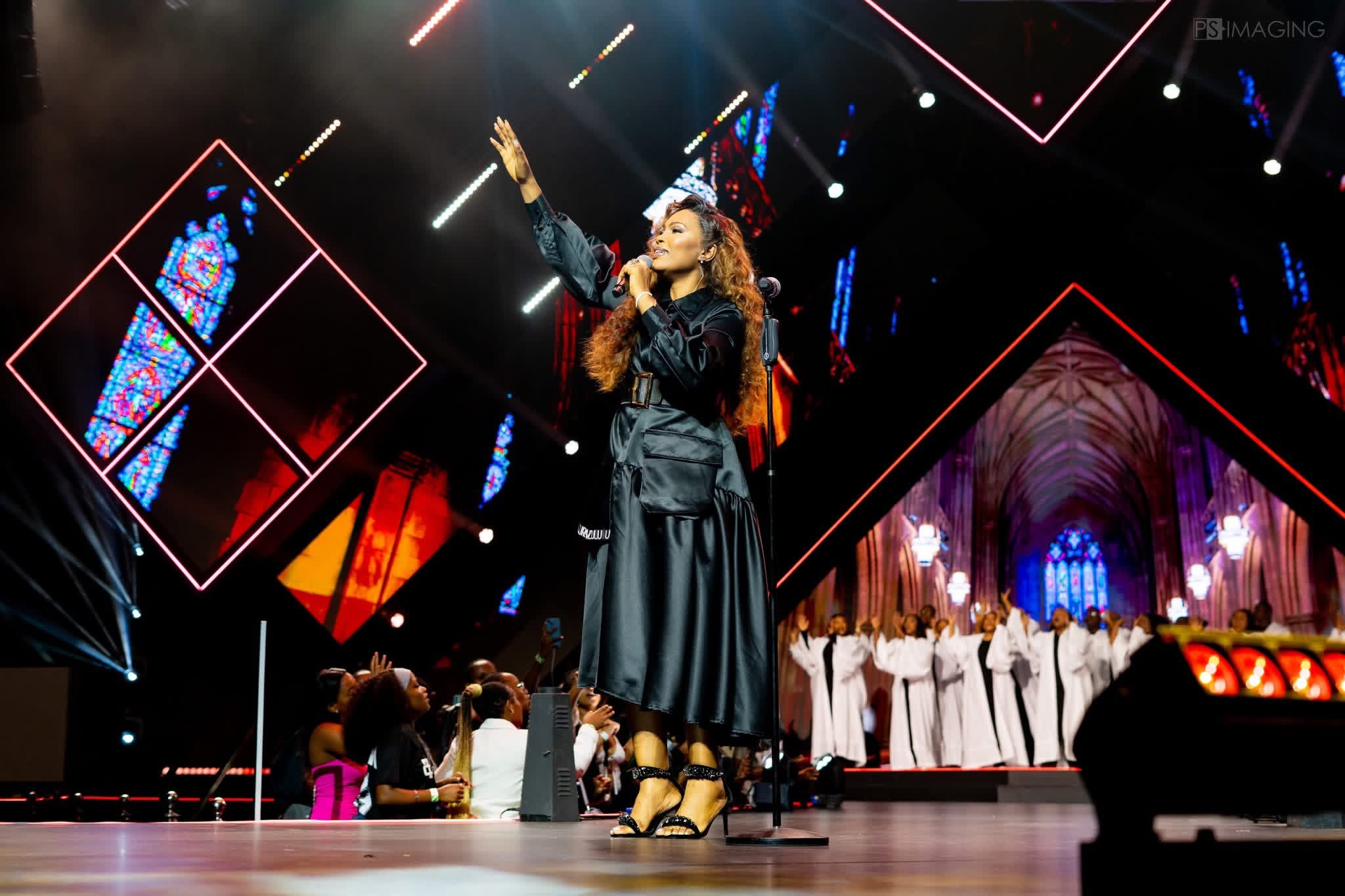
Hlophe’s voice carries the projection and strength associated with her gospel performances. Her delivery gives the song its worship foundation, particularly during the repeated refrains where the vocals become more prominent.



Sands brings a different texture. His Afro-soul background gives his sections a softer and more understated quality, creating a contrast with Hlophe’s stronger vocal presence.
The two approaches give the song its particular character. Instead of attempting to make the artists sound the same, the arrangement allows their individual vocal qualities to remain recognisable.
Their voices come together most noticeably during the repeated sections, where the song shifts from individual lines into a shared expression of praise.
It is also where the collaboration makes sense musically. Sands’ contribution does not move the song away from its gospel foundation, but introduces another contemporary African vocal texture into the arrangement.
Sikunika Ludvumo forms part of Hlophe’s A New Dawn project, placing the collaboration within a broader body of work centred on faith and a new chapter in her music.
The album provides the wider context for the song. Rather than existing as an isolated gospel single, Sikunika Ludvumo contributes to the project’s overall exploration of worship and testimony.
The collaboration with Sands also expands the musical palette of the project, bringing an artist associated with Afro-soul into a gospel setting while maintaining the song’s central message.
The decision to present the song in both SiSwati and isiZulu further situates it within a Southern African context.
The languages are not treated simply as translations of one another; they form part of the song’s natural musical expression and contribute to its sense of place.
The song’s live performance on YouTube, where it passed 20,000 views within its first two weeks, provides an initial indication of the attention surrounding the release.
As part of the A New Dawn era, Sikunika Ludvumo adds another dimension to Hlophe’s gospel catalogue while introducing Sands to a worship setting.
The result is a collaboration that brings together gospel and Afro-soul without losing sight of the song’s central purpose: praise.