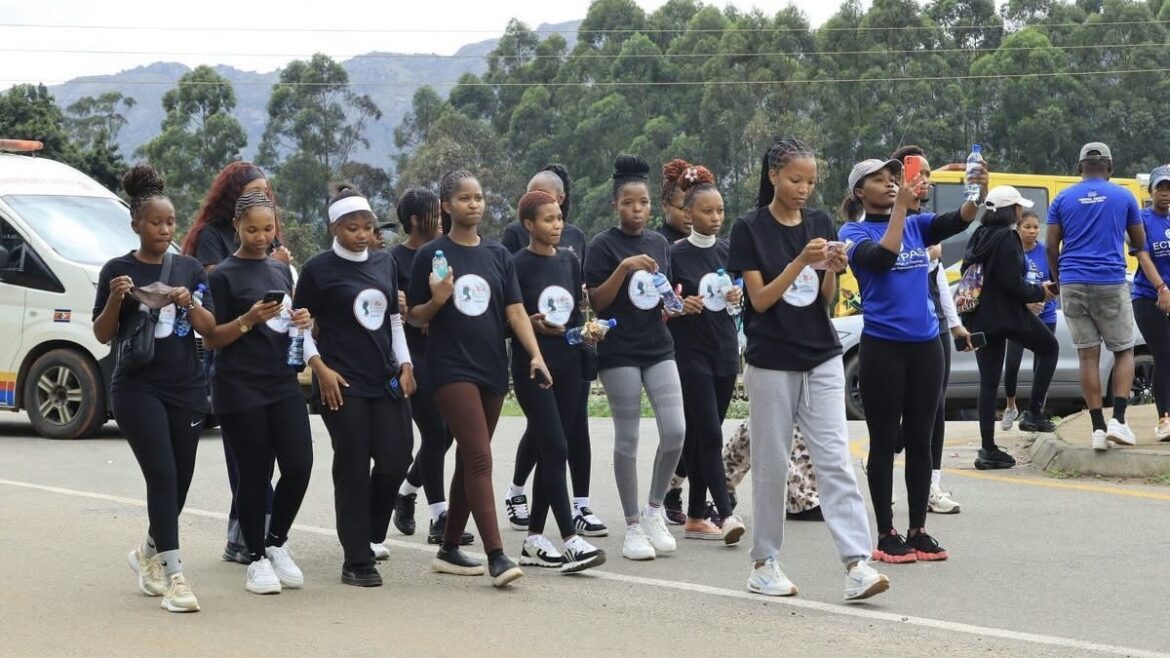



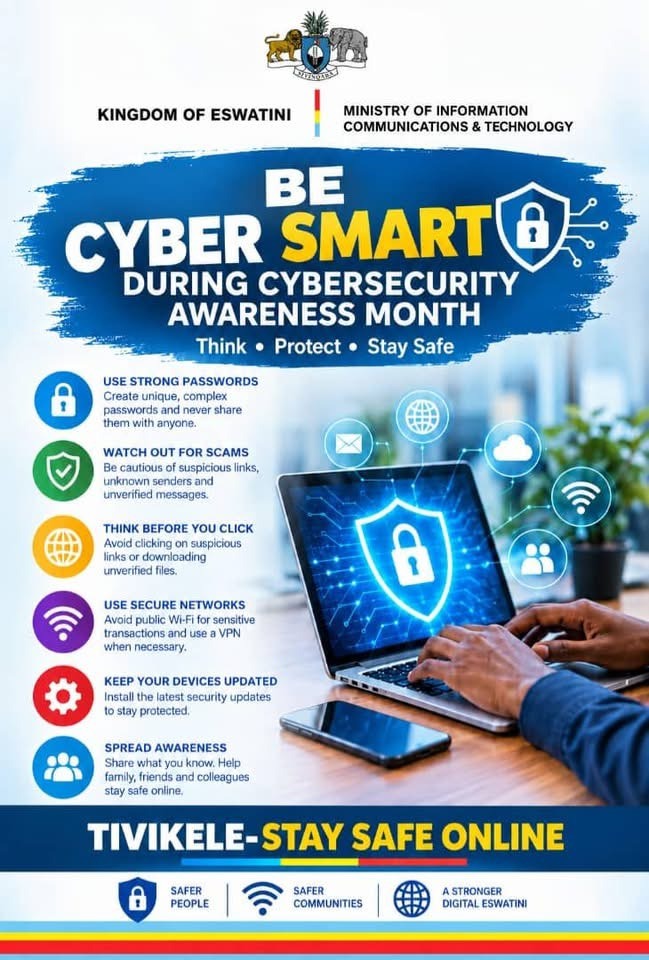
October is National Cybersecurity Awareness Month in Eswatini, and this year’s message comes with a serious reminder to think carefully about what we share online.
At the launch of the national campaign on 1 October, the Eswatini Communications Commission (ESCCOM) revealed that cyber-related losses in the country had exceeded E15.9 million in one year.
The losses were linked to mobile money fraud, phishing, identity theft, online scams, fraudulent banking transactions and other cyber-enabled crimes.


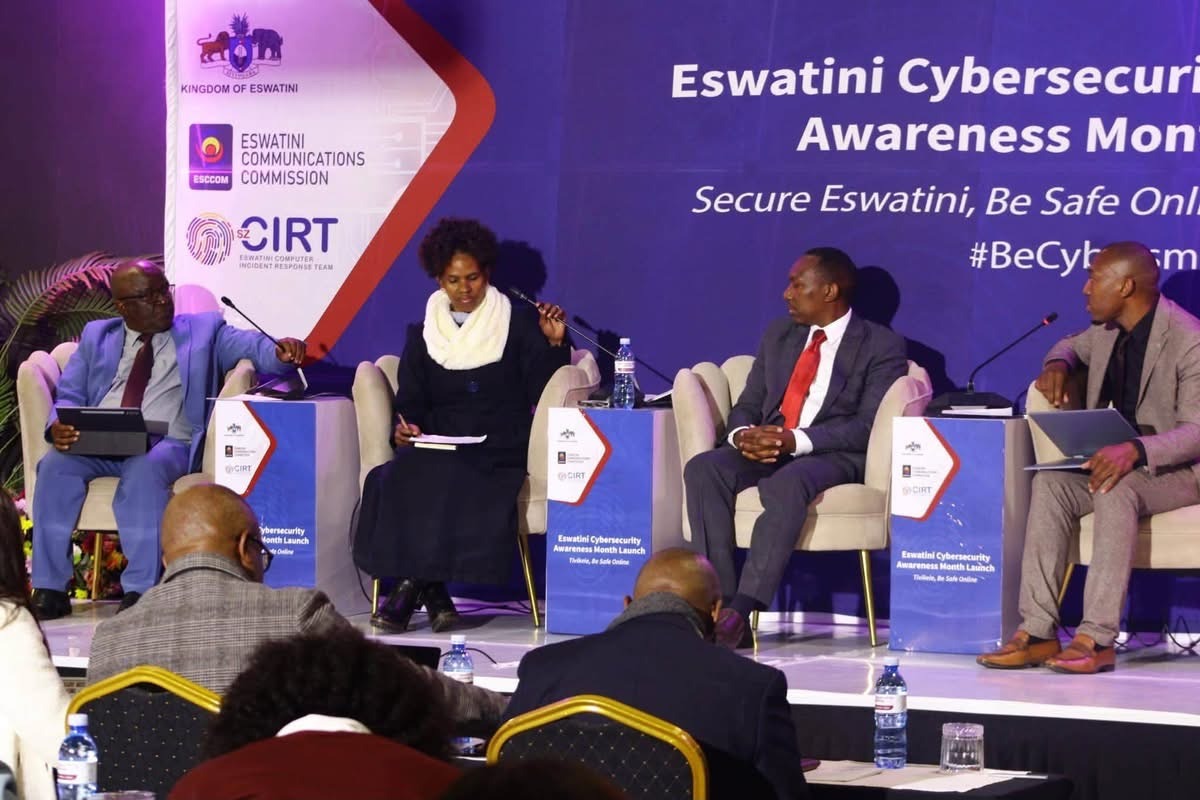
Officials also highlighted cyberbullying, online harassment, child exploitation and grooming as threats affecting people in the digital space.
The concerns are not limited to financial scams. What we post, the personal details we reveal and the information we share about other people can have consequences beyond the screen.
A photograph uploaded to celebrate a new home, a live location shared during a night out or a video featuring a child can reveal details that were never intended for a wider audience.
With cybersecurity awareness activities taking place across Eswatini throughout October, it is a good time to review our digital habits.
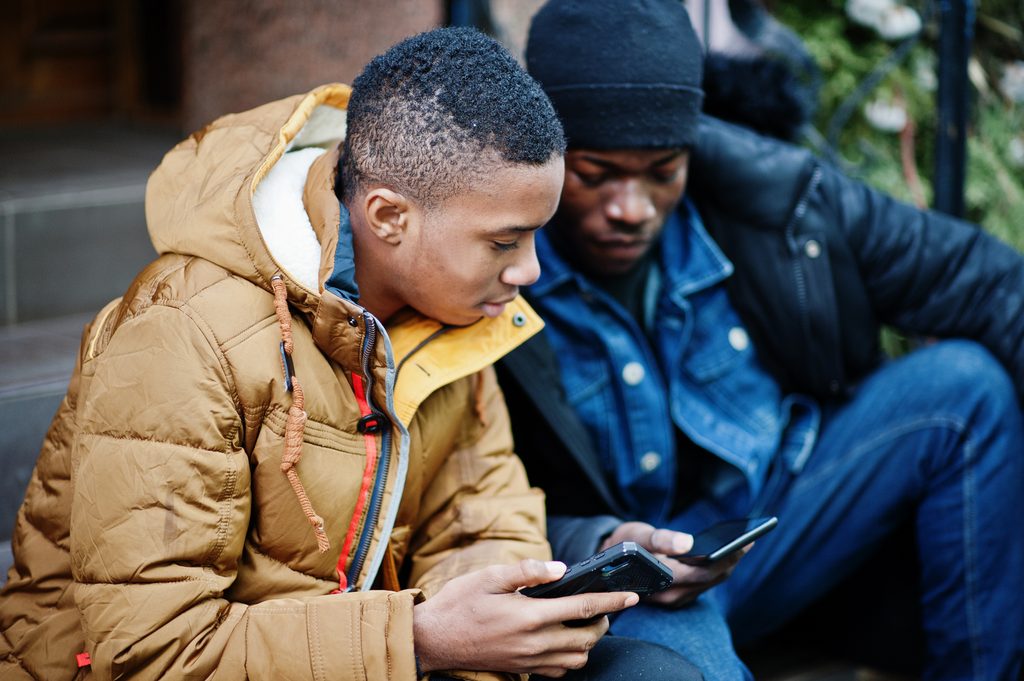
Social media remains a place to express ourselves, celebrate milestones, keep up with friends and document everyday life. But being active online does not mean every part of our lives needs to be public.
You do not have to stop posting your outfits, holidays, celebrations or family moments. The point is to understand what information a post might reveal and who could use it.
Here are 12 things worth keeping off your feed.
1. Your home address
Your home should remain your safe space, and your address does not need to be part of your online identity. Avoid posting photographs of documents, delivery labels, bills or other items that display your full address. Even a photograph taken outside your home can reveal the street name or house number if these details are visible.
If you run a business from home, consider using a separate business address where appropriate rather than making your residential details public.
2. Your live location
That restaurant, hotel or beach might be worth sharing, but consider waiting until you have left before posting it. Real-time location updates can tell people where you are, whether you are alone and how long you might be away from home.
Location tags, check-ins and photographs with recognisable landmarks can reveal your movements. You can still share the memories; just consider posting them after the outing.
3. Too much information about your children
Children deserve privacy, even when their parents enjoy documenting family life. Before posting a photograph or video, consider whether it reveals your child’s school, uniform, daily routine, location or other identifying details.
Avoid sharing information such as school pickup times, regular routes and personal documents. Be particularly careful with photographs showing children in vulnerable or embarrassing situations. As they grow older, they may not want those moments permanently associated with them online.
4. Your travel dates and an empty-house announcement
Announcing a holiday can be exciting, especially when you have been saving for it. However, posting your departure and return dates while you are away can reveal that your home is unoccupied.
You do not have to keep your holiday a secret. Share the photographs when you return, or limit travel updates to people you trust. Avoid combining your travel plans with details that identify your home or its security arrangements.
5. Your identification documents
Identity cards, passports, driver’s licences, boarding passes and official documents can contain information that should not be publicly accessible.
A celebratory photograph of a new passport or a screenshot of a booking confirmation may expose your full name, document number, date of birth or other personal details.
Before sharing a document, check every corner of the image. Cover sensitive information completely rather than relying on a small sticker or decorative graphic that might not conceal it properly.
6. Your passwords and security details
This may sound obvious, but passwords and account recovery information can appear in unexpected places. Avoid posting screenshots of notes, computer screens or messages containing login details, verification codes or answers to security questions.
Also be cautious about public posts revealing personal facts that could help someone guess your passwords, such as your pet’s name, birthday or the school you attended. Use unique passwords and enable multi-factor authentication wherever possible.
7. Your financial information
New bank cards, payment notifications and screenshots of transactions can reveal more than the amount you spent. They may show account details, reference numbers, telephone numbers or information about your bank.
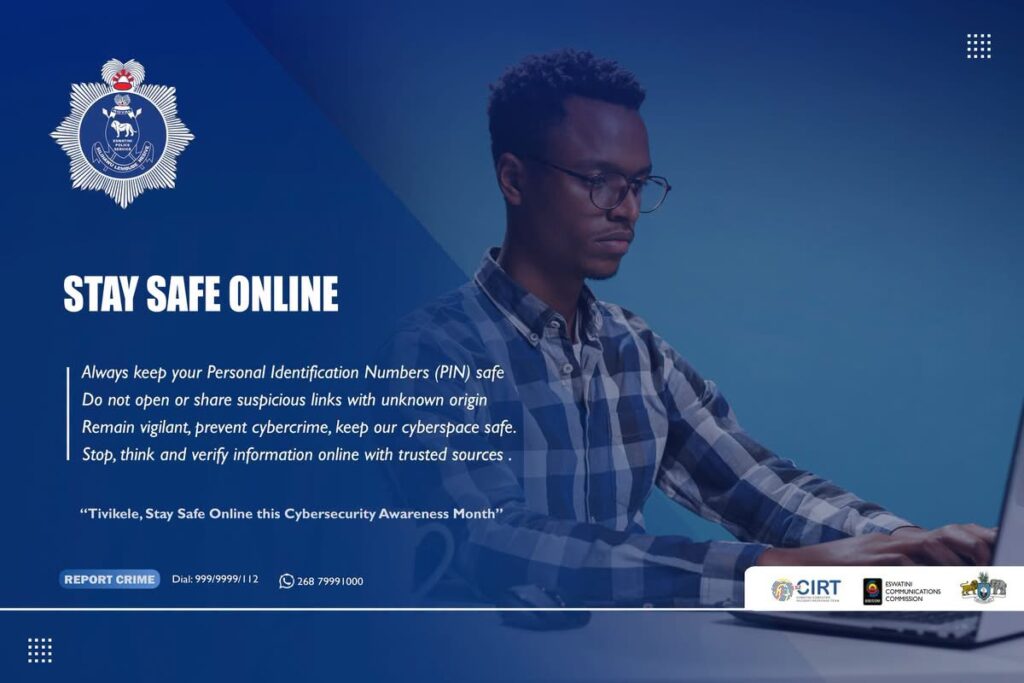
Never post your PIN, one-time password or banking verification code. Legitimate financial institutions should not need you to reveal these credentials publicly or send them to a stranger through social media.
8. Private conversations and other people’s secrets
A screenshot of a WhatsApp conversation can quickly become the centre of online drama, but it may expose someone’s phone number, personal circumstances or confidential information.
Before sharing a private message, consider whether you have permission and whether identifying details can be removed. The same applies to photographs of friends, colleagues and family members. Being able to post something does not necessarily mean it should be made public.
9. Your daily routine
Regular updates about the time you leave home, where you exercise, when you collect your children or which route you take can create a detailed picture of your routine.
You can still share your morning walk, gym session or favourite coffee stop without publishing a predictable timetable. Avoid giving strangers a complete account of where you will be and when.
10. Your boarding pass and booking confirmations
Travel documents are particularly easy to overlook when you are excited about a trip. A boarding pass or reservation screenshot may contain a booking reference, barcode or other details connected to your itinerary.
Do not assume that cropping out your name makes the document safe to share. Keep the original private, and if you want to post a travel announcement, use a photograph that does not display booking information.
11. Personal details about your workplace
Sharing professional achievements is part of building a career, but confidential information should stay confidential. Check photographs for visible computer screens, internal documents, customer details, access cards and meeting information.
Avoid publishing details about security procedures or private workplace conversations. If you are unsure whether something is appropriate to share, check your employer’s policies first.
12. Anything you would not want permanently attached to your name
Social media posts can be copied, saved and shared beyond their original audience. Even disappearing messages and Stories can be captured before they expire.
Before posting during an argument, sharing an intimate photograph or publishing something deeply personal, pause and consider the possible consequences. This is not about being afraid to express yourself. It is about recognising that online audiences and circumstances can change.
The same caution applies to intimate images: never share someone else’s private photographs without consent, and think carefully before posting your own.




Keep sharing, just share smarter

Protecting your privacy does not mean giving up the fun parts of social media. You can celebrate your birthday, show off your new outfit, share your holiday photographs and document the little moments that matter to you.
Start by reviewing the privacy settings on your accounts, checking which apps can access your location and removing personal information from public profiles. Be selective about friend requests, use multi-factor authentication and remember that even a private account cannot guarantee that a post will stay within your intended audience.
Most importantly, make privacy part of your posting routine. Before uploading a photograph or writing a caption, take a moment to look beyond what you want to share and consider what else someone might learn from it.
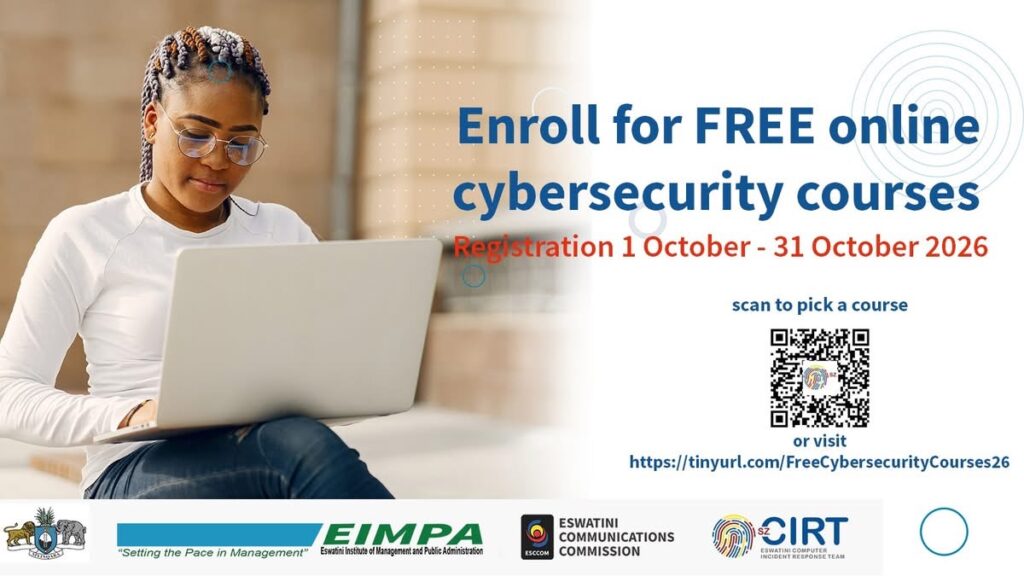
You can be present online without making every part of your life public. Sometimes, the best thing you can do for your digital safety is enjoy the moment first and decide later whether it belongs on the feed.