


Stanley Mkhwanazi never set out to become an author. Yet, what began with one deeply personal book has grown into a wider mission to champion writers, build literary platforms and connect Eswatini’s stories to a continental audience.
For Stanley Mkhwanazi, becoming an author was never part of the original plan. The 43-year-old from Madlangempisi had built a career in entrepreneurship development, served in ministry and spent years working to create opportunities for others. Writing came later, born from a deeply personal season of struggle and a growing realisation that the message he carried could reach people beyond the pulpit.
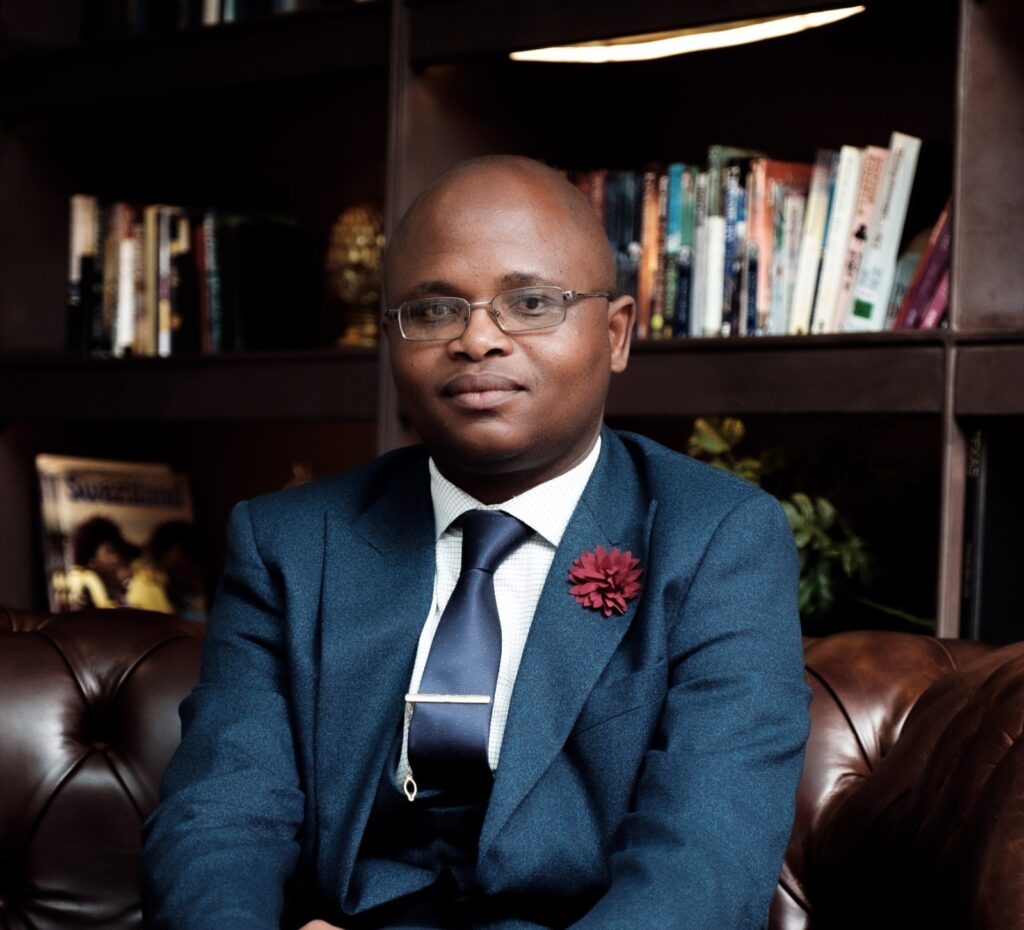
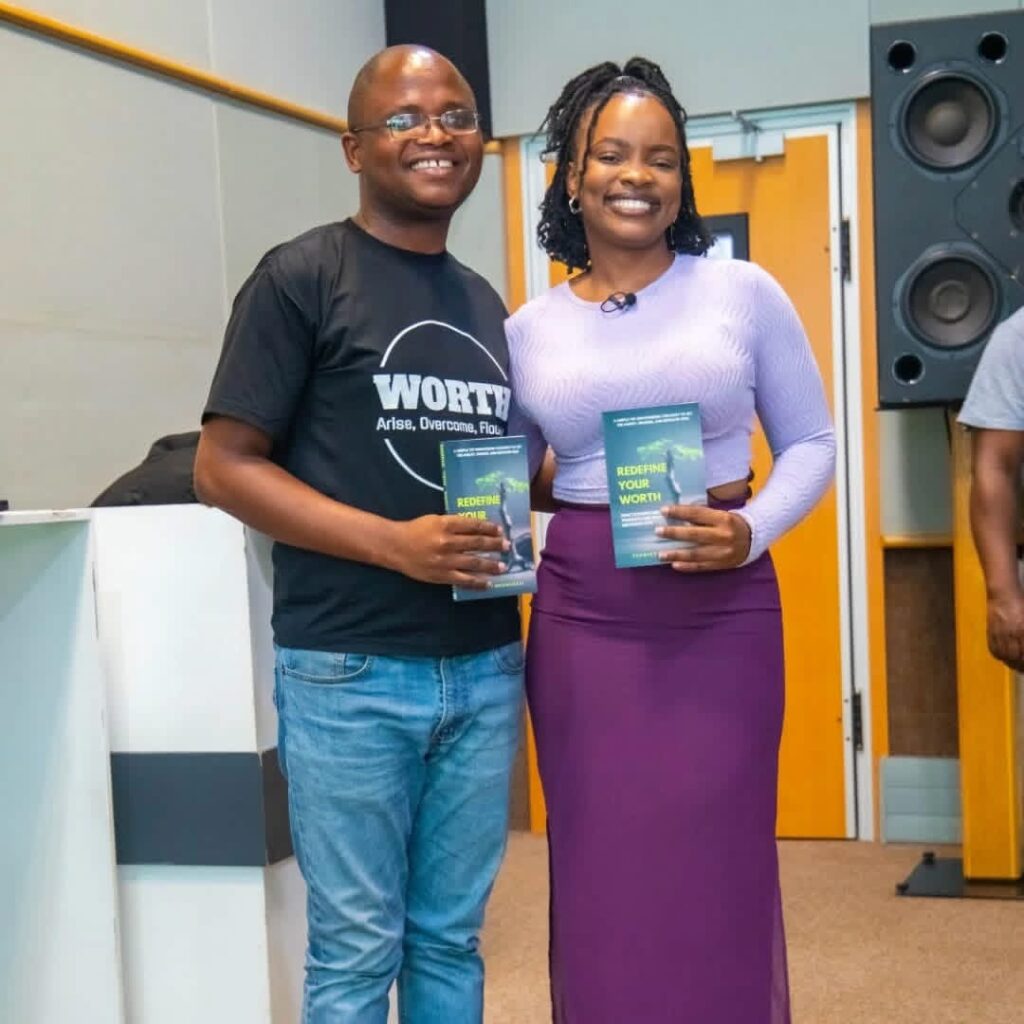
Today, Mkhwanazi is the pastor of Mpolonjeni First Church of the Nazarene in Mbabane, the author of Redefine Your Worth, an award-winning writer and an increasingly important figure in Eswatini’s growing literary space.
His journey to becoming an author is as unexpected as it is personal.



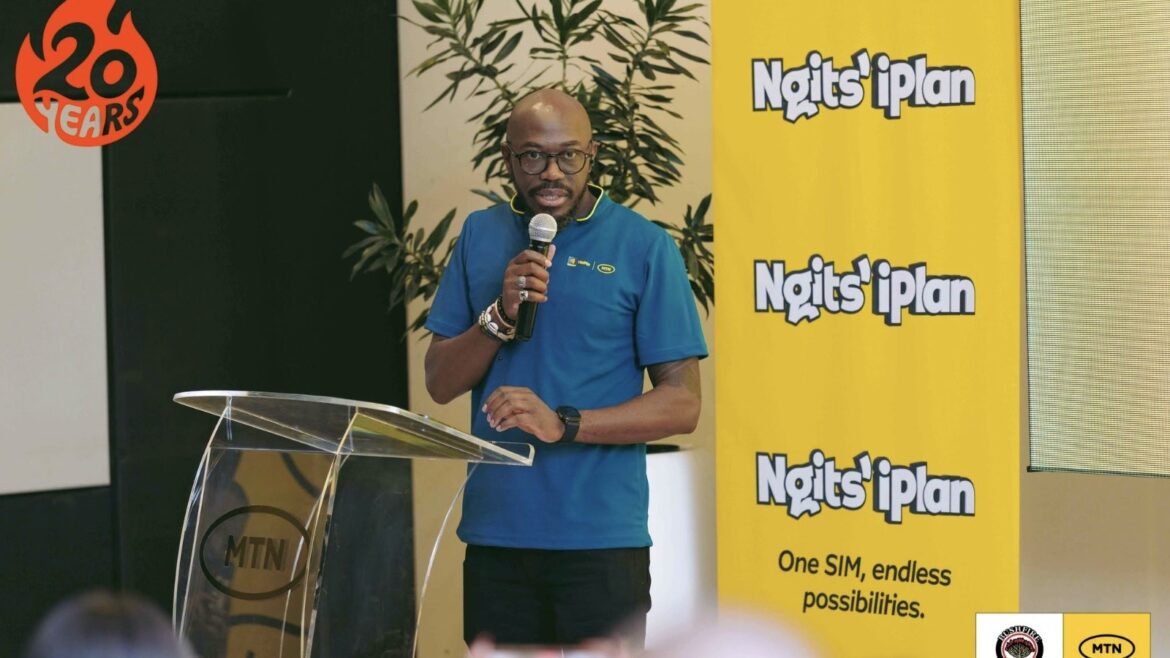
After studying Journalism and Mass Communication at UNESWA, Mkhwanazi spent 12 years working in entrepreneurship development. He started at TechnoServe, where he was part of the team behind Eswatini’s first national business plan competition, Believe Begin Become, serving from 2006 to 2012. He later joined Junior Achievement, where he worked until leaving full-time employment in 2018.
But a turning point came in 2017 when he was diagnosed with Major Depression. The experience forced him to confront his own mental health and eventually led him into a deeper exploration of faith, healing and the realities of people struggling silently.
“I hit rock bottom and had even resolved to end my life when the Lord intervened, assuring me that this difficult season was preparing me for a higher assignment: bringing hope to the broken,” he says.
That season would eventually become part of the foundation for his ministry and, years later, his writing.
In 2023, Mkhwanazi began working on Redefine Your Worth, inspired by the response to a social media post promoting a sermon titled “Is God Punishing Me?” The comments and private messages that followed revealed something much deeper.

“They revealed the profound depth of pain and hidden struggles people carry, convincing me that the time had come to put these truths into print,” he says.
The book was eventually published in 2025, and what followed exceeded his expectations.
Putting Redefine Your Worth into the world meant making himself vulnerable on a subject that was deeply personal. Naturally, Mkhwanazi was unsure how readers would respond. Instead, the response was powerful.
“It brings me so much joy whenever I hear readers say they can identify with my story,” he says.
Then came his nomination for the African Christian Authors Book Award (ACABA) in Kenya, an opportunity that introduced him to a much wider continental literary community.
The experience turned out to be about much more than an award. Mkhwanazi became part of a programme that included training, networking and practical assignments designed to develop authors beyond simply writing books.

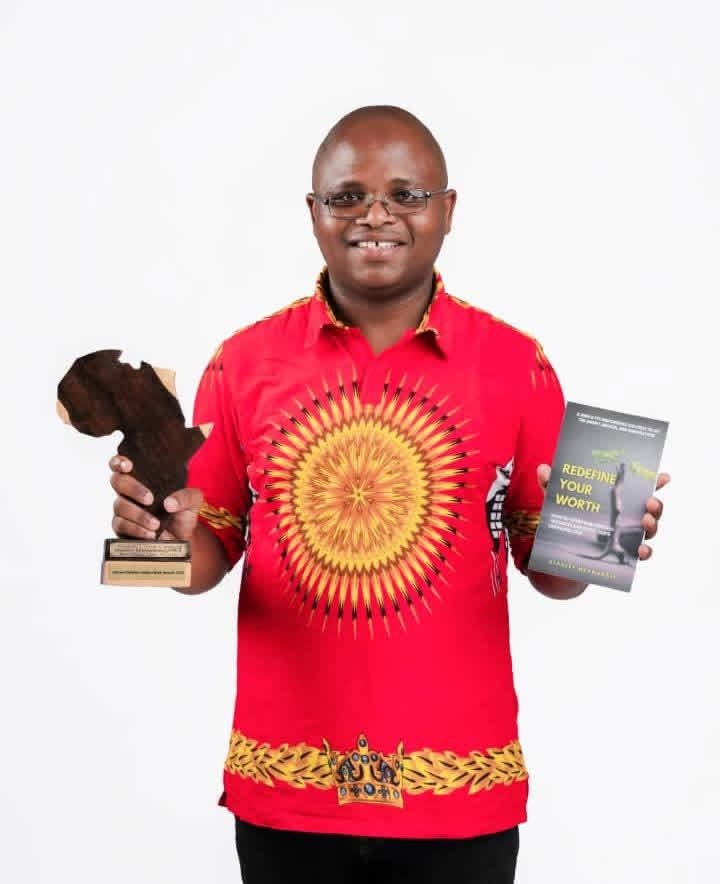
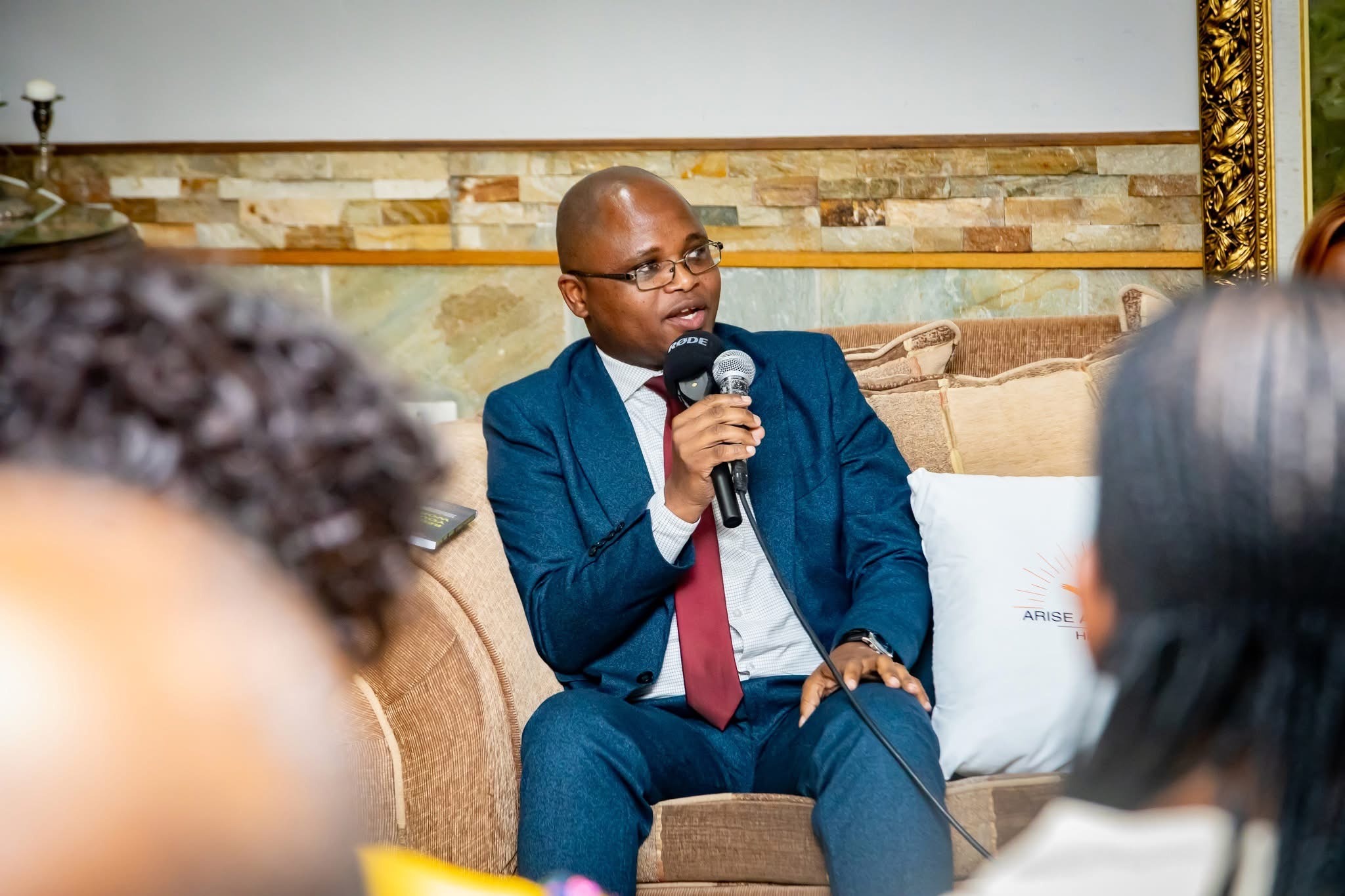
He ultimately won the Christian Living category and was named runner-up for Book Content of the Year. The recognition was particularly significant because Redefine Your Worth had originally been submitted in the Mental Health category.
“I was genuinely surprised when it won in the Christian Living category,” he says, explaining that the judges felt that was where the book’s message belonged.
For Mkhwanazi, however, the real significance lies beyond the trophies. The book has become a vehicle to reach places and lives he never could have imagined and, in many ways, helped relaunch him into public life after a period of what he describes as hibernation.
Turning Recognition Into Opportunity
Rather than keeping that opportunity to himself, Mkhwanazi began thinking about what his ACABA experience could mean for other emaSwati writers.
When he discovered that he was the first liSwati to be nominated for the awards, his immediate hope was not simply to see himself win, but to see Eswatini represented.
That belief eventually contributed to the establishment of the Eswatini Sapphire Writing Class, developed through engagement with Christian Literature Communications (CLC) Kenya and local literary stakeholders, including Nelton Mondlane of Mind Food and Soul Organization, which had already established an Author’s Corner community.
The Writing Class became an entry point into a much bigger vision: intentionally developing Christian writers in Eswatini and creating pathways for local authors to connect with opportunities beyond the country’s borders. And the programme has already shown him that the talent is there.
“Sitting through the class, listening to the conversations, and engaging with the manuscripts made it very clear that we have quality content that simply needs a platform to be released,” he says.
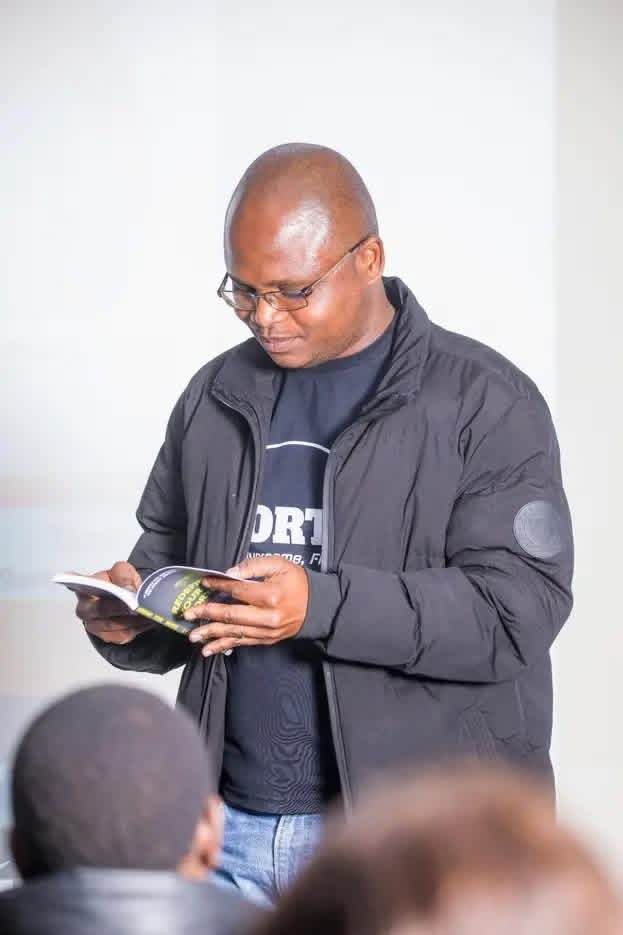
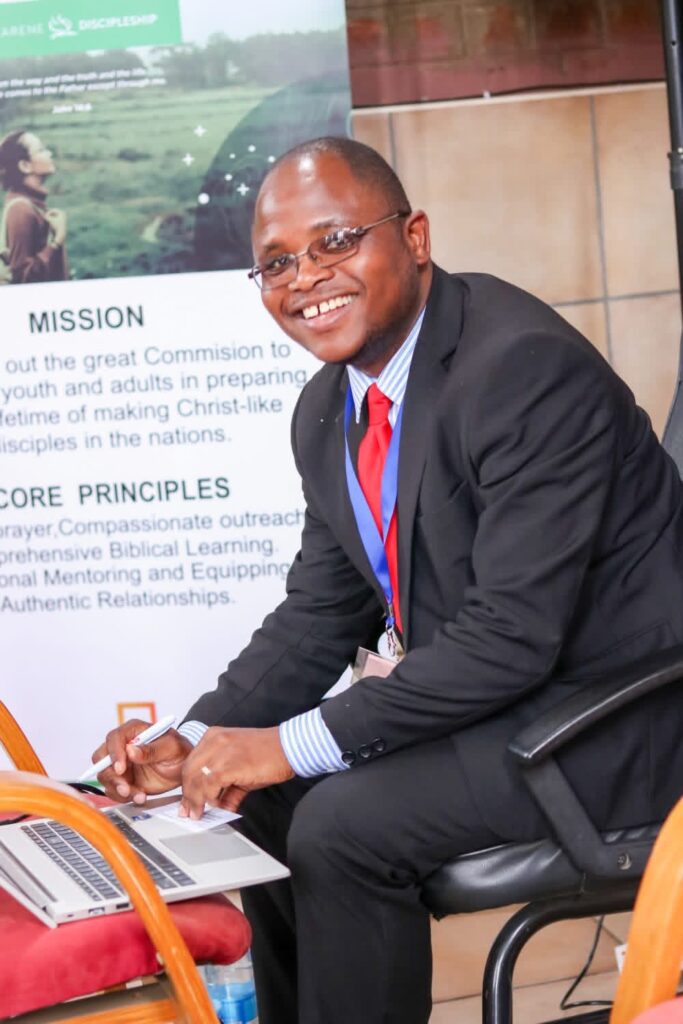
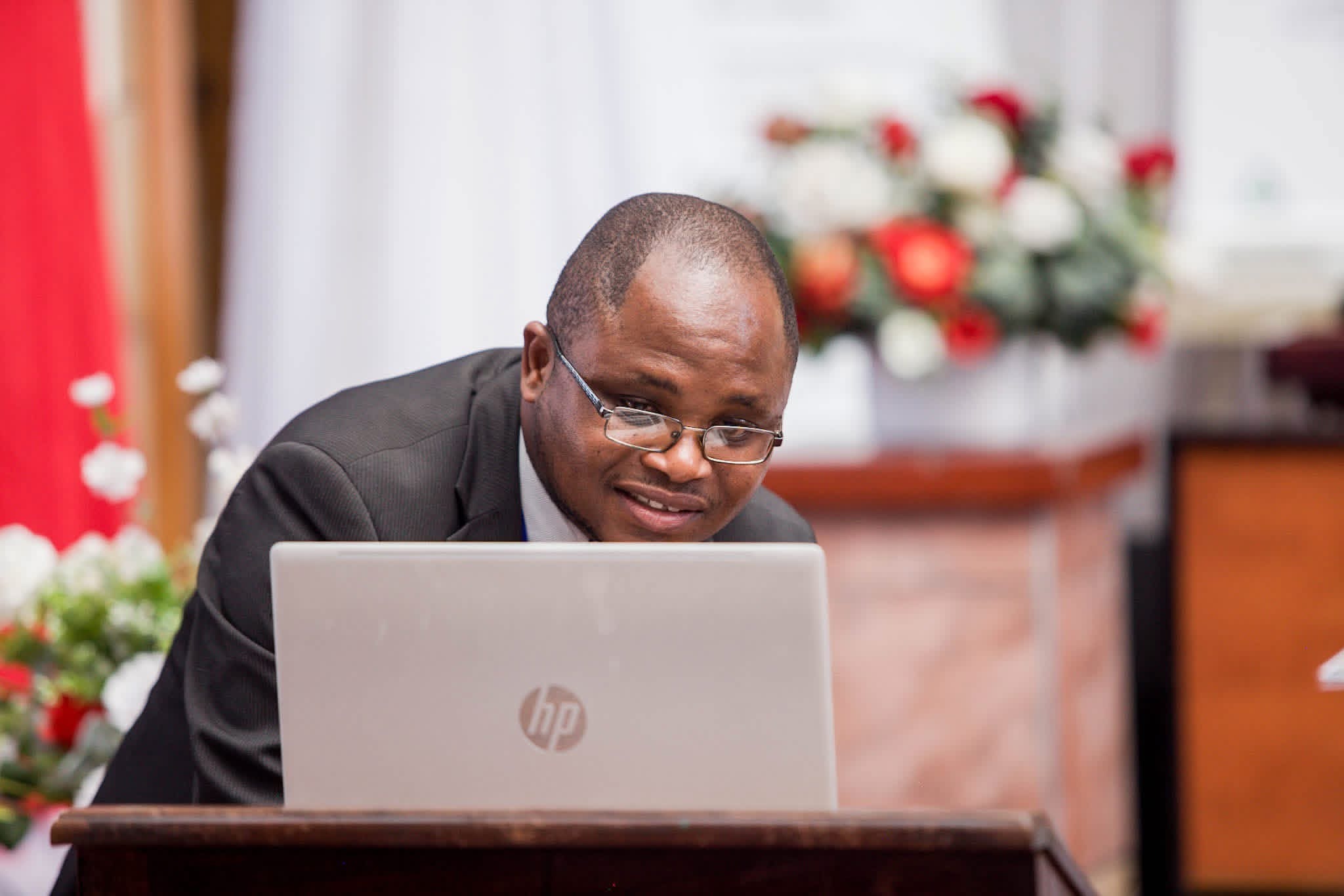
The 14-week programme is demanding, particularly for working professionals, but participants have continued to bring their stories and ideas to the table.
For Mkhwanazi, that is proof that Eswatini’s literary potential is not the problem. The bigger challenge is creating the structures and platforms needed to support it.
Mkhwanazi’s own definition of success has also shifted. His years in entrepreneurship development were, in retrospect, already preparing him for the work he is now doing in the literary space: creating platforms that allow other people to grow.
“Success is no longer about personal milestones or accolades alone, it is about opening doors and pulling others along with you,” he says.
That philosophy is now reflected in his involvement with the Eswatini ACABA Secretariat, which is working towards establishing a full-fledged ACABA Chapter in the country.
The goal is to give local Christian authors a direct connection to a wider continental literary ecosystem. For Mkhwanazi, it is ultimately about ensuring that Eswatini’s writers are not left outside the conversation.
Bringing the Bookfest Home
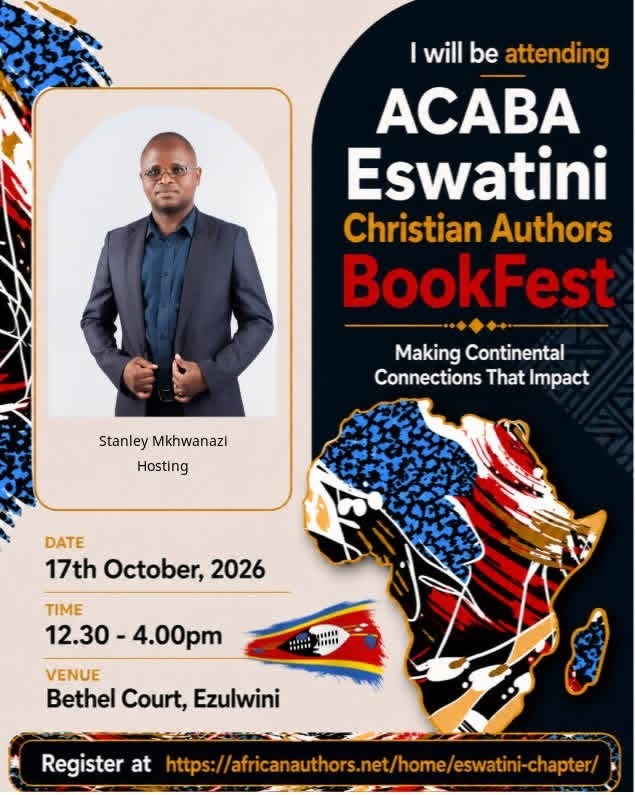
That same vision is behind the upcoming Bookfest, which will bring authors, readers, publishers and literary stakeholders together in Eswatini.
With no dedicated major national platform currently celebrating local authorship on this scale, Mkhwanazi sees the Bookfest as an opportunity to place Eswatini firmly within the wider African literary conversation.
Authors and literary leaders from Kenya, Uganda, Botswana, Zimbabwe and South Africa are expected to take part, creating opportunities for cross-border conversations, networking and collaboration.
“It was important to me that Eswatini does not sit on the sidelines, but instead joins the table early to help shape the conversation,” he says.


For Mkhwanazi, the long-term vision goes beyond getting more people to write. He wants to see a functioning publishing ecosystem develop in Eswatini, one that creates opportunities across the entire value chain.
A single book requires writers, editors, proofreaders, graphic designers, layout artists, printers, marketers, promoters and booksellers. Building that ecosystem, he believes, could create sustainable opportunities while giving local stories a stronger route to the international market.
“We have proven that emaSwati can break into the international market,” he says, pointing to the recognition received by fellow liSwati author Colisile Tfwala alongside his own ACABA achievement.
The challenge now is to build the structures that can help more writers follow.
“The day we have a fully established and self-sustaining publishing ecosystem in Eswatini, I will be a satisfied man,” he says.
The Next Chapter
Mkhwanazi’s own story is far from finished. A new Writing Class cohort is planned for February, while the Bookfest is set to become an annual celebration with ambitions for deeper continental collaboration.
He is also working on his second book, which builds on the themes explored in Redefine Your Worth. But his work continues to sit at the intersection of several worlds, writing, ministry, mental health and literary development.
“I remain fully committed to bringing hope and healing to the broken,” he says.






Perhaps that is the thread connecting everything Mkhwanazi has done so far. From entrepreneurship development to ministry, from confronting his own darkest season to putting his story into print, and now from receiving recognition to creating platforms for other writers, his journey has increasingly become less about finding a place for himself and more about making room for others.
And if his vision becomes reality, the legacy will not simply be measured by the books he writes, but by the writers, stories and opportunities that exist because he helped create the space for them.