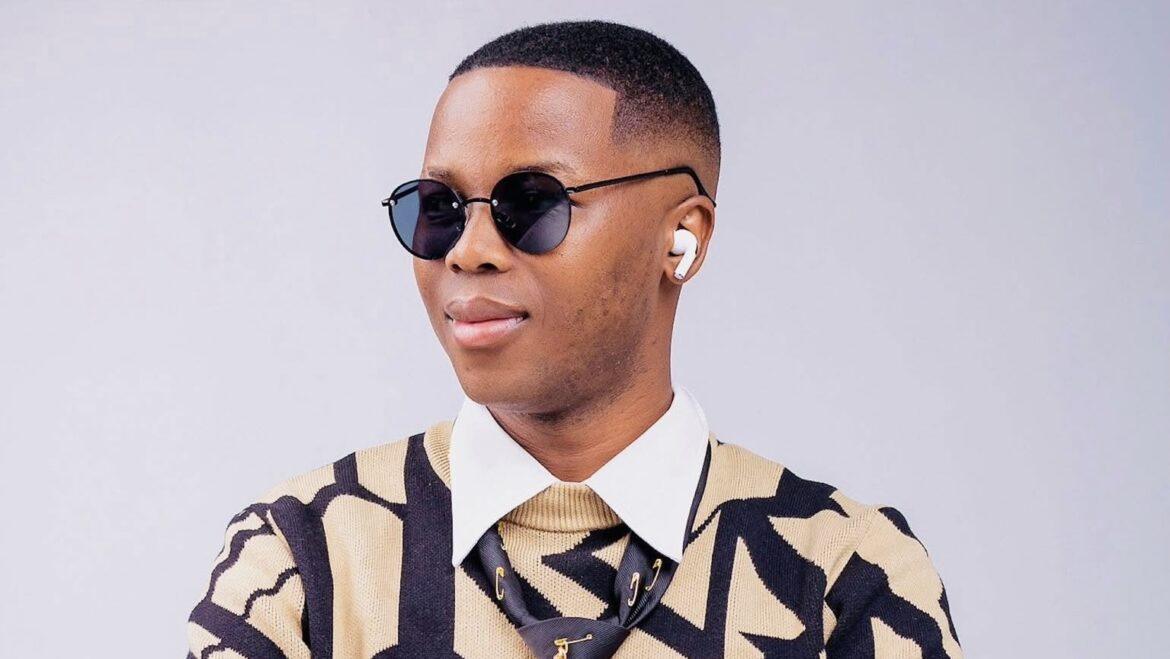


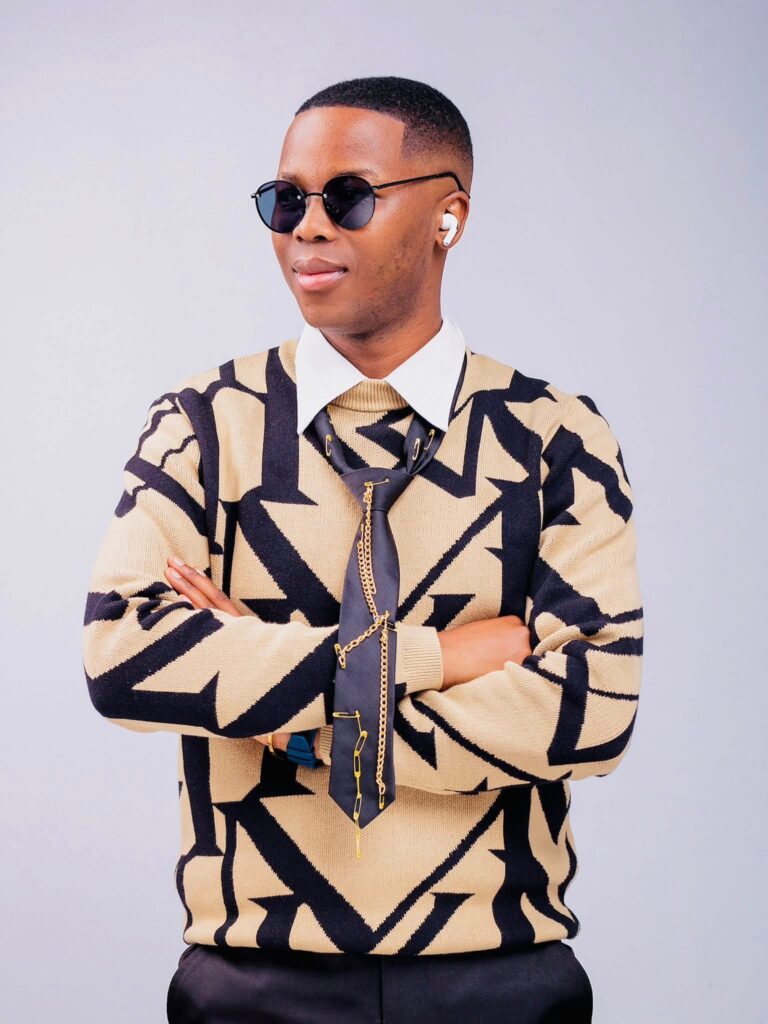

Award-winning content creator and influencer Sthombesihle Dlamini believes men should have the freedom to explore fashion without being limited by stereotypes or society’s expectations. Known for his unique style and standout festival looks, including at Luju, he shares his thoughts on men’s fashion, the importance of creativity and why wearing what you love should never be a source of judgement.
For Sthombesihle Dlamini, fashion has never been just about wearing clothes. It is about standing out, expressing individuality and having the confidence to look different from everyone else.
The award-winning content creator and influencer from Mbekelweni has always had a unique approach to style, one that embraces creativity and challenges the expectations of what people should or should not wear.
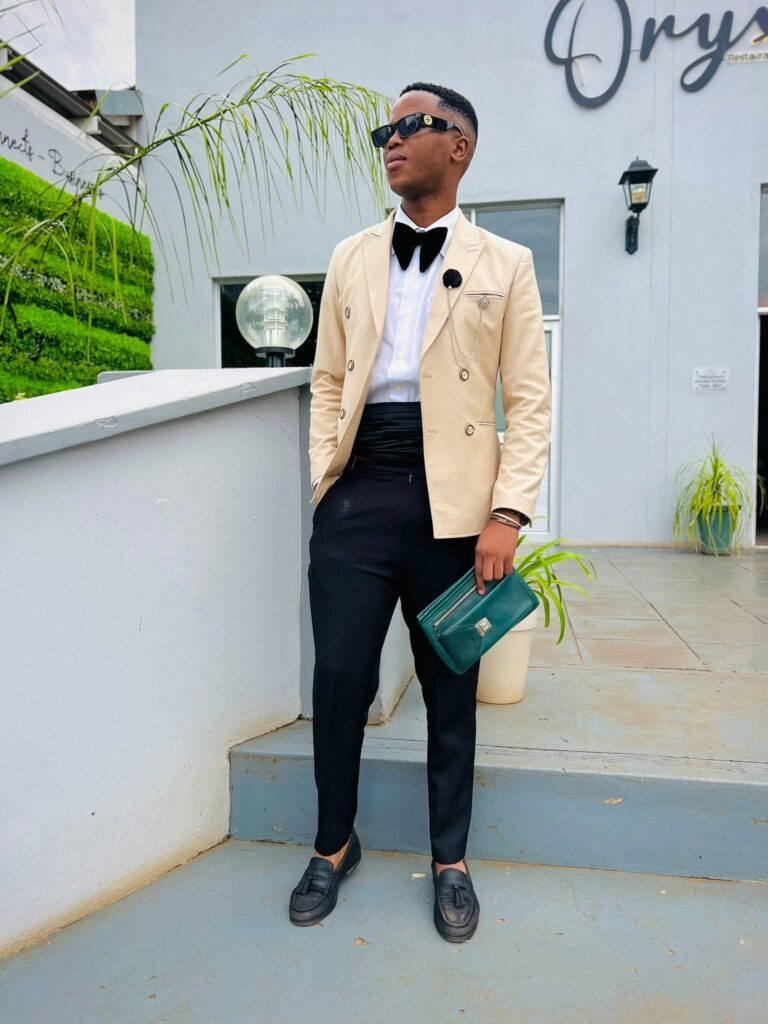
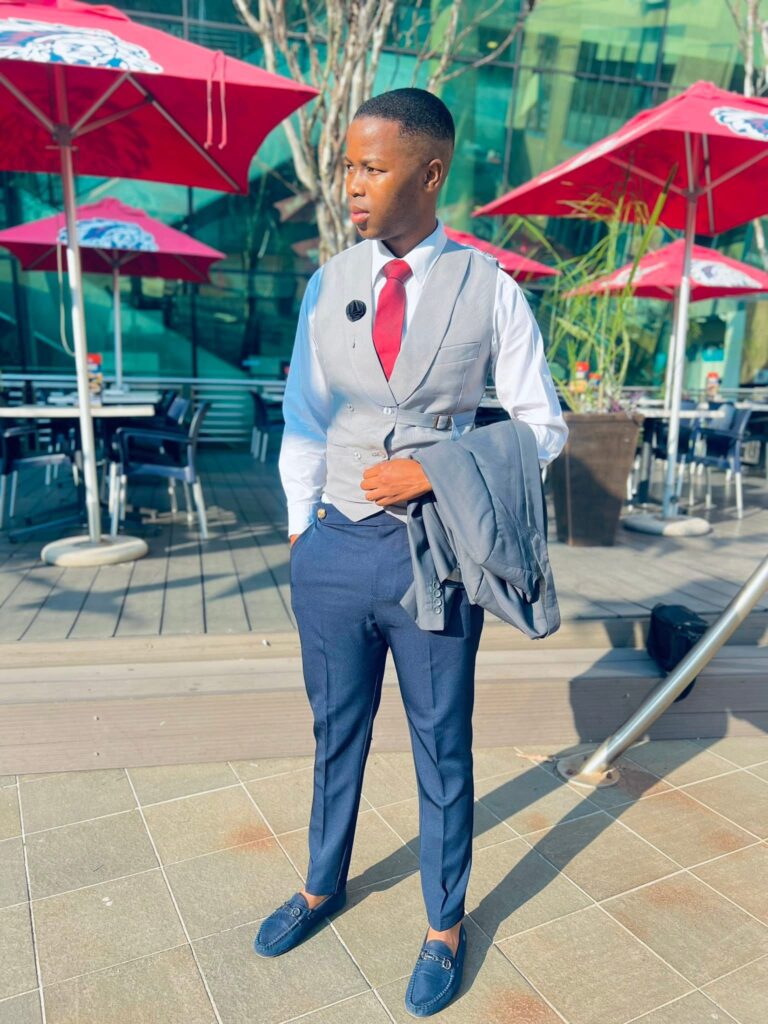
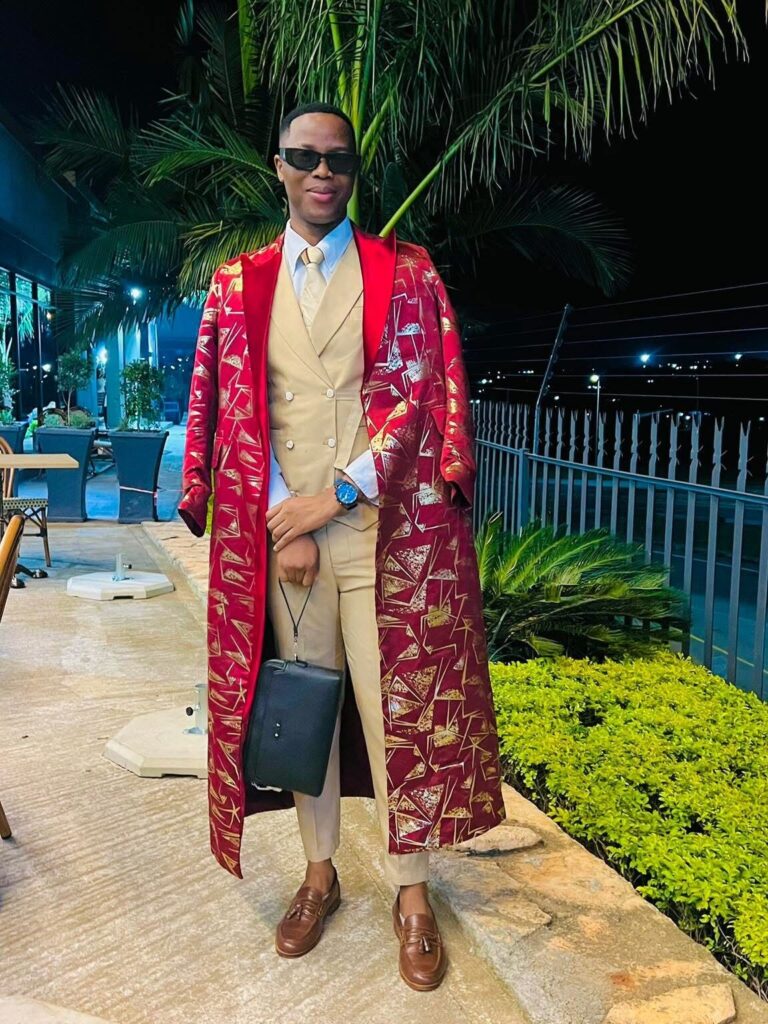
Known for his distinctive fashion choices, Dlamini wants people to see beyond his appearance. He describes himself as a lovely and kind person, but above all, a born-again child of God.
His interest in fashion started long before he became a content creator. Looking back, he remembers the excitement of dressing up for school on Fridays, when learners were allowed to wear their own clothes instead of uniforms.
“Trust me, the first time I paid attention to it was at school. On Fridays, we didn’t wear uniforms, and I made sure I looked good every time,” he says.
Even then, his style was different. Rather than following what everyone else was wearing, he was drawn to putting together looks that reflected his personality. That desire to stand apart has remained part of his fashion identity to this day.
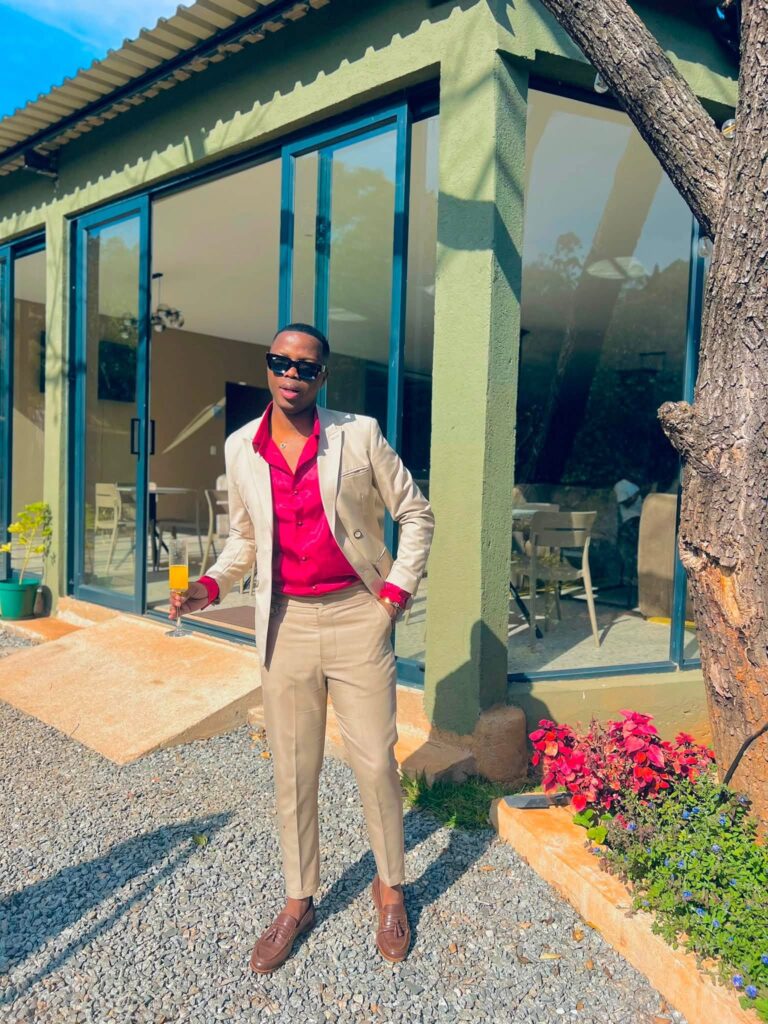
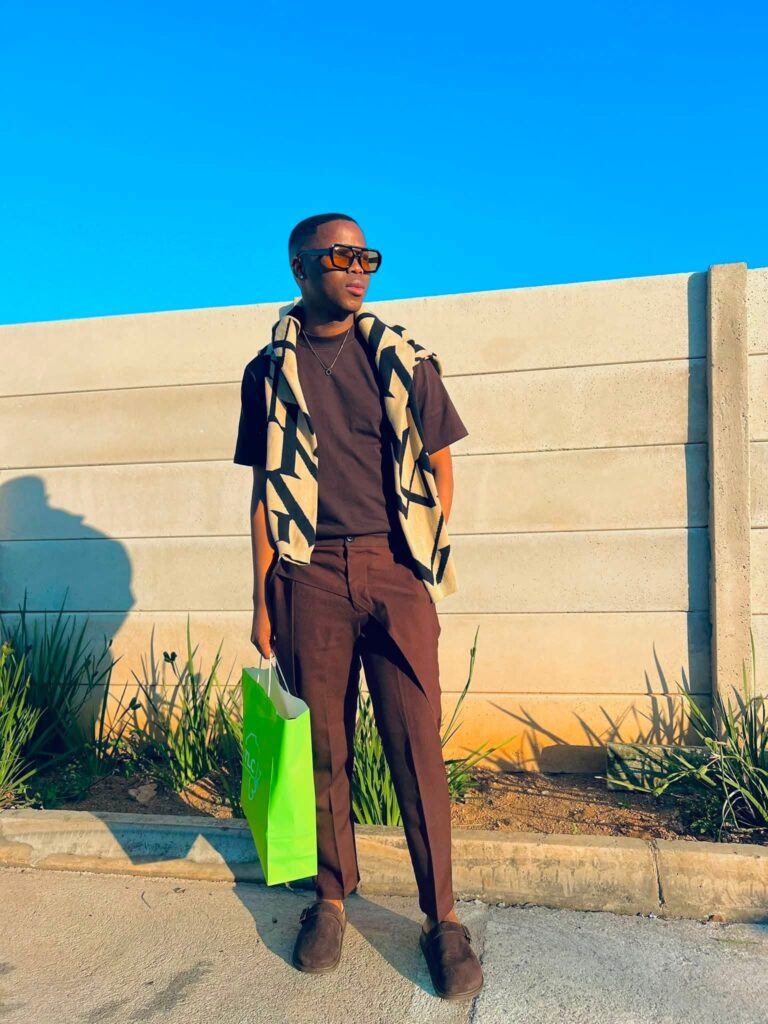
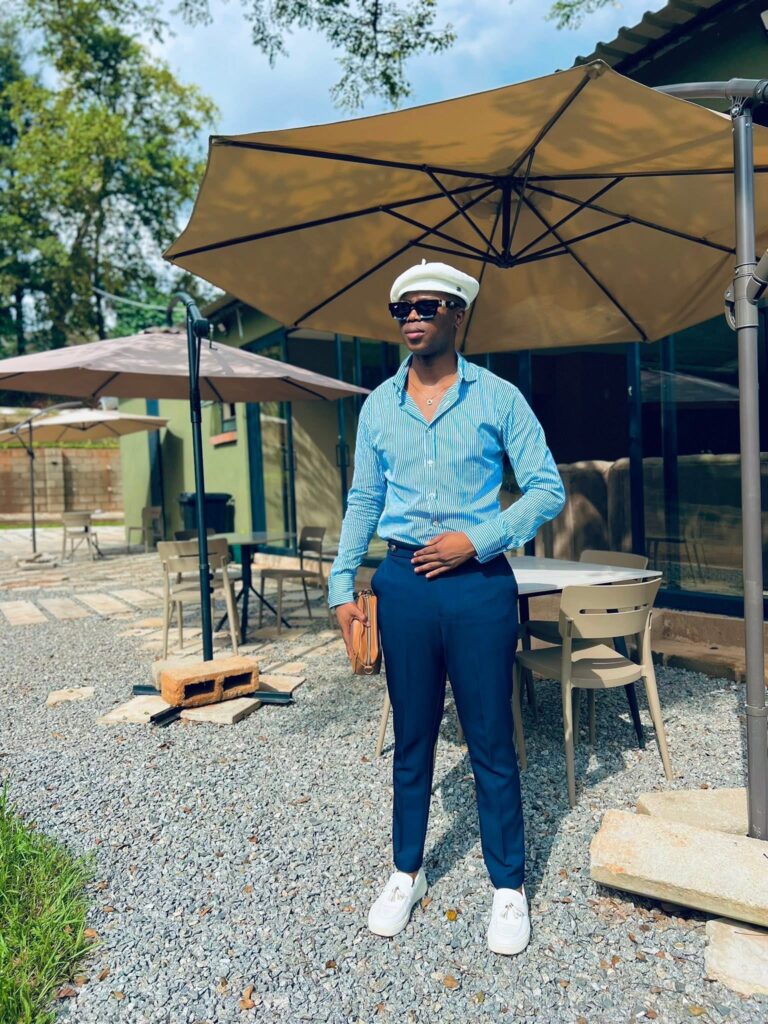
“My fashion sense was always unique. Same as today, I like to look different, totally different from others,” he explains.
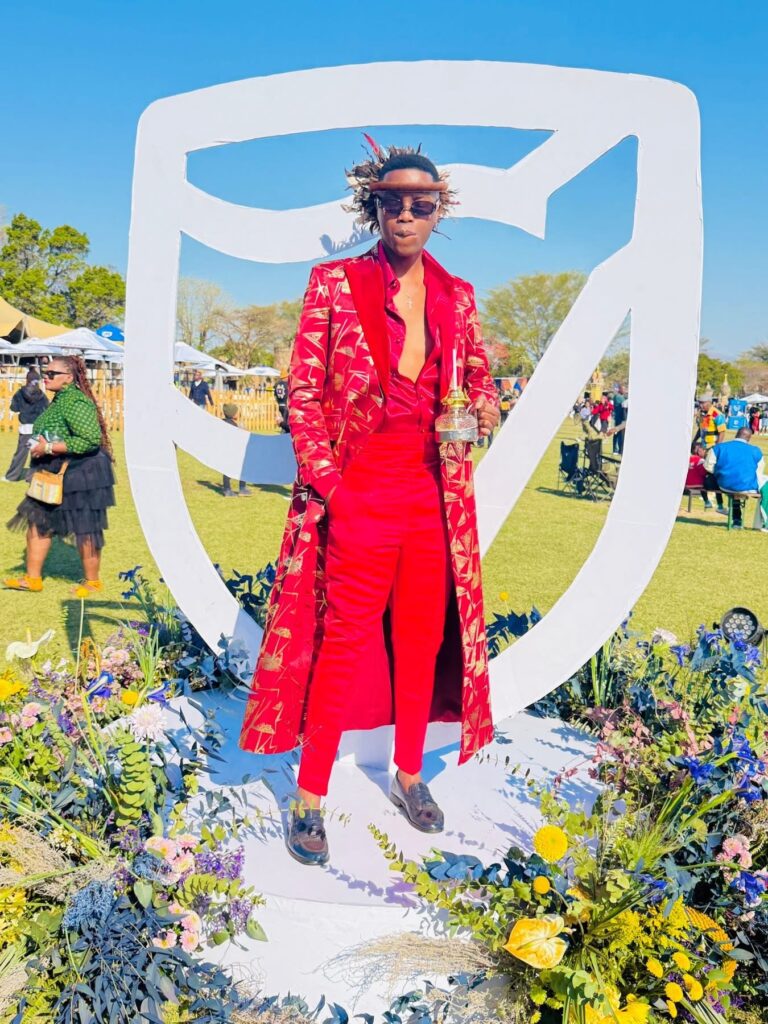
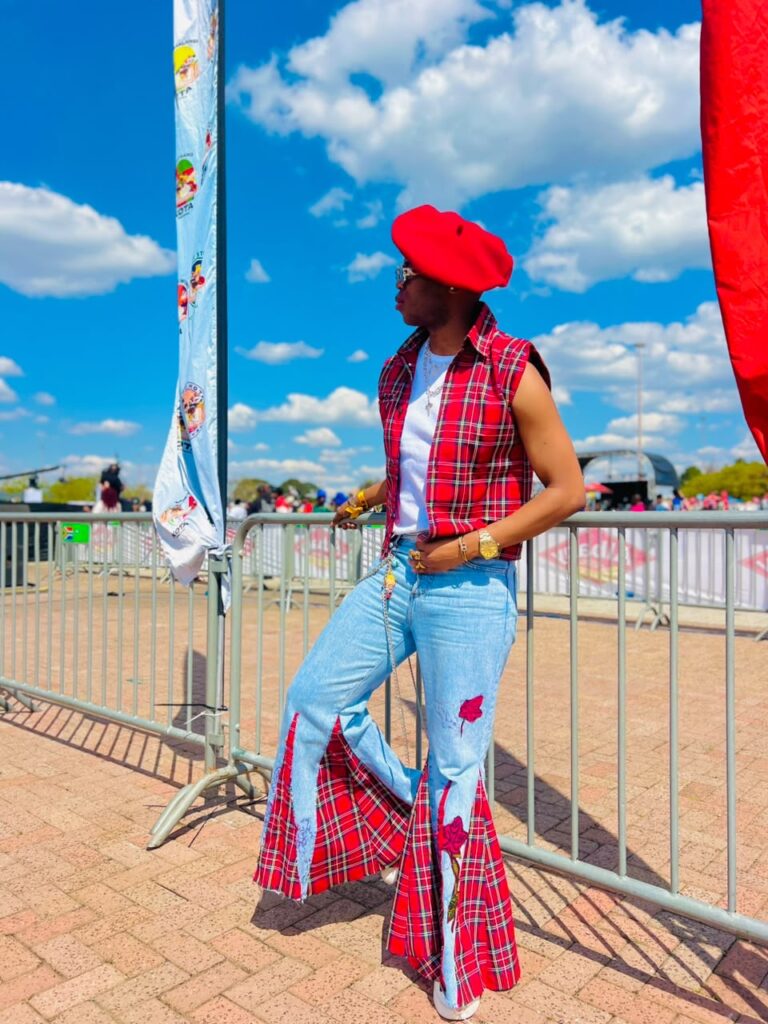
One of the places where Dlamini’s approach to fashion comes alive is the Standard Bank Luju Food and Lifestyle Festival, where attendees turn the event into an opportunity to showcase their personal style. For him, the outfits at Luju stood out because they reflected the creativity and individuality he values.
“All the Luju outfits were the best of the best and really described my fashion sense,” he says.
Beyond the outfits themselves, Dlamini believes fashion should create room for people to experiment without fear of judgement. He is particularly critical of the tendency to attach unnecessary meanings to what people wear, especially when it comes to men’s fashion.
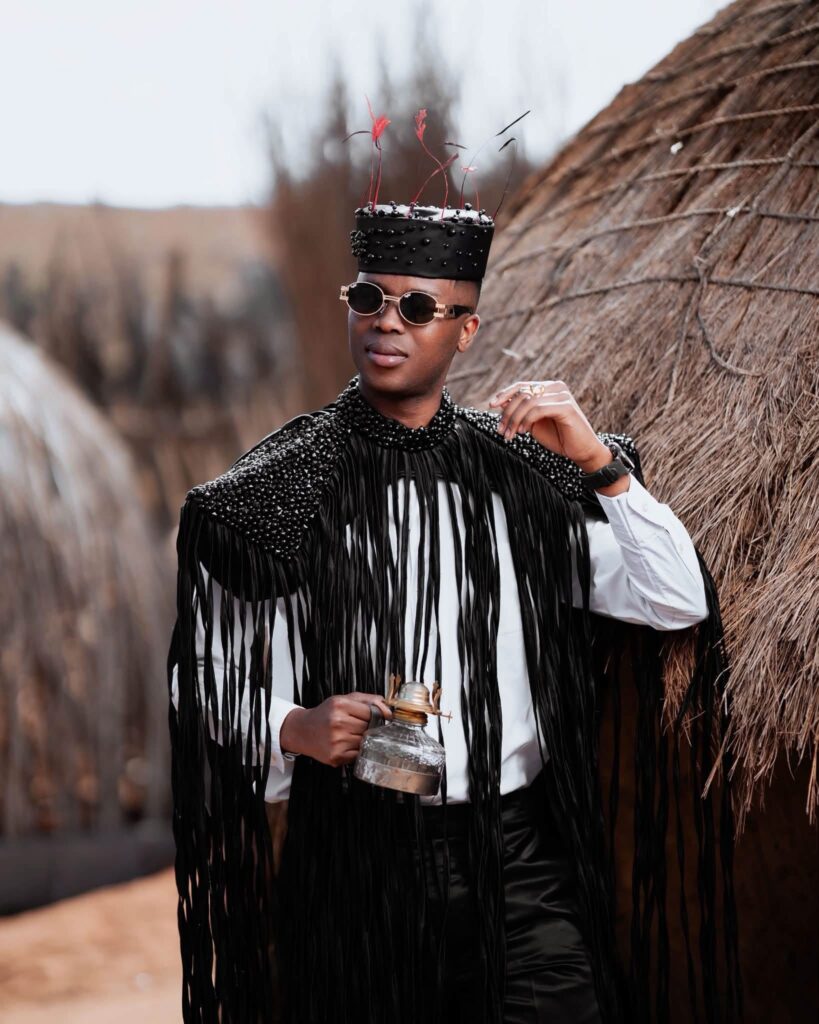
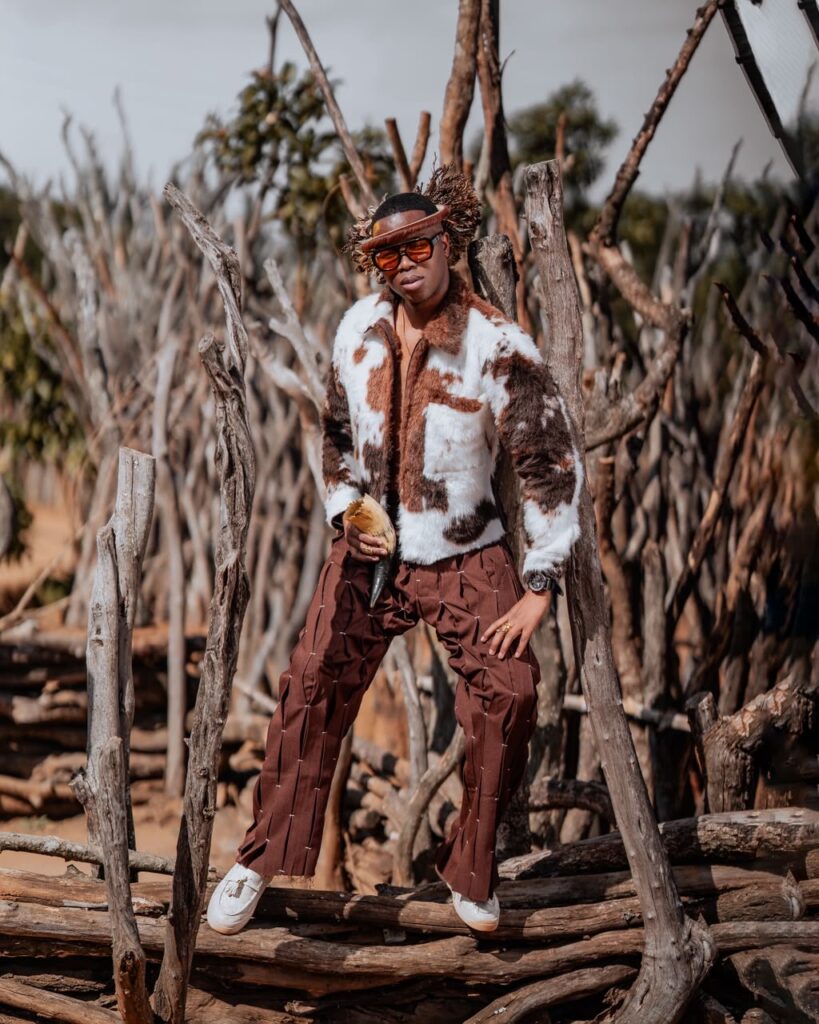
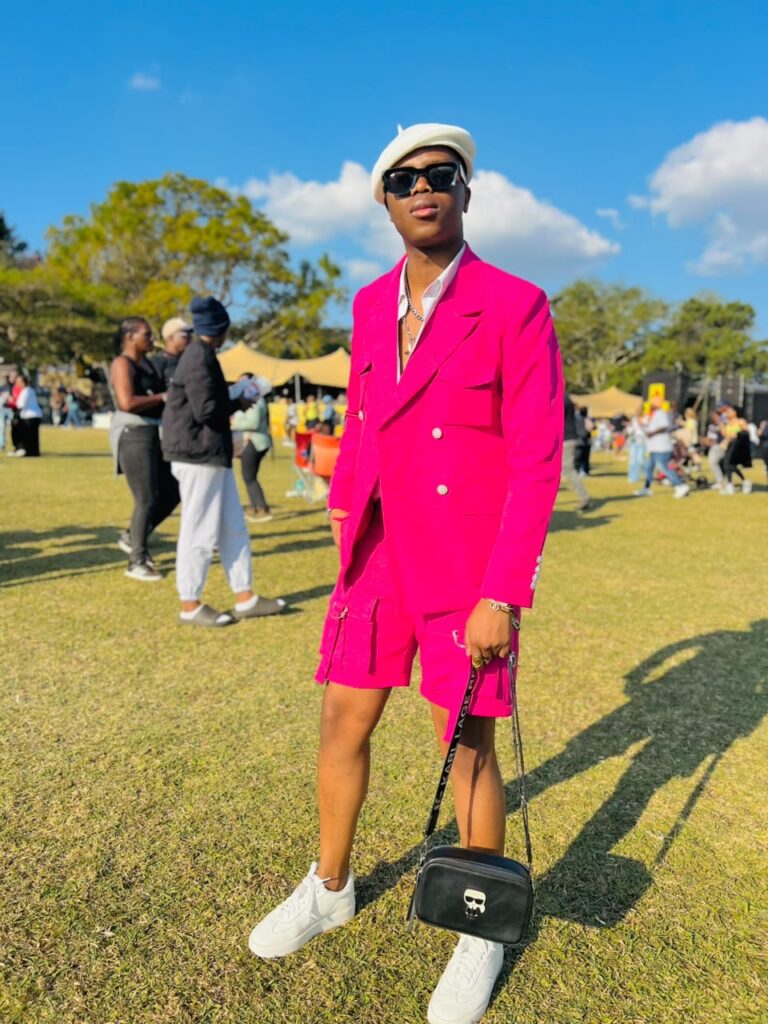
He questions why certain colours and styles are still associated with particular genders, pointing to pink as an example.
“Not only men, but eSwatini at large should stop sexualising everything,” he says. “Who said a man can’t wear pink?”
For Dlamini, clothing should not be restricted by other people’s expectations. He believes the local fashion scene could benefit from more experimentation and greater exposure to fashion events outside the country, giving creatives opportunities to discover new ideas and broaden their perspectives.
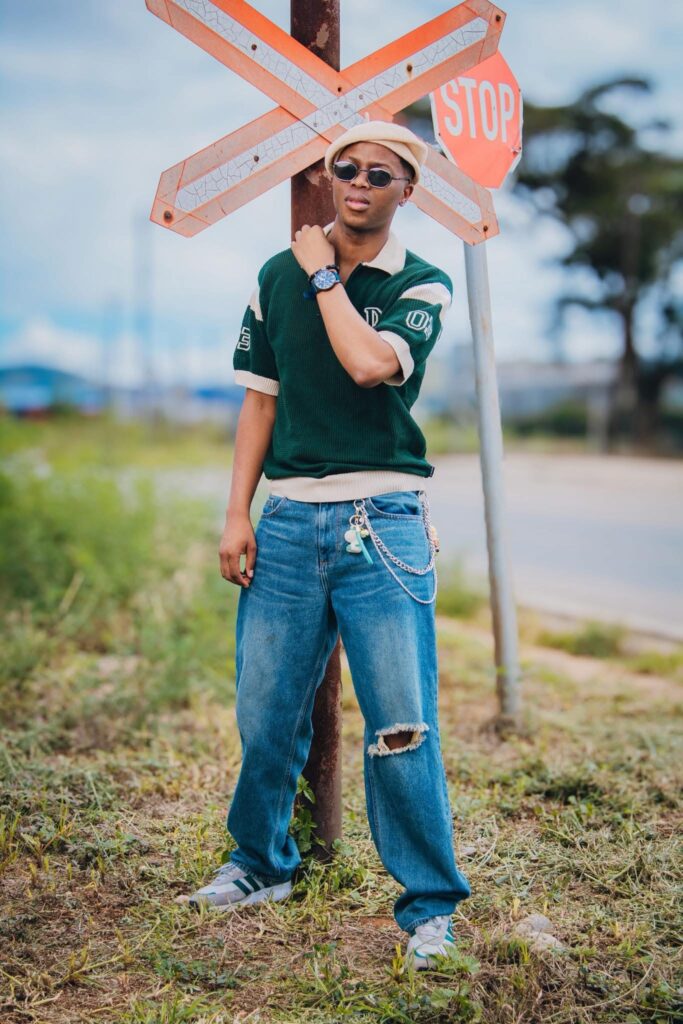
Despite his love for standing out, Dlamini understands that good style does not always require an elaborate wardrobe. Some of his essential pieces are simple staples: a white shirt, black trousers, formal black shoes, white sneakers and jeans. However, he believes the magic lies in how these pieces are styled.
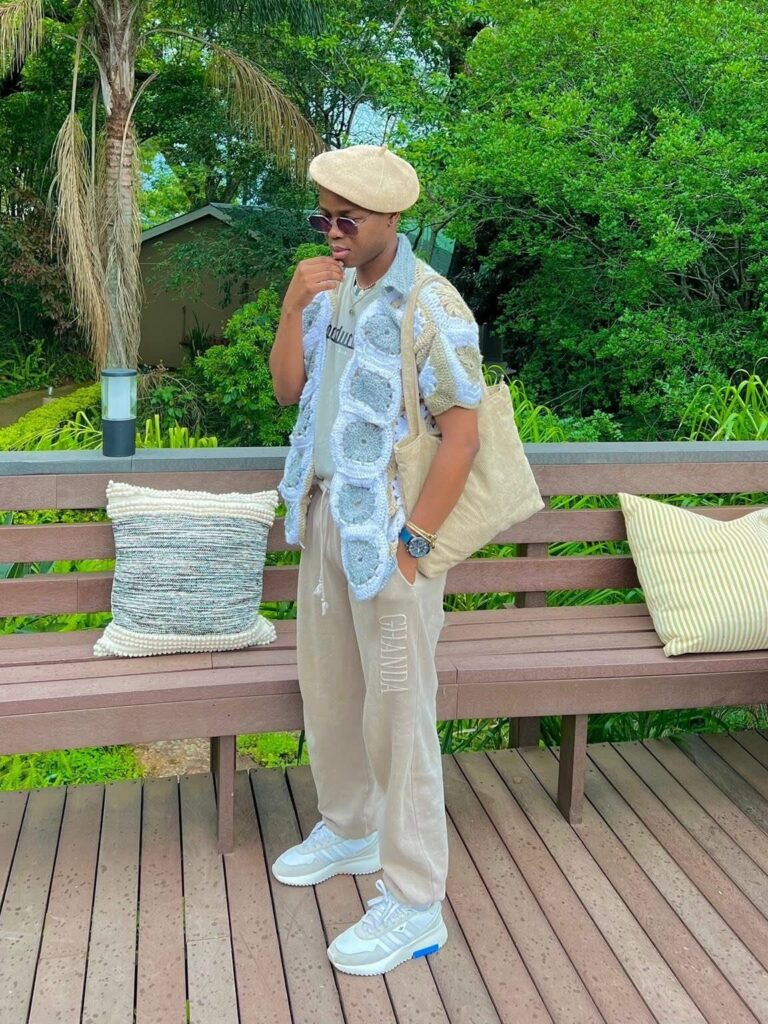
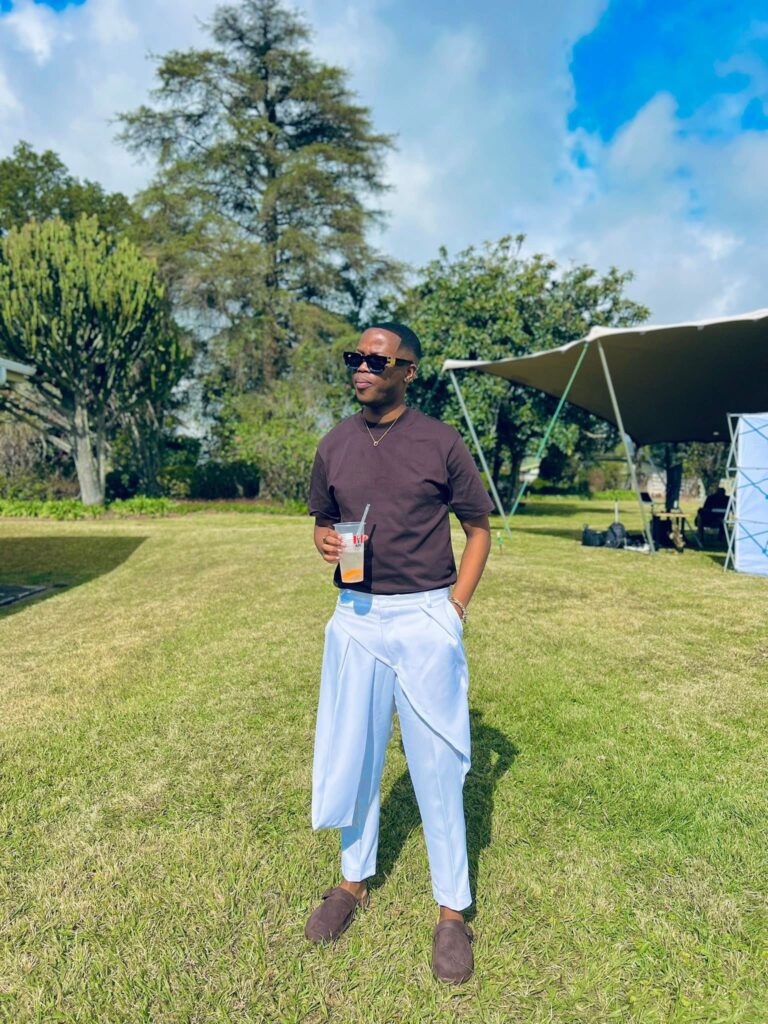
“Jeans for me, they are just a foundation; what really matters is the top and the sneakers,” he says.
It is an approach that places emphasis on the complete look rather than any single item. A basic pair of jeans can become part of an interesting outfit when paired with the right top and footwear.
When it comes to maintaining his personal style, Dlamini believes consistency matters more than chasing every new trend. Fashion changes constantly, and trying to keep up with everything can take away from developing a recognisable identity.
“I think it’s consistency because trends change from time to time, so you can’t really keep up with them all,” he explains.
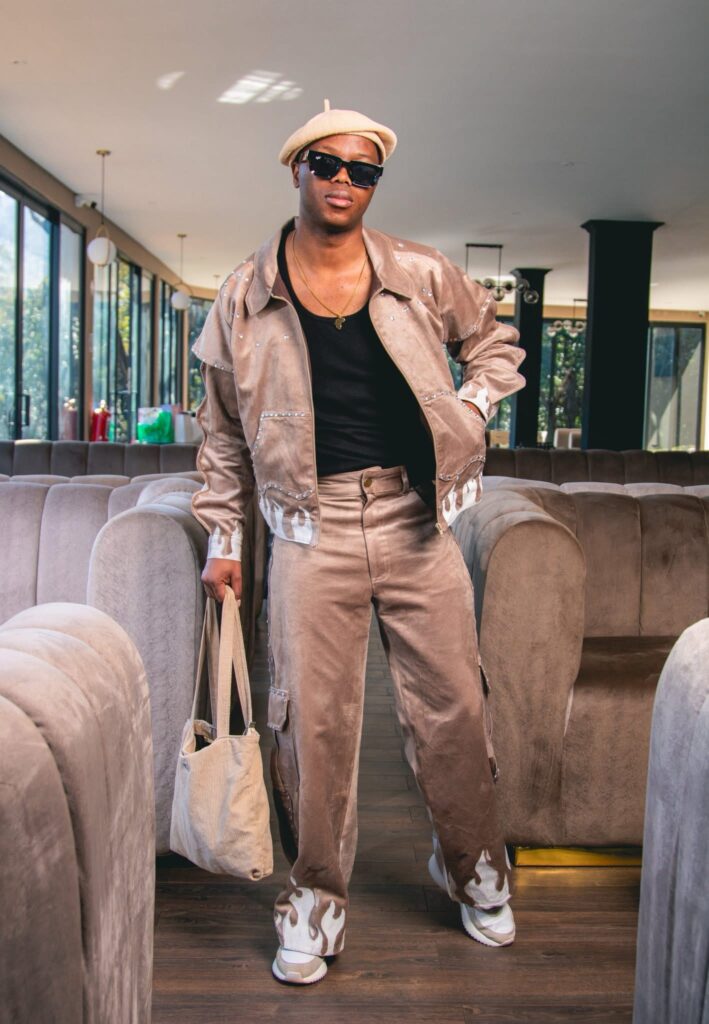
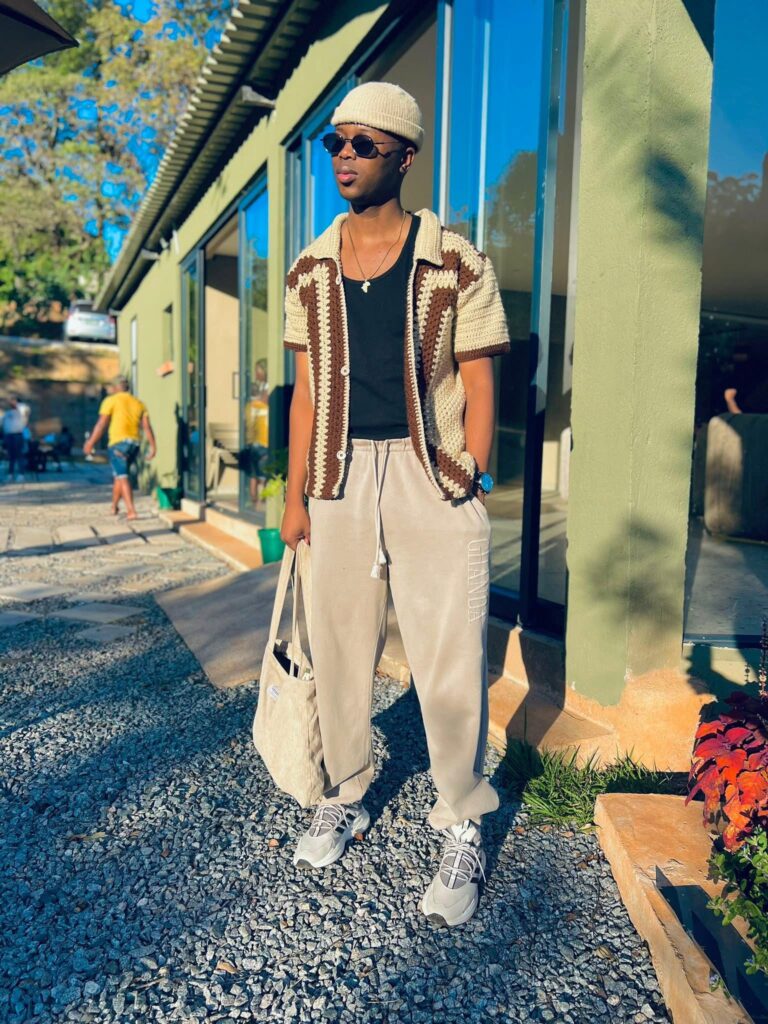
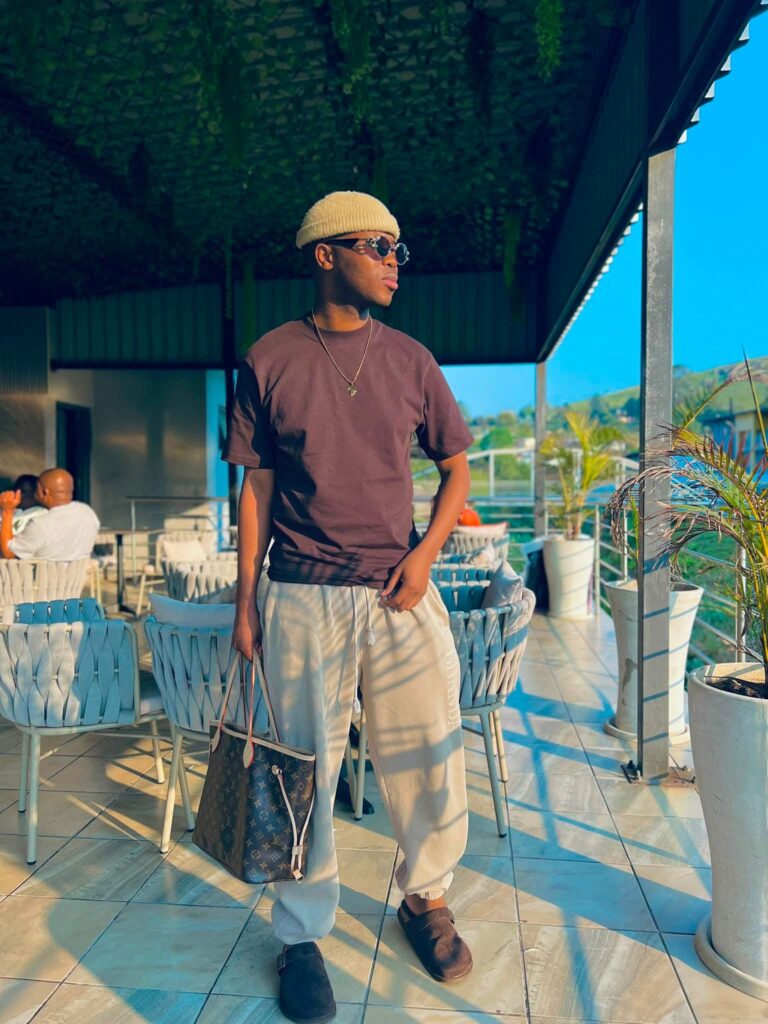
His advice reflects a simple idea: rather than rebuilding your wardrobe every time a new trend appears, learn what works for you and find creative ways to make it your own.
A new generation dressing differently
Dlamini has also noticed a growing interest in fashion among young people in Eswatini. From festivals to other social gatherings, clothing has become an important part of how many people express themselves.
“Young people are now into fashion full time; trust me, every festival I attended was more about fashion and creativity,” he says.
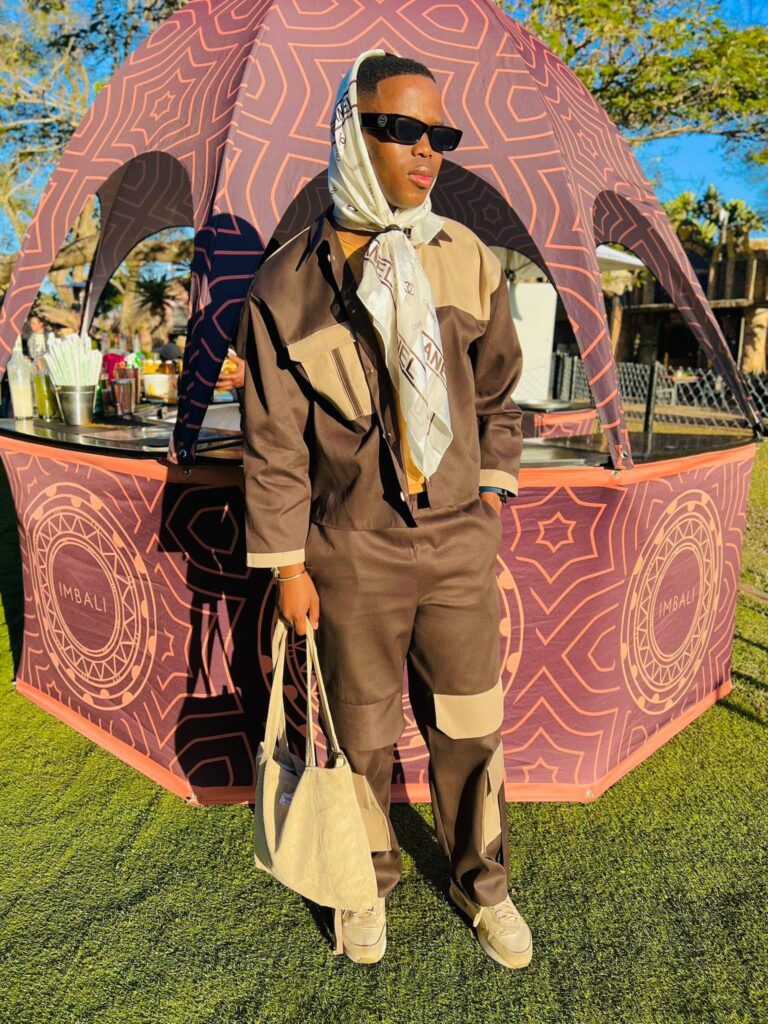
For him, this growing enthusiasm is an opportunity for the country’s fashion culture to develop further. Events provide spaces where people can experiment with their looks, discover different styles and appreciate the creativity of others.
Still, putting an outfit together requires more than simply choosing clothes. Dlamini says he considers the type of event he is attending and the weather before deciding what to wear. The setting helps determine whether an outfit is appropriate, while the weather influences the pieces he chooses.
But while he considers these practical details, he is not easily swayed by outside opinions.
“Not really, people can never tell me what to do. I believe in my judgment a lot,” he says when asked whether other people’s opinions influence his fashion choices.
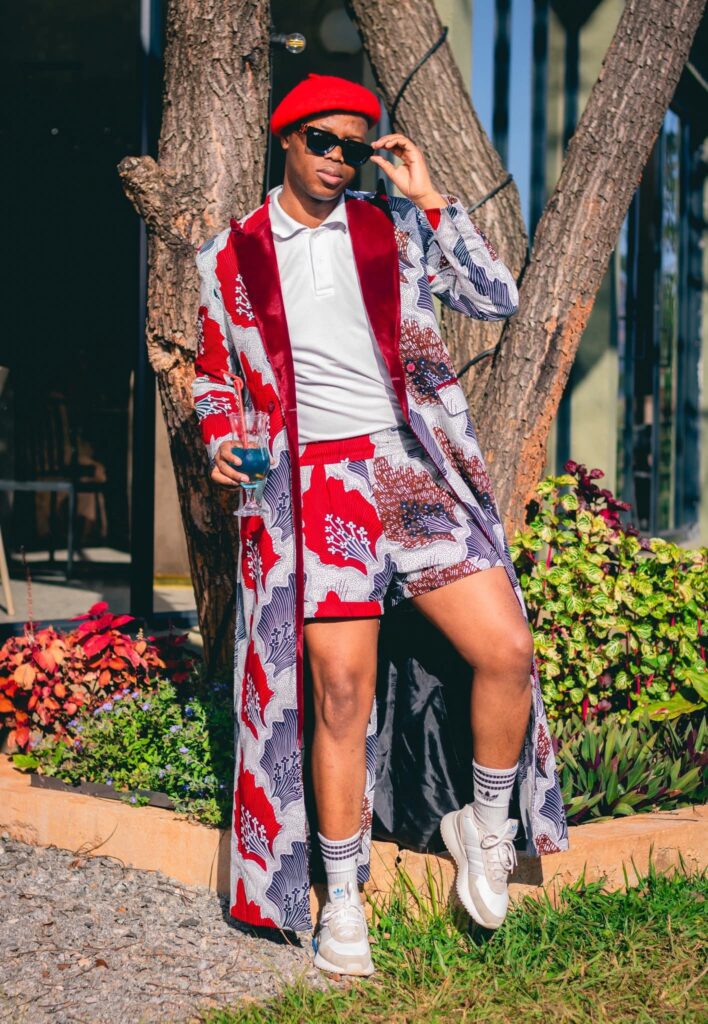
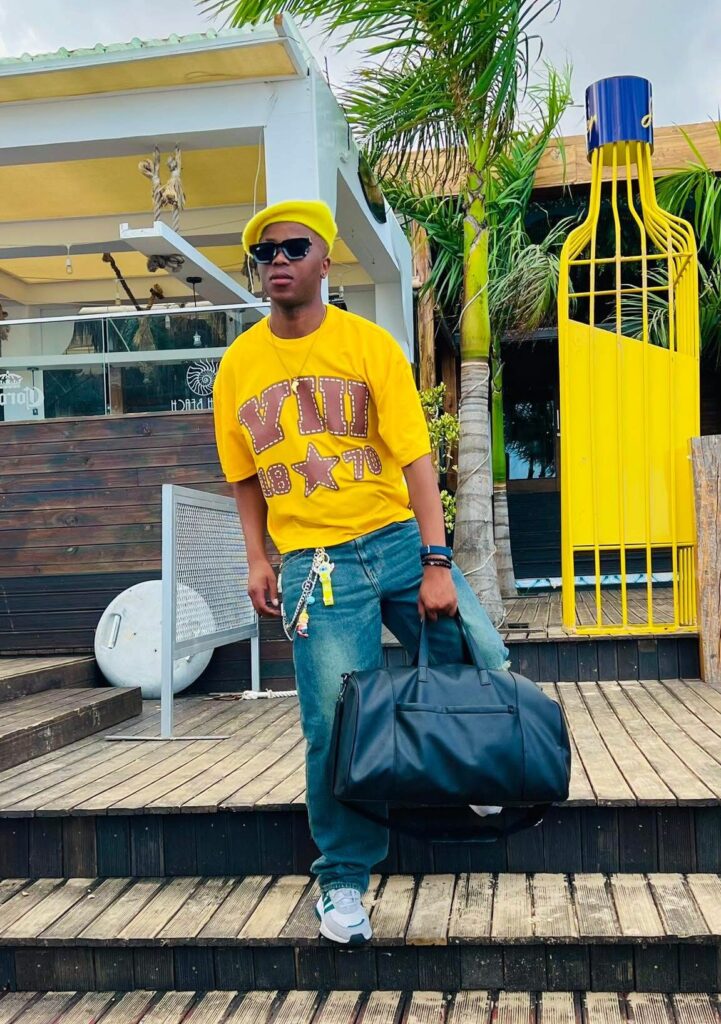
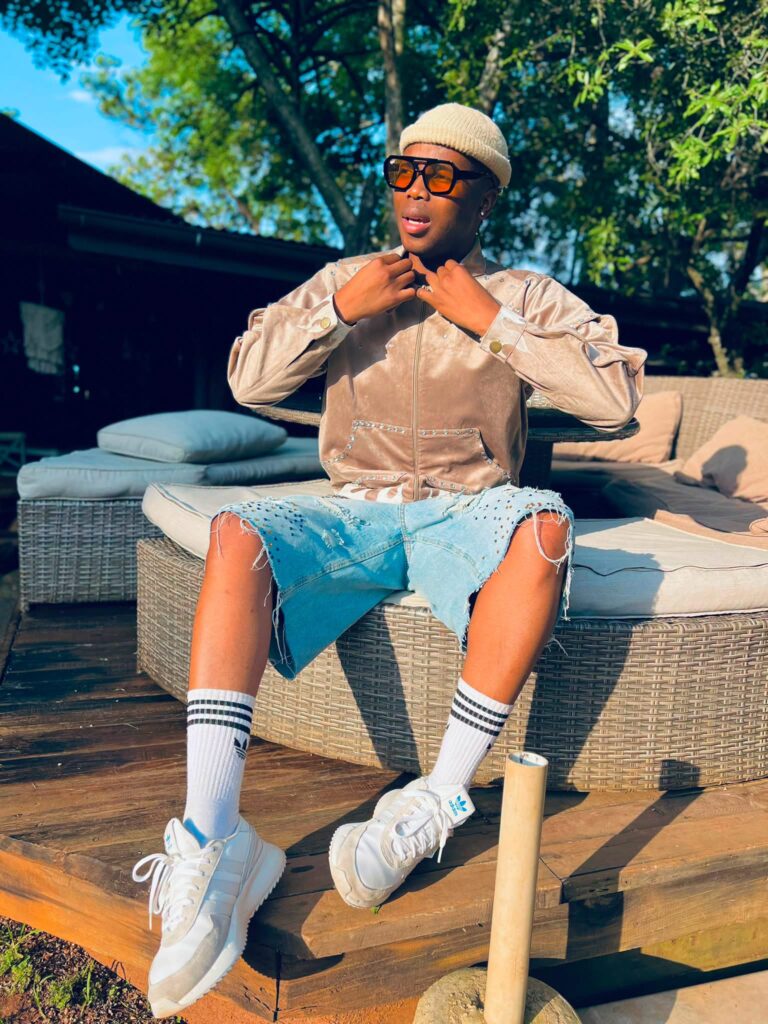
That confidence is central to his personal style. For someone who enjoys looking different, being comfortable with his own decisions is just as important as the clothes themselves.
Although fashion can sometimes appear expensive or difficult to maintain, Dlamini believes young people can develop their own style without having to buy everything they see online or on other people.
His advice is to start with what is already available and use creativity to make it work.
“I can only tell them that they should use what they have for now and be creative to keep uniqueness,” he says.
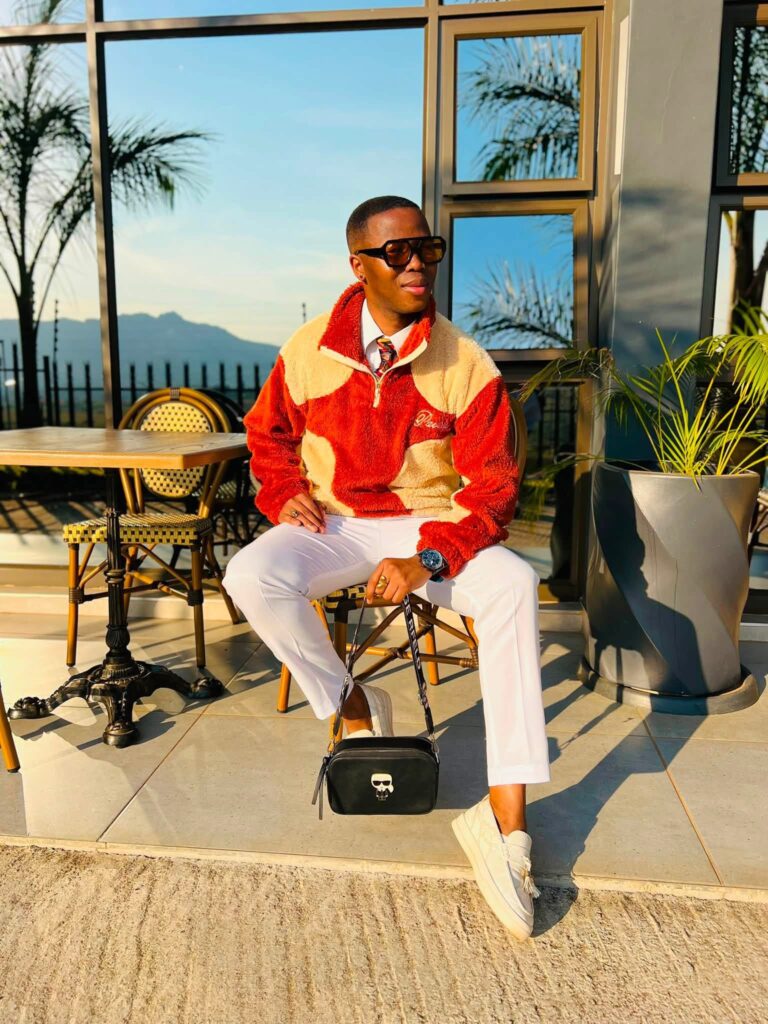
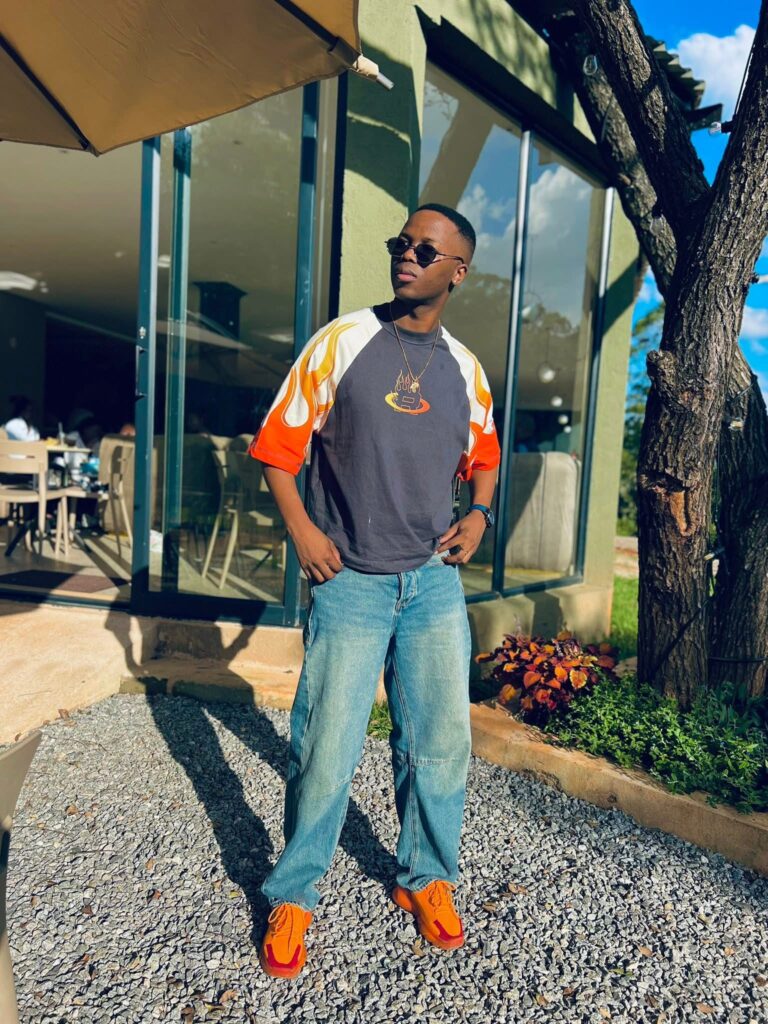
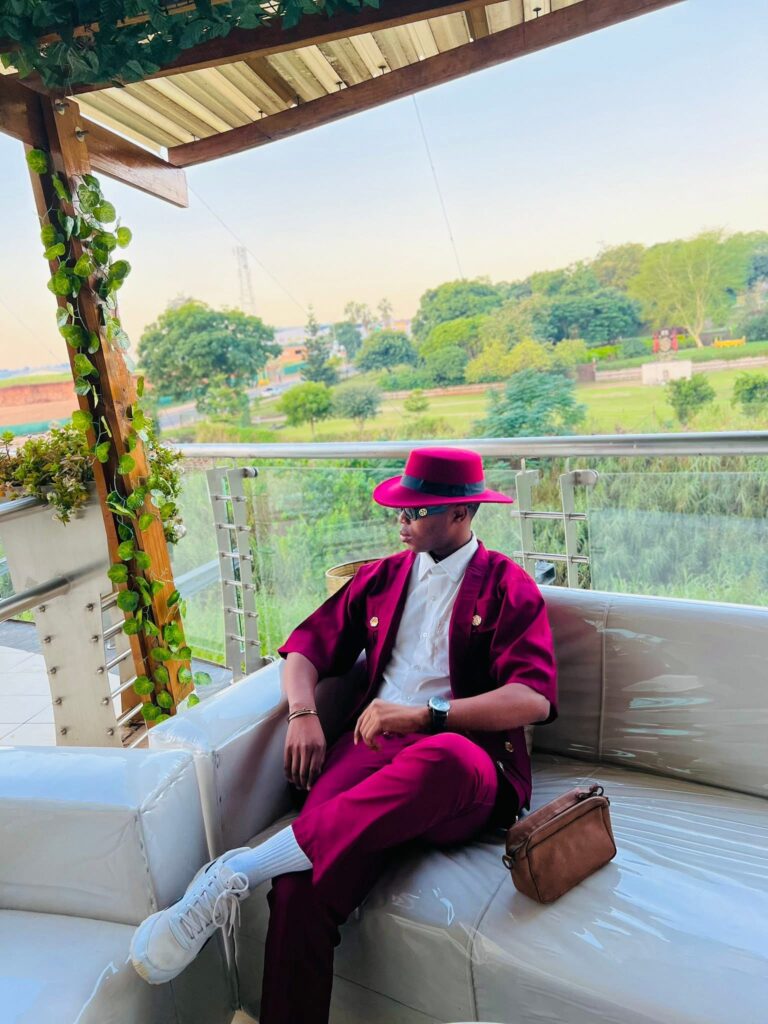
Rather than treating fashion as a competition over who owns the most expensive clothing, he encourages people to focus on how they put their outfits together.
For Dlamini, three things stand out when assessing a good look: creativity, neatness and colour combination. These elements can transform even the simplest wardrobe into something distinctive.
His approach offers a reminder that personal style is not necessarily about following every trend or having access to the latest designer pieces. It is about understanding what you like, making thoughtful choices and having the confidence to wear them.


As his journey as an award-winning content creator and influencer continues, Dlamini remains committed to doing fashion his own way. Whether through his festival looks or everyday outfits, his message is consistent: style should leave room for individuality.
After all, looking good is one thing. Having the confidence to look like yourself, even when that means being different from everyone else, is what makes personal style worth celebrating.