



There is a particular kind of pride that only travels well. It is the pride of watching someone from your street, your church, your small corner of the map, stand under lights built for the biggest names on the continent and hold their own.
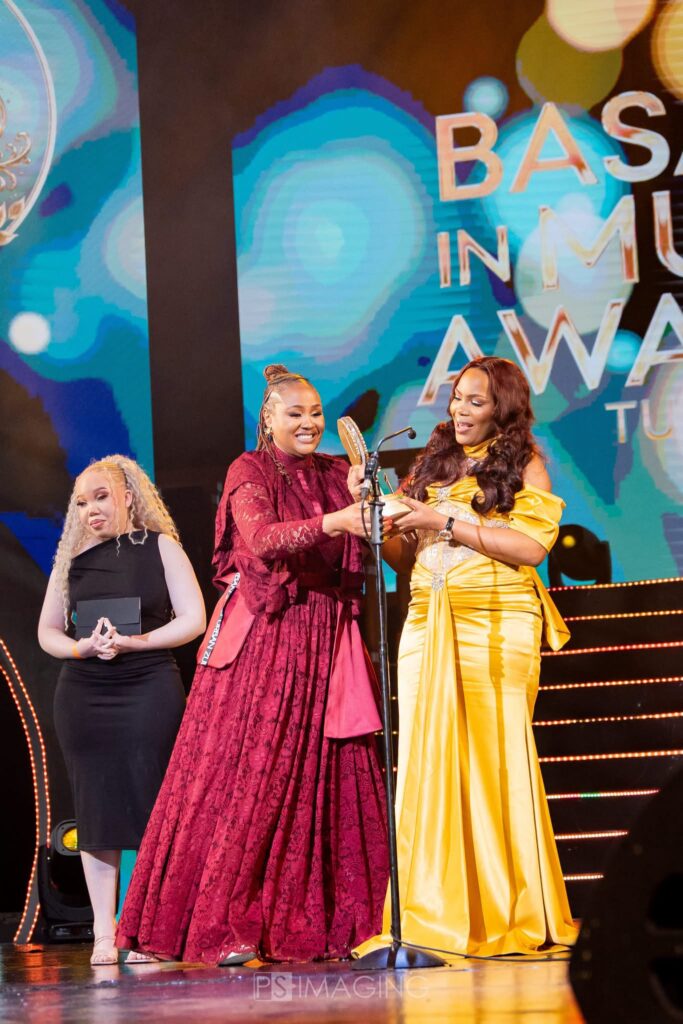
Eswatini felt that twice in one weekend, when the fifth annual Basadi in Music Awards handed trophies to two of its own inside the Joburg Theatre.
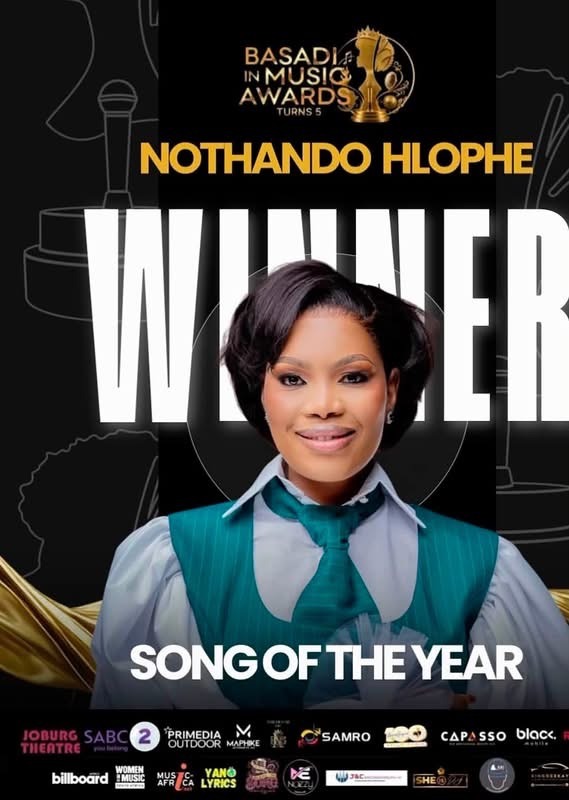
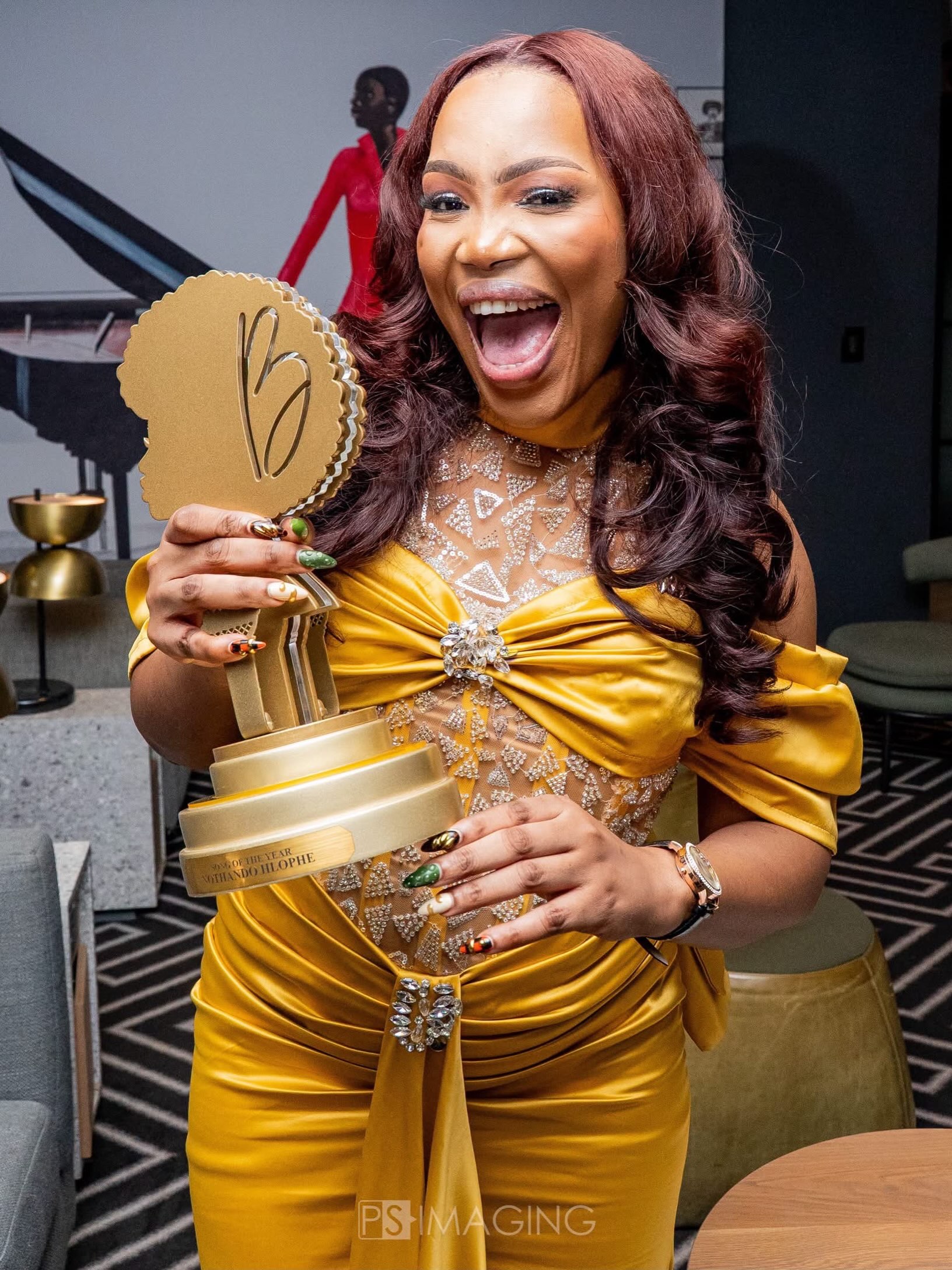
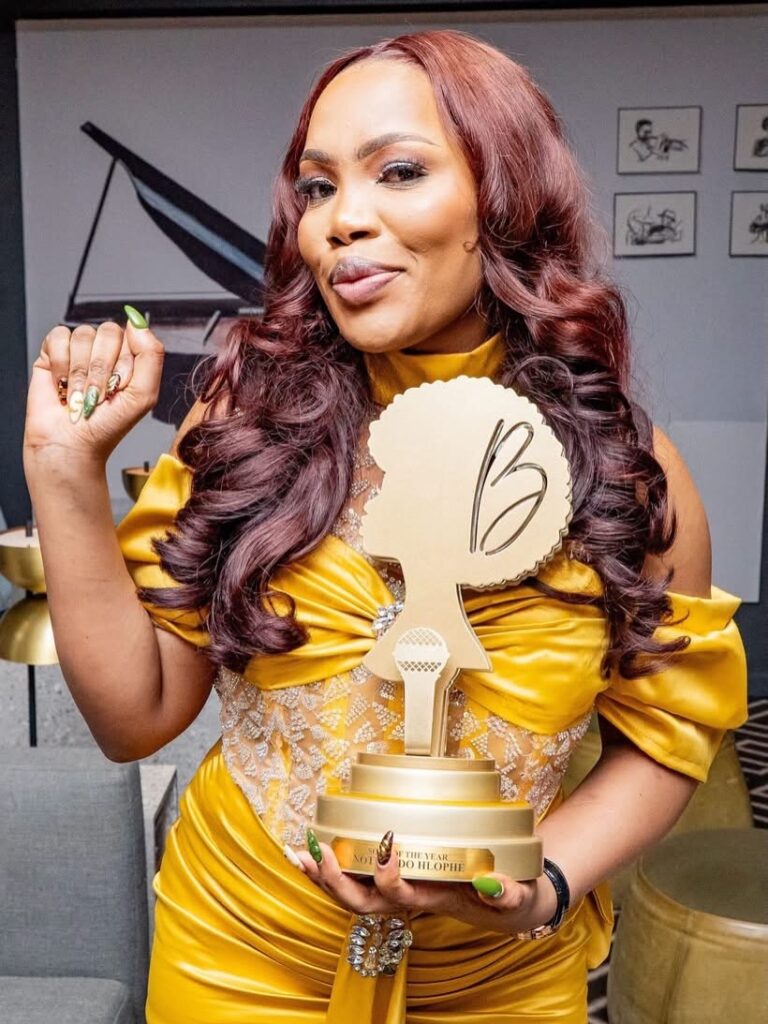
Nothando Hlophe took Song of the Year. Zamo Dlamini took Makeup Artist of the Year. Neither woman works anywhere near the other’s lane one builds hymns, the other builds faces but both walked off that stage having proven the same point that talent raised in a small kingdom does not stay small for long.
Nothando’s story does not begin at Basadi. It begins in a Sunday school room at Lobamba Christian Fellowship Church, where a girl from Manzini first learned that her voice was worth using out loud.
By 2008 she had already placed seventh out of four hundred contestants in the Gospel Challenge, and from there the résumé filled itself in fast backing vocals for Frans T Dlamini and Banele Dlamini, a stint with Women in Praise, a debut solo album in 2016 that announced her as someone worth watching on her own terms.
2019 was the year that made the industry pay real attention. She swept the MTN SWAMA Awards that year, taking Female Artist of the Year, Best Gospel Artist and Song of the Year in a single ceremony.
Then, almost as suddenly, she stepped back. The pause lasted three years, and it overlapped with a life change most gospel careers never have to account for her marriage to Prince Majahonkhe Dlamini, a son of King Mswati III, which folded her into the royal family under the title Inkhosikati LaHlophe.
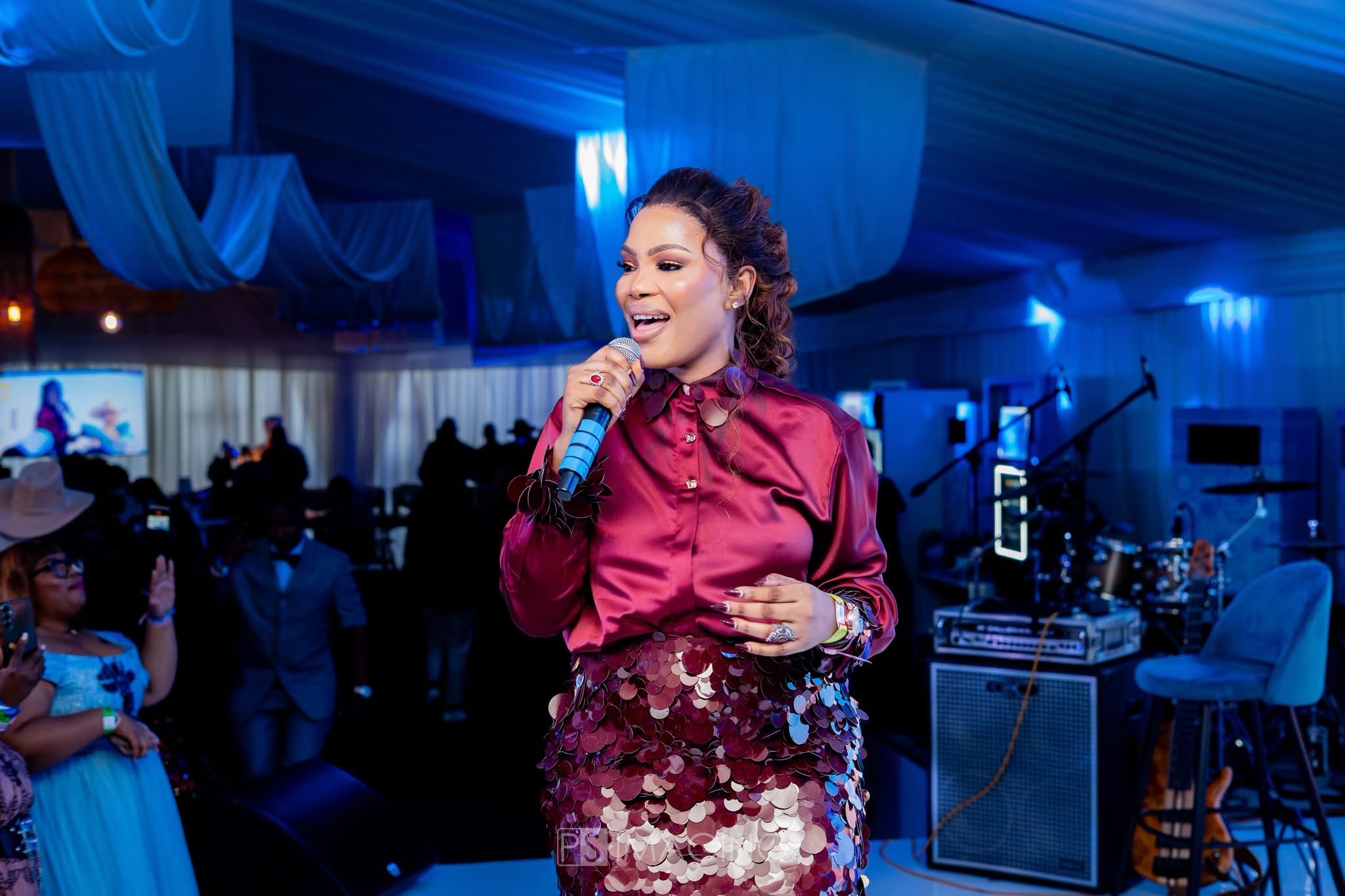
When she reemerged in 2022 with a live album and a performance at The Great Revival in Mbabane, there was no sign of rust.
If anything, the years away had sharpened what already set her apart a sound that sits somewhere between contemporary gospel and the traditional rhythms of Swati worship, delivered by a woman who has always insisted the ministry came first and the career followed.



‘Methodist Medley’ is where that philosophy found its clearest expression, and it is the song that carried her name across the Basadi stage this year.
For a woman who once described her voice as something borrowed for a purpose bigger than her own ambition, the award reads less like a personal milestone and more like confirmation that the purpose is still being served.
Meanwhile Zamo Dlamini’s path to a Basadi trophy started, oddly enough, in front of a microphone rather than behind a makeup case. She grew up singing church first, then a demo cut at fifteen that found its way into steady rotation on Eswatini radio, then stages shared with names like Salif Keita and Mbongeni Ngema.
She performed at Bushfire Festival, at the Eswatini International Trade Fair, and lent her voice to SiSwati children’s television, building a career that, on paper, had nothing to do with cosmetics.
The second calling arrived in 2015. Zamo began working as a professional make-up artist, first on South African music video sets, eventually landing gospel heavyweight Benjamin Dube as a client the kind of name that tends to open doors for everyone who comes after. She has never pretended the climb was gentle.
New artists enter the field constantly, she has said, and the competition for space never eases up. What has held steady is the recognition, arriving in increments that add up.
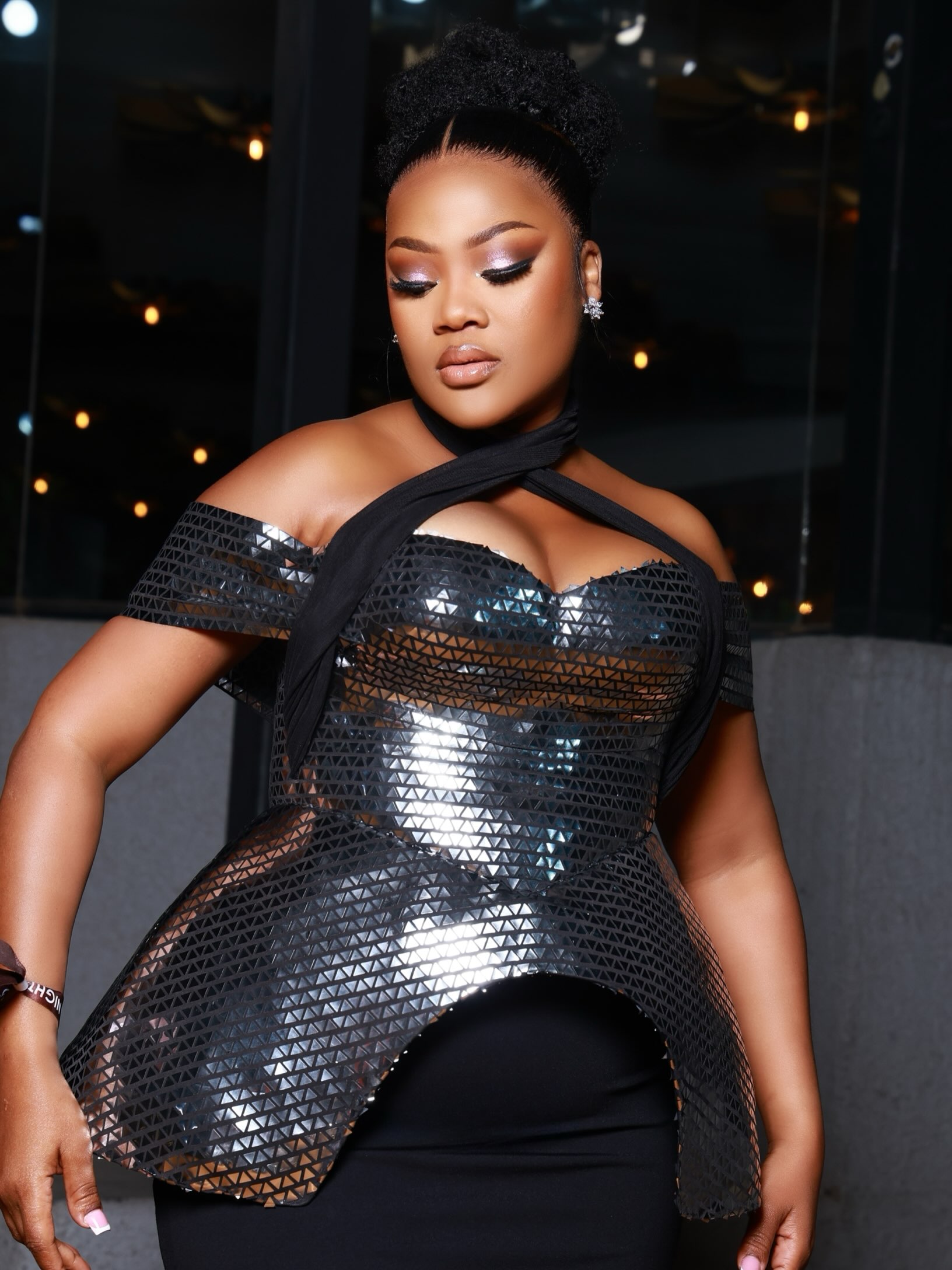
In June this year she was honoured at the Africa Under 40 CEOs Summit in Sandton. Months later, she stood on the Basadi stage as this year’s Makeup Artist of the Year, representing a country not typically associated with the industry’s biggest rooms.
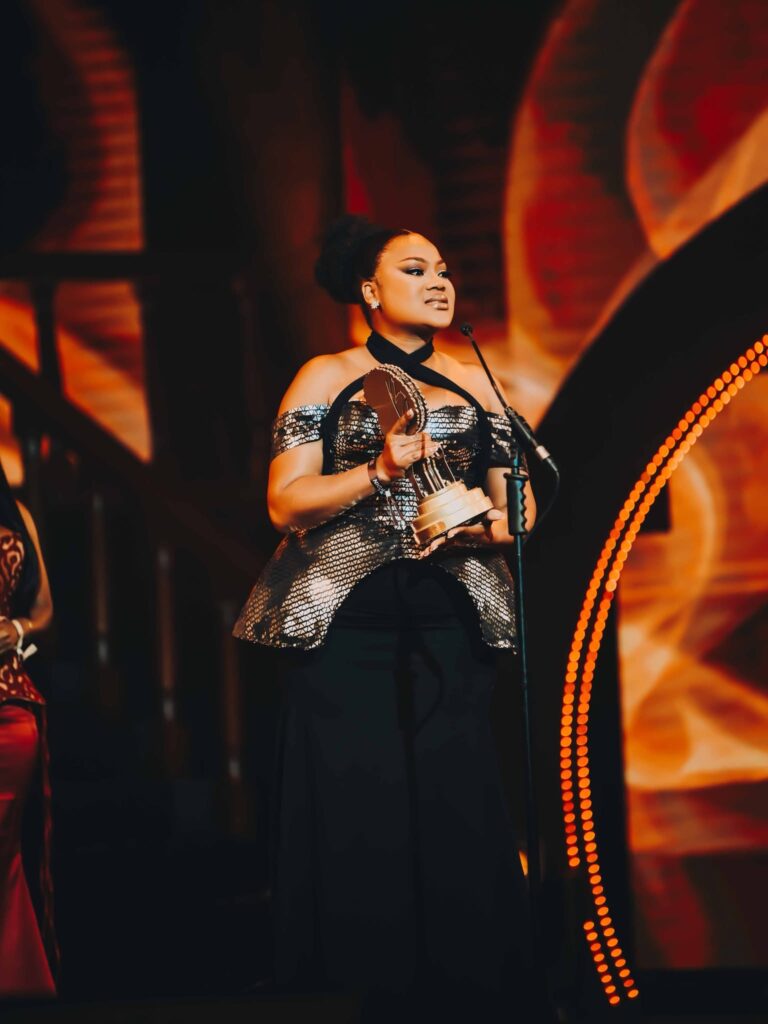
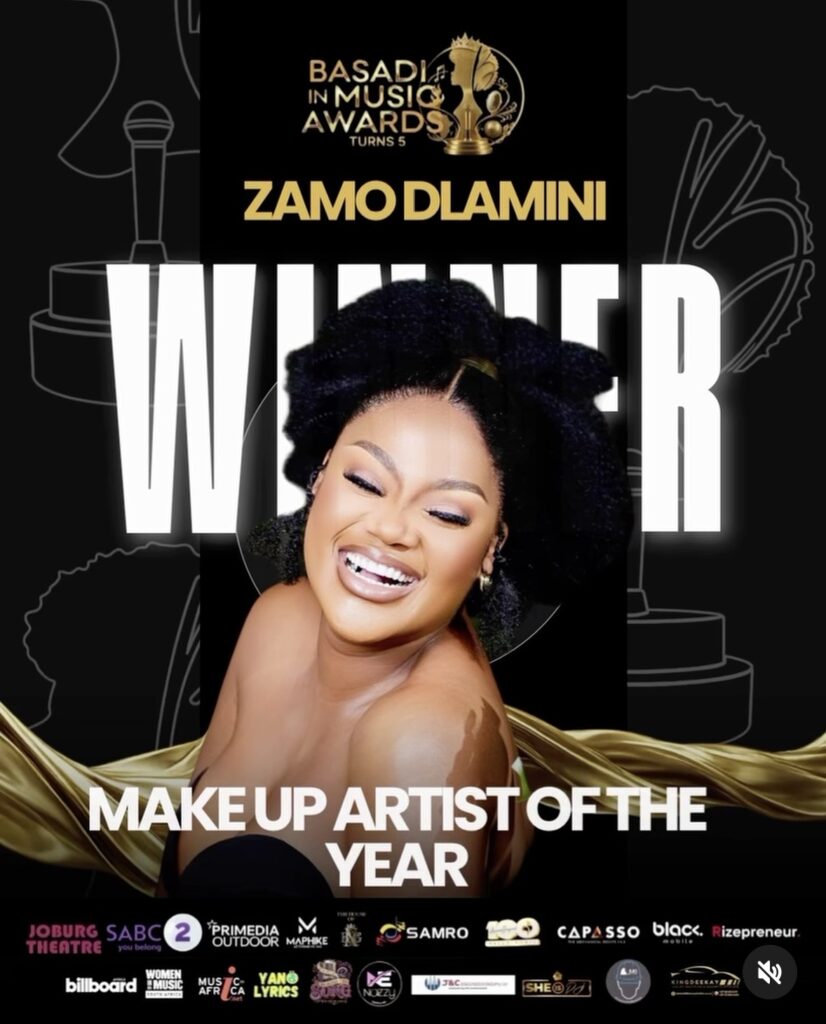
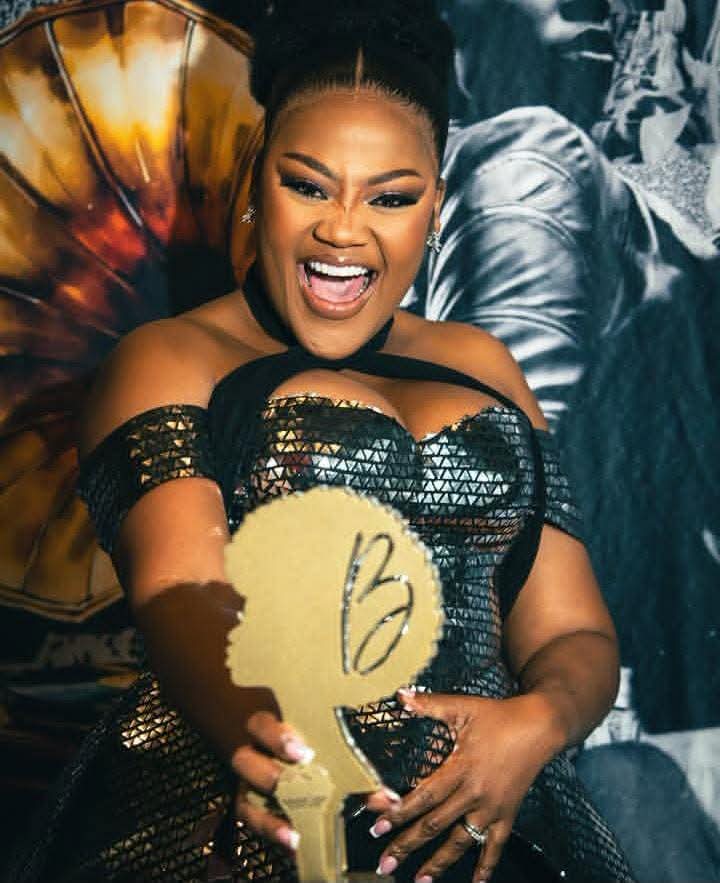
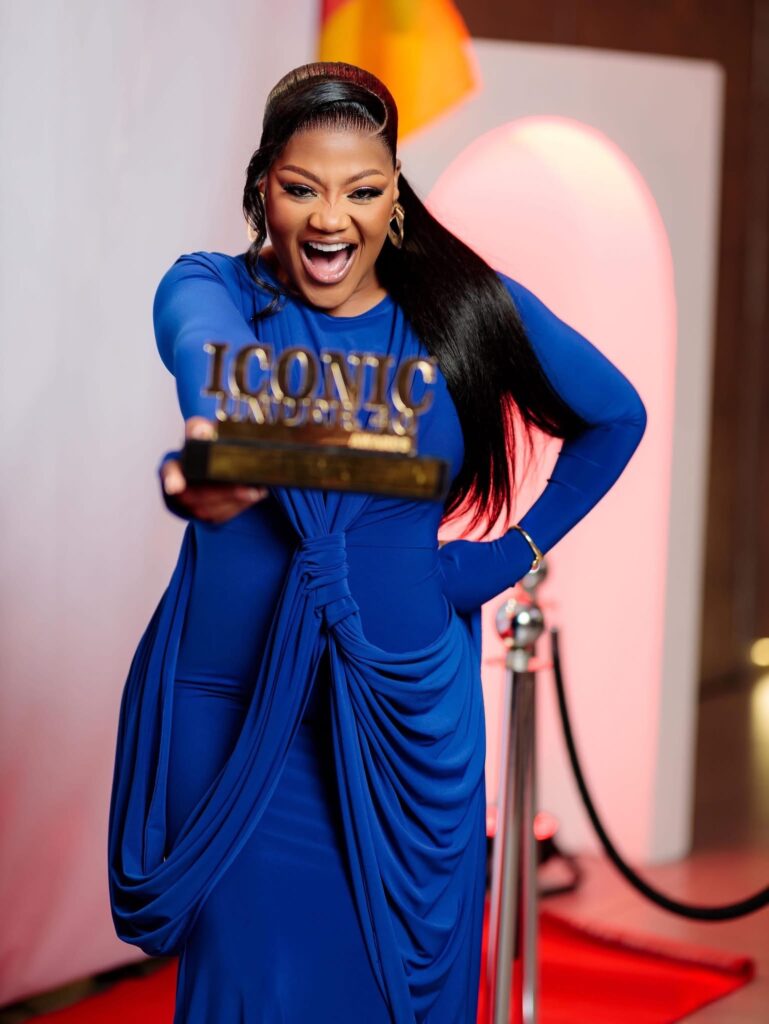
She has said the win felt different because of exactly that carrying Eswatini’s name into a space that size made the moment heavier, and more hers to keep.
The Basadi in Music Awards were founded by Hloni Modise in 2022 in association with the South African Music Performance Rights Association, built to recognise the women who keep the entertainment industry running not only the performers, but the managers, stylists, journalists and producers working just off camera.
This year’s ceremony marked five years of the awards and ran under the theme “REWIND Your BIMA, Your Way,” split across two nights: a Vanguard Circle evening for industry professionals, followed by the main night for performers.
The fifth anniversary also marked the awards’ clearest step beyond South Africa’s borders. Nominees arrived this year from Lesotho, Kenya, Uganda, Nigeria and Eswatini, and for the first time the SMS nomination platform previously limited to South Africa opened up to Eswatini and Lesotho, letting Swati fans vote directly instead of relying only on the online portal.
Against that shift, two wins from one small kingdom read as more than coincidence. Nothando and Zamo never shared a stage or a category, and their crafts have nothing structurally in common. What they share is a country that just spent one weekend proving it belongs at the centre of a regional conversation it was, until recently, only invited to watch from the outside.
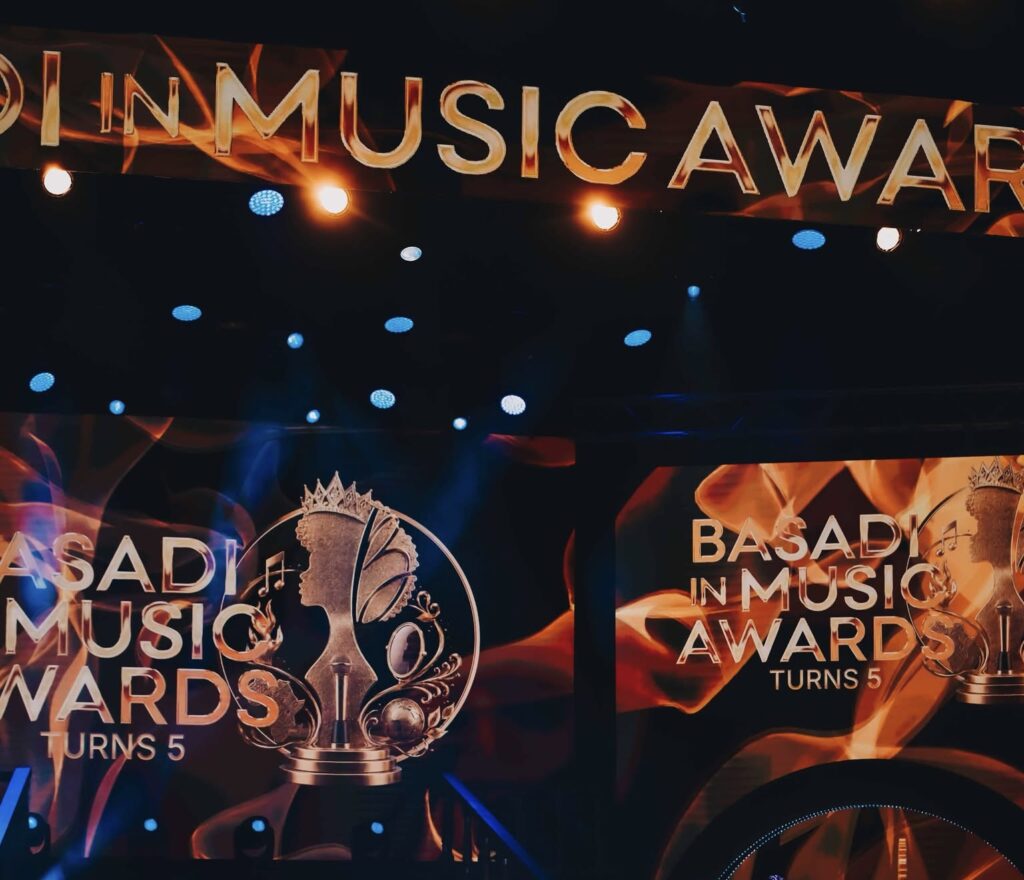
Basadi in Music Awards 2026 Full Winners List
Night One
- Artist Manager of the Year — Sannah Thwala
- Entertainment Journalist of the Year — Ivie Ani (Nigeria)
- Entertainment Radio Presenter of the Year — Boipelo Mooketsi
- Entertainment Radio Producer of the Year — Letty Nyathela Chili
- Hairstylist of the Year — Smangele Sibisi
- Makeup Artist of the Year — Zamo Dlamini
- TV Show Presenter of the Year — Candice Modiselle
- Stylist of the Year — Khanyisile Mdletshe
- Entertainment TV Producer of the Year — Minnie Dlamini
- Podcast Presenter of the Year — Khanyi Mars
Night Two
- Song of the Year — Nothando Hlophe, “Methodist Medley”
- Artist of the Year — Zee Nxumalo