

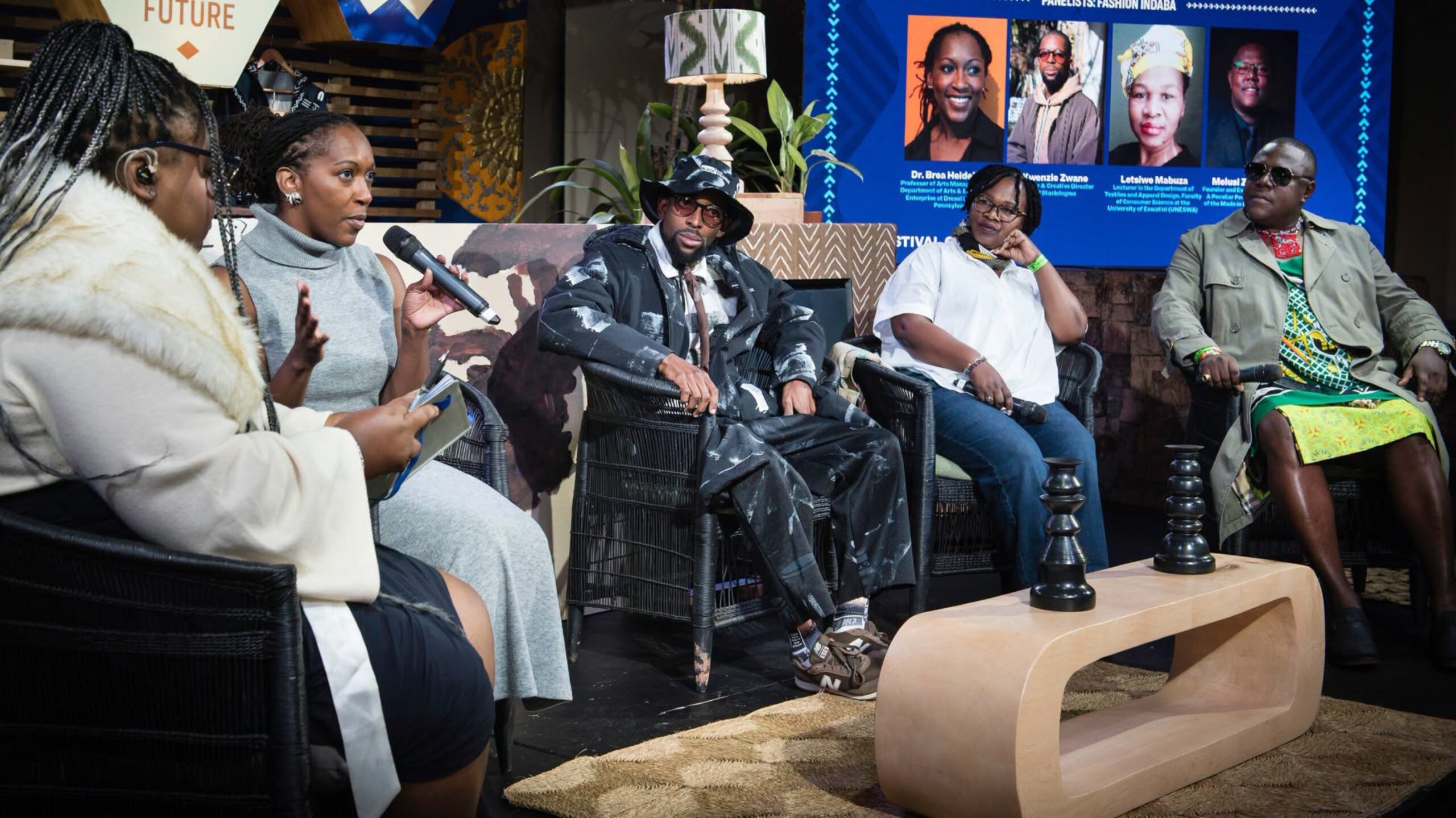

One message echoed through almost every conversation at this year’s Luju Fashion Indaba: Eswatini’s fashion industry cannot reach its full potential if designers continue working in isolation.
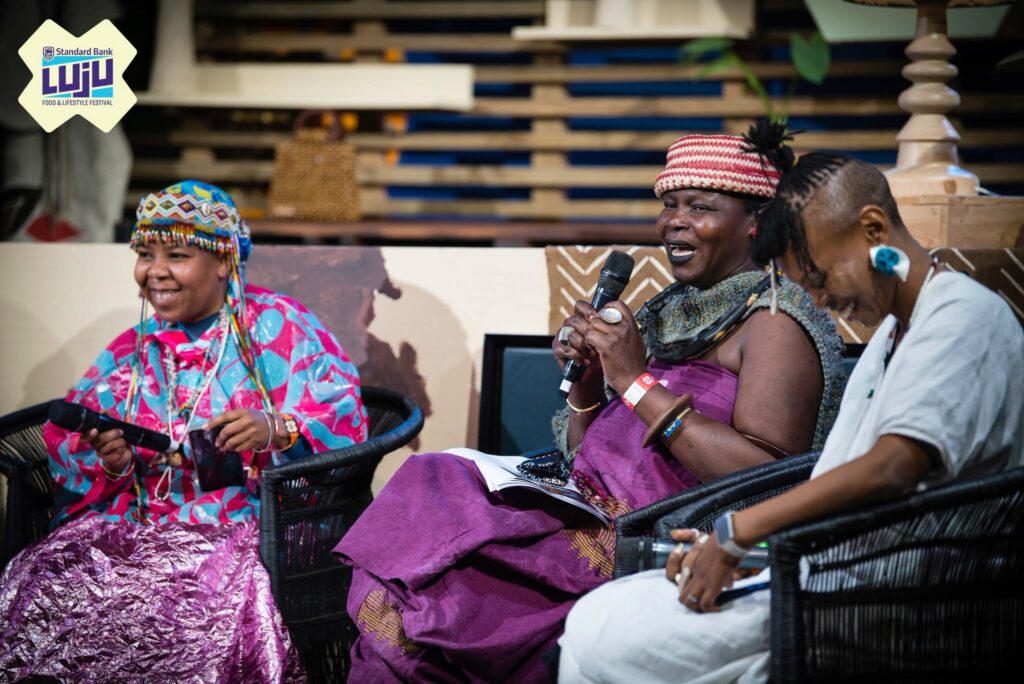
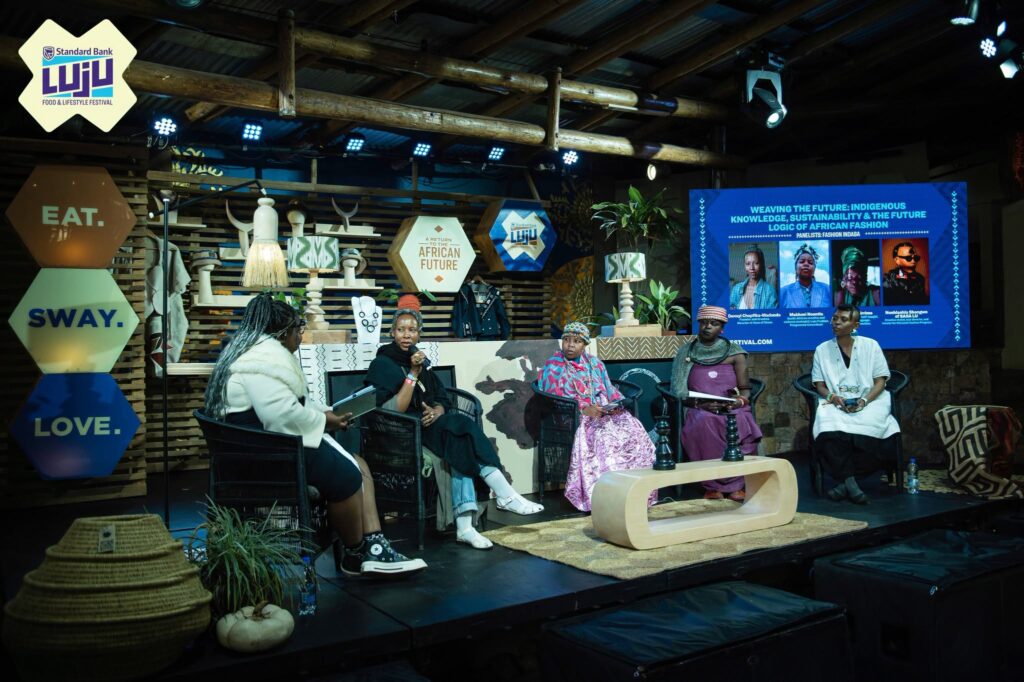
Held on Thursday, 30 July 2026, ahead of the Standard Bank Luju Food & Lifestyle Festival, the 2026 Fashion Indaba brought together designers, academics, entrepreneurs, students, financial institutions and industry leaders for a day of conversations centred on the future of African fashion.
Guided by this year’s festival theme, A Return to the African Future, the discussions moved beyond garments and runway collections. Instead, they examined what it will take to build an industry that is collaborative, commercially sustainable and firmly rooted in African identity.
Although each panel approached the conversation from a different perspective, they all arrived at a similar conclusion. Building a stronger fashion industry will require designers to share knowledge, build partnerships and create businesses capable of surviving beyond individual talent.

Putting African Fashion Identity At The Forefront
One of the strongest conversations focused on identity and the lasting effects of colonial influence on African fashion.
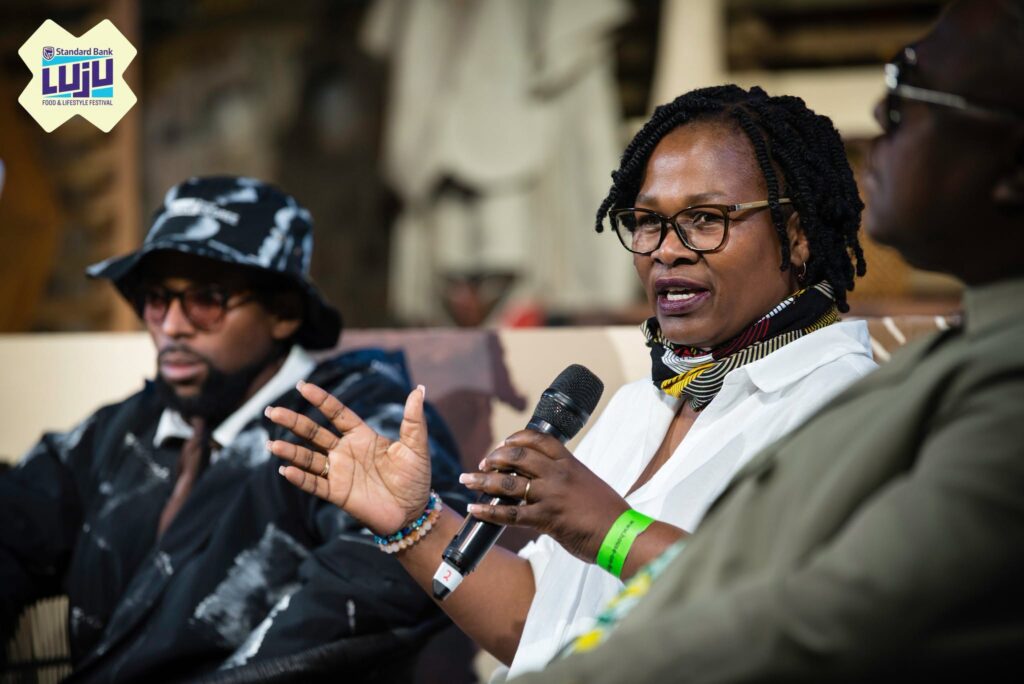
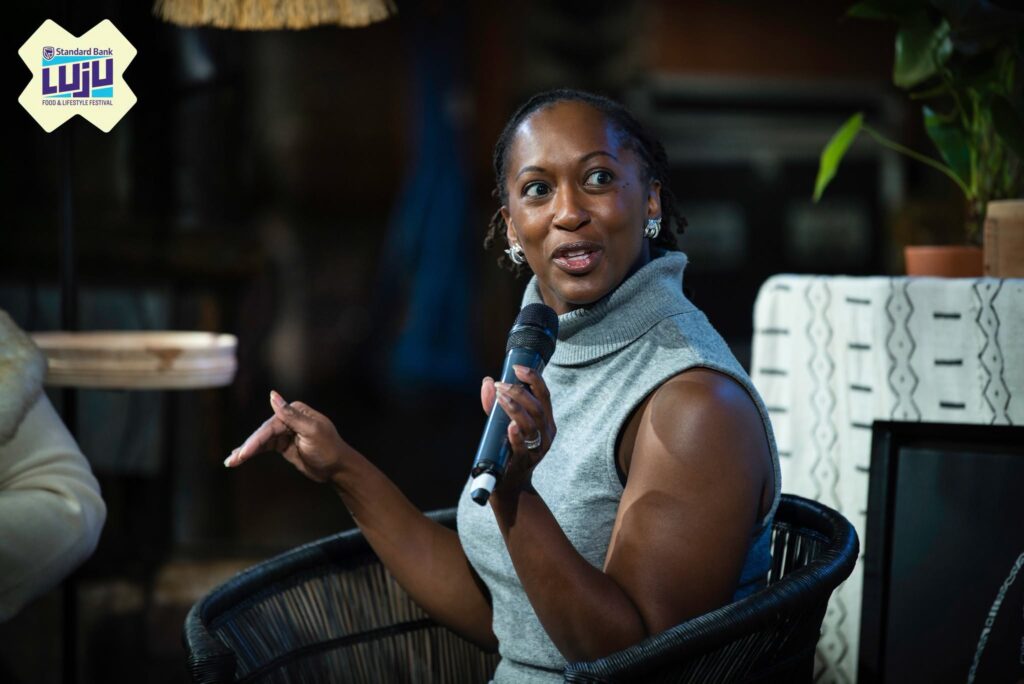
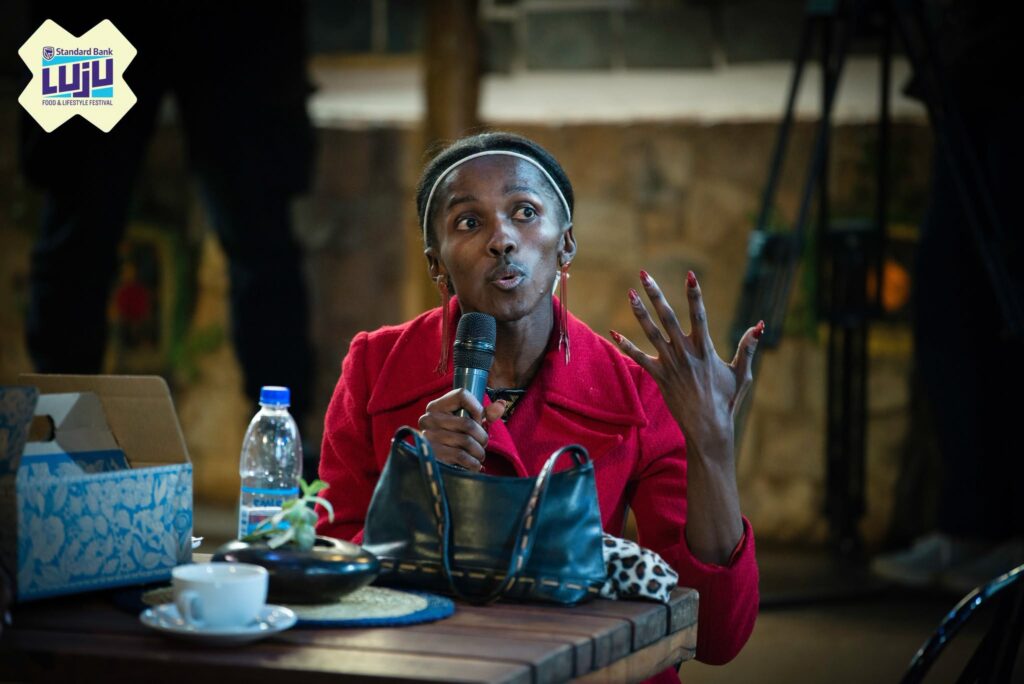
Dr. Brea Heidelberg argued that one of the industry’s biggest obstacles is not a lack of creativity but the way colonial thinking continues to shape how African designers view their own work.
She challenged participants to question why European aesthetics are still widely regarded as the benchmark for luxury while indigenous knowledge systems are often treated as secondary.
According to Heidelberg, generations of Africans were conditioned to admire imported products while undervaluing their own cultural expressions. As a result, designers now carry the responsibility of unlearning those ideas.
The task, she explained, is not simply to produce beautiful garments. It is also to rethink the systems that have long defined whose creativity is celebrated and whose is overlooked.
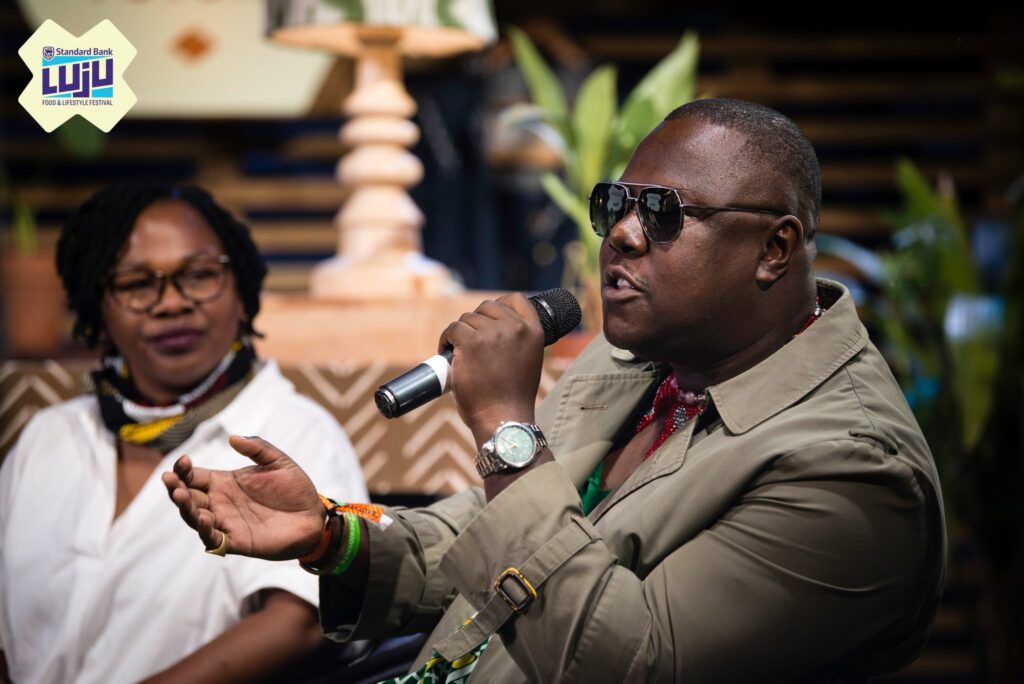
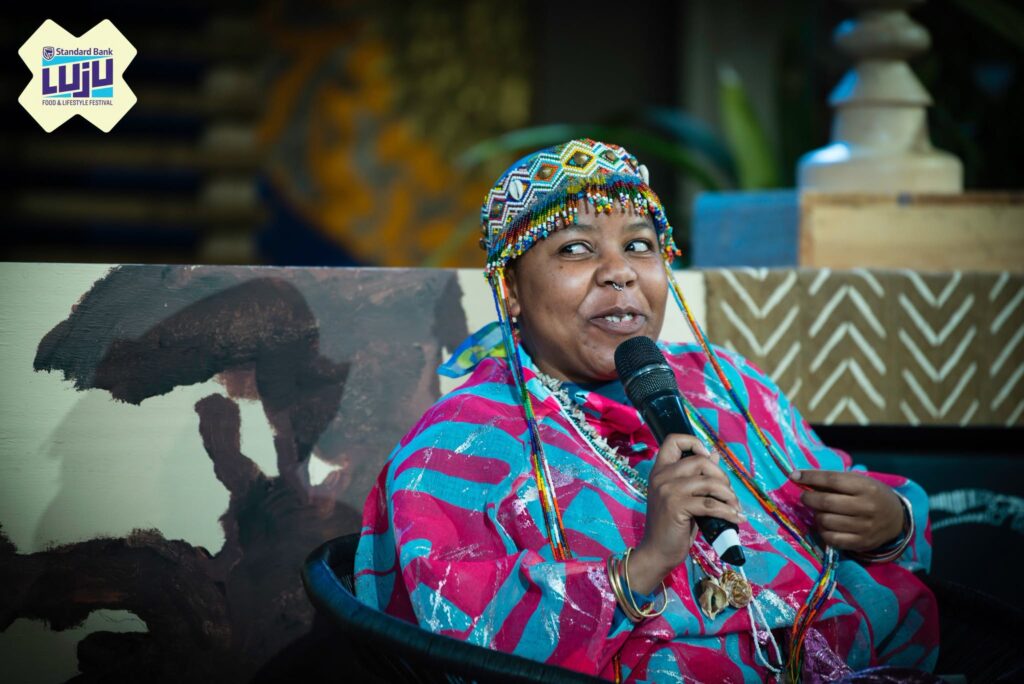
Her message was echoed by creative practitioner Melusi Zox Dlamini, who encouraged designers to confidently embrace African identity without constantly seeking validation from elsewhere.
He argued that fashion should reflect the realities, histories and experiences of African people rather than attempting to imitate international trends. For Dlamini, authenticity remains one of Africa’s greatest competitive advantages.
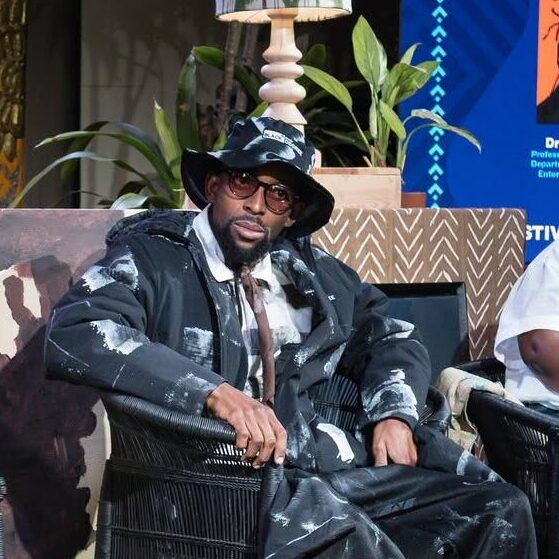
Designer Kwenzie Zwane extended the discussion beyond clothing into storytelling. He argued that African fashion cannot compete globally if it continues telling European stories through African garments.
Instead, he encouraged designers to use fashion as a form of documentation, preserving African histories, identities and lived experiences through their work. Every collection, he suggested, should carry a story that belongs to the continent rather than borrowing narratives from elsewhere.
Commercialisation of Traditional Attire
The conversation later shifted to the growing commercialisation of traditional attire, particularly garments such as the Lihiya.
While participants agreed that innovation is necessary for the industry to evolve, many warned against redesigning traditional garments solely for commercial appeal without understanding their cultural significance.
The concern was not about modern interpretations themselves. Rather, it was about ensuring that innovation does not disconnect garments from the ceremonies, customs and identities they were originally created to represent.
For many in attendance, preserving culture and encouraging innovation should happen side by side rather than in competition with one another.





Funding Fashion Business
Business sustainability formed another major part of the day’s discussions. Although Eswatini continues to produce talented designers, many still struggle to access funding, scale production and reach larger markets.
According to Mlamuli Hlatshwayo, Head of Business and Commercial Banking at Standard Bank Eswatini, one of the reasons lies in how many creatives approach financial institutions.
“Banks don’t bank ideas. We bank businesses,” Hlatshwayo said.
His remarks highlighted a reality that many entrepreneurs often overlook. While creativity may open doors, financial institutions ultimately evaluate business structures, governance, financial records, profitability and long-term sustainability before approving investment.



For designers hoping to secure funding, talent alone is no longer enough. They must also understand financial planning, business management, production systems and market positioning if they hope to build brands capable of lasting beyond a few successful collections.
Using Collaboration to Break Barriers
The discussion naturally returned to collaboration. Several speakers noted that designers frequently compete against one another despite facing many of the same challenges.
Instead of working collectively to strengthen supply chains, access funding opportunities and develop export markets, many continue operating independently.
Throughout the day, participants repeatedly called for stronger partnerships between designers, educational institutions, manufacturers, retailers and government agencies.
Working together, they argued, would allow the industry to solve challenges that no individual designer can overcome alone. The conversations also recognised the role that education continues to play in strengthening the sector.

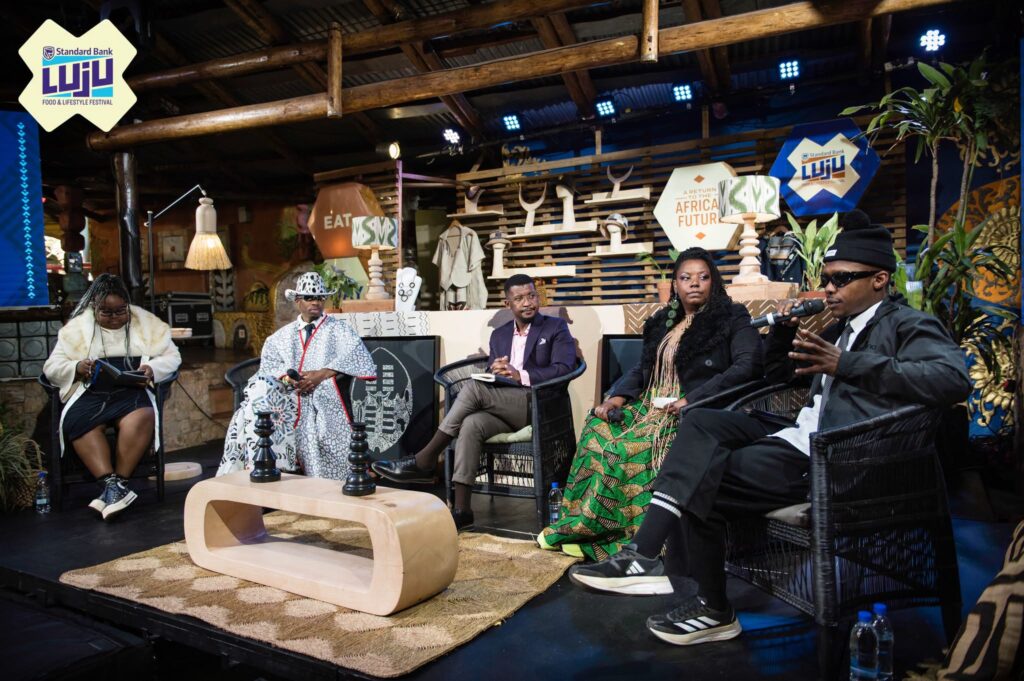
Conversations That Shape Fashion’s Future Ecosystem
Students and emerging designers participated alongside established industry figures, creating opportunities for knowledge sharing and mentorship. Rather than limiting discussions to experienced professionals, the Indaba intentionally created space for younger creatives preparing to enter the industry.
That intergenerational exchange reflected the broader purpose of the event. The Luju Fashion Indaba has increasingly become more than a pre-festival programme – It has developed into a platform where difficult conversations about identity, sustainability, funding and collaboration can happen honestly while bringing together people who may not otherwise occupy the same room.
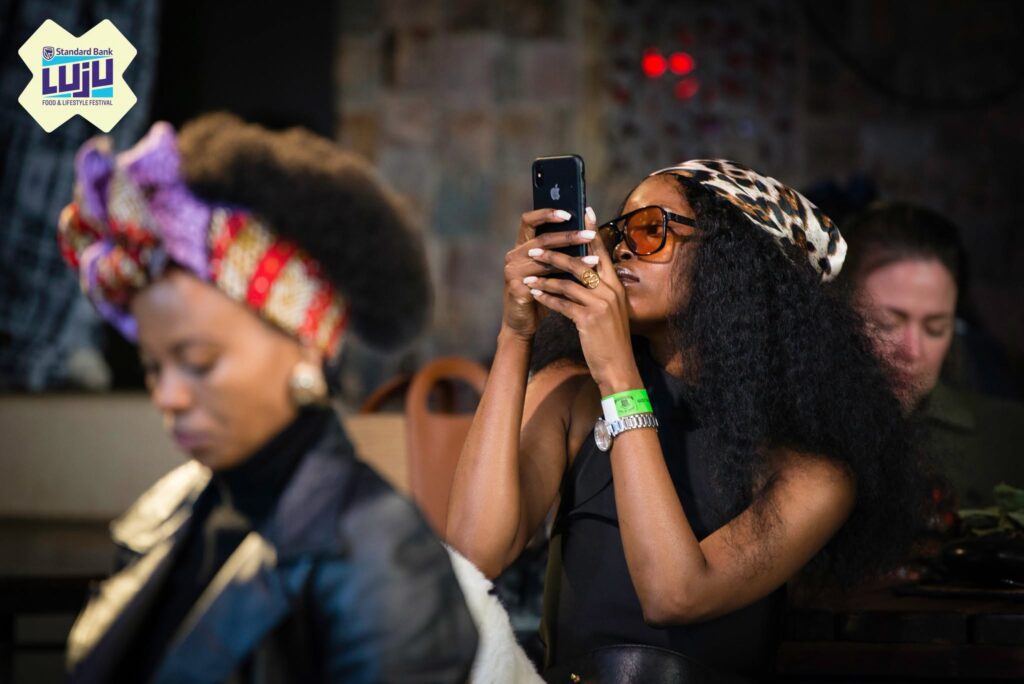
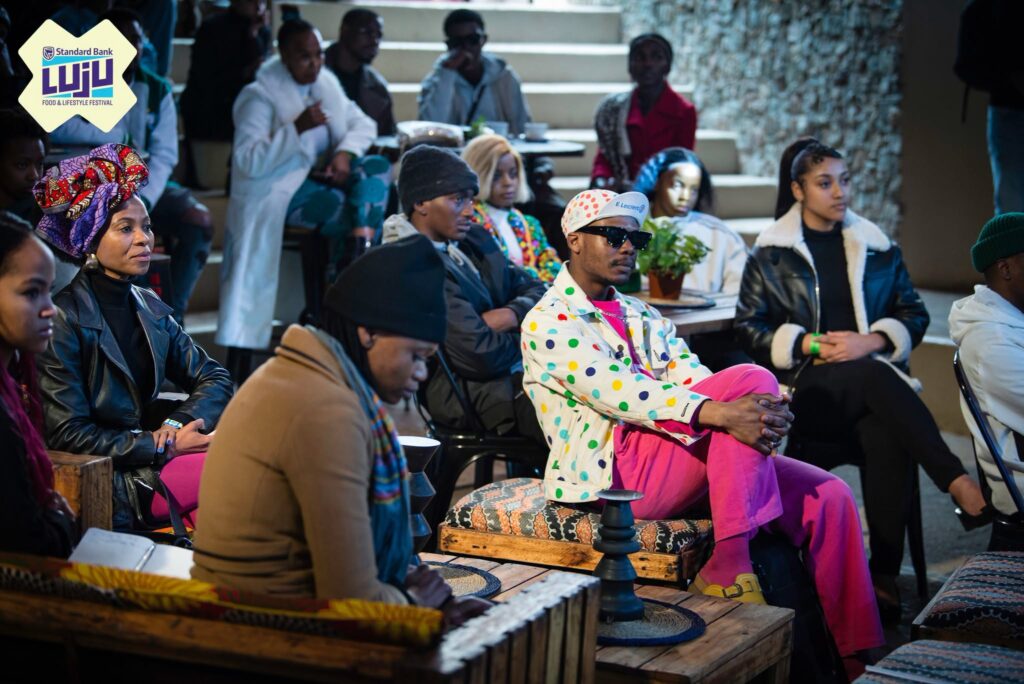
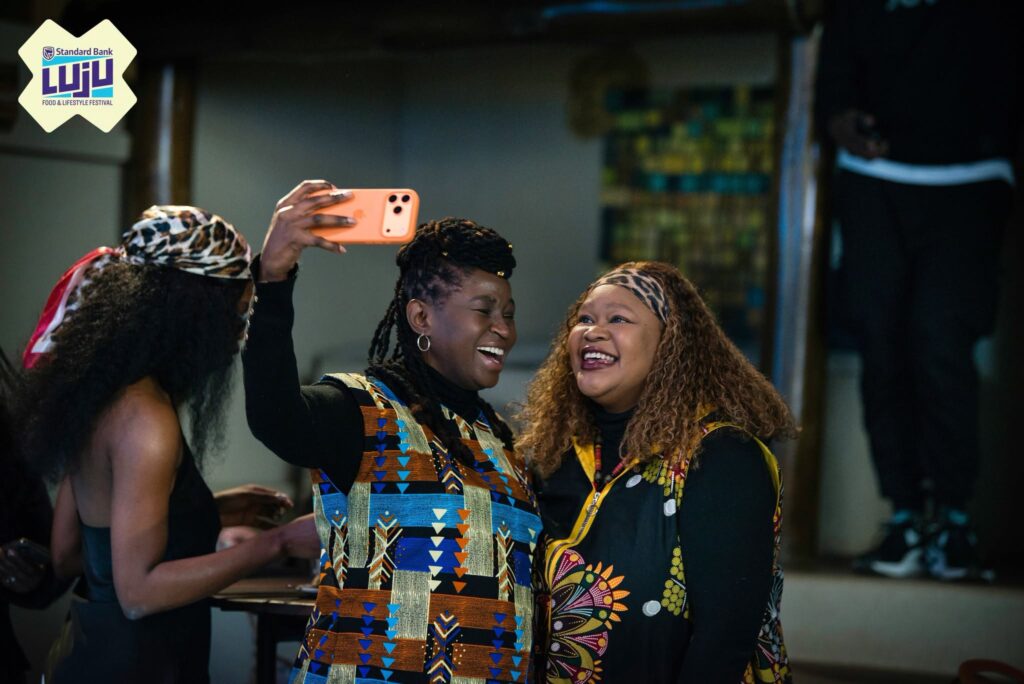
Supported by partners including Mastercard, Standard Bank Lesotho, Dala Spaces, Lush Hair, the University of Eswatini, Antidote Culture Foundation and the United States Embassy in Eswatini, this year’s gathering reinforced the importance of investing not only in fashion shows but also in the conversations that shape the industry behind the scenes.
By the close of the Indaba, no single solution had emerged for every challenge facing African fashion. However, one message had become difficult to ignore.
If African fashion is to compete globally while remaining authentic to its roots, designers will have to stop working in silos. Building a stronger industry will require collaboration as much as creativity, sustainable businesses as much as beautiful garments and a willingness to tell African stories without seeking permission for them to matter.
Photo Cred: Standard Bank Luju Food & Lifestyle Festival // Bram Lammers