




Leaving home is never an easy decision, particularly when it means stepping away from everything familiar to build a life in a foreign country. For Khetsiwe Msibi, however, the decision to leave Eswatini in pursuit of professional growth and new opportunities became one of the most transformative chapters of her life.
After spending two decades shaping young minds in Eswatini’s classrooms, she made a bold decision to cross continents, embrace a different education system and challenge herself in an environment where she would have to learn, adapt and reinvent her approach to teaching.
Her journey to Taiwan was not simply about securing employment abroad. It was about discovering how much more she could achieve as an educator, expanding her professional capabilities and finding the confidence to compete in an unfamiliar working environment. Today, as a Foreign English Teacher at a public school in Taiwan, Msibi has experienced first-hand the demands of international teaching, the importance of professional discipline and the value of remaining open to learning, regardless of how much experience one has accumulated.



Her story is a reminder that professional experience is not the end of one’s learning journey. Sometimes, the greatest career opportunities emerge when one is willing to become a beginner again.
The decision to leave home
In January 2023, as the new year began, Msibi made a resolution that would fundamentally change her life. She decided that before the end of the year, she would leave Eswatini, relocate to another continent and explore new professional and personal possibilities.
Initially, her research focused on caregiving opportunities in England. However, her search eventually led her to articles about Taiwan’s demand for English as a Second Language (ESL) teachers. Having spent virtually her entire adult life in the teaching profession, she recognised that pursuing an opportunity in education would allow her to build on an established professional foundation while experiencing a different working environment.
Rather than viewing relocation as an opportunity to abandon her previous career, she saw it as a chance to take her teaching experience beyond familiar borders.
“I was more comfortable leaving the country to do what I was familiar with, which was teaching,” she explains.

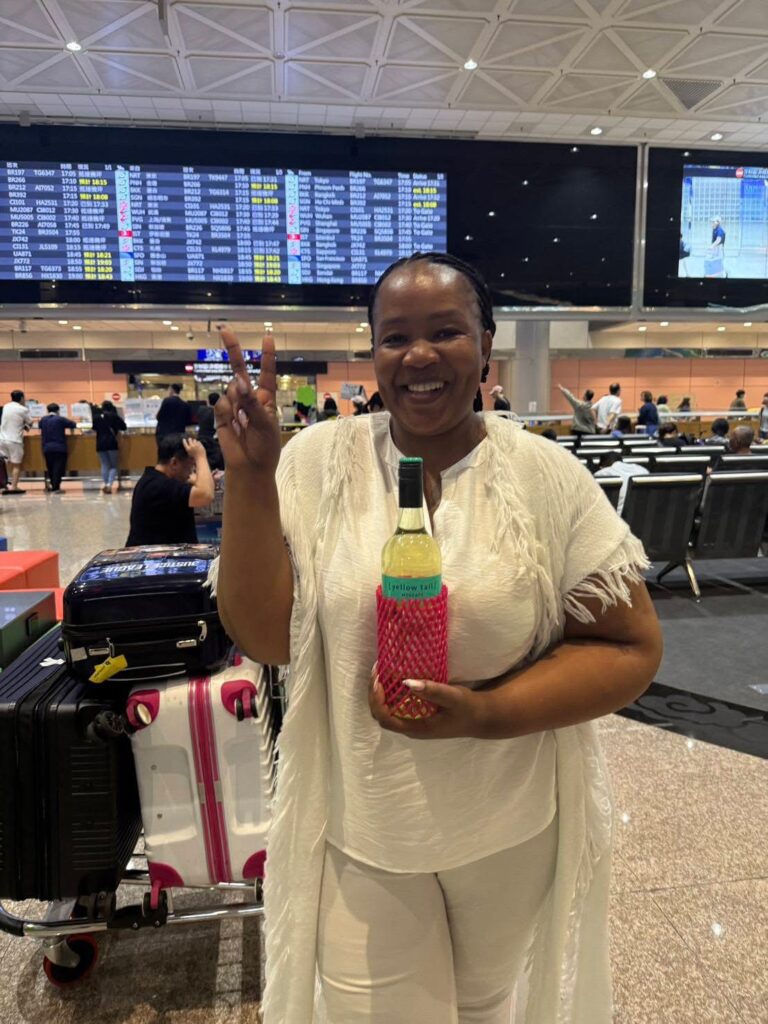
After researching different recruitment agencies and opportunities available to foreign teachers, she made a commitment to herself that she would relocate before the year ended. It was a decision that required courage, preparation and a willingness to embrace uncertainty.
Her professional foundation had been established long before Taiwan entered the picture. Msibi graduated from William Pitcher College in 2003 with a Secondary Teacher’s Diploma before furthering her studies at the University of Swaziland, where she upgraded her qualifications to a Bachelor’s Degree.
She subsequently dedicated 20 years to teaching in Eswatini, developing the experience, knowledge and classroom management skills that would eventually become valuable assets in her international career.
Two decades in the classroom had given her a strong understanding of education, but relocating to Taiwan would reveal just how differently the profession could be practised.
Twenty years of experience, a new classroom and a new beginning
When Msibi arrived in Taiwan, she quickly discovered that her extensive teaching experience did not automatically prepare her for every aspect of the new education environment.
The teaching methodologies, classroom resources, curriculum expectations and use of technology differed considerably from what she had become accustomed to in Eswatini.
Despite her qualifications and years of experience, she found herself approaching the profession with the curiosity and uncertainty of a first-year university student.
“I was shocked at how different teaching here is. I felt like a first-year student at university and had to learn fast,” she recalls.



She currently works as a Foreign English Teacher at a public school, where her responsibilities include preparing lessons and delivering English instruction using technology. Unlike the teaching environment she had known back home, the classroom experience is highly interactive, colourful and technology-driven.
Lessons are designed to encourage participation, sustain learners’ attention and make the learning experience engaging. Technology is integrated into lesson preparation and delivery, requiring teachers to be comfortable using different digital tools and educational resources.
For Msibi, this transition demanded more than simply adjusting to new teaching materials. It required her to reconsider some of the approaches she had developed over 20 years and understand how to align her experience with a different educational philosophy.
The experience reinforced an important professional lesson: being an experienced educator does not mean one has nothing left to learn.
In fact, her willingness to acknowledge what she did not know became one of the most important factors in her adjustment.
Learning to thrive in a different professional culture
One of the aspects that made the greatest impression on Msibi was the level of professionalism she encountered in Taiwan’s working environment.
She describes a workplace culture characterised by punctuality, accountability, preparation and an expectation that every individual understands and fulfils their responsibilities.


Lateness and unexplained absenteeism are not treated casually. Employees are expected to be dependable, while teachers must be prepared to deliver their lessons according to the school’s timetable and curriculum requirements.
For someone who had already spent 20 years in education, the experience was both challenging and enlightening.
She also had to become comfortable with learning new systems and operating unfamiliar equipment. In many instances, colleagues would demonstrate how to use a particular gadget or teaching resource once, after which she was expected to understand and apply the instructions independently.
This environment encouraged her to become more observant, resourceful and proactive.
“When I started working here, I was amazed by the level of professionalism. There is no lateness, no absenteeism without a valid reason. You have to think on your feet, and in most cases, they will show you how to operate a specific gadget once,” she says.
The expectations extended beyond individual performance to the way the entire education system operated.
Msibi was particularly impressed by the organisation of substitute teaching arrangements. When a teacher is unable to attend work because of illness, there are substitute teachers available to ensure that learning continues without unnecessary disruption.
This approach demonstrates how much emphasis is placed on continuity and institutional planning.


She also observed that teaching follows a structured schedule, with lessons taking place consistently from the first day of the term to the last. Every lesson is planned carefully, and teachers are expected to remain committed to the academic programme.
For Msibi, this level of organisation highlighted the importance of systems that support effective teaching. It also made her appreciate that the quality of education depends not only on the individual teacher but also on the structures, professional standards and institutional support surrounding the classroom.
The experience has influenced the way she approaches her own responsibilities. Preparation is no longer simply about having content to deliver; it involves understanding the lesson objectives, selecting appropriate teaching resources, anticipating learners’ needs and ensuring that the classroom experience remains engaging.
Starting over without a job offer
Perhaps one of the boldest aspects of Msibi’s relocation story is that she did not arrive in Taiwan with a confirmed job offer.
Having made up her mind to leave, she bought a flight ticket, packed her belongings and travelled, trusting that her qualifications and professional experience would open doors.
It was a considerable risk, particularly because relocating internationally involves expenses, uncertainty and the possibility of having to navigate an unfamiliar employment market. Fortunately, within a week of arriving, she had secured two interviews.
She performed well in both and ultimately selected the opportunity that she felt best aligned with her professional aspirations and personal expectations. However, securing employment was only the beginning of another demanding chapter.
The transition required her to unlearn certain aspects of her previous teaching philosophy and immerse herself in understanding the new curriculum. She recalls spending as many as 12 hours at work as she familiarised herself with the requirements, prepared lessons and worked to understand the systems expected of her.
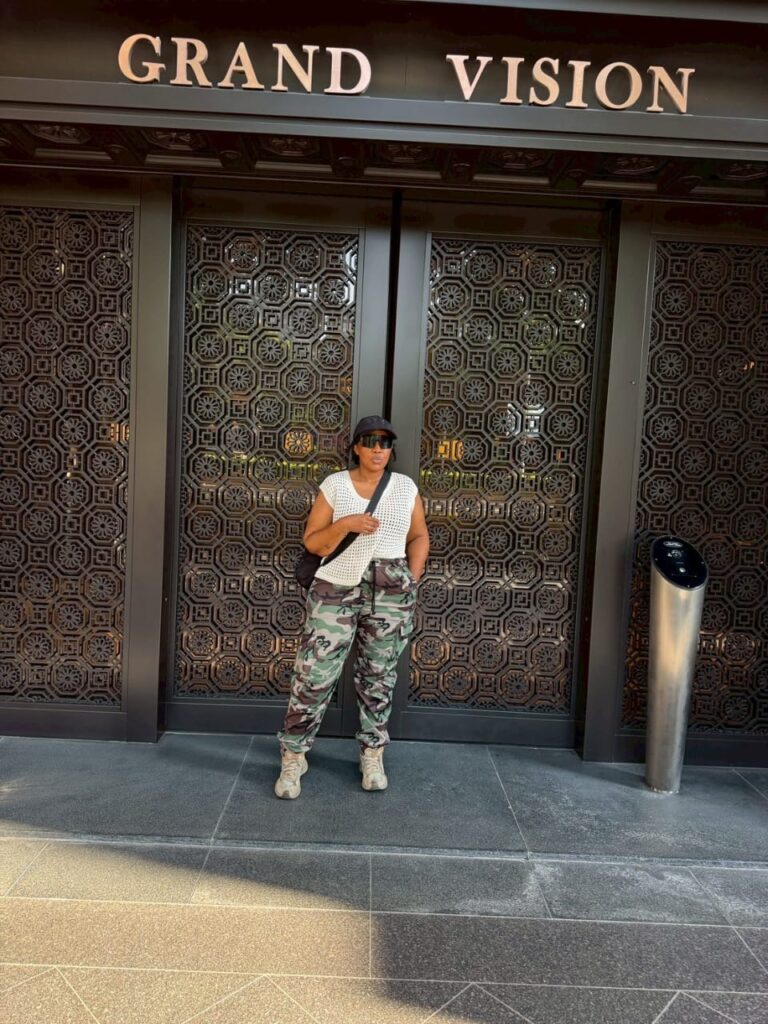

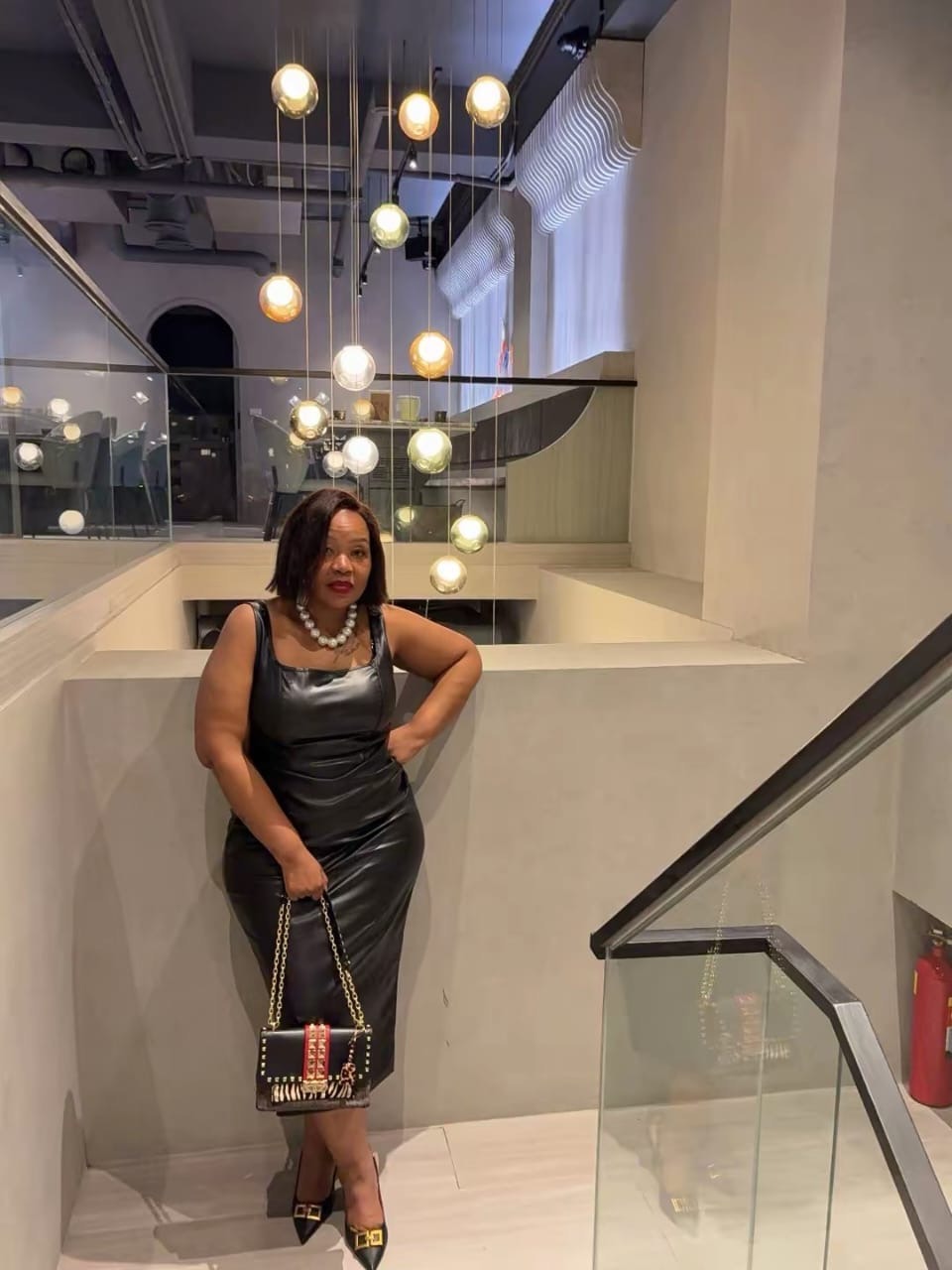
It was an intense period that tested her resilience and commitment. Rather than allowing the pressure to discourage her, she viewed the experience as an investment in her professional development.
Looking back, she remains grateful for those demanding early days because they helped mould her into a more adaptable and confident educator.
The effort has also contributed to professional recognition, with Msibi having received several awards during her time in Taiwan.
Although she does not detail each award, she regards the recognition as an affirmation of the work she has put into developing herself and delivering on her responsibilities.
Her experience illustrates an important reality about career advancement: opportunities may open the door, but preparation, consistency and a willingness to work hard determine how successfully one establishes oneself.
The realities behind working and living abroad
While international relocation is often presented as an attractive opportunity, particularly through photographs and social media updates, Msibi is quick to point out that life abroad is not always as glamorous as it appears.
Beyond the professional opportunities, there are practical and emotional challenges that require considerable adjustment.
One of the most immediate difficulties has been the language barrier. Although she works in an English-teaching environment, navigating everyday life in Taiwan can be challenging when communicating with people who do not speak English.
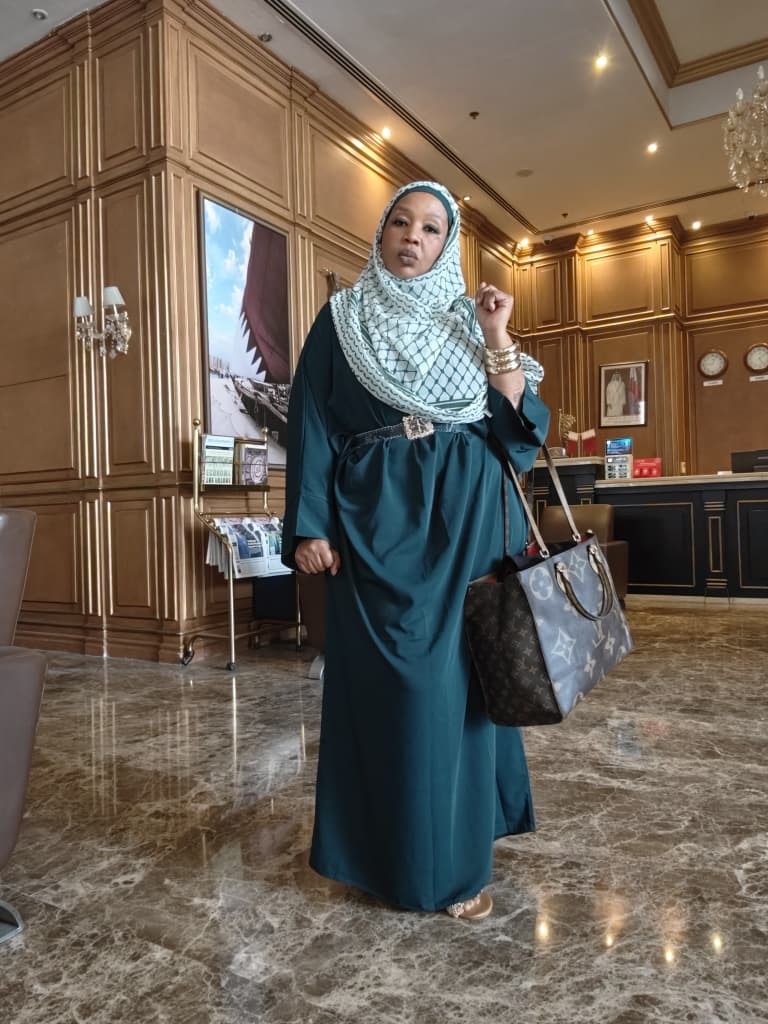
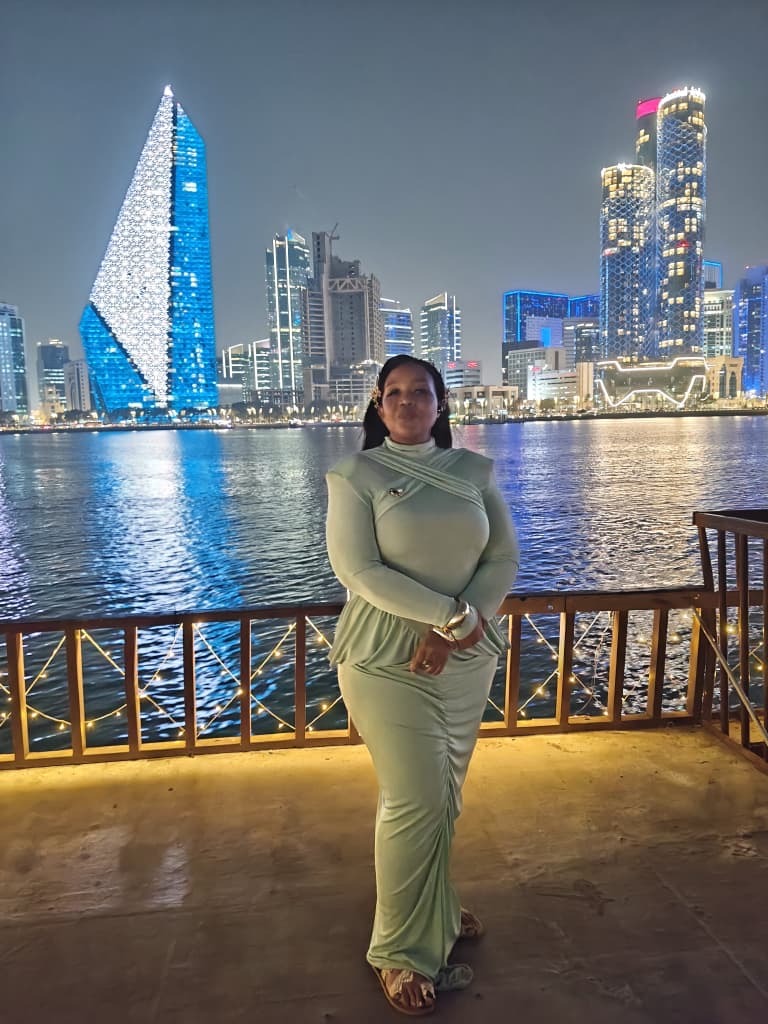
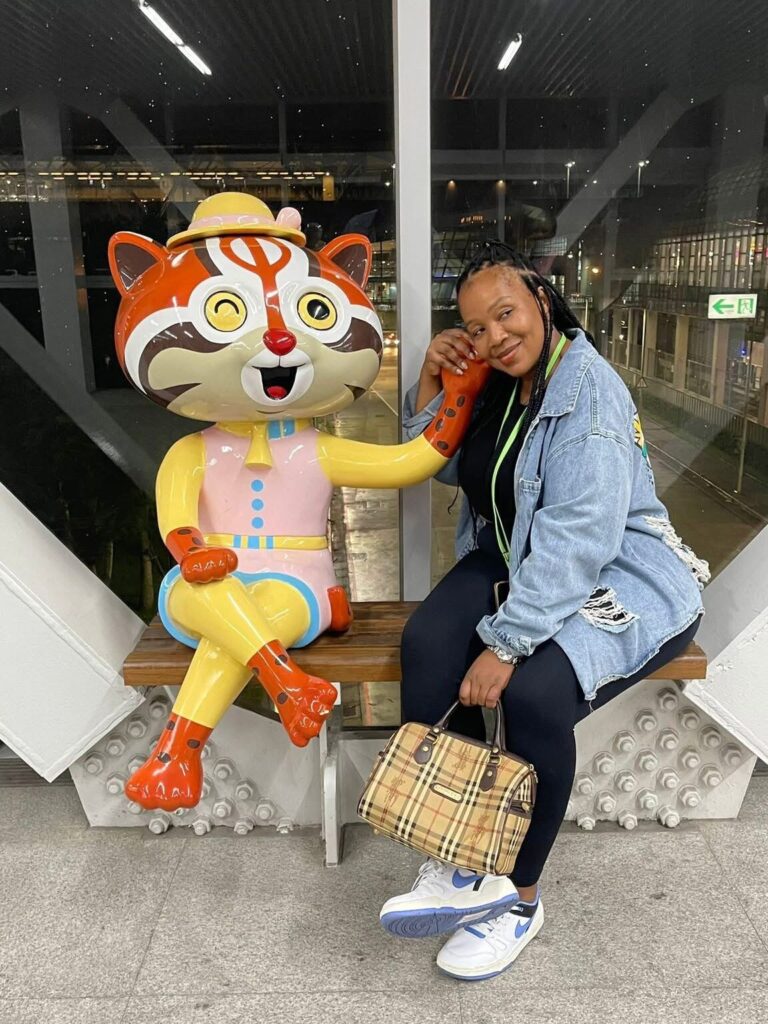
Her phone has become an essential companion, particularly when she needs to translate conversations or understand information.
The cost of living has also required careful financial planning. Rent, transportation and food can be considerably more expensive than what she was accustomed to in Eswatini.
Living independently means that financial discipline is essential. She has had to understand the importance of budgeting, managing her salary and ensuring that her income lasts until the next payday.
Unlike being at home, where one may have familiar support structures to rely on, living abroad demands a greater degree of financial independence.
“You are literally on your own; your salary needs to last you until the next paycheck,” she says.
Another adjustment has been the social environment.
Naturally outgoing and chatty, Msibi found it difficult to adapt to a culture where people generally keep to themselves. Unlike the familiar social interactions she experienced in Eswatini, greeting strangers or striking up conversations with people on public transport is not common.


She describes getting onto a bus or train where everyone remains silent until they reach their respective destinations.
For someone who enjoys conversation and human interaction, this has required a shift in how she approaches social life.
Even something as ordinary as walking has become part of her adjustment. She has had to become accustomed to walking considerably more than she did back home, gradually allowing her body to adapt to the lifestyle.
These experiences have taught her that relocating is not simply about changing one’s workplace or country of residence. It involves adjusting to an entirely different way of life.
A culture that encourages discipline and respect
Despite the challenges, there are aspects of Taiwanese society that Msibi has grown to appreciate.
One of the things she particularly admires is the country’s strong connection to its cultural identity. She observes similarities between certain Taiwanese cultural values and those found in Eswatini, particularly around respect and giving.
For her, these shared values have helped create a sense of familiarity in an otherwise different environment.
She also appreciates the hardworking nature of the people and the way professional responsibilities are approached with seriousness and commitment.


Her observations have strengthened her belief that discipline and respect are important ingredients in building effective workplaces and functioning institutions.
As an educator, she has found particular value in observing how these principles are reflected in the school environment.
The consistency with which lessons are delivered, the emphasis on preparation and the importance attached to every teacher’s contribution have given her a different perspective on professional responsibility.
She has also come to appreciate that a successful working environment requires more than individual ambition. It depends on people understanding their roles, respecting established systems and recognising that their performance contributes to a larger institutional objective.
Building a routine and protecting personal growth
Outside the classroom, Msibi has established a structured daily routine that allows her to balance work, physical wellness and personal time.
Her day begins at 5am with a morning walk, after which she prepares for work. Her working hours are generally from 8am to 4pm.
Once the school day is over, she heads to the gym before returning home to spend the remainder of her day indoors.
The routine has become an important part of maintaining discipline and creating some stability in a foreign environment.


Living abroad has also changed her social habits. She describes becoming more introverted, partly because of the need to manage expenses and avoid unnecessary outings.
Rather than attending spontaneous social gatherings, she prefers planned activities and occasional events that fit within her schedule and budget.
This has encouraged her to become more intentional about how she spends her time and resources.
For Msibi, personal development is not restricted to professional achievements. It also involves taking care of her physical well-being, managing her finances and establishing habits that support long-term stability.
The emotional cost of building a life away from home
While professional growth has been one of the most rewarding aspects of her international experience, Msibi acknowledges that living abroad carries an emotional cost that is not always discussed openly.
Homesickness, loneliness and the difficulty of adapting to a new culture can affect people who relocate in search of better opportunities.
One of the most painful realities is being physically distant from loved ones during significant moments, particularly when death occurs.
In some instances, people working abroad are unable to return home in time to bury family members or attend important family events.
Distance can also place considerable pressure on relationships and marriages. Maintaining emotional connection across different countries and time zones requires commitment, patience and understanding. For some couples, the separation eventually becomes difficult to sustain.
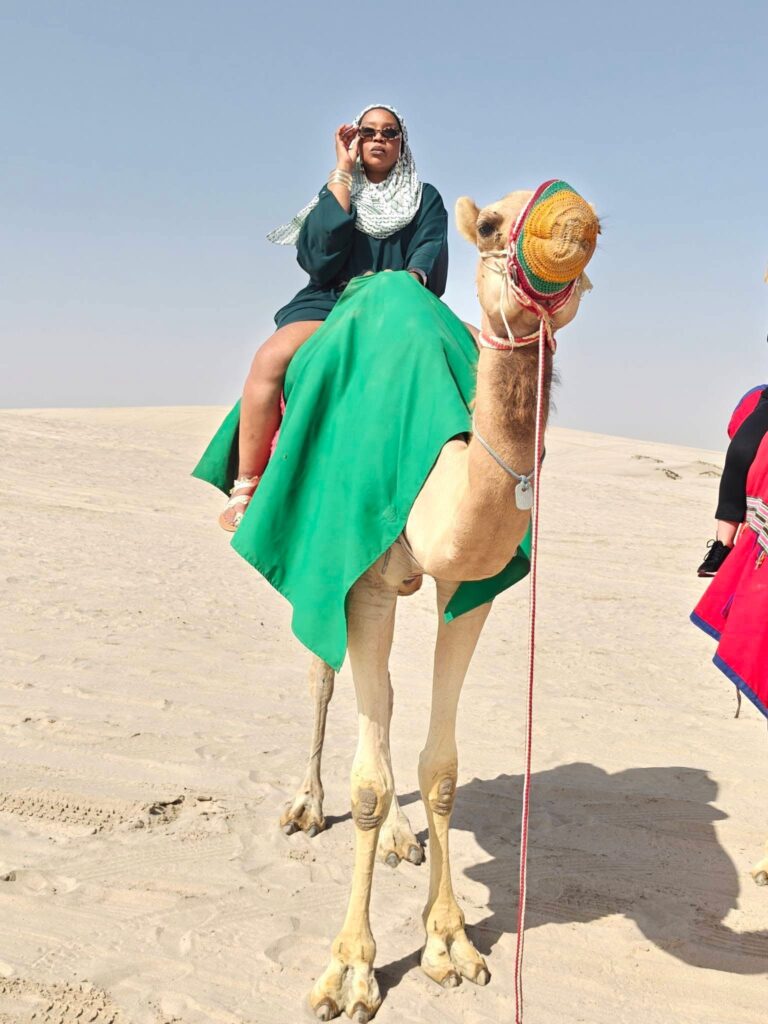


Msibi believes that many people underestimate these challenges when making the decision to relocate.
She considers herself fortunate to have had friends from her tertiary education years and a few relatives living in Taiwan. Having people she already knew provided a valuable support system during her transition.
However, she acknowledges that forming new friendships has not been particularly easy.
Her advice is to find meaningful interests and hobbies that provide fulfilment outside work. Having something to look forward to can help people manage loneliness and avoid becoming consumed by the challenges of living away from home.
Her experience highlights the importance of preparing emotionally for relocation, not only financially and professionally.
A successful international career is about more than securing employment. It also requires building a life, maintaining relationships and finding ways to remain emotionally grounded.
Discovering a stronger and more confident professional self
One of the most significant changes Msibi has experienced since relocating is the way she views herself.
She describes becoming more self-aware, independent and comfortable spending time alone. The responsibilities that come with living abroad have also made her more focused and deliberate about her decisions.
She understands that the consequences of her choices are ultimately hers to carry.
In a foreign country, maintaining employment, managing finances and planning for the future require personal accountability. She has learned that professional misconduct, poor financial decisions or a lack of discipline can have serious consequences, particularly when there is no immediate family support system to fall back on.
This understanding has strengthened her sense of responsibility.
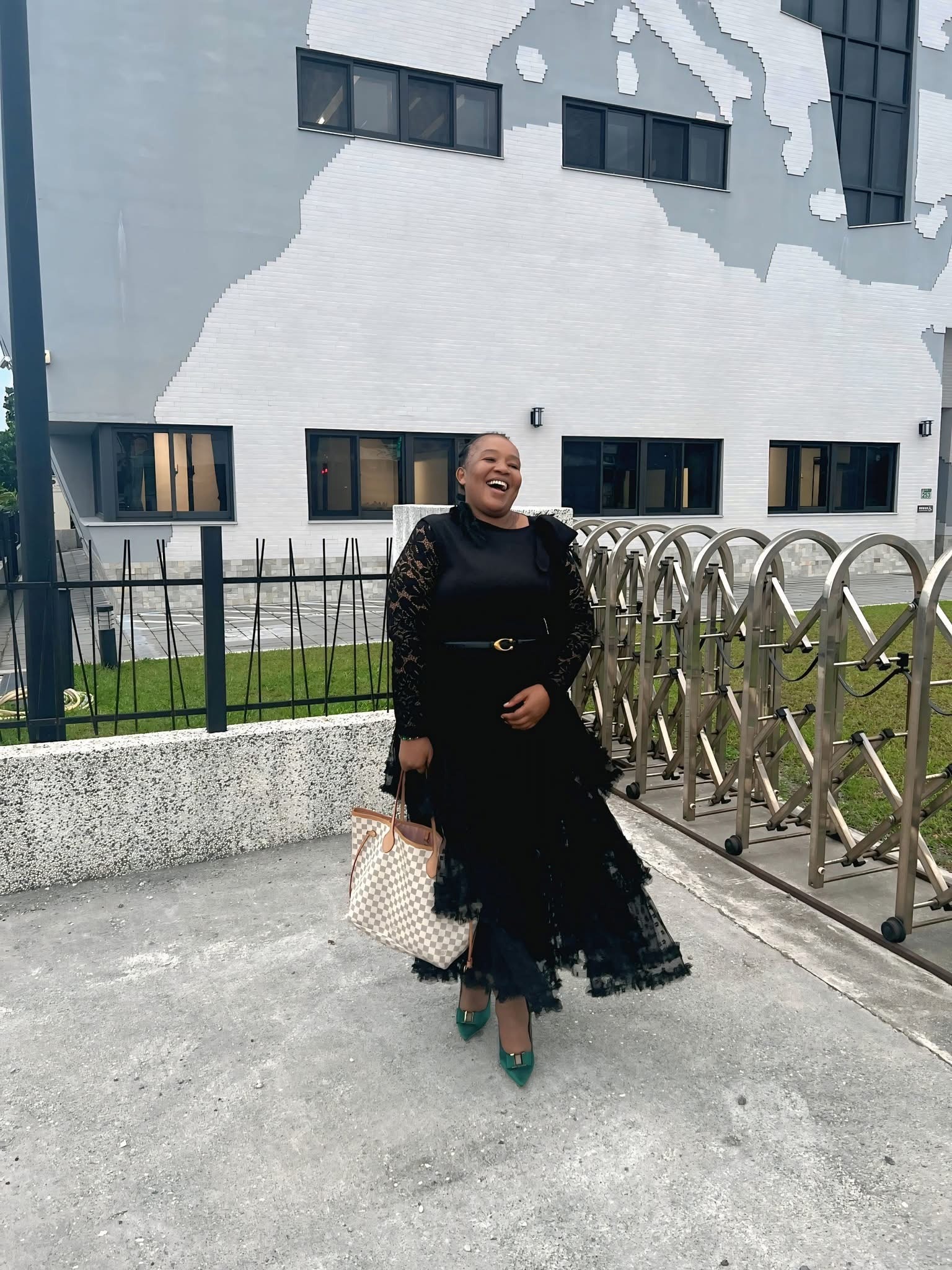
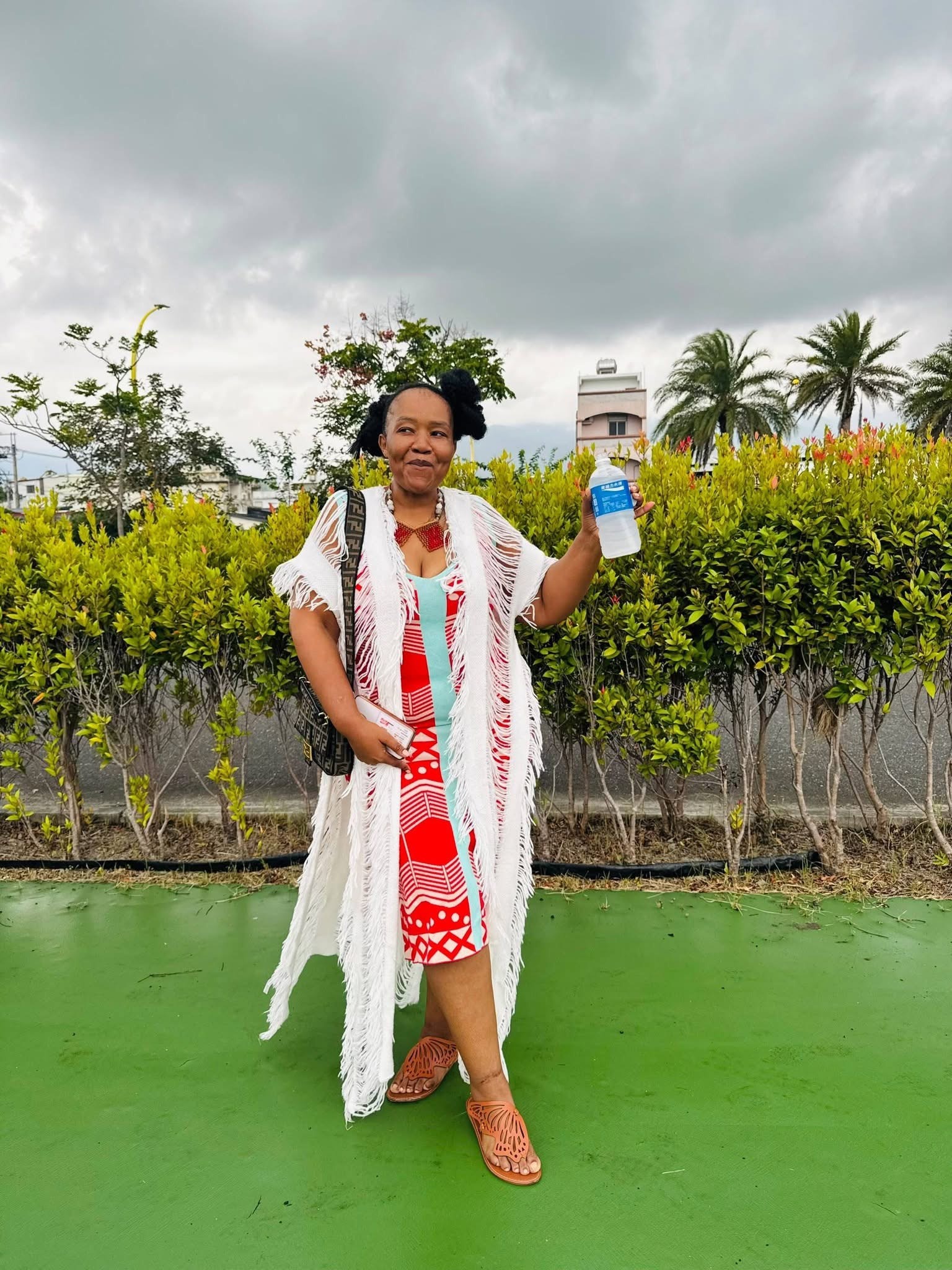
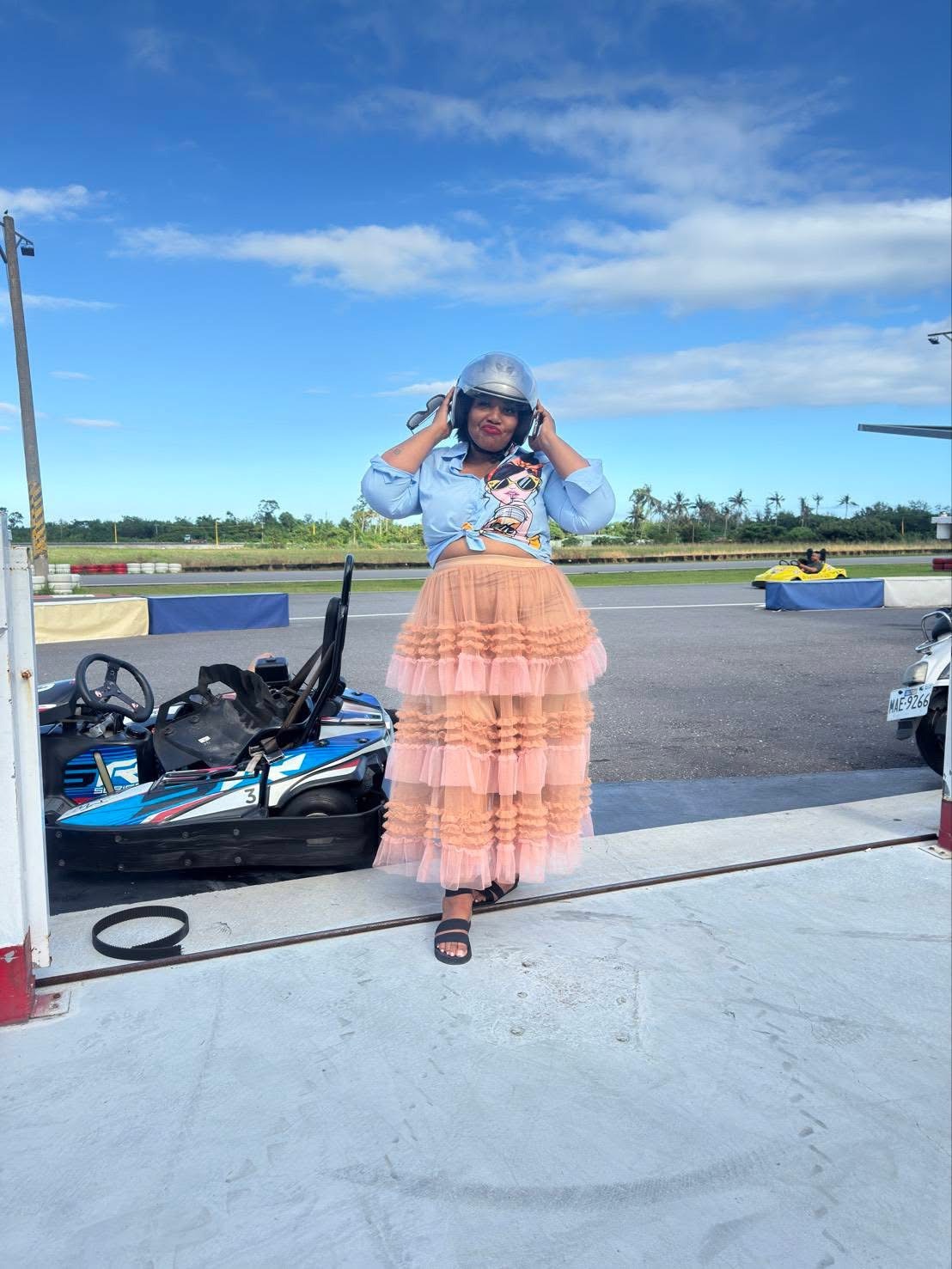
She has also developed a level of confidence that she believes would have been difficult to imagine before taking the leap.
Before relocating, she had never attended a job interview. Today, she is comfortable walking into a room filled with interviewers, presenting her experience and demonstrating why she is suitable for an opportunity.
“I have become a very focused adult because I know that if I mess up, I have no one to help me. I am on my own,” she explains.
Her confidence has been built through experience: navigating interviews, adapting to new systems, overcoming language barriers and proving herself in a different professional environment.
The awards she has received have further reinforced her belief in her capabilities.
For Msibi, these achievements represent more than recognition. They are evidence that the skills and experience acquired in Eswatini can remain relevant and competitive in international markets when accompanied by a willingness to adapt and grow.
She believes that the exposure, professional development and confidence gained in Taiwan will continue opening doors should she decide to pursue opportunities in other countries in the future.
Her message to women: Do not limit your possibilities
Having experienced the rewards and difficulties of relocating, Msibi is passionate about encouraging women to consider opportunities beyond their immediate environments.
She believes that many women underestimate what they can achieve because they become too comfortable with familiar surroundings or allow uncertainty to prevent them from exploring new possibilities.
Her message is that the world offers opportunities that extend beyond financial improvement. International exposure can provide valuable professional experience, introduce individuals to different cultures and systems, and broaden their understanding of what is possible.
However, she is equally clear that ambition must be accompanied by preparation.


Relocating requires financial resources, and people should not underestimate the costs associated with starting over in another country.
In preparing for her own move, Msibi sold all three of her cars to ensure that she was financially positioned to make the transition.
It was a significant personal decision, but one she considered necessary for the next chapter of her life.
“I would encourage women to leave what they believe is their comfort zone. The world is indeed our oyster. There is so much more out there, not only financially but even when it comes to experience,” she says.
Her advice is not that everyone should leave their home country, but that women should not allow fear or familiarity to define the limits of their ambitions.
She encourages those considering international opportunities to research thoroughly, understand the financial implications and prepare themselves for the possibility that the adjustment may be more demanding than anticipated.
For her, courage is not the absence of uncertainty. It is the willingness to pursue an opportunity while understanding that success will require sacrifice, resilience and hard work.
Bringing international experience back home
Although Taiwan has provided Msibi with an opportunity to grow professionally and personally, she does not envisage spending the rest of her life there.
Her long-term aspirations remain closely connected to Eswatini, where she hopes to bring together the experience accumulated over two decades of teaching and the additional knowledge gained through international exposure.
Her dream is to establish a kindergarten and, if resources permit, eventually develop a primary school that meets international standards.
The vision goes beyond establishing an educational institution. She wants to create an environment where young learners receive quality education and are supported by teachers who understand the importance of nurturing children’s potential from an early age.
She also hopes to train and develop educators, equipping them with the knowledge, professional standards and teaching approaches necessary to help learners become the best versions of themselves.


It is a vision that draws directly from her experiences in both Eswatini and Taiwan.
Having worked in two different education systems, she has had the opportunity to observe contrasting teaching approaches, institutional structures and classroom practices. She hopes to draw on these experiences when developing her own educational institution.
Her exposure to technology-driven teaching, structured lesson preparation, professional accountability and continuous development has given her ideas about what an effective learning environment should look like.
For someone who has dedicated 20 years to teaching, the dream of establishing a school represents an opportunity to contribute to education in a different capacity.
Rather than limiting her contribution to the learners she teaches directly, she hopes to build an institution that can influence generations of children while also creating opportunities for other teachers to develop professionally.
It is perhaps the most meaningful aspect of her journey: the desire to take what she has learned abroad and use it to strengthen the education sector back home.
A journey defined by courage, reinvention and purpose
Khetsiwe Msibi’s journey demonstrates that professional growth does not necessarily follow a predictable path. After 20 years in the teaching profession, she could have continued building her career within the familiar environment of Eswatini. Instead, she chose to challenge herself, cross continents and discover new dimensions of a profession she had dedicated her adult life to.
The transition was not without sacrifice. She had to leave behind familiar surroundings, adjust to a different culture, confront a language barrier, manage the financial realities of living abroad and rebuild her professional confidence in an unfamiliar education system.
Yet, through discipline, determination and an openness to learning, she has turned those challenges into opportunities for growth.






Her story also carries an important lesson for professionals who believe that experience alone is enough to sustain career development. The willingness to learn, adapt and embrace new methods remains essential, even after decades in a particular field.
For Msibi, Taiwan has become a classroom beyond the classroom, teaching her lessons in independence, accountability, resilience and self-belief.
Ultimately, her ambitions extend beyond personal success. She hopes to return to Eswatini with the experience and knowledge needed to establish an educational institution that will nurture young minds and contribute to the development of future generations.
She left home to explore a new professional world. Along the way, she discovered a stronger version of herself and a renewed sense of purpose.