


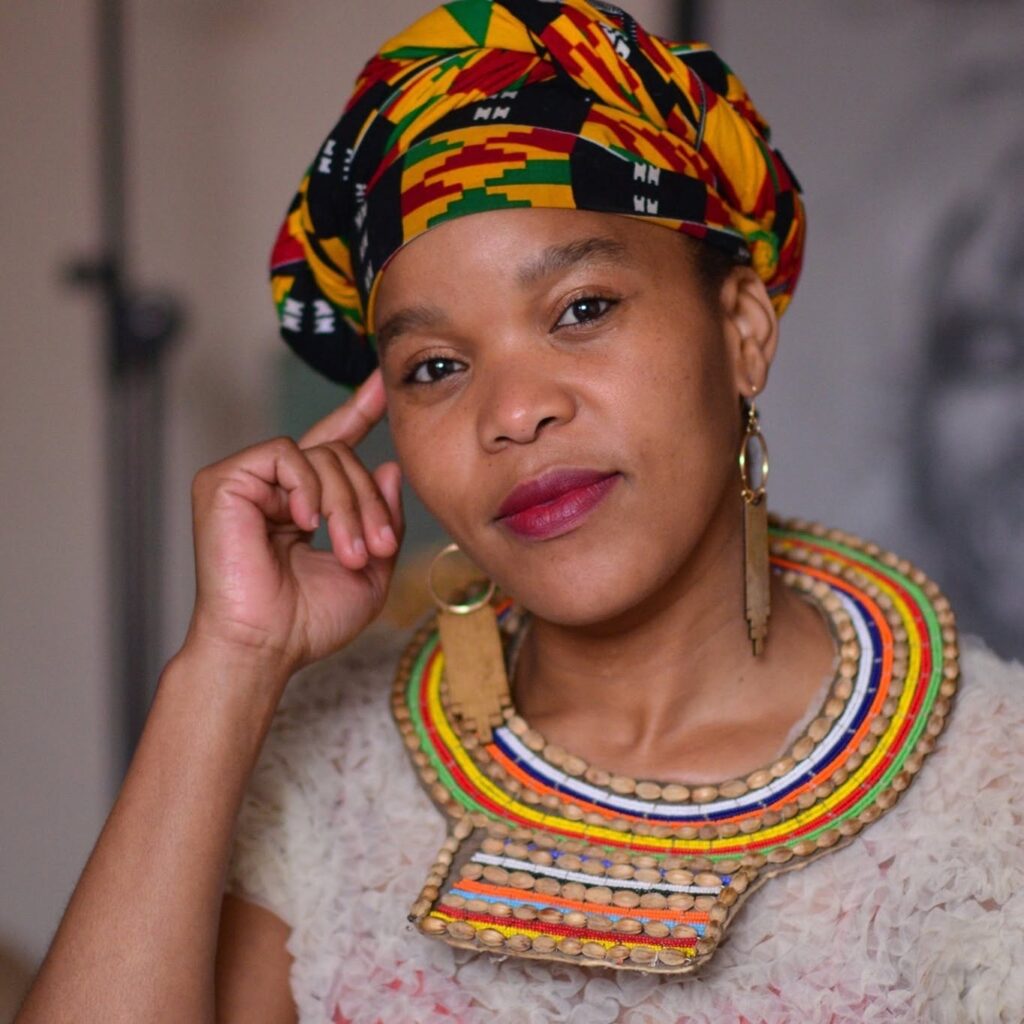

After more than 12 years of travelling, documenting communities and capturing stories across Africa and beyond, Eswatini visual storyteller and fine art photographer Siphephile Sibanyoni has officially released his debut book, The Last Defenders – Edition 1.
The photographic book is now available for purchase on Amazon, marking a major milestone in Sibanyoni’s career and bringing together more than a decade of visual documentation focused on African communities, cultures, landscapes and changing ways of life.
The first edition, according to Sibanyoni, features work from 10 countries, with Sibanyoni using photography, art and storytelling to explore the realities facing communities in a rapidly changing world.

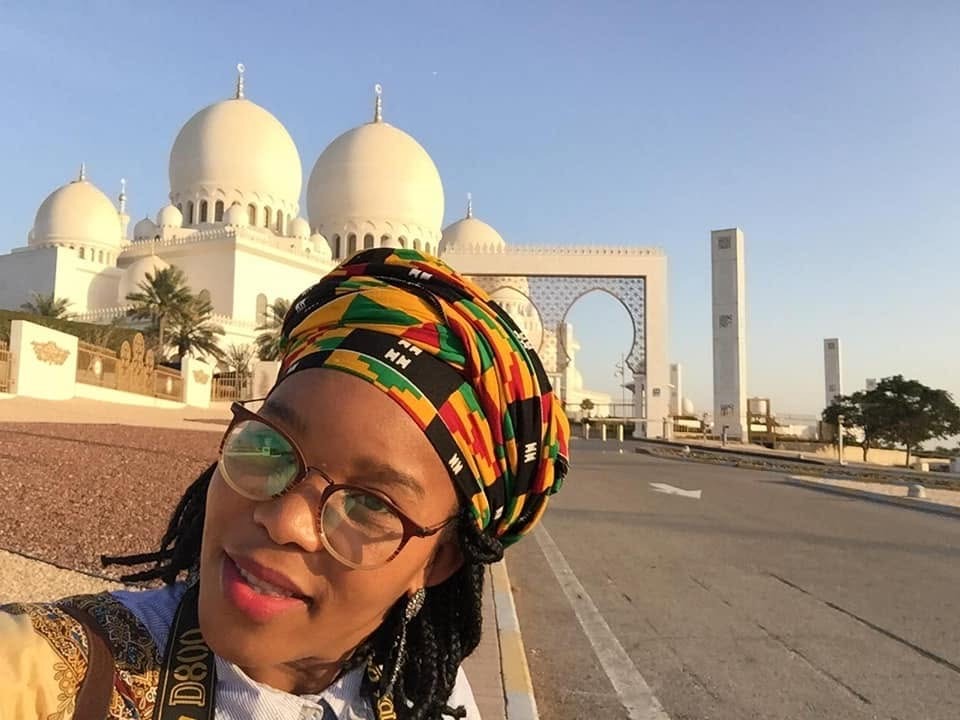
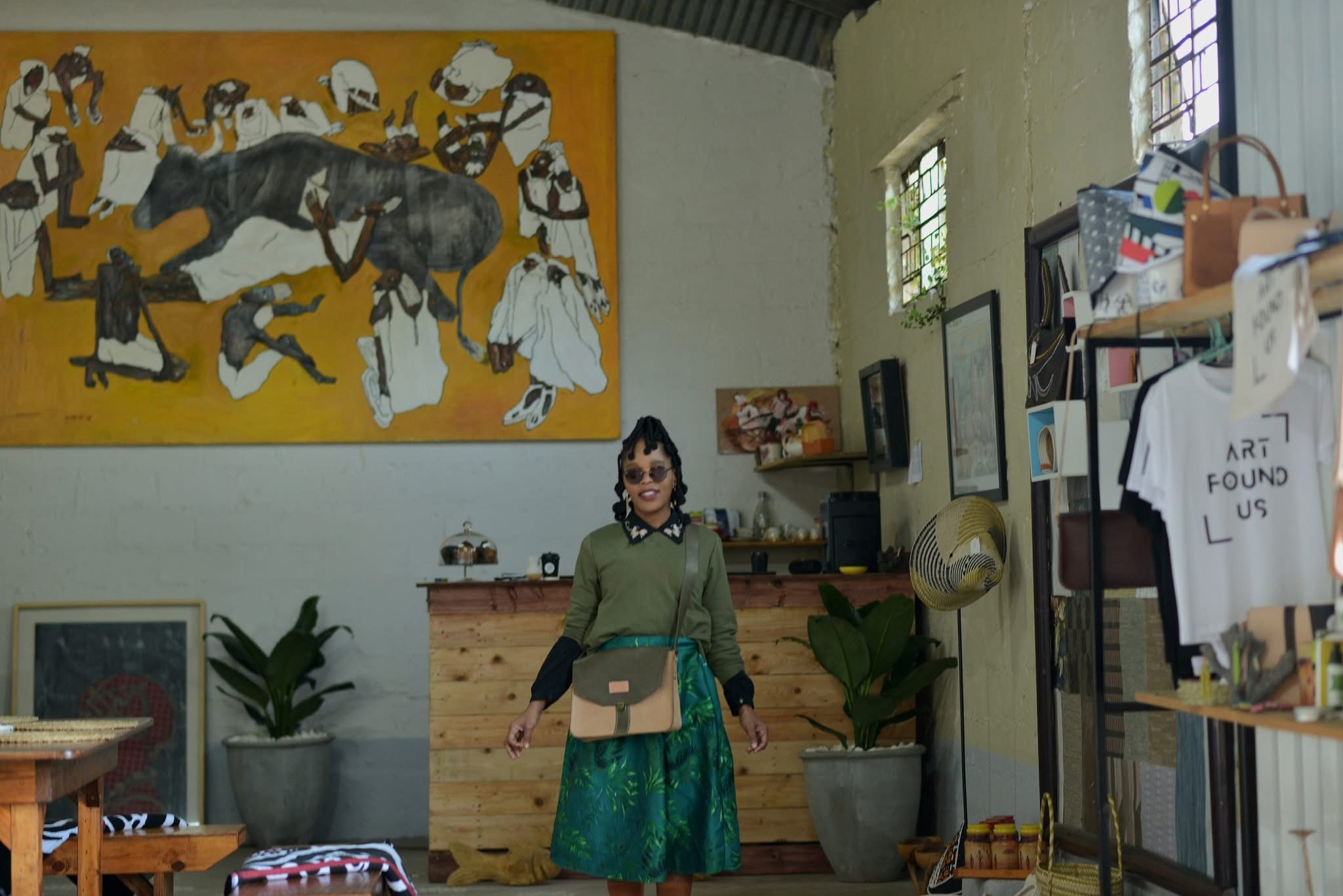
Rather than serving solely as a collection of photographs, The Last Defenders presents what Sibanyoni describes as a visual and ethnographic record of communities and traditions that are increasingly under pressure from social, environmental and technological change.
The book examines issues including global warming, climate change, modernisation, digitalisation, land and environmental challenges, religion and changing belief systems, cultural identity, heritage and the disappearance of traditional ways of life.
Sibanyoni collaborated with writers, poets and artists, including Philomene Luyindula and Mesuli Mamba, to create a multidisciplinary work combining photography, poetry, replica art and written narratives.
At the heart of the project is the preservation of stories that Sibanyoni believes deserve to be documented for future generations.
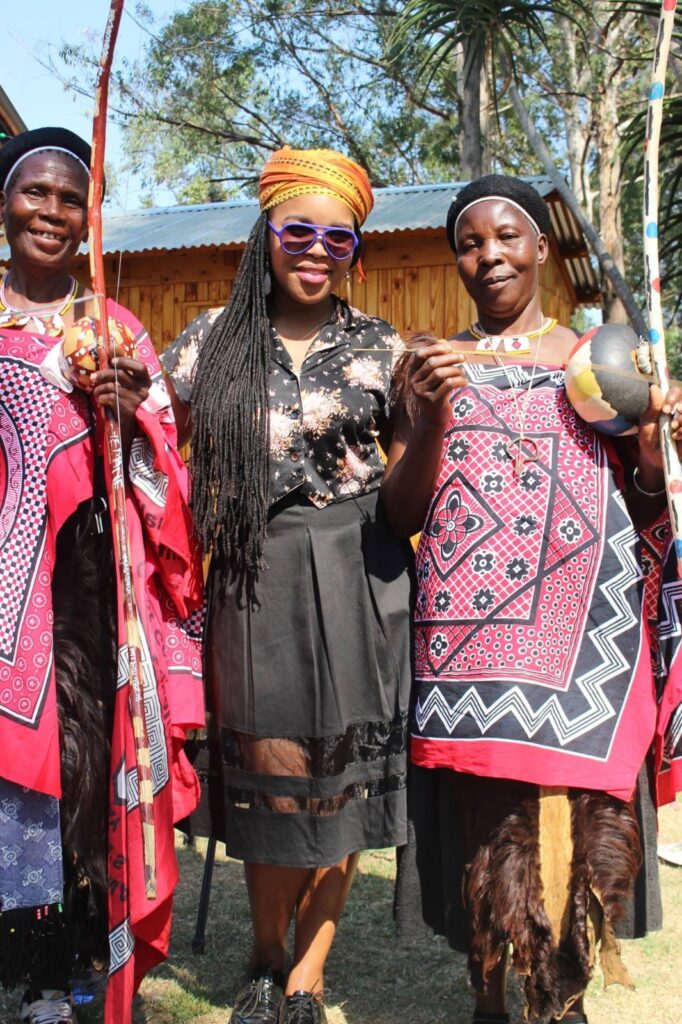
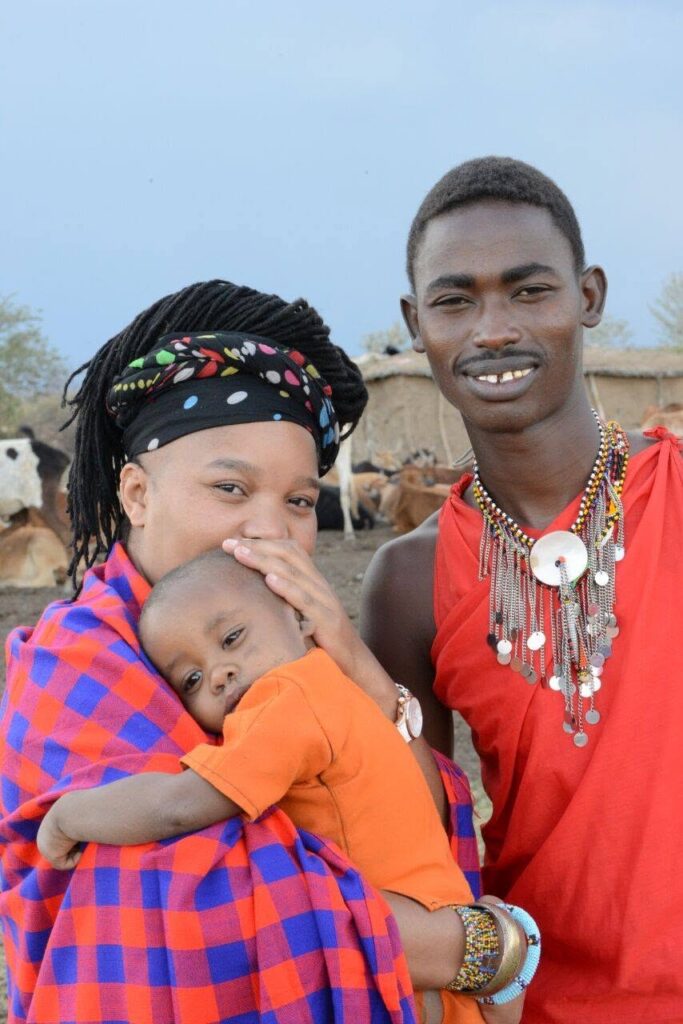

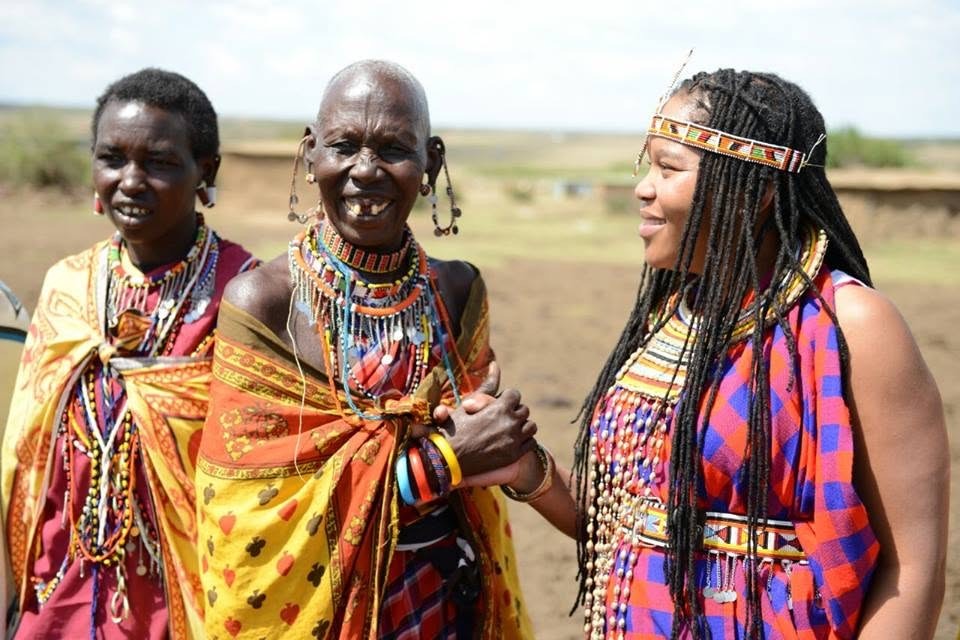
“Every photograph represents a moment, a person, a place or a story that deserves to be remembered,” Sibanyoni says.
The project has taken her across frontiers and landscapes, where she has sought to understand communities and document what she describes as an irreplaceable ethnographic record of disappearing tribes, identities and traditions.
The book also explores the effects of armed conflict, land dispossession and discrimination on minority and Indigenous communities, particularly their languages, traditional knowledge, art and spirituality.
According to Sibanyoni, many of these communities are responding to the pressures they face by finding new and creative ways to reconnect with their cultures and heritage, strengthen community support and create opportunities for their families.

One of the distinctive features of The Last Defenders is its physical design. Some pages have intentionally been created so that they can be removed and framed, transforming selected photographs and artworks from book pages into pieces that can be displayed in homes, offices, hotels, studios and other creative spaces.
This approach reflects Sibanyoni’s intention for the publication to be more than a book placed on a shelf. Instead, it is designed as a piece of African visual history that can be experienced, discussed and displayed.
For Sibanyoni, the release represents the culmination of years spent travelling, researching, photographing and documenting stories.







The photographer describes Edition 1 as only the beginning of a broader journey, with the publication serving as a platform for continued exploration of African identity, heritage, environmental change and the preservation of cultural memory.
With 12-plus years of work, 10 countries and countless stories brought together in one publication, The Last Defenders positions photography as both an artistic medium and a tool for cultural preservation.
The book is available internationally through Amazon, offering readers, collectors, photography enthusiasts and those interested in African history and culture an opportunity to engage with Sibanyoni’s extensive visual archive.
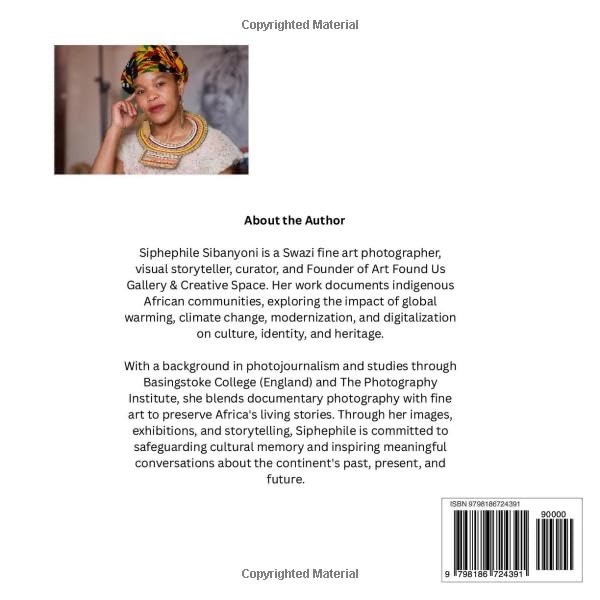
For the author, however, the significance of the publication extends beyond its commercial value.
It represents an effort to ensure that communities, people, traditions and landscapes captured through his lens are not forgotten as the world continues to change.