


Events are becoming more than dates on Eswatini’s social calendar. From cultural celebrations and music shows to business gatherings, sporting activities and lifestyle experiences, events have increasingly become a reason for people to travel, explore different parts of the country and spend within local communities.
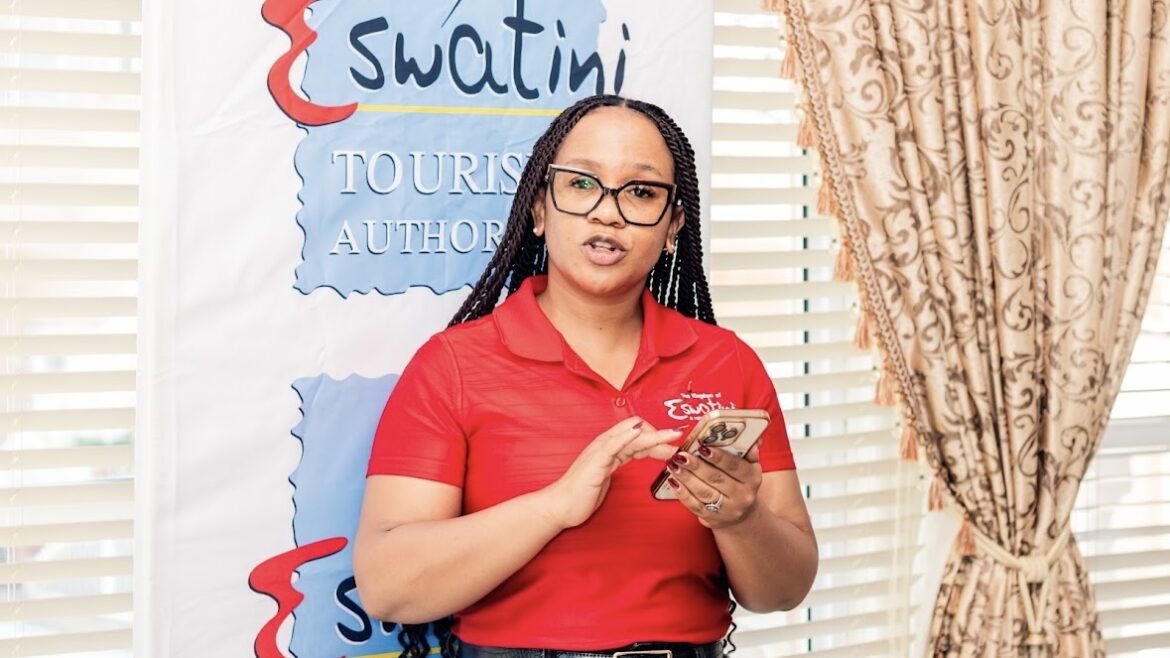
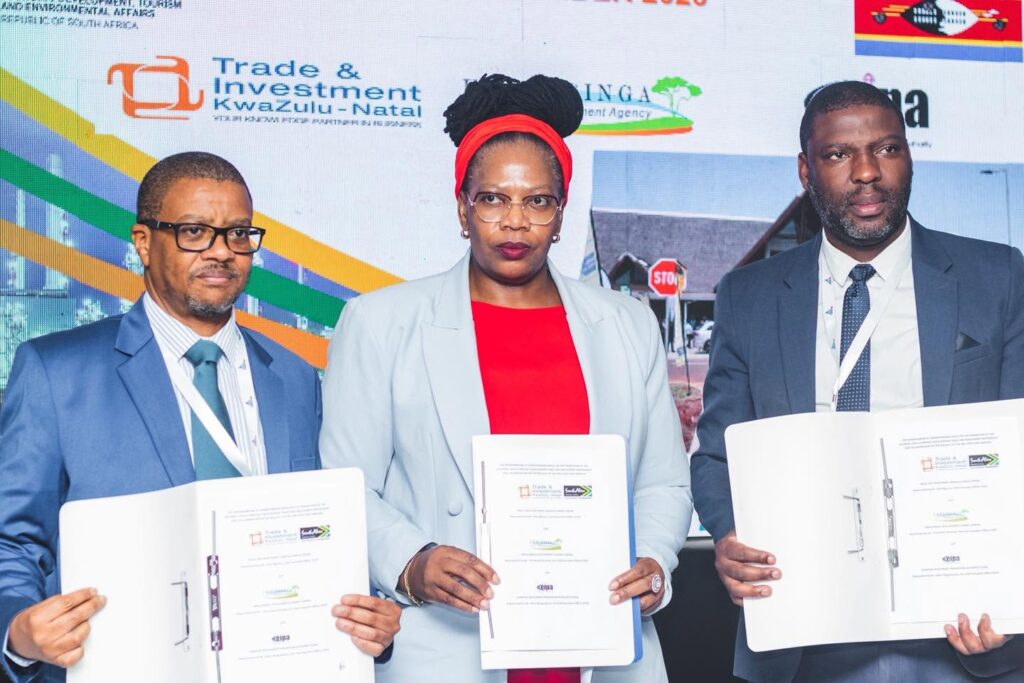
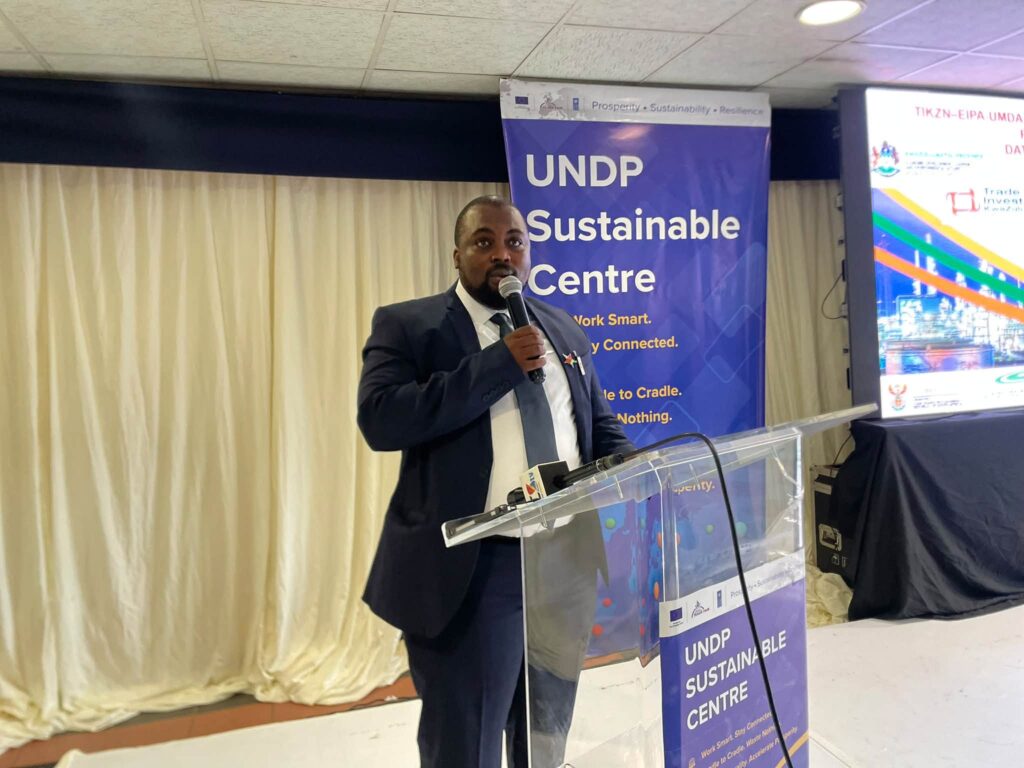
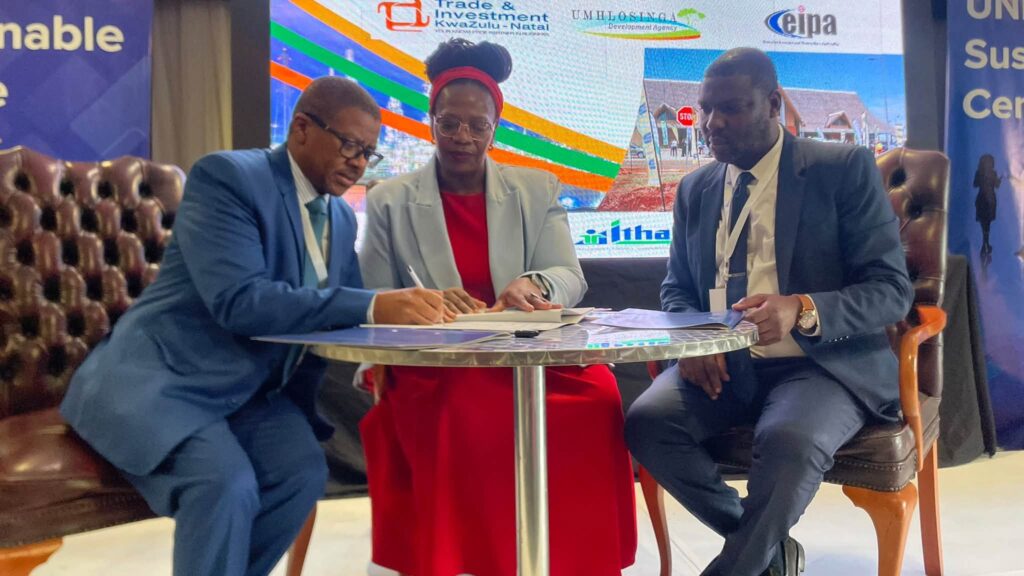
Speaking during the signing of the Tripartite Memorandum of Understanding between the Eswatini Investment Promotion Authority (EIPA), Trade & Investment KwaZulu-Natal (TIKZN) and the uMhlosinga Development Agency (UMDA), Eswatini Tourism Authority Marketing Head Wakhile Zwane highlighted the role events play in the country’s economy.
For the tourism sector, an event can create movement beyond the venue itself. Visitors need places to stay, transport to get around, restaurants to eat at and activities to take part in. That means the impact of an event can stretch across several businesses and communities, creating opportunities for people working across the tourism and hospitality value chain.
Zwane pointed to the importance of events in encouraging travel, including domestic travel.
While international visitors remain an important part of the tourism industry, encouraging Emaswati to travel within the country also creates opportunities for local tourism businesses to benefit from increased movement.
A person travelling from one part of Eswatini to another for an event may end up discovering a restaurant, visiting a cultural attraction, booking accommodation or returning to the area for another experience.
In that way, events can become an introduction to destinations that people may not otherwise have considered visiting.
For an entertainment and lifestyle industry, this movement matters.
The growth of events creates space for more than performers and event organisers. It brings photographers, videographers, designers, fashion vendors, food businesses, transport operators, accommodation providers, security companies, decorators and other creatives and service providers into the ecosystem.
It also creates platforms for local talent to be seen.Whether it is a musician performing at a festival, a designer showcasing at a lifestyle event or a small food business setting up a stall, events provide opportunities for local businesses and creatives to connect directly with audiences.
The more active the events calendar becomes, the more opportunities there are for these businesses to participate and grow.
The connection between events, tourism, and investment also ties into the broader discussions around strengthening economic links between Eswatini and KwaZulu-Natal.
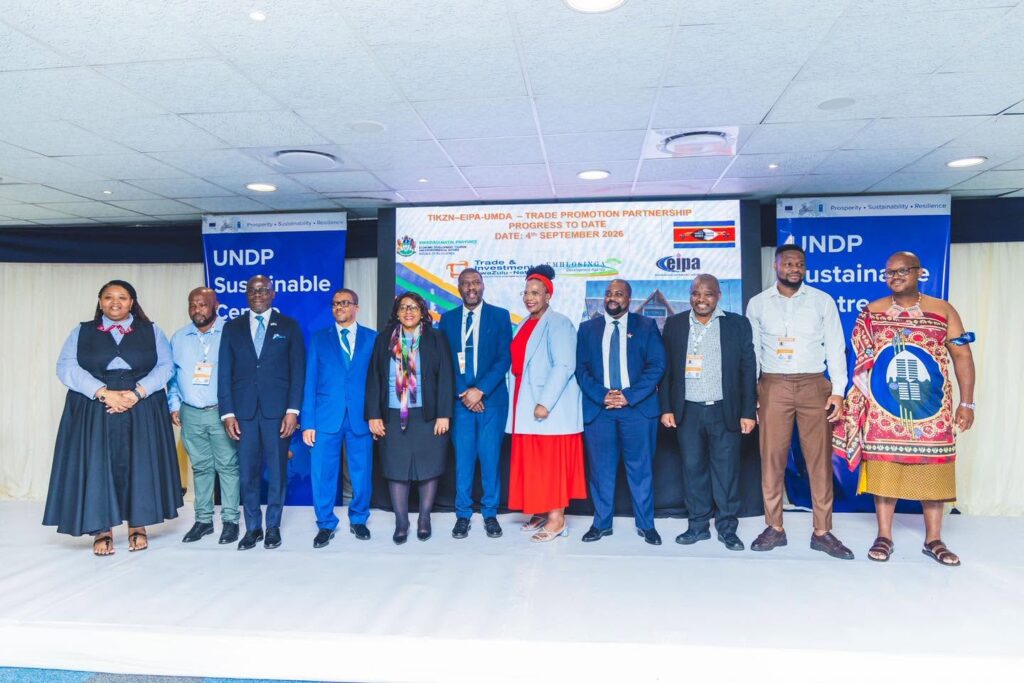
The signing of the tripartite MOU between EIPA, TIKZN and UMDA seeks to create a framework for greater cooperation, business linkages and the unlocking of trade and investment opportunities between the two markets. While the agreement has a strong business and investment focus, opportunities can also extend into sectors such as tourism, hospitality, entertainment and the creative economy.


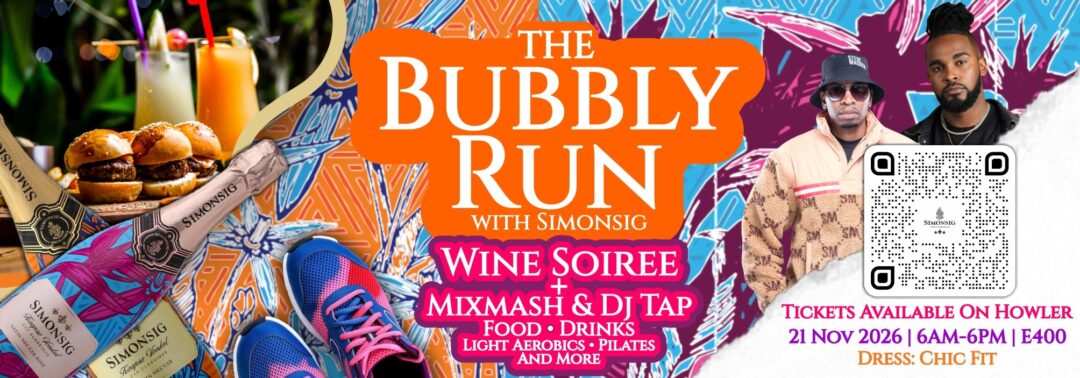


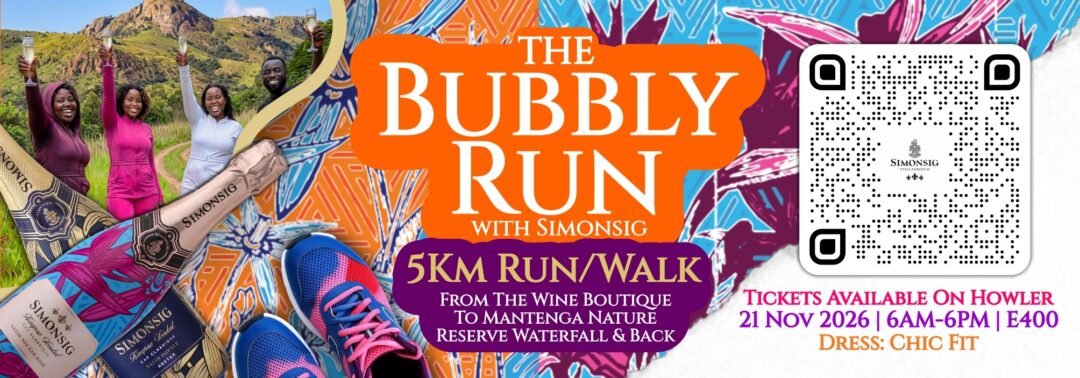

There is already significant movement between Eswatini and KwaZulu-Natal, with people travelling across the border for business, shopping, leisure, entertainment and family occasions.
Strengthening these connections can create more room for businesses on both sides to work together and attract visitors.
For Eswatini, the opportunity is not simply about getting people to attend an event. It is about encouraging them to stay longer, explore more and spend within local communities.
This makes the events industry an important part of the wider tourism conversation. A successful event can fill accommodation, bring customers to restaurants, create work for local service providers and put a destination in front of new audiences.
It is also a reminder that tourism does not always begin with a traditional holiday. Sometimes, it starts with a ticket.
While Eswatini continues to develop its tourism and investment offering, the events industry has a role to play in getting people moving, supporting local businesses and creating experiences that make them want to come back.
From the big stages to community gatherings, events are not just about what happens on the day.
Their value can be felt in the businesses they support, the destinations they introduce, and the people who earn from the activity they create.