



For accommodation businesses in Eswatini, welcoming guests comes with responsibilities that go beyond providing a comfortable stay. One of these is the tourism levy, collected from accommodation income and payable to the EswatiniTourism Authority.
The levy applies to accommodation establishments other than campsites and camping caravans. It is calculated at 3% of accommodation income, making it an important part of the monthly financial responsibilities of registered accommodation businesses.
While the percentage may appear straightforward, the administration of the levy comes with specific deadlines that establishments are required to follow.
Accommodation establishments must submit their tourism levy return form no later than the 7th of the month following the month in which the accommodation income was earned.
The return must be accompanied by a statement showing the period for which the levy is being paid.
Payment has a separate deadline. The tourism levy must be paid no later than the last day of the calendar month following the month to which the bed levy relates.



The timelines mean that keeping accurate records of accommodation income and staying on top of monthly submissions is essential for establishments looking to remain compliant.
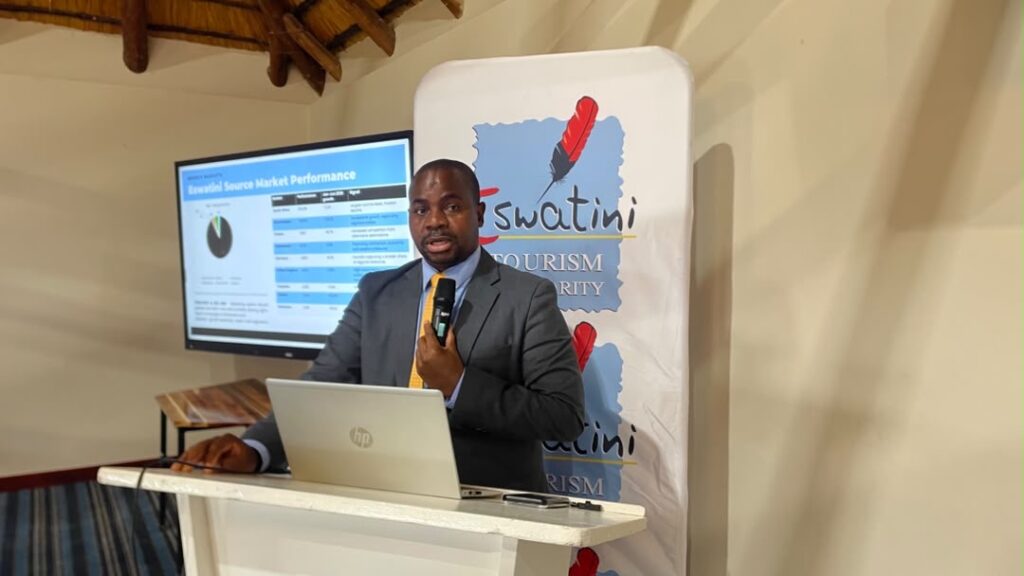
Figures from the Authority point to both progress and room for improvement in compliance. During the period reported, E4.066 million in bed levies was collected, while the compliance rate stood at 32%.
A total of 104 entities were compliant, including 13 new compliant entities.
The Authority has also taken steps to encourage establishments to meet their obligations. Among the measures is a 5% penalty imposed on late payments, alongside reminders to accommodation establishments to submit their tourism levy forms and make payments on time.
For businesses in the accommodation sector, compliance is therefore not simply about paying the levy. It also involves submitting the correct forms, providing the required statements and observing the deadlines set out for both returns and payments.
With tourism continuing to connect accommodation businesses to visitors from across Eswatini and beyond, the levy remains part of the administration behind the country’s tourism sector.
For establishment owners, understanding the process can help keep monthly obligations clear and avoid penalties that come with late payment.
Community Tourism Finds New Paths into Global Markets
Community-based tourism continues to feature prominently in the work of the tourism department, with efforts during the quarter focused on building local capacity, assessing new tourism sites and finding funding to help community products reach the market.
The approach puts communities at the centre of tourism development, particularly by supporting products and experiences that can be developed locally and introduced to visitors.
One of the developments during the quarter was the securing of funding for a pilot project focused on bird-watching and hiking trails.
As part of the project, two specialists will be engaged to benchmark Eswatini against international standards and destinations, assist in designing itineraries and train communities to prepare their tourism experiences for the international market.



For communities with natural attractions, developing a tourism product involves more than simply identifying a scenic location or an interesting trail.
Experiences need to be structured, packaged and presented in a way that visitors can understand and enjoy.
This is where the pilot project comes in, bringing specialist knowledge into the development of community-based tourism products.
Bird-watching and hiking are particularly suited to community tourism because they can draw on natural landscapes and existing environmental assets.
With the right preparation, these experiences can form part of itineraries designed for visitors looking for outdoor activities and nature-based travel.
The planned training will also give participating communities an opportunity to build practical skills as they prepare to engage with a wider tourism market.
For Eswatini, developing community-based tourism creates opportunities to broaden the range of experiences available to visitors while bringing more communities into the tourism value chain.







The work being undertaken this quarter also includes the assessment of new sites. This forms part of the broader effort to identify tourism potential beyond established attractions and determine how new community products can be developed and brought to market.
Securing funding for the pilot project is an important step in moving some of these ideas from potential products into experiences that can be packaged and offered to visitors.
The specialists will therefore have three key areas of work: benchmarking Eswatini, designing itineraries and training communities for the international market.
For the communities involved, the focus is ultimately on turning local resources and knowledge into tourism experiences that are market-ready.
As community-based tourism develops, the emphasis remains on creating capacity at local level while giving visitors more ways to experience Eswatini from its landscapes and trails to the people and communities connected to them.