


Four EmaSwati creatives and media practitioners are taking part in Truth Lab 2026, a regional programme bringing together journalists, artists, fact-checkers and digital creators to explore the relationship between truth, information and storytelling.
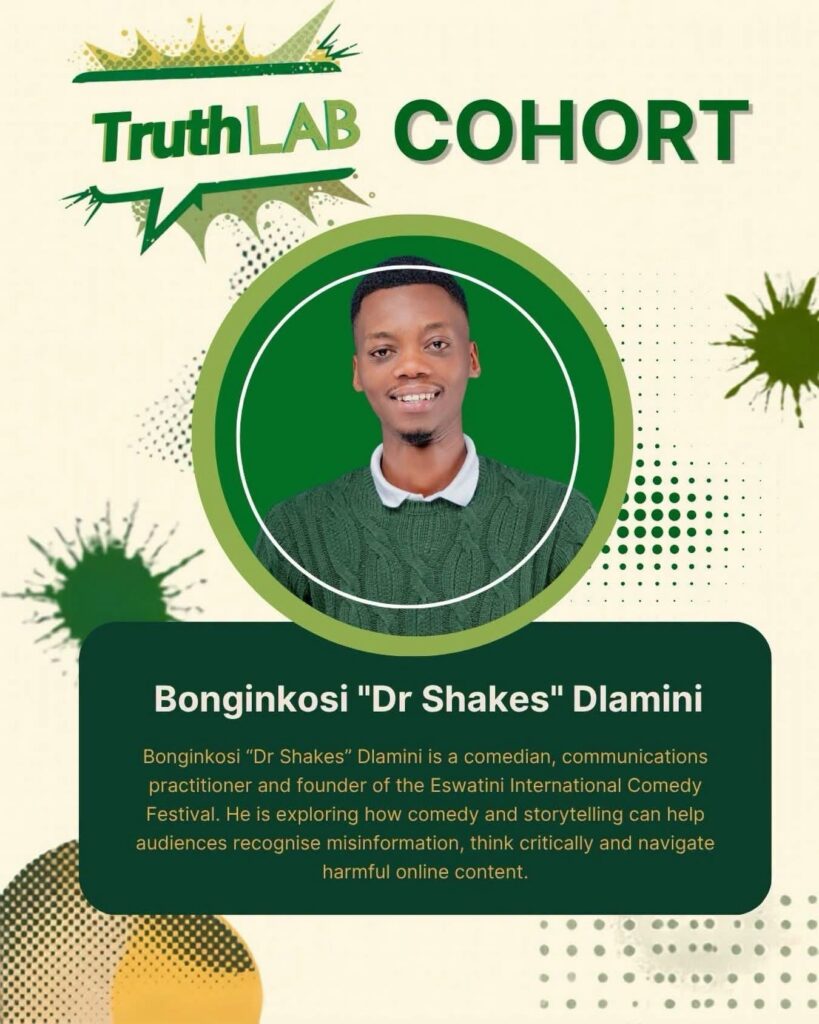
The four are filmmaker and producer MasentleDlamini, investigative journalist Sibusiso Dlamini, writer and theatre practitioner Dzelisile Mdluli, and comedian and communications practitioner Bonginkosi ‘Dr Shakes’ Dlamini.
They will join selected participants from Southern Africa in Johannesburg next week for the Building Narratives Studio, the programme’s second phase.
The five-day studio runs from September 14-18, 2026 and will focus on turning verified information and ideas into creative work that can engage audiences in different ways.
Truth Lab is a Franco-German initiative by the Goethe-Institut South Africa and the French Institute of South Africa, supported through the Franco-German Cultural Fund.
The programme was created to strengthen media literacy while giving creatives and media practitioners space to examine how misinformation spreads and how to develop more reliable narratives.
The first phase, the Make & Fake Lab, was held online from August 3-13.
Participants explored media literacy, fact-checking, digital verification, open knowledge systems, indigenous and community knowledge, and the growing challenges around digitally manipulated information.
The training included contributions from organisations and specialists including Wikimedia South Africa, MOXII Africa, Dr Christopher Nehring from Germany and the National Press Club.
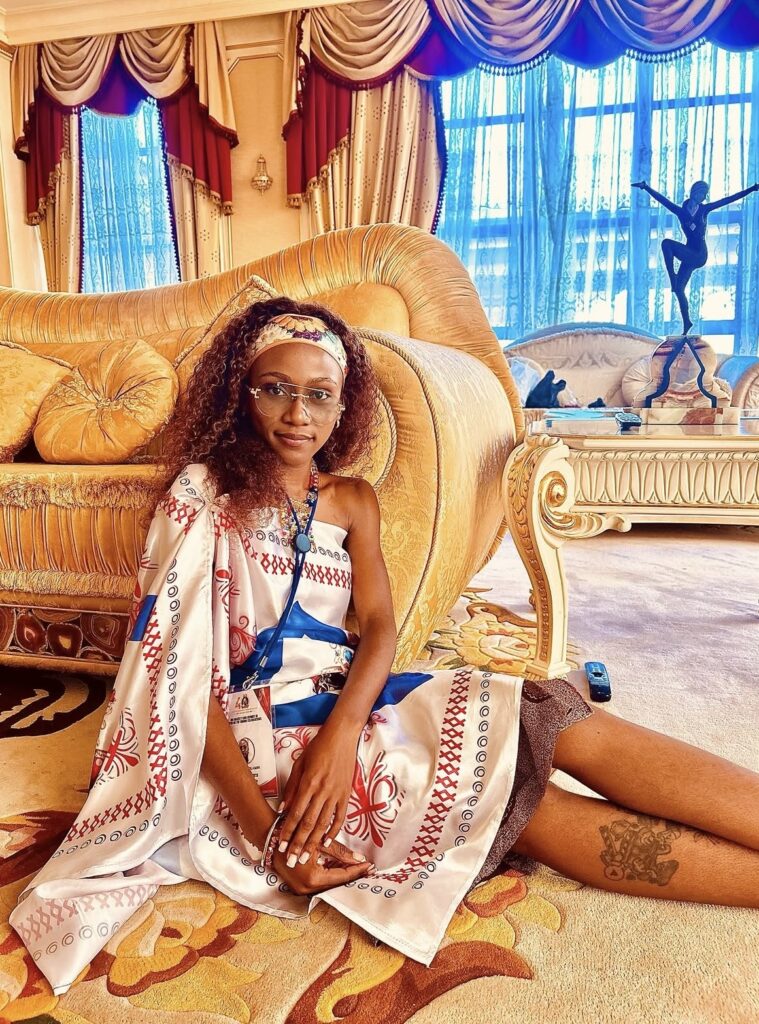
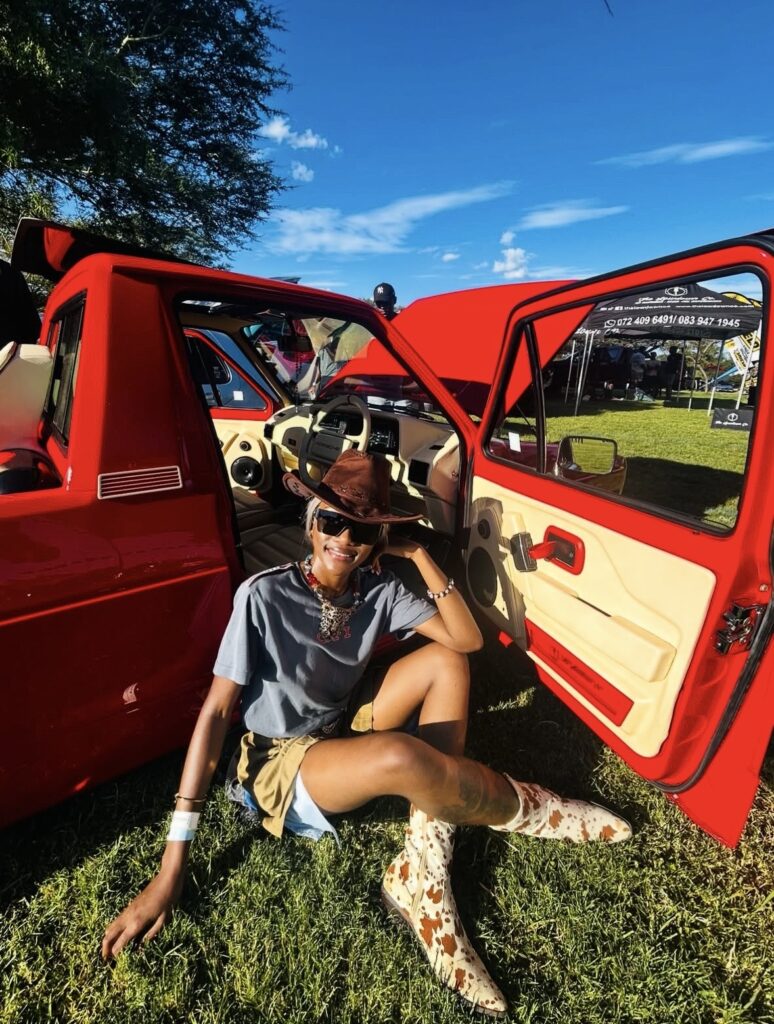
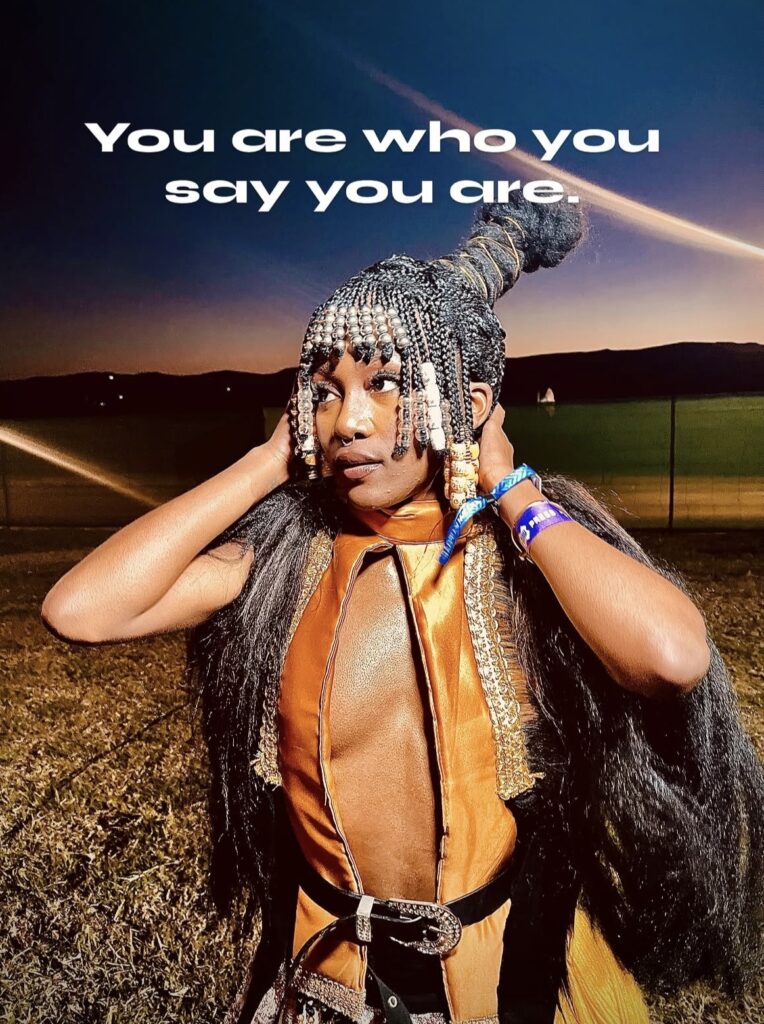
For the four EmaSwati, the programme brings together different areas of creative and media practice.
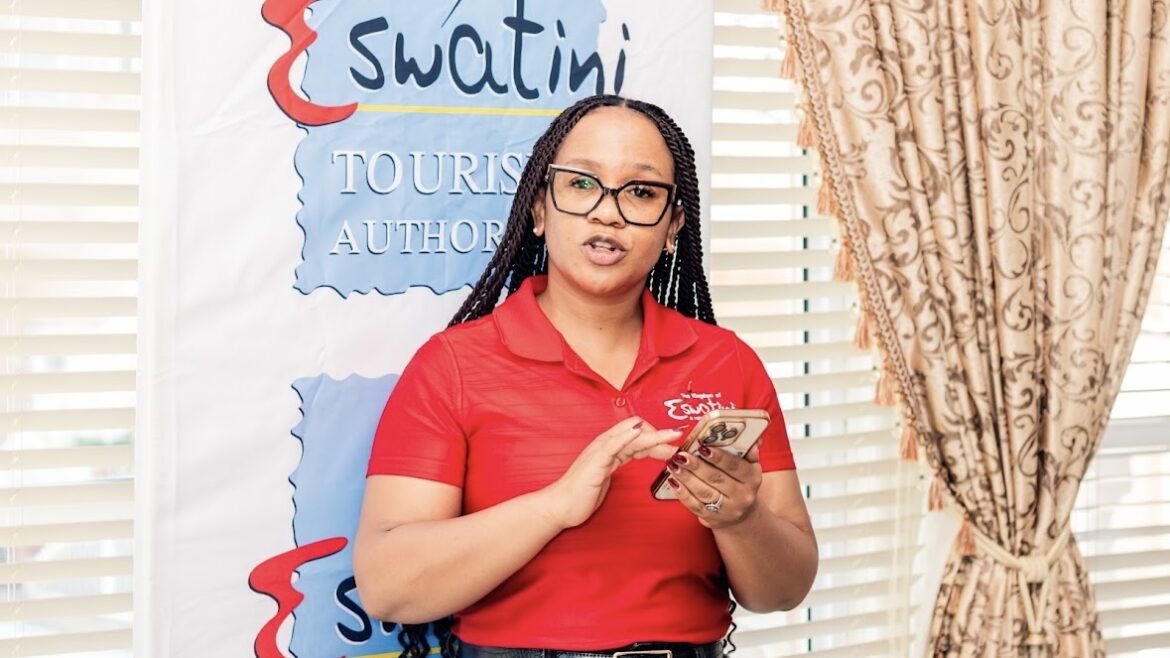
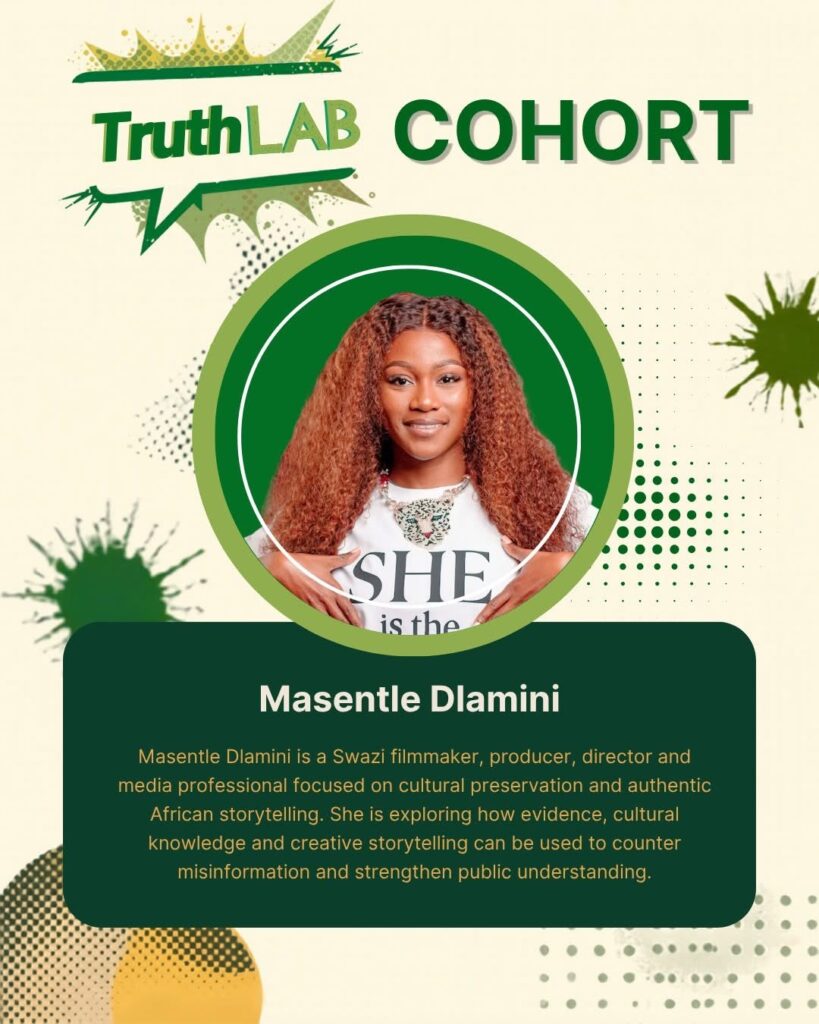
Masentle Dlamini is a filmmaker, producer, director and media professional whose work focuses on cultural preservation and African storytelling.
Through Truth Lab, she is exploring the relationship between evidence, cultural knowledge and creative storytelling, particularly how these elements can contribute to a better understanding of information.
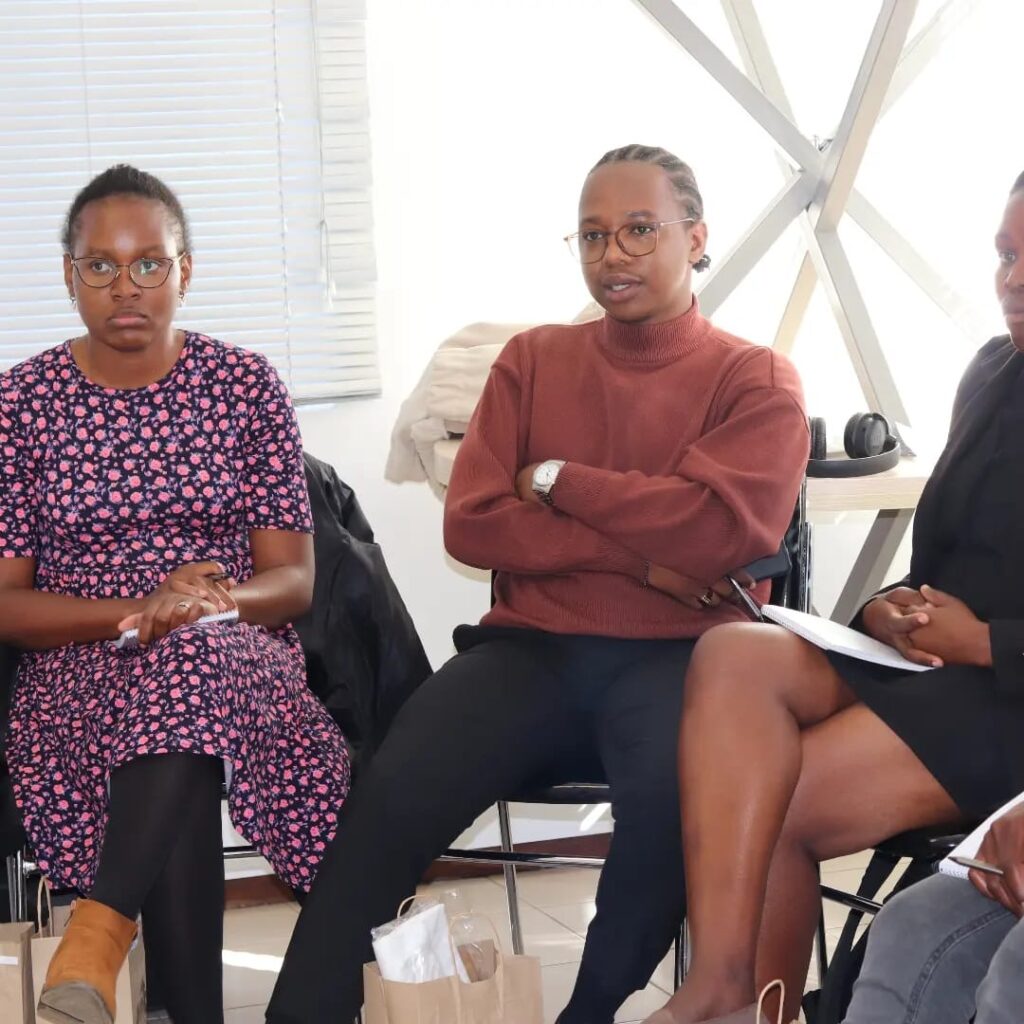
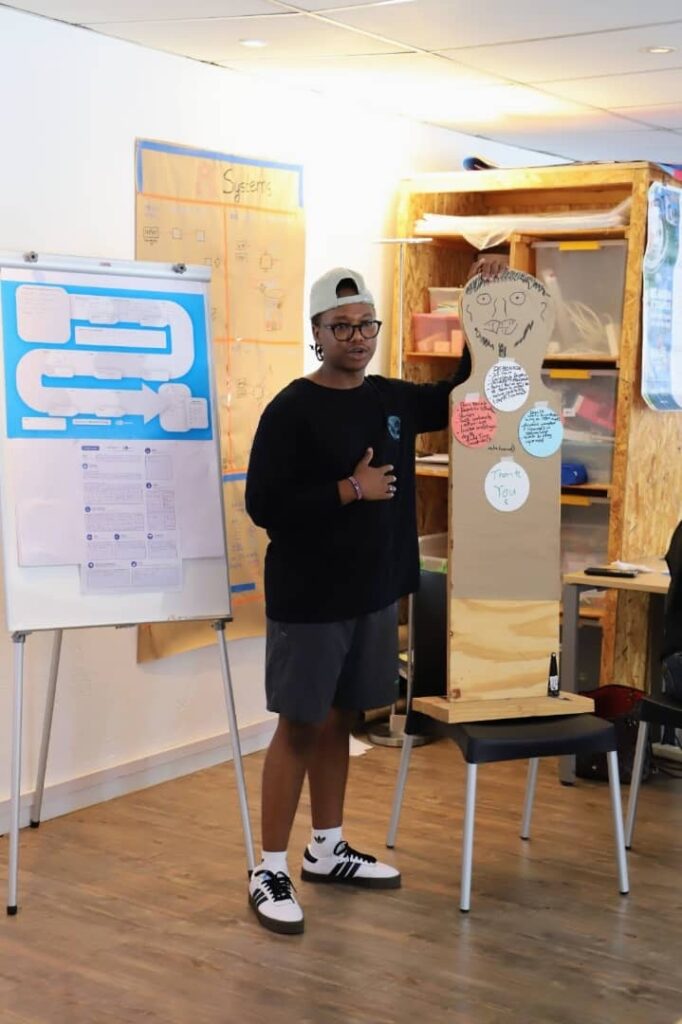
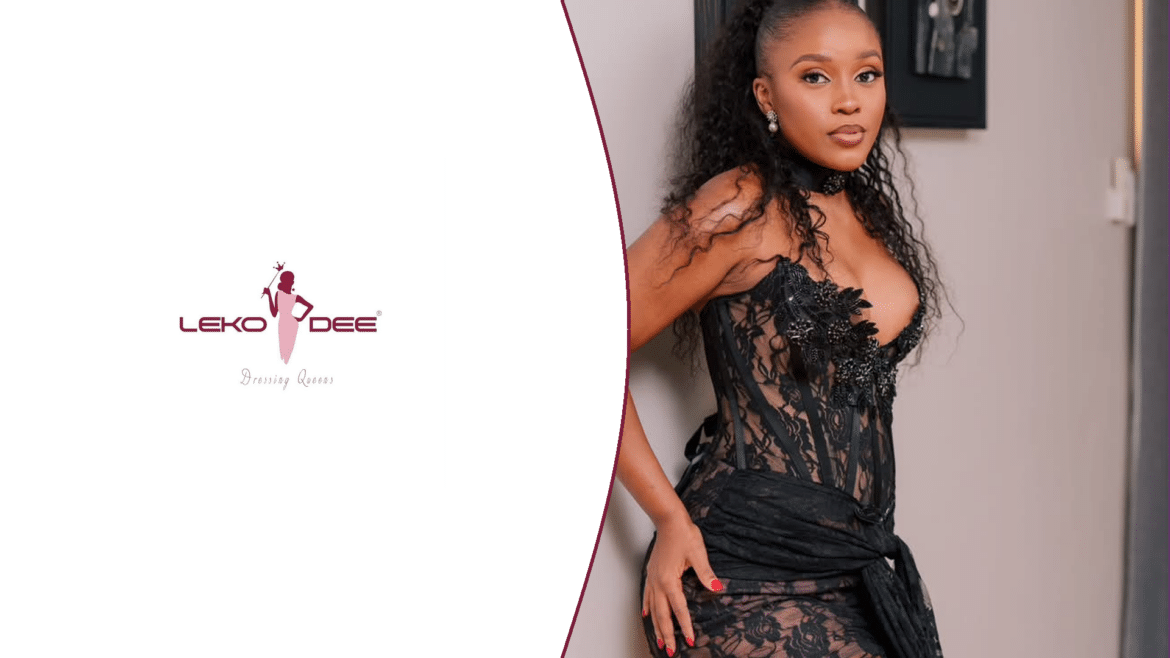
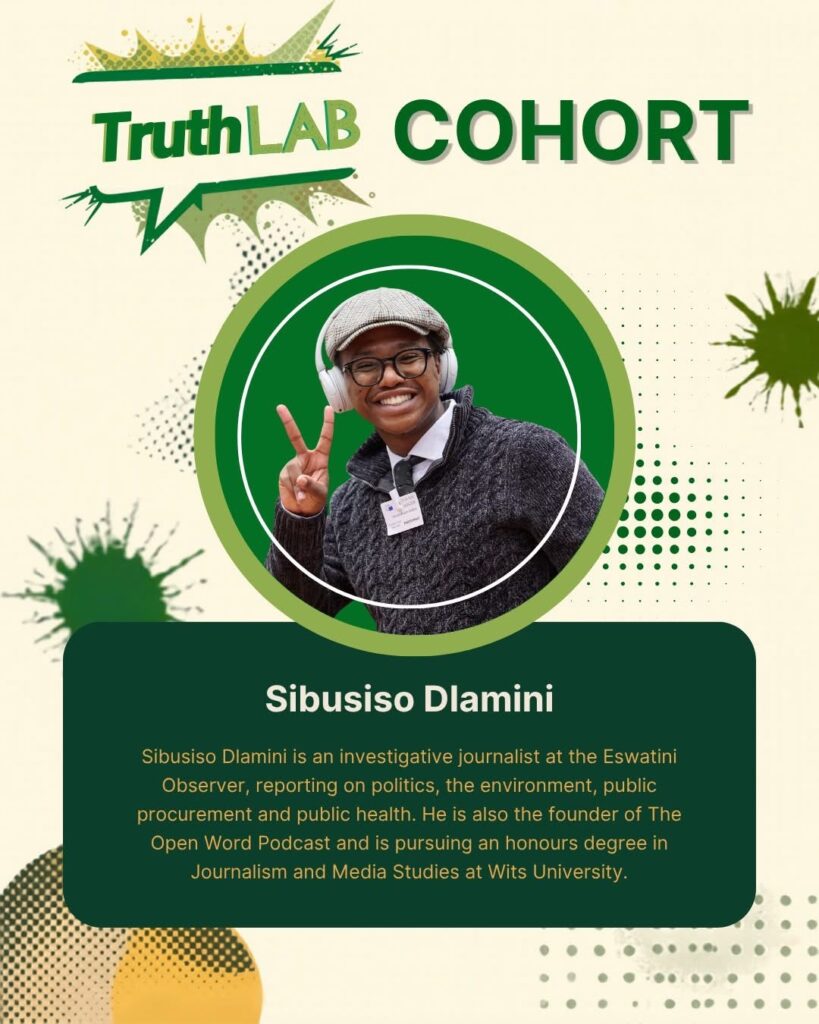
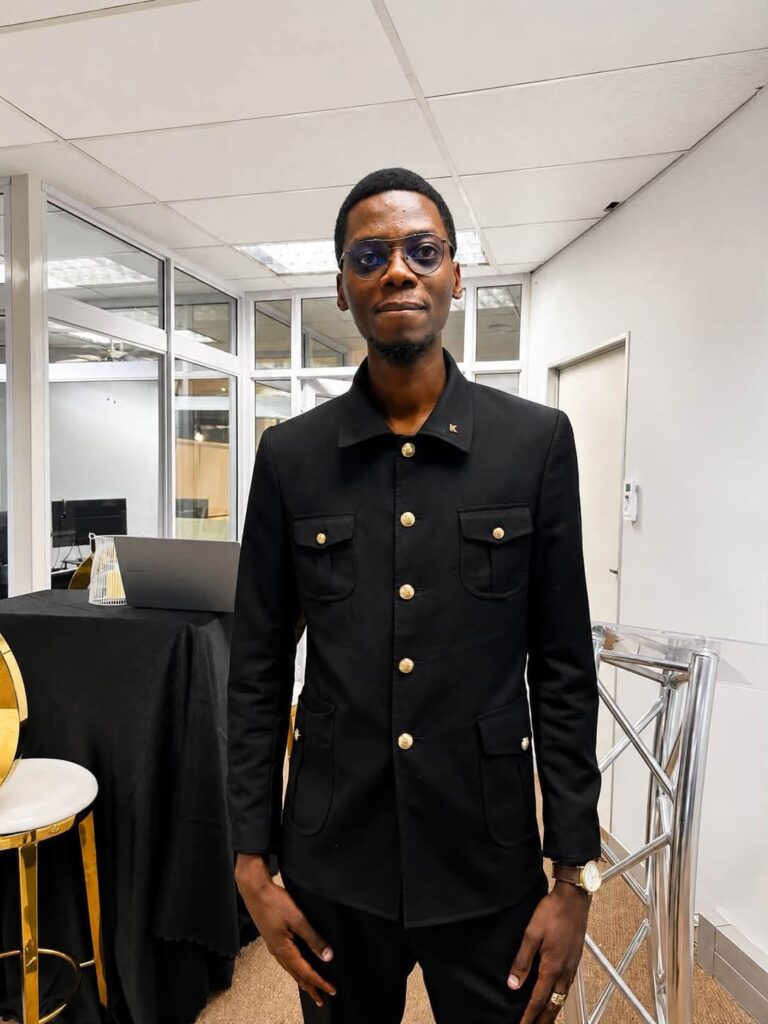
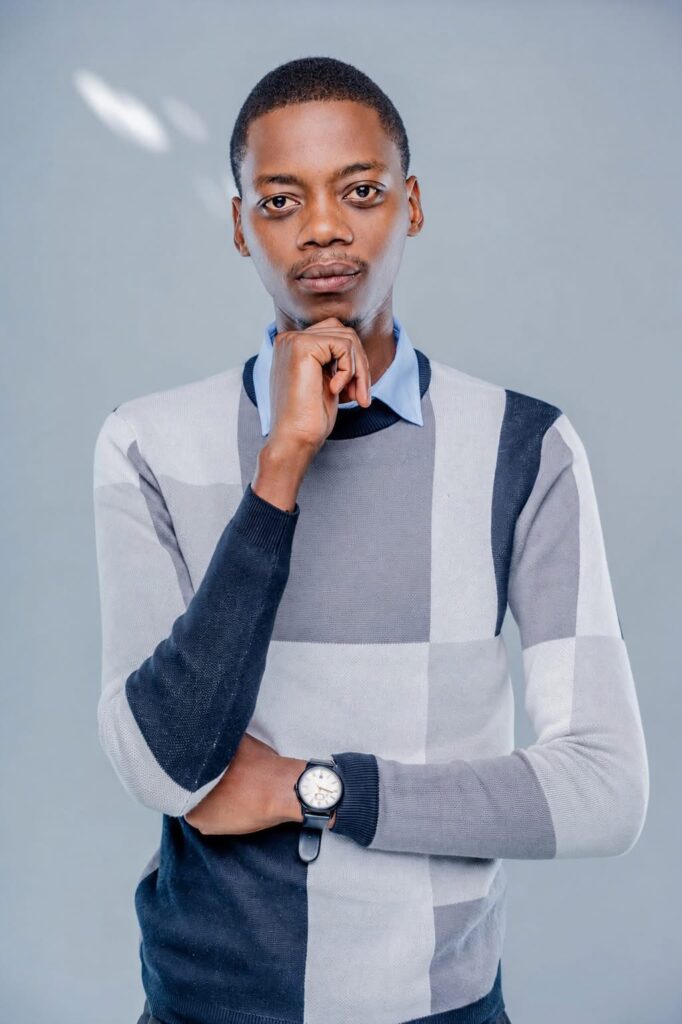
Sibusiso Dlamini brings an investigative journalism background to the programme. He works at the Eswatini Observer, where his reporting covers areas including politics, the environment, public procurement and public health.
He is also the founder of The Open Word Podcast and is pursuing an honours degree in Journalism and Media Studies at Wits University.
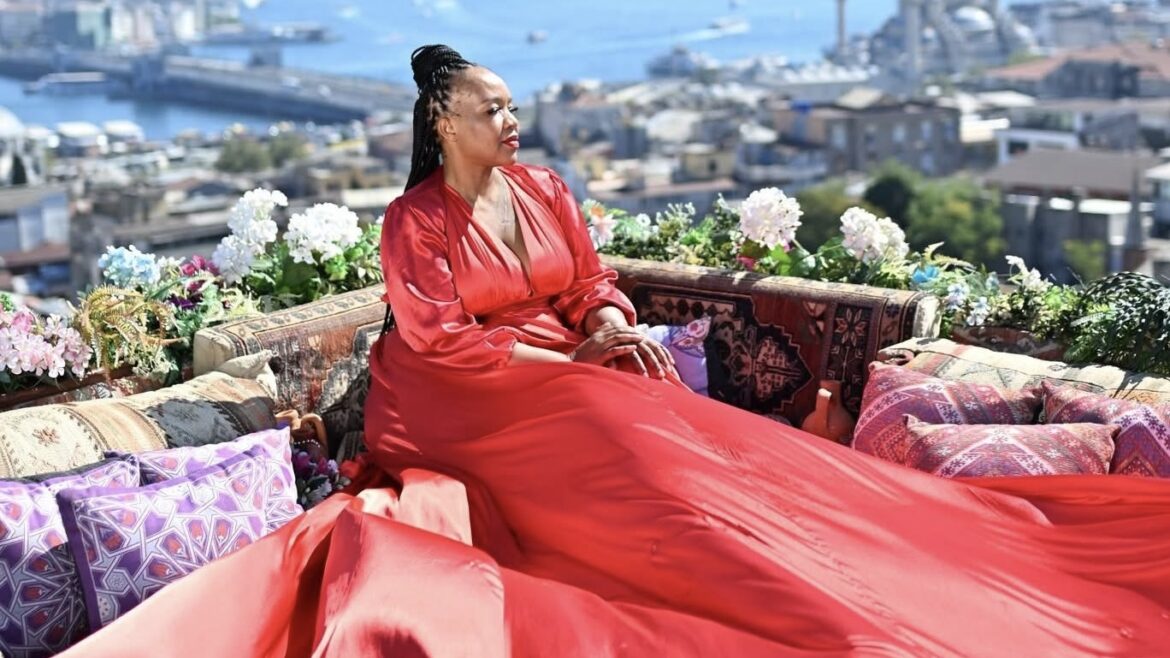
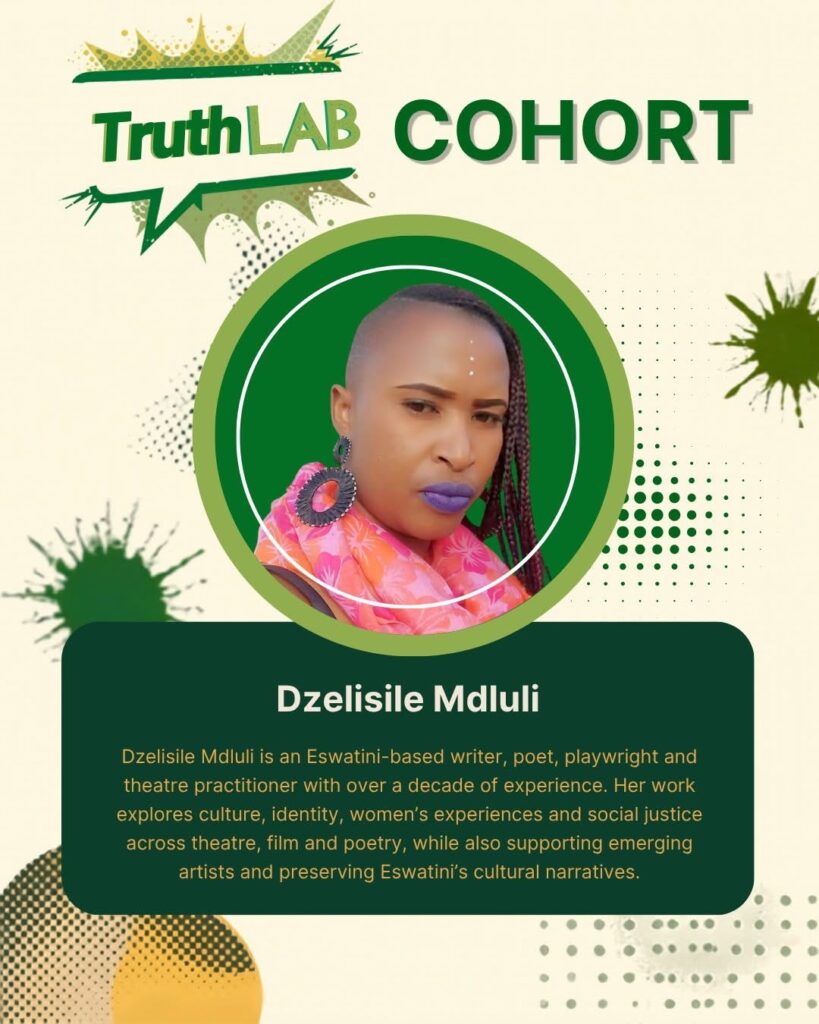
Writer, poet, playwright and theatre practitioner Dzelisile Mdluli brings more than a decade of experience working across theatre, film and poetry.
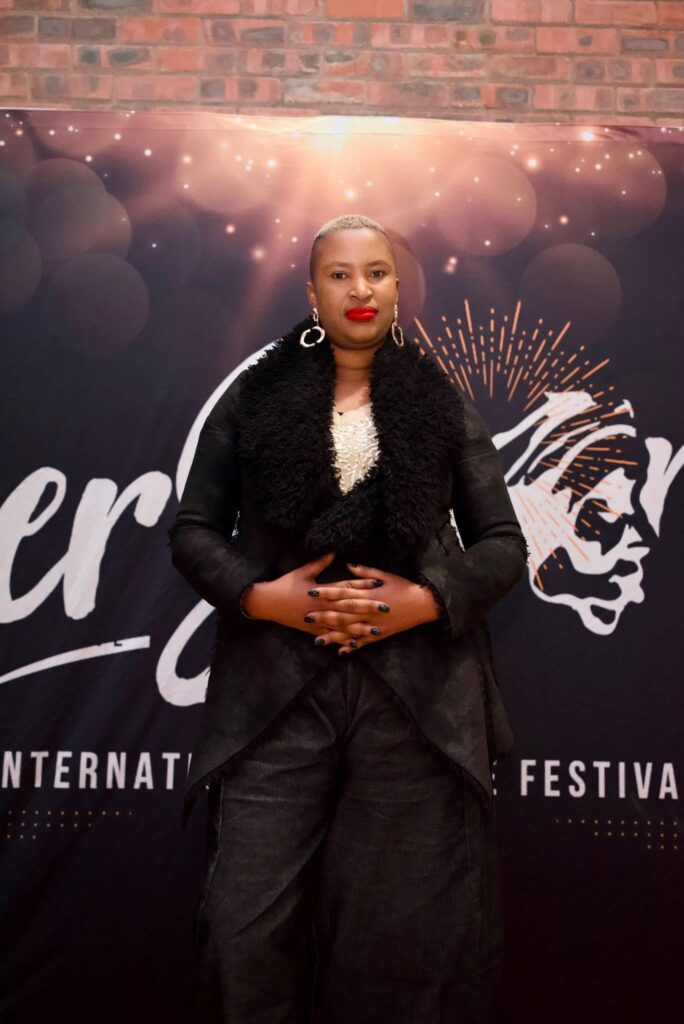
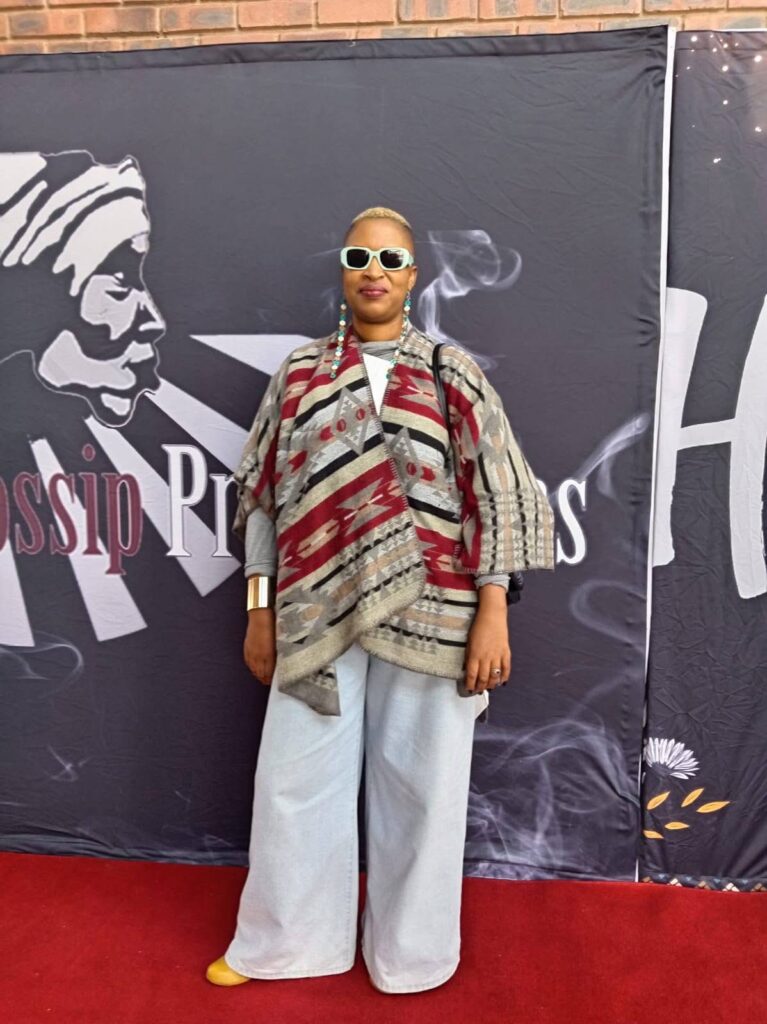
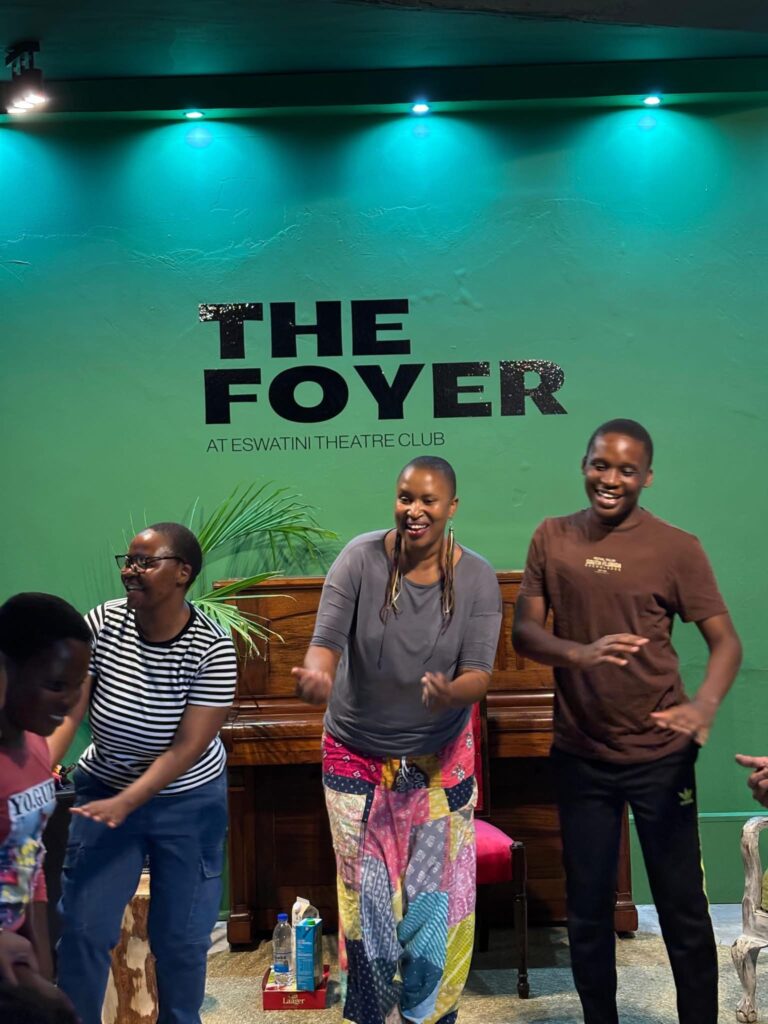
Her work has explored culture, identity, women’s experiences and social justice, while she has also been involved in supporting emerging artists and preserving Eswatini’s cultural narratives.
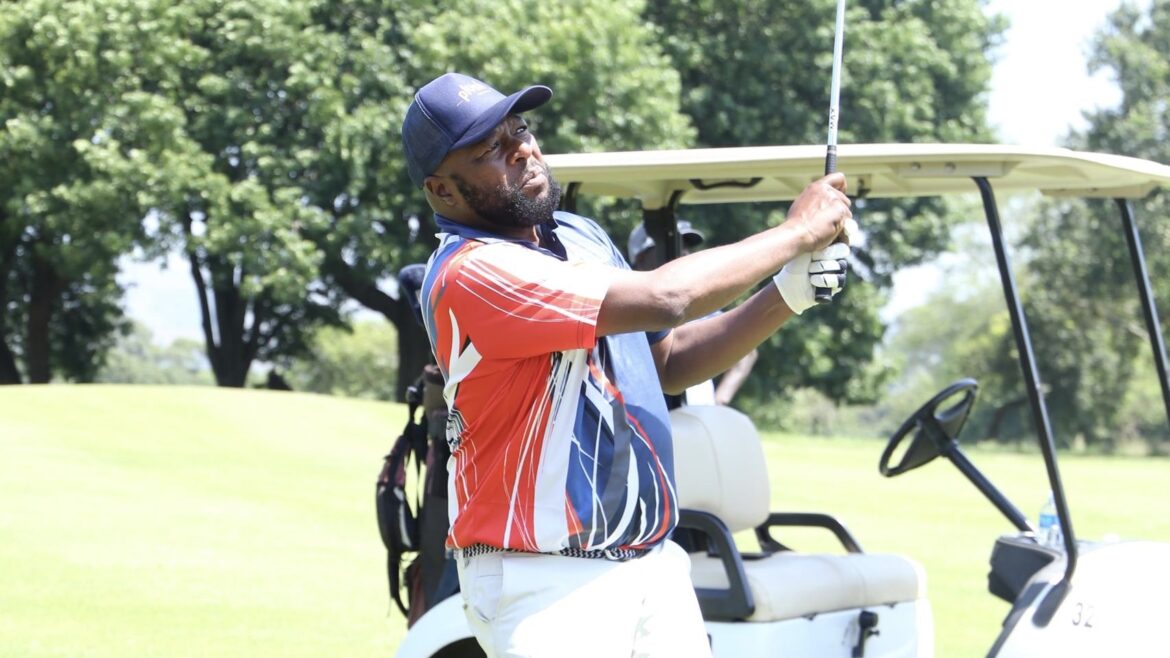
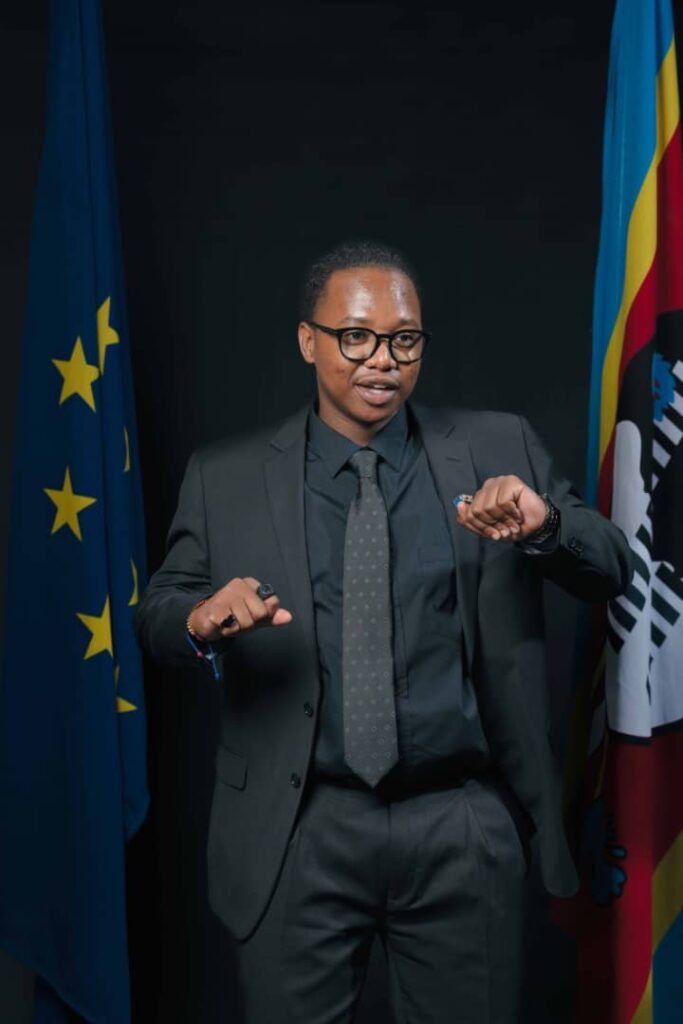
Then there is Bonginkosi “Dr Shakes” Dlamini, a comedian, communications practitioner and founder of the Eswatini International Comedy Festival.
His interest in Truth Lab centres on the use of comedy and storytelling to help audiences recognise misinformation, question what they encounter online and navigate harmful digital content.
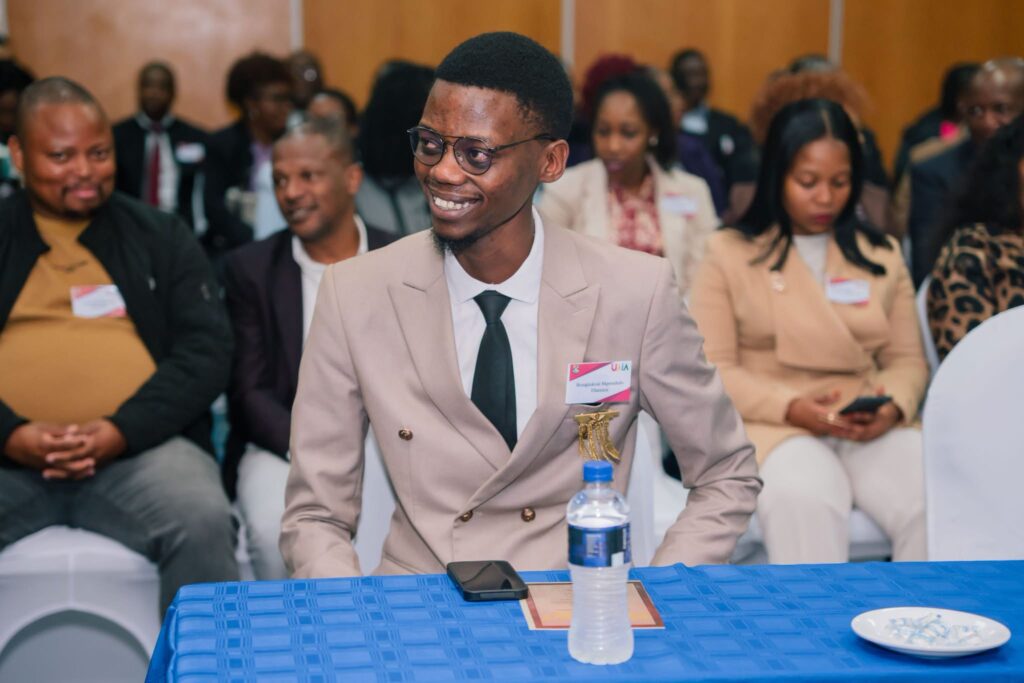
In Johannesburg, participants will work with House of INVADE and Burkinabè-French artist El Marto.
The studio allows them to take what they learned during the online training and experiment with creative formats including comics, posters, zines, illustrations, audio, podcasts, video and interactive visual storytelling.
The programme will conclude with From Evidence to Expression, a public pop-up exhibition at the Goethe-Institut South Africa in Parkwood.
The exhibition will present the completed works alongside the creative and investigative processes that shaped them.





The exhibition will take place on September 18, 2026, from 17:00 at 119 Jan Smuts Avenue, Parkwood, Johannesburg. Attendance is free, and no RSVP is required.
For Eswatini, the participation of Dlamini, Dlamini, Mdluli and Dlamini places four different creative voices within a wider Southern African conversation about information, culture and the ways stories are shared.