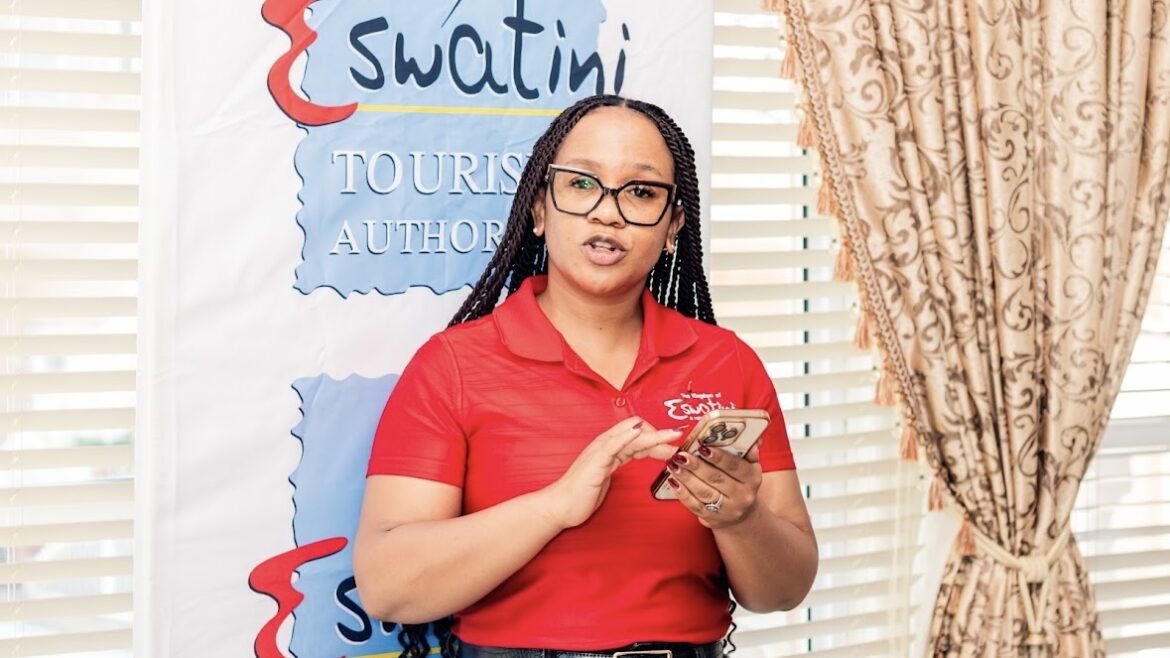



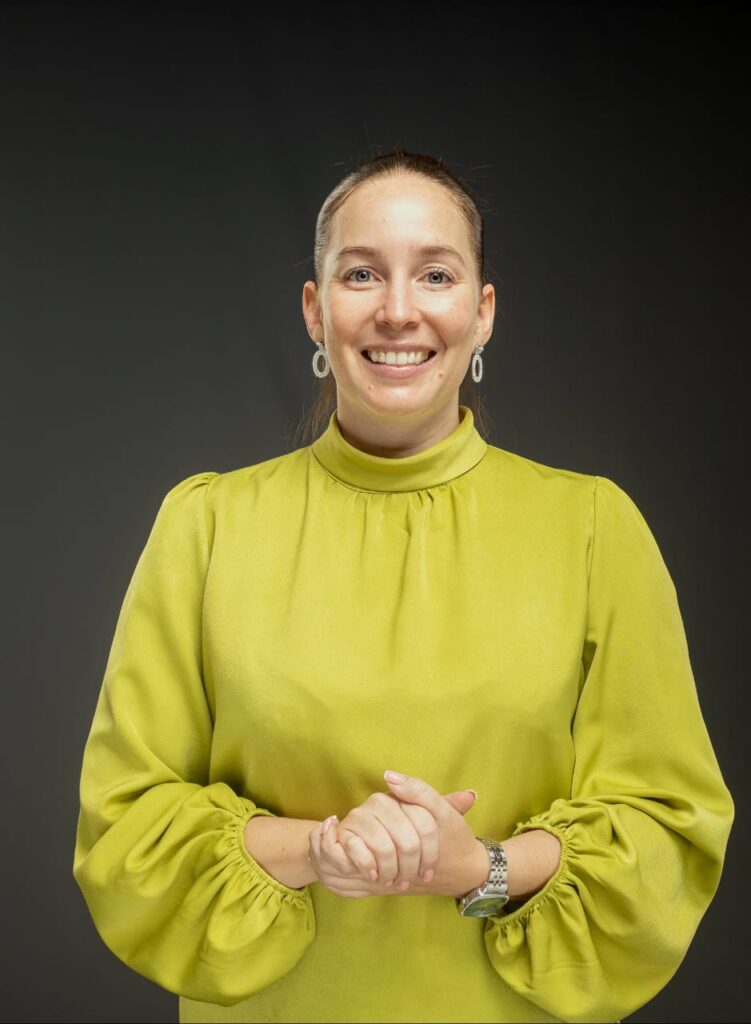
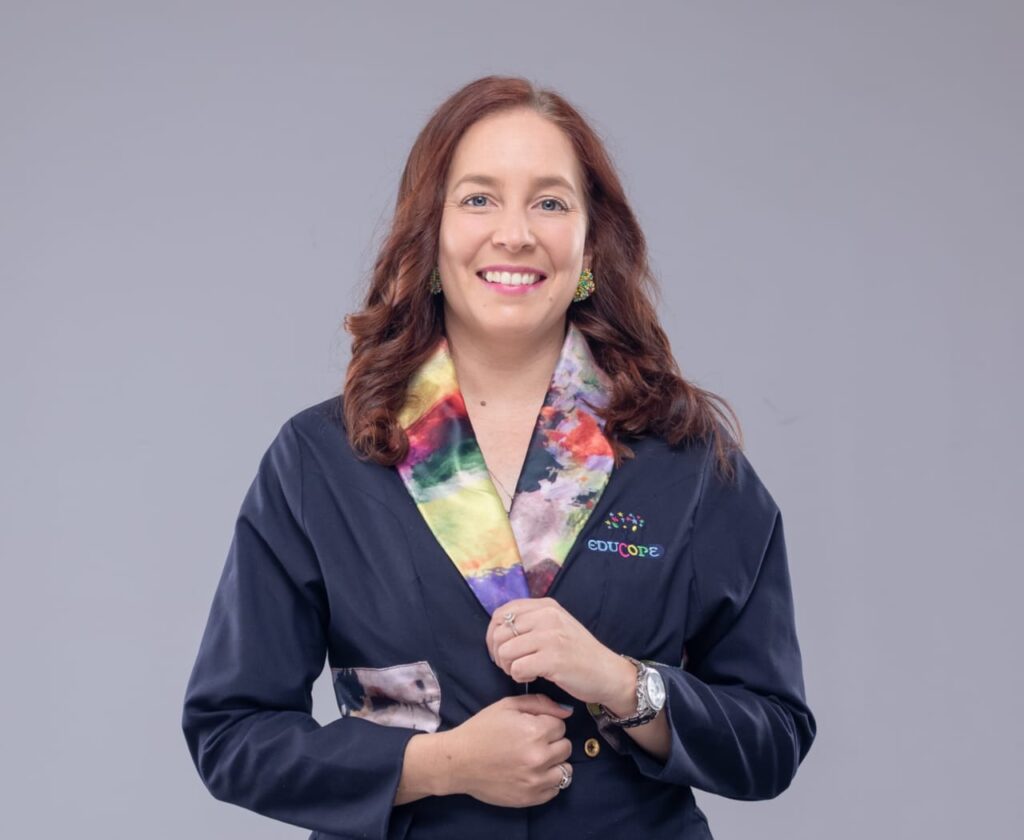
In Eswatini’s evolving education landscape, one early childhood centre is redefining what it means to prepare children for school and for life. At the forefront is Educope Kindergarten & Special Needs, founded by visionary educator Chantele Ward.
Chantele Ward, founder and principal of Educope, describes the school as more than a preschool, it is a developmental foundation. Deeply passionate about early childhood development, she set out to change how education is understood and delivered in Eswatini.
The name Educope combines two powerful ideas: Education and Cope. It reflects a core belief before children can excel academically, they must first be equipped to cope. Rather than rushing children into reading and writing, Educope prioritises building the brain and body behind the learning.
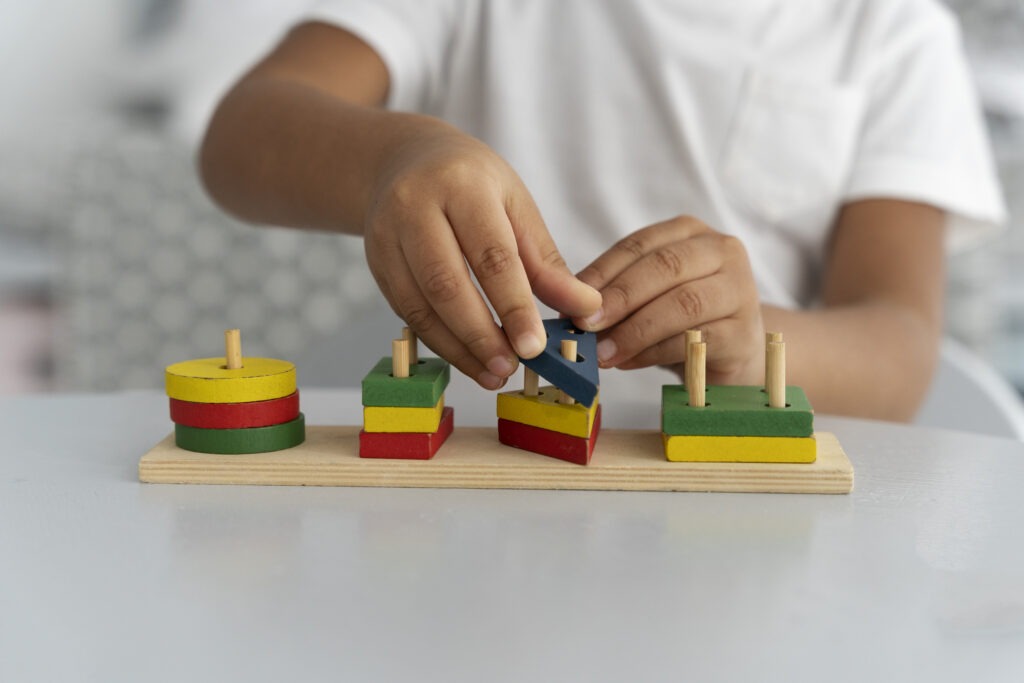
“It represents our belief that children must first be equipped to cope, to sit, focus, balance, regulate emotions, and think critically before they can truly succeed in a classroom. We don’t rush children into academics. We prepare them for it,” Chantele explains.
Ward founded Educope after noticing that many children were being labelled too quickly — “naughty,” “slow,” or “not ready.” Instead of accepting these labels, she questioned whether the real issue was a lack of foundational development.
Chantele observed that many early learning centres leaned heavily toward academics or unstructured play, with little emphasis on neurological and emotional readiness. Educope was designed to fill that gap to intentionally strengthen attention, coordination, confidence, and emotional security so that academic learning can unfold naturally.
“We don’t just teach letters and numbers, we develop the brain and body behind the learning,” she says. “Educope is intentional. Nothing we do is random.”
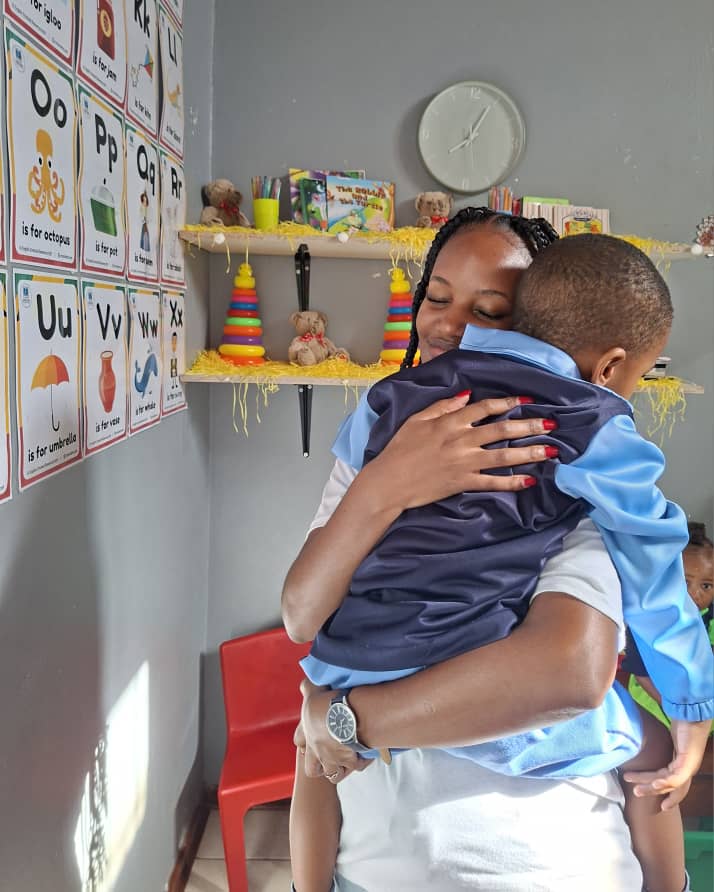
At its core, Educope is guided by five key values: Dignity for every child, holistic development, inclusion, consistency and excellence. The school operates on the belief that every child deserves to be understood rather than judged. Education, here, is meant to build confidence and capability, never diminish it.
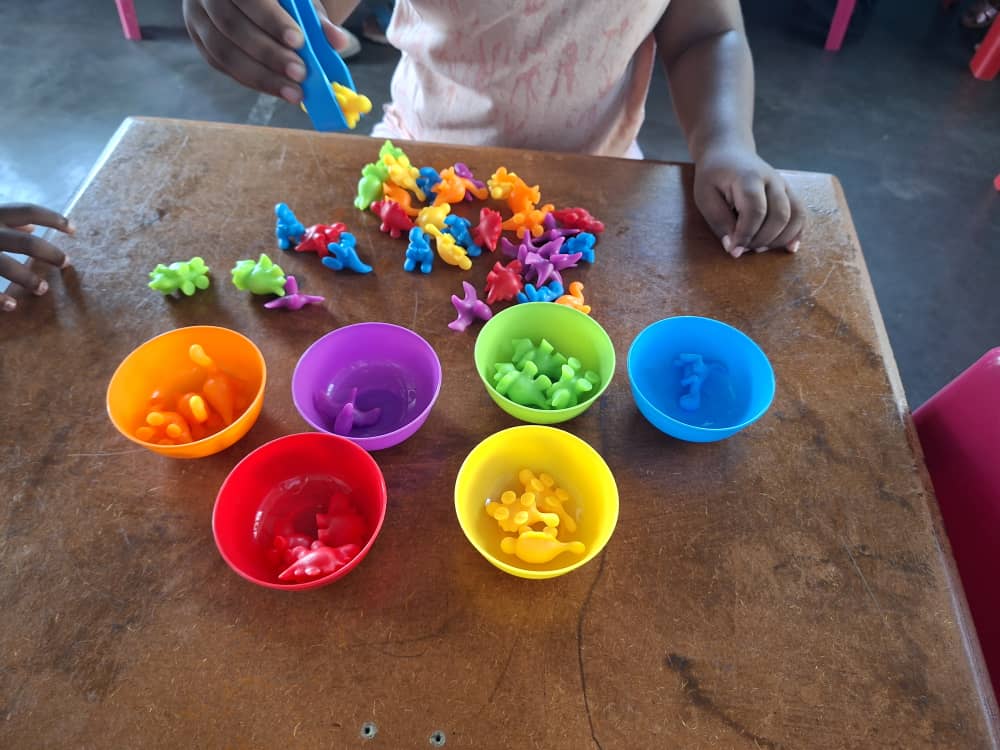
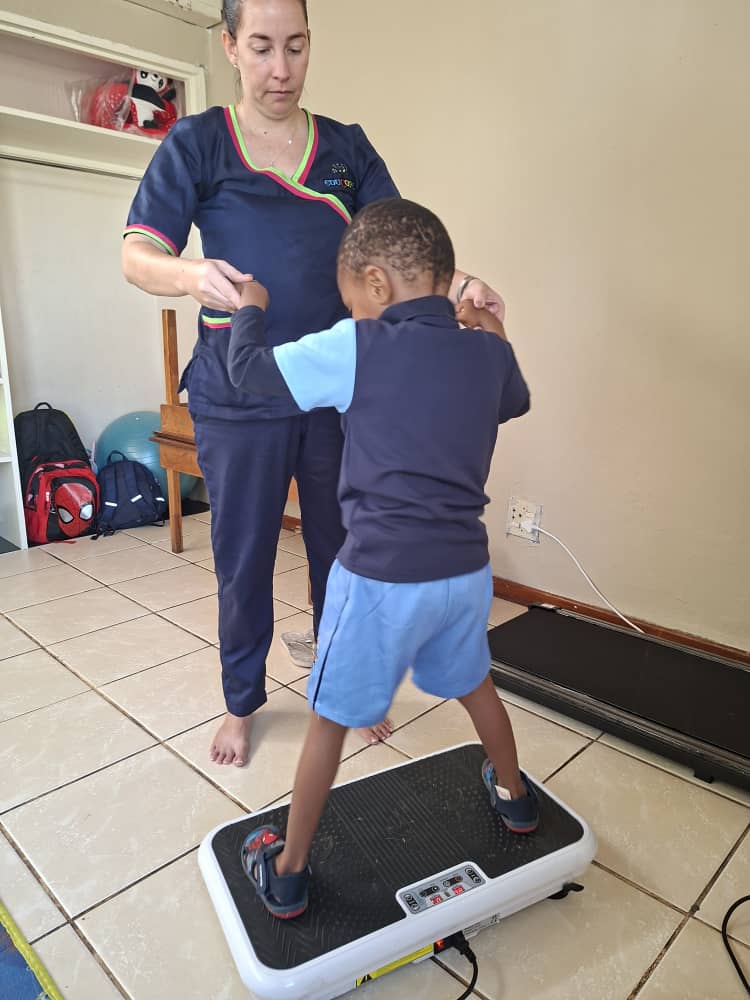
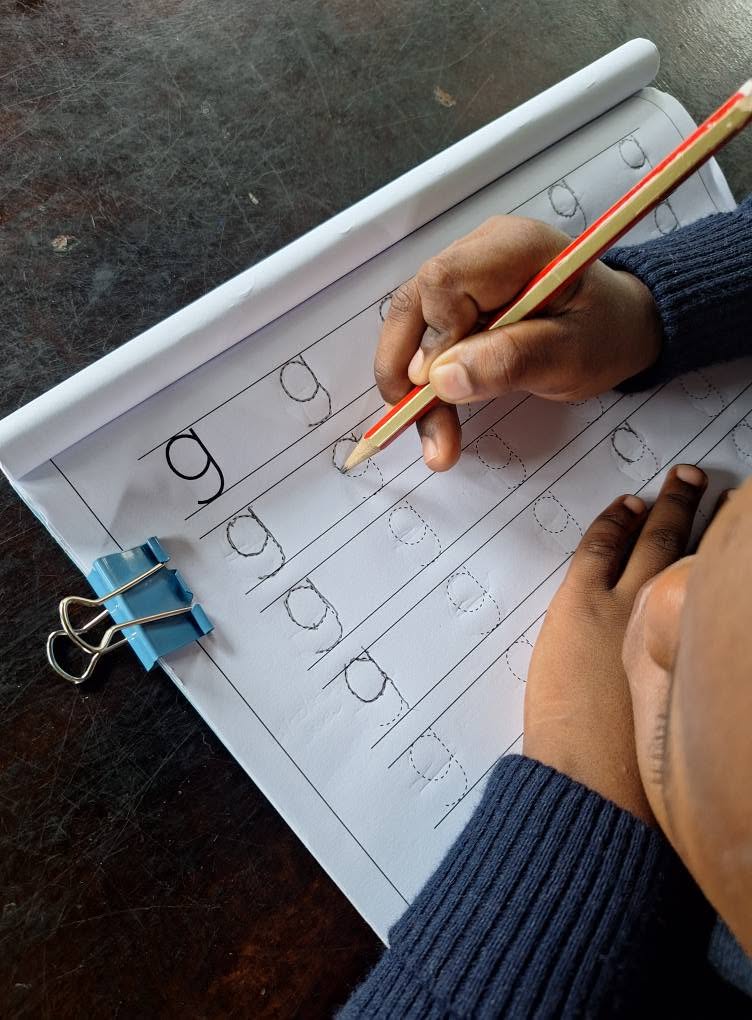
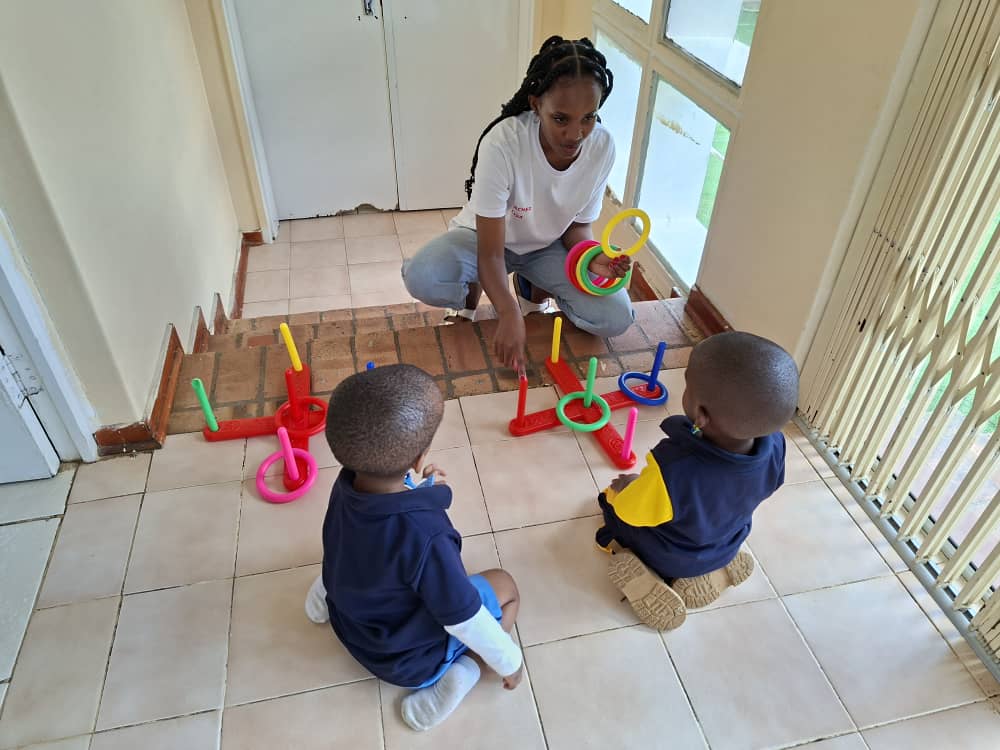
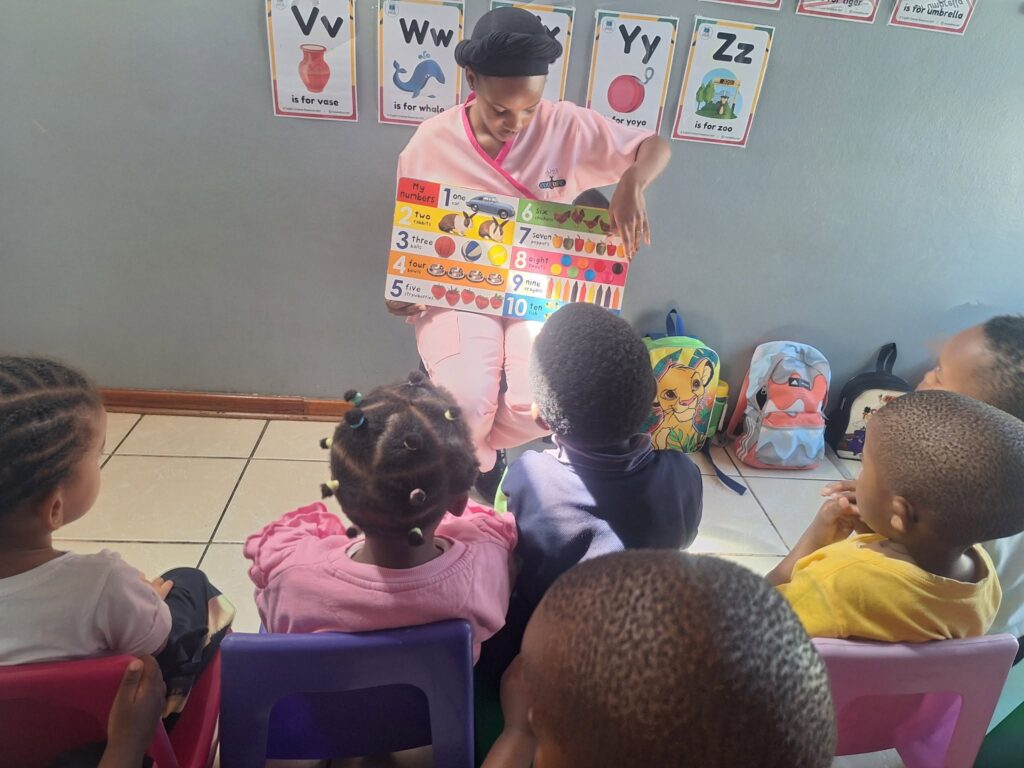
What distinguishes Educope is its intentional integration of structured academics with guided developmental support. Children are not only introduced to letters and numbers; they engage in activities that strengthen posture, motor skills, balance, concentration, and emotional regulation. Montessori-inspired methods, play-based learning, cultural awareness, and strong academic preparation are woven together to create a comprehensive learning environment.
Inclusion is also central to Educope’s identity. Children with developmental delays, attention challenges, or physical difficulties are supported through structured, consistent reinforcement. The focus is always on growth and ability, not labels. Every aspect of the programme is purposeful.
“Inclusive education is not a trend for us, it is a responsibility,” she says. “Children with special needs do not need sympathy; they need structured support, consistency, and opportunity. Inclusion means adapting the environment to the child, not forcing the child to fit into a rigid system.”
One of the greatest challenges Ward has faced is shifting parental expectations. Many parents naturally want immediate academic results. However, without the ability to focus, sit properly, hold a pencil, or manage emotions, academic pressure can lead to frustration rather than progress.
Educope addresses this by educating parents, maintaining open communication, and demonstrating measurable transformation. Over time, visible improvement reinforces the philosophy. Children with special needs, she believes, require structured support and opportunity, not sympathy.
“So we educate parents, we show them progress, we communicate consistently and most importantly, we let results speak. When parents see transformation, they understand the value,” Chantele says. “Our role is not to replace specialists but to reinforce development daily so that progress is consistent and sustainable.”
True inclusion means adapting the environment to support the child’s development. At Educope, the emphasis remains on building ability and strengthening each child’s unique potential.






Interactive learning plays a central role in the Educope model. Children learn best through movement, exploration, and hands-on engagement. When children build, experiment, and actively participate, they strengthen neural pathways that support memory, creativity, and critical thinking. Classrooms are therefore dynamic and engaging designed to stimulate growth rather than enforce stillness.
“My proudest moments are not awards or recognition. They are the quiet transformations,” she says. “The child who arrived withdrawn and left confident. The child who struggled to sit still and now completes work independently. The parent who once worried and now celebrates progress.”
On a personal level, Chantele says the journey has required resilience and courage. Introducing a new educational approach often means challenging conventional expectations. But leadership, she believes, is rooted in responsibility.
And for her, Educope is about more than early childhood education. It is about strengthening foundations for families, for communities, and for Eswatini’s future because when children are built properly, hope is rebuilt alongside them.
Through Educope, Chantele Ward is not only shaping young minds. She is reshaping the foundation of education itself, one child at a time.