


Eswatini’s fashion industry is receiving another boost ahead of the 2026 Standard Bank Luju Food & Lifestyle Festival, with Far East Textiles renewing its partnership with the festival’s Fashion Programme in a move aimed at strengthening local designers from the fabric up.
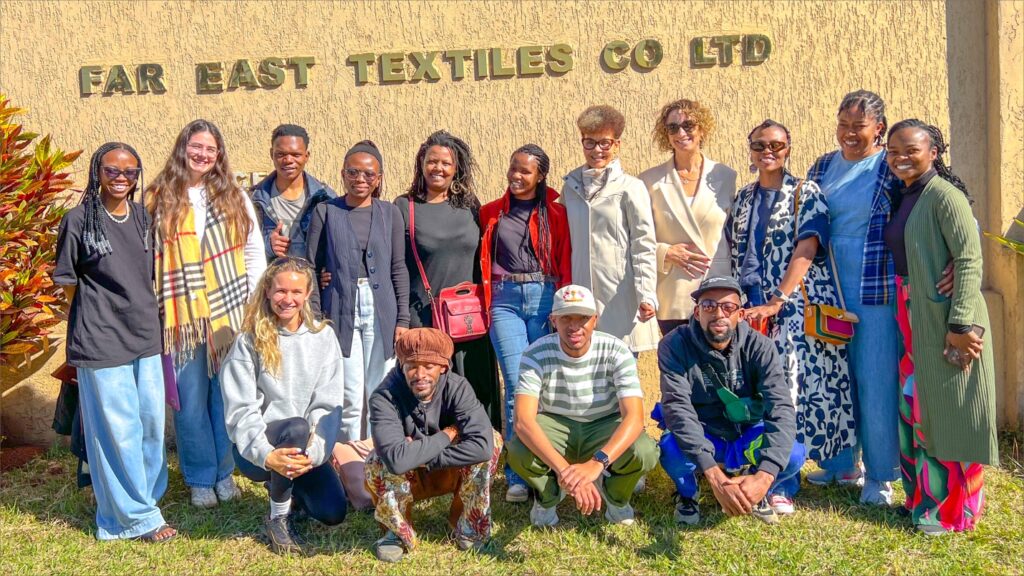
Returning for a second consecutive year, the textile manufacturer will provide fabric sponsorship to all 11 designers selected for this year’s Luju Fashion Programme, while also opening the doors of its Matsapha factory to give participants firsthand exposure to textile manufacturing and commercial production processes.
The partnership shifts beyond traditional sponsorship by addressing one of the biggest barriers faced by emerging fashion designers access to quality materials and industry knowledge.
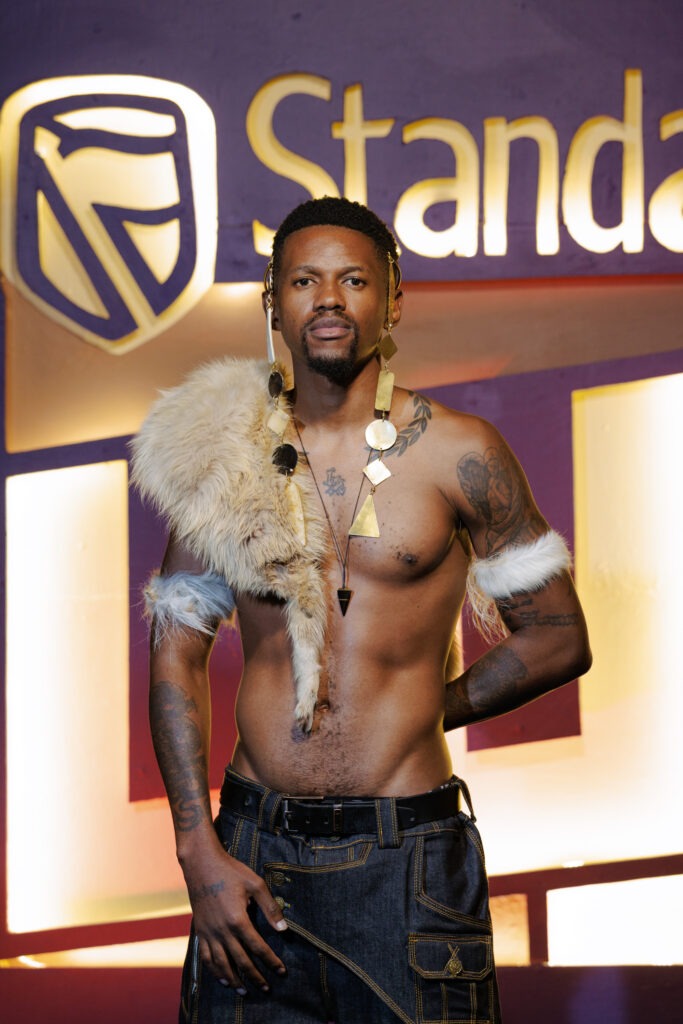
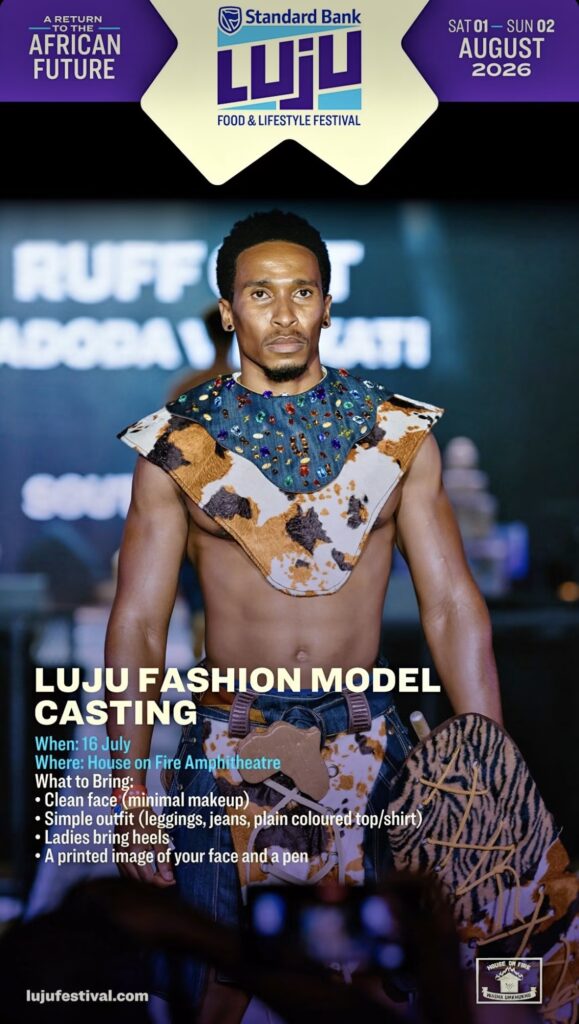
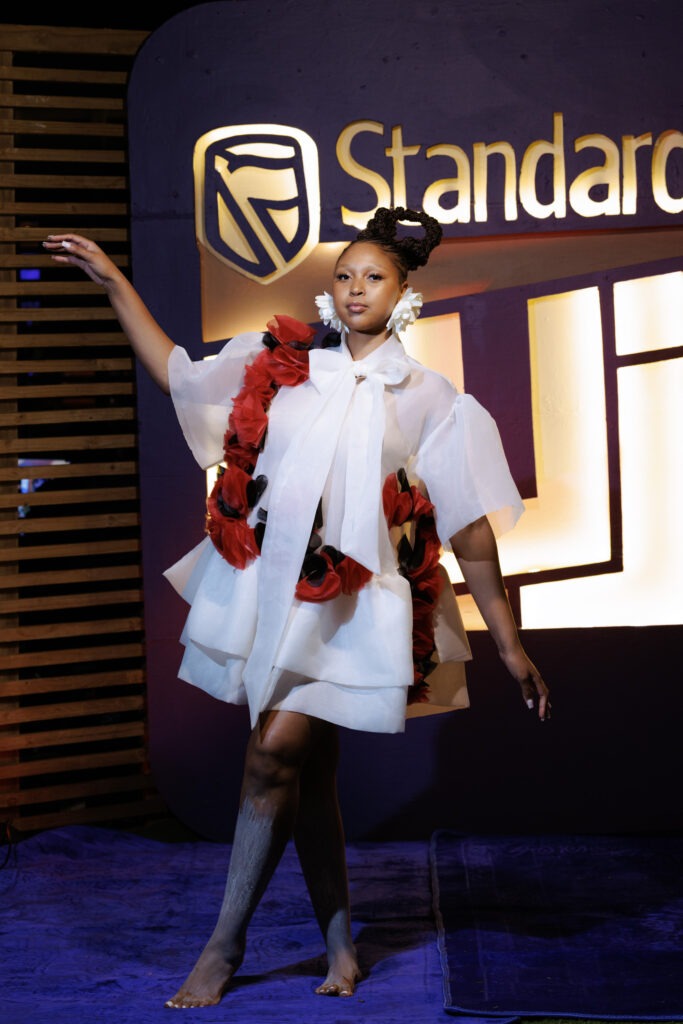
This year’s Luju Fashion Programme is built around the theme “Kwasukasukela” (“Once Upon a Time”), inviting designers to reinterpret African heritage through contemporary fashion. Inspired by storytelling traditions, wildlife, landscapes and cultural memory, the collections will explore how history continues to shape modern African identity.
According to Luju Fashion Café Director Philippa Thorne, supporting designers at the earliest stages of the creative process is essential to building a sustainable fashion industry.
She said Far East Textiles’ continued involvement demonstrated a long-term commitment to Eswatini’s creative economy rather than a once-off investment, adding that providing both fabric and industry expertise allows designers to transform ideas into commercially viable collections.
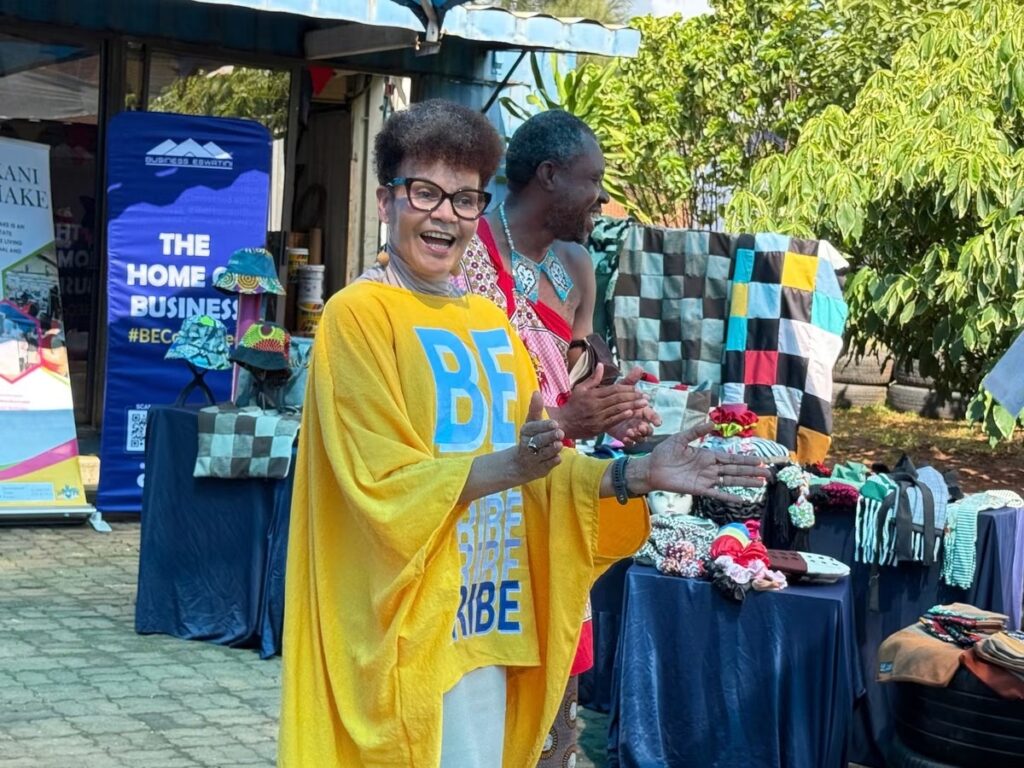
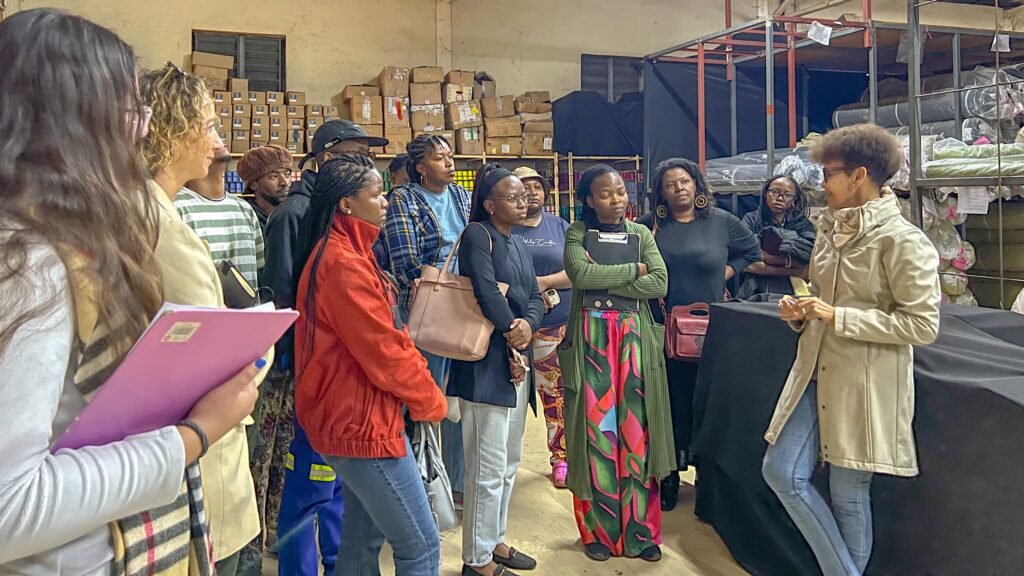

Beyond supplying materials, the company hosted the designers for an educational tour of its manufacturing facility, where Founder and Managing Director Tokky Hou shared practical insights into textile production, quality standards and scaling fashion businesses.
Hou also encouraged the designers to embrace collaboration instead of competition, saying stronger partnerships within the creative sector would accelerate the growth of Eswatini’s fashion industry.
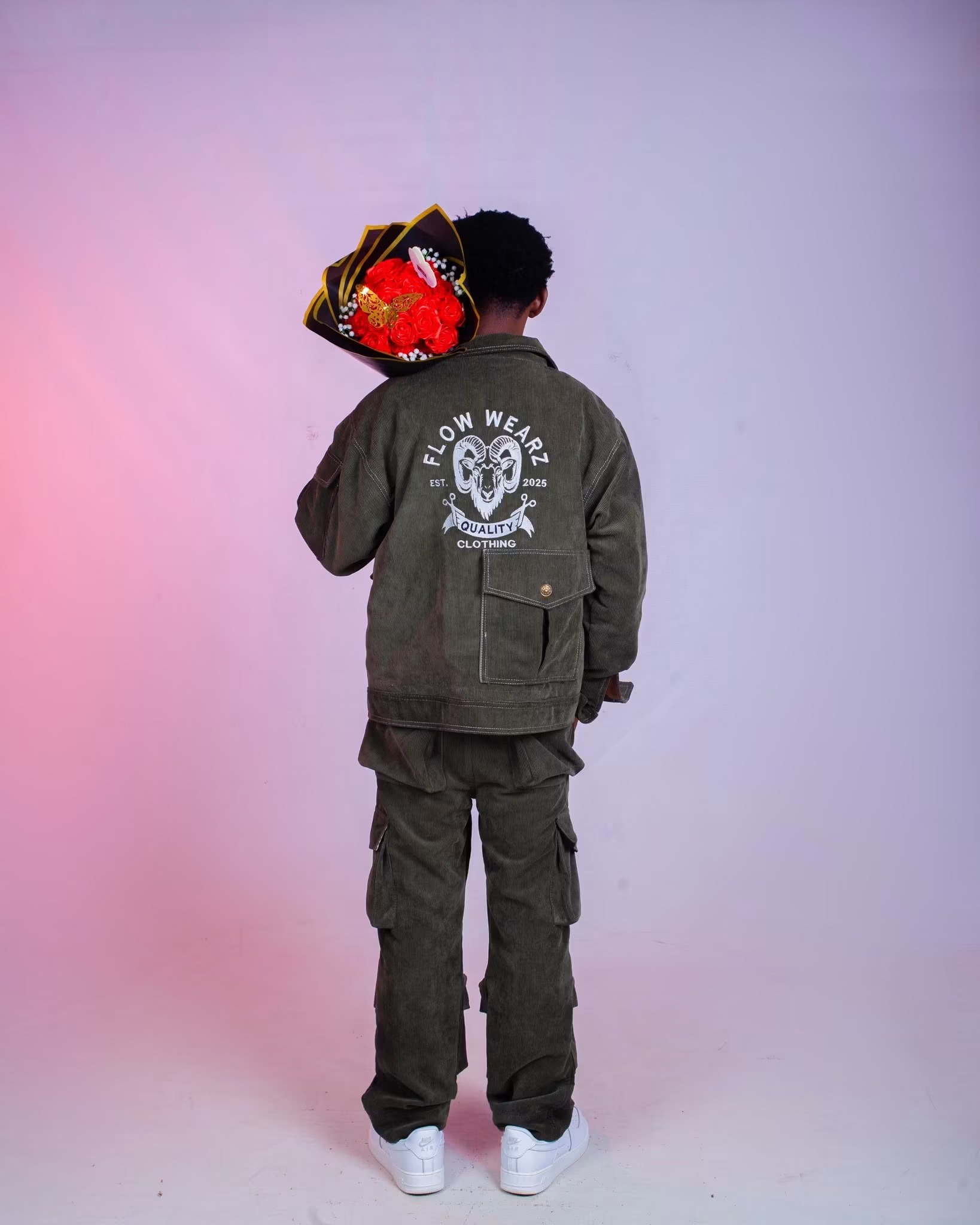
The 11 designers selected for this year’s programme include Adonis Threads by Calvin DuPont, Black Degree by Kwenzie Zwane, Flow Wearz by Zikode Zwane, Philz Creations by Philisiwe Nkwanyana, Rose Peti by Nothando Dlamini, Tash Creations by Thando Ndlangamandla, Uniq_uity by Sinakekelwe Mhlanga, Zerushi by Zen Shiba, Karo Textile by Nomfundo Simelane, Batfobile Edit by Batfobile Dlamini and Wels Craft by Welile Dlamini.
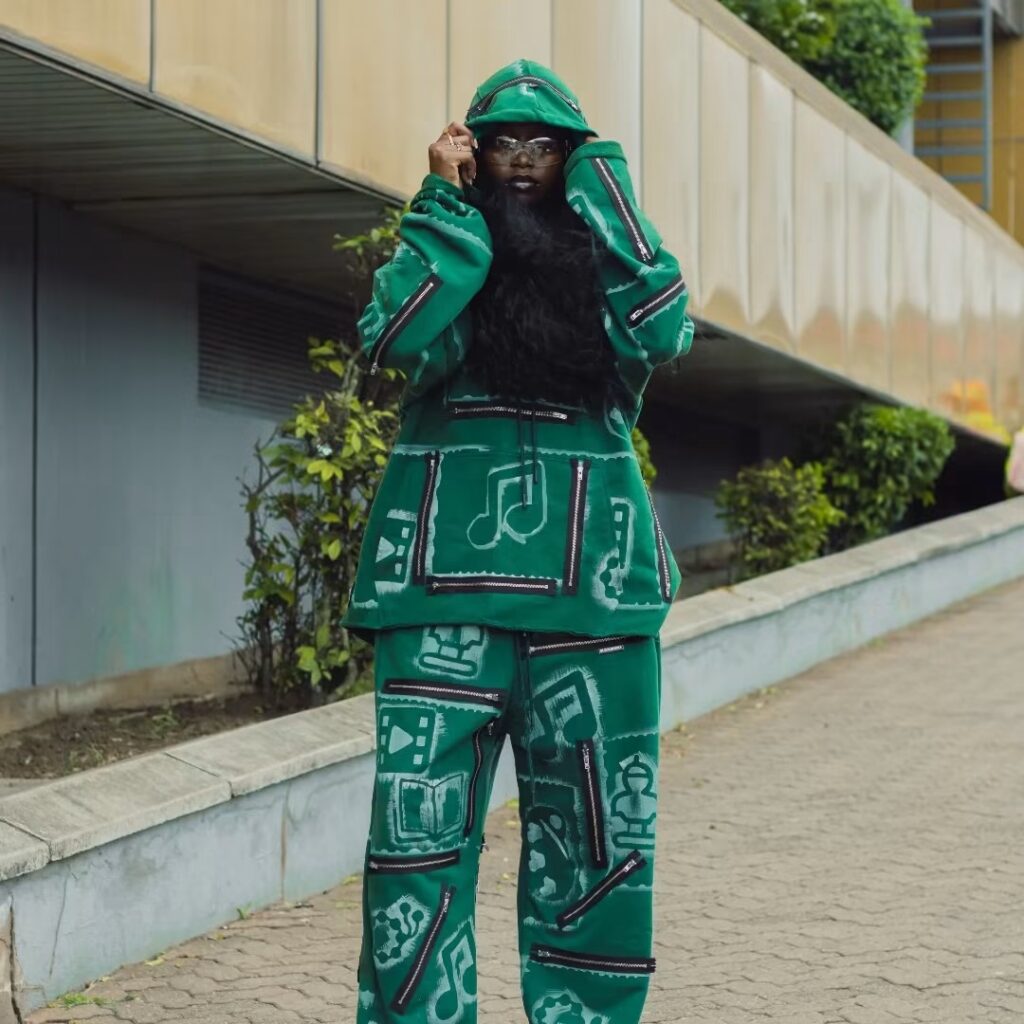
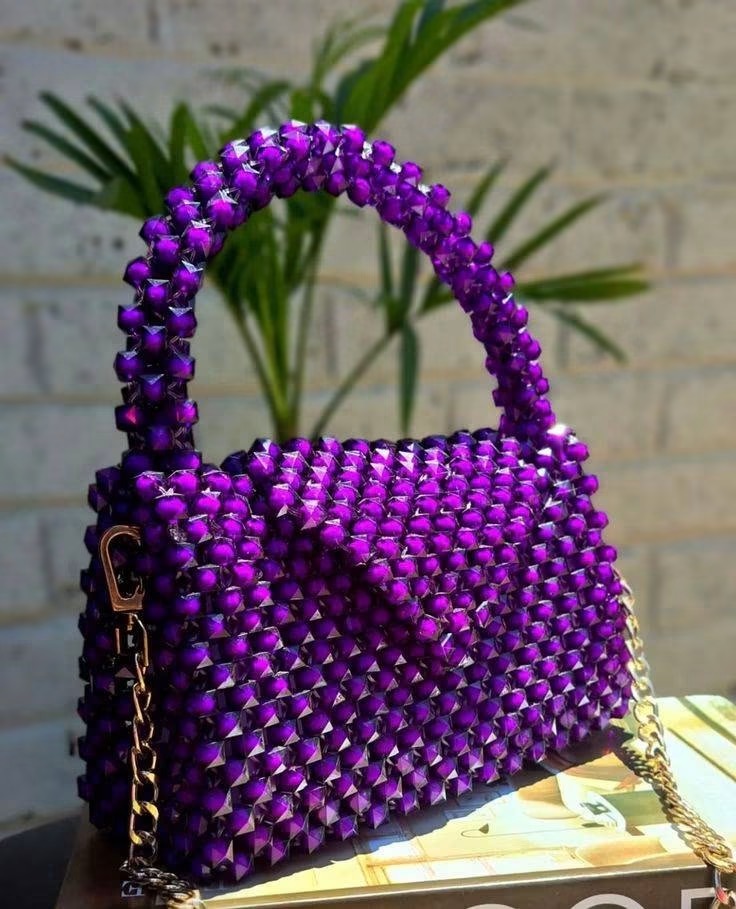
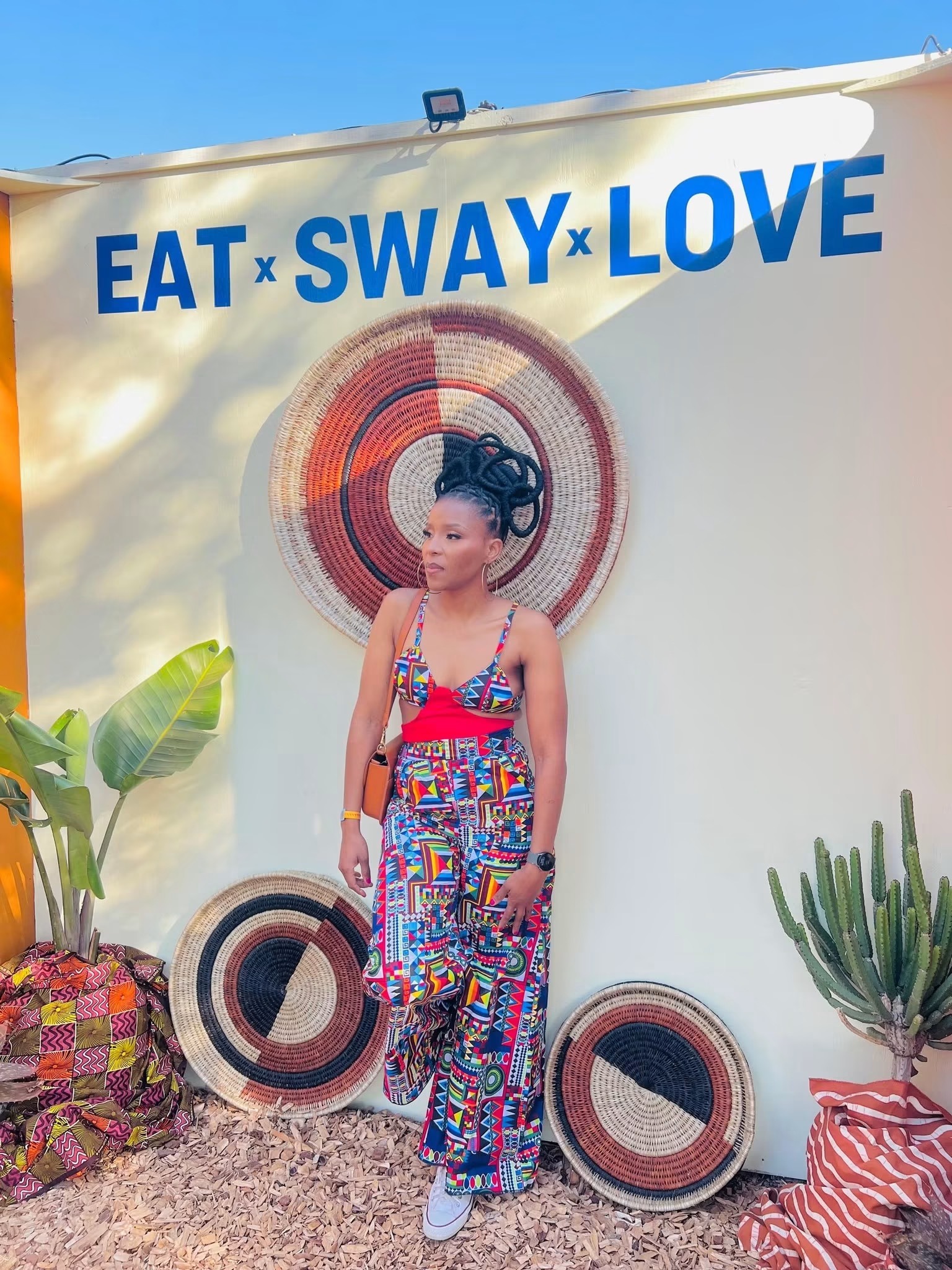
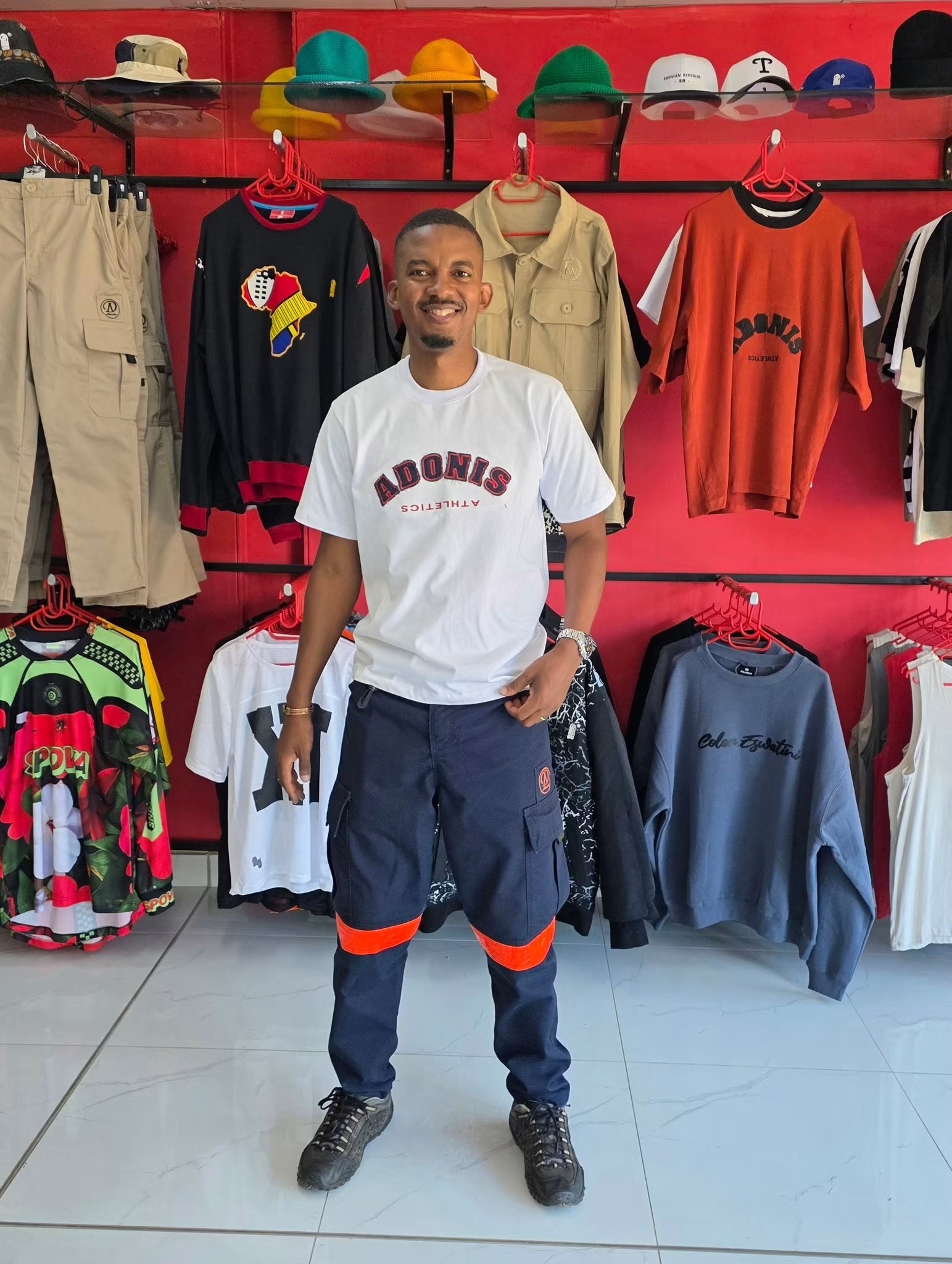
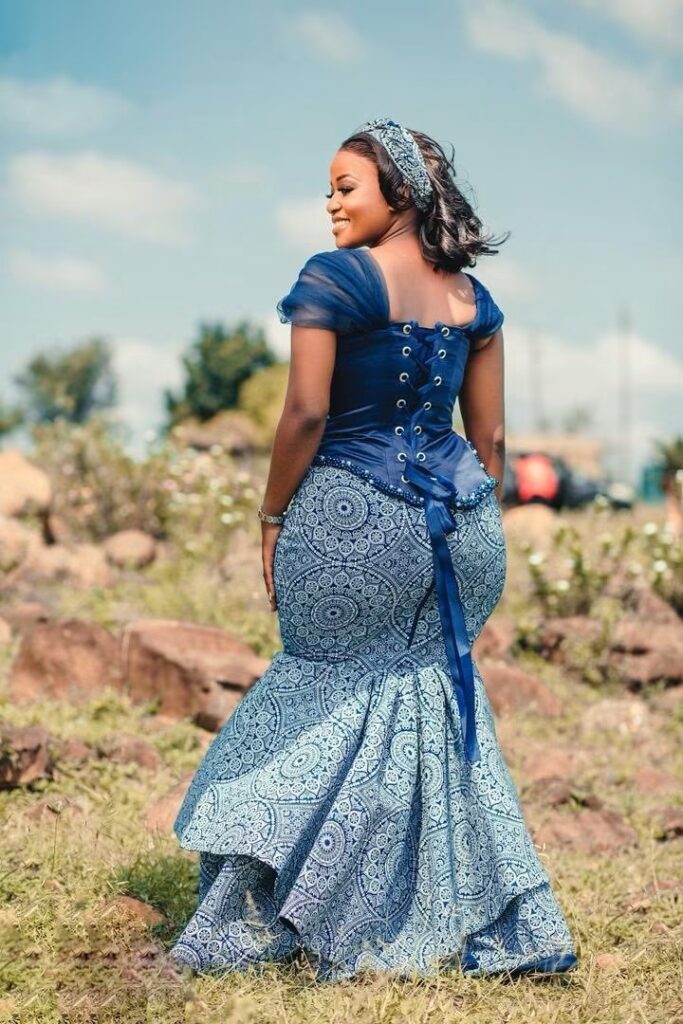
Returning designer Kwenzie Zwane of Black Degree described the experience as both inspiring and motivating.
He said visiting the factory reinforced the understanding that every successful fashion brand is built one careful decision at a time, adding that Hou’s entrepreneurial journey demonstrated that persistence and vision can transform humble beginnings into thriving enterprises.
For Hou, investing in young designers represents an investment in the country’s future creative economy.





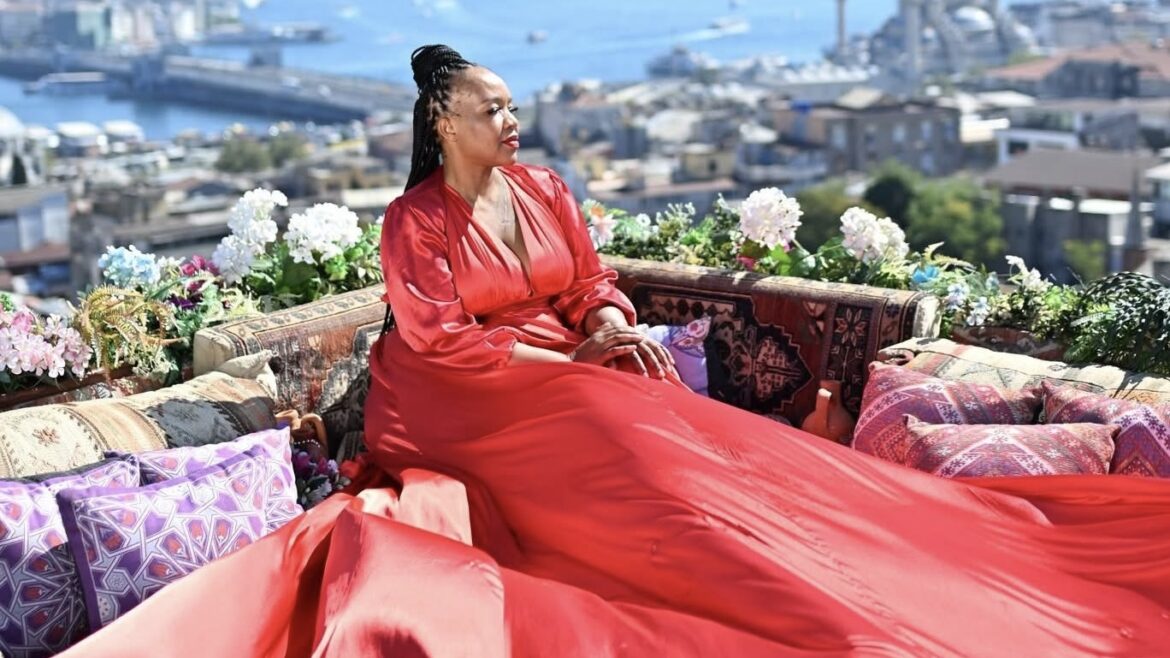
She said international recognition, including being named a two-time Top Woman Exporter Award winner and Regional Manufacturer of the Year at the Pan-African Women Empowerment Summit, carries a responsibility to create opportunities for others.
Far East Textiles has grown into one of Eswatini’s leading textile manufacturers, employing nearly 600 people, with women making up 98 percent of its workforce.
As the countdown to Luju 2026 continues, the partnership highlights a growing recognition that fashion is more than runway glamour.