




For fashion businesses, the first interaction with a potential customer can determine whether a sale happens or disappears.
Attorney Nomathemba Xaba has cautioned fashion designers against relying on ‘DM for prices’ as a way of conducting business, arguing that customers should be able to access essential purchasing information without having to enter a private conversation first.
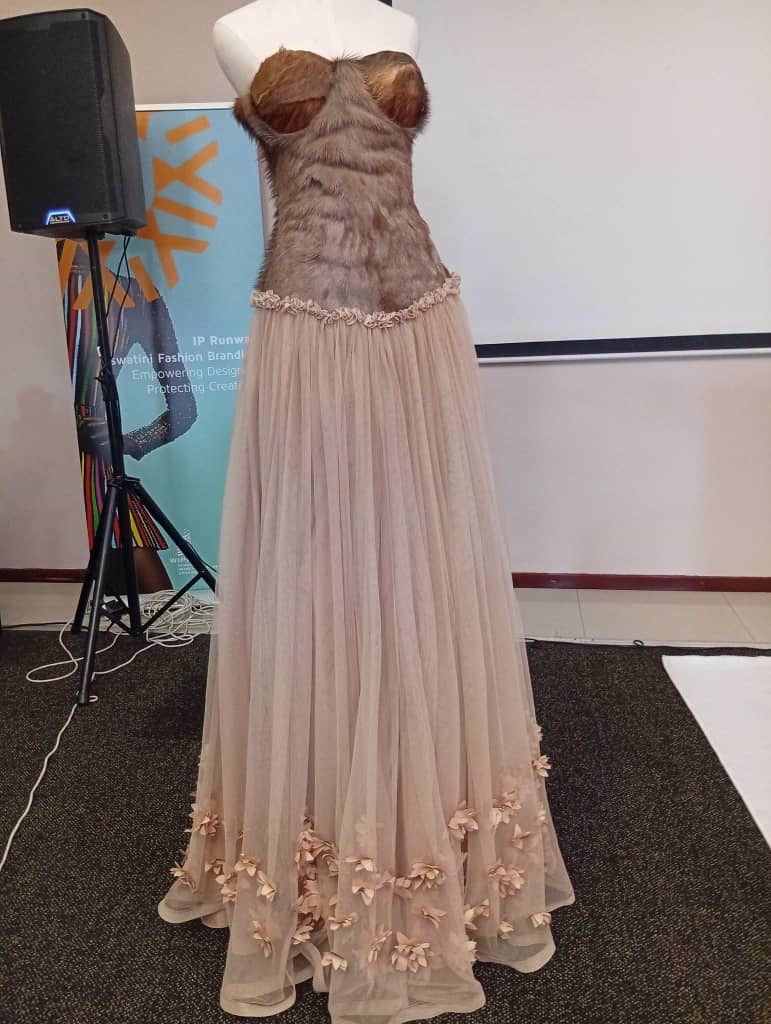
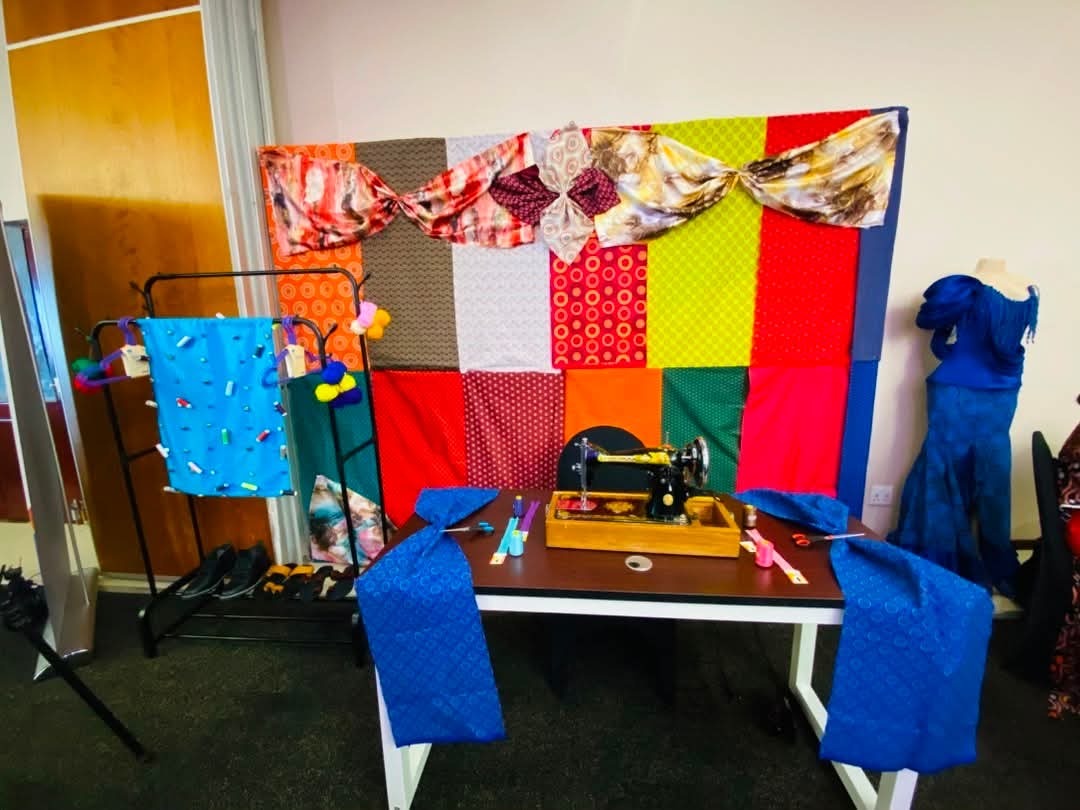
Xaba was speaking during the Eswatini IP Fashion Runway programme at Royal Villas in Ezulwini on August 20, where she addressed creatives on understanding consumers and turning fashion ideas into commercially viable businesses.
A key part of her presentation focused on the customer experience, particularly the way fashion businesses communicate prices and product information on social media.
According to Xaba, directing customers to send private messages simply to find out how much a product costs can create an unnecessary barrier between the customer and the business.



By the time a potential buyer has to go through the additional step of sending a message and waiting for a response, they may have already lost interest or moved on to another seller.
For fashion designers using social media as their primary shopfront, she encouraged them to make important information readily available to customers.
This includes prices, product details and other information that can assist a customer in making a purchasing decision.
Her argument placed the customer experience at the centre of the fashion business, particularly at a time when social media has made it possible for consumers to discover, compare and purchase products without physically visiting a store.
Xaba also addressed another challenge facing fashion entrepreneurs, revealing too much about where they source their materials and products.
She cautioned designers against openly disclosing their suppliers or the exact sources of their materials, particularly on public platforms.
While transparency is important in building a business, she noted that there is also a need for entrepreneurs to protect information that forms part of their competitive advantage.
For designers who have spent time identifying suppliers, negotiating prices and finding particular materials, revealing those sources can make it easier for competitors to follow the same route.
The issue is particularly relevant in fashion, where designers often build their businesses around distinctive fabrics, accessories, manufacturing relationships and other elements that contribute to the final product.
Xaba encouraged creatives to understand that running a fashion label involves more than producing attractive clothing. Designers also have to make decisions about how they present their products, communicate with customers and protect the information that contributes to their businesses.
The discussion formed part of a broader presentation on consumer preferences and the relationship between creativity and commercial viability.
Xaba explained that understanding the customer should be part of the design and business process. Factors such as lifestyle, purchasing power, location, preferences and buying behaviour can influence what customers choose to purchase.
She also pointed to quality, purpose, appearance, accessibility and the overall shopping experience as factors that can influence a purchasing decision.
For fashion designers, this means that having a strong product is only one part of building a sustainable brand. How that product is presented and how customers are treated can also influence whether someone makes a purchase and whether they return.
Customer feedback, she said, should also be viewed as business information. Complaints, suggestions, purchasing patterns and repeat business can all provide designers with information about what their customers want.
The same applies when customers stop engaging with a brand. A customer who does not return may also be providing an indication that something about the product, price, service or buying experience needs to be reconsidered.

Social media was another important part of Xaba’s presentation, particularly because many emerging fashion businesses now use platforms such as Instagram and Facebook to display their work and communicate directly with customers.
Rather than treating social media simply as a place to post photographs of clothing, she encouraged designers to use the platforms to understand their markets and engage with potential buyers.
Her message was summed up in the phrase, “The consumer is at your doorstep,” pointing to the access that social media gives businesses to their audiences.
However, that access also creates expectations. Customers scrolling through social media are able to encounter multiple brands within minutes, compare products and decide where they want to spend their money.
For fashion designers, making basic information available can therefore form part of creating a smoother customer journey.
The conversation around pricing also comes at a time when ‘DM for prices’ has become common among small fashion businesses and online sellers.
While sending a private message may allow a business to communicate directly with a potential customer, Xaba’s presentation questioned whether making the customer take that extra step is always beneficial.
Instead, designers were encouraged to have their pricing and product information ready so that customers can make informed decisions without unnecessary delays.
The same principle applies to information about materials and suppliers, although from a different perspective. While customers need sufficient information to understand what they are buying, designers also need to identify which business information should remain private.
For emerging fashion entrepreneurs, the distinction between customer information and business-sensitive information can become important as their brands grow.







The presentation therefore brought together two sides of running a fashion business: giving customers enough information to make a purchase while knowing what information the business itself needs to protect.
Xaba also encouraged creatives to look beyond the traditional local customer. She identified the diaspora, tourists and international consumers as potential markets for Eswatini fashion brands and encouraged designers to consider export readiness as they develop their businesses.
For local designers hoping to grow beyond their immediate customer base, understanding different markets can help inform everything from product development to pricing and communication.
Her presentation ultimately challenged creatives to approach fashion as a business as well as a creative practice.
The clothes may attract the customer, but the way a designer communicates the price, presents the product, protects their sources and responds to the market can influence whether that attention becomes a sale.
At the Eswatini IP Fashion Runway, the conversation around intellectual property, customer behaviour and commercial strategy placed the spotlight on the business decisions taking place behind the clothes.
For designers navigating the increasingly competitive social media fashion market, the message was straightforward: make it easy for customers to buy, but do not make it easy for competitors to copy the business behind the brand.