


For generations, traditional vegetables have been part of Eswatini’s everyday cooking. Now, a new recipe book is exploring how ingredients such as imbuya, ligusha, umsobo, chuchuza, likhovu, pumpkin leaves and okra can find their way into modern kitchens, restaurants and menus.
There are vegetables most EmaSwati do not need to be introduced to. Imbuya, ligusha, umsobo, chuchuza, likhovu, pumpkin leaves and okra have long been part of the country’s food culture, grown in family gardens and fields before making their way into pots at home.
What is less familiar is seeing them treated as ingredients with room to move. They can be fried, baked, blended, pickled, turned into fritters, folded into an omelette or even placed on a pizza.

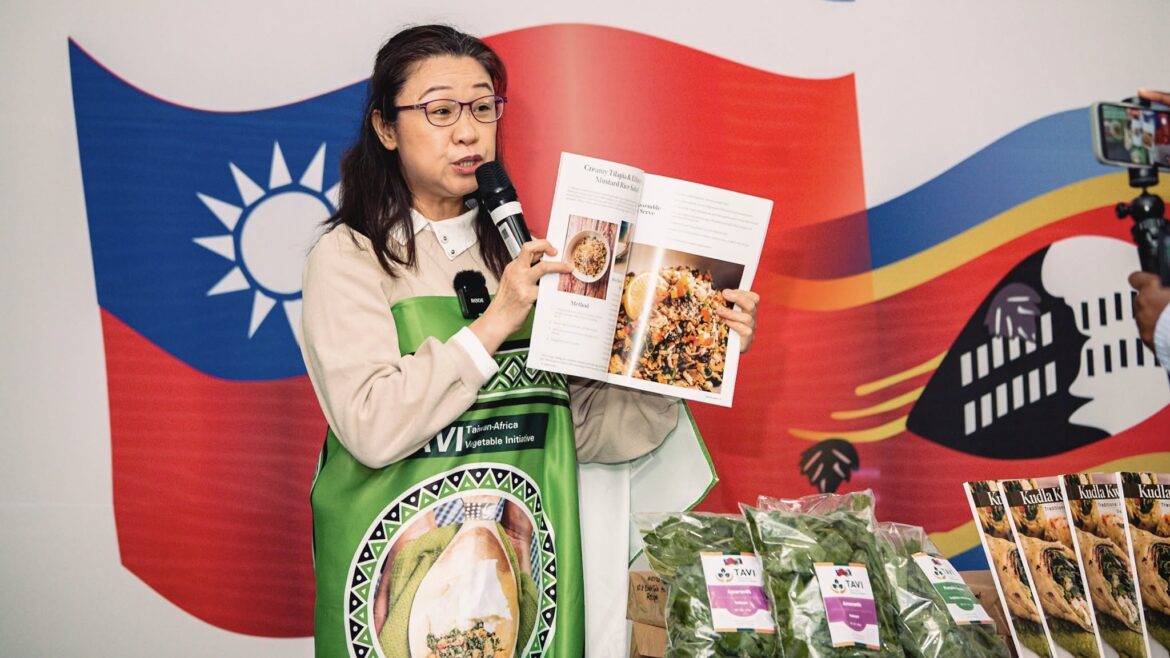
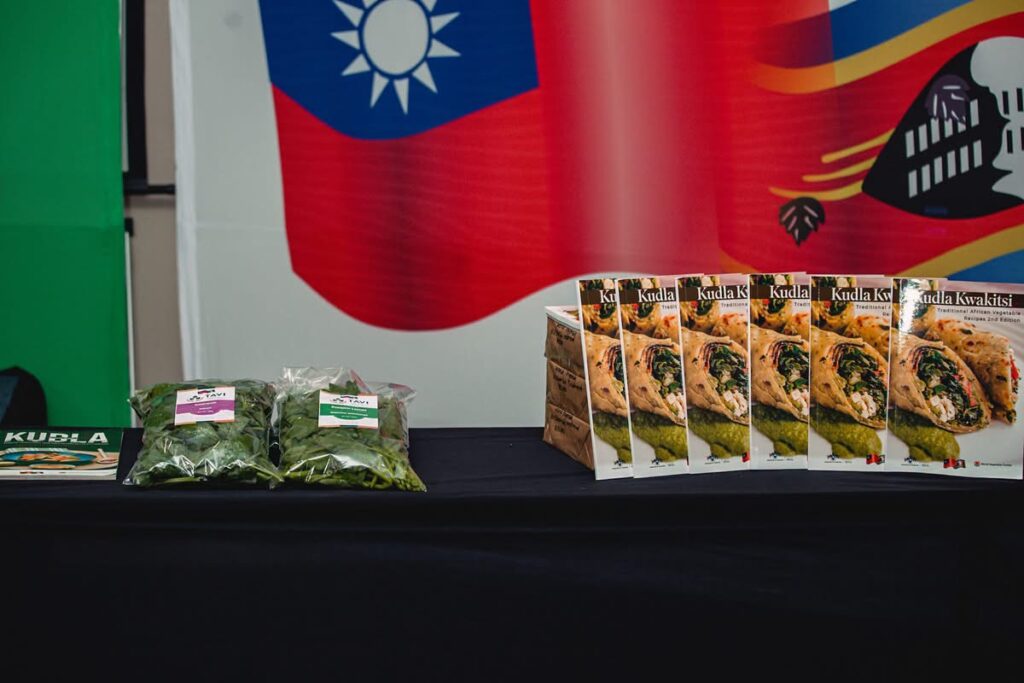
That is the idea behind Kudla Kwakitsi, the traditional African vegetable recipe book produced through the Taiwan–Africa Vegetable Initiative (TAVI) and the World Vegetable Center.
The second edition of the book was launched at Royal Villas in Ezulwini in September, bringing a collection of recipes designed not only for home cooks but also for chefs, hotels, lodges, restaurants and caterers.
It follows the first edition, published by the World Vegetable Center in 2024 as Kudla Kwakitsi: Eswatini traditional vegetable recipes for the 21st century, a 69-page publication that set out to put traditional vegetables into a more contemporary culinary conversation.
The new edition takes that conversation further. Rather than presenting traditional vegetables simply as food from another generation, it presents them as ingredients with room for experimentation.
The most interesting thing about Kudla Kwakitsi is not necessarily that it introduces people to vegetables they have never seen. It is that it asks readers to look at vegetables they already know differently.
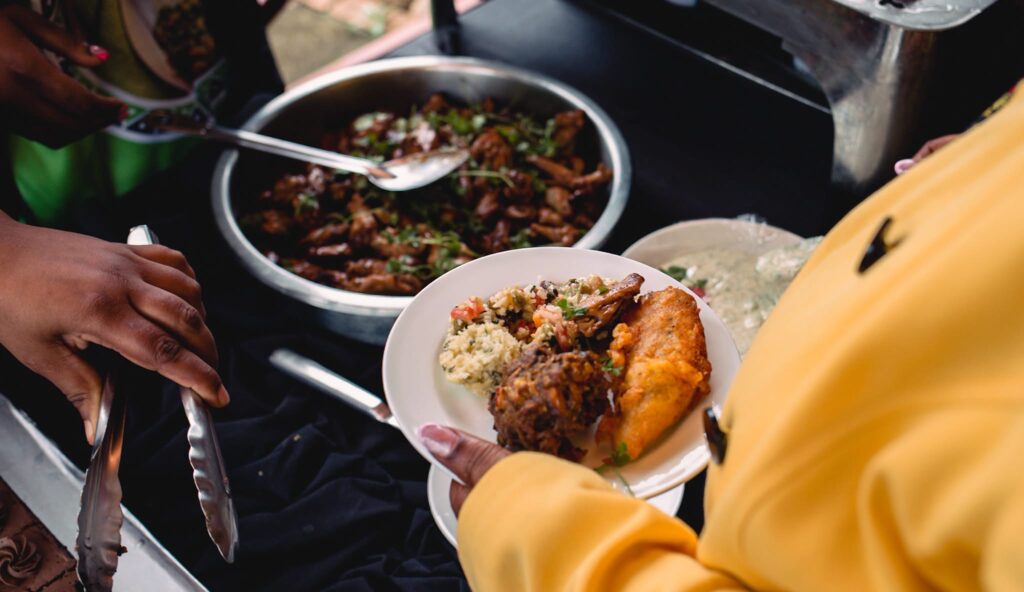
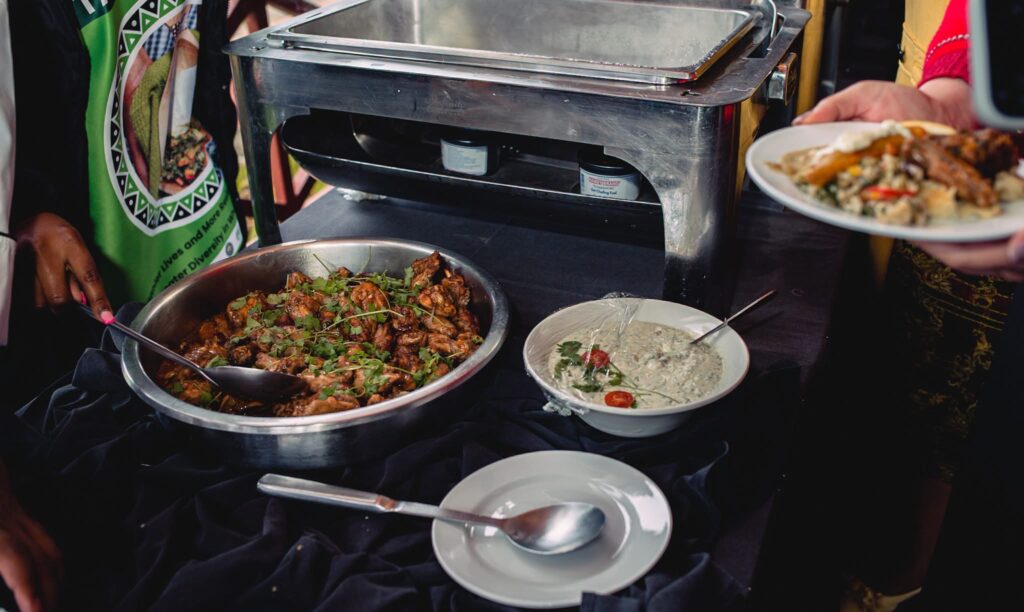

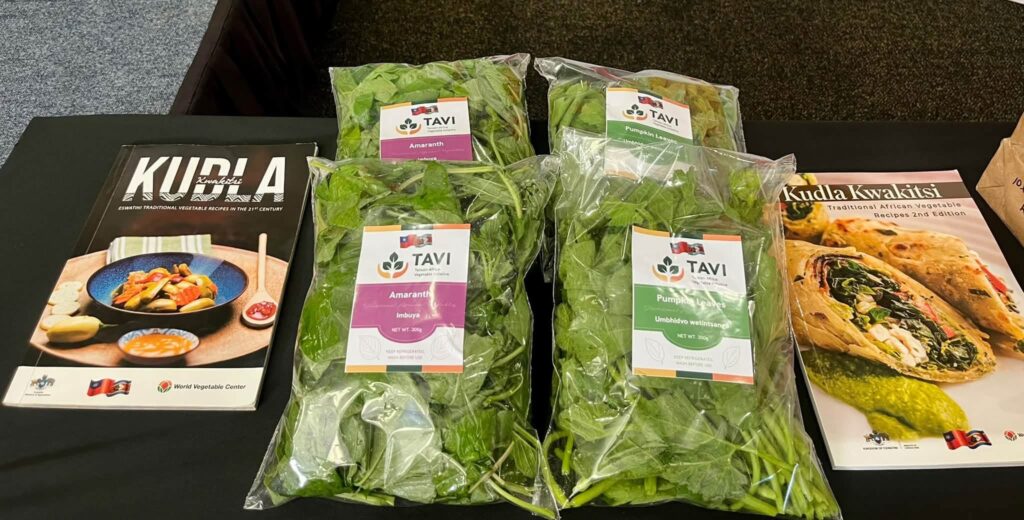
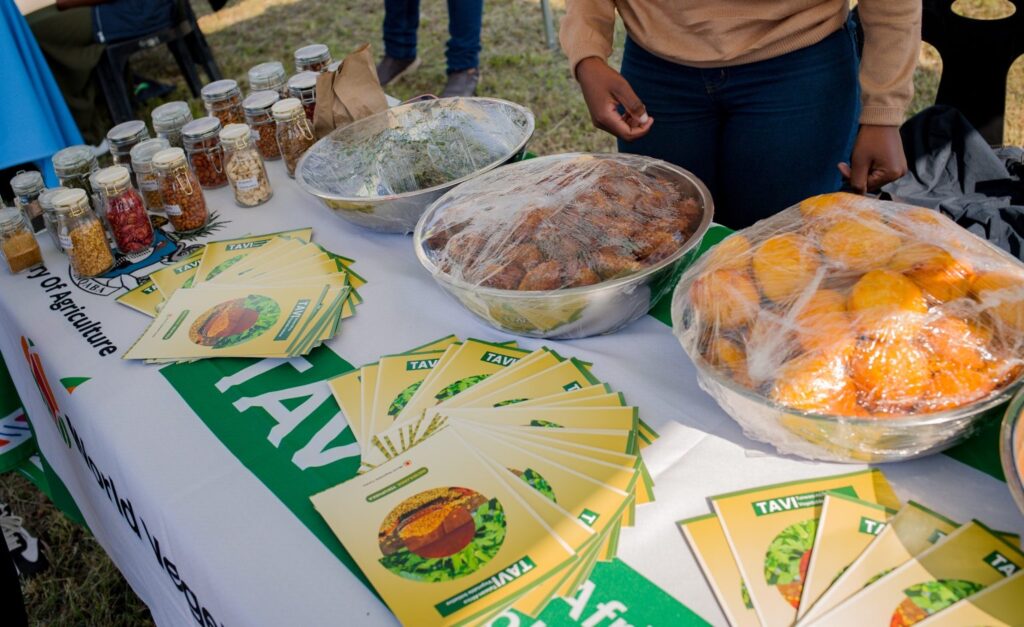
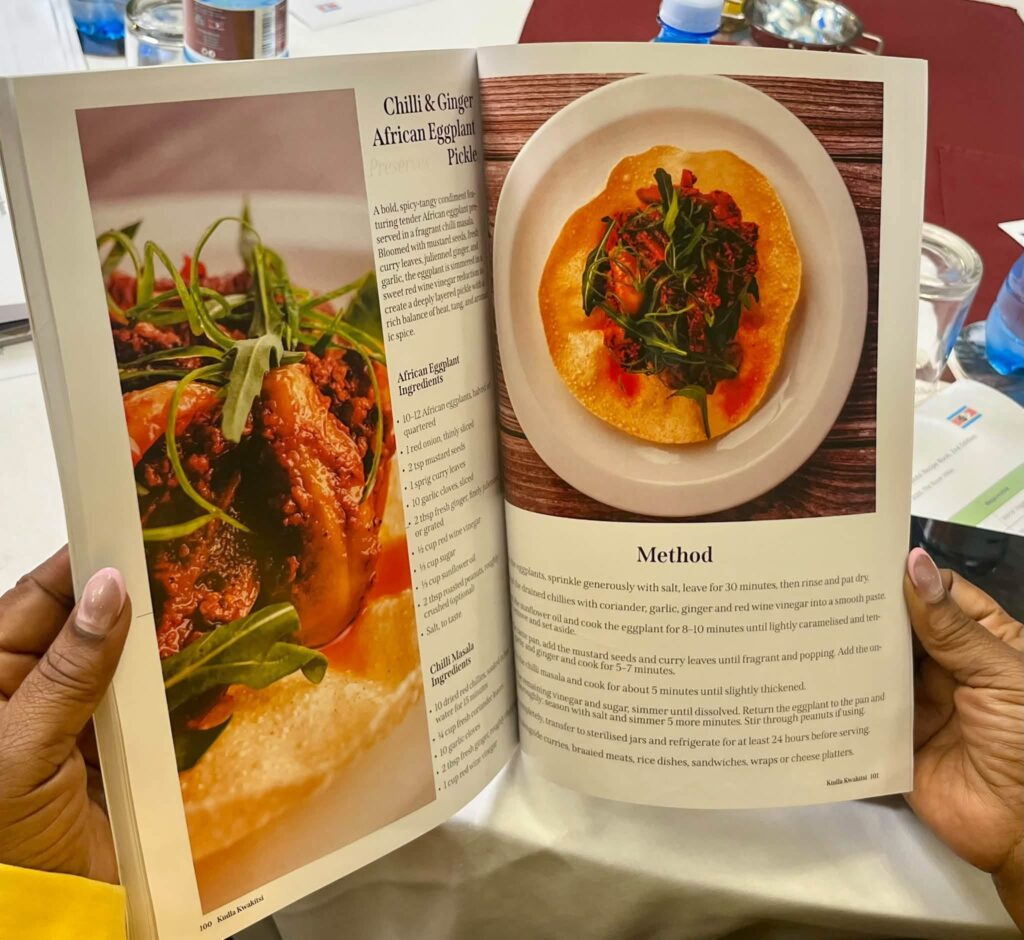
The second edition contains 45 recipes based on 14 Traditional African Vegetables. Among them are amaranth, jute mallow, black jack, African nightshade, African eggplant, mung bean, cowpea, cassava leaves, bean leaves, sweet potato leaves, tomato, Ethiopian mustard, pumpkin leaves and okra.
The recipes move between the familiar and the unexpected. There is African eggplant stir-fry, black jack with mince, pumpkin soup and an okra and eggplant omelette. There are fritters and vegetable balls, along with an okra and eggplant pizza.
For someone accustomed to seeing these vegetables prepared in one or two traditional ways, the difference is immediately noticeable.
The book is not asking anyone to abandon the way vegetables have traditionally been cooked. Instead, it opens up the kitchen and shows that the same ingredient can have more than one life.
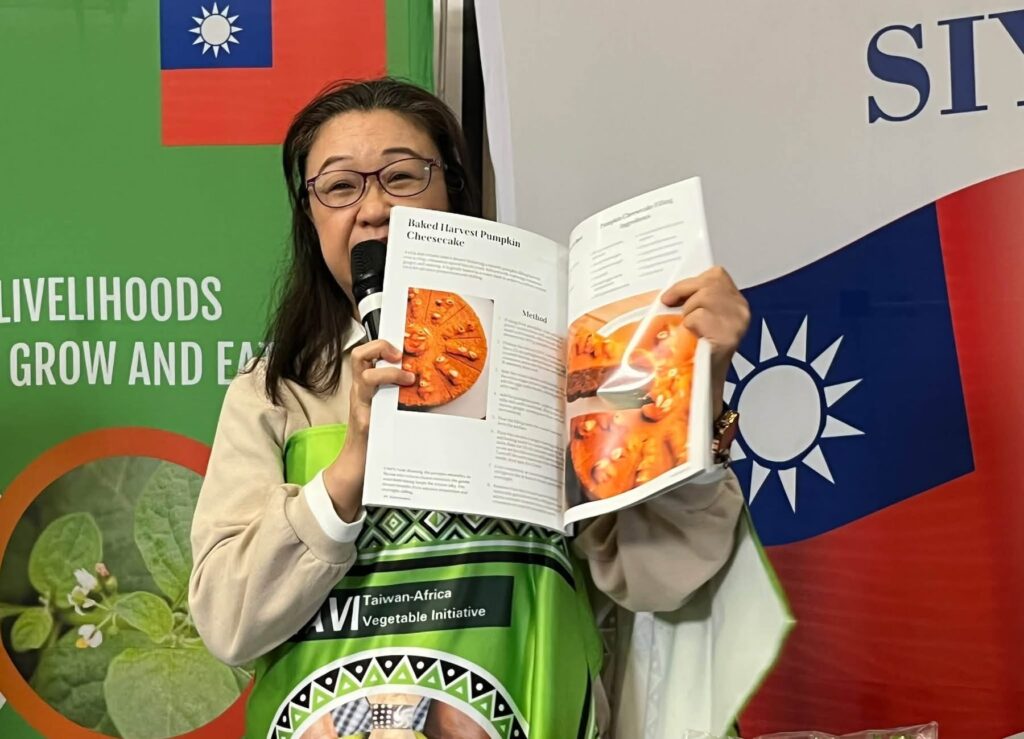
An ingredient such as okra, for instance, does not have to remain in the same dishes people have always associated with it. African eggplant can move beyond the traditional pot. Pumpkin can become soup, cake or muffins.
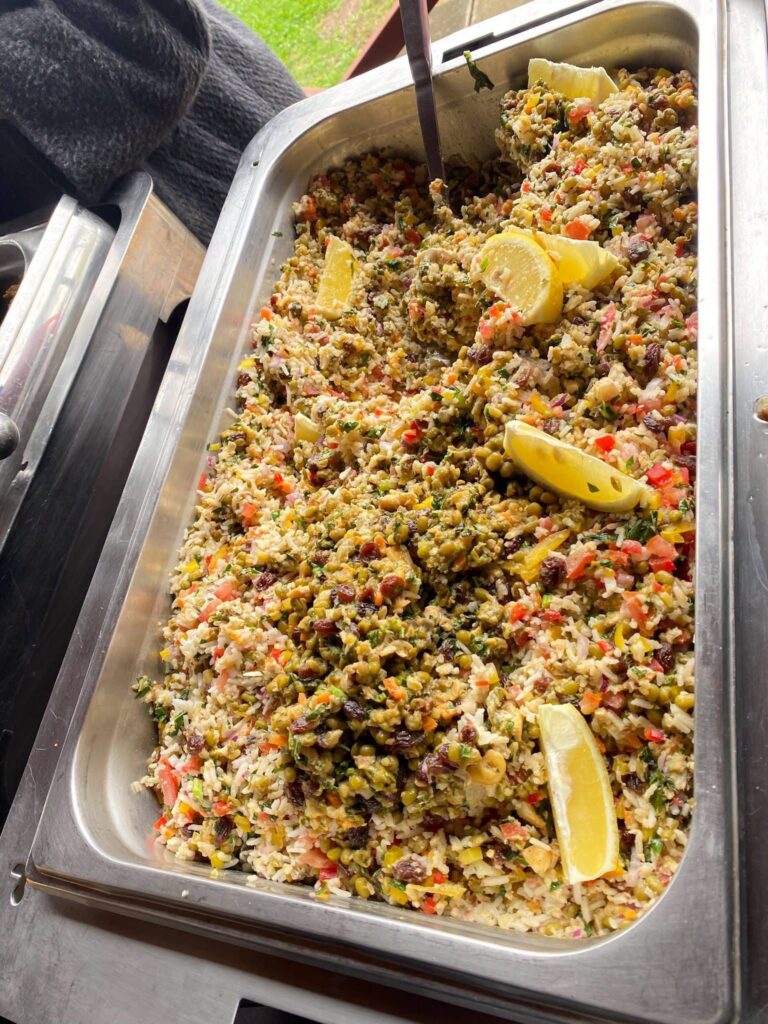
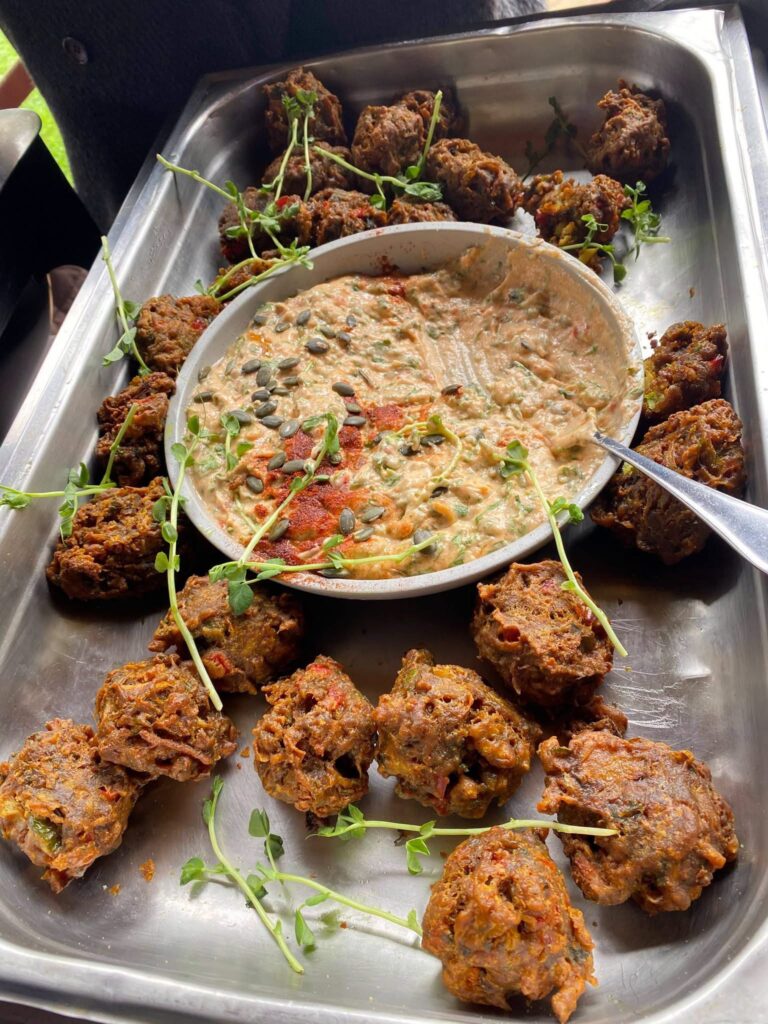

The book also explores what happens when vegetables are taken beyond the plate. There are recipes for African nightshade juice, tomato juice and jams made from African nightshade, cherry tomato and pumpkin. For bakers, there are recipes using amaranth seed and pumpkin.
That gives Kudla Kwakitsi a place somewhere between a traditional cookbook and a practical guide to rethinking local produce. Meanwhile, food has always carried memory. Certain vegetables immediately bring people back to particular kitchens, seasons and people.
They are tied to the way mothers and grandmothers cooked, to what grew around the homestead and to what was available at a particular time of year.
That history is not lost in Kudla Kwakitsi. The book gives the vegetables their scientific and common names alongside their siSwati names. Ligusha, umsobo, chuchuza, likhovu and other names therefore sit alongside the recipes, keeping the language attached to the ingredients.
This matters because the book is not simply about making traditional vegetables fashionable. It is also about documenting them.
The first edition’s title, Eswatini traditional vegetable recipes for the 21st century, already positioned the project between heritage and contemporary food culture. The second edition continues that direction, but with a stronger emphasis on how the vegetables can be used in modern kitchens. That includes professional kitchens.
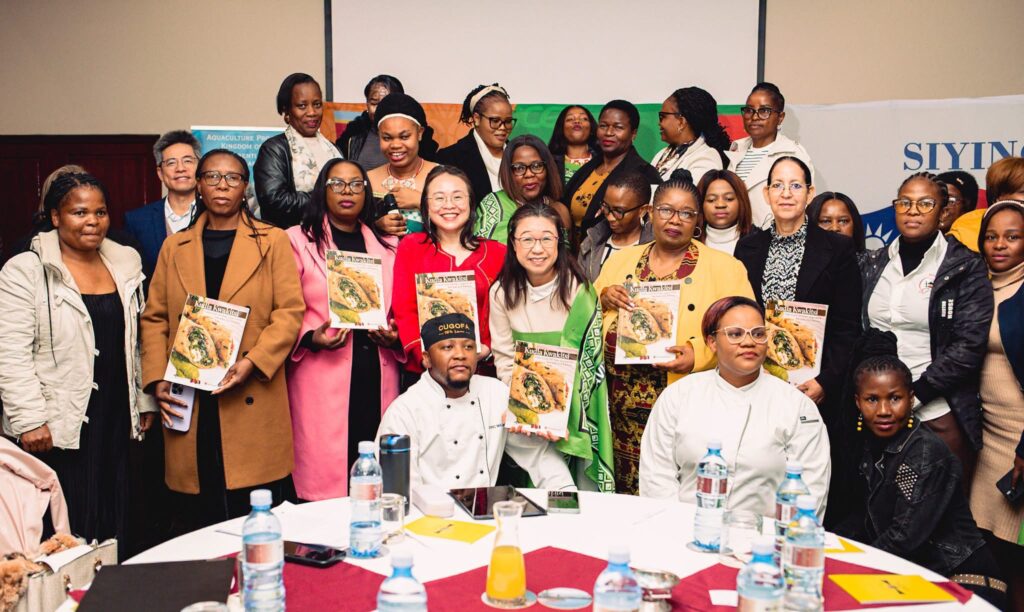
The launch brought together chefs, farmers, vegetable experts, World Vegetable Center representatives, the Embassy of the Republic of China (Taiwan) and the Ministry of Agriculture. The focus was on showing how the relationship between the person growing the vegetable and the person preparing it can create new possibilities for both.
For a chef, it can be a source of menu ideas. For a caterer, it can provide another way of presenting familiar ingredients. For a culinary student, it provides recipes alongside information about cooking methods, food safety, hygiene, nutrient retention and nutritional information.
And for the ordinary home cook, it answers a simpler question: what else can I actually do with this vegetable? There is an old perception that traditional vegetables belong to a particular kind of meal and, by extension, a particular kind of household.
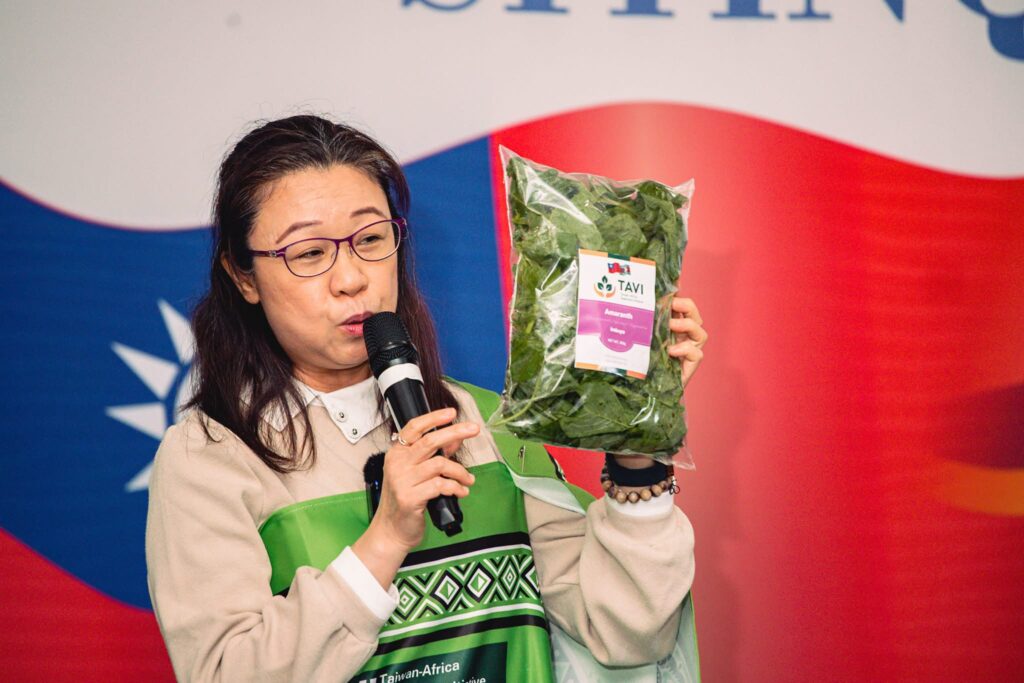
TAVI has been working to challenge that perception. At the launch, Dr Sophia Chan, TAVI Project Manager at the World Vegetable Center, described the book as a way of demonstrating the possibilities of Traditional African Vegetables and encouraging households, chefs, hotels and restaurants to develop their own recipes.
The objective is not simply to produce a book containing 45 recipes and leave it on a shelf. The recipes are intended to start a conversation about what these vegetables can become.
A vegetable that has traditionally been viewed as something to boil and serve alongside a staple can also become part of a starter. It can become a sauce, a drink, a baked item or a more contemporary plated dish.





The retail rollout began in September with imbuya, pumpkin leaves and okra appearing in selected outlets, including SPAR and Boxer stores, Save More Mpaka and Thubelihle Store in Nhlangano.
The recipe book and the supermarket shelves therefore arrive at roughly the same time, addressing two sides of the same problem: making local vegetables easier to find and giving people more reasons to use them.