

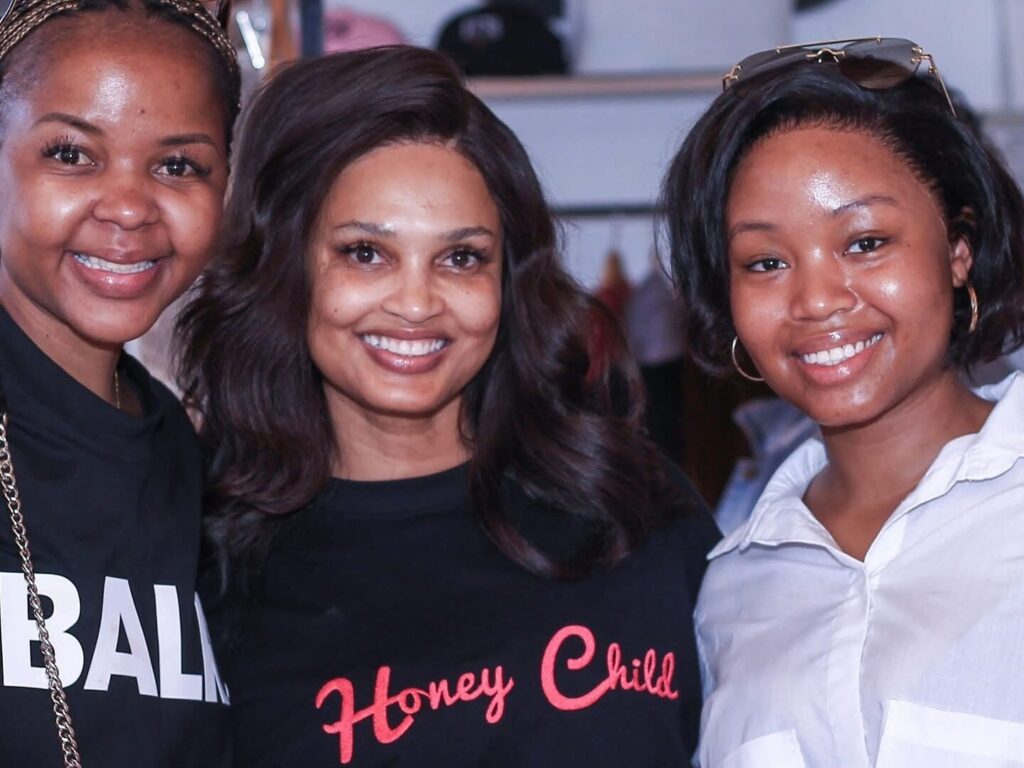

Over the past two years, The Hive Market has steadily evolved from an intimate gathering of local entrepreneurs into a growing platform where brands, customers and creatives come together to discover, connect and support locally driven businesses.
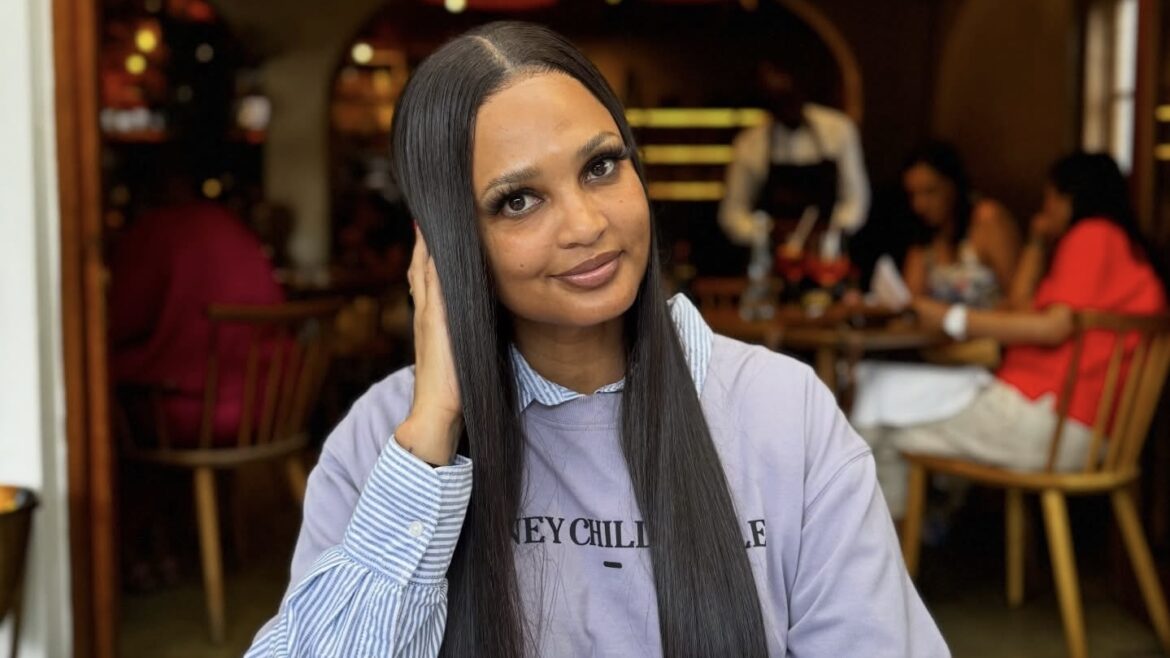
Founded and directed by Pinky Glover, The Hive Market takes place every two to three months, offering visitors an opportunity to experience a carefully curated selection of local brands in a relaxed and accessible environment.
For Glover, however, the evolution of the market is not necessarily measured by the size of each edition or the number of people through its doors. Its growth is reflected in something more organic: recognition. More local entrepreneurs are becoming interested in participating, while customers are increasingly familiar with the concept and what The Hive Market represents.

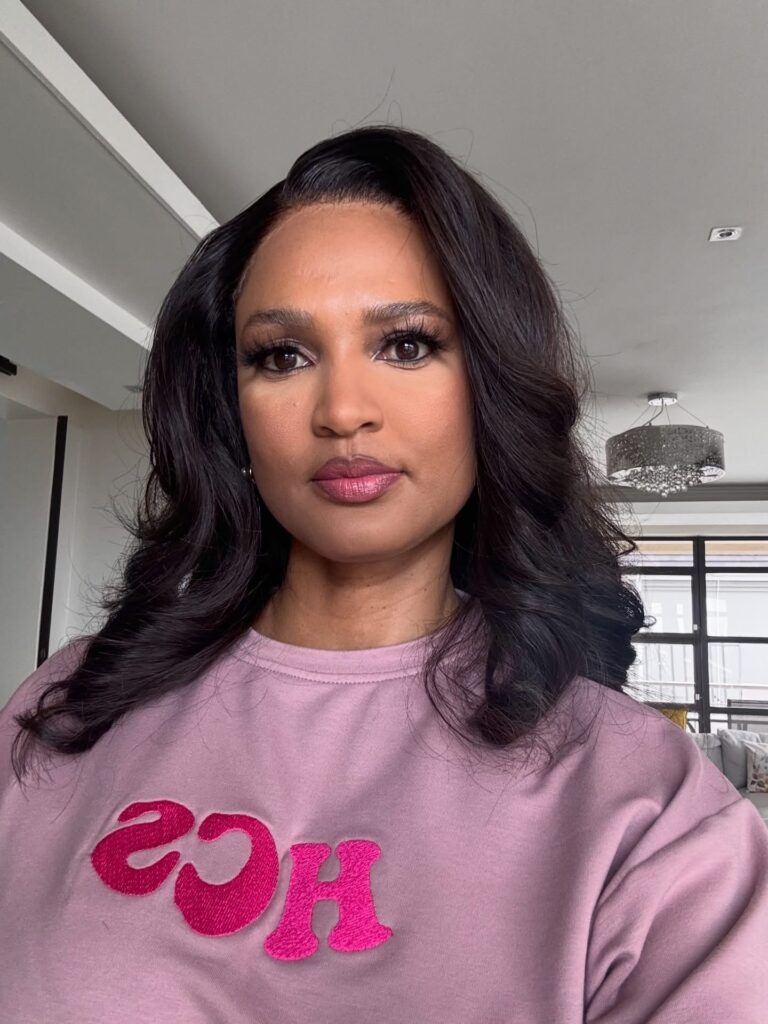

“When I think about its growth, I don’t necessarily measure it by how big we can make the event,” Glover says. “For me, the growth has been in creating a platform that people are beginning to recognise and that more local entrepreneurs want to be part of.”
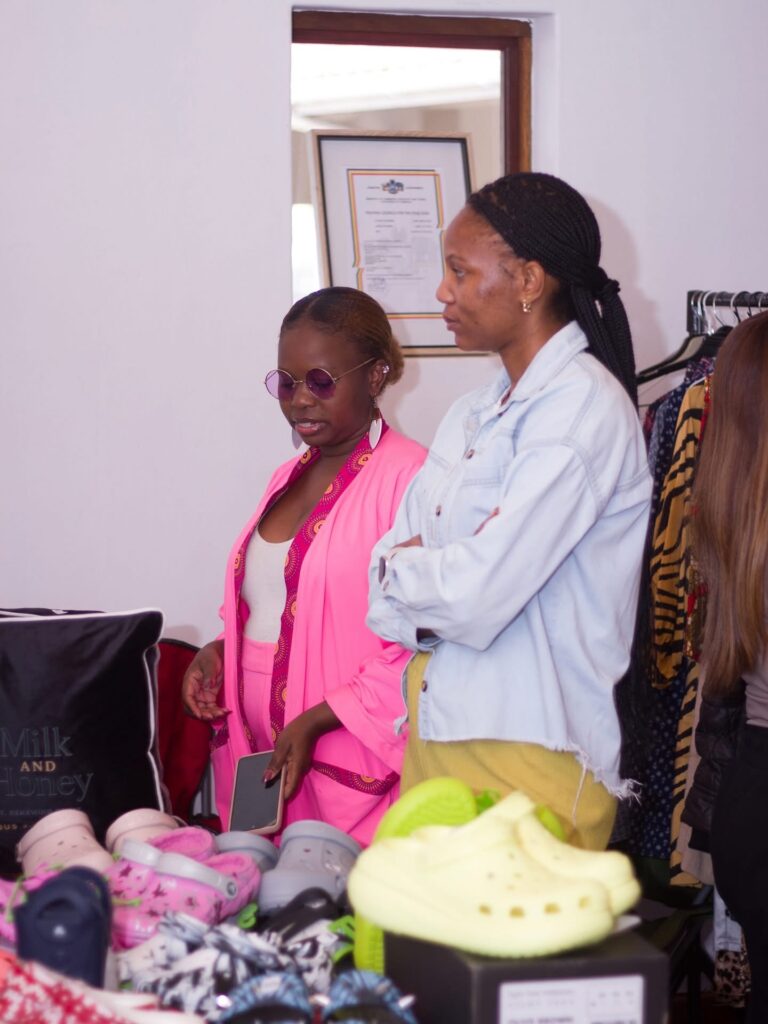
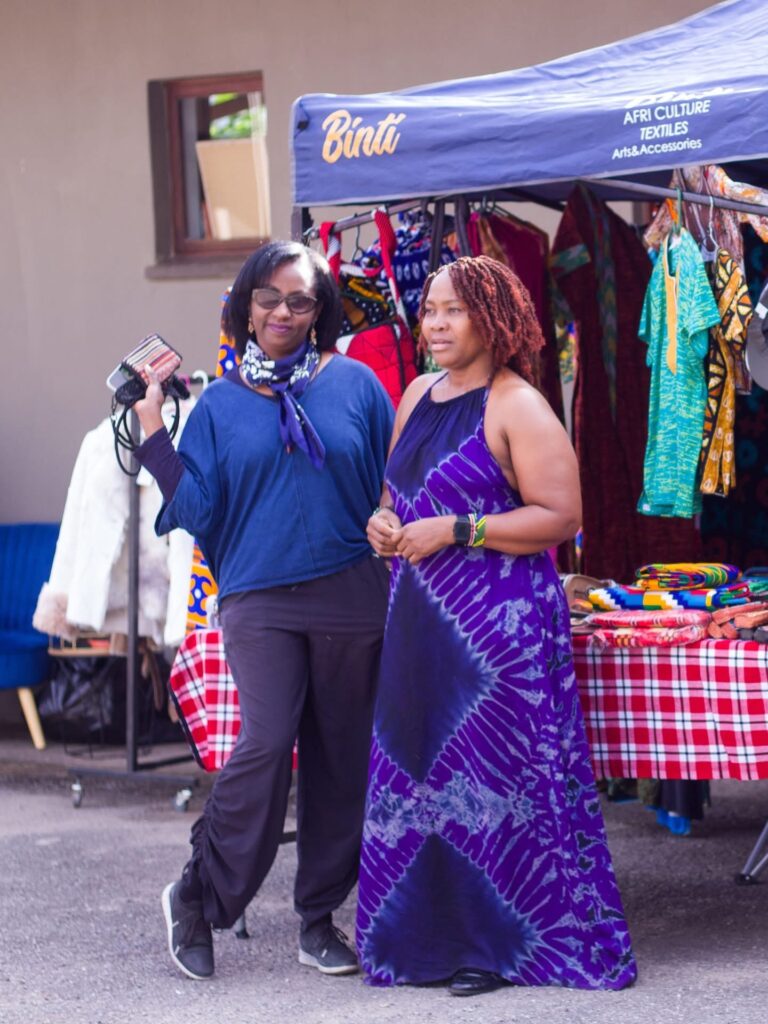
From its inception, the vision has been to create something intimate, curated and accessible. Unlike traditional marketplaces where the emphasis can be placed primarily on selling products, The Hive Market places equal value on the experience surrounding the transaction. Entry is free, allowing visitors to walk in, explore different brands and spend time engaging with the entrepreneurs behind them.
That personal interaction is an important part of the market’s identity. Customers are not simply purchasing products; they have an opportunity to hear the stories behind the brands, understand their inspiration and connect with the people who have invested their time and creativity into building them.
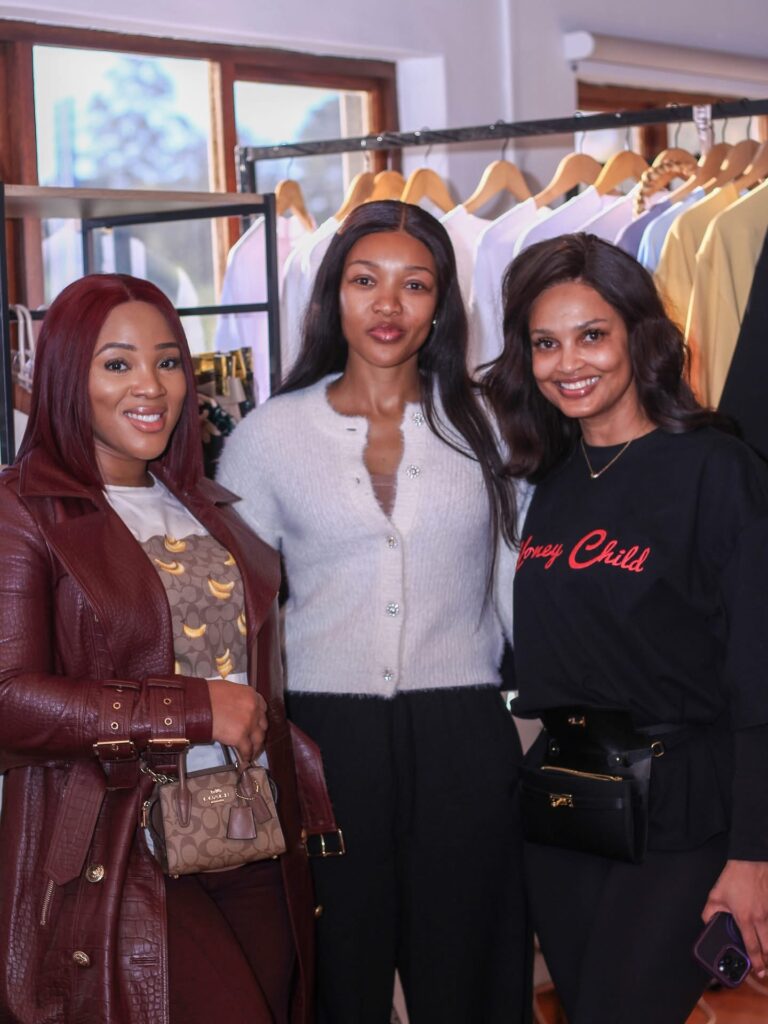
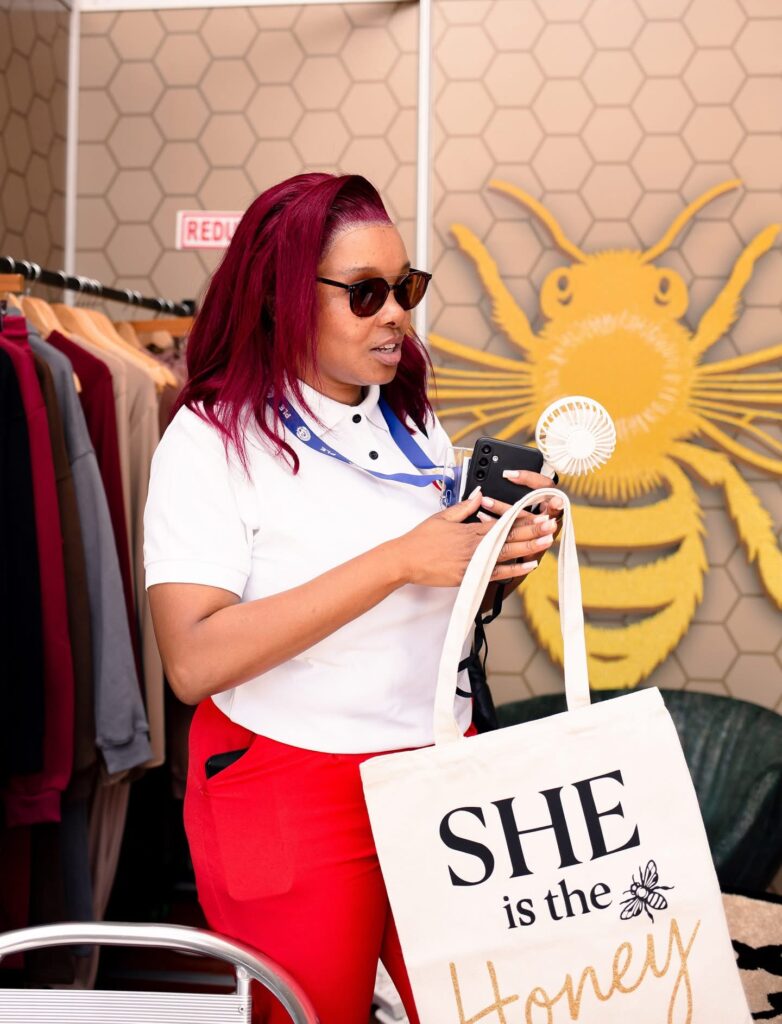
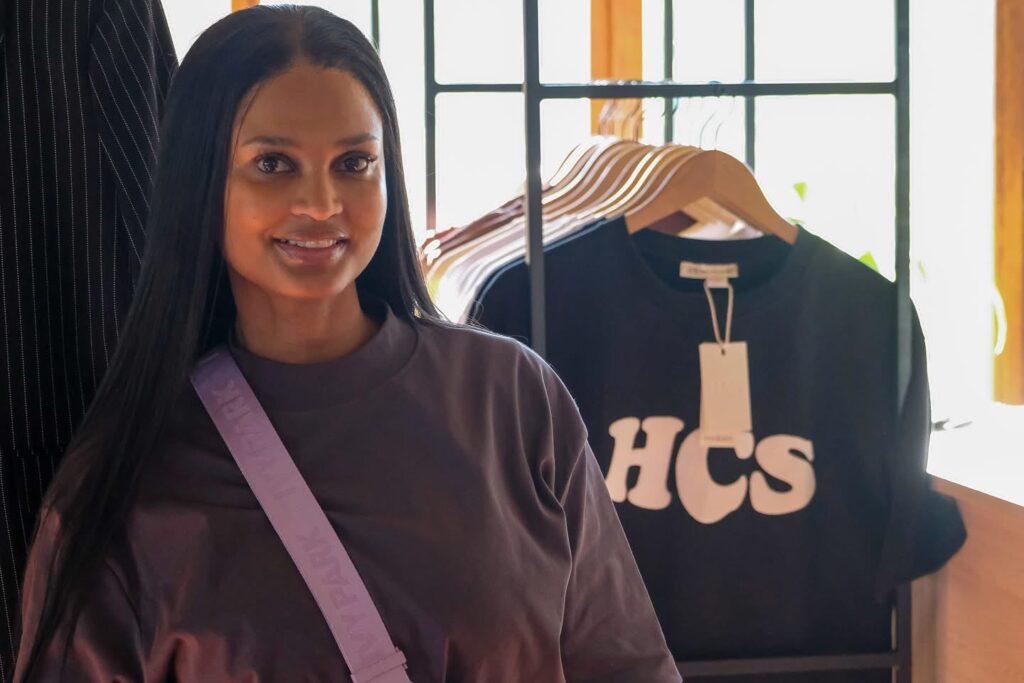

“There is something special about buying a product while being able to speak directly to the person who created it, hear their story and understand the passion behind their brand,” Glover says.
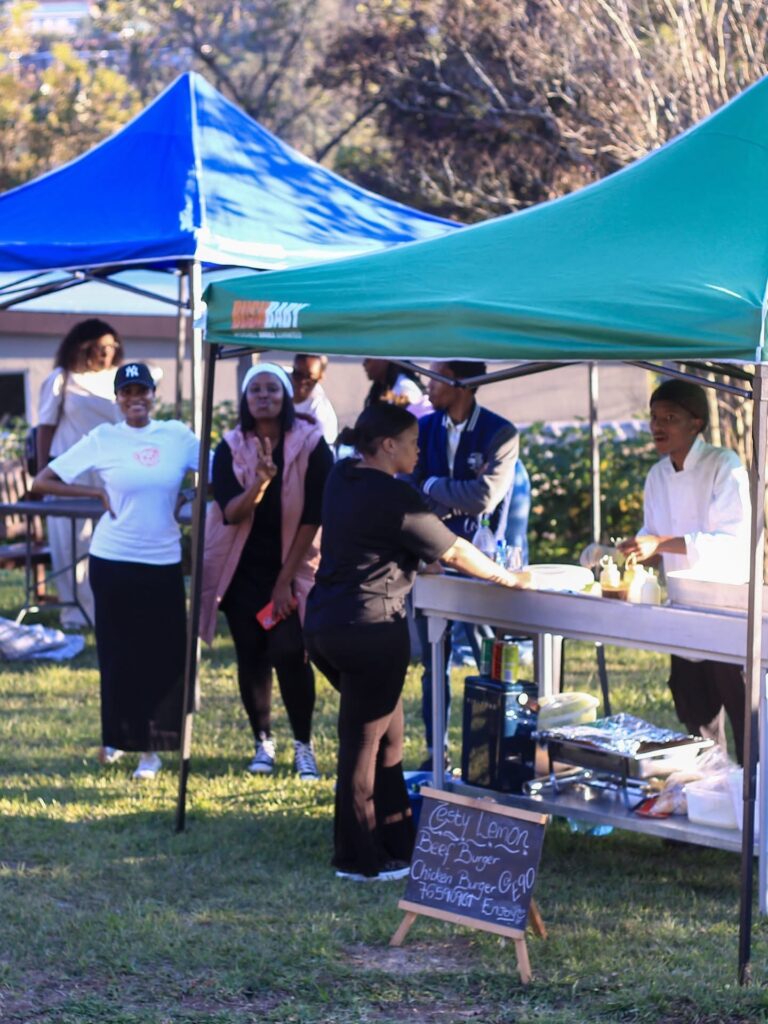
The market’s curation is also deliberate. Participating businesses are selected with consideration given to how they complement one another, creating an environment where visitors can move from one brand to another while discovering different products, ideas and entrepreneurial stories.
This gives The Hive Market a lifestyle dimension that extends beyond shopping. It becomes a social experience, a place to spend an afternoon, discover something new and interact with people building businesses within the local economy.
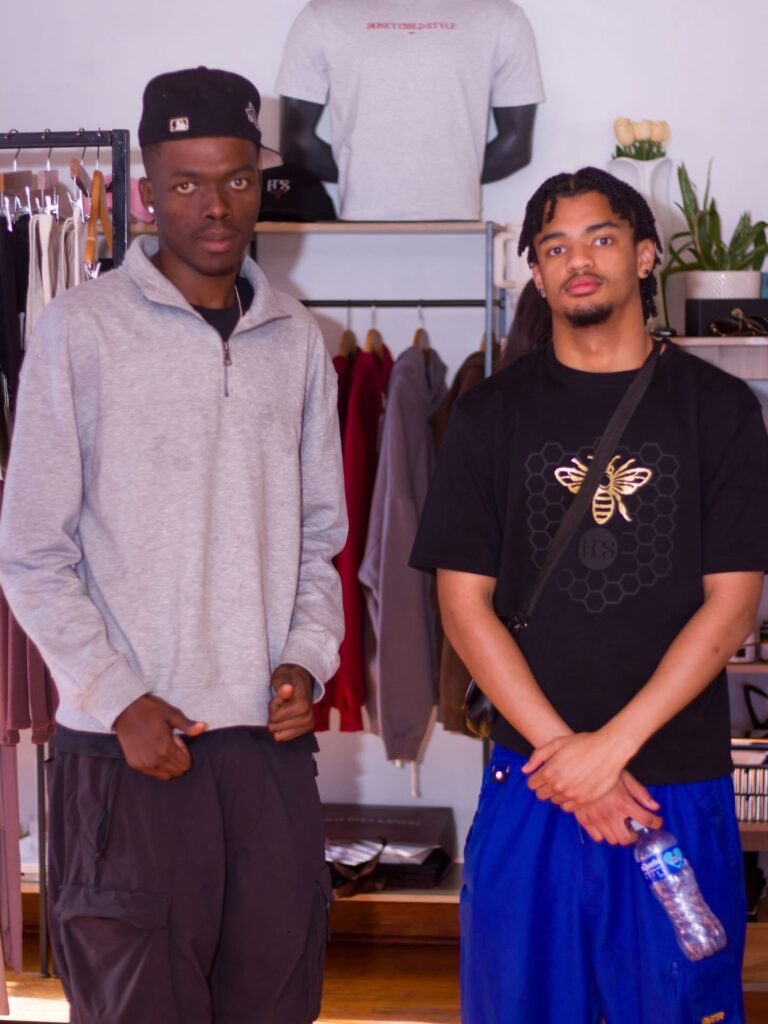
As the market continues to evolve, Glover believes its next stage of growth will depend increasingly on collaboration among its vendors. Her ambition is for participating businesses to see The Hive Market as a shared platform rather than simply another event on their calendars.
While Honey Child Style facilitates and hosts the market, Glover believes its long-term success should be a collective effort. Each vendor brings an existing customer base, community and social following, creating an opportunity for businesses to amplify one another.
“When we all talk about the market, invite our customers and promote one another, those individual audiences begin to become one much bigger community,” she says.
This collective approach could become increasingly important as The Hive Market establishes its identity within Eswatini’s growing entrepreneurial and creative landscape. Glover’s vision is not necessarily to turn the market into the biggest event on the calendar. Instead, she wants to build familiarity and anticipation around each edition — creating a space that people look forward to every few months because they know they will encounter an interesting and carefully selected mix of local brands.





The appeal lies in the possibility of discovery: finding a product that was previously unknown, meeting the entrepreneur behind it and becoming part of the story of a growing local brand. In that sense, The Hive Market’s evolution is less about becoming bigger and more about becoming deeper — strengthening the relationships between vendors, customers and the wider community.
“We are not just creating a market. We are creating a community around local brands, and that community belongs to all of us,” she says.