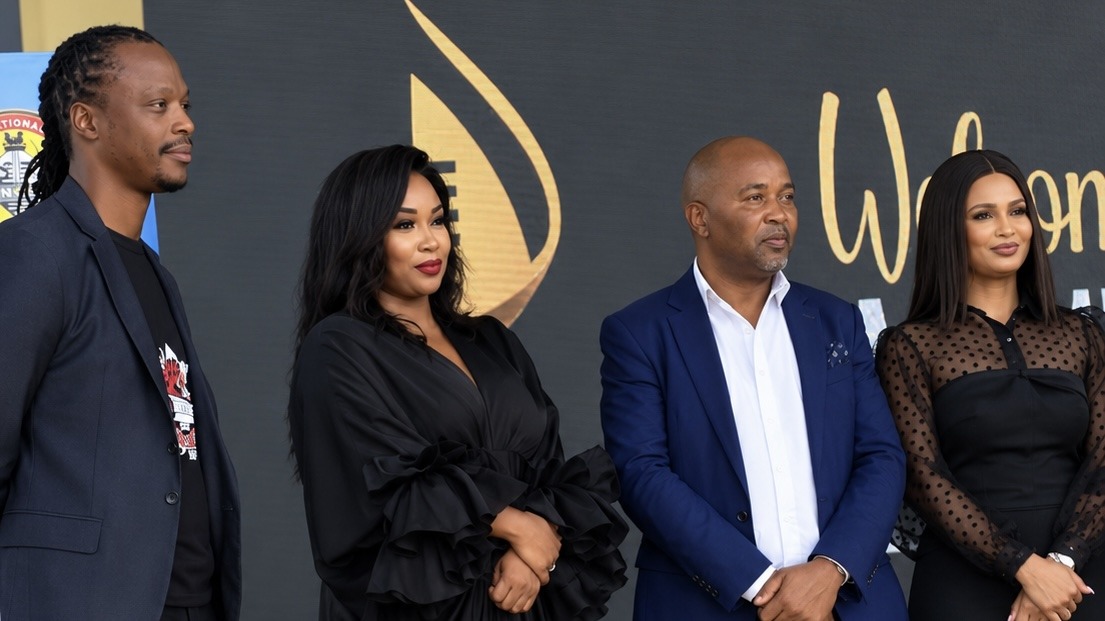


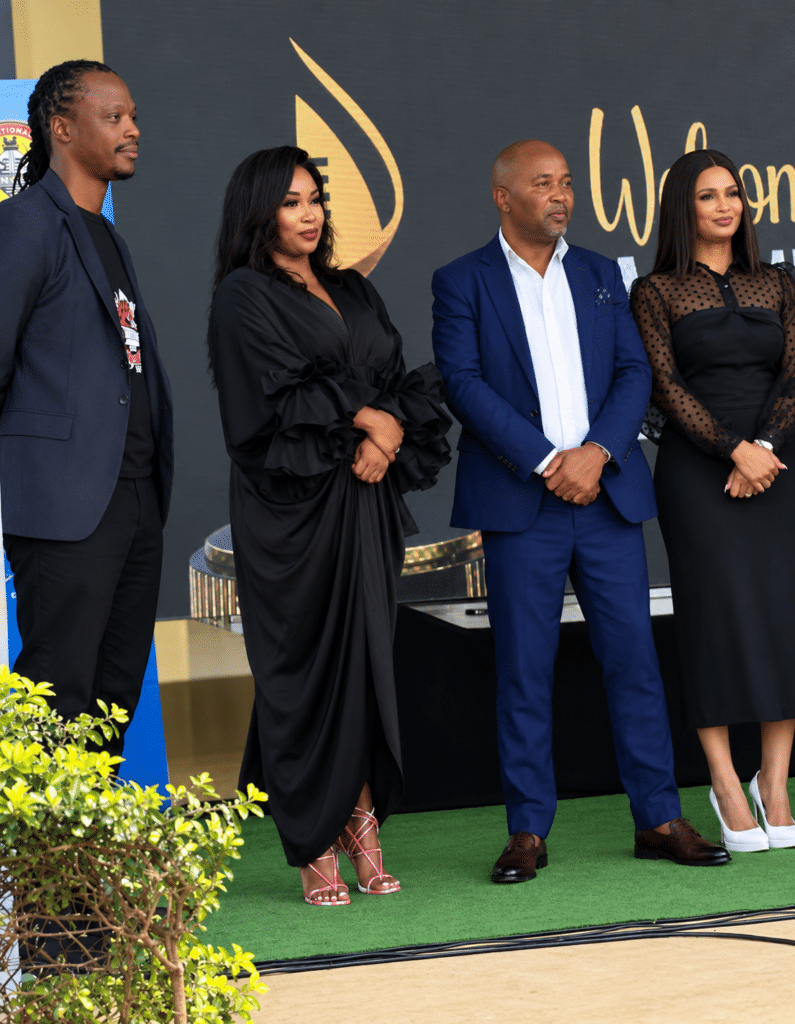

The new leadership of the Eswatini National Pageant Association says it is prioritising the rebuilding of the Miss Eswatini brand over rushing to host a pageant, with a focus on restoring credibility, attracting strategic corporate partnerships and developing contestants into capable national ambassadors.
Khethiwe Alexander, Marketing and Communications Manager of the Eswatini National Pageant Association and National Director of the Miss Eswatini Programme, says the organisation’s ambition extends beyond crowning a queen to establishing a sustainable institution that creates opportunities for young women and delivers value to the country.
“Our mandate is not simply to host an event; our mandate is to rebuild a national brand,” Alexander said in an interview.
She explained that while hosting a pageant is an important milestone, building a credible institution requires deliberate investment in strategy, governance, brand development, contestant preparation and long-term partnerships.
The leadership, she said, is looking beyond the immediate excitement surrounding the pageant’s anticipated return to consider what Miss Eswatini should represent over the next five, 10 or 15 years.

“We are not interested in simply returning to the stage for the sake of saying that we have hosted an event. We want to return with a stronger brand, a better-developed programme, meaningful strategic partnerships and a clear value proposition for our contestants, sponsors and the nation,” she said.
Alexander maintained that the current approach should not be interpreted as a lack of progress, but rather as an effort to establish a solid foundation for sustainable growth.
…Brand Credibility Key To Sponsorship
A major priority for the Association is positioning Miss Eswatini as a credible platform capable of attracting and retaining corporate sponsors.
Alexander said companies increasingly look for more than event visibility when deciding where to invest their resources. They want to understand the value of a partnership, its relevance to their audiences and the potential returns on their investment.
“For Miss Eswatini to attract serious, long-term partnerships, we must demonstrate what the brand stands for, what it can deliver and how it aligns with the strategic objectives of potential partners,” she said.

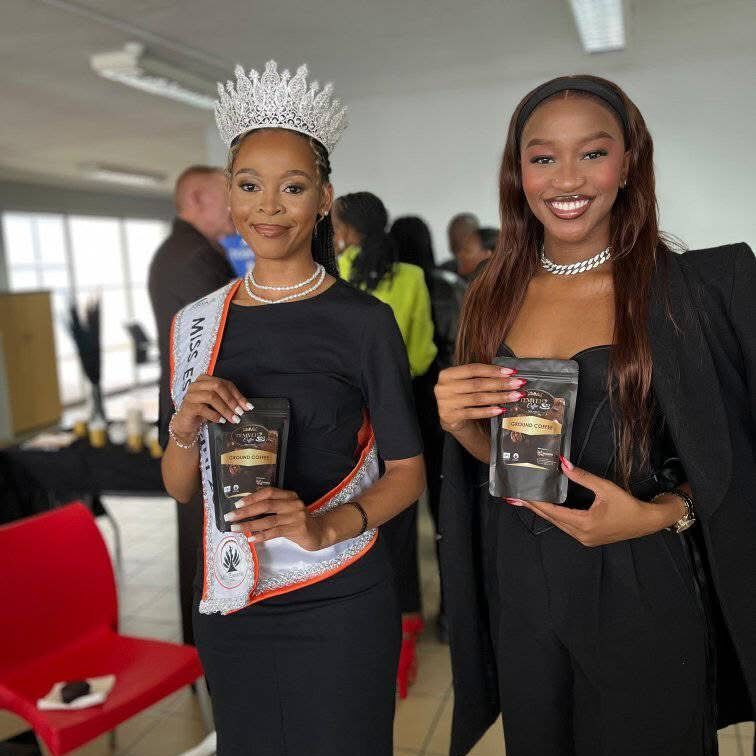

She believes the programme has the potential to extend beyond a traditional beauty competition by creating opportunities in youth development, women’s empowerment, tourism promotion, entrepreneurship and the international positioning of Eswatini.
Realising that potential, however, requires a deliberate approach to brand identity, stakeholder engagement, communications, governance and commercial partnerships.
The Association wants to build a brand that businesses are proud to associate with, partners see value in supporting and the public can trust.
Alexander cautioned against measuring progress solely by whether an event has taken place, arguing that an organisation could successfully host a pageant without addressing the structural weaknesses that limit its long-term impact.
“We can host an event, crown a queen and generate a few days of publicity, but if we have not strengthened the brand, attracted sustainable partnerships or created a better development pathway for our contestants, what exactly have we advanced?” she asked.
Developing Ambassadors Beyond The Crown
Beyond brand positioning, the Association wants to strengthen the development of contestants so that they are equipped for responsibilities extending beyond the pageant stage.
Alexander said a Miss Eswatini titleholder carries the country’s name, identity and reputation, making it essential for the programme to prepare young women to represent the nation confidently and professionally.
The proposed development approach would include practical skills in public speaking, leadership, financial literacy, entrepreneurship, diplomacy, cultural representation and international engagement.
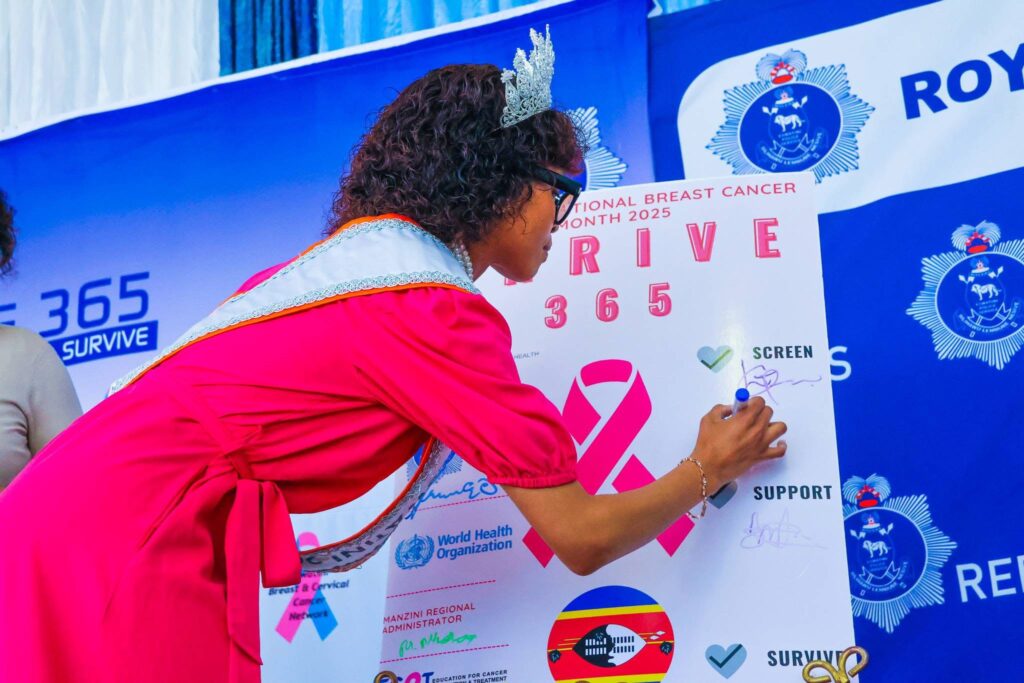
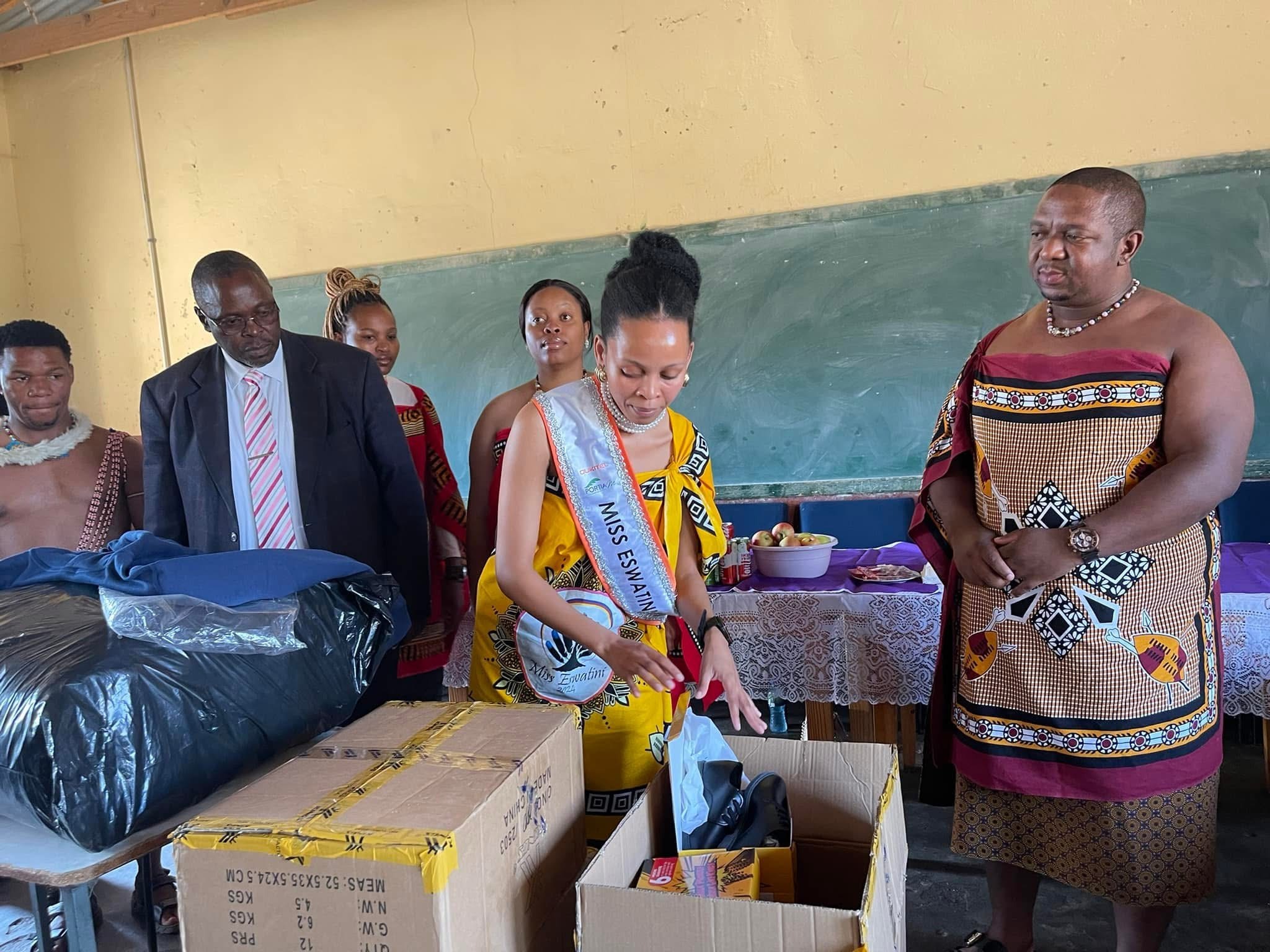
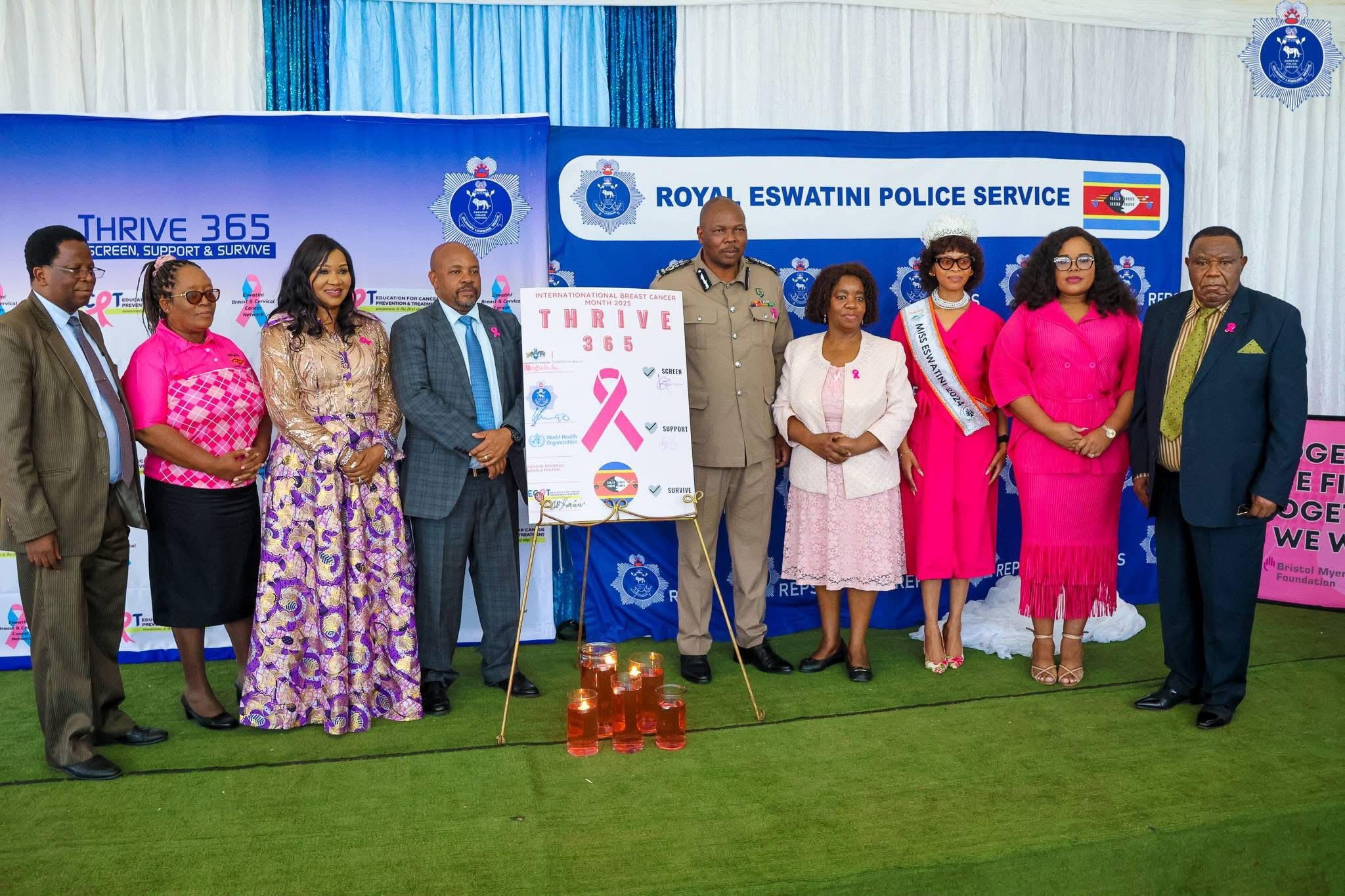
The objective is to produce young women who can engage effectively with stakeholders, articulate ideas, advocate for meaningful causes and identify opportunities that benefit their communities.
“Beauty may introduce a young woman to the platform, but her knowledge, character, competence and ability to create impact determine the value she brings to it,” Alexander said.
She added that the Association ultimately wants Miss Eswatini to become a credible development platform that prepares young women for leadership, professional advancement and national representation.
International Exposure Must Deliver Value
International pageant participation remains part of the programme’s ambitions, but Alexander said the Association wants to ensure that representatives are adequately prepared before competing abroad.
She distinguished between simply attending an international competition and participating with a genuine prospect of competing effectively.
According to Alexander, successful international representation requires investment in mentorship, training, wardrobe, presentation, communications, sponsorship support and a well-defined participation strategy.
“Our ambition is not simply to have Eswatini represented in an international competition. Our ambition is to prepare representatives who can compete with confidence, meet international standards and pursue the crown with a genuine competitive advantage,” she said.
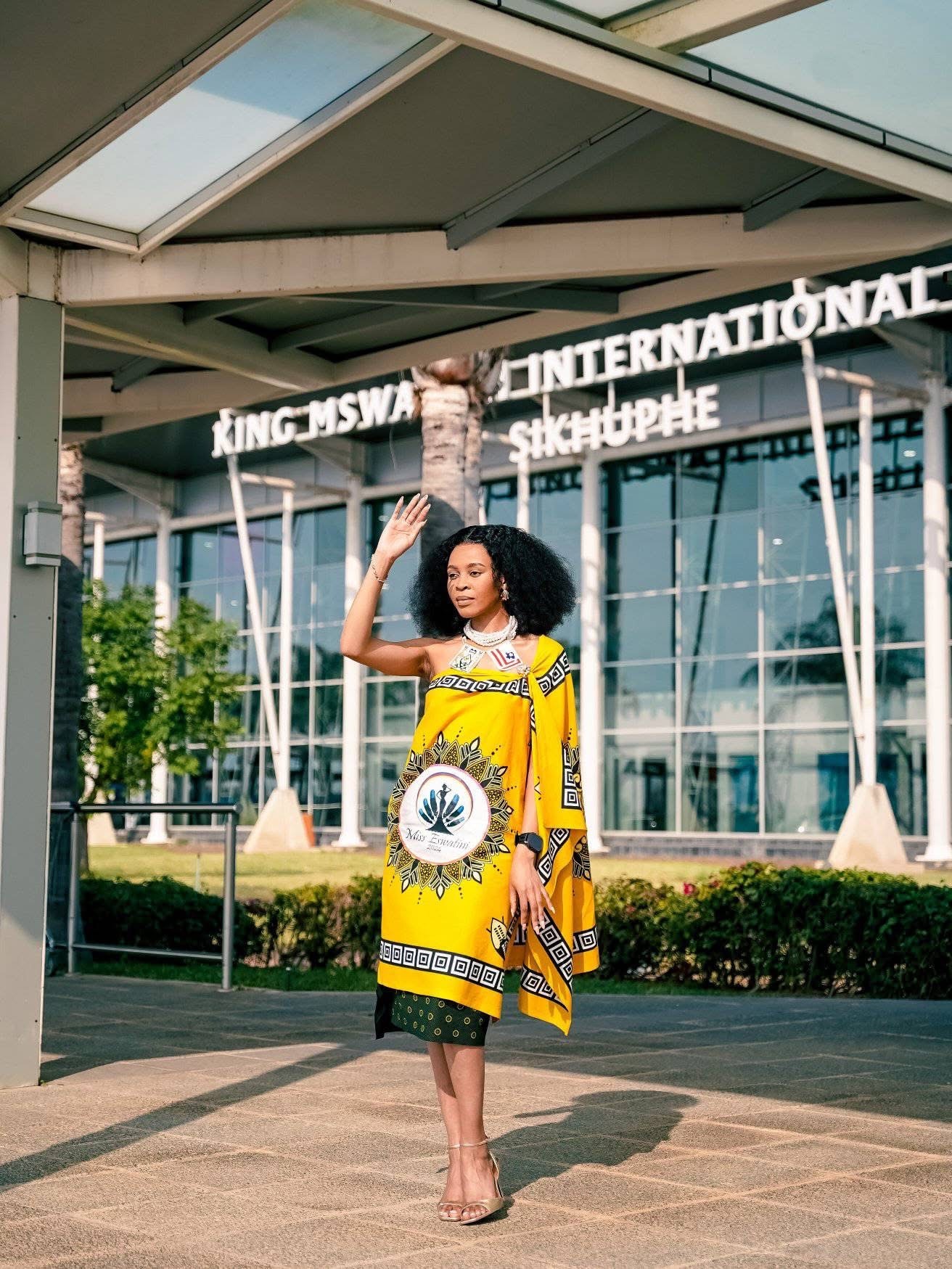
She argued that international success should emerge from a strong national programme rather than become an attempt to compensate for shortcomings in contestant preparation or institutional support.
Alexander also acknowledged that international pageants can provide opportunities to promote Eswatini’s tourism, culture, fashion and creative industries. However, she said such participation must be guided by clear objectives and measurable outcomes.
Where public funds or taxpayer-funded support are involved, she emphasised the importance of accountability, sound planning and demonstrating the anticipated national benefit.
“Visibility has value, but visibility without a clear strategy does not automatically translate into meaningful national benefit,” she said.
She added that the Association was not dismissing international participation, but advocating for an approach that is purposeful, adequately supported and capable of creating value for the country.
Building Public Confidence and Economic Opportunities
The Association is also looking to maintain public interest while its brand development work continues.
Alexander said the period before the pageant’s return presents an opportunity to engage the public, strengthen stakeholder relationships, establish strategic partnerships and develop the framework needed to support contestants.
She acknowledged the public’s emotional connection to Miss Eswatini, but maintained that long-term institutional development should take precedence over pressure to meet immediate expectations.
“A rushed event may temporarily satisfy public anticipation, but a well-developed institution has the potential to serve generations of young women,” she said.
She encouraged the public to participate in the rebuilding process and support efforts to establish a pageant brand that reflects the country’s aspirations.






Alexander also highlighted the potential economic benefits of a well-managed national pageant, including opportunities for designers, photographers, event professionals, hospitality businesses, media practitioners and other players in the creative economy.
In her view, these opportunities require professional management, planning and partnerships rather than the staging of an event alone.
The Association’s priorities include establishing a clear brand identity, building partnerships with organisations aligned with its vision, strengthening contestant development and positioning Miss Eswatini as a contributor to tourism, youth development, women’s empowerment and economic opportunity.
Alexander said these priorities were interconnected, with a credible brand capable of attracting stronger partners, creating better opportunities for contestants and strengthening the country’s reputation.