


The runway at the 2026 Standard Bank Luju Food andLifestyle Festival became more than a stage for fashion, it transformed into a living celebration of African identity, craftsmanship and cultural storytelling as award-winning South African designer Mzukisi Mbane captivated audiences with a collection that honoured heritage while reimagining the future.
Headlining the festival’s celebrated Fashion Café programme on the second day of the festival at House on Fire, Mbane delivered a masterclass in Afro-futurism, seamlessly weaving history, tradition and innovation into garments that reflected this year’s compelling theme, “Kwasukasukela – A Return to the African Future.”
Every silhouette, textile and intricate detail reflected a journey through time, inviting audiences to reconsider the stories woven into African fashion. Rather than simply presenting garments, Mbane curated an experience that demonstrated how clothing can become a powerful archive of memory, identity and belonging.
The acclaimed designer, founder and creative director of Imprint South Africa, said his collection was inspired by one fundamental question: Who are we, and where do we come from?
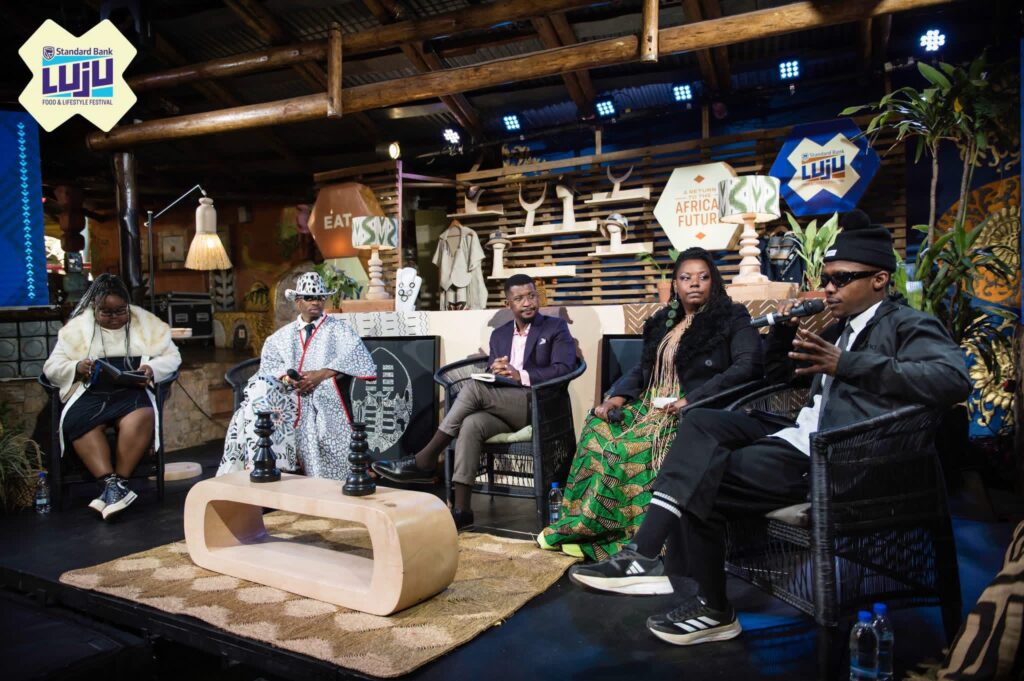
“My inspiration comes from who we are and where we come from,” Mbane said. “African fashion is beautiful, highly inspired and creative. Everyone is unique, and through fashion we are able to express those stories.”
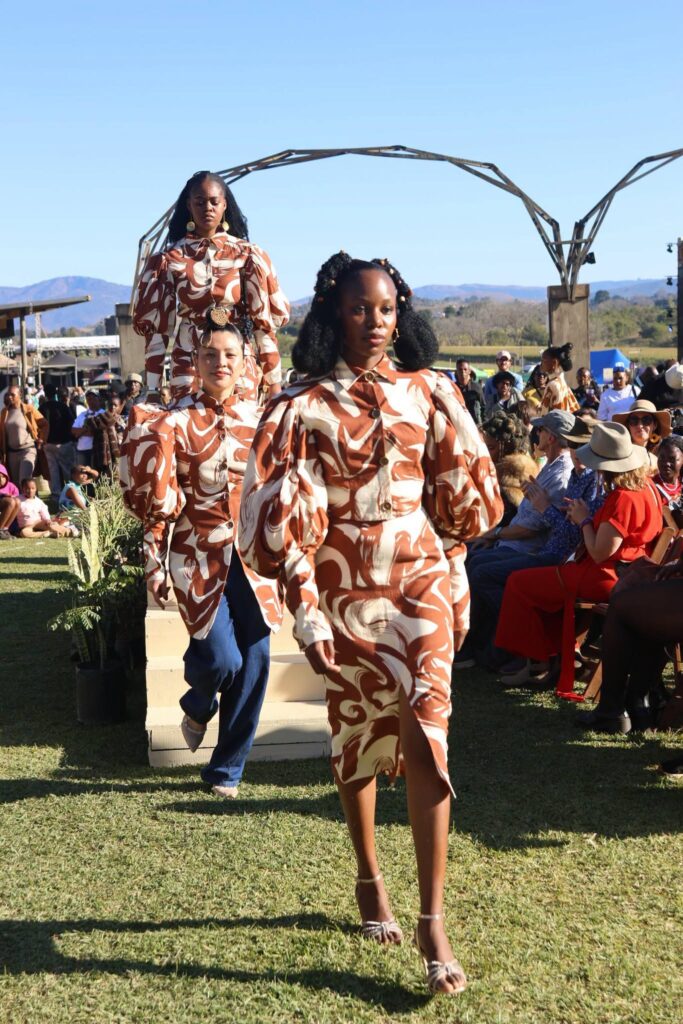
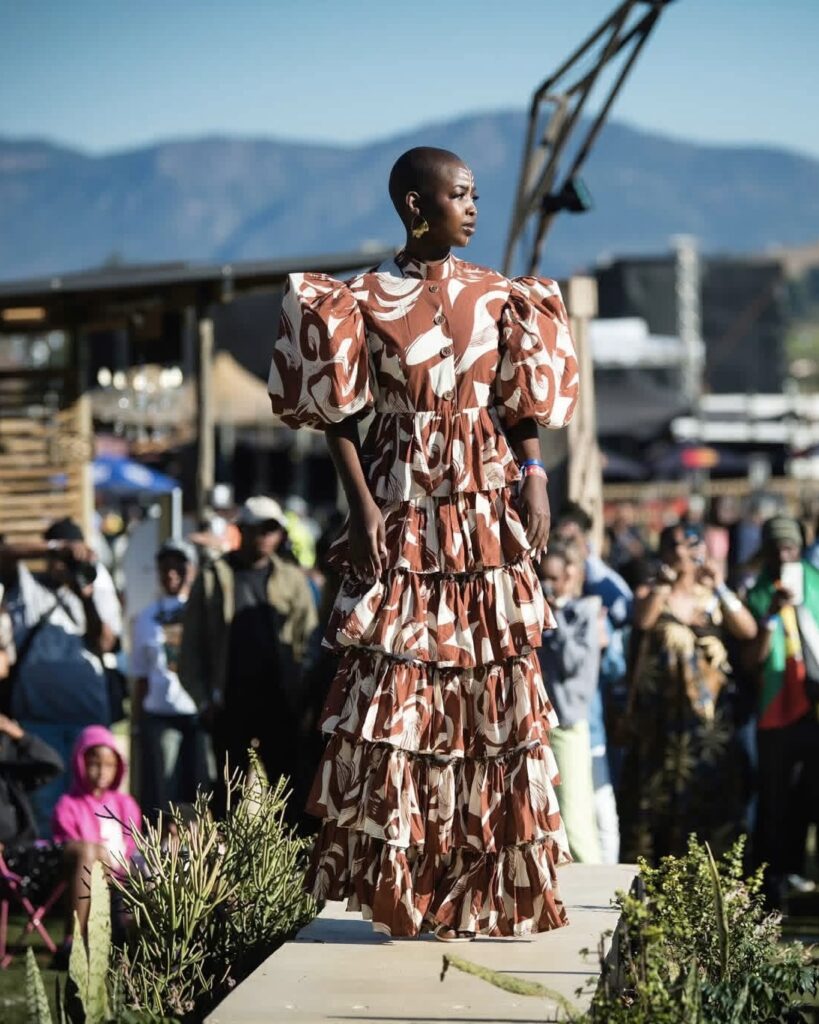
His collection embodied that philosophy, presenting bold structural prints, rich textures and contemporary tailoring infused with unmistakable African influences. Traditional motifs were thoughtfully reinterpreted through modern design, creating garments that celebrated both ancestry and progress.
Fresh from winning Africa Fashion Up 2026 and being recognised as South Africa’s Best Heritage and Cultural Designer, Mbane arrived in Eswatini at the peak of his creative journey. Yet despite the accolades, his focus remained firmly on storytelling.
For Mbane, fashion extends far beyond aesthetics.
It serves as a bridge between generations, preserving history while encouraging new conversations about culture and identity. His work reflects the belief that every design should leave a meaningful imprint, an ethos embedded within his brand philosophy, “Leave a Mark.”
That philosophy resonated throughout the Luju runway as models moved gracefully beneath the festival’s iconic setting, transforming the catwalk into a cultural canvas where African narratives unfolded through colour, craftsmanship and movement.
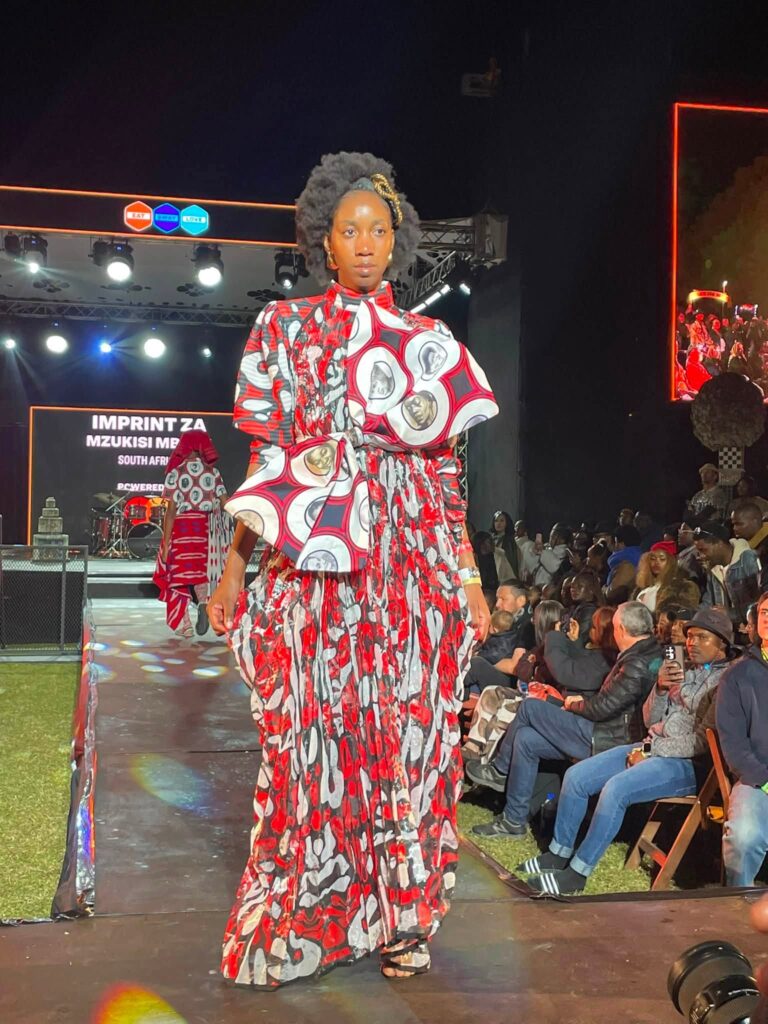
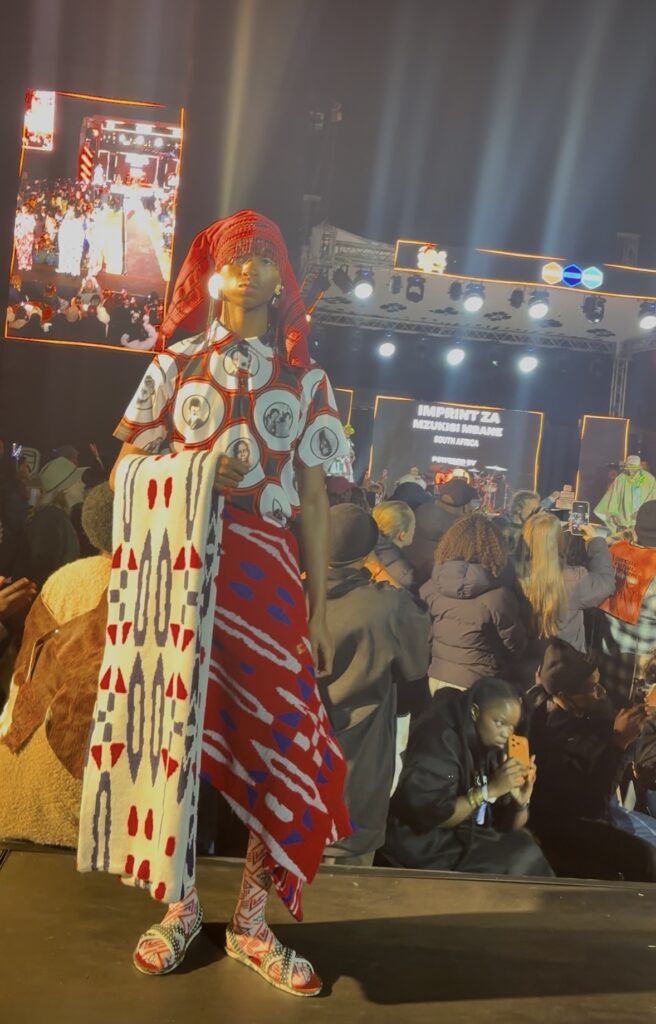
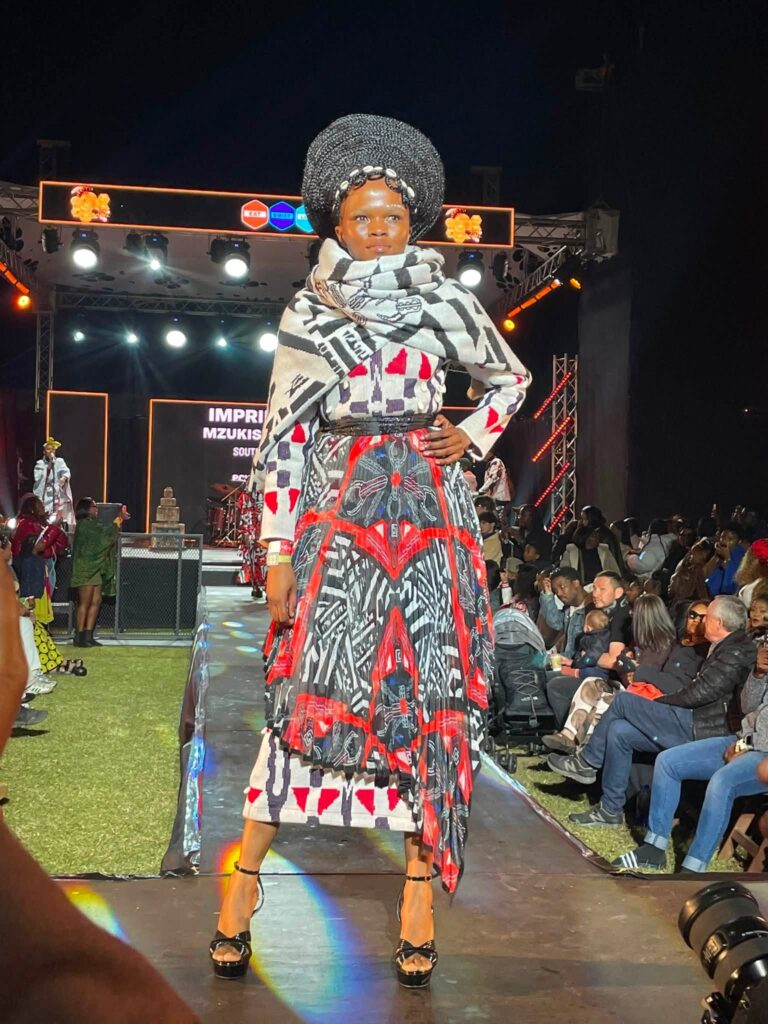
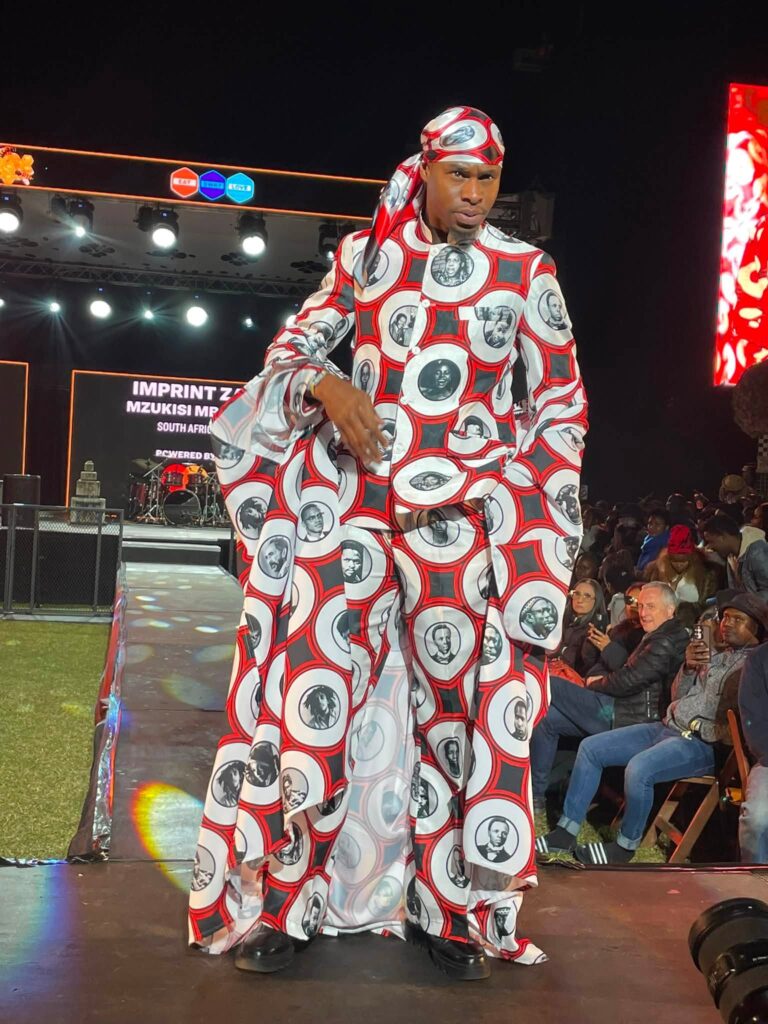
The showcase perfectly complemented Luju’s vision of positioning fashion alongside food, music and art as an essential expression of African creativity.
While Mbane’s headline collection captivated audiences, the Fashion Café Pop-Up Runway also shone a spotlight on the remarkable depth of creative talent emerging from Eswatini and across the region.
Throughout the weekend, designers interpreted the festival’s theme in diverse and deeply personal ways, demonstrating how fashion continues to evolve while remaining rooted in culture.
Among those presenting collections was Philisiwe, founder of Philz Designs, whose creations embraced elegance while celebrating African craftsmanship. Zikode Zwane of Flow Wears introduced bold contemporary pieces that blended modern styling with cultural influences, while Sinakekelwe Mhlanga, the creative force behind Uniquity, presented distinctive garments celebrating individuality through artistic design.
Designer Nomfundo Simelane of Karo Textiles reflected on the significance of working within the festival’s theme, explaining that “Kwasukasukela” challenged creatives to reconnect with African heritage and use fashion as a medium for preserving stories that might otherwise be forgotten.
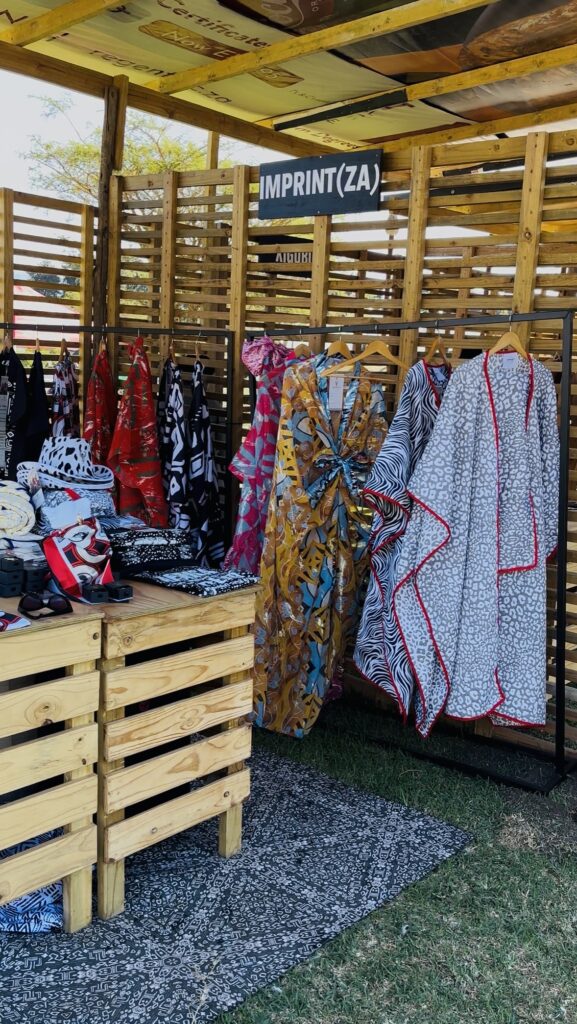
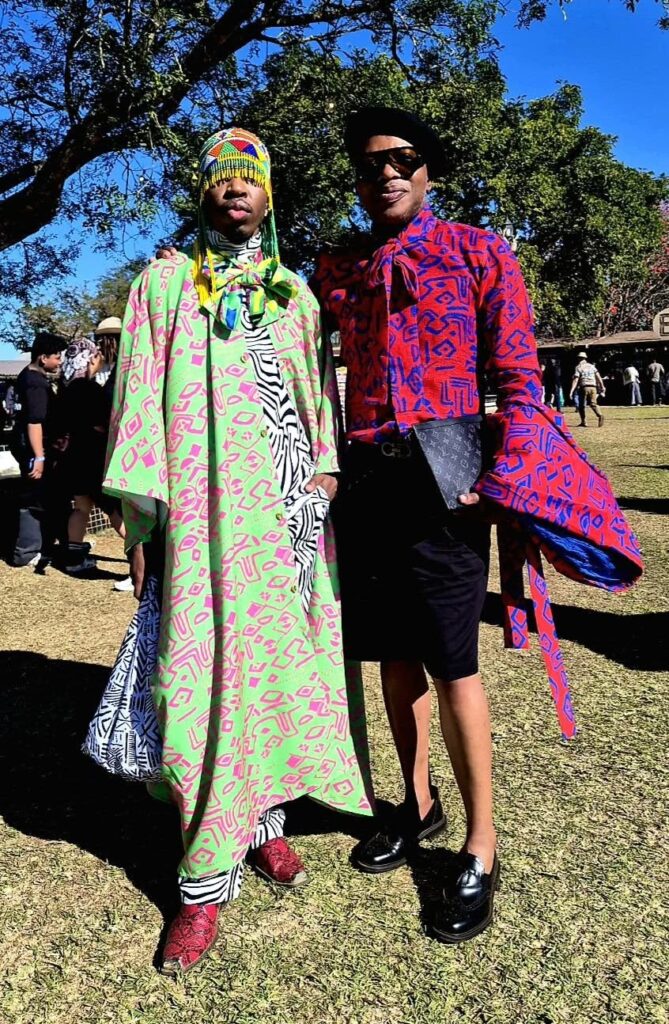
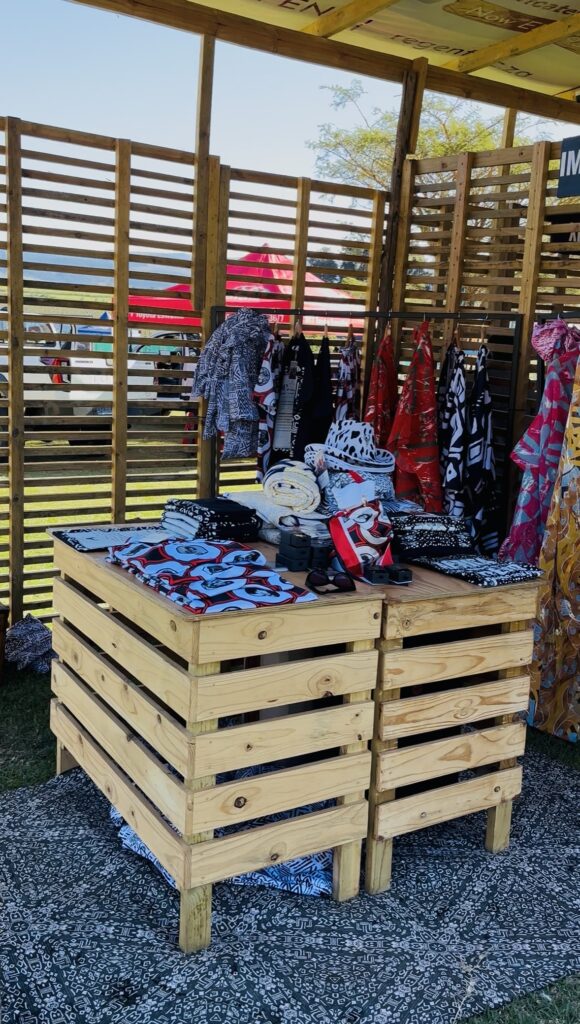
Her sentiments echoed throughout the Fashion Café, where every collection explored different dimensions of identity, tradition and imagination.
The programme also reinforced Luju’s commitment to nurturing the next generation of fashion professionals.
Regional designer King Levi of XIGUBO from Mozambique joined the prestigious line-up, while twelve emerging Eswatini designers, including Zen Shiva of Zerushi, presented collections developed through Luju’s expanded Fashion Programme, which provides mentorship, technical guidance and invaluable industry exposure.
For many of the participating creatives, the festival represented an important milestone in their professional journeys.
The runway equally became a platform for emerging models to build experience and confidence before an international audience.
Model Welile Matsebula, who showcased garments designed by Batfobile, described the event as her third professional runway appearance, reflecting on how opportunities like Luju continue to shape her growth within the industry.




Their presence underscored one of Luju’s defining strengths: creating meaningful opportunities for local creatives to share their talent on a world-class stage while connecting with broader regional networks.
As the collections unfolded beneath House on Fire’s dramatic landscape, festivalgoers responded with enthusiastic applause, recognising not only the beauty of the garments but also the powerful narratives they carried.
Fashion at Luju has evolved into far more than entertainment.
It has become a cultural conversation, one where designers reinterpret folklore, celebrate craftsmanship and imagine new futures without abandoning the wisdom of the past.
At the 2026 Standard Bank Luju Food and Lifestyle Festival, every stitch became a story, every garment a celebration of heritage, and every designer a custodian of Africa’s evolving creative legacy.
Led by Mzukisi Mbane’s visionary collection and supported by an exceptional line-up of regional and local talent, the Fashion Café runway demonstrated that African fashion is not merely following global trends, it is confidently shaping its own future while remaining proudly rooted in its past.