

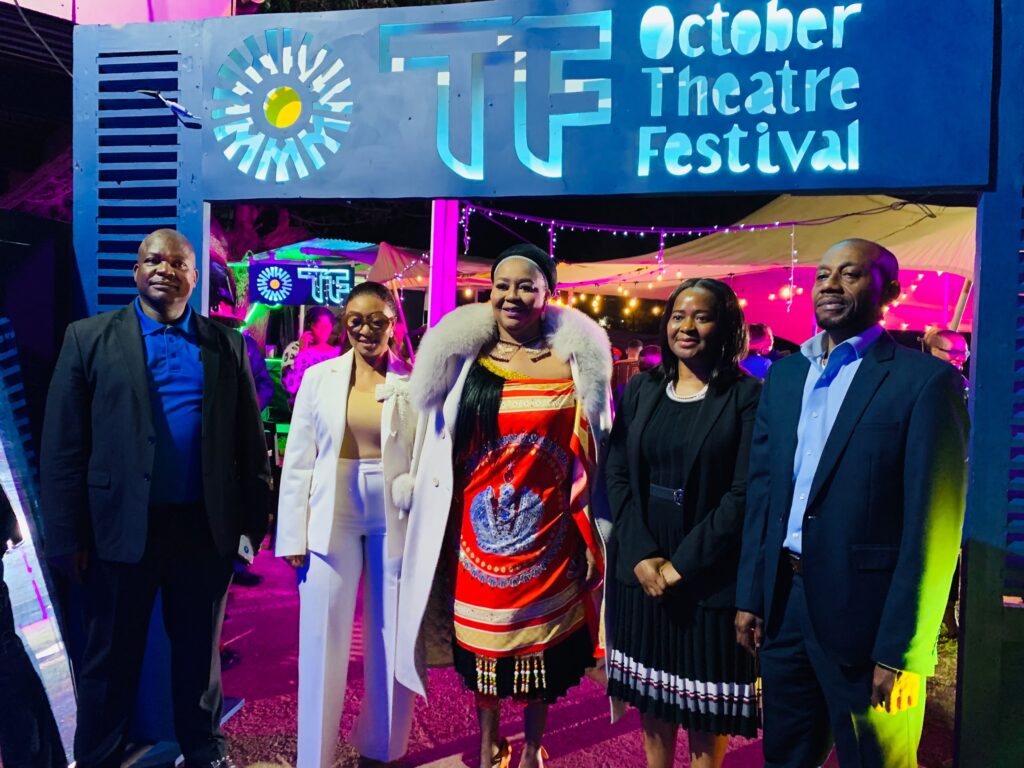

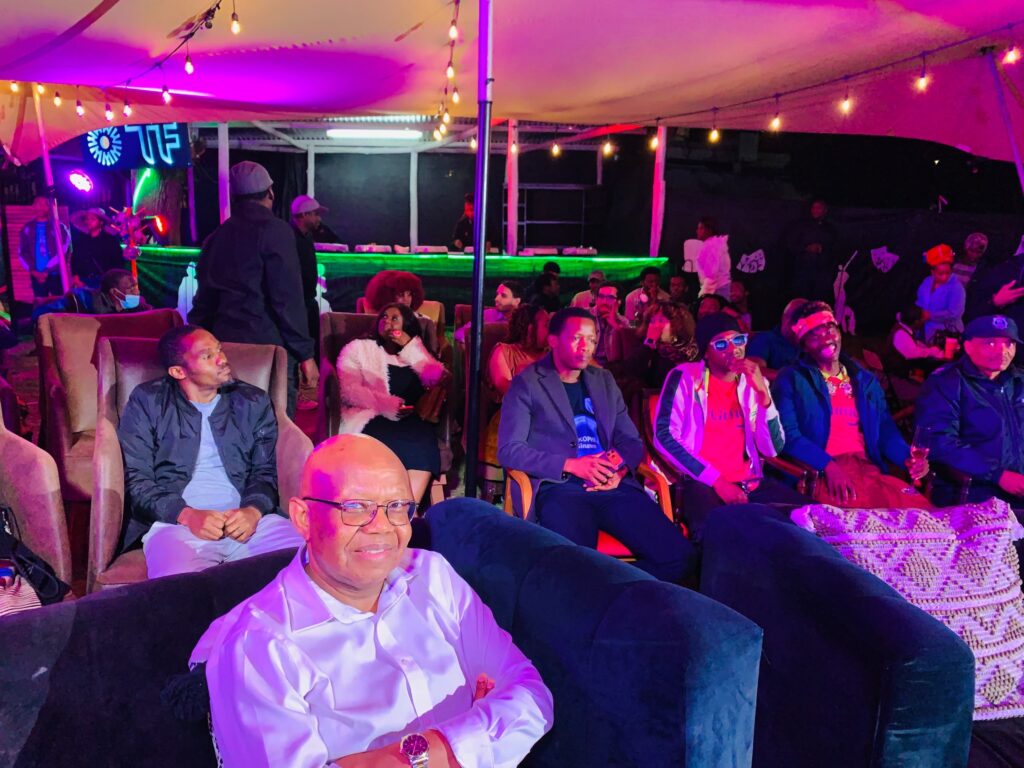
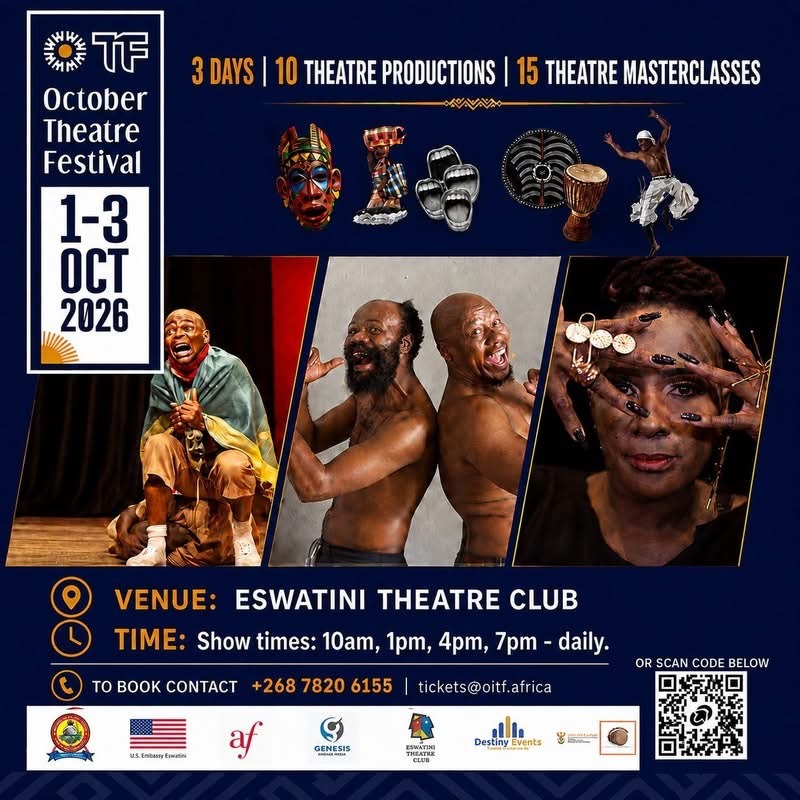
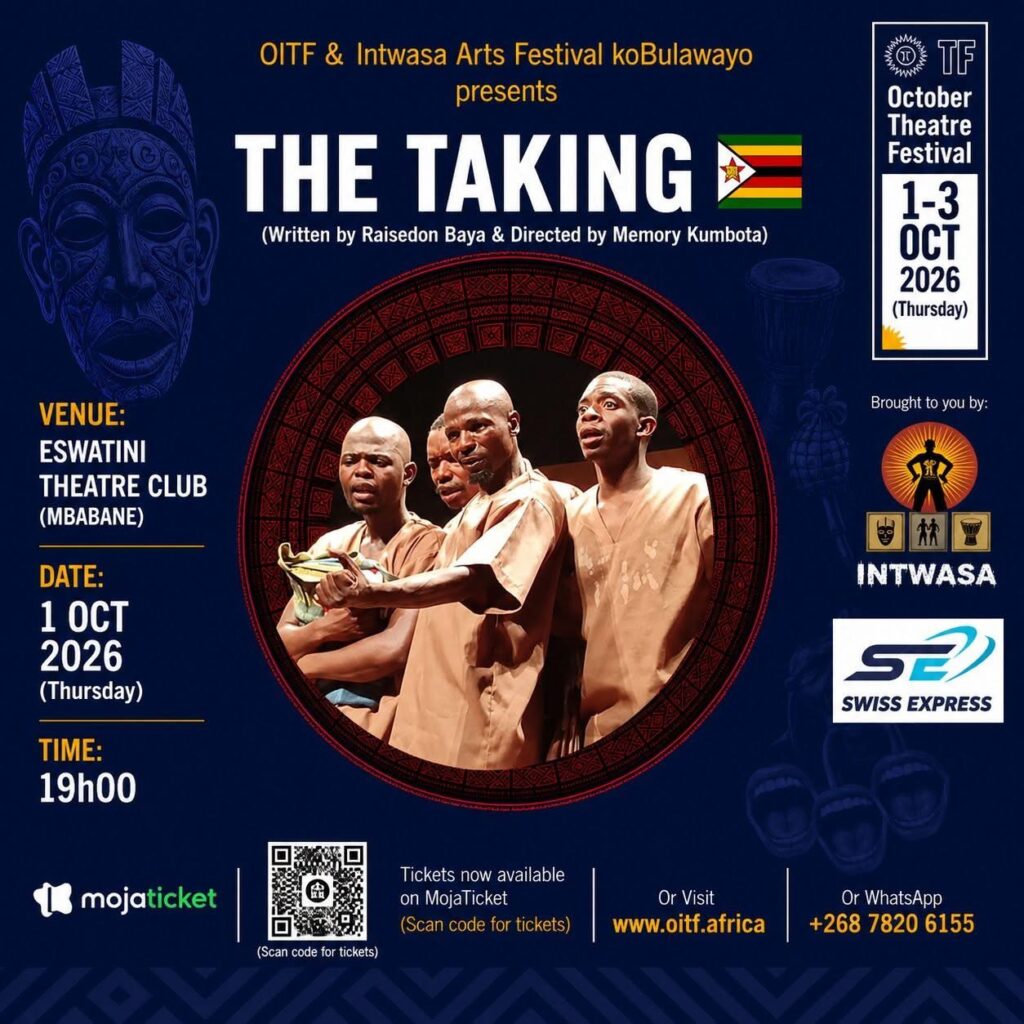
The October International Theatre Festival has been officially launched in Mbabane, with organisers and government representatives positioning the inaugural event as part of a wider revival of Eswatini’s theatre industry and the country’s creative economy.
The festival, launched last brings together artists, directors, writers, cultural practitioners and other creatives, while placing Mbabane at the centre of an international exchange of theatre, music, dance and visual art.
Speaking at the official launch, Minister for Foreign Affairs and International Cooperation Senator Pholile Shakantu, represented by Eswatini Tourism Authority Board Chairperson Penelope Mkhwanazi, said the festival had arrived at a significant moment for the country’s creative sector.
“The October Festival has come at exactly the right time, when our nation needs a revival of its theatre,” Shakantu said in remarks delivered by Mkhwanazi.
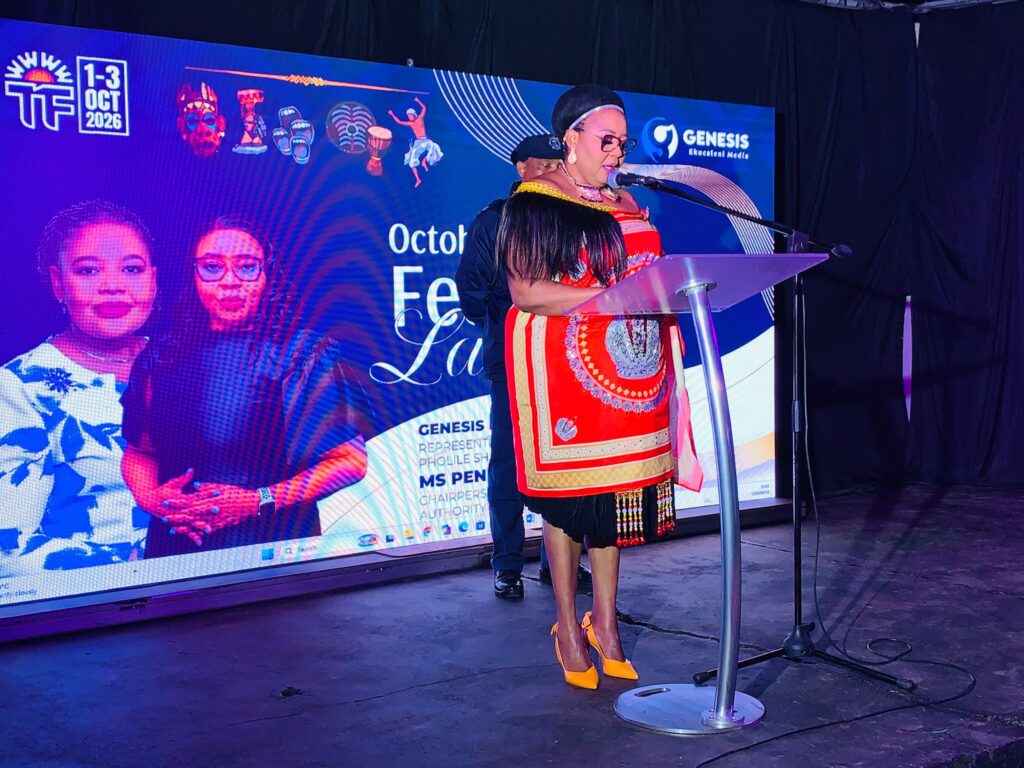
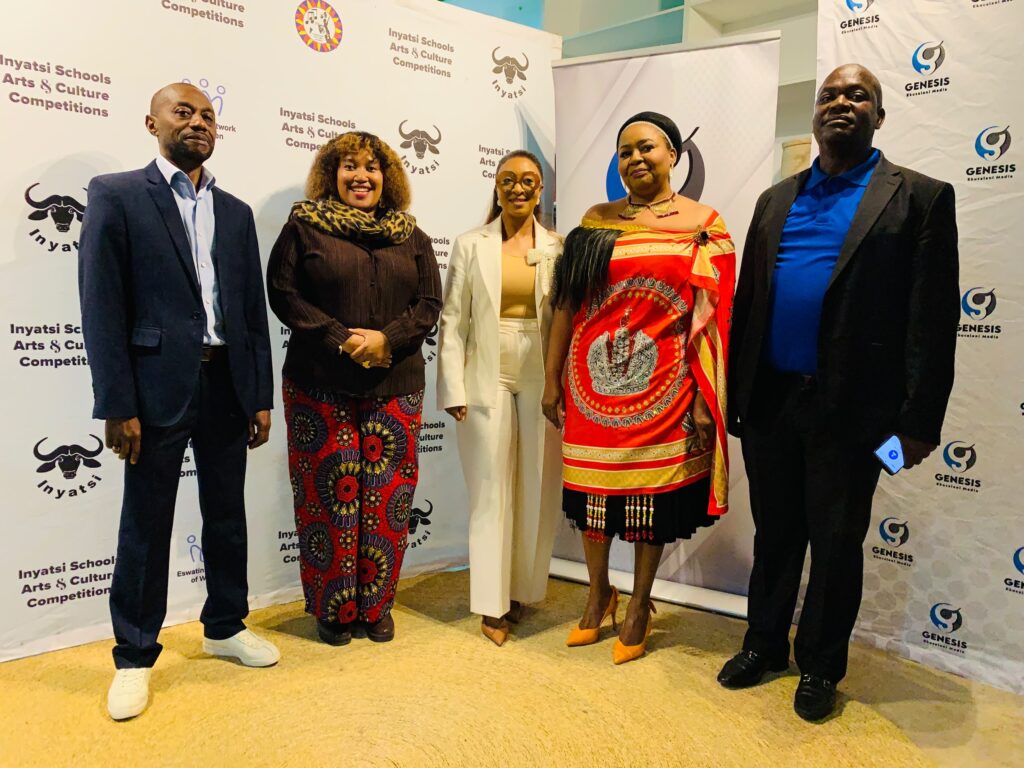
Her comments came as Mbabane Municipal Council CEO Gciniwe Fakudze welcomed the festival to the capital, describing theatre and the wider creative sector as important components of a modern and resilient city.
Fakudze said Mbabane was positioning itself not only as an administrative centre, but also as a dynamic smart city where development extended beyond infrastructure to include arts, culture and the creative economy.
She said hosting an international festival of this nature created opportunities for local artists to interact with international creatives, build collaborations and expose young people to the possibility of pursuing the arts as a viable career.
For Shakantu, the festival also connects with Mbabane’s long history with theatre.
Her remarks traced the country’s theatrical development from traditional forms of oral storytelling, music, dance and ceremonies through to the introduction of Western-style amateur drama and musical theatre during the colonial period.
Mbabane became an important centre for formal theatre, with the establishment of the Mbabane Theatre Club in 1963 providing a permanent space for rehearsals and performances.
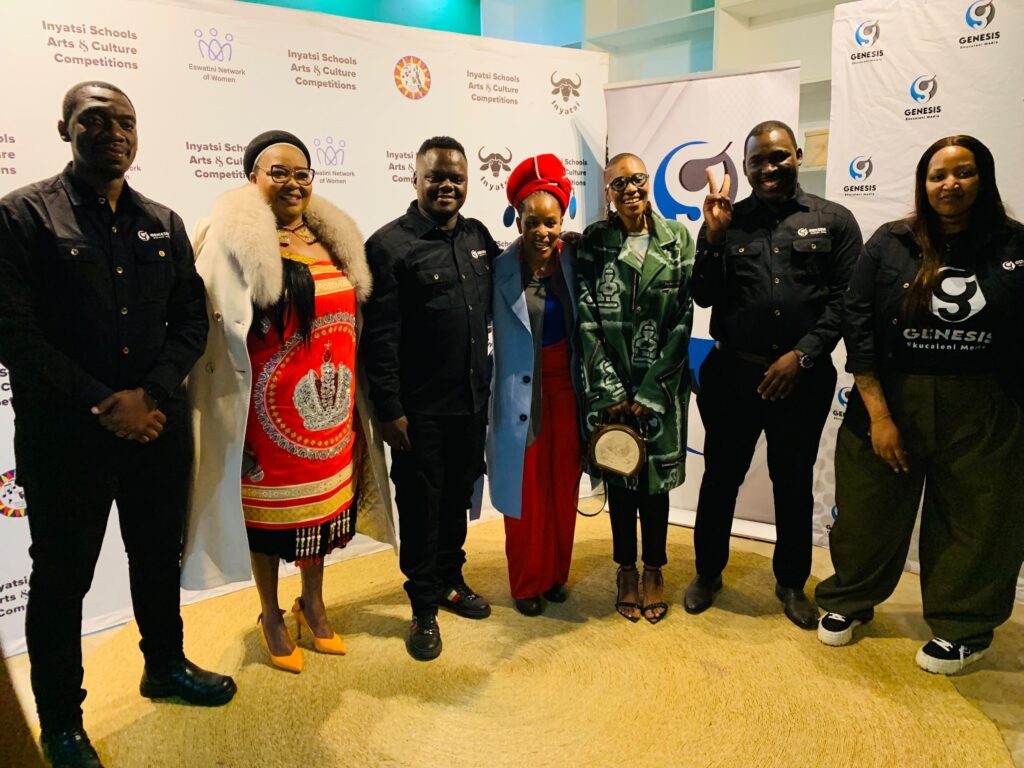

Productions staged through the years included works such as Macbeth and A Doll’s House, while theatre practitioners contributed in areas ranging from acting and directing to lighting and set construction.
However, Eswatini’s theatre history was not limited to productions influenced by European theatre traditions.
Shakantu highlighted the contribution of emaSwati creatives who used theatre to tell stories rooted in local language, culture and community life.
In 1989, Matiwane Manana established People’s Educational Theatre, while Modison Salayedvwa Magagula founded Siphila Nje Drama Society. These initiatives took theatre into schools, communities and Tinkhundla centres, helping to broaden access to performance and create opportunities for local audiences.
The history, according to Shakantu, continues today along Dzeliwe Street, formerly Johnson Street, where creative spaces including Bahle Gallery, Embiveni Meat Plaza and Genesis Ekucaleni Media contribute to an emerging creative corridor.
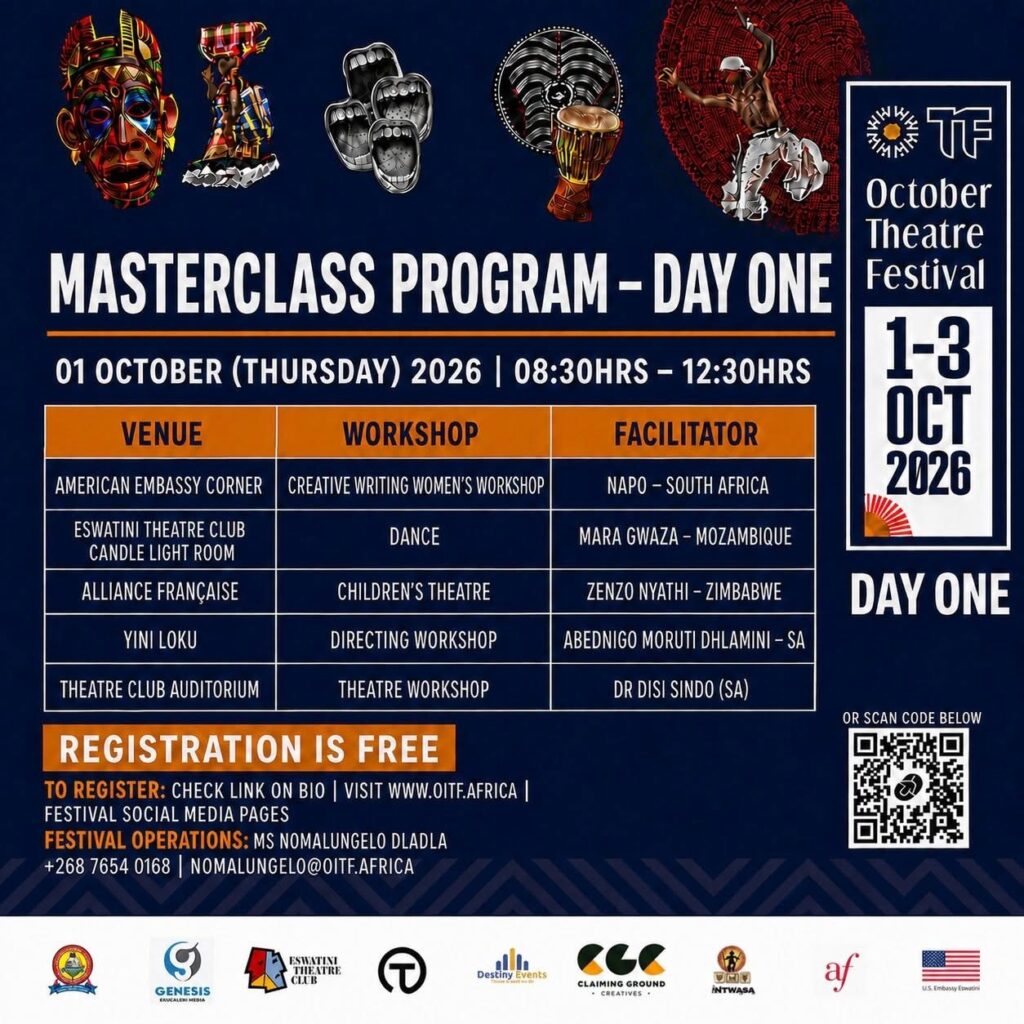
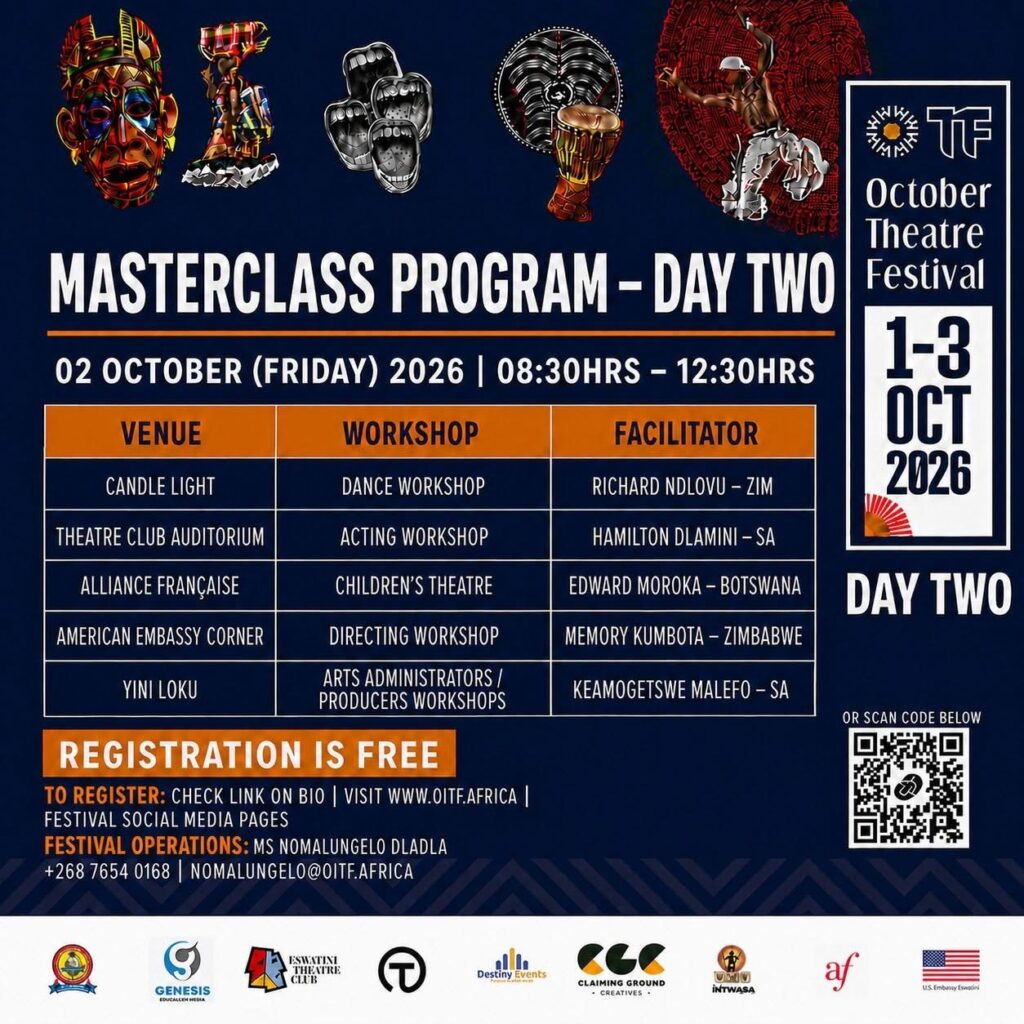
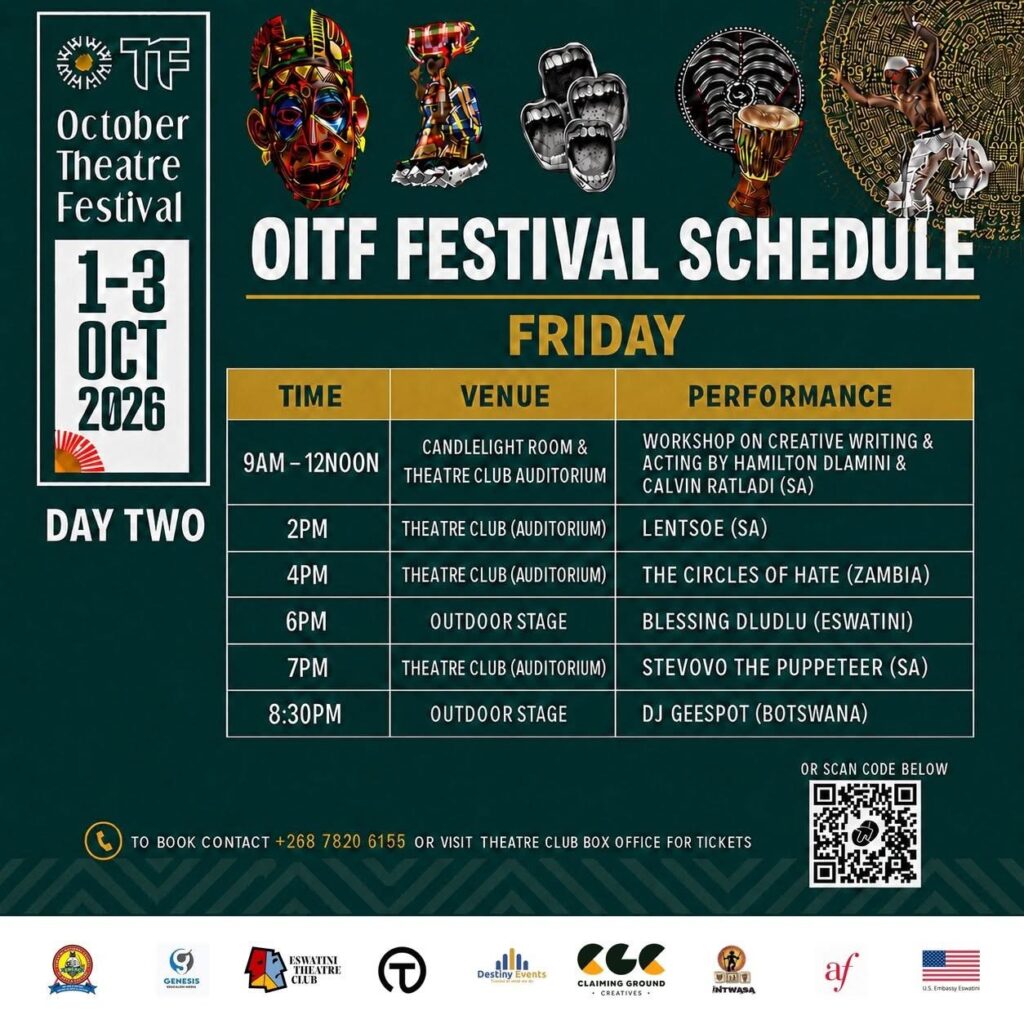
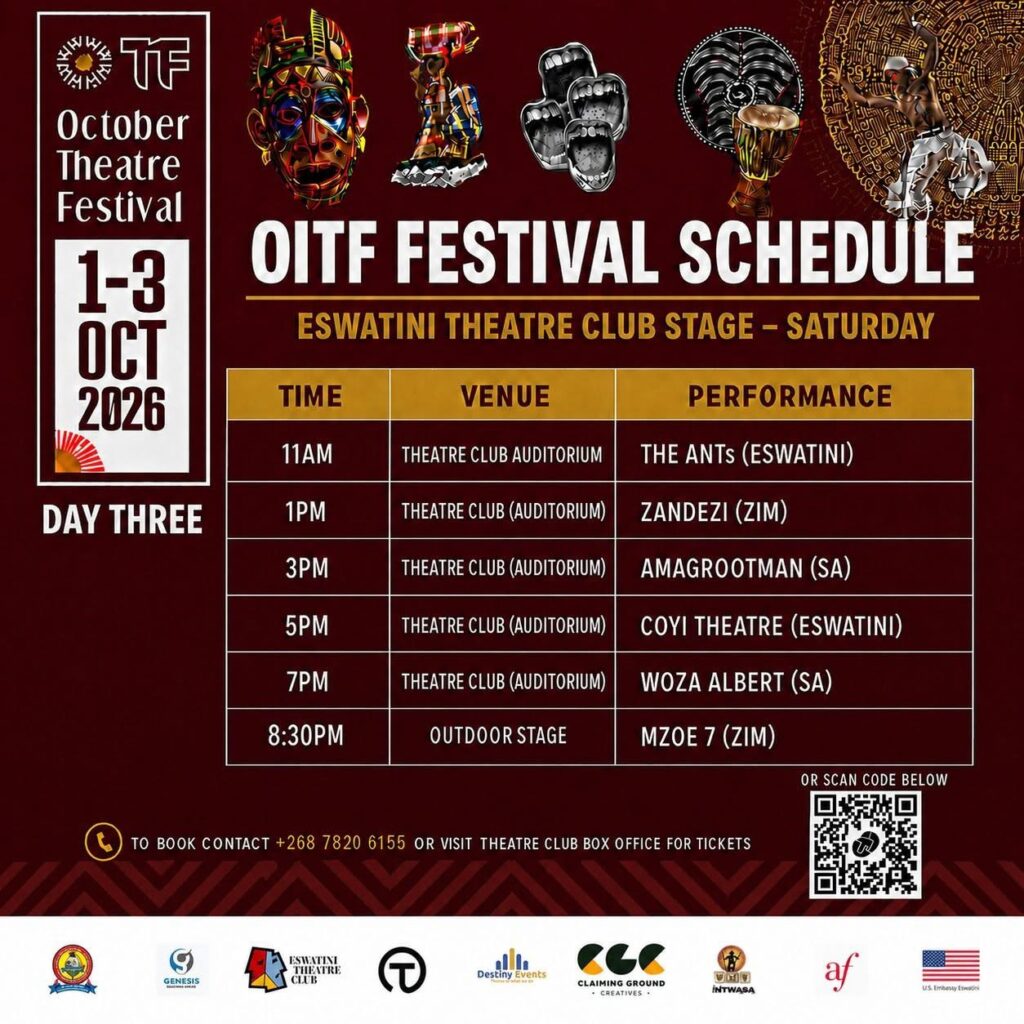
During the October International Theatre Festival, the street is expected to become an open stage, bringing together theatre, music, dance, visual art and community activity.
The festival also carries particular significance because of the recent opening of the International Convention Centre, which includes a state-of-the-art theatre.
Shakantu said the venue now required quality local productions capable of filling the space and making it ‘come alive’.
The October Festival could therefore provide more than a temporary programme of performances.
It could help create a platform through which local productions, performers and technical practitioners gain experience while audiences reconnect with theatre.
The festival’s international component is also expected to support skills development.
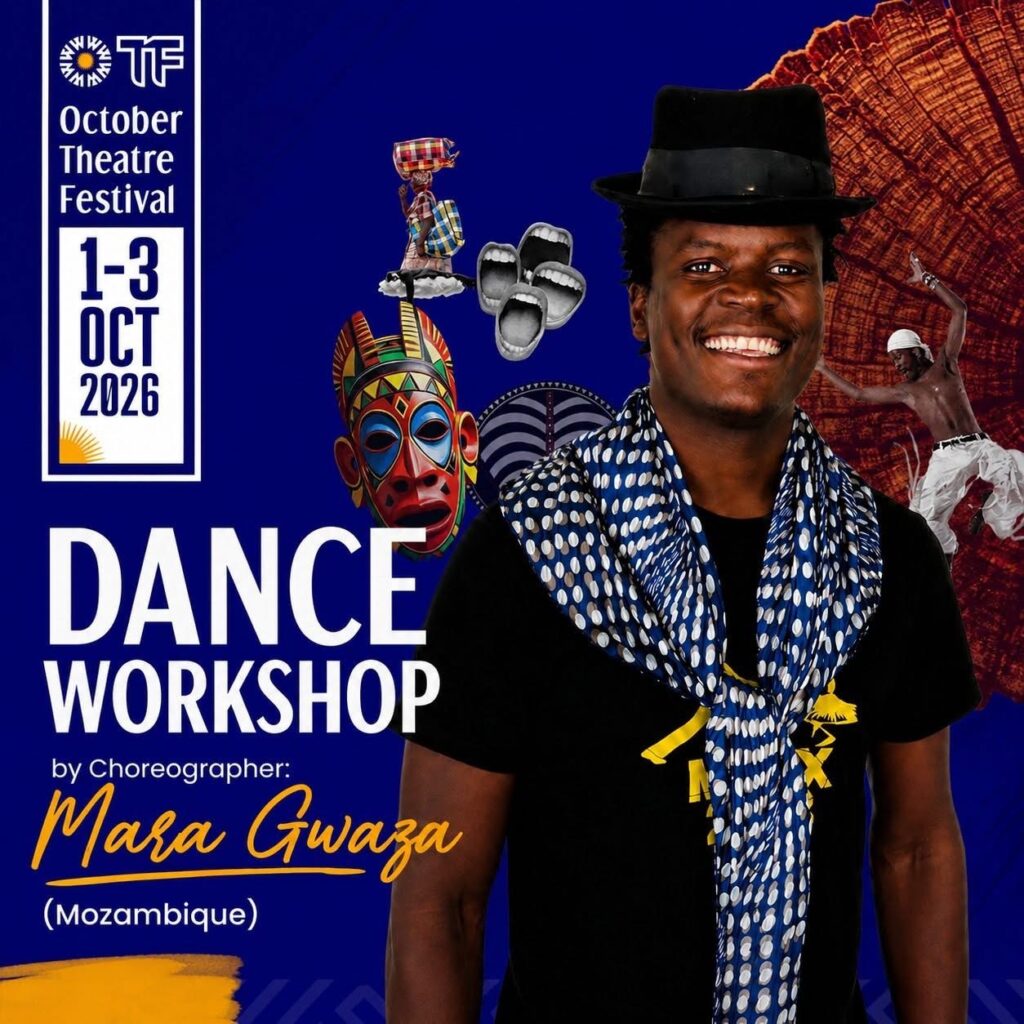
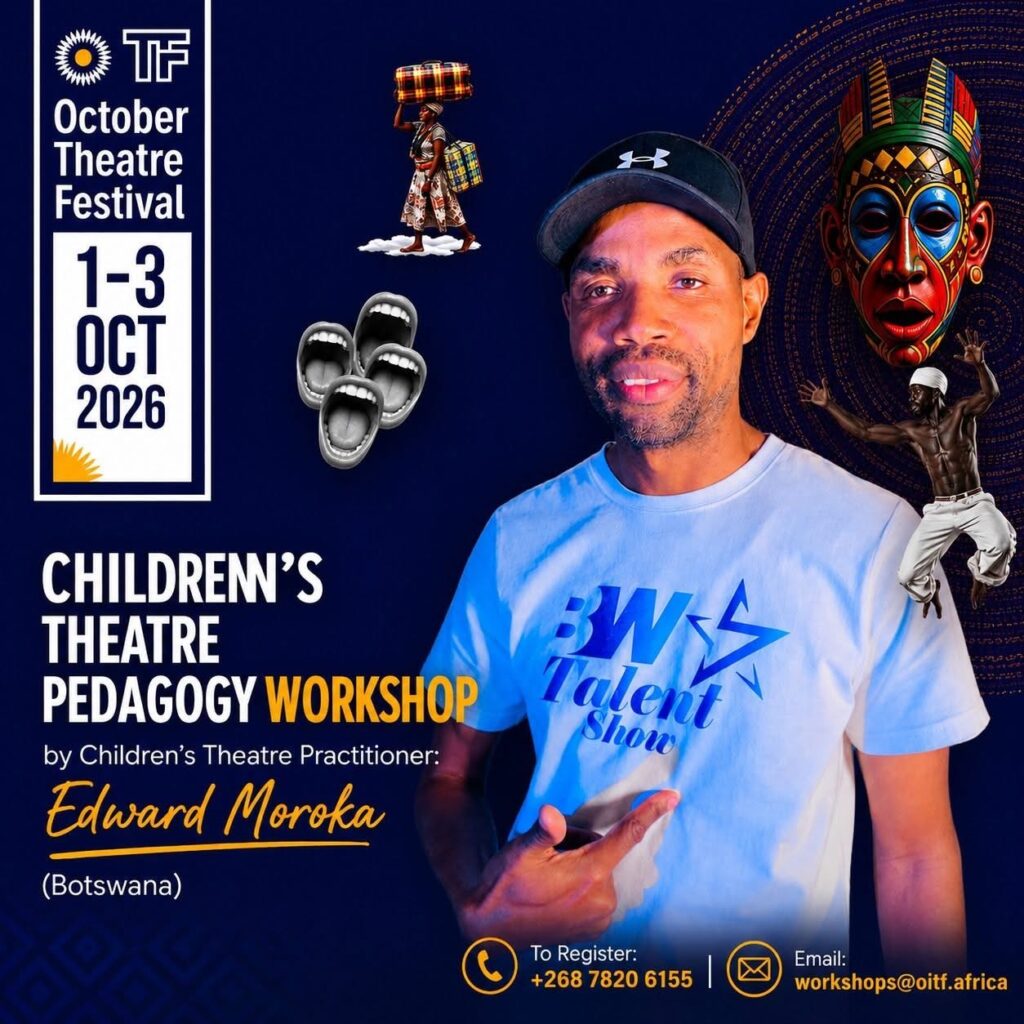
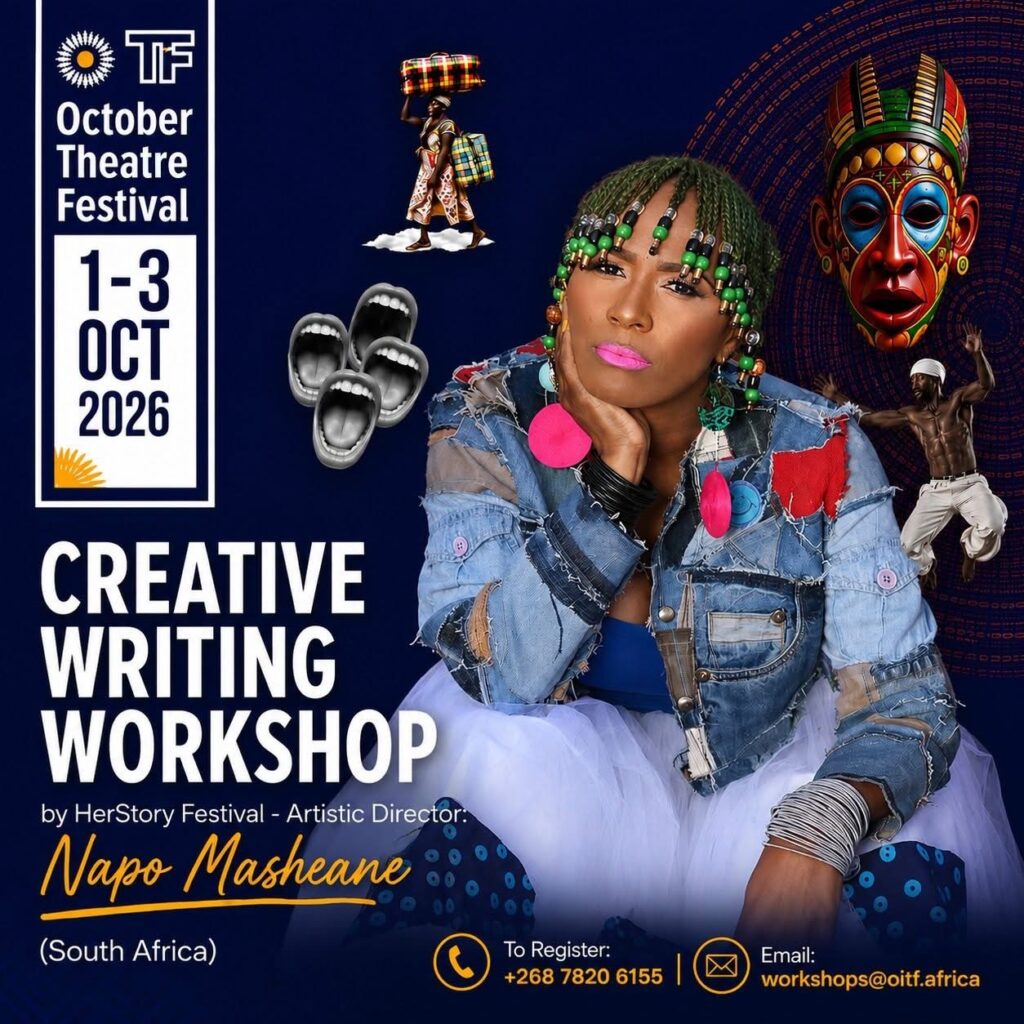
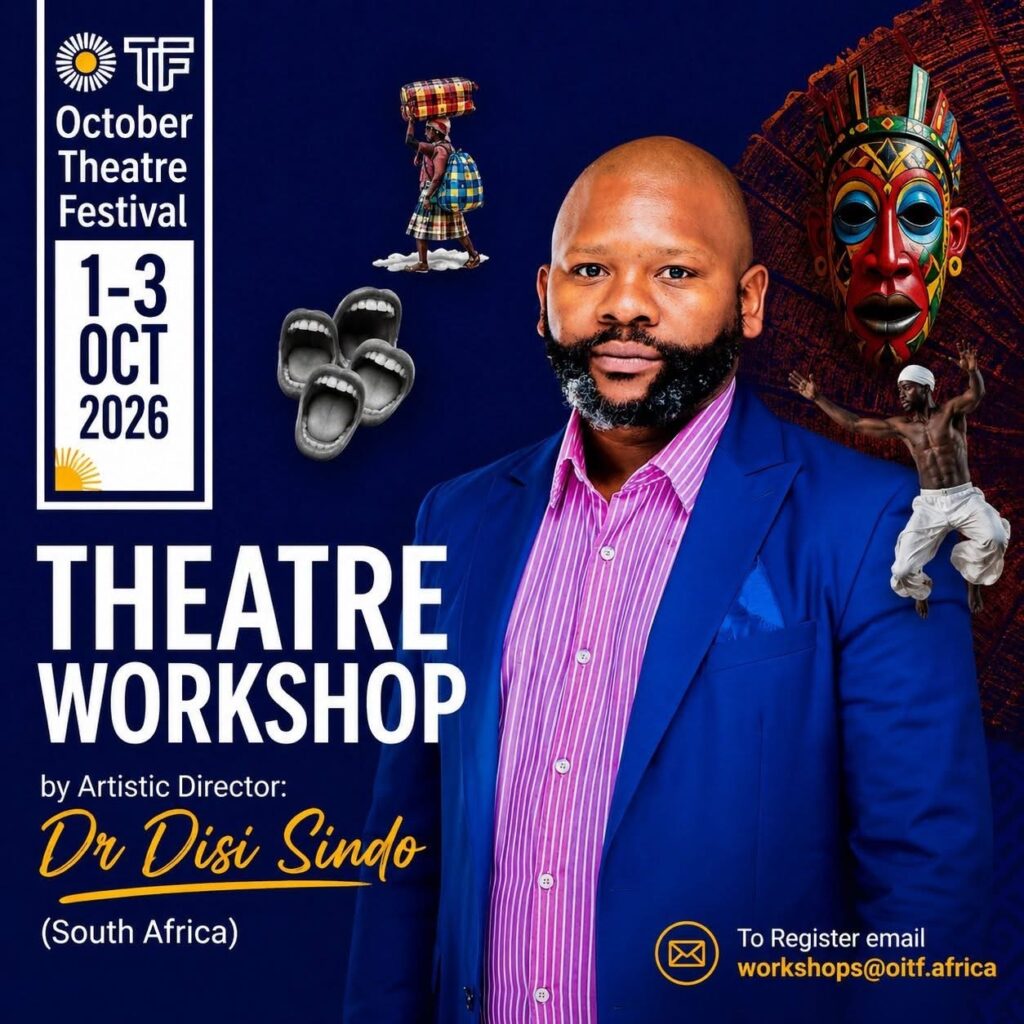
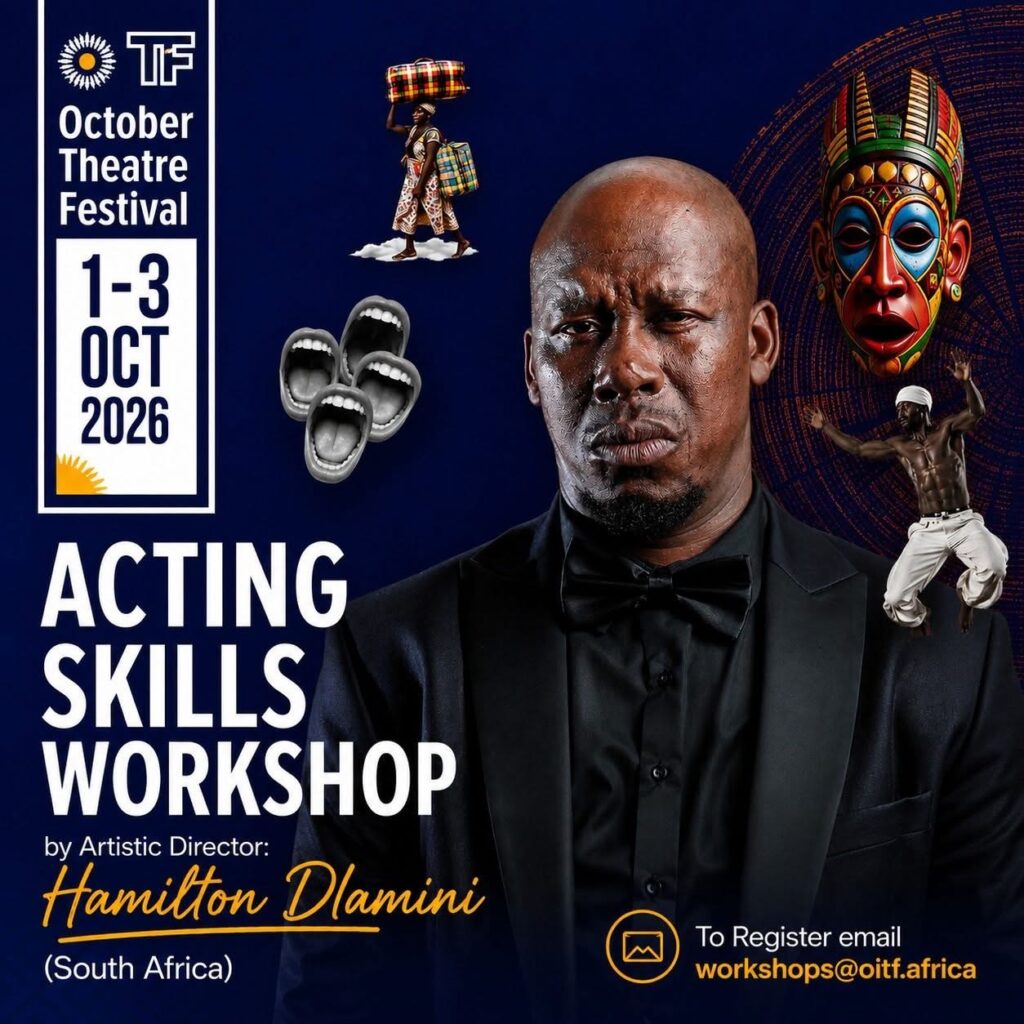
Shakantu said visiting artists would provide training and exchange opportunities for local creatives, allowing performers, directors and technicians to learn new approaches and strengthen the wider theatre ecosystem.
“Exchange is how we grow,” she said, adding that the development of new techniques and methods could strengthen the industry as a whole.
Mkhwanazi, speaking on behalf of the minister, connected the festival’s creative ambitions to tourism and the future identity of Mbabane.
She said a smart city should also be a vibrant city, arguing that Mbabane needed to remain active beyond conventional working hours.
From a tourism perspective, she said, visitors should be able to experience restaurants, arts, music, culture and entertainment in the capital, supported by infrastructure and transport that allow the city to remain active into the evening.
She also highlighted Genesis Ekucaleni Media, or GEM, founded by Shakantu, as part of that creative vision.


GEM is built around the preservation and promotion of Eswatini stories, culture and creative talent, with the belief that local creatives require professional platforms through which their work can be developed and presented beyond the country’s borders.
The festival’s launch also recognised its founding director, Larry Mhlanga, an actor, creative director, arts manager, producer, choreographer and performing artist with more than 25 years of experience across theatre, film, television, radio production, talent development and international touring.
Mhlanga founded the PelePele Arts Academy and has directed productions locally and internationally, while also working on cultural exchanges and projects aimed at developing African artists and strengthening communities.
Shakantu thanked Mhlanga for conceptualising the festival and described it as an important opportunity for Eswatini’s theatre sector.
As the festival moves from its launch into its programme of performances and activities, its significance will extend beyond the stage.







It arrives at a time when Mbabane is seeking to strengthen its identity as a creative and tourism destination, while Eswatini’s artists look towards new platforms, audiences and opportunities.
For the organisers and partners behind the October International Theatre Festival, the immediate task is to fill stages and streets with performance.
The larger ambition, however, is to help restore theatre to a more prominent place in Eswatini’s cultural life and ensure that Mbabane remains one of the places where that story is written.