

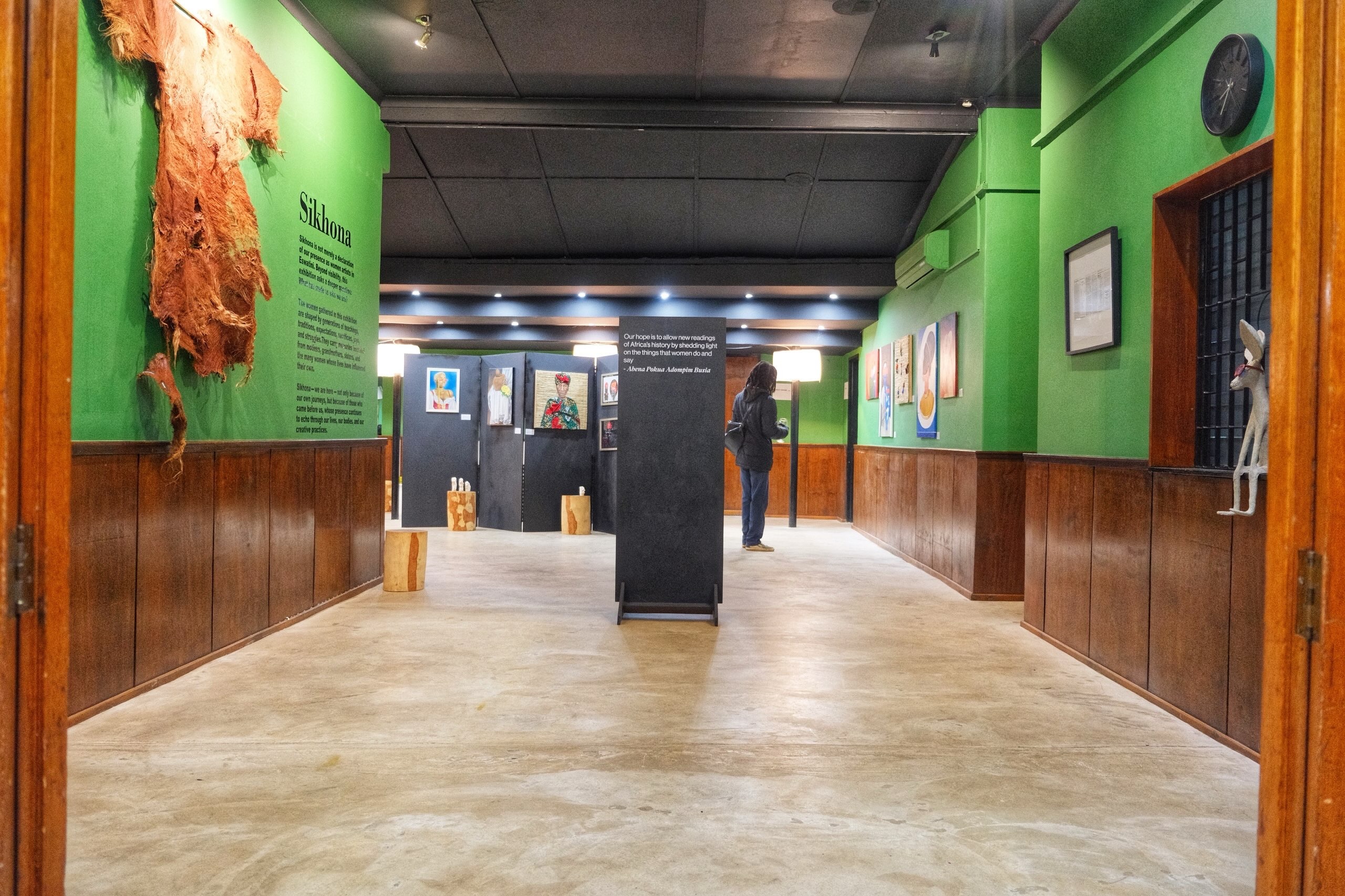

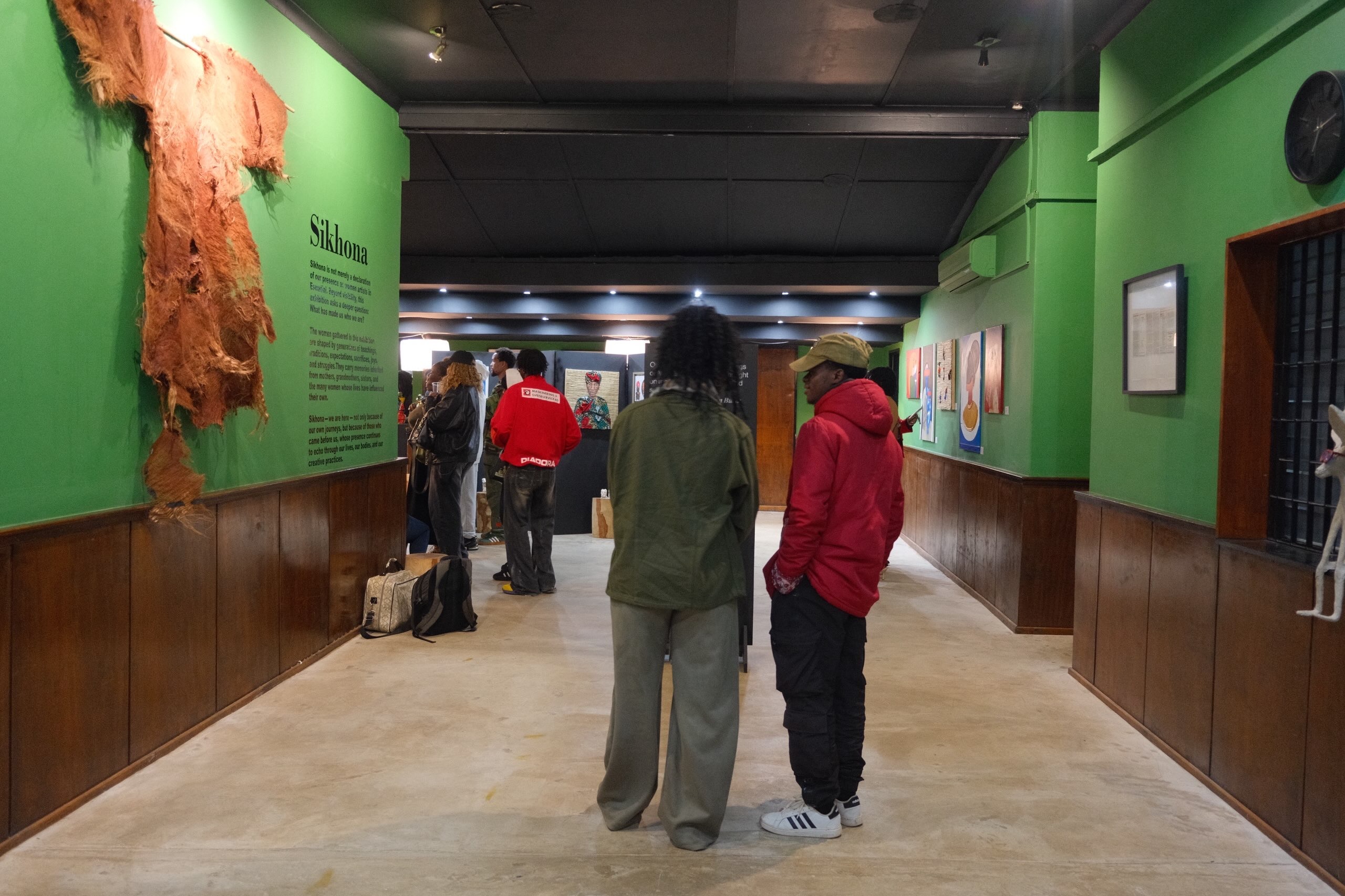
On Saturday evening, the Eswatini Theatre Club became something slightly different from what audiences have come to know it for.
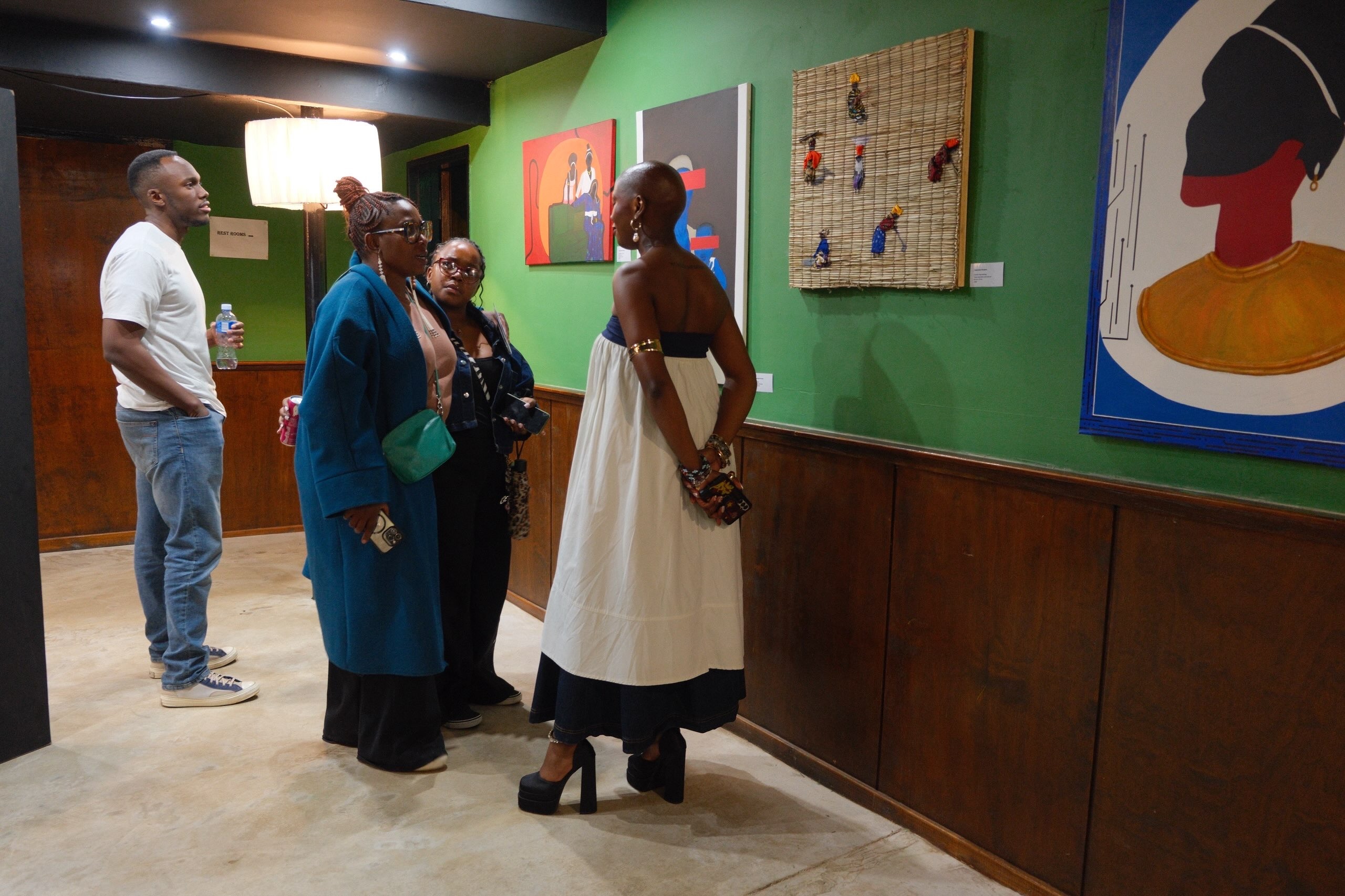
The familiar space of theatre made room for paintings, photographs, pottery, glass and digital work as five women artists gathered for the opening of Sikhona, an exhibition centred on womanhood, identity and the memories we inherit.
The title, Sikhona, meaning ‘We Are Here’, felt fitting. Not just because five women were exhibiting their work, but because the exhibition gave each of them room to speak in her own language.
There was no single way of being a woman on display. Instead, there were fragments of childhood, family, culture, memory, relationships and personal experience, each interpreted through a different artistic practice.
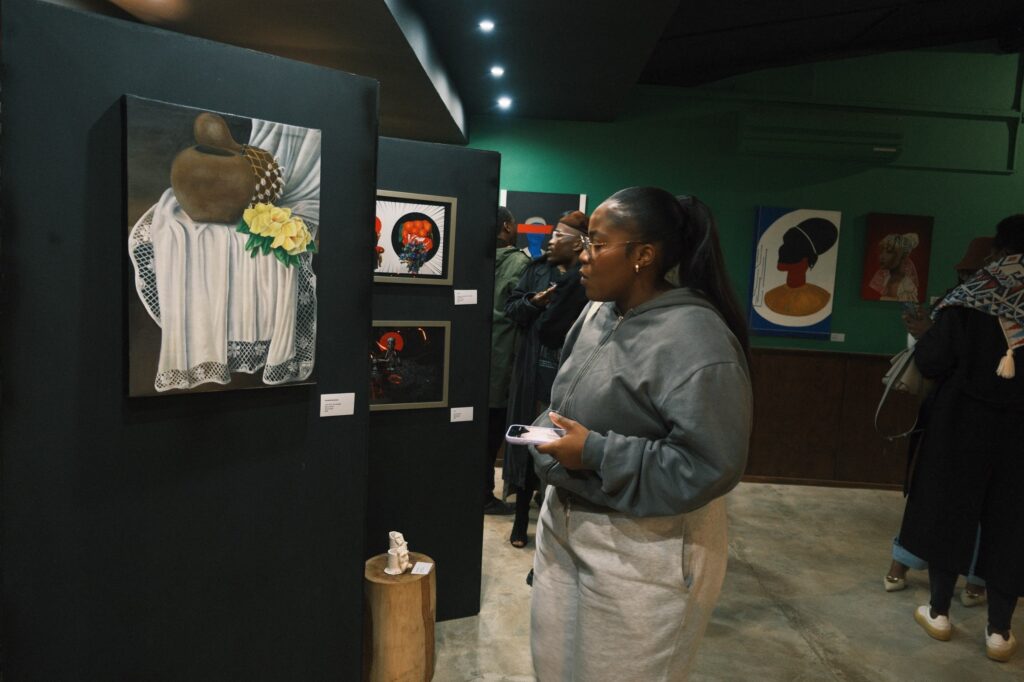
Curated by Xolelwa Malinga and visual artist Phetsemajali Shongwe, the exhibition brought together the work of photographer Noncedo Msibi, artist and Art Hut founder Sinqobile Nkambule, potter Happiness Simelane, multidisciplinary artist Yenzokuhle Shongwe and Shongwe herself.
The evening was not simply about looking at art. It was about listening to the women behind it.
Much of Sikhona sits in the space between the personal and the familiar.
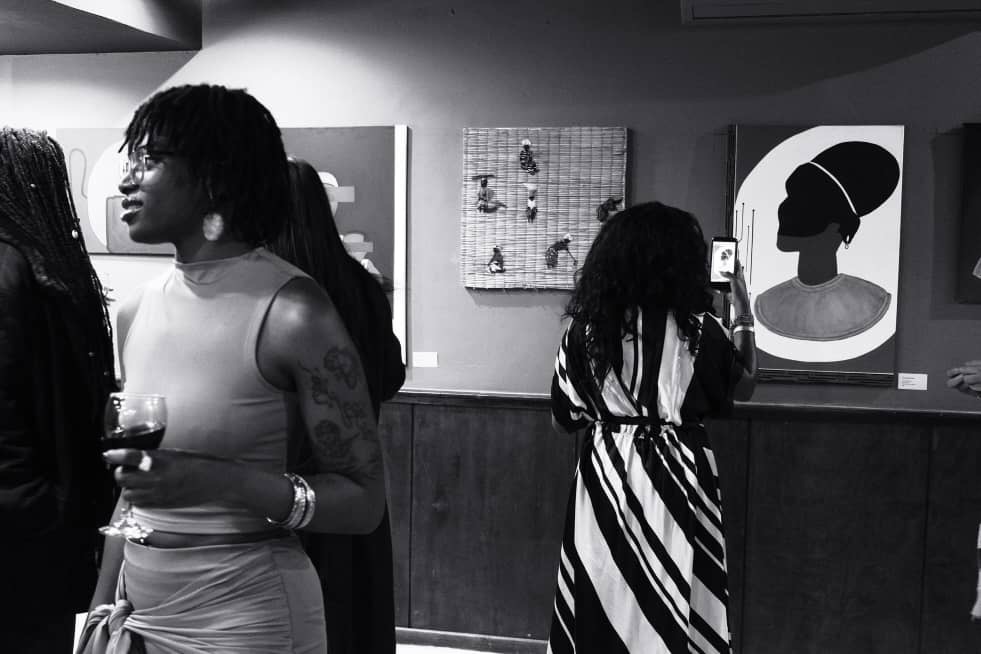
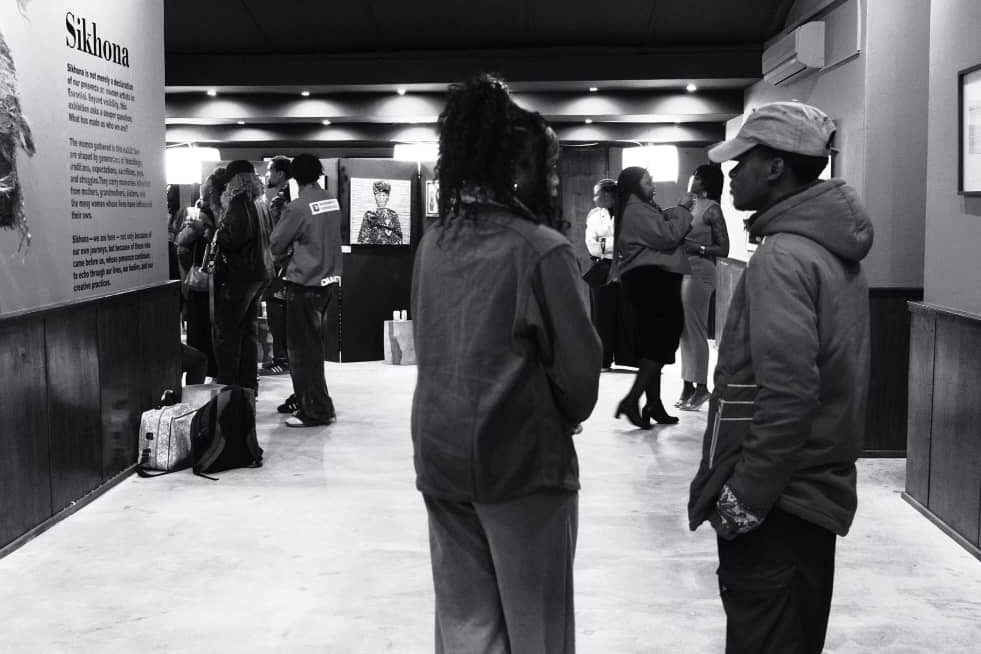
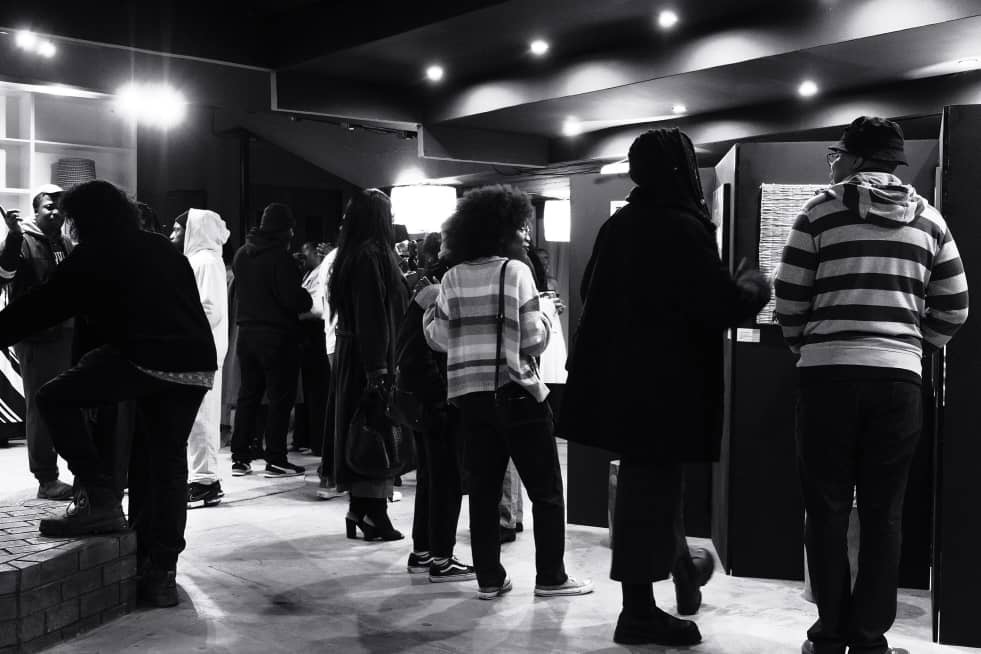
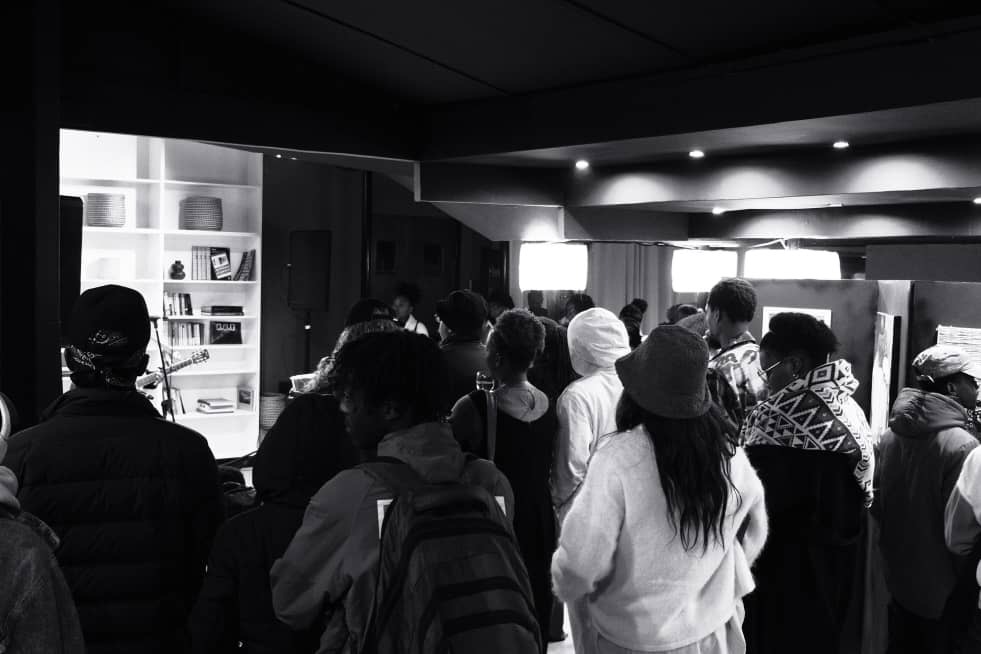
The things women learn before they are old enough to question them. The lessons passed down by mothers and grandmothers.
The expectations attached to being a daughter, sister, wife or woman. The memories that remain long after the people and places connected to them have changed.
Eswatini Theatre Club Vice Chairperson SizoHlophe described the exhibition as an exploration of girlhood, family teachings and intergenerational memories.
Those themes were felt throughout the exhibition, where the artists approached womanhood not as one fixed experience but as something shaped by where we come from and what we carry with us.
For curator Xolelwa Malinga, that was at the heart of Sikhona.
The exhibition created a space where women’s voices and lived experiences could be preserved and shared through art.
It allowed conversations about identity and culture to happen without separating them from the everyday experiences that shape people.
Because inherited memory is not always found in grand historical events. Sometimes it is in a recipe remembered from childhood.
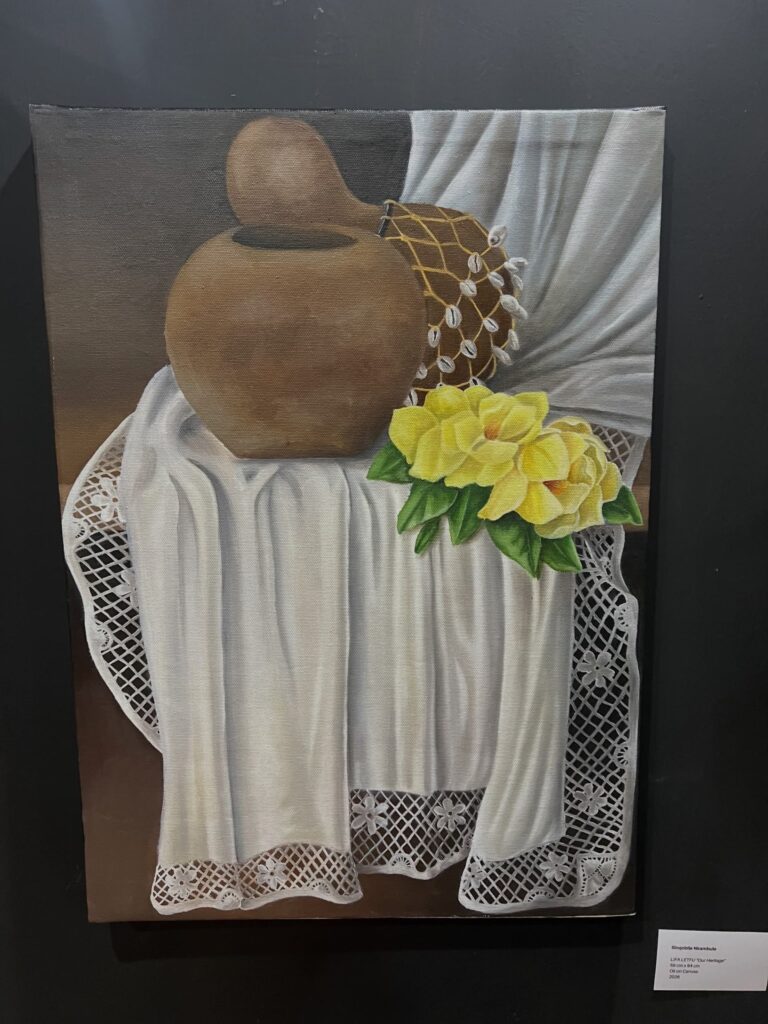
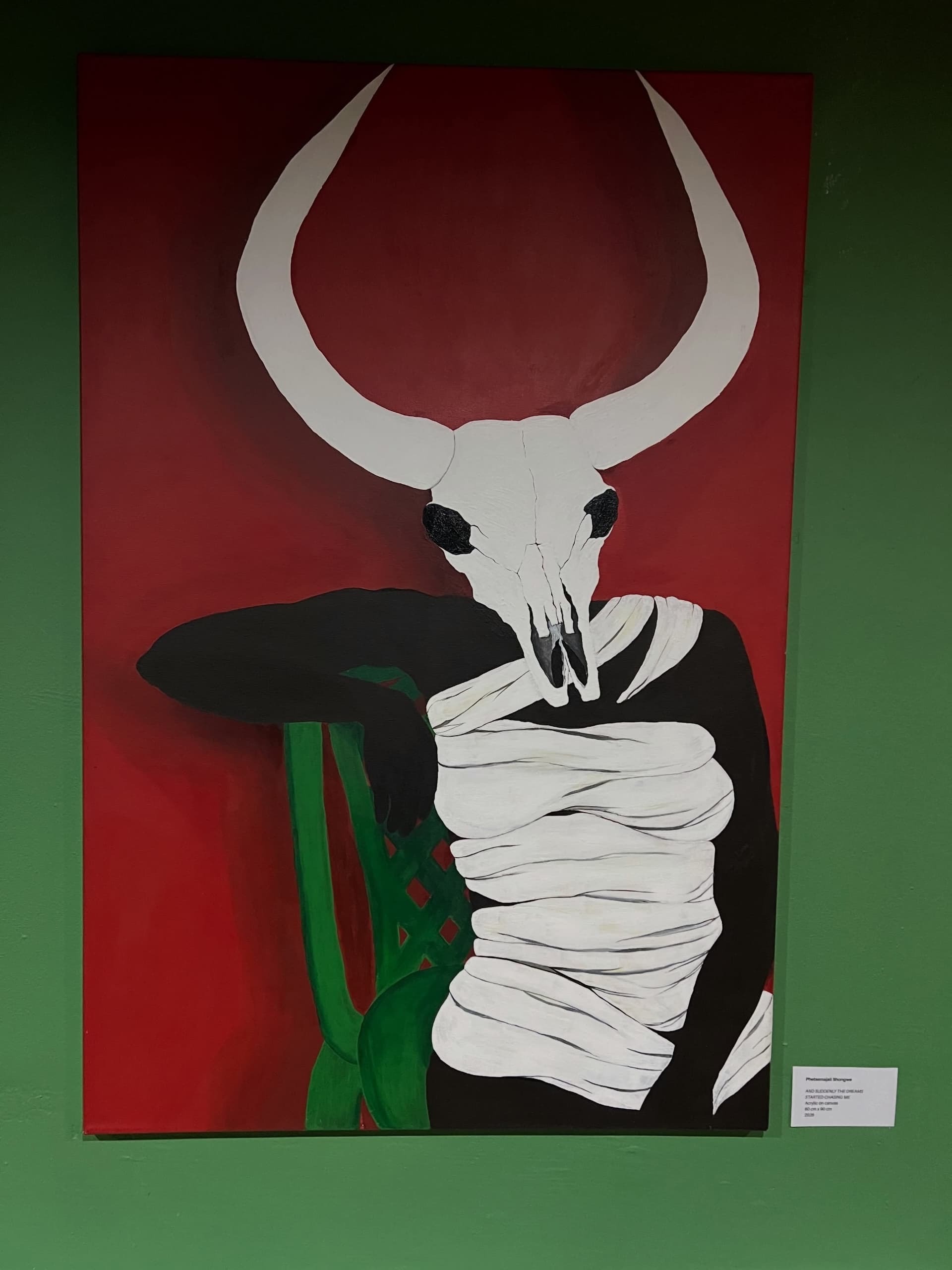
A phrase repeated by a grandmother. A family photograph. A piece of pottery. A ritual. A story that has been told so many times that it becomes part of who you are.
What made Sikhona work was the fact that the artists did not have to tell the same story.
Msibi’s photography offered one way of considering identity and memory.
Nkambule brought the perspective of a self-taught artist whose work exists alongside her work through Art Hut. Simelane’s pottery introduced the physicality of working with earth and form, while Yenzokuhle’s multidisciplinary practice allowed her to move across different forms of expression.
Shongwe, who both curated and exhibited in the show, occupied a particularly interesting position within the exhibition helping shape the wider conversation while contributing her own work to it.
Together, their practices created a conversation rather than a collection of unrelated pieces.
A photograph could sit beside a painting. Pottery could speak to ideas of home and tradition.





Glass could introduce fragility and strength in the same breath. Digital work could bring inherited ideas into a contemporary space.
Meanwhile for the Eswatini Theatre Club, Sikhonaalso marked a moment of its own.
The Theatre Club has long been associated with performance, but the opening of its doors to visual artists signals a broader understanding of what a cultural space can be.
Theatre does not have to exist separately from visual art. Neither does photography have to exist separately from pottery, painting or digital work.
Hlophe described the exhibition as an important step for the Theatre Club as it expands its role beyond theatre and creates opportunities for visual artists while encouraging collaboration across creative disciplines.
That may ultimately be one of the most significant things about Sikhona.
It was not only about five artists being given a wall on which to hang their work. It was about creating a space where different parts of Eswatini’s creative community could meet.
In addition the Eswatini Theatre Club, exhibition offered audiences more than something to look at. It offered a reason to slow down and consider the things that shape us including the things we inherit without ever asking for them.