

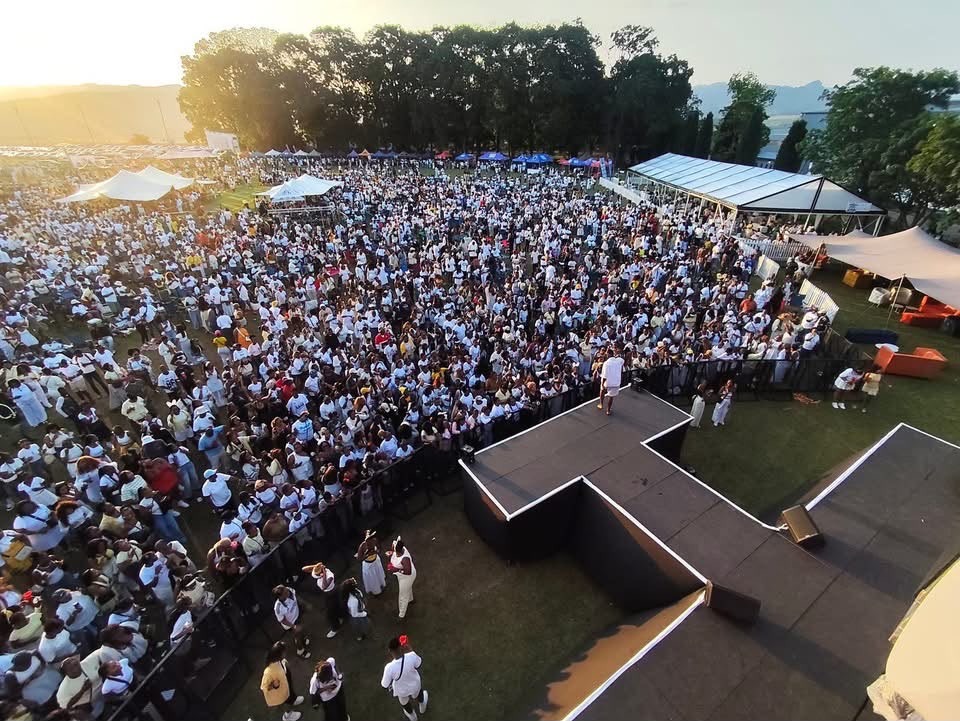

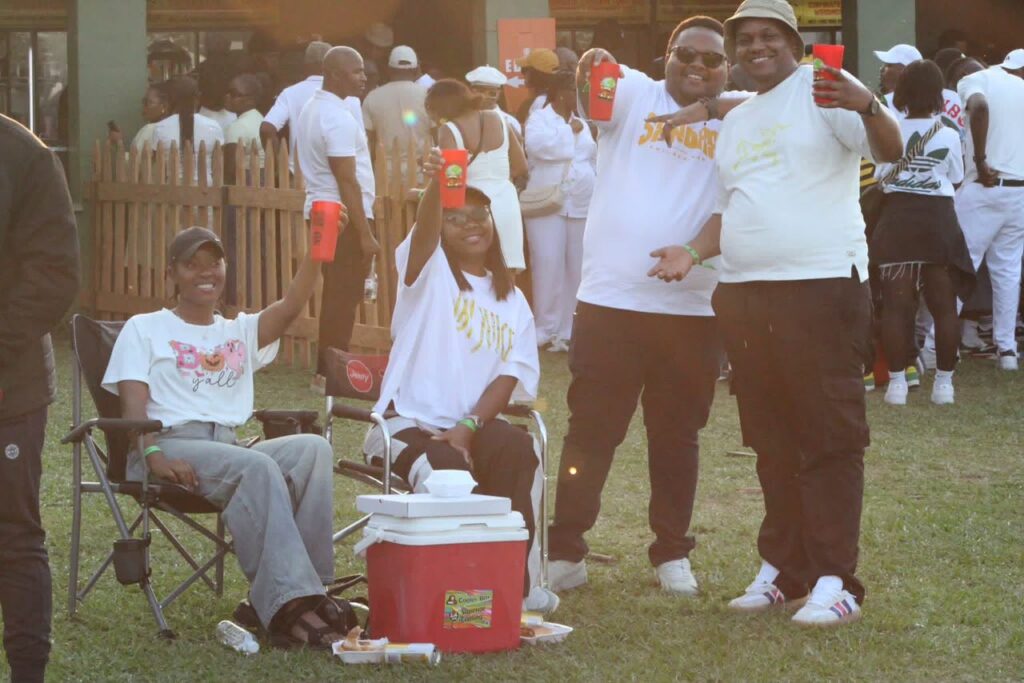
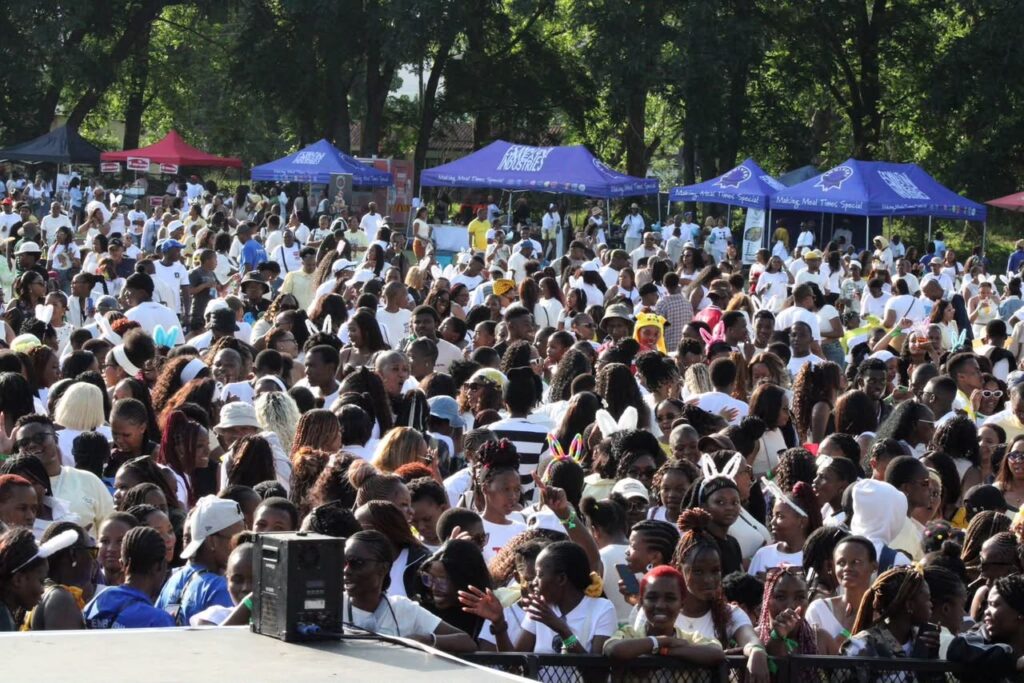
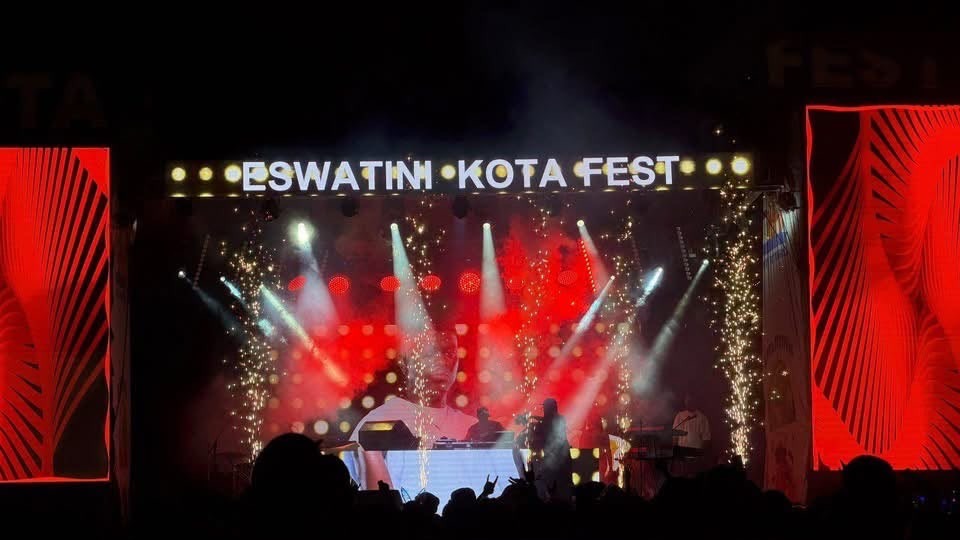
Yellow and white outfits filled Malkerns Country Club on Saturday, the smell of freshly prepared kotas drifted through the venue and music carried across a packed festival ground as the Eswatini Kota Festival brought thousands of revellers together for a day of food, fashion and entertainment.
The impressive turnout gave the festival a lively backdrop, with attendees arriving dressed for the occasion and vendors displaying their creations to customers looking to sample the different offerings.
The result was a busy venue in which the stage, food stalls and fashion choices all contributed to the overall experience.For the many who filled the venue from the early afternoon, this was the epitome of daytime vibes.


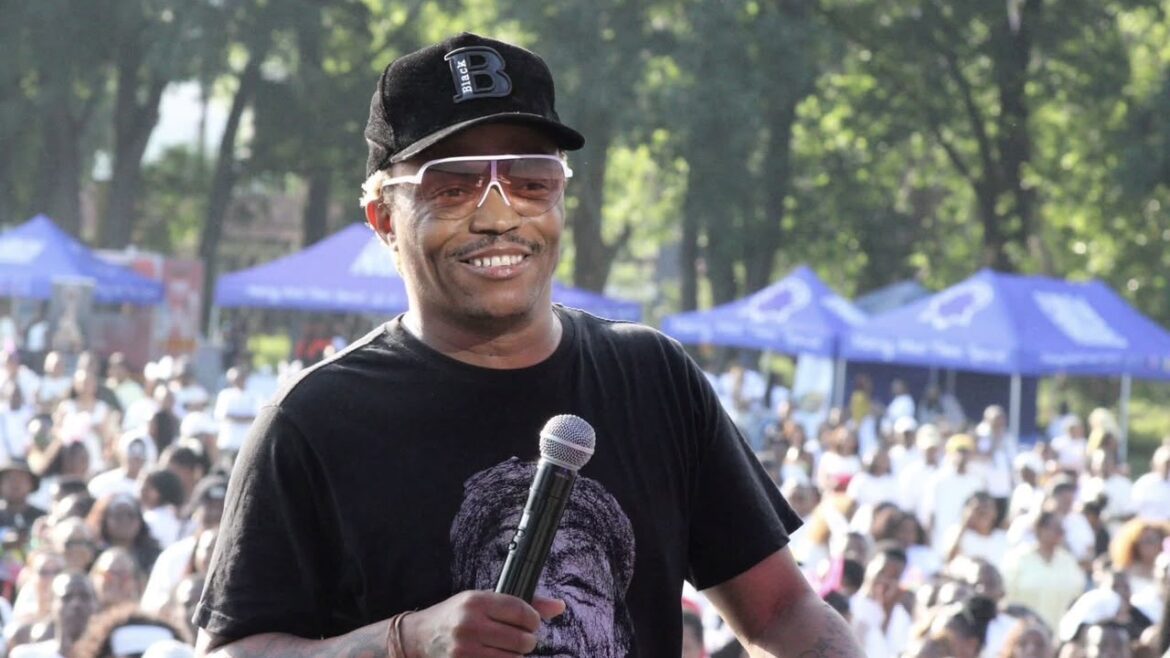
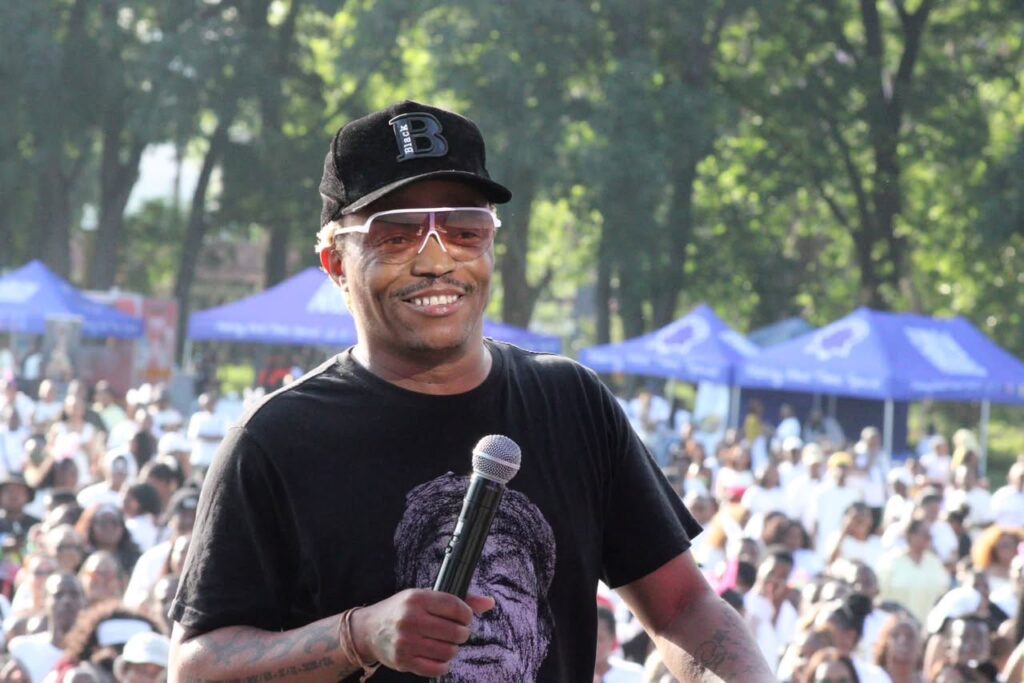
Music remained a major draw, with South African performers Ringo Madlingozi, Mlindo The Vocalist, Mörda, Young Stunna, Amanda Black, Vusi Nova and Emtee among the artists featured on the programme.
Local favourite Young Zesh, alongside DJs (Gifted Kosie, Sgitha, Ayacity, amongst others), added a homegrown presence to the entertainment lineup.
The range of performers meant that the festival was not confined to one sound or audience. Ringo Madlingozi brought his familiar catalogue to the stage, drawing singalongs from fans who recognised his music.
Mlindo The Vocalist offered his soulful sound, giving the audience a change of pace while maintaining the musical connection that kept festivalgoers engaged.

Amanda Black added an emotional and stirring dimension to the programme through her performance of Amazulu. Wearing a yellow crochet dress, the South African singer performed the hit to a crowd of thousands, delivering the song with the feeling that has helped it resonate with listeners.
Its themes of resilience, overcoming rejection and pushing through difficult circumstances gave the performance a personal quality amid the festival’s high-energy atmosphere.
Mörda contributed his experience as a DJ and producer, bringing infectious afro-house sounds to the gathering, while Vusi Nova’s performance offered the audience a worthy reminder of his raspy, soulful vocals.
Emtee added a hip-hop element to the programme, ensuring that the festival’s musical offering extended beyond dance-floor favourites.
Young Stunna was another major attraction. His performance came a day after he appeared in Eswatini for the Teachers’ Day celebrations, making his Kota Festival appearance another opportunity for local fans to see him live.
The performer has reportedly visited the country at least six times this year alone, within a period of approximately four months.

His repeated appearances reflect the regular presence of South African music acts on Eswatini’s entertainment calendar and the demand among audiences for live performances by popular regional artists.
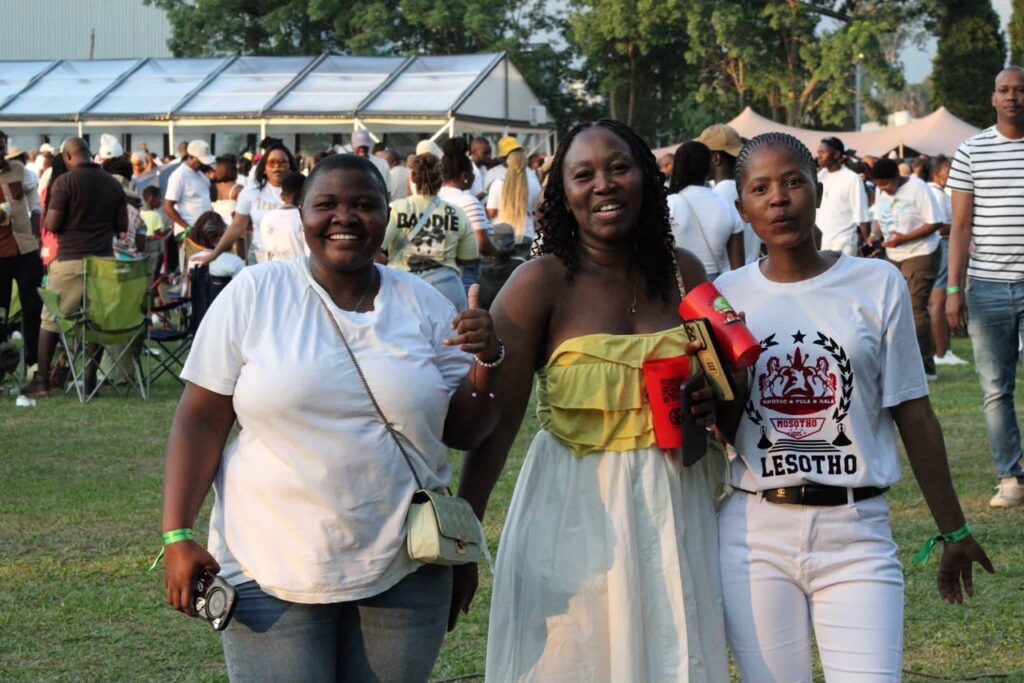
Outside the performances, the festival’s fashion choices were difficult to miss. The white-with-a-touch-of-yellow theme was embraced by revellers who arrived in coordinated looks, statement pieces and carefully styled outfits.
Their participation gave the gathering a distinctive visual identity and added another layer to an event that encouraged attendees to enjoy the experience beyond the music.
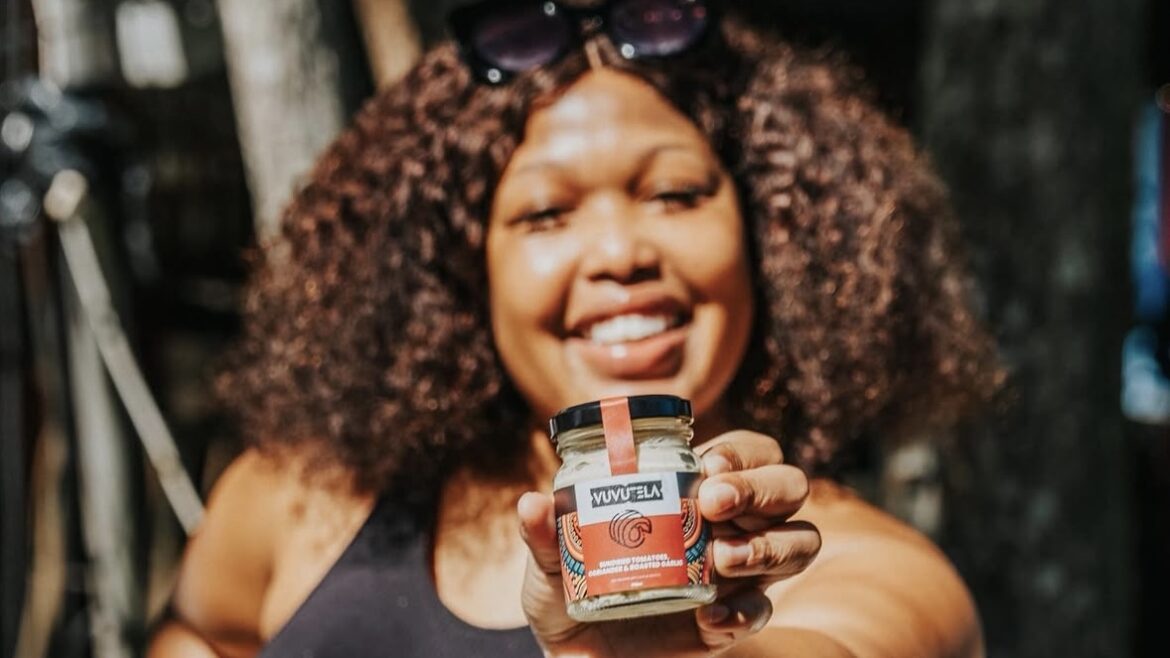
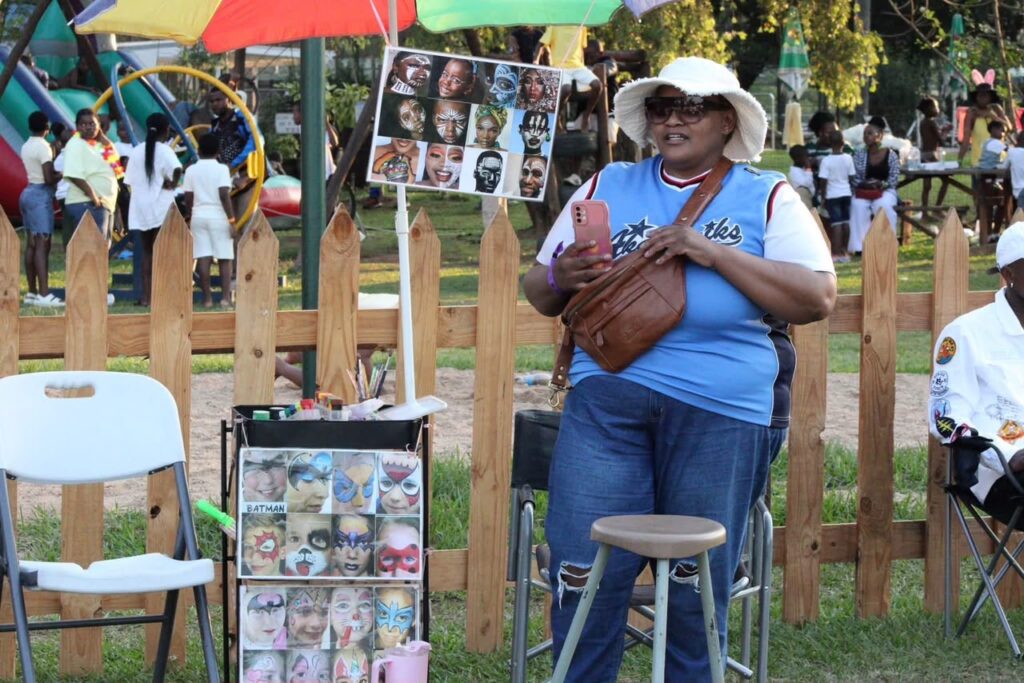
The food stalls were central to the day’s activity. Local and South African vendors placed their signature towering kota offerings on display, with different fillings and combinations giving customers a variety of choices to sample.
The presentations reflected the creativity that has helped the kota remain a popular street-food option, while the festival provided a setting for vendors to introduce their products to a concentrated audience.
For participating traders, an event of this size offered an opportunity to engage directly with varied customers.
The steady movement of festivalgoers between the stage and food areas created a setting in which food sellers could showcase their offerings and connect with people attending the festival.
The extent of sales and the overall financial returns were not disclosed, but the gathering provided a visible platform for small businesses operating in the food space. The event also brought attention to Malkerns as a leisure and entertainment destination.


A festival that attracts visitors for a full programme of music and food can generate activity beyond the stage itself, including demand for transport and other services associated with attending a large gathering.
The scale of the turnout demonstrated the potential for events of this nature to support activity across the surrounding visitor economy, although the actual economic contribution would require further measurement.
The Kota Festival’s overall appeal lay in the way its different elements worked together. Music attracted fans, food gave visitors another reason to explore the venue, and the fashion theme encouraged people to participate in the occasion.
Local entertainers shared the platform with established regional performers, while vendors had a chance to present their products to a broad audience.
For attendees, the event offered an opportunity to enjoy a full day of entertainment without the experience revolving around a single performer or activity.
For businesses, it created a gathering where products and services could be placed in front of potential customers. For Malkerns, it brought a substantial crowd to the area for a major entertainment occasion.
The packed venue and the delivery of the advertised lineup provided visible signs of a successful festival.






With music spanning several genres, kotas on display and revellers embracing the dress code, the gathering delivered on its promise of combining food, fashion and entertainment.
The Eswatini Kota Festival showed how a familiar local food favourite can anchor a larger cultural event.
By bringing performers, vendors and audiences together at Malkerns Country Club, it created a lively meeting point for regional music and local food culture, giving festivalgoers a shared experience built around flavour, style and live entertainment.