


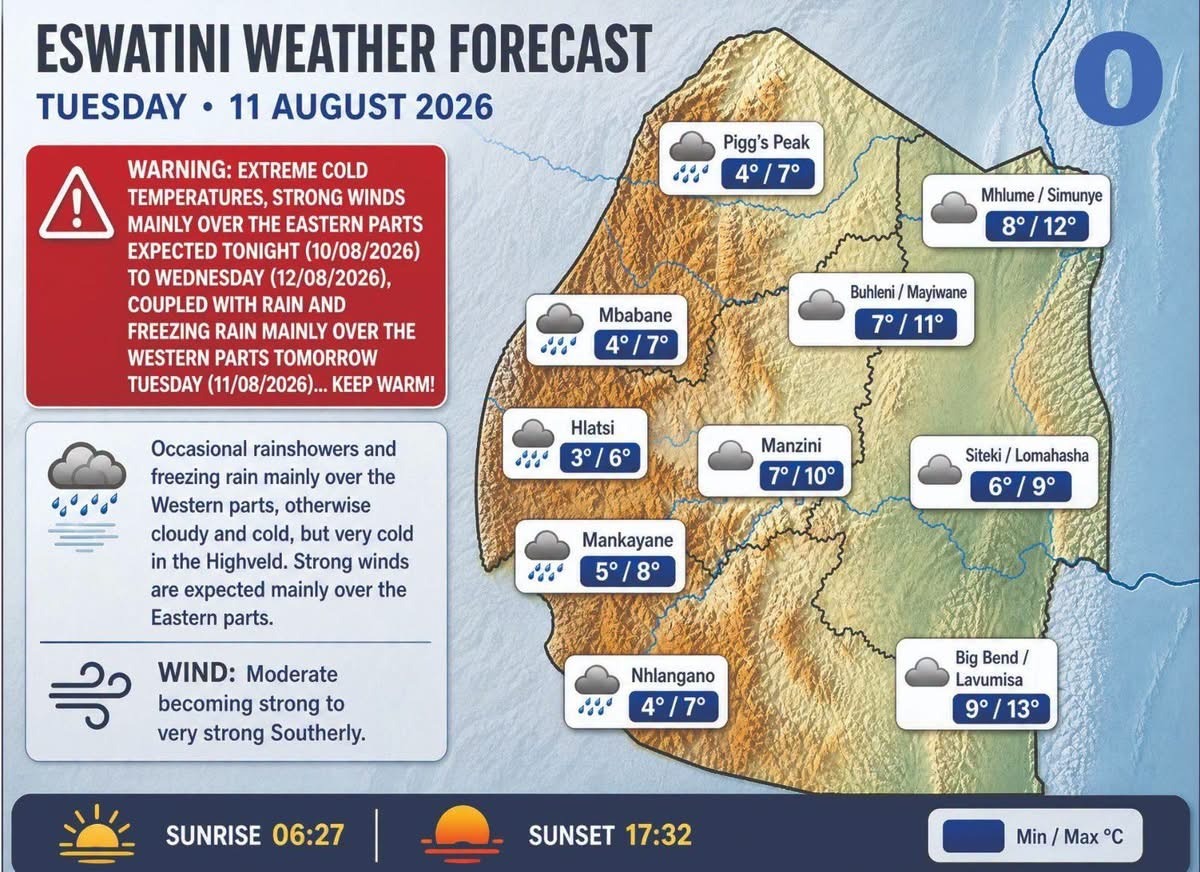

If you woke up this week and immediately questioned every decision that led you out of your warm bed, you are not alone. Eswatini is in the middle of a particularly cold spell, with very cold temperatures and strong winds expected across parts of the country.
The western and Highveld areas are expected to feel the cold particularly sharply, while rain and fog are also adding to the winter conditions.
For some of us, this means reaching for the thickest blanket in the house, turning on the fireplace and deciding that hot chocolate is now an acceptable breakfast. For others, there is no option to stay under the duvet.
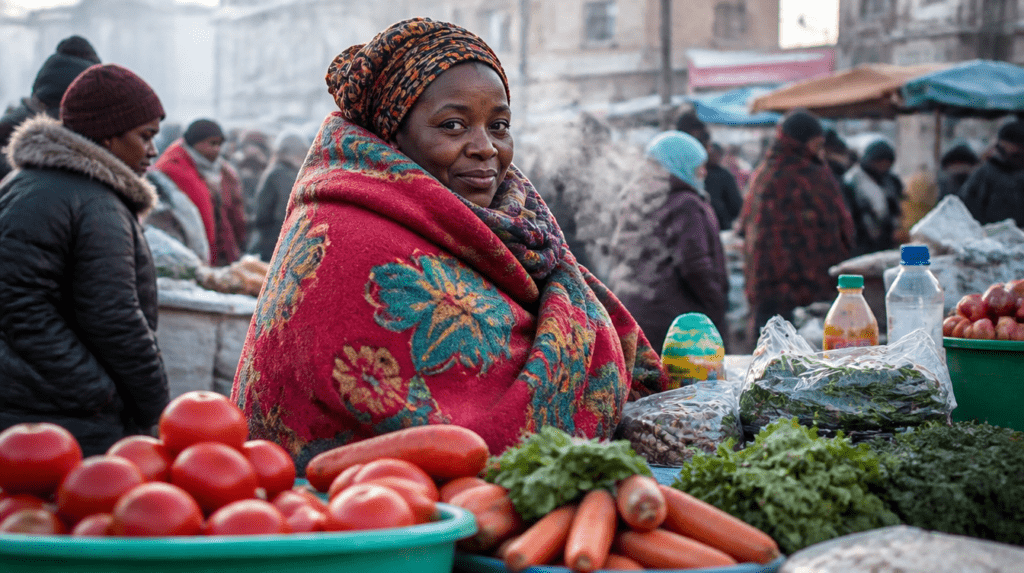
There are children who still have to get ready for school, parents who have to report for work, vendors who need to open their stalls, taxi drivers who have to be on the road and people whose livelihoods depend on being outside regardless of what the thermometer says.
And that is worth remembering as the country settles into this unusually cold week. The cold front is not experienced equally.
First things first: keep the children warm. For parents, the instinct during weather like this is usually simple: keep the children inside.
Where possible, that is exactly what the Deputy Prime Minister’s Office has encouraged, particularly for vulnerable children. But for families whose children still need to attend school, the practical answer is layering.
A vest or warm undershirt underneath a school uniform can make a noticeable difference, followed by a jersey, tracksuit top or coat where the school allows it.
Warm socks are especially useful on cold mornings, and a proper jacket is preferable to relying on several thin layers that leave a child shivering by the time they arrive at school.
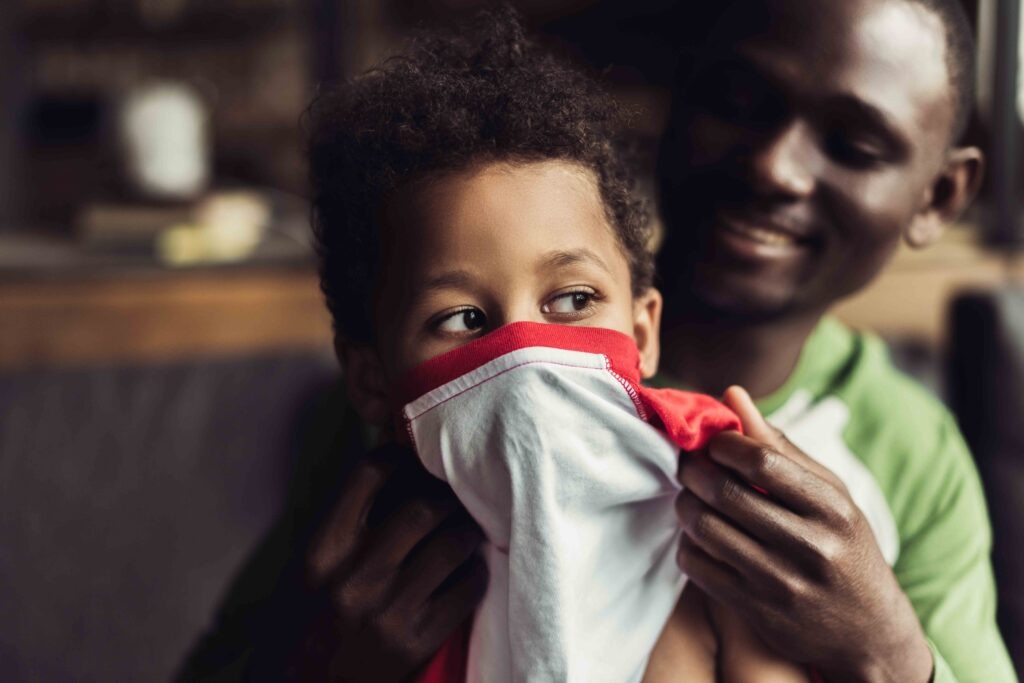
And then there is the morning routine. Give yourself more time.
Nobody needs to discover at 6:45am that the child’s jersey has disappeared, the lunchbox hasn’t been packed and there is no clean pair of warm socks.nThis is the week to prepare the night before.
Uniforms can be laid out, lunch packed and jackets placed where they can actually be found in the morning.
Parents should also keep an eye on official communication from schools and transport providers. If conditions make travelling unsafe, speak to the school rather than simply assuming that children should report as normal.
And yes, bring out the hot chocolate. There are certain foods and drinks that simply belong to cold weather. Hot chocolate is one of them.
So is tea. Coffee. Porridge. Soup. Stew. Anything warm that can be held between both hands while you question why winter exists.
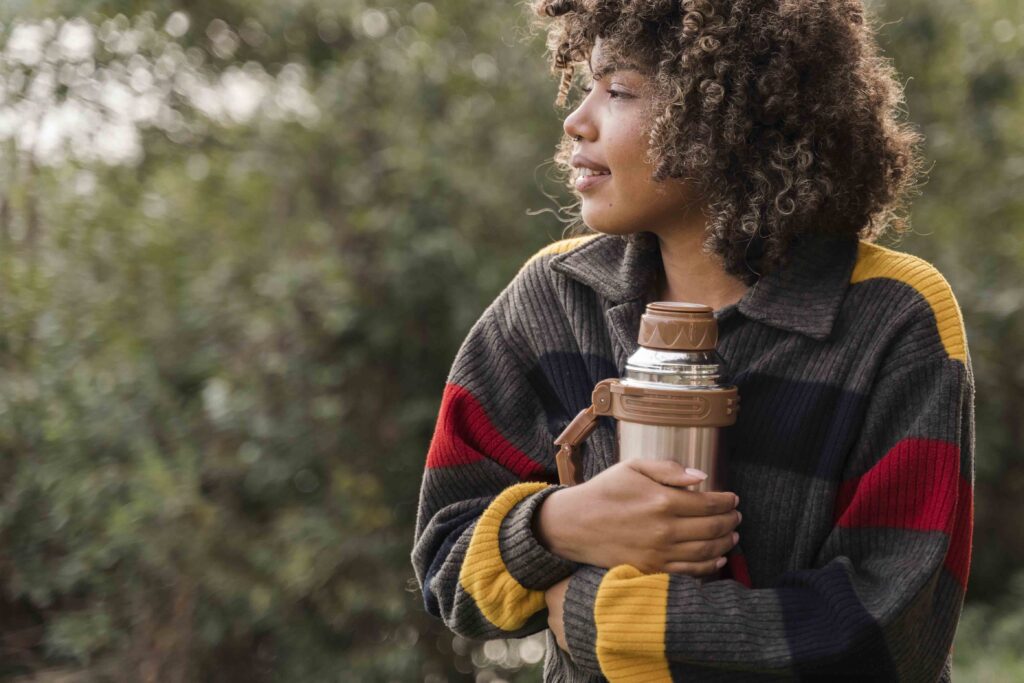


This is also a good week to make meals that actually keep the family warm and full. A pot of soup or stew can stretch across several meals, while porridge in the morning gives children something warm before they leave the house.
The cold is also a good excuse to make the kitchen the warmest room in the house, but comfort does not have to mean expensive.
A simple pot of beans, soup made from vegetables already in the fridge or a traditional meal that the family already enjoys can do the job perfectly well.
If you have a fireplace, use it wisely. For households with fireplaces, this is obviously the weather for them fireplaces and heaters also need a little common sense.
Keep children away from open flames, make sure heaters are placed somewhere stable and well away from curtains, bedding and other materials that could catch fire, and never leave a fire or heater unattended.
A warm house is lovely. A house fire is very much not part of the winter aesthetic.
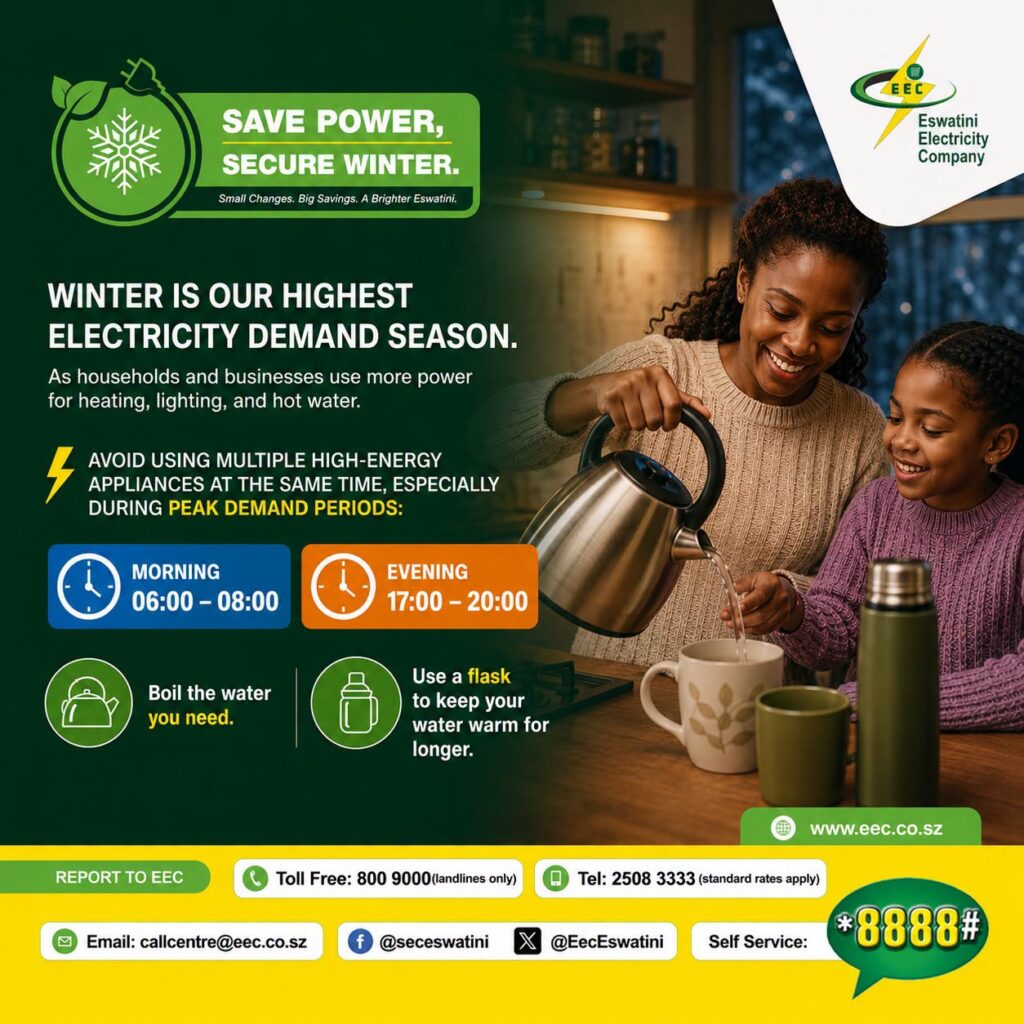
If you do not have a fireplace or heater, there are still ways to keep a room warmer, close windows and doors properly, block obvious drafts and use blankets and warm clothing rather than trying to heat the entire house. And if you are using a heating appliance, follow its safety instructions and make sure the room has appropriate ventilation.



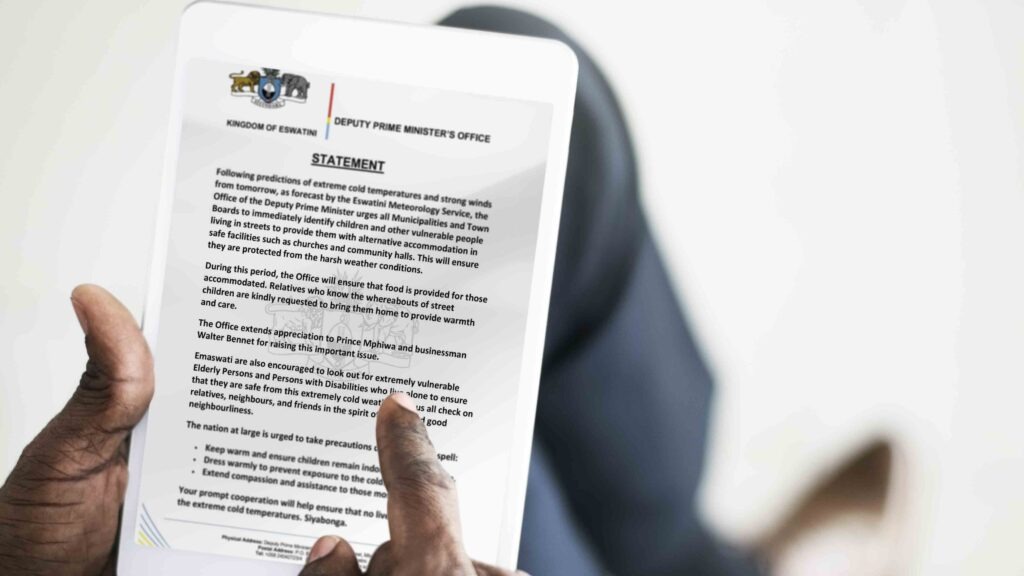
Meanwhile The Deputy Prime Minister’s Office has instructed municipalities and town boards to identify children living on the streets and other vulnerable people, including elderly people and people with disabilities, and move them into temporary accommodation during the cold spell.
Churches, community halls and other suitable facilities can be used as shelters, and the government has said food will be provided to those accommodated.
Families who know where street-connected children are have also been encouraged to bring them home where possible. However the responsibility does not stop with government.
It is also a community responsibility. If you know an elderly neighbour who lives alone, check on them. If there is someone sleeping outside your workplace or near your neighbourhood, do not simply walk past because you assume someone else will help. If you have a spare blanket, warm jacket or clothing that is still in good condition, consider whether someone else could use it.
The DPM’s Office has specifically appealed to communities to check on relatives, neighbours and friends in the spirit of Buntfu and good neighbourliness. That is perhaps the simplest instruction to carry through this week: look around you. For the people who still have to work
There is a particular privilege in being able to say, “I’m staying home today.” Not everyone has it. The woman selling vegetables at the market cannot necessarily close her stall because the morning is freezing. The man working at a roadside stand cannot simply decide that today is a blanket day. The security guard still has a shift. The taxi driver still needs passengers. The construction worker still has a job to do.
For those spending hours outside, the basics matter. Layer clothing rather than relying on one thick item. Keep your feet warm and dry. Carry an extra layer if you can. If there are opportunities to warm up indoors during breaks, take them.
And if you run a business or workplace, this is a good week to think about the people working for you. A warm place to take a break, access to hot water or tea and reasonable opportunities to get out of the cold can make a long winter shift a little more manageable.
Cold weather can become romantic when we are experiencing it from inside a warm house, but it is very different when you are standing outside trying to earn a living. Check on Gogo and Mkhulu. The elderly deserve particular attention during a cold spell. If you have grandparents, elderly relatives or neighbours living alone, check in.
It does not have to be a dramatic intervention. A phone call. A visit. Dropping off groceries. Making sure they have warm clothing. Checking that their heater or fireplace is safe.







Sometimes the person who needs help most is not someone we would immediately identify as vulnerable because they are simply the person who has always managed on their own.
This is a good week to ask anyway. Make the house a little softer For those lucky enough to be indoors, perhaps we can embrace the cold without becoming completely miserable about it.
We can enjoy the cosy parts of winter while still paying attention to the people who do not have a warm room waiting for them.
So, yes keep the fireplace going, stock up on hot chocolate, layer the children, make something warm for dinner and embrace the excuse to stay under the blankets a little longer.
But before you close the curtains and disappear into your cosy little winter bubble, look outside. Check on someone. Give someone a warm jacket. Share a meal. Make the phone call.
Because getting through a cold front is not only about keeping ourselves warm. It is about making sure the people around us do not have to face it alone.